
Emergency Room Guide for a Dislocated Shoulder
May 1, 2026
What patients really think about Intracept
May 8, 2026
Flat Foot Fix: The Best Trainers for Flat Feet and Men Who Need Support
Why Finding the Right Trainer Matters When You Have Flat Feet
The best trainers for flat feet combine medial arch support, a firm heel counter, and a stable midsole to control overpronation and reduce joint stress during training. Here are the top picks for 2026:
| Trainer | Best For | Key Feature |
|---|---|---|
| Brooks Glycerin GTS 22 | Running & Walking | GuideRail support, durable outsole |
| ASICS Gel Kayano 32 | Running | Wet traction, deep arch support |
| HOKA Arahi 8 | Walking & Daily Training | Lightweight J-Frame stability |
| Saucony Hurricane 25 | High-Cushion Running | 40.2 mm stack, max shock absorption |
| UA TriBase Reign 6 | CrossFit & HIIT | Low 2mm drop, wide stable base |
| Born Primitive Savage 1 | Weightlifting | 545 lb lifting threshold, 4mm drop |
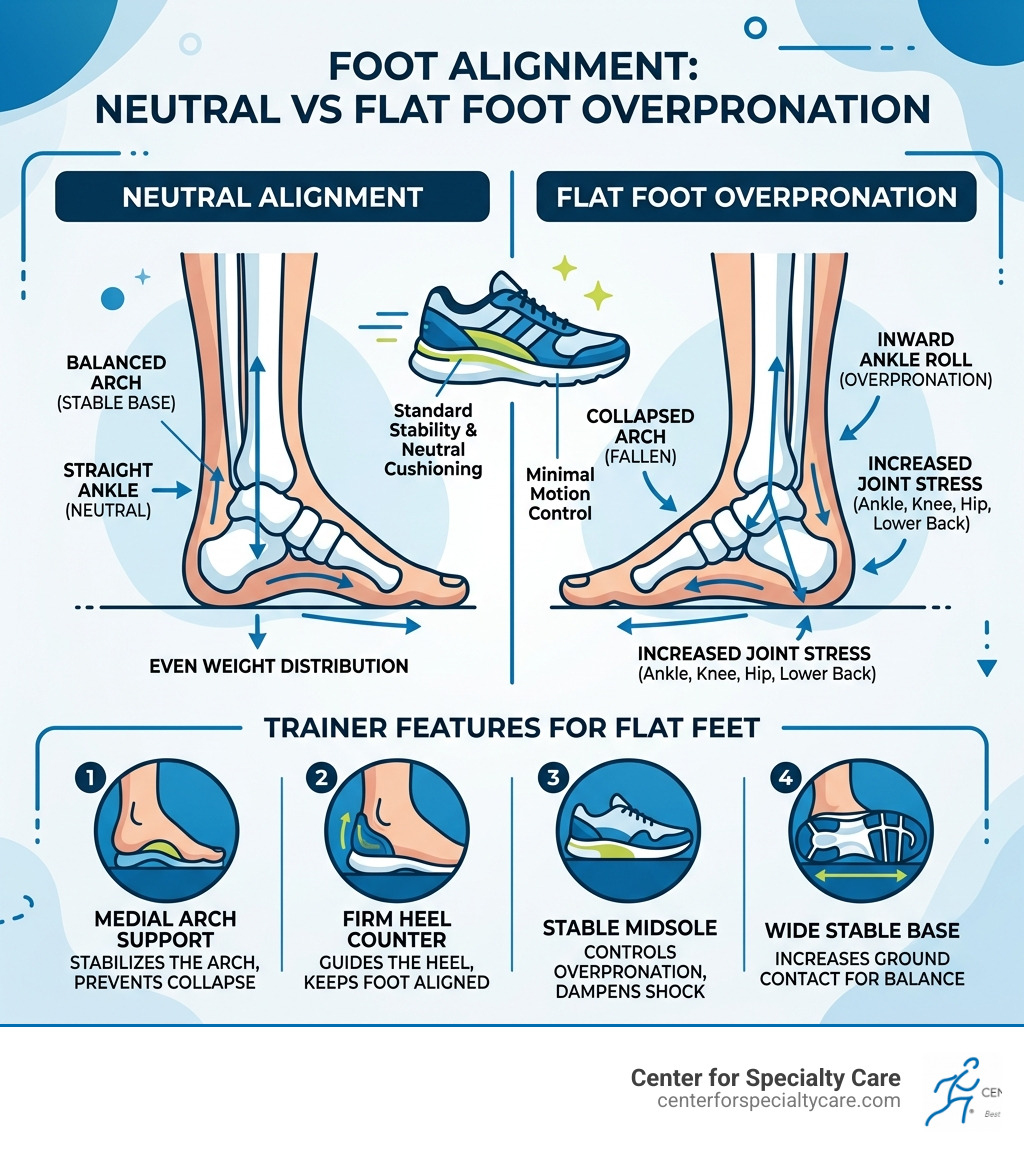
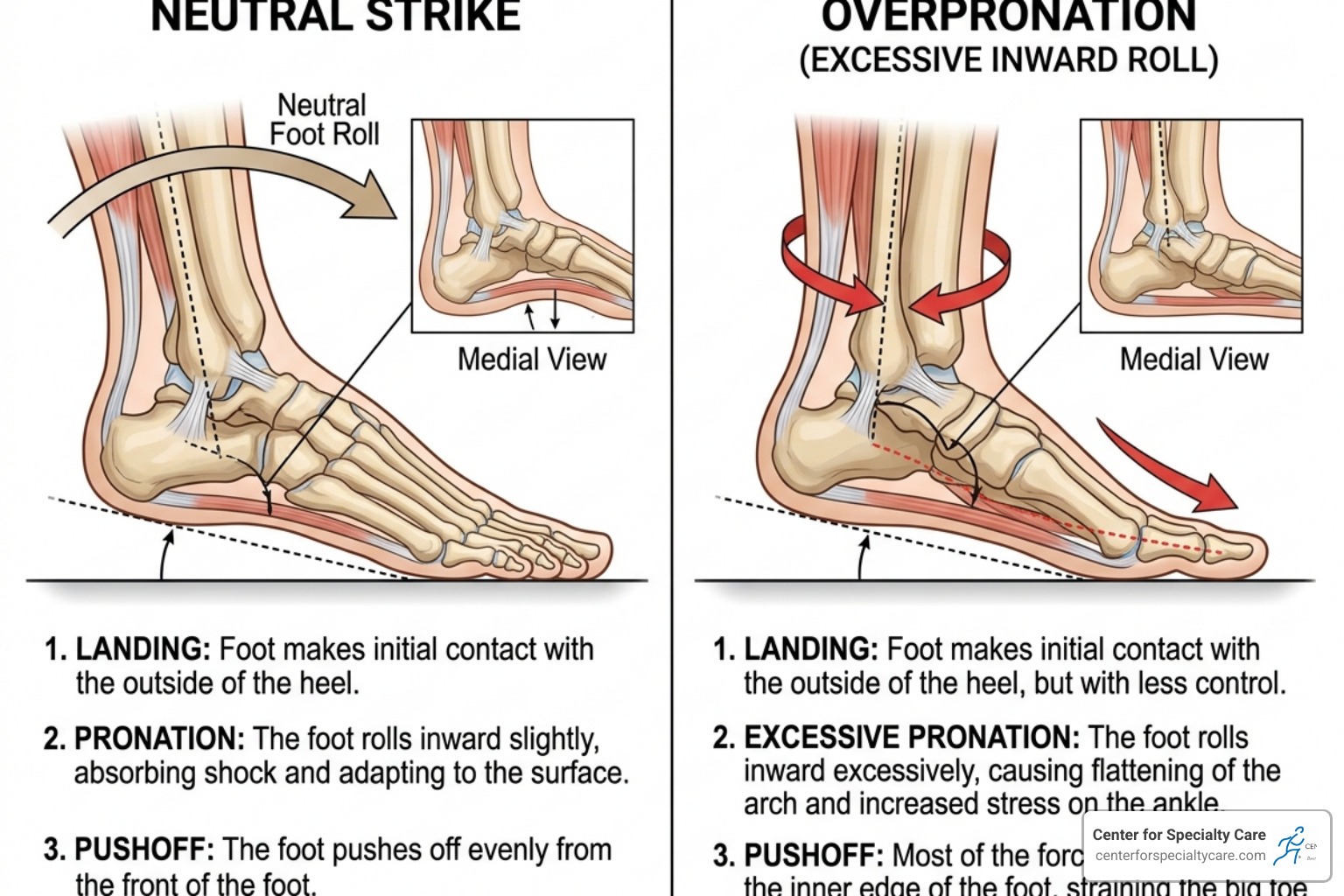
Flat feet — also called fallen arches — affect somewhere between 20% and 30% of the general population. When your arch collapses under body weight, your foot rolls inward excessively. That inward roll, known as overpronation, doesn’t just affect your feet. It puts extra strain on your ankles, knees, hips, and lower back.
For anyone who trains regularly, that chain reaction matters. The wrong shoe can make it worse. The right one can make a real difference.
I’m Dr. Corey Welchlin, a board-certified orthopedic surgeon and sports medicine physician with over 30 years of experience treating musculoskeletal conditions — including the foot, ankle, and knee problems that often trace back to inadequate support in the best trainers for flat feet. Whether you’re dealing with chronic joint pain or just trying to stay active without discomfort, choosing the right footwear is one of the smartest first steps you can take.
Understanding Flat Feet and Their Impact on Training
When we talk about flat feet in our clinics in Fairmont and Estherville, we aren’t just looking at the shape of your footprint. We are looking at how your foot behaves under pressure. Flat feet occur when the longitudinal arches in your feet don’t develop (congenital) or collapse over time (acquired). This is particularly common in women over 40 and individuals who are obese, as the tendons supporting the arch weaken under consistent stress.
There are two primary types of flat feet that influence which trainers you should buy:
- Flexible Flat Feet: This is the most common type. You’ll see an arch when you’re sitting down or standing on your tiptoes, but as soon as you put your full weight on the ground, the arch disappears.
- Rigid Flat Feet: In this case, the arch is absent whether you are bearing weight or not. This type is often more painful and may require more specialized orthopedic intervention.
You can actually test this at home using what we call “Jack’s Test.” Have someone pull your big toe upward while you are standing. If an arch appears, you likely have flexible flat feet. If it stays flat, you’re in the rigid category.
Why does this matter for your workout? Without a functioning arch to act as a natural shock absorber, the force of every step travels straight up the kinetic chain. This often leads to overpronation — an excessive inward roll of the foot. Over time, this causes the subtalar joint to work overtime, leading to common foot problems like plantar fasciitis, bunions, and even “runner’s knee.”
Key Features of the Best Trainers for Flat Feet
If you have flat feet, you can’t just grab the flashiest pair of sneakers off the shelf. You need shoes that act as a structural “scaffold” for your feet. When we evaluate the best trainers for flat feet, we look for several non-negotiable features:
1. Medial Support and Arch Contour
Stability shoes are designed with a firmer material (often called a “medial post”) on the inner side of the shoe. This prevents the arch from collapsing inward. In 2026, many brands have moved away from hard plastic posts toward “GuideRails” or H-Frame technology, which provides support only when your foot actually needs it.
2. Firm Heel Counter
The heel counter is the plastic structure in the back of the shoe that cups your heel. For flat feet, this needs to be stiff. If you can easily squish the back of your shoe with your thumb, it won’t provide enough stability to prevent your heel from wobbling.
3. Wide Toe Box
Flat feet tend to spread out more than high-arched feet. A cramped toe box restricts your toes from “splaying,” which is essential for balance during heavy lifts or fast runs. Many of the best trainers for flat feet now offer wider “D” or “E” width options to accommodate this natural spread.
4. Torsional Rigidity: The “Twist Test”
This is a simple expert trick we recommend to our patients. Hold the shoe at the heel and the toe, then try to twist it like a wet towel. A neutral, flexible shoe will twist easily. A trainer for flat feet should be rigid through the midsole. If it bends too easily in the middle, it won’t support your arch during a workout.
| Feature | Stability Shoe (Flat Feet) | Neutral Shoe (High Arches) |
|---|---|---|
| Weight | Avg 10 oz (285g) | Avg 9.3 oz (263g) |
| Midsole | Dual-density / Firm | Single-density / Soft |
| Arch Support | Built-in Medial Support | Minimal to None |
| Flexibility | Rigid through the midfoot | Highly flexible |
According to ASICS research on running shoes for flat feet, features like their DUOMAX® and TRUSSTIC SYSTEM™ are vital for providing the motion control necessary to keep your gait neutral.
Top-Rated Trainers for Every Activity
Testing trainers isn’t just about how they feel in the store; it’s about how they hold up after 100 miles on the pavement or 500 lbs on the lifting platform. Our research indicates that experts have logged over 7,000 hours of real-world wear to determine which shoes actually deliver on their promises.
The Best Trainers for Flat Feet for Running and Walking
For high-impact activities like running, shock absorption is king. If you have flat feet, you need a shoe that dampens the impact that your lack of arches can’t handle.
- Brooks Glycerin GTS 22: This is a powerhouse for stability. In durability tests, the outsole showed only a 0.5 mm dent after extensive wear — that’s 54.5% sturdier than the average trainer. The “GTS” stands for “Go-To-Support,” utilizing GuideRails to keep your knees and hips in alignment.
- ASICS Gel Kayano 32: A favorite for over 30 years, the 2026 model features 4D Guidance technology. It’s also incredibly safe for outdoor use; its wet traction score of 0.84 makes it 68% grippier than average.
- Saucony Hurricane 25: If you want to feel like you’re walking on clouds without losing support, this is it. It has a towering stack height of 40.2 mm at the heel and a shock absorption rating of 151 SA, providing maximum protection for your joints.
- HOKA Arahi 8: Known for its J-Frame technology, this shoe uses firmer foam on the medial side that wraps around the heel in a “J” shape. It’s surprisingly lightweight for a stability shoe, making it one of the best walking shoes for flat feet in 2026.
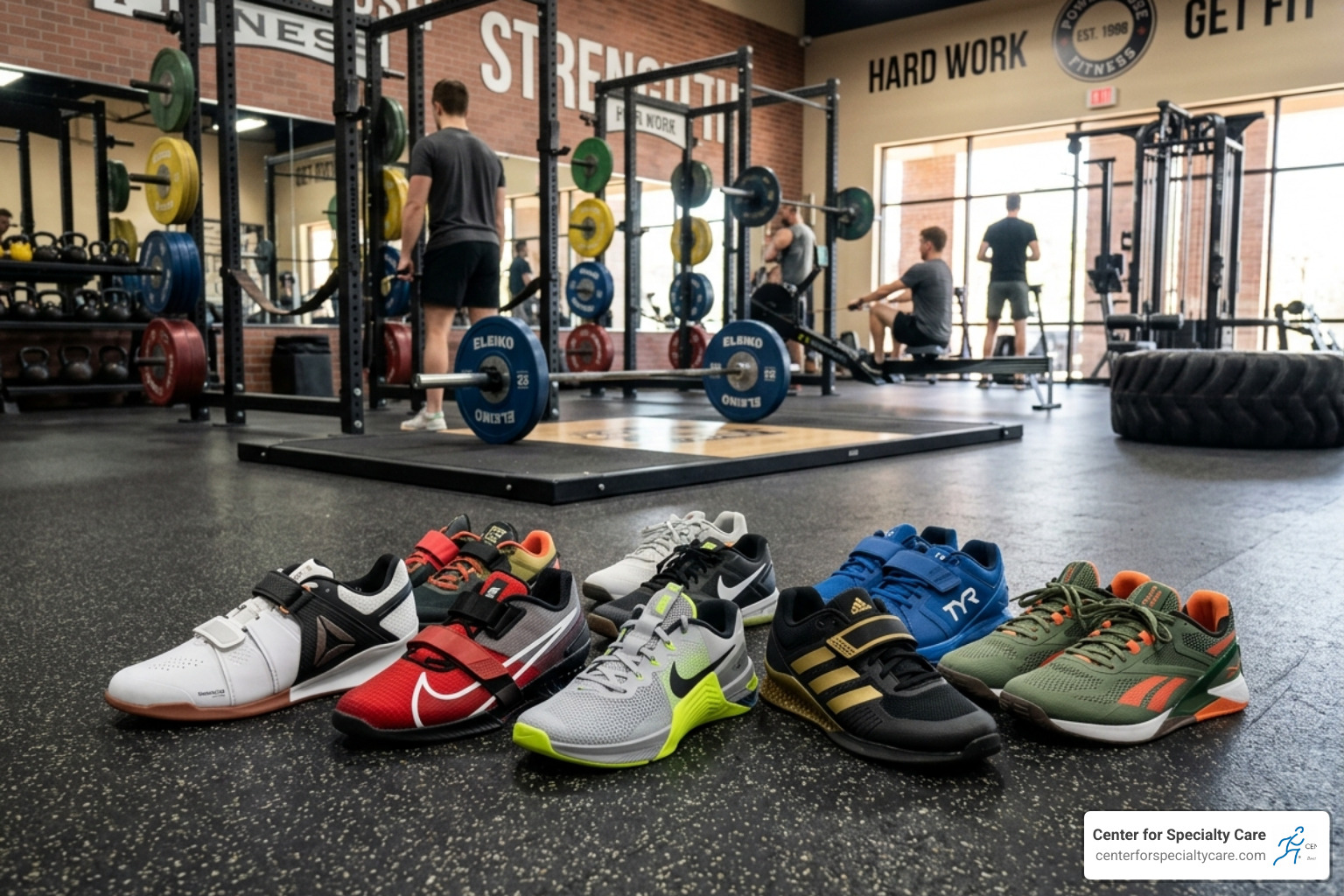
The Best Trainers for Flat Feet for CrossFit and Lifting
Cross-training presents a unique challenge: you need enough cushion for box jumps but enough stability for heavy squats. Shoes with a huge, squishy heel (like some running shoes) can actually be dangerous for lifting because they create an unstable base.
- UA TriBase Reign 6: This shoe “slaps across the board” for CrossFit enthusiasts. It features a low 2mm heel-to-toe drop, keeping you close to the ground for better power transfer. It has a tested lifting threshold of 515 lbs, meaning it won’t compress under heavy loads.
- Born Primitive Savage 1: If you’re a heavy lifter, this is our top pick. It boasts a 545 lb lifting threshold and a wider toe box that allows for maximum toe splay during deadlifts. It’s built like a tank but remains flexible enough for short sprints or HIIT sessions.
- Altra Solstice XT 3: For those who prefer a “zero-drop” feel (where the heel and forefoot are at the same height), this shoe offers a foot-shaped toe box that is a dream for wide, flat feet.
For more detailed breakdowns on CrossFit-specific models, you can explore this guide to cross-training shoes for flat feet.
Maximizing Comfort: Orthotics and Professional Care
Sometimes, even the best trainers for flat feet aren’t enough on their own. This is where custom intervention comes in.
At our Fairmont clinic, we often see patients who have tried every shoe on the market but still experience pain. In these cases, we look at podiatry solutions like custom orthotics. A custom insole is molded specifically to your foot’s unique shape, providing support exactly where your arch is collapsing.
Many modern trainers are “orthotic-friendly,” meaning they have a removable footbed. The Miles Trainer by Vionic, for example, is specifically designed with podiatrist-developed FMT technology to realign the feet.
If your flat feet are leading to more severe issues like heel spurs or chronic tendonitis, it might be time to discuss podiatric surgery. While we always prefer non-surgical routes — like physical therapy and better footwear — surgery can sometimes be the only way to permanently correct a rigid flat foot or a severely ruptured tendon.
Frequently Asked Questions about Flat Feet Trainers
Should I use custom orthotics with stability trainers?
This is a “proceed with caution” area. Stability trainers already have built-in support. If you add a high-profile custom orthotic on top of a stability post, you might “over-correct.” This can cause your foot to roll outward (supination), which creates a whole new set of problems for your ankles. We recommend bringing your trainers to your appointment so we can ensure your orthotics and shoes are working together, not against each other. Some of the best shoes for flat feet are actually neutral shoes that provide a deep enough “bucket” to hold a custom orthotic.
How often should I replace my trainers for flat feet?
The general rule is every 300 to 500 miles, or every 6 to 12 months. However, for flat feet, you might need to replace them sooner. Because you put more pressure on the medial (inner) side of the shoe, the foam there compresses faster. Once that support is gone, the shoe is effectively useless for your condition. Look at the back of your shoes: if they are leaning inward when sitting on a flat table, it’s time for a new pair.
Are zero-drop shoes safe for flat arches?
Zero-drop shoes, like the Altra Solstice XT 3, can be excellent for strengthening the intrinsic muscles of the foot. However, they require a transition period. If you’ve spent your whole life in shoes with a 10mm-12mm heel lift, switching to zero-drop overnight can lead to Achilles tendonitis. Start by wearing them for 30 minutes a day and gradually increase your time to prevent strain.
Conclusion
Living with flat feet doesn’t mean you have to live with pain. By selecting the best trainers for flat feet — whether you’re a marathoner in Fairmont or a powerlifter in Estherville — you are investing in the long-term health of your entire body.
At the Center for Specialty Care, we pride ourselves on 100% patient satisfaction and personalized care. We understand that every foot is different, and what works for one person might not work for you. Our team is here to provide both surgical and non-surgical options to keep you moving.
If you’re tired of your feet holding you back from your fitness goals, don’t wait for the pain to become chronic. We offer quick appointment availability at our locations in Fairmont, MN, Estherville, IA, and beyond.
Schedule a consultation for professional podiatry care at the Center for Specialty Care today.