
Will my Intracept results last forever
April 15, 2026
How to stop your shoulders from acting like a boulder
April 17, 2026
Foot Tendons Explained: What You Need to Know
Your Feet Do More Work Than You Think — And So Do Your Tendons
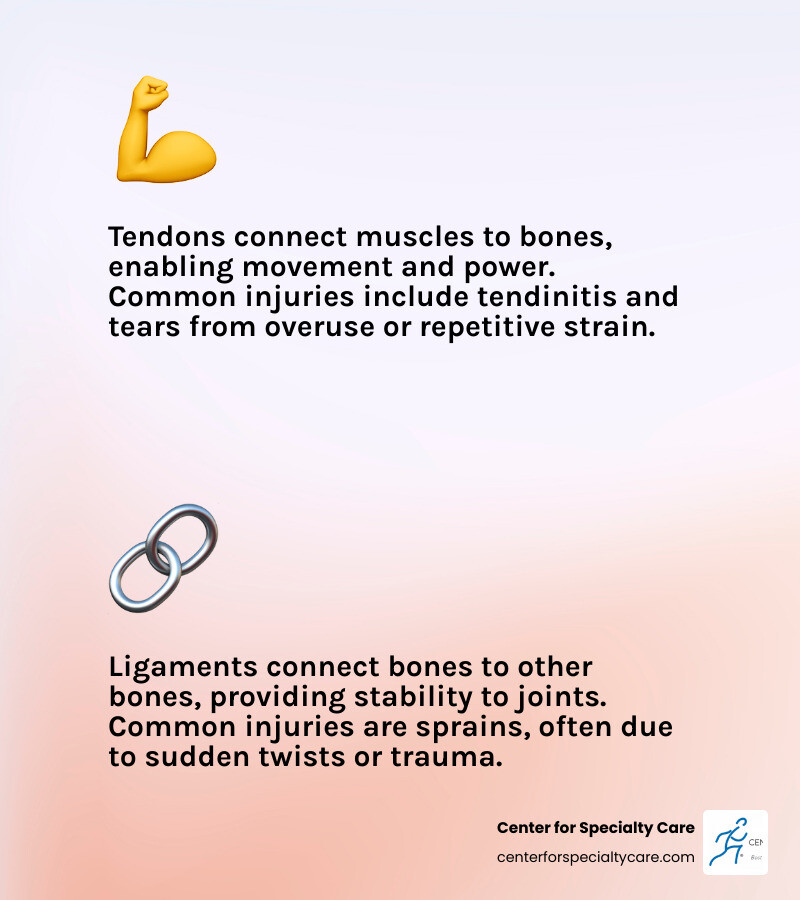
Foot tendons are strong, flexible cords of fibrous tissue that connect the muscles in your foot and lower leg to your bones, making every step, jump, and pivot possible.
Here are the main foot tendons and what they do:
| Tendon | Location | Key Function |
|---|---|---|
| Achilles tendon | Back of heel | Pushes foot down; enables walking, running, jumping |
| Posterior tibial | Inside of ankle | Supports arch; controls inward foot movement |
| Peroneal tendons | Outer ankle | Stabilizes ankle; controls outward foot movement |
| Anterior tibial | Top of foot | Lifts foot upward (dorsiflexion) |
| Extensor digitorum longus | Top of foot | Extends the toes |
| Flexor hallucis longus | Underside of foot | Bends the big toe; aids push-off |
Your feet are remarkable structures. Each foot contains 26 bones, 33 joints, and over 100 muscles, tendons, and ligaments — and by the time you reach 50, your feet will have carried you roughly 75,000 miles. That’s a lot of wear on a system most of us rarely think about — until something hurts.
When a tendon becomes inflamed, torn, or damaged, even simple activities like walking to your car or climbing stairs can become painful and frustrating. Understanding your foot tendons is the first step toward protecting them.
I’m Dr. Corey Welchlin, a board-certified orthopedic surgeon with over 30 years of experience treating musculoskeletal conditions — including foot tendon injuries — at the Center for Specialty Care in Fairmont, Minnesota. In this guide, I’ll walk you through everything you need to know about foot tendons, from anatomy to injury prevention and treatment.
Foot tendons further reading:
Anatomy and Function of Foot Tendons
To understand why your feet hurt, we first have to appreciate the “evolutionary engineering” that allows us to walk upright. Your feet aren’t just blocks of bone at the end of your legs; they are dynamic shock absorbers. Foot tendons are the cables that translate muscle power into movement.
In our practice at the Center for Specialty Care, we often explain that tendons are divided into two main categories: extrinsic and intrinsic.
- Extrinsic tendons: These originate in the lower leg (the calf or shin area) and travel down past the ankle to attach to the foot bones. They are the “heavy lifters” responsible for powerful movements like jumping and running.
- Intrinsic tendons: These are smaller and stay entirely within the foot. Their job is more about fine-tuning movement, supporting the arches, and controlling the toes.
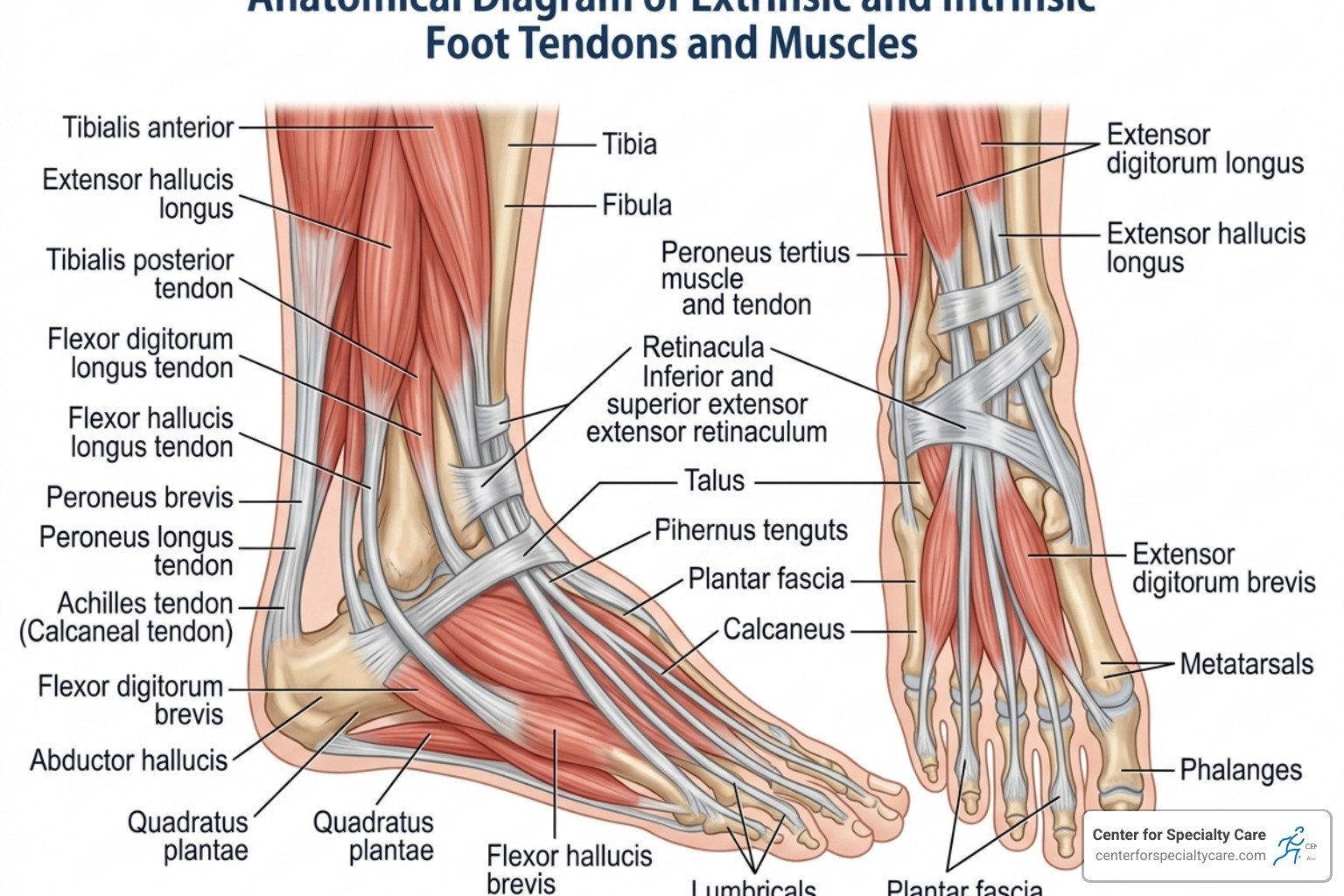
The primary functions of these tendons include:
- Movement: Facilitating dorsiflexion (lifting the foot up), plantarflexion (pointing the toes down), inversion (tilting the foot inward), and eversion (tilting the foot outward).
- Stability: Keeping the ankle joint aligned during uneven terrain.
- Arch Support: Acting like a bowstring to maintain the height of your foot’s arch.
For a deeper look at how these structures interact, you can explore this resource on Foot Tendons Anatomy Explained.
Major Extrinsic Foot Tendons
The extrinsic tendons are often the ones that land patients in our Fairmont or Estherville clinics because they handle the most force.
- Achilles Tendon (Calcaneal Tendon): This is the thickest and strongest tendon in the human body. It connects your calf muscles to your heel bone (calcaneus). It can support forces up to four times your body weight! Without it, you couldn’t run, jump, or even stand on your tiptoes. Learn more about What Is the Achilles Tendon?
- Posterior Tibial Tendon: This tendon runs down the inside of the ankle. It is the main dynamic stabilizer of the medial longitudinal arch. If this tendon fails, the arch can collapse, leading to “acquired flatfoot.”
- Peroneal Tendons: There are two (the brevis and longus) that run along the outside of the ankle. They help turn the foot outward and stabilize the ankle to prevent sprains.
- Anterior Tibial Tendon: Located at the front of the ankle, this tendon allows you to lift your foot (dorsiflexion) so your toes don’t scuff the ground when you walk.
Essential Intrinsic Foot Tendons
While smaller, the intrinsic tendons are vital for balance and toe function.
- Dorsal Tendons: These include the extensor digitorum longus and extensor hallucis longus, which help pull the toes upward.
- Plantar Tendons: These include the flexors, such as the flexor hallucis longus, which bends the big toe. This is crucial for the “push-off” phase of walking.
Maintaining the health of these smaller structures is a key part of A Walk Towards Healthy Feet: Common Foot Problems and Solutions.
Common Injuries: Tendonitis and Tendinopathy
When we talk about tendon pain, we use a few different terms. Tendonitis refers to acute inflammation, often from a sudden increase in activity. Tendinopathy or tendinosis refers to a more chronic condition where the tendon fibers actually begin to break down or degenerate due to cumulative damage.
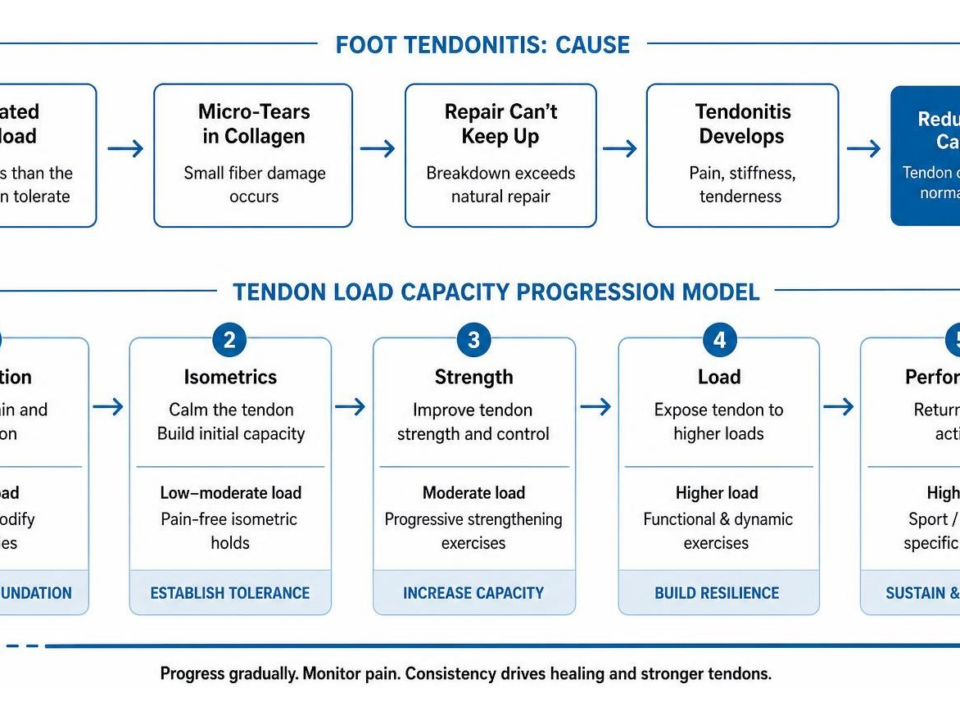
Tendon injuries rarely happen overnight. Usually, they are the result of thousands of tiny “micro-tears” that the body hasn’t had time to repair.
| Feature | Acute Tendonitis | Chronic Tendinosis |
|---|---|---|
| Cause | Sudden overuse or injury | Long-term repetitive strain |
| Inflammation | Present (redness, heat) | Minimal to none |
| Tendon State | Inflamed covering | Degenerated, thickened fibers |
| Recovery | Days to weeks | Months |
If left untreated, a weakened tendon can eventually lead to a tendon rupture, which is a complete tear that often requires surgical intervention.
Symptoms by Tendon Location
The location of your pain is the biggest clue for us during a diagnosis.
- Achilles Tendonitis: Pain at the back of the heel or just above it. It’s often worse in the morning or after exercise. You might notice a “knot” or thickening of the tendon.
- Posterior Tibial Tendonitis: Pain along the inside of the foot and ankle. You may notice your arch flattening or your ankle rolling inward.
- Peroneal Tendonitis: Swelling and pain on the outside of the ankle, often felt when standing or walking on uneven surfaces.
- Extensor Tendonitis: Tenderness on the top of the foot. This is common in people who tie their shoes too tight or run on hills.
- Crepitus: In some cases, you might feel or hear a grating or “crunching” sensation when moving the affected tendon.
Risk Factors and Vulnerable Groups
Anyone can develop a tendon injury, but certain factors make it much more likely:
- Flat Feet (Pes Planus): This puts extra strain on the posterior tibial tendon as it tries to hold up the arch.
- Obesity: Carrying extra weight increases the force placed on foot tendons with every step. Maintaining a healthy body weight is one of the best ways to protect your joints and tendons.
- High-Impact Sports: Running, basketball, and gymnastics involve repetitive pounding.
- Aging: As we age, tendons lose their elasticity and blood supply, making them more prone to injury.
- Improper Footwear: Worn-out shoes or shoes without arch support force the tendons to work harder than they should.
Diagnosis and Treatment Options
If you’re experiencing persistent foot pain, we don’t recommend “pushing through it.” At the Center for Specialty Care, we use a combination of physical exams and advanced imaging to get to the root of the problem.
Physical Examination and Imaging
During an exam, we may perform functional tests such as:
- Single-Limb Heel Raises: If you cannot stand on your tiptoes on one leg, it often points to a posterior tibial tendon issue.
- Peroneal Compression Test: We apply pressure to the lateral ankle to check for peroneal involvement.
- Imaging: While X-rays help rule out bone fractures, an ultrasound is often the preferred test for tendons. It allows us to see the tendon in motion. In complex cases, an MRI provides a detailed 3D view of the tissue.
For more technical details on clinical diagnosis, see Tendinopathies of the Foot and Ankle | AAFP.
First-Line Conservative Care
Most foot tendons respond well to non-surgical treatment if caught early. We typically start with:
- RICE Method: Rest, Ice, Compression, and Elevation.
- NSAIDs: Medications like ibuprofen to reduce inflammation.
- Physical Therapy: This is the “gold standard.” We focus on eccentric exercises (lengthening the muscle under tension), which have been proven to stimulate tendon repair.
- Immobilization: In severe cases, a walking boot or brace may be necessary to give the tendon a total “vacation” from weight-bearing.
Interestingly, sometimes foot issues can cause referred pain elsewhere. For instance, changing your gait to accommodate a sore foot can lead to other issues—see Can Plantar Fasciitis Cause Thigh Pain? for more on this phenomenon.
Advanced Interventions and Surgery
If conservative care doesn’t provide relief after six months, we may discuss more advanced options:
- Custom Orthotics: These are medical-grade shoe inserts designed to correct your specific biomechanics and offload stressed tendons.
- Corticosteroid Injections: Used sparingly to reduce intense inflammation.
- TenJet Hydroresection: A minimally invasive procedure that uses a high-pressure stream of water to remove damaged tendon tissue while leaving healthy tissue intact.
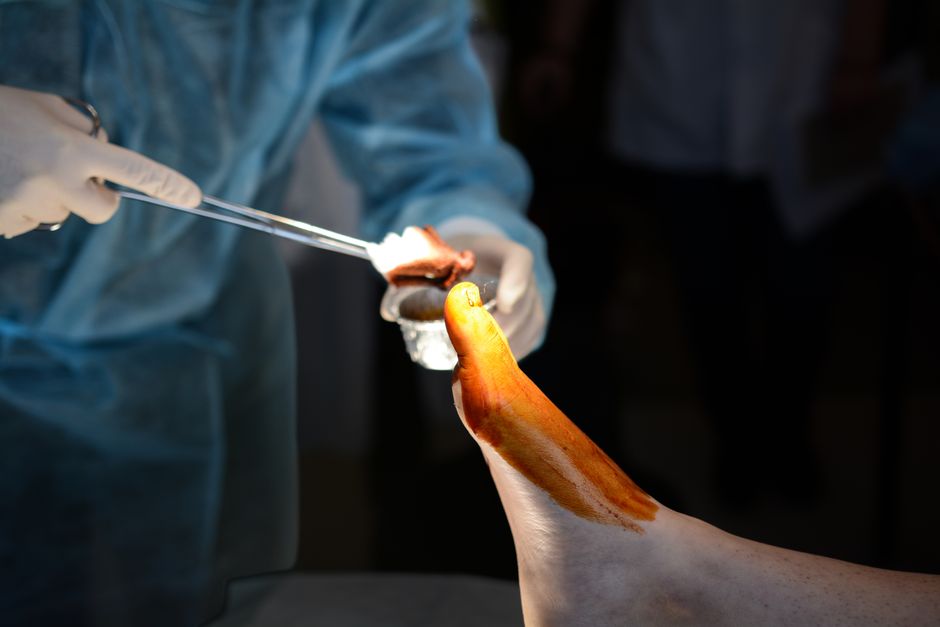
- Surgical Reconstruction: For ruptures or severe degeneration, we may need to repair the tendon or perform a “tendon transfer,” where a healthy tendon is moved to take over the job of a damaged one.
Recovery Timelines:
- Mild Tendonitis: 2 to 4 weeks.
- Chronic Tendinopathy: 3 to 6 months.
- Post-Surgery: 6 to 12 months for full athletic return.
Prevention and Long-Term Foot Health
The best way to treat a tendon injury is to never get one in the first place. Prevention is about consistency and listening to your body.
- Supportive Footwear: Don’t skimp on shoes. If you are a runner, replace your shoes every 300–500 miles.
- Gradual Activity Increase: Follow the “10% rule”—never increase your workout intensity or duration by more than 10% per week.
- Warm-Up Routines: Cold tendons are brittle tendons. Spend 5–10 minutes warming up your muscles before stretching.
- Smoking Cessation: Smoking reduces blood flow to tendons, significantly slowing down the healing process.
- Cross-Training: If you’re a runner, incorporate low-impact activities like swimming or cycling to give your foot tendons a break from the pavement.
Lifestyle Tips for Tendon Protection
We encourage our patients in Minnesota and Iowa to focus on “pre-hab”:
- Strengthen Intrinsic Muscles: Practice “towel scrunches” with your toes to build the small muscles that support your arch.
- Weight Management: Even a 5-10 pound weight loss can significantly reduce the load on your Achilles and posterior tibial tendons.
- Rest Days: Your body repairs those micro-tears during rest, not during the workout itself.
- Routine Checkups: If you have flat feet or high arches, a podiatric evaluation can identify “hot spots” before they become painful injuries.
Frequently Asked Questions about Foot Tendons
How long does it take for a foot tendon to heal?
Tendon healing is notoriously slow because tendons have a limited blood supply compared to muscles. A mild strain might feel better in 2 to 6 weeks with proper RICE and rest. However, chronic tendinosis (where the tendon has thickened) often requires 3 to 6 months of dedicated physical therapy. Consistency with your home exercise program is the number one factor in recovery speed.
Can I walk with a damaged foot tendon?
In many cases, yes, but it’s not always wise. If you have a partial tear or severe tendonitis, walking can worsen the damage and potentially lead to a complete tendon rupture. If you experience a “pop” sensation, severe swelling, or an inability to “push off” with your toes, you should use crutches and seek professional evaluation immediately. Walking on a damaged tendon often leads to “compensation injuries” in the knee, hip, or lower back.
What is the strongest tendon in the foot?
The Achilles tendon is the strongest in the entire body. It is designed to withstand the massive forces of propulsion. When you run or jump, the Achilles can handle loads equal to several times your body weight. Because it is so powerful, when it does rupture, it is often described as feeling like being kicked in the back of the leg or even hearing a gunshot.
Conclusion
Your foot tendons are the unsung heroes of your daily life. From the massive Achilles to the tiny tendons that move your toes, they work in harmony to keep you moving. When that harmony is disrupted by pain, it’s a signal that your body needs help.
At the Center for Specialty Care, we are dedicated to helping our neighbors in Fairmont, MN, Estherville, IA, and the surrounding communities regain their mobility. We pride ourselves on personalized orthopedic care, 100% patient satisfaction, and ensuring that you don’t have to wait weeks for an appointment. Whether you need a custom orthotic, physical therapy, or advanced surgical reconstruction, our team is here to provide the expert care you deserve.
Don’t let foot pain keep you on the sidelines. Schedule an orthopedic consultation with us today and take the first step toward healthy, pain-free feet.