
What Comes Next: A Guide to Effective Post-Treatment Care
October 23, 2025
Step Into Comfort: The Premier Orthopedic Clinic in Fairmont
October 28, 2025
Is heat or cold best for tendonitis: Solved 2025
The Great Debate for Tendon Pain
Is heat or cold best for tendonitis? This question confuses countless people dealing with tendon pain. You’ve probably received conflicting advice from friends, family, or even healthcare providers about whether to reach for an ice pack or a heating pad when your tendon starts aching.
Quick Answer:
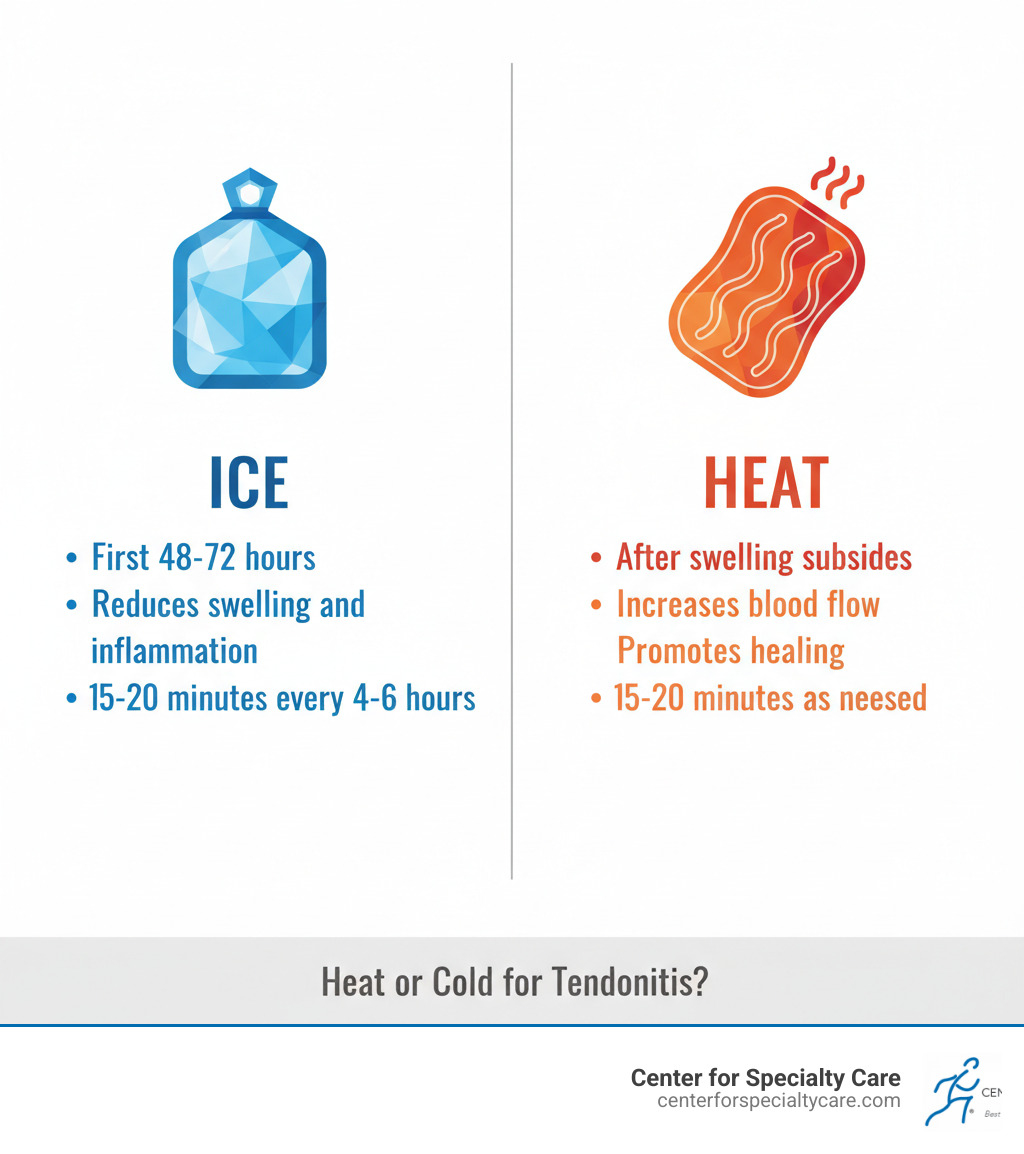
- Ice for acute tendonitis (first 48-72 hours) to reduce swelling and inflammation
- Heat for chronic tendon pain and stiffness to increase blood flow and promote healing
- Never use heat on fresh injuries or when swelling is present
The truth is, both ice and heat can be powerful tools for tendon pain relief – but only when used at the right time and for the right reasons. Using the wrong temperature therapy can actually make your pain worse or slow down your recovery.
When you’re experiencing tendon pain, you want relief now. But you also want to make sure you’re not accidentally prolonging your healing process. The good news is that once you understand the simple rules about when to use each treatment, you’ll be able to make the right choice every time.
As Dr. Corey Welchlin, a board-certified orthopedic surgeon with over three decades of experience treating tendon injuries, I’ve helped countless patients steer this exact question about is heat or cold best for tendonitis. Through my practice at the Center for Specialty Care, I’ve seen how the right temperature therapy can dramatically speed up recovery when applied correctly.
Is heat or cold best for tendonitis vocab explained:
Understanding Tendonitis: The Root of Your Pain
Before we dive into is heat or cold best for tendonitis, let’s get clear about what’s actually happening in your body when you’re dealing with tendon pain. Understanding your condition is crucial for making the right treatment choices.
What is Tendonitis?
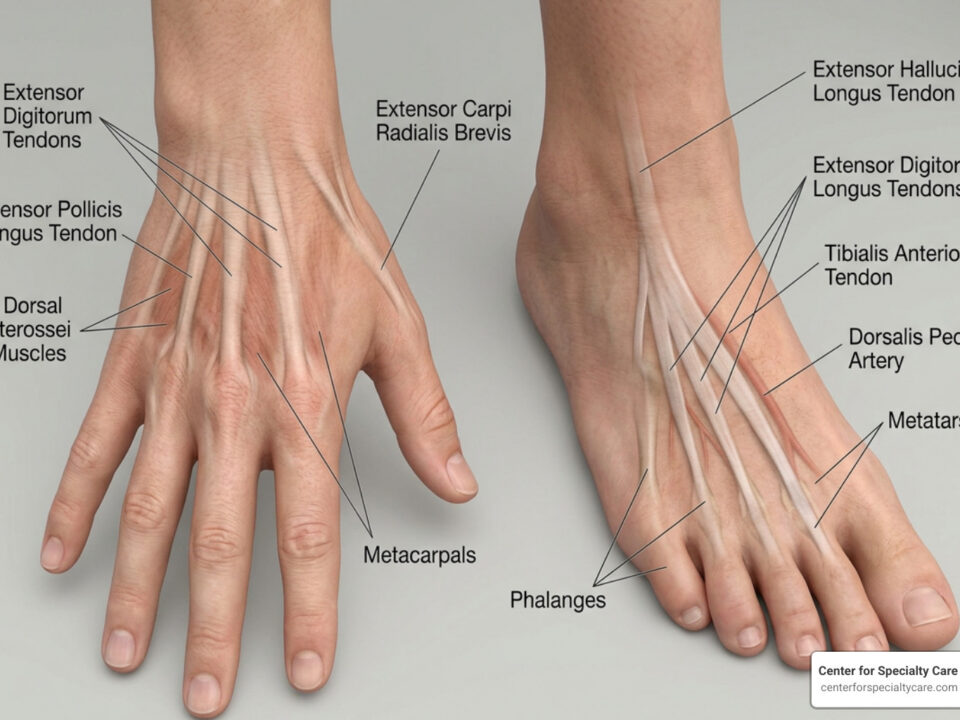
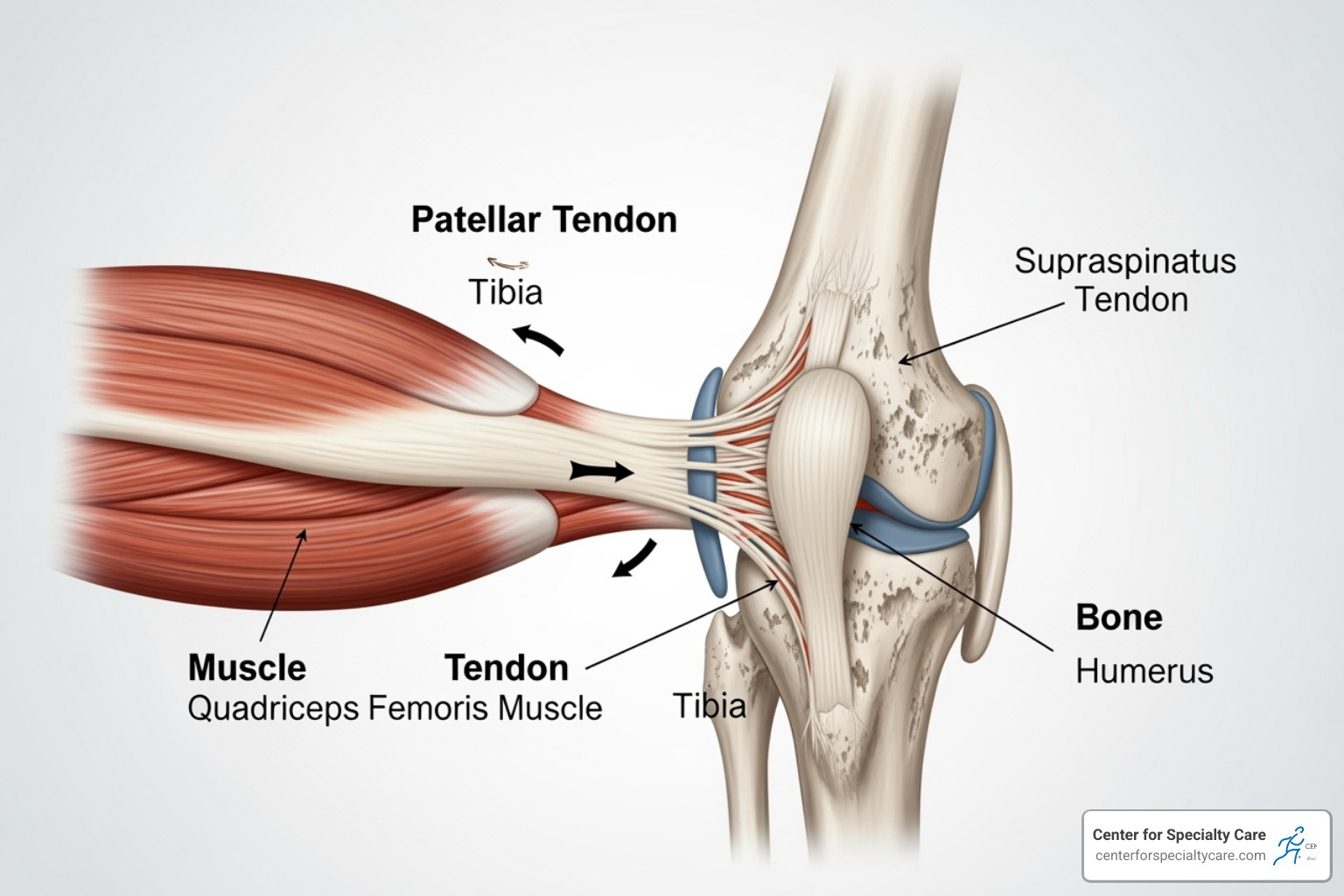
Think of your tendons as the body’s high-strength cables. These fibrous tissues act as connectors, linking your muscles to your bones and making movement possible. When you flex your bicep or point your toe, your tendons are doing the heavy lifting behind the scenes.
Tendonitis happens when these tough, rope-like structures become inflamed or irritated. The “-itis” part of the word is your clue – it literally means inflammation. This inflammation is exactly why knowing is heat or cold best for tendonitis matters so much, because the wrong choice can make inflammation worse.
Most tendonitis develops from overuse injuries caused by repetitive motions. Picture a tennis player’s backhand stroke repeated thousands of times, or a construction worker using the same hammer motion day after day. These repetitive actions can create tiny tears in the tendon, leading to inflammation and pain.
Sometimes tendonitis strikes suddenly from an acute injury, but more often it’s the result of cumulative stress over time. Your body tries to repair these small damages, but when the stress keeps coming faster than healing can happen, tendonitis sets in.
Common Symptoms and Causes
Tendonitis has some telltale signs that help distinguish it from other types of pain. You’ll typically notice pain that gets worse with movement of the affected joint, often accompanied by a persistent dull ache even when you’re resting.
Stiffness is another common complaint, especially first thing in the morning or after sitting still for a while. You might also see mild swelling, redness, or feel warmth around the affected tendon – all signs that inflammation is present.
The most common spots for tendonitis include your shoulder (especially rotator cuff tendons), elbow (tennis elbow or golfer’s elbow), wrist (from typing or repetitive hand work), knee (jumper’s knee affecting the patellar tendon), and heel area. Achilles tendonitis is particularly common among runners and athletes.
Sports injuries are a major culprit, but don’t assume you need to be an athlete to develop tendonitis. Workplace strain from repetitive tasks, poor ergonomics, or sudden increases in activity can all trigger tendon problems.
Understanding whether your tendonitis is brand new (acute) or has been bothering you for weeks or months (chronic) is the key to answering is heat or cold best for tendonitis for your specific situation. Fresh inflammation needs different treatment than long-standing stiffness and pain.
The Cold Truth: When to Use Ice for Tendonitis
When your tendon pain first strikes or you’ve just experienced a sudden injury, ice becomes your best ally. Think of ice as nature’s own anti-inflammatory medication – it’s immediate, effective, and available right from your freezer.
Why Ice Works for Acute Injuries
Ice therapy works like a skilled traffic controller for your blood vessels. When you apply cold to an injured tendon, it constricts blood vessels and reduces blood flow to the area. This might sound counterintuitive, but it’s exactly what you want during those crucial first 48-72 hours after a new injury or sudden flare-up.
Here’s what happens when you ice that angry tendon: the cold reduces swelling by limiting the amount of fluid that can accumulate in the tissues. Less swelling means less pressure on those sensitive nerve endings, which translates to pain relief. Ice also creates a numbing effect that can provide immediate comfort when you’re dealing with acute tendonitis pain.
The key word here is “acute.” If you’ve just overdone it during your weekend tennis match and your elbow is throbbing, or if you twisted your ankle and it’s starting to puff up like a balloon, that’s when ice shines. This initial inflammatory response is your body’s natural reaction to injury, but sometimes it can be a bit overzealous. Ice helps keep that response in check.
Ice is primarily about slowing inflammation and managing immediate symptoms. It’s not necessarily speeding up the actual healing process – think of it more as creating the right environment for your body to begin its repair work without all the drama of excessive swelling and pain.
How to Safely Apply Ice for Tendonitis Pain
Applying ice might seem as simple as grabbing something cold from the freezer, but there’s definitely a right way and a wrong way to do it. Getting it right means better results and avoiding potential problems like frostbite.
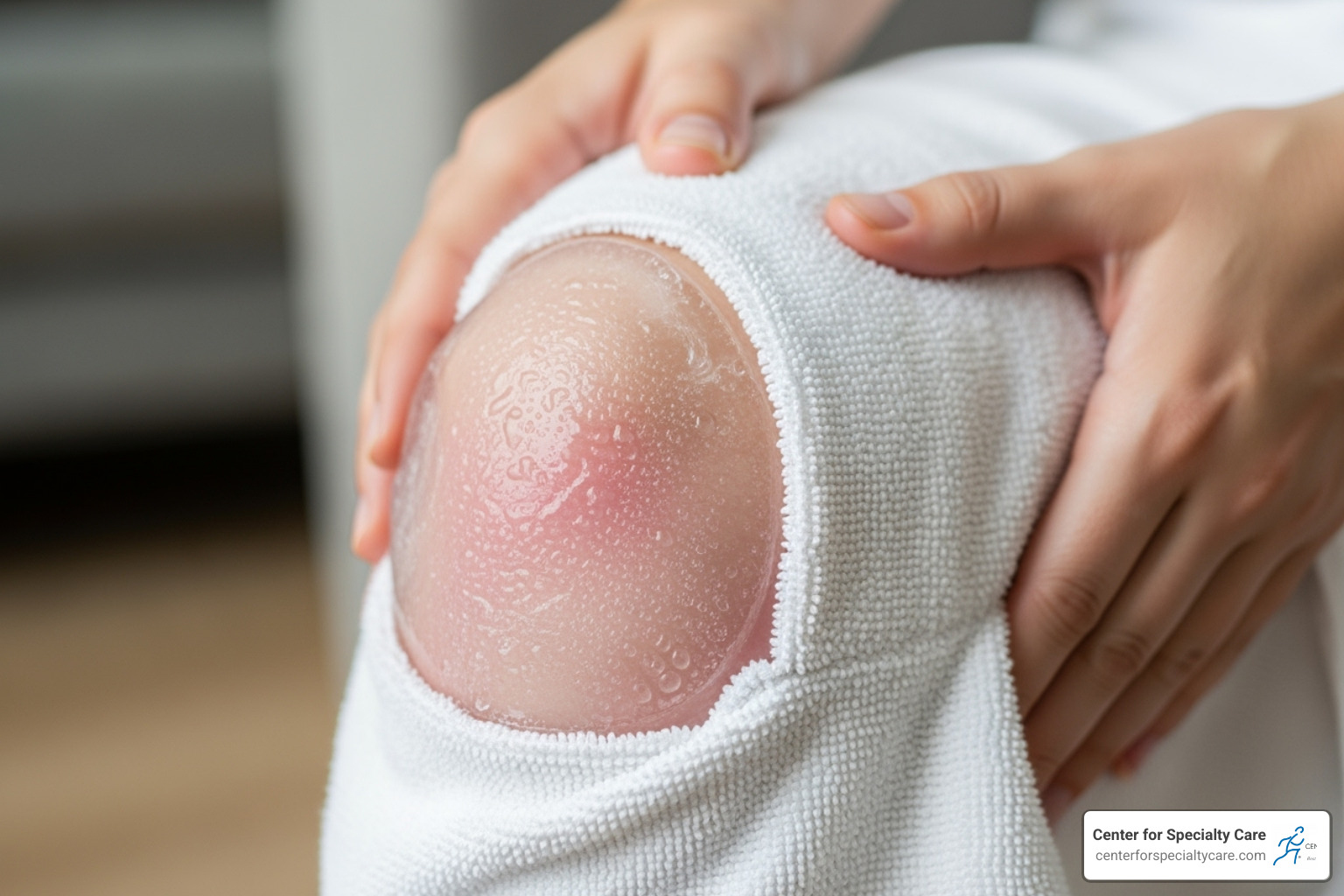
Always wrap your ice pack in a towel or thin cloth before applying it to your skin. Direct contact between ice and skin is a recipe for ice burns or frostbite – not exactly what we’re going for here! A thin barrier still allows the cold to penetrate while protecting your skin.
Timing matters tremendously when it comes to icing. Stick to 15-20 minute sessions and then give your skin a break. Any longer and you risk damaging the tissues you’re trying to help. You can repeat this process every 4-6 hours during the acute phase of your injury.
If possible, lift the injured area above your heart level while icing. This simple trick helps reduce swelling even more effectively by assisting your body’s natural drainage system. Gravity becomes your friend in moving excess fluid away from the injured tendon.
Listen to your body throughout the process. If the area becomes completely numb or starts feeling uncomfortable beyond the expected cold sensation, remove the ice immediately. Your skin should feel cold and slightly numb, but you shouldn’t lose all sensation.
Between icing sessions, allow at least 30 minutes for your tissues to return to normal temperature. This prevents excessive cooling and ensures healthy blood flow returns to the area. Think of it as giving your tendon time to breathe between treatments.
Following these guidelines ensures you get maximum benefit from your cold therapy while staying safe and comfortable during your recovery.
Feeling the Heat: When to Use Heat for Tendonitis
Once the initial inflammation and swelling have calmed down, or if you’re dealing with that persistent, nagging tendon pain that just won’t quit, it’s time to switch gears and consider heat therapy. Think of heat as giving your tired, achy tendons a warm, therapeutic hug.

Why Heat Helps Chronic Pain and Stiffness
Heat therapy works like the opposite of ice – instead of shutting things down, it opens them up. When you apply heat to your tendon, it causes your blood vessels to dilate and expand, dramatically increasing blood flow to the area. This surge of fresh, oxygen-rich blood brings healing nutrients directly to your injured tissues while helping flush away the cellular waste products that can contribute to ongoing pain.
This makes heat particularly powerful for chronic tendon conditions that have moved beyond the initial inflammatory stage. After those first 48-72 hours have passed and the swelling has subsided, your tendon often shifts from acute tendonitis (with inflammation) to what we call tendinosis – a degenerative condition where the tendon fibers have become damaged and stiff rather than inflamed.
Heat also works wonders for relaxing tight muscles and improving the flexibility of your connective tissues. If you’ve ever noticed how stiff and creaky you feel first thing in the morning, but how much better you move after a warm shower, you’ve experienced this effect firsthand. The warmth makes your tendons more pliable and less resistant to movement.
This is especially helpful when you’re preparing for activity. Applying heat before stretching or gentle exercise can make your tissues more cooperative and less likely to protest. For more detailed information about how heat specifically benefits tendon healing, check out our comprehensive guide on using heat for tendonitis.
How to Safely Apply Heat for Tendonitis Pain
While heat therapy is generally safer than ice (no risk of frostbite!), you still need to be smart about how you use it. Burns are a real concern, especially if you have reduced sensation or tend to fall asleep during treatment.
Moist heat is often your best bet because it penetrates deeper into your tissues than dry heat. A warm, damp compress, moist heating pad, or even a relaxing warm bath can provide more effective relief than a standard dry heating pad. The moisture helps conduct the heat more efficiently into your tendon.
Always use a protective barrier between your skin and any heating device. Even if your heating pad feels comfortable at first, prolonged direct contact can cause burns before you realize what’s happening. A thin towel works perfectly.
Timing matters with heat therapy too. Stick to 15-20 minute sessions for targeted heat application. If you’re enjoying a warm bath for larger areas, you can stay longer, but keep checking your skin for any signs of irritation or excessive redness.
You can apply heat multiple times throughout the day as needed, especially when you’re feeling stiff or before activities that typically aggravate your tendon. Many of our patients at Center for Specialty Care find morning heat sessions particularly helpful for getting their day started with less stiffness.
Here’s the crucial part: never use heat on fresh injuries or when swelling is present. When we’re asking is heat or cold best for tendonitis, timing is everything. Heat will increase blood flow and can make acute inflammation much worse. If your tendon is hot, red, or swollen, stick with ice until those symptoms calm down.
Finally, never fall asleep with a heating pad or heat wrap on. This is when most heat-related burns occur. Set a timer if you need to, but don’t risk waking up with a painful burn on top of your tendon pain.
Is Heat or Cold Best for Tendonitis? A Direct Comparison
The question of is heat or cold best for tendonitis isn’t about one being universally better than the other. It’s about understanding what your tendon is going through right now and matching the right treatment to your specific situation.
Think of it this way: if your tendon is like a house on fire (acute inflammation), you want to put out the flames with ice. But if your tendon is like a rusty door hinge that needs to move smoothly again (chronic stiffness), you want to warm it up with heat to get things flowing.
Acute Tendonitis vs. Chronic Tendinosis
Here’s where things get really interesting – and where many people get confused. What we commonly call “tendonitis” might actually be two completely different conditions that need opposite treatments.
True tendonitis is like your body’s alarm system going off. It happens suddenly, often after an injury or when you’ve overdone an activity. Your tendon becomes inflamed, swollen, and painful. You might notice redness, warmth, and obvious swelling. This is acute inflammation in action, and it usually responds beautifully to ice therapy.
Tendinosis (sometimes called tendinopathy) is a completely different beast. This develops slowly over weeks, months, or even years. Instead of inflammation, you’re dealing with actual breakdown of the collagen fibers inside your tendon. There’s typically no swelling, just persistent aching, stiffness, and sometimes a tender spot you can feel. According to research on tendinosis vs. tendonitis, tendinosis is chronic and involves degeneration rather than inflammation.
Here’s how to tell them apart and choose your treatment:
| Feature | Tendonitis (Acute) | Tendinosis (Chronic) |
|---|---|---|
| Onset | Sudden, often from specific injury | Gradual, from long-term overuse |
| Primary Issue | Inflammation and swelling | Degeneration and stiffness |
| Best Treatment | Ice to reduce inflammation | Heat to increase blood flow |
| Goal | Cool down the “fire” of inflammation | Warm up stiff, degenerative tissue |
Many conditions we think of as “tendonitis” – like tennis elbow or chronic shoulder pain – are actually tendinosis. That’s why heat often works better for these long-standing problems than ice does.
If you’re not sure which category your pain falls into, pay attention to how it started and what it feels like. Did it come on suddenly after activity, with noticeable swelling? That’s likely tendonitis – reach for ice. Has it been bothering you for months with stiffness but no real swelling? That’s probably tendinosis – heat is your friend.
Can You Alternate Heat and Ice for Tendonitis?
Absolutely! Alternating between heat and ice, called contrast therapy, can be incredibly effective, especially when you’re transitioning from the acute phase to recovery, or when dealing with chronic pain that has occasional flare-ups.
Think of contrast therapy as giving your blood vessels a workout. The cold makes them tighten up, while heat makes them open wide. This “pumping” action stimulates circulation, reduces stiffness, and can help flush out waste products while bringing in fresh, healing nutrients.
This approach works particularly well when you have minor swelling combined with stiffness – situations where you need both the anti-inflammatory effects of cold and the circulation-boosting benefits of heat.
Here’s how to do it safely: Start with warm water for 3-4 minutes, then switch to cold water for 1 minute. Keep alternating for about 20-30 minutes total. If you still have some swelling, end with cold. If stiffness is your main concern, finish with warmth.
You can use contrast baths for hands, feet, or smaller joints, or alternate between ice packs and heating pads for larger areas like shoulders or knees. Just remember – if this approach makes your pain worse, stop and stick with whichever single treatment (hot or cold) feels better.
The beauty of understanding is heat or cold best for tendonitis is that once you know the principles, you can make informed decisions about your care and get back to doing what you love faster.
Beyond Heat and Cold: Next Steps for Recovery
While knowing is heat or cold best for tendonitis is crucial for immediate relief, these temperature therapies are just the beginning of your healing journey. Think of ice and heat as the first aid for your tendon pain – they help manage symptoms, but true recovery requires a more comprehensive approach.
Complementary Treatments for Tendonitis
At Center for Specialty Care, we’ve learned that the most successful recoveries happen when patients combine temperature therapy with other proven treatments. It’s like building a strong foundation – each element supports the others to create lasting healing.
Rest and activity modification forms the cornerstone of tendon recovery. Your injured tendon needs time to heal, which means temporarily stepping back from activities that caused the problem in the first place. This doesn’t mean becoming a couch potato forever – it means being smart about what you ask your body to do while it’s healing. Once your pain starts improving, you can gradually return to your normal activities.
Gentle stretching becomes your friend once the acute pain settles down. Stiff, tight tendons are more prone to re-injury, so maintaining flexibility is essential. The key word here is “gentle” – you should never stretch through pain. Think of it as coaxing your tendon back to health rather than forcing it.
Strengthening exercises might seem counterintuitive when you’re in pain, but they’re actually one of the most effective treatments for tendon problems. Eccentric exercises, where your muscle lengthens while working against resistance, are particularly powerful for rebuilding tendon strength. Our Physical Therapy team can guide you through these exercises safely, ensuring you’re doing them correctly and progressing at the right pace.
Ergonomic adjustments can be game-changers, especially if your tendonitis stems from work or sports activities. Sometimes a simple change in your desk setup, tennis grip, or running form can prevent future flare-ups. It’s amazing how small adjustments can make such a big difference.
Our Sports Medicine specialists often work closely with patients to identify these contributing factors and develop strategies to address them. Whether you’re dealing with workplace strain or sports-related overuse, we can help you modify your activities to promote healing while keeping you active.
Anti-inflammatory medications, bracing, and other supportive treatments may also play a role in your recovery plan. The goal isn’t just to make the pain go away temporarily – it’s to restore full function and prevent the problem from coming back.
When to See a Doctor for Your Tendon Pain
While many people successfully manage mild tendonitis at home, there are clear warning signs that indicate you need professional help. Don’t ignore your body when it’s telling you something more serious might be going on.
Pain that persists beyond two weeks despite consistent home treatment is a red flag. If you’ve been diligently using ice or heat, resting the affected area, and avoiding aggravating activities but still aren’t seeing improvement, it’s time to get a professional evaluation.
Severe pain that comes on suddenly or feels different from typical tendon discomfort could indicate a more serious injury. Sharp, excruciating pain might signal a partial or complete tendon rupture, which requires immediate medical attention.
Inability to move the joint normally or significant limitation in your daily activities means your tendon injury is beyond what home treatment can handle. When your pain starts disrupting your sleep, work performance, or ability to care for yourself, that’s your cue to seek help.
Watch for signs of infection like increasing redness, warmth, or fever. While uncommon with tendonitis, infections can occur and need prompt medical treatment. Similarly, numbness or tingling in the affected area could indicate nerve involvement that requires professional assessment.
At Center for Specialty Care, we understand that tendon pain can be frustrating and confusing. Our team serves patients throughout Fairmont, MN, Estherville, IA, Buffalo Center, IA, and St. James, MN, providing comprehensive Pain Management services. We’re committed to 100% patient satisfaction and offer quick appointment availability because we know you don’t want to wait when you’re in pain.
Getting a proper diagnosis is crucial for effective treatment. What feels like simple tendonitis might actually be tendinosis, a partial tear, or another condition entirely. With the right diagnosis and personalized treatment plan, most people can return to their normal activities without ongoing pain.
Your Path to Pain-Free Movement
The journey through tendon pain doesn’t have to be a guessing game anymore. After exploring the ins and outs of temperature therapy, you now have a clear roadmap for relief. The answer to is heat or cold best for tendonitis really comes down to timing and understanding what your body is telling you.
Ice is your go-to friend during those first crucial 48-72 hours when inflammation and swelling are running the show. Think of it as your body’s emergency response team – it steps in quickly to control the chaos and give you immediate relief. Heat becomes your healing partner once that initial storm has passed, gently coaxing blood flow back to the area and helping your tissues relax and repair.
Your body is incredibly smart and will often give you clear signals about what it needs. That throbbing, swollen ankle after a misstep on the hiking trail? It’s practically begging for ice. That persistent, achy shoulder that feels stiff every morning? It’s likely craving some gentle warmth to get moving again.
Sometimes, you might even find that alternating between ice and heat gives you the best of both worlds – especially when you’re dealing with that tricky in-between phase where acute pain is settling but stiffness is still hanging around.
Here’s what matters most: listening to your body and knowing when to ask for help. While ice and heat are powerful tools, they’re just the beginning of your healing story. Proper diagnosis is crucial because what feels like simple tendonitis might actually be something that needs a different approach entirely.
At Center for Specialty Care, we understand that every person’s pain is unique. That’s why we create personalized treatment plans that go beyond just ice packs and heating pads. Our team takes the time to understand your specific situation, your lifestyle, and your goals so we can help you get back to pain-free movement as quickly and safely as possible.
Whether you’re dealing with a weekend warrior injury or chronic pain that’s been nagging you for months, we’re here to guide you through every step of your recovery. Our commitment to 100% patient satisfaction means we won’t rest until you’re feeling your best again.
For a comprehensive evaluation and personalized care plan, explore our Orthopedics services. Because when it comes to your health and comfort, you deserve expert care that puts your well-being first.