
Is Your Heart Behind That Left Shoulder Blade Ache?
September 9, 2025
The Intracept Procedure: A Minimally Invasive Path to Back Pain Relief
September 11, 2025
Is heat good for peroneal tendonitis? Your 2025 Guide
Understanding Peroneal Tendonitis: Pain on the Outside of Your Ankle
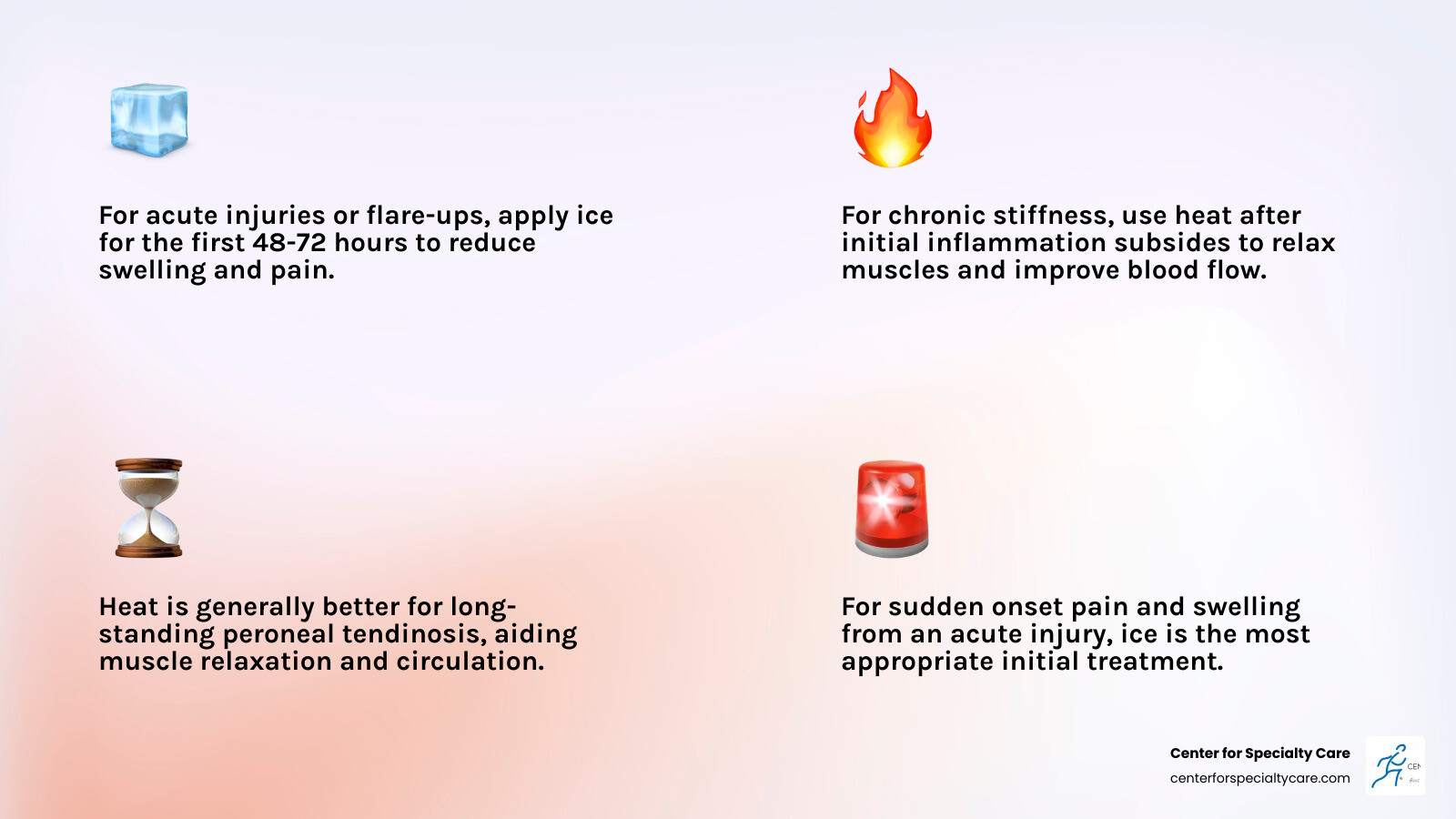
Is heat good for peroneal tendonitis? The answer depends on whether your injury is acute or chronic:
- Ice first: Use ice for the first 48-72 hours after injury or during flare-ups to reduce swelling
- Heat later: Apply heat after initial inflammation subsides to relax muscles and improve blood flow
- Chronic pain: Heat is generally better for long-standing peroneal tendonitis (tendinosis)
- Acute injury: Ice is more appropriate for sudden onset pain and swelling
If you’re dealing with pain along the outside of your ankle that gets worse with walking or running, you might be experiencing peroneal tendonitis. This condition affects the two tendons that run behind the outer ankle bone, providing stability and preventing ankle sprains.
What makes this condition tricky is that about 60% of people with peroneal tendonitis are initially misdiagnosed – often because the symptoms can mimic other ankle problems. The pain typically starts gradually and worsens with activity, especially in runners who’ve recently increased their mileage or people with high arches.
As Dr. Corey Welchlin, a board-certified orthopedic surgeon with over three decades of experience treating sports injuries and ankle conditions, I frequently help patients understand is heat good for peroneal tendonitis and develop effective treatment plans. My experience at the Center for Specialty Care has shown me that the right combination of heat, ice, and targeted therapy can make all the difference in recovery.
What is peroneal tendonitis?
Peroneal tendonitis is an inflammation or irritation of the peroneal tendons, which are located on the outside of your ankle and foot. These tough, fibrous cords connect the muscles in your lower leg (the peroneus longus and peroneus brevis muscles) to the bones in your foot. Their main function is to stabilize your ankle, help you turn your foot outward (eversion), and prevent ankle sprains.
When these tendons become inflamed, we call it “peroneal tendonitis.” This is an acute condition, meaning it has a sudden onset, often due to repetitive stress or an acute injury like an ankle sprain. If left untreated, this acute inflammation can progress to a more chronic condition called “peroneal tendinosis” or “tendinopathy.” In tendinosis, the collagen fibers that support the tendon start to degenerate rather than just being inflamed.
Peroneal tendonitis can develop over time from repetitive overuse, such as in runners, especially those who have recently increased their mileage or intensity. In fact, one study of several thousand runners found that less than 1% (only 13 cases) experienced peroneal tendonitis, indicating it’s less common than some other running injuries. It can also occur suddenly from an acute ankle injury. Factors like having high arches, unsupportive footwear, or poor training technique can put extra stress on these tendons, making them more susceptible to injury.
What are the symptoms and causes?
Understanding the symptoms and causes of peroneal tendonitis is crucial for effective treatment. We often see patients presenting with:
- Pain along the outside of the ankle and foot: This is the hallmark symptom, often worsening with physical activity like walking, running, or jumping.
- Swelling: You might notice swelling around the affected area.
- Redness or warmth to the touch: The inflamed area may feel warm and appear red.
- Pain that gets worse with physical activity: Movements that involve turning your foot outward or putting weight on the affected foot tend to exacerbate the pain.
- Feeling unstable when walking or poor single leg balance: Because these tendons play a crucial role in ankle stability, their inflammation can lead to a sense of instability.
- Thickened tendons or a nodule: In more chronic cases, the tendons might feel thickened, or you might even feel a tender lump that moves with the tendon.
The causes of peroneal tendonitis typically stem from either repetitive strain or a sudden injury:
- Overuse: This is the most common cause. Repeated motions, especially in sports or activities that involve significant ankle movement (like running or dancing), can lead to micro-injuries in the tendon fibers faster than the body can repair them.
- Improper training or technique: Sudden increases in activity level, poor running form, or inadequate warm-ups can overload the tendons.
- Unsupportive footwear: Shoes that don’t provide adequate ankle support or are worn out can contribute to the problem.
- Biomechanical factors: High arches (cavovarus foot) or a hindfoot varus (where the heel turns inward) can place increased stress on the peroneal tendons, as they have to work harder to stabilize the ankle.
- Muscle weakness or tightness: Weak hip and core muscles, or tightness in the calf muscles, can alter foot mechanics and put extra strain on the peroneal tendons.
- Other conditions: Older age, being overweight, diabetes, inflammatory conditions (like arthritis), and even certain medications (like corticosteroids or fluoroquinolone antibiotics) can increase your risk.
If left untreated, peroneal tendonitis can progress to more serious issues, including partial or complete tendon ruptures or subluxation (where the tendons dislocate from their normal position behind the ankle bone). That’s why early intervention is so important.
Is Heat Good for Peroneal Tendonitis? The Heat vs. Ice Debate
When you’re dealing with peroneal tendonitis, one of the most common questions I hear is, “Is heat good for peroneal tendonitis, or should I stick with ice?” It’s a great question, and honestly, the answer isn’t black and white. Think of it like choosing the right tool for the job – both heat and ice have their place in your recovery, but timing is everything.
The key is understanding where you are in your healing journey. Your ankle pain didn’t happen overnight, and neither will your recovery. But with the right approach to heat and ice therapy, you can significantly improve your comfort and speed up the healing process.
| Feature | Ice Therapy (Cryotherapy) | Heat Therapy (Thermotherapy) |
|---|---|---|
| Primary Use | Acute injuries, initial inflammation, sudden pain | Chronic pain, stiffness, muscle relaxation, before stretching |
| Mechanism | Reduces blood flow (vasoconstriction), numbs nerves | Increases blood flow (vasodilation), relaxes muscles |
| Benefits | Decreases swelling, reduces pain, limits bruising | Promotes healing (nutrients), reduces stiffness, soothes aches |
| When to Use | First 48-72 hours post-injury or during flare-ups | After initial inflammation subsides, for chronic issues |
| Effect on Tissue | Stiffens muscles, decreases muscle strength temporarily | Increases tissue elasticity, improves range of motion |
When should you use ice for peroneal tendonitis?
Ice is your best friend during those first critical days after injury. If you’ve just twisted your ankle during a run or suddenly developed sharp pain on the outside of your ankle, ice should be your go-to treatment for the first 48 to 72 hours.
Here’s what happens when you apply ice: it causes the blood vessels in your ankle to narrow, which might sound scary but is actually exactly what you want. This process, called vasoconstriction, reduces blood flow to the injured area and provides several immediate benefits.
The swelling reduction is probably what you’ll notice first. Less blood flow means less fluid buildup around your injured peroneal tendons. You’ll also experience pain relief because the cold temperature essentially numbs the nerve endings in your ankle – think of it as nature’s anesthetic.
We often recommend the R.I.C.E. method during this acute phase. Rest your ankle and avoid activities that make the pain worse. Apply ice for 15-20 minutes at a time, several times throughout the day. Use compression with an elastic bandage to help control swelling, and lift your foot above your heart level when you’re sitting or lying down.
Ice is fantastic for managing your immediate symptoms, but it’s not actually speeding up the healing process – it’s just making you more comfortable while your body starts its natural repair work. The Mayo Clinic provides excellent guidance on when to apply ice versus heat for tendinitis.
When is heat the right choice for peroneal tendonitis?
Now, let’s talk about when heat becomes your healing ally. Once you’ve moved past that initial 48-72 hour window and the acute swelling has started to subside, heat therapy can become incredibly beneficial for your recovery.
Heat works in the opposite way from ice – it causes vasodilation, which means your blood vessels widen and allow more blood to flow through. This increased circulation is like opening the highways for healing nutrients and oxygen to reach your injured peroneal tendons.
Heat is particularly helpful when you’re dealing with chronic stiffness or that nagging ache that seems to linger around your ankle. If you wake up in the morning and your ankle feels stiff and sore, or if you’ve been dealing with peroneal tendonitis for several weeks, heat can provide significant relief.
The muscle relaxation that comes with heat therapy is another major benefit. Those tight muscles around your ankle that have been working overtime to compensate for your injury can finally relax and loosen up. This is why many of my patients find heat especially helpful before stretching exercises or physical therapy sessions.
One of the best times to use heat is when you’re preparing for gentle movement or rehabilitation exercises. The warmth makes your tissues more pliable and less likely to resist stretching. It’s like warming up your car on a cold morning – everything just works better when it’s warmed up properly.
For more detailed information about using heat effectively for tendonitis recovery, you can read our comprehensive guide on heat therapy for tendonitis.
How to Safely Apply Heat and Ice for Pain Relief
Knowing is heat good for peroneal tendonitis is just the first step – applying these therapies correctly makes all the difference between relief and potential harm. Think of it like cooking: the right ingredients won’t help if you don’t follow the recipe properly.
The good news is that both heat and ice therapy can be done safely at home with items you likely already have. The key is understanding proper technique and timing.
What are some effective ways to apply heat and ice?
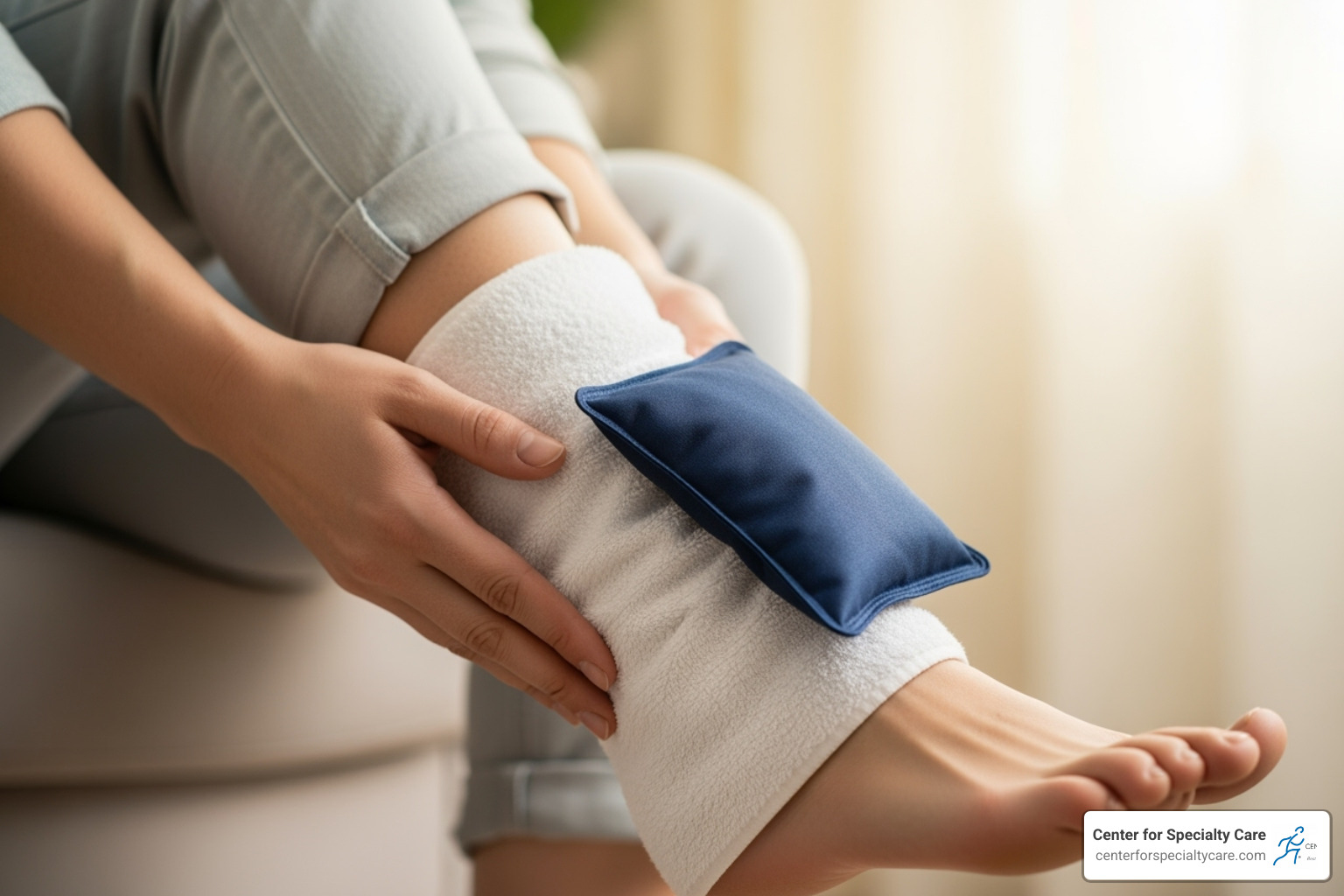
When it comes to heat therapy for chronic peroneal tendonitis, you have several excellent options. Moist heating pads are my top recommendation because moist heat penetrates deeper into tissues than dry heat. You can buy electric moist heating pads or create your own by dampening a towel and microwaving it for 30-60 seconds (always test the temperature first!).
Warm towels or compresses work wonderfully too. Simply soak a towel in comfortably warm water, wring it out, and apply it to your ankle. For a more relaxing approach, try warm baths or showers. Soaking your foot and ankle in a warm bath provides gentle, encompassing heat that can really help loosen up stiff muscles. A warm shower before doing your stretches can work wonders.
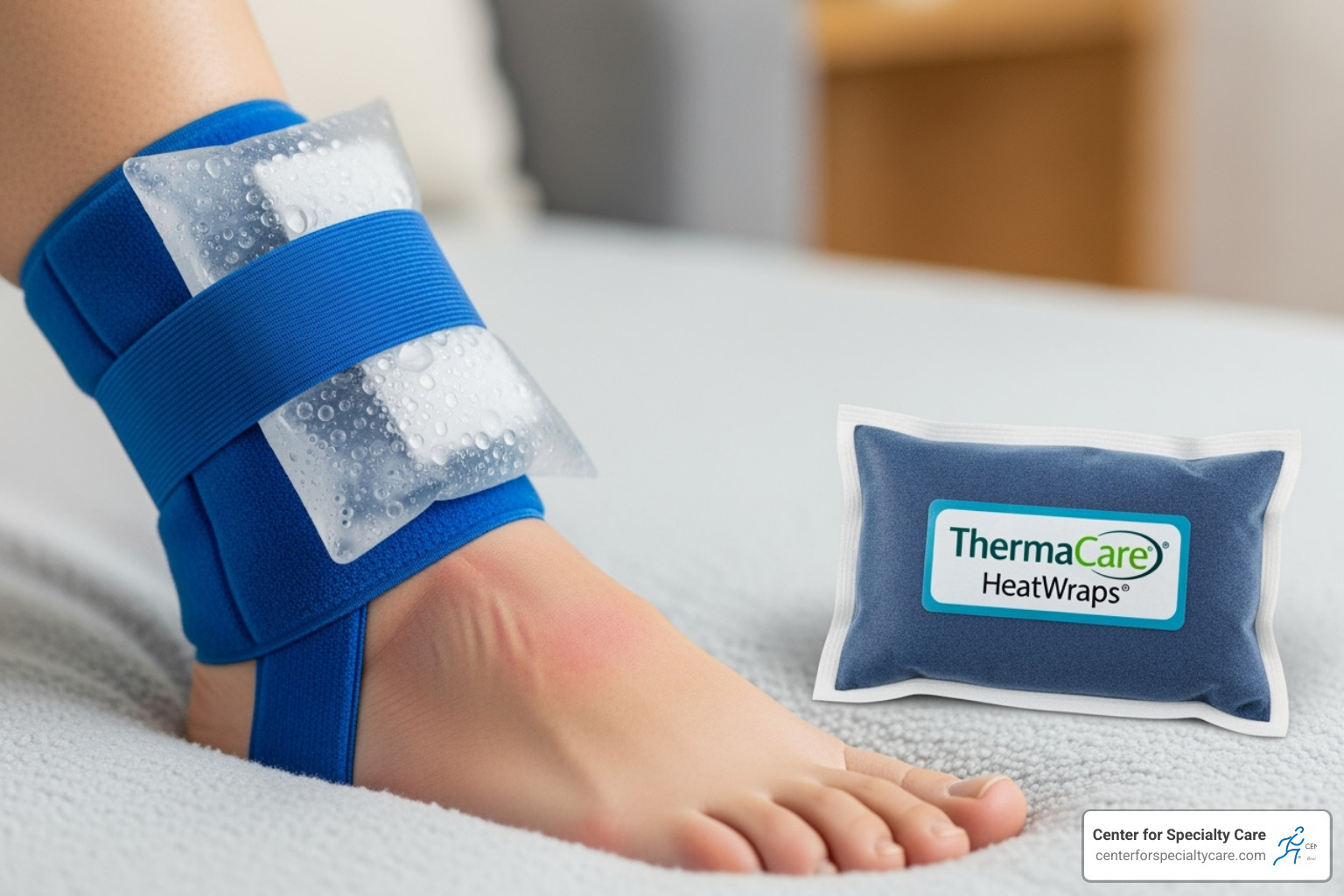
Heated gel packs or heat wraps offer convenience and portability – perfect for when you’re at work or traveling.
For ice therapy during acute flare-ups, you have equally effective options. Commercial ice packs are convenient, but a bag of frozen vegetables (peas or corn work best) is often better because it molds perfectly to your ankle’s shape. Plus, it’s usually cheaper!
Ice massage can be particularly effective. Freeze water in a paper cup, tear away the top, and gently massage the painful area with the ice. Keep it moving to prevent frostbite. Cold water immersion in a bucket works well too – just make sure the water is cold, not freezing.
Contrast baths – alternating between warm and cold water – can be helpful for some people, especially when there’s minor swelling but heat provides relief. Start and end with cold water, and this method may help boost circulation.
What are the safety precautions when using heat for peroneal tendonitis?
Safety should always be your first priority. I’ve seen too many patients accidentally hurt themselves trying to help themselves, and it’s completely preventable with the right precautions.
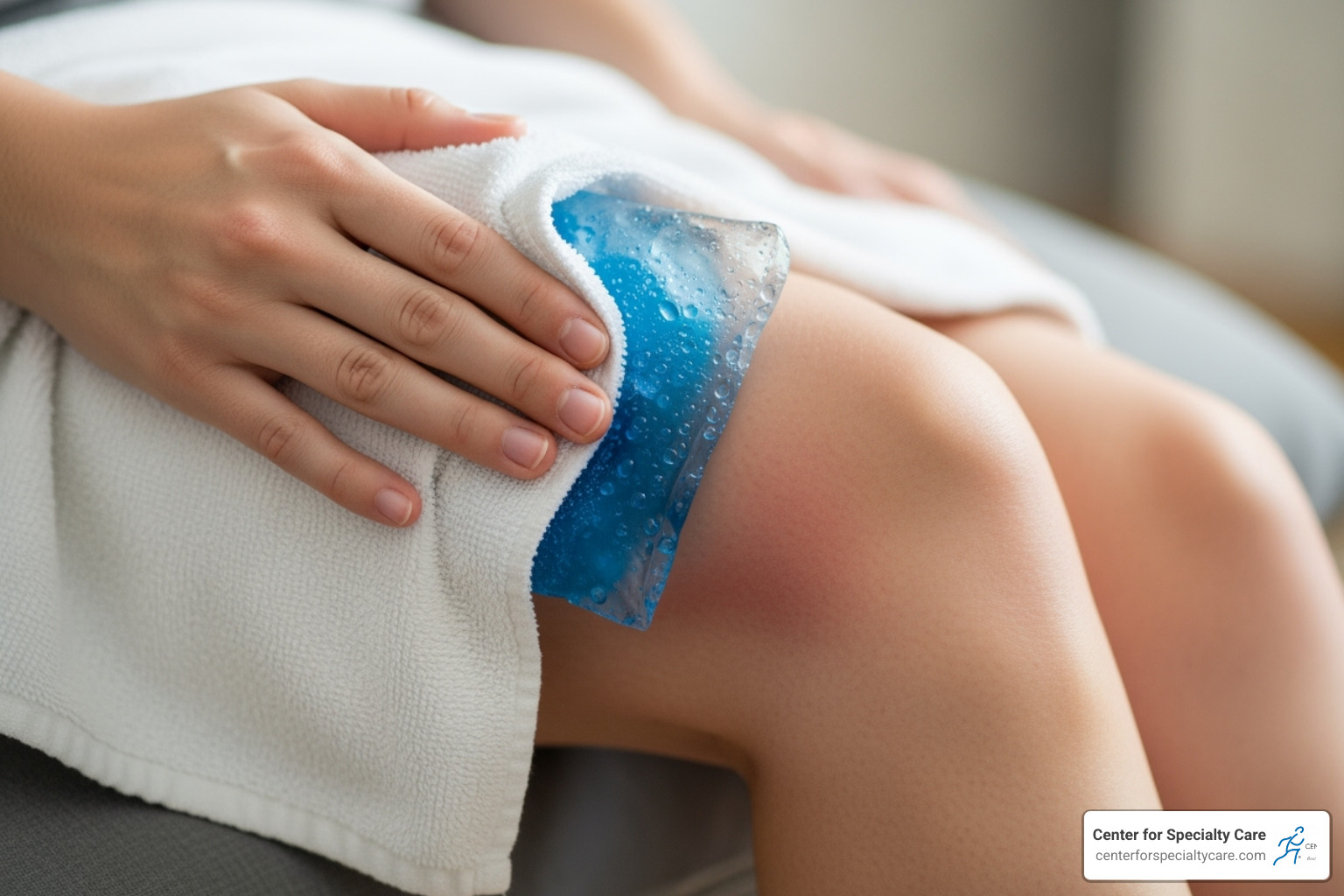
Always use a barrier between any heat source and your skin. Never apply heating pads or hot packs directly – always wrap them in a towel or cloth. This simple step prevents burns that can be worse than your original injury.
Check the temperature before applying anything. The heat should feel comfortable and soothing, never painful or burning. If you find yourself thinking “this is really hot,” it’s too hot.
Limit your sessions to 15-20 minutes at a time. While heat can generally be applied longer than ice, prolonged exposure can still cause burns. Wait at least an hour between applications, and stick to 2-3 times daily once inflammation has resolved.
Here’s a rule I tell all my patients: never fall asleep with a heating pad. This is one of the most common causes of serious burns we see. Set a timer if you need to.
Avoid heat on new injuries or visible swelling. If your peroneal tendonitis just started or you can see swelling, heat can make things worse by increasing blood flow to an already inflamed area.
Some people need extra caution with heat therapy. If you have diabetes, poor circulation, or nerve damage, please check with us before using heat. These conditions can impair your ability to feel temperature changes, putting you at higher risk for burns.
When using ice, the safety rules are just as important. Always use a cloth barrier to prevent frostbite, and limit sessions to 15-20 minutes every 4-6 hours. If you’re doing ice massage, keep it moving. Once the area becomes numb, it’s time to stop and let your skin warm up for at least 30 minutes.
Both heat and ice should feel therapeutic, not painful. If either causes discomfort, stop immediately and reassess your technique.
Beyond Heat and Ice: Complementary Treatments for a Full Recovery
While heat and ice can be valuable tools for managing peroneal tendonitis pain, they are usually part of a broader, comprehensive treatment plan. We believe in personalized care that addresses the root causes of your pain and supports long-term healing.

What other treatments can help peroneal tendonitis?
To achieve a full recovery from peroneal tendonitis, we often incorporate several complementary treatments:
- Rest and Activity Modification: This is fundamental. We advise temporarily reducing or completely avoiding activities that aggravate your ankle. This might mean taking a break from running or high-impact sports. Gradually reintroducing activity is crucial to prevent re-injury.
- Supportive Footwear and Orthotics: Choosing the right shoes with adequate support is vital. For individuals with high arches or specific biomechanical issues, custom or over-the-counter orthotics can provide necessary support and correct foot mechanics, reducing strain on the peroneal tendons.
- Physical Therapy: This is often the cornerstone of recovery. Our physical therapists will design a custom program that includes:
- Stretching exercises: To improve flexibility in the calf muscles and ankle.
- Strengthening exercises: Targeting the peroneal muscles themselves, as well as surrounding muscles like hip external rotators and abductors. Eccentric strengthening, which involves lengthening the muscle while it’s contracting (e.g., lowering your heel slowly after a calf raise), is particularly effective for tendinosis as it helps to rebuild damaged collagen.
- Balance and proprioception exercises: To improve ankle stability.
- You can learn more about our comprehensive approach to Physical Therapy services.
- Pain Management: Over-the-counter anti-inflammatory medications (like ibuprofen) can help reduce pain and swelling. For more severe cases, we can discuss prescription medications or other pain management strategies. Our Pain Management specialists are here to help.
- Bracing or Taping: In some cases, temporary immobilization with a brace, ankle support, or athletic tape can help rest the tendon and reduce pain, especially during the initial healing phase. A CAM walker boot might be used for a few weeks in more painful cases.
- Lifestyle Adjustments:
- Maintaining a healthy body weight: Carrying excess weight puts additional stress on your lower body tendons.
- Quitting smoking: Smoking can impair the body’s natural healing processes, making recovery from musculoskeletal problems slower.
- Injections: While less common for peroneal tendonitis compared to some other tendon issues, in certain persistent cases, a healthcare provider might consider steroid injections (though often used cautiously due to potential tendon weakening) or PRP (Platelet-Rich Plasma) injections, which show early evidence of promoting healing.
- Sports Medicine Expertise: For athletes, our Sports Medicine expertise combines specialized knowledge of athletic injuries with rehabilitation strategies to get you back to your sport safely.
How long does peroneal tendonitis take to heal?
The healing timeline for peroneal tendonitis can vary significantly depending on the severity of the condition, whether it’s acute or chronic, and how diligently you follow your treatment plan.
- Acute Cases (Conservative Treatment): Most people with acute peroneal tendonitis, especially if treated early and conservatively with rest, ice, and activity modification, usually experience significant relief of pain and inflammation within three to four weeks. Many people recover fully in about a month.
- Chronic Cases (Tendinosis): If the condition has progressed to chronic tendinosis, or if it’s been present for a long time, recovery can take longer. While most people will see improvement within 3 months of following recommended advice, some individuals may find their symptoms take up to 1 year to fully resolve. Flare-ups are common during recovery but usually settle within 6 weeks.
- After Surgery: If conservative treatments don’t yield results and surgery becomes necessary (which is rare), the recovery timeline is extended. After surgery, you’ll typically wear a cast on your lower leg for four to six weeks, followed by physical therapy.
A crucial part of healing is the gradual return to activity. Returning to high-impact activities too soon can cause symptoms to reappear or even worsen the injury. We emphasize a progressive approach, slowly increasing activity levels as your ankle strengthens and pain subsides. Listening to your body and not pushing through pain are key to preventing re-injury and ensuring a lasting recovery.
When to See a Doctor for Your Ankle Pain
While many cases of peroneal tendonitis respond well to home care, sometimes professional help is essential. Since about 60% of people with peroneal tendonitis are initially misdiagnosed, getting the right medical attention can make all the difference in your recovery.
Think of ankle pain as your body’s way of telling you something needs attention. Sometimes it’s a whisper that responds to rest and ice, but other times it’s more of a shout that requires professional care. Knowing the difference can save you weeks of frustration and potentially prevent a minor issue from becoming a major problem.
Severe pain that prevents you from bearing weight is one of the clearest signs you need immediate medical attention. If you can’t put your full weight on your foot without significant discomfort, something more serious might be happening beyond simple tendon inflammation.
A popping or snapping sensation in your ankle is another red flag. This could signal a tendon rupture or subluxation, where the peroneal tendons actually slip out of their normal position behind the ankle bone. These conditions require prompt treatment to prevent long-term complications.
When should you seek professional medical help?
Persistent symptoms after several weeks of consistent home care should prompt a visit to our office. If you’ve been diligently resting, icing, and modifying your activities for 2-3 weeks without improvement, it’s time for a professional evaluation. Your body is telling you that home remedies aren’t enough this time.
Worsening pain despite treatment is particularly concerning. Pain that intensifies even when you’re following all the right steps suggests something more complex is happening. Whether is heat good for peroneal tendonitis or ice is better becomes a moot point if the underlying condition needs different treatment entirely.
Limited mobility that interferes with daily life shouldn’t be ignored. If you’re struggling to walk normally, climb stairs, or perform routine activities because of ankle pain and stiffness, professional intervention can help restore your function much faster than waiting it out alone.
Significant swelling that doesn’t respond to elevation and ice may indicate complications or a different diagnosis altogether. While some swelling is normal with peroneal tendonitis, excessive or rapidly increasing swelling warrants immediate attention.
Numbness, tingling, or weakness in your foot or ankle could suggest nerve involvement or circulation issues that need prompt medical evaluation.
Our Podiatry specialists have extensive experience diagnosing and treating peroneal tendonitis and similar ankle conditions. We understand how frustrating it can be when ankle pain disrupts your life, and we’re committed to getting you back on your feet as quickly and safely as possible.
The good news is that with proper diagnosis and treatment, even stubborn cases of peroneal tendonitis typically respond well to professional care. Don’t let uncertainty about your symptoms keep you sidelined longer than necessary.
Conclusion: Creating Your Peroneal Tendonitis Recovery Plan
The question “is heat good for peroneal tendonitis” doesn’t have a one-size-fits-all answer, and that’s actually good news. It means you have options! Ice becomes your best friend during those first few days when your ankle is angry, swollen, and letting you know something’s wrong. Heat steps in later, like a gentle helper that soothes chronic aches and gets your tissues ready for healing.
Think of recovery as building a personalized toolkit rather than relying on just one solution. Listening to your body is perhaps the most important skill you can develop. Your ankle will tell you when it needs rest, when gentle movement feels good, and when you’re pushing too hard too fast.
The most successful recoveries happen when you combine thermal therapies with other treatments. Rest and activity modification give your tendons time to heal. Proper footwear and orthotics address the underlying mechanics that may have contributed to your injury in the first place. Physical therapy exercises rebuild strength and flexibility while preventing future problems.
Healing isn’t always linear. You might have good days followed by setbacks, and that’s completely normal. The key is staying consistent with your treatment plan and being patient with the process.
At the Center for Specialty Care, we understand that every person’s journey with peroneal tendonitis is unique. That’s why we’re committed to 100% patient satisfaction through personalized care that addresses your specific needs and lifestyle. Whether you need conservative treatment or more advanced interventions, our comprehensive approach includes both surgical and non-surgical options.
We make it easy to get the help you need, with quick appointment availability across our locations in Fairmont MN, Estherville IA, Buffalo Center IA, and St James MN. Don’t let ankle pain keep you on the sidelines when relief could be just a phone call away.
Contact our orthopedic specialists for a personalized treatment plan