

The Wobbly Shoulder: What is Subluxation?
September 8, 2025
Peroneal Tendonitis Pain: Can Heat Help You Heal?
September 10, 2025
Pain Below Left Scapula: 1 Urgent Warning?
When Left Shoulder Blade Pain Signals Something More Serious
Pain below the left scapula can be alarming, making you wonder if it’s a simple muscle strain or something more serious. While often caused by muscle tension, this discomfort can sometimes signal a cardiac condition.
Most common causes of pain below left scapula:
- Muscle strain from poor posture or overuse
- Pinched nerve in the neck or upper spine
- Referred pain from heart conditions
- Lung or abdominal issues causing radiating pain
- Spinal problems like herniated discs
The primary concern for many is whether their shoulder blade pain could be heart-related. While research shows that 90% of people experiencing pain in their shoulder blades respond positively to rest and exercise, suggesting most cases are musculoskeletal, cardiac conditions like heart attacks can cause referred pain to the left shoulder blade.
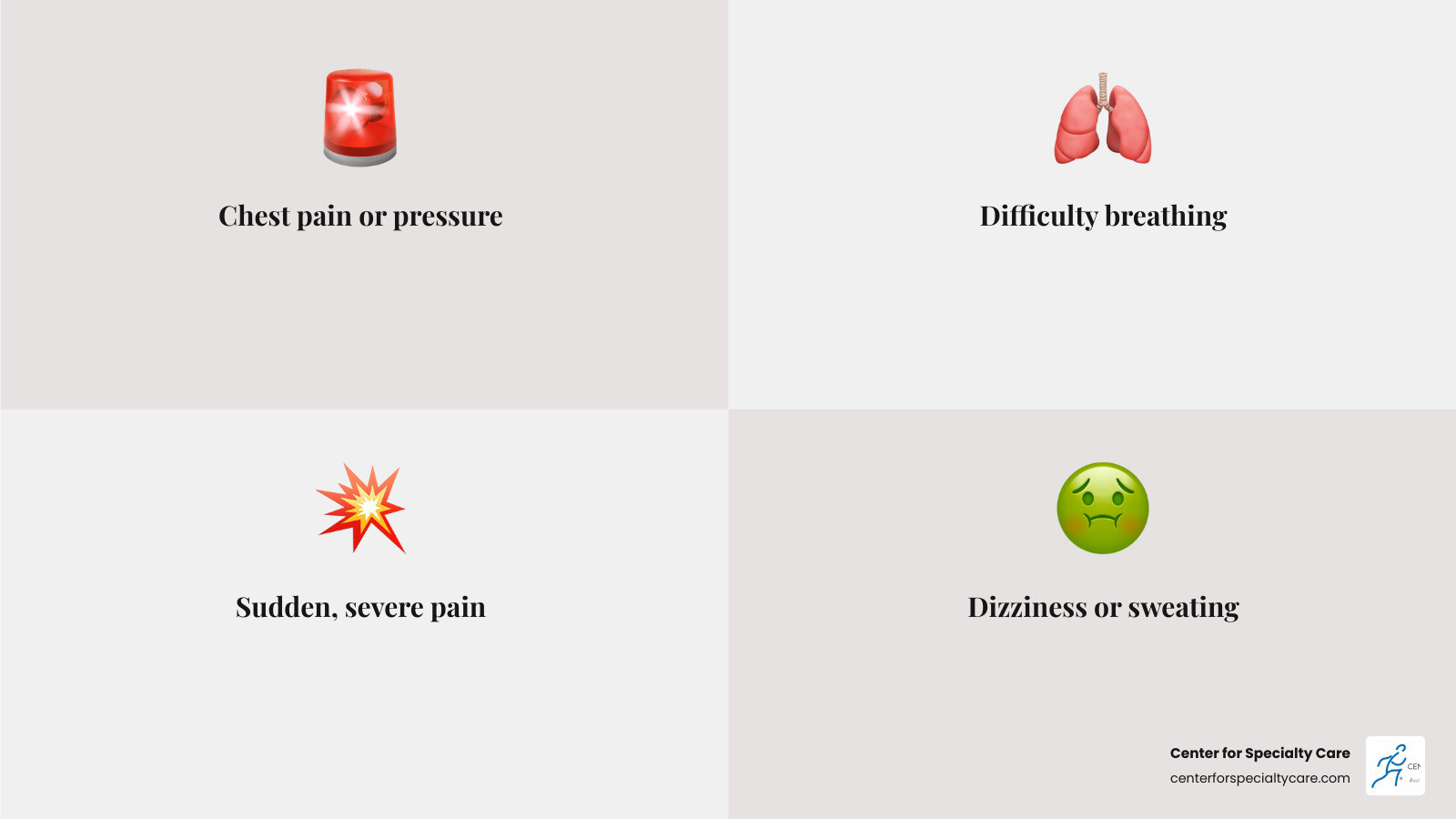
Red flag symptoms that require immediate medical attention include:
- Chest pain or pressure
- Difficulty breathing
- Sudden, severe pain
- Dizziness or sweating
- Pain that worsens with rest
I’m Dr. Corey Welchlin, a board-certified orthopedic surgeon. At the Center for Specialty Care, serving southern Minnesota and northern Iowa, I have over three decades of experience helping patients identify the source of their shoulder blade pain and find effective treatments.
Pain below left scapula definitions:
Common Culprits: Non-Cardiac Causes of Pain Below Left Scapula
While it’s easy to worry about worst-case scenarios, most pain below left scapula stems from common, non-cardiac causes related to daily activities. Things like hunching over a computer, carrying heavy bags, sleeping in odd positions, or dealing with stress can all contribute to shoulder blade pain.
Musculoskeletal and Postural Problems
Your shoulder blade is surrounded by muscles, tendons, and ligaments that can become overwhelmed and painful.
Muscle strain is the most frequent cause. The rhomboid muscles (between your spine and shoulder blade) and levator scapulae (from neck to shoulder blade) are particularly vulnerable to poor posture and overuse.

Poor posture, like “text neck” from looking down at a phone, weakens back muscles and pressures the spine. Myofascial pain syndrome creates tender trigger points in muscles that refer pain to the shoulder blade area. In snapping scapula syndrome, irritated tissues between the shoulder blade and ribs cause grinding sounds and discomfort.
Overuse injuries can affect anyone after a new workout, a day of gardening, or painting a room. If you’re dealing with a persistent muscle kink, our guide on Muscle Kink in Shoulder Blade: Causes and Effective Relief offers more insight.
Spinal and Nerve-Related Issues
The source of the pain can also be your spine. A cervical herniated disc in your neck can press on a nerve, causing cervical radiculopathy and sending pain signals to the shoulder blade. Research on scapular pain and cervical radiculopathy confirms this common link.
Problems in your thoracic spine (upper back), such as herniated discs, arthritis, or spinal stenosis, can also irritate nerves and cause pain felt under the scapula. Understanding these connections is key, and you can learn more from our guide on Back and Spine Conditions: Causes, Symptoms, and Treatment Options.
Referred Pain from Other Organs
Pain can also be referred from internal organs due to shared nerve pathways. This is why a professional evaluation is crucial.
- Lung conditions like pleurisy, pneumonia, or a pulmonary embolism can cause sharp pain that worsens with breathing and radiates to the shoulder.
- Abdominal issues such as pancreatitis can create deep pain that radiates to the back. Gallbladder disease typically causes right shoulder pain but can sometimes be felt more broadly.
- Acid reflux (GERD), spleen issues, or a peptic ulcer can also send pain signals that are felt in the upper back and shoulder blade area.
When It Is Your Heart: Cardiac-Related Left Shoulder Blade Pain
A primary concern for many is whether pain below left scapula could be heart-related. While less common than musculoskeletal issues, certain cardiac conditions can cause referred pain to this area, so it’s a possibility we take seriously.
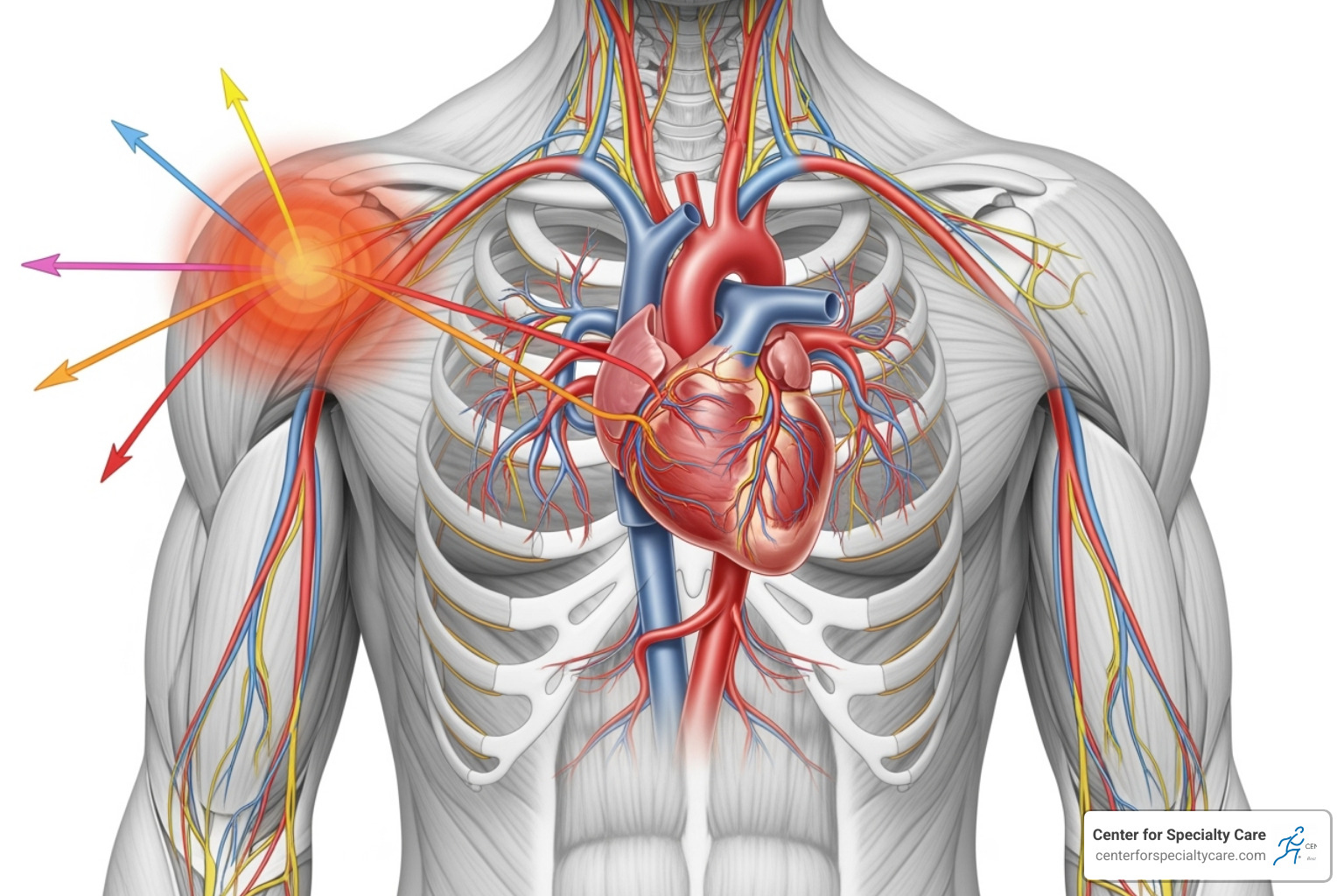
Your heart doesn’t always send pain signals directly to your chest. The pain can take a detour, ending up in your left arm, jaw, or under your left shoulder blade.
Specific Heart Conditions and Their Symptoms
Several heart conditions can cause pain below left scapula.
-
Myocardial Infarction (Heart Attack): This is the most serious concern. Instead of classic chest pain, it can present as a deep, squeezing sensation under the left shoulder blade that persists regardless of rest or movement. It’s often accompanied by shortness of breath, dizziness, nausea, and cold sweats. Women, in particular, may experience shoulder blade pain as a primary symptom without significant chest pain.
-
Angina Pectoris: This occurs when the heart muscle doesn’t get enough blood. It causes pressure or squeezing that can radiate to the left shoulder blade but typically subsides with rest.
-
Pericarditis: This inflammation of the sac around the heart creates a sharp, stabbing pain that can radiate to the left shoulder. It often worsens when lying down or taking a deep breath and improves when leaning forward.
-
Aortic Dissection: This is a rare but life-threatening tear in the aorta’s inner layer. It causes sudden, severe, tearing pain that often radiates to the back. This is a medical emergency. Learn more from this resource on Aortic Dissection from MedlinePlus.
| Feature | Musculoskeletal Shoulder Blade Pain | Cardiac Shoulder Blade Pain |
|---|---|---|
| Onset | Often gradual, related to activity | Sudden, can be at rest |
| Character | Ache, sharp, throbbing, muscle knot | Squeezing, pressure, crushing, dull |
| Aggravating Factors | Movement, posture, specific actions | Exertion, stress, often no trigger |
| Relieving Factors | Rest, stretching, massage, heat/ice | Rest (angina), nitroglycerin (angina), not relieved by position changes |
| Associated Symptoms | Tenderness to touch, stiffness | Chest pain, shortness of breath, dizziness, sweating, nausea, pain radiating to arm/jaw |
Understanding Referred Pain and Pain Below Left Scapula
Referred pain occurs because of shared nerve pathways. Nerves like the phrenic nerve and vagus nerve connect to both the heart and the shoulder region. When the heart is in distress, it sends signals along these shared routes. Your brain, more accustomed to signals from muscles, misinterprets the source of the pain as the shoulder blade.
This neurological mix-up is why we always take shoulder blade pain seriously, especially when it doesn’t behave like typical muscle pain. For more insights, our article on Shoulder Pain: Causes, Effective Relief, and When to See a Specialist is a helpful resource.
Getting a Diagnosis: What to Expect at the Doctor’s Office
Persistent or concerning pain below left scapula warrants professional evaluation to relieve both the pain and the worry it causes. At the Center for Specialty Care, we prioritize providing clear answers quickly.
Initial Evaluation and Red Flag Symptoms
Your evaluation begins with a detailed conversation about your symptoms: when the pain began, what it feels like, and what makes it better or worse. This history helps us distinguish between a muscle pull and something more serious.
Our first priority is to rule out emergencies. The following red flag symptoms require immediate medical attention (call 911):
- New or severe chest pain or pressure
- Sudden shortness of breath
- Dizziness or unexplained sweating
- Sudden, severe, or tearing pain
- Nausea, vomiting, or pain radiating to your left arm or jaw
For less urgent but persistent symptoms, schedule an appointment with us. If you’re unsure about the urgency, our guide on Should I Go to Urgent Care for Shoulder Pain? Signs and Treatment Options can help.
Diagnostic Procedures
After discussing your history, a physical examination is performed. We will assess the shoulder blade area for tenderness and evaluate your range of motion.

Depending on our findings, we may recommend additional tests:
- Electrocardiogram (ECG/EKG): Records the heart’s electrical activity.
- Echocardiogram: Uses ultrasound to view the heart’s structure and function.
- Stress Test: Monitors your heart while you exercise to see how it performs under pressure.
- Blood Tests: Check for cardiac enzymes or markers of inflammation.
- X-rays: Can spot arthritis, fractures, or other bone issues.
- MRI: Provides detailed images of soft tissues like muscles, discs, and nerves to identify strains, herniated discs, or pinched nerves.
- CT Scan: Offers detailed cross-sectional images, useful for evaluating lungs, blood vessels, or complex bone structures.
We use a personalized approach, selecting only the necessary tests for your situation. Learn more about Finding the Best Shoulder Doctor Near Me: What You Need to Know to understand what to look for in a specialist.
Pathways to Relief: Treating Pain Below the Left Scapula
Once we diagnose the cause of your pain below left scapula, we can create an effective, personalized treatment plan. Most of our patients find relief without surgery by matching the right treatment to their specific condition.
Treatments for Musculoskeletal and Nerve Issues
For pain from muscles, nerves, or the spine, we have many effective, non-surgical tools.
- Rest and Activity Modification: This foundational step involves avoiding activities that worsen the pain and learning safer ways to perform daily tasks.
- Physical Therapy: This is a cornerstone of treatment. Therapists identify muscle imbalances and design programs with exercises to strengthen scapular stabilizers, stretch tight muscles, and improve posture. Learn more about Physical Therapy for Shoulder Pain: Recovery and Pain Relief.
- Medications: Anti-inflammatory drugs like ibuprofen can reduce pain and swelling. Muscle relaxants may be prescribed for short-term use.
- Injections: For stubborn pain, trigger point injections can release muscle knots, while corticosteroid injections can calm inflamed nerves or joints. We also offer regenerative medicine options. Explore the Types of Injections for Shoulder Pain Relief: Treatment Options we provide.
- Chiropractic Care: Gentle adjustments can be helpful when spinal alignment is a contributing factor.
Surgery is rarely needed but is an option for specific conditions after a thorough discussion.
Lifestyle’s Role in Causing Pain Below Left Scapula
Smart lifestyle changes can speed up recovery and prevent recurrence of pain below left scapula.
- Ergonomics: An ergonomic workspace with your monitor at eye level and a supportive chair can prevent the muscle strain that leads to pain.
- Proper Movement: Using proper lifting techniques and varying how you carry bags can prevent strain.
- Regular Exercise: A balanced routine including strength training for the back and core, flexibility work, and cardio builds a resilient body.
- Stress Management: Chronic stress leads to muscle tension. Practices like meditation, yoga, or deep breathing can reduce this tension and alleviate pain.
- Anti-inflammatory Diet: A diet rich in fruits, vegetables, and fish can help control inflammation, while limiting processed foods, sugar, and unhealthy fats is beneficial.
Frequently Asked Questions about Left Shoulder Blade Pain
Here are answers to some of the most common questions we hear from patients dealing with pain below left scapula.
Can stress cause pain under the left shoulder blade?
Yes, absolutely. When you’re stressed, muscles in your shoulders and back tense up. Chronic stress leads to chronic tension, muscle knots, and poor posture, all of which can cause pain below left scapula. Severe anxiety can even mimic heart attack symptoms, highlighting the strong mind-body connection.
How do I know if my shoulder blade pain is muscular or from an organ?
This requires a medical evaluation, but there are clues. Muscular pain often changes with movement, feels tender to the touch, and is localized. Organ-related pain is usually constant regardless of movement, isn’t tender when you press on the area, and may be accompanied by red flag symptoms like fever, nausea, or shortness of breath.
How should I sleep with pain under my left shoulder blade?
Proper sleep posture is key for healing. Sleeping on your back is often best, as it keeps your spine in a neutral position. Use a supportive pillow for your neck and consider placing a small pillow under your knees to reduce back strain.
Avoid sleeping on the affected left side, as this can increase pressure on the sore area. If you are a dedicated side sleeper, try lying on your right side and hugging a body pillow to provide support and prevent you from rolling over during the night.
Memory foam pillows can also be beneficial, as they conform to your head and neck to maintain proper alignment.
Don’t Ignore the Ache: Taking the Next Step
Dealing with pain below left scapula can be worrying, but taking action is the best way to find relief and peace of mind. We’ve covered the many potential causes, from simple muscle strain to more serious conditions. While most cases are musculoskeletal, the possibility of a more serious issue makes an accurate diagnosis essential.
You wouldn’t try to fix an engine without knowing what’s wrong, and your body deserves the same thoughtful approach. Without knowing the true source of your pain, any treatment is just guesswork.
The importance of personalized care cannot be overstated. At the Center for Specialty Care, Dr. Corey Welchlin and our team are committed to your recovery. With locations in Fairmont, MN, Estherville, IA, Buffalo Center, IA, and St. James, MN, we offer personalized care and prioritize quick appointment availability because we know you shouldn’t have to wait for relief.
Don’t let persistent pain below left scapula disrupt your life. Taking control of your health starts with seeking expert care. We are dedicated to not just treating your symptoms, but helping you understand what’s happening in your body and how to prevent future problems.
Ready to find answers? Explore our Comprehensive Shoulder Care services to see how we can help you get back to a pain-free life.