
Peroneal Tendonitis Pain: Can Heat Help You Heal?
September 10, 2025
Why Your Rotator Cuff Hurts at Night and What to Do About It
September 12, 2025
What is Intracept Procedure for Back Pain: 1st Relief
A New Hope for Chronic Low Back Pain
What is intracept procedure for back pain – it’s a minimally invasive outpatient treatment that uses radiofrequency energy to target and disable the basivertebral nerve, which transmits pain signals from damaged vertebral endplates in your spine.
Quick Answer:
- What it treats: Vertebrogenic pain (pain from inside the vertebrae)
- How it works: Heats the basivertebral nerve to stop pain signals
- Procedure time: 60-90 minutes, outpatient
- Recovery: 1-2 weeks typical recovery
- Success rate: 64% of patients report over 50% pain relief
- Key requirement: Modic changes visible on MRI
Chronic low back pain affects millions of Americans, with 80% of people experiencing low back pain at some point in their lives. For many, conservative treatments like physical therapy, medications, and injections provide relief. But what happens when these treatments fail?
Recent research has revealed that up to 20% of chronic low back pain comes from inside the vertebrae themselves – a condition called vertebrogenic pain. This findy led to the development of the Intracept procedure, the only FDA-approved treatment specifically designed for this type of pain.
The procedure targets the basivertebral nerve, which carries pain signals from damaged vertebral endplates. Unlike traditional back surgeries that require implants or lengthy recovery times, Intracept offers a minimally invasive solution with no permanent hardware.
I’m Dr. Corey Welchlin, and as a board-certified orthopedic surgeon with over three decades of experience, I’ve seen how chronic back pain can steal quality of life from patients. Understanding what is intracept procedure for back pain has allowed me to offer new hope to patients who previously had limited options beyond major surgery. This innovative treatment represents a significant advancement in our ability to provide lasting relief for vertebrogenic pain.
What Is the Intracept Procedure and How Does It Target Pain?
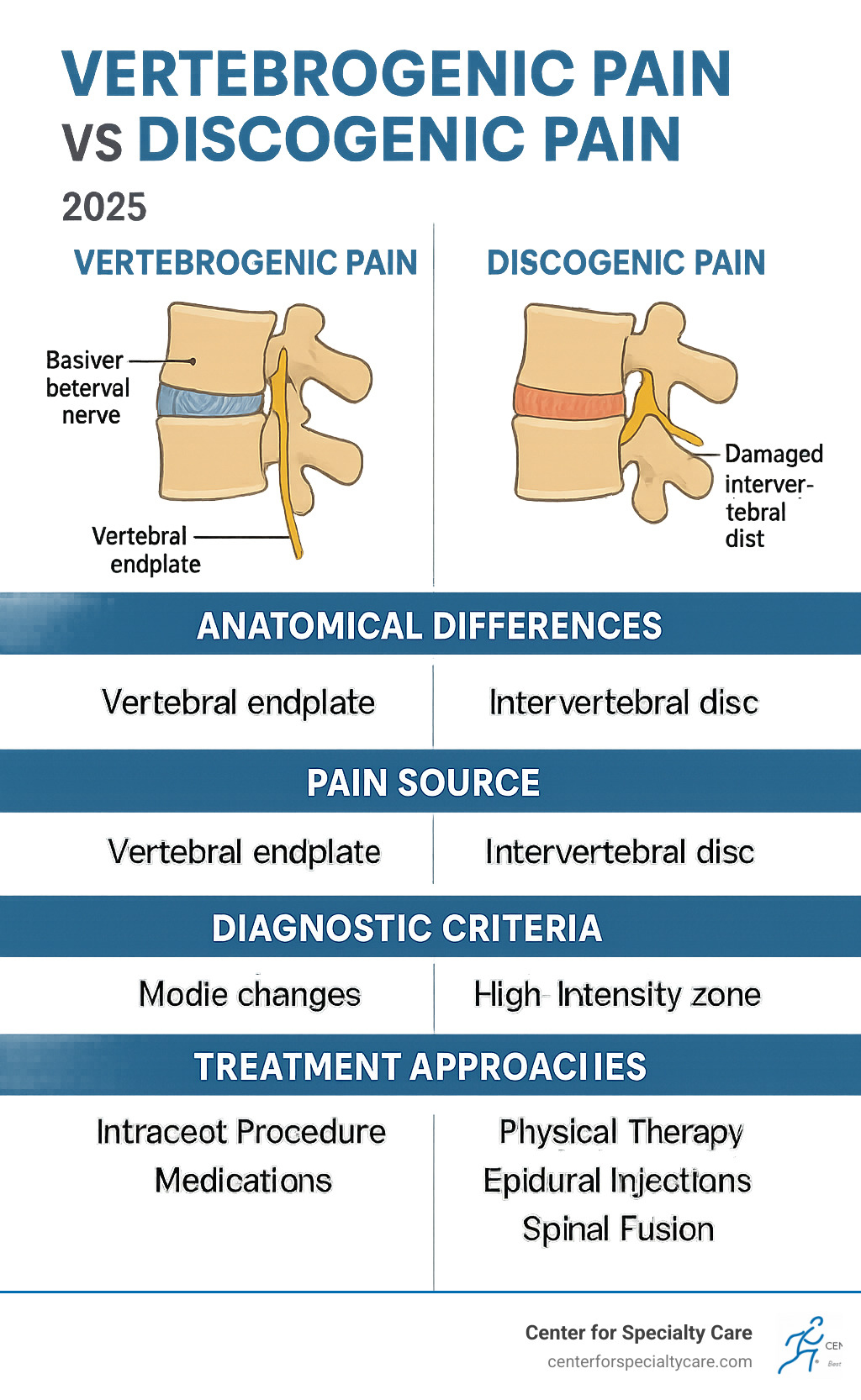
Understanding what is intracept procedure for back pain starts with recognizing that not all chronic back pain is the same. While many treatments focus on discs or muscles, the Intracept procedure addresses a specific type of pain called vertebrogenic pain – pain that comes from inside the vertebral bones themselves.
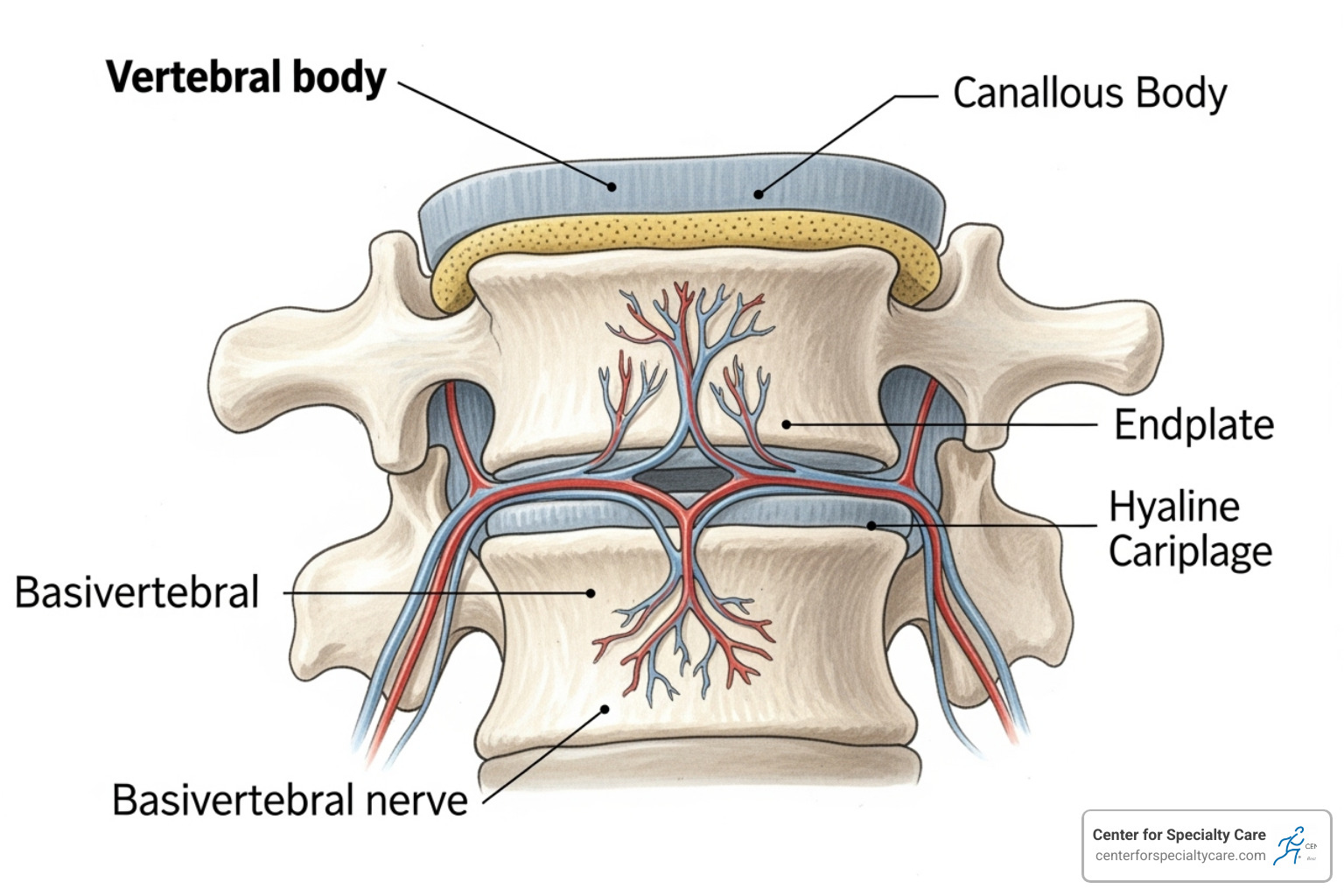
This innovative treatment works by targeting the basivertebral nerve (BVN), a tiny but significant nerve that runs through the center of your vertebrae. Think of this nerve as a pain messenger – it carries signals from damaged areas within the bone straight to your brain. When vertebral endplates become damaged and inflamed, this nerve becomes hyperactive, constantly sending pain signals even when you’re trying to rest.
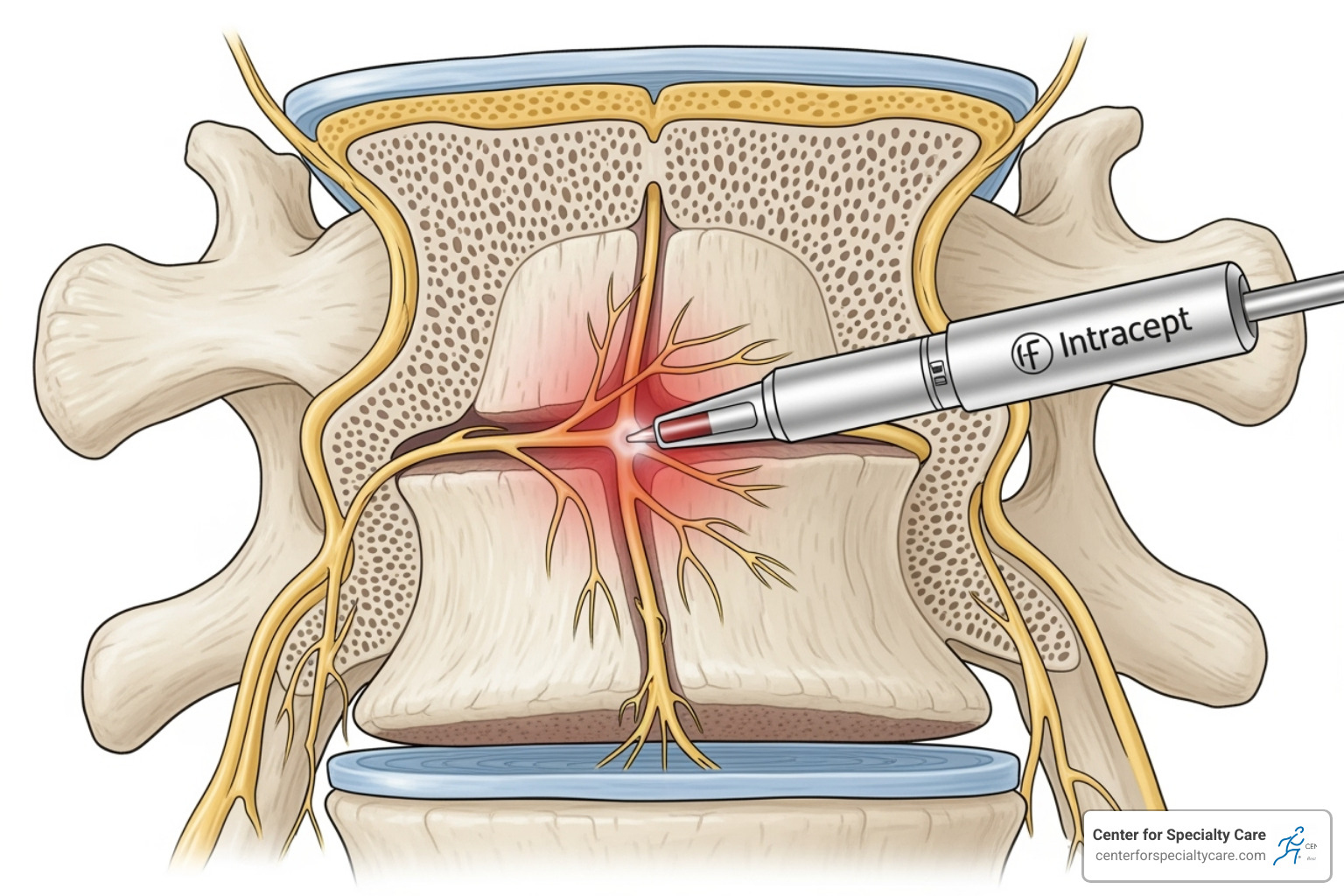
The Intracept procedure uses radiofrequency energy to carefully heat and disable a small portion of this nerve. It’s like turning off a faulty alarm system that keeps going off unnecessarily. By interrupting these pain signals at their source, patients often experience significant relief from their chronic low back pain.
Understanding Vertebrogenic Pain
For years, doctors primarily looked at disc problems or facet joint issues when treating chronic low back pain. But research over the past three decades has revealed something important: the vertebral endplates themselves are often the real culprits behind persistent back pain.
These endplates are thin layers of bone and cartilage that sit between your vertebrae and spinal discs. When they become damaged – usually from everyday wear and tear or disc degeneration – they trigger an inflammatory response. This inflammation causes an increase in nerve endings, particularly around the basivertebral nerve, creating a constant source of pain signals.
Patients with vertebrogenic pain typically describe their discomfort as being deep in the middle of their low back. It often gets worse with activities like prolonged sitting, bending forward, or lifting – activities that put pressure on the vertebral endplates. This pain feels different from sciatica, which shoots down your leg, or muscle pain, which feels more superficial.
One of the most important diagnostic clues for vertebrogenic pain is the presence of Modic changes on MRI scans. These changes show up as specific patterns that indicate inflammation and damage within the vertebral endplates and surrounding bone marrow. For more detailed information about various spinal conditions and their symptoms, you can explore our comprehensive guide on Common Spinal Conditions: Causes, Symptoms, and Treatment Options.
How the Intracept Procedure for Back Pain Works
The beauty of the Intracept procedure for back pain lies in its precision and simplicity. This outpatient procedure typically takes 60-90 minutes and uses a minimally invasive approach that doesn’t require any permanent implants or extensive surgery.
Here’s how we target the source of your pain: Using fluoroscopic guidance (real-time X-ray), we carefully insert a thin cannula through a small incision in your back. This cannula travels through the pedicle – a natural bony pathway – directly into the affected vertebra where the basivertebral nerve is located.
Once we reach the target area, we create a small channel within the bone. This gives us direct access to the basivertebral nerve without disturbing surrounding tissues. A specialized radiofrequency probe is then inserted through this channel, delivering controlled heat to a precise portion of the nerve.
The nerve ablation process effectively “turns off” the nerve’s ability to transmit pain signals. Think of it as disconnecting a wire that’s been sending false alarms. The surrounding bone structure remains completely intact, and because we’re working inside the vertebra itself, we don’t disturb any of the important structures around your spine.
After the procedure is complete, all instruments are removed and the small incision is closed with a simple bandage or single stitch. Most patients are surprised by how straightforward the process feels, especially when performed under general anesthesia for maximum comfort.
Are You a Candidate for the Intracept Procedure?
Not everyone with chronic back pain is a good fit for the Intracept procedure for back pain, and that’s actually a good thing. This targeted approach works best for specific types of pain, which means we can offer you the most effective treatment possible when you’re the right candidate.
The key to success with Intracept lies in careful patient selection. We need to make sure your pain is truly coming from the vertebral endplates – not from other structures like discs or facet joints. This precision is what makes the difference between excellent results and disappointment.
At Center for Specialty Care, we take pride in our personalized approach to care. Our team specializing in Pain Management will work with you to determine if this innovative treatment aligns with your specific situation.
Key Candidacy Requirements
Before we consider Intracept, we need to establish that you’ve been dealing with chronic low back pain for at least six months. This timeline isn’t arbitrary – it helps us distinguish between temporary pain that might resolve on its own and truly persistent pain that needs intervention.
Just as importantly, you should have tried conservative treatments for at least six months without getting the relief you deserve. We’re talking about the standard approaches that work well for many people but haven’t worked for you.
Physical therapy is usually the first line of defense. This involves targeted exercises and stretches designed to improve your strength, flexibility, and posture. Many patients find significant relief through PT, but if you’re reading this, chances are it wasn’t enough for you.
Injections are another common approach we try before considering Intracept. These might include epidural steroid injections or nerve blocks, aimed at reducing inflammation and interrupting pain signals. While these can provide temporary relief, they don’t address the underlying source of vertebrogenic pain.
Medications also play a role in conservative care. We might try anti-inflammatory drugs, muscle relaxants, or medications specifically designed for nerve pain. Again, these can be helpful, but they don’t fix the problem at its source.
When these conservative approaches haven’t provided the relief you need, that’s when we start looking at advanced options like the Intracept procedure.
The Role of Modic Changes in Diagnosis
Here’s where things get really specific – and exciting. The most critical factor in determining if you’re a candidate for Intracept is something called Modic changes on your MRI scan.
What are Modic changes? Think of them as your spine’s way of showing us exactly where the problem is. These are distinct abnormalities visible on MRI that indicate changes in your vertebral endplates and the bone marrow right next to them. They’re like a roadmap pointing directly to the source of your pain.
Type 1 Modic changes show up when there’s bone marrow swelling and inflammation. These changes indicate an active, ongoing process and are often associated with the kind of acute pain that makes everyday activities challenging.
Type 2 Modic changes tell a different story. They show that normal bone marrow has been replaced with fatty tissue over time. This suggests a more chronic degenerative process, but it can still be a significant source of persistent pain.
There’s also Type 3, but these changes involve hardening of the bone and are generally more stable, making them less suitable for the Intracept procedure.
For the Intracept procedure for back pain to be most effective, we specifically look for Type 1 or Type 2 Modic changes in your L3 through S1 vertebrae – essentially your lower lumbar spine and sacrum. These MRI findings are crucial because they confirm that your pain is likely coming from exactly where Intracept can help.
The ideal candidate typically experiences pain that gets worse with activity, sitting, or bending forward. This pattern makes sense when you understand that these movements put additional stress on the damaged endplates. If your pain fits this description and you have the right MRI findings, you might be an excellent candidate for lasting relief through the Intracept procedure.
The Intracept Journey: What to Expect Before, During, and After
When you’re living with chronic back pain, the thought of any procedure can bring a mix of hope and nervousness. I understand that completely – it’s natural to want to know exactly what lies ahead. The good news is that the Intracept procedure for back pain is designed to be as comfortable and straightforward as possible, allowing you to get back to your life quickly.
At Center for Specialty Care, we’ve guided hundreds of patients through this journey, and we’re committed to making sure you feel informed and supported every step of the way. Our team specializes in Orthopedics, and we take pride in delivering personalized care that puts your comfort first.
The Procedure: A Step-by-Step Look
The Intracept procedure for back pain happens right here in our outpatient facility, which means you’ll be heading home the same day – no hospital stay required. The entire process typically takes between 60 to 90 minutes, and here’s how it unfolds:
Before we begin, you’ll receive clear instructions about eating, drinking, and any medications you should adjust. On procedure day, we’ll make sure all your questions are answered before moving forward.
You’ll receive general anesthesia, so you’ll be completely comfortable and unaware during the procedure. Once you’re positioned safely on your stomach, we make a tiny incision – less than half an inch – in your back.
Using real-time X-ray guidance (called fluoroscopy), we precisely guide a thin tube called a cannula into the affected vertebra. This advanced imaging ensures we reach exactly the right spot every time. Through this cannula, we advance a specialized radiofrequency probe directly to the basivertebral nerve within your vertebral body.
The actual nerve ablation happens when we deliver controlled radiofrequency energy through the probe. This creates just enough heat to deactivate the nerve that’s been sending those persistent pain signals. The process takes just a few minutes per nerve.
Once we’ve completed the ablation, we carefully remove all instruments and close the small incision with either a simple bandage or a single stitch. Throughout the entire procedure, our experienced team monitors you closely to ensure your safety and comfort.
What is the Recovery Process for the Intracept Procedure for Back Pain?
One of the biggest advantages of choosing the Intracept procedure for back pain is how quickly most patients bounce back compared to traditional spine surgeries. Recovery is typically much more manageable than you might expect.
Right after the procedure, you’ll rest in our recovery area while the anesthesia wears off. It’s completely normal to feel some mild soreness, slight bruising, or minor swelling around the incision site. Most patients find that over-the-counter pain relievers like acetaminophen or ibuprofen handle any discomfort just fine.
For the first day or two, we recommend taking it easy and avoiding any heavy lifting or strenuous activities. You don’t need bed rest – just listen to your body and modify activities based on how you’re feeling.
Most people experience a full recovery within one to two weeks. Many of our patients return to work or their normal routines within just two to three days, depending on what their job involves. If you have a desk job, you’ll likely be back much sooner than if your work requires physical labor.
Here’s what makes recovery even better: the Intracept procedure is completely implant-free. No permanent hardware stays in your body, which means fewer restrictions and potentially simpler future treatments if ever needed.
Pain relief timing varies from person to person. While some patients notice improvement within days, it’s more common to experience significant pain reduction within two to four weeks, with continued improvement over the following months. Your body needs time to heal and for the full benefits to develop.

Potential Risks and Complications
I believe in being completely transparent with my patients about any procedure, including the Intracept procedure for back pain. While this treatment has an excellent safety profile, every medical procedure carries some potential risks, and I want you to be fully informed.
The good news is that clinical trials show a very low rate of serious complications – less than 0.3%. That said, potential risks, though infrequent, can include infection at the treatment site, minor bleeding that usually resolves on its own, or in very rare cases, damage to surrounding nerves. Our use of advanced fluoroscopic guidance significantly reduces these risks by ensuring precise placement of all instruments.
Occasionally, some patients might experience a temporary increase in back pain immediately after the procedure. In extremely rare instances, the original pain might worsen, though this is uncommon.
Certain conditions may make you ineligible for the procedure. You wouldn’t be a candidate if you’re pregnant, have an active implanted electronic device like a pacemaker, have significant heart or lung problems, or have an active infection. For complete details about contraindications, you can review the Contraindications for Intracept.
Please contact our office immediately if you develop any signs of infection: fever over 101°F, chills, increasing redness or warmth around the incision, drainage from the site, worsening swelling after the third or fourth day, or pain that isn’t relieved by medication. We’re always here to address any concerns during your recovery.
Your safety and well-being are our absolute top priorities, and we’ll be with you every step of the way through your recovery journey.
Effectiveness, Benefits, and Key Differences
When patients ask me “what is intracept procedure for back pain” and whether it actually works, I’m excited to share the impressive results we’ve seen. The clinical data supporting this innovative treatment is truly remarkable, and more importantly, I’ve witnessed how it transforms lives.
The beauty of the Intracept procedure lies not just in its minimally invasive approach, but in its ability to provide lasting relief for a type of pain that was previously very difficult to treat effectively. Unlike treatments that merely mask symptoms, this procedure addresses the root cause of vertebrogenic pain by targeting the specific nerve responsible for transmitting those persistent pain signals.
Success Rates and Long-Term Pain Relief
The statistics speak volumes about the effectiveness of this procedure. In comprehensive clinical studies, 65% of people reported at least a 50% reduction in back pain, with an impressive 36.2% reporting at least a 75% reduction six months after treatment. Even more encouraging, 22.4% of people reported 100% pain relief at the six-month mark.
What really excites me about these results is their durability. We’re not talking about temporary relief here. Over 12 months, 64% of patients continued to report more than 50% pain relief, and 30% maintained complete pain relief. Clinical studies have demonstrated that this relief can last for longer than six years after treatment.
The functional improvements are equally impressive. 70% of patients were able to resume the activity level they enjoyed before their low back pain began. This means getting back to playing with grandchildren, returning to favorite hobbies, or simply being able to sit through a movie without discomfort.
Perhaps most telling is that 75.6% of patients reported meaningful improvement just three months after treatment in a multicenter randomized trial. The overall success rate stands at 69%, making it one of the most effective treatments available for vertebrogenic pain.
These aren’t just numbers on a page – they represent real people who’ve gotten their lives back. For detailed information on long-term outcomes, you can review comprehensive studies such as this research on long-term effectiveness.
How Intracept Differs from Traditional Radiofrequency Ablation (RFA)
Many patients are familiar with traditional radiofrequency ablation for back pain, so it’s important to understand how the Intracept procedure for back pain differs. While both treatments use radiofrequency energy, they target completely different sources of pain.
Traditional RFA focuses on the medial branch nerves that supply the facet joints – those small joints on the back and sides of your spine. This approach works well for facet joint arthritis but doesn’t address pain coming from inside the vertebral bones themselves.
The Intracept procedure, on the other hand, targets the basivertebral nerve inside the vertebral body. This nerve carries pain signals from damaged vertebral endplates – a completely different pain source that requires a different approach. We access this nerve through the bone itself (intraosseous approach) rather than targeting nerves outside the spinal canal.
| Intracept Procedure | Traditional RFA |
|---|---|
| Targets: Basivertebral nerve inside vertebral body | Targets: Medial branch nerves near facet joints |
| Treats: Vertebrogenic pain from damaged endplates | Treats: Facet joint pain from arthritis |
| Approach: Works inside the bone | Approach: Works outside the bone |
| Pain Source: Vertebral body inflammation | Pain Source: Joint inflammation |
This distinction is crucial because it means the Intracept procedure can help patients whose pain doesn’t respond to traditional treatments. If your pain is coming from inside the vertebrae themselves – as evidenced by Modic changes on your MRI – then targeting facet joint nerves simply won’t provide the relief you need.
Both procedures are implant-free and minimally invasive, but they address fundamentally different types of chronic low back pain. Understanding this difference helps us match the right treatment to your specific condition, maximizing your chances of achieving lasting pain relief.
Conclusion: Take the Next Step Towards Lasting Relief
If you’ve been living with chronic low back pain, you know how it can feel like a thief that steals your joy, your energy, and your ability to do the things you love. Maybe you’ve tried physical therapy, medications, and injections, only to find yourself still searching for answers. You’re not alone, and more importantly, you’re not out of options.
Understanding what is intracept procedure for back pain could be the breakthrough you’ve been waiting for. This innovative, minimally invasive treatment offers genuine hope for people whose pain comes from inside their vertebrae – something we couldn’t effectively treat until recently.
The beauty of the Intracept procedure lies in its precision and simplicity. By targeting the basivertebral nerve with radiofrequency energy, it stops pain signals at their source without the need for implants or major surgery. You can have the procedure done in the morning and be home by afternoon, with most people returning to their normal activities within just a week or two.
The results speak for themselves – 64% of patients experience more than 50% pain relief, and remarkably, 30% achieve complete pain freedom. These aren’t just numbers; they represent real people who got their lives back. People who can now play with their grandchildren, return to work without wincing, or simply sleep through the night without back pain waking them up.
At Center for Specialty Care, we understand that every patient’s journey with chronic pain is unique. That’s why we take the time to thoroughly evaluate whether the Intracept procedure is right for your specific situation. Our commitment to 100% patient satisfaction means we won’t recommend a treatment unless we truly believe it can help you.
We also know that when you’re dealing with chronic pain, waiting weeks for answers isn’t acceptable. That’s why we pride ourselves on quick appointment availability – because your pain doesn’t wait, and neither should your path to relief.
Don’t let another day pass wondering if there’s a solution for your chronic low back pain. The Intracept procedure has already changed thousands of lives, and it might just change yours too. Take that first step toward lasting relief – you deserve to feel like yourself again.