
Don’t Get Burned: Choosing Between Ice and Heat for Strains
May 28, 2026
The Complete Guide to Flat Foot Arch Support
June 1, 2026
Watch how the Intracept procedure works
What the Intracept Procedure Video Shows — And Why It Matters for Your Back Pain
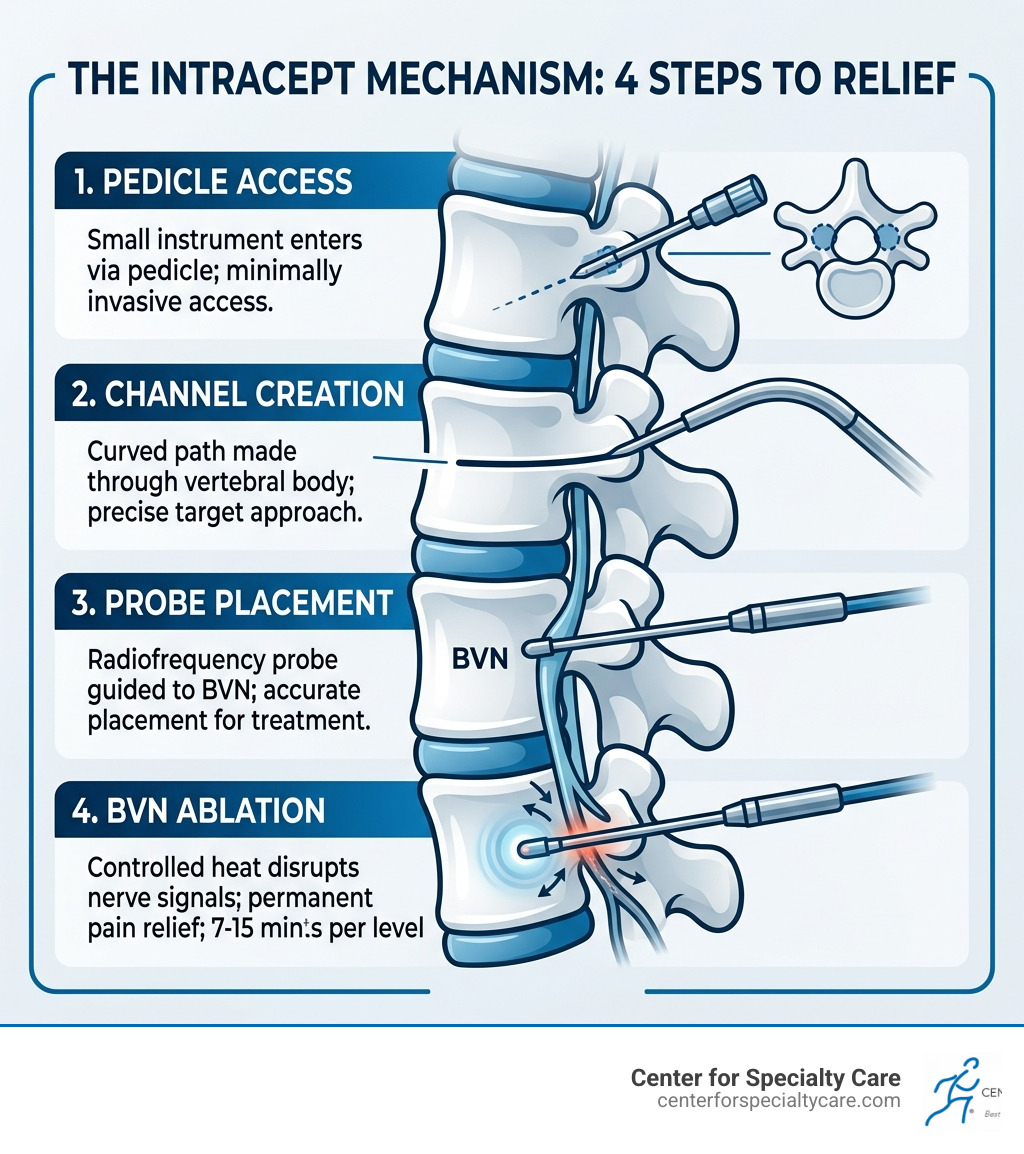
Intracept procedure video content gives you a clear, visual look at exactly how this minimally invasive treatment works to stop chronic low back pain at its source. Here is a quick overview of what you will see:
- Access — A small instrument enters the spine through the pedicle (the bony bridge connecting the back of the vertebra to the front)
- Channel creation — A curved path is made through the vertebral body to reach the target nerve
- Probe placement — A radiofrequency probe is guided to the trunk of the basivertebral nerve (BVN)
- Ablation — Controlled heat is applied for 7–15 minutes per spinal level, permanently disrupting the nerve’s ability to send pain signals
This process is outpatient, implant-free, and typically takes 60–90 minutes total.
Around 80% of people will experience low back pain at some point in their lives — and for millions, that pain becomes chronic and debilitating. When standard treatments like physical therapy, medications, and injections stop working, many patients feel stuck. The Intracept Procedure offers a targeted solution for a specific type of low back pain called vertebrogenic pain, which comes from damage inside the vertebral bones themselves. Understanding how it works — visually — is often the first step toward deciding if it is right for you.
I’m Dr. Corey Welchlin, a board-certified orthopedic surgeon with over 30 years of experience in minimally invasive spine and joint procedures at the Center for Specialty Care in Fairmont, Minnesota. Helping patients understand their options — including through resources like an intracept procedure video — is a core part of how I guide people toward lasting relief.
Easy intracept procedure video word list:
Understanding Vertebrogenic Pain and the Basivertebral Nerve
If you have been told your back pain is “just part of getting older” or that it’s all in your discs, you might be missing the real culprit. Research over the last three decades has revealed that the vertebral endplates—the layers of bone and cartilage that sit between your discs and the vertebral bodies—are a major source of chronic low back pain. This is known as vertebrogenic pain.
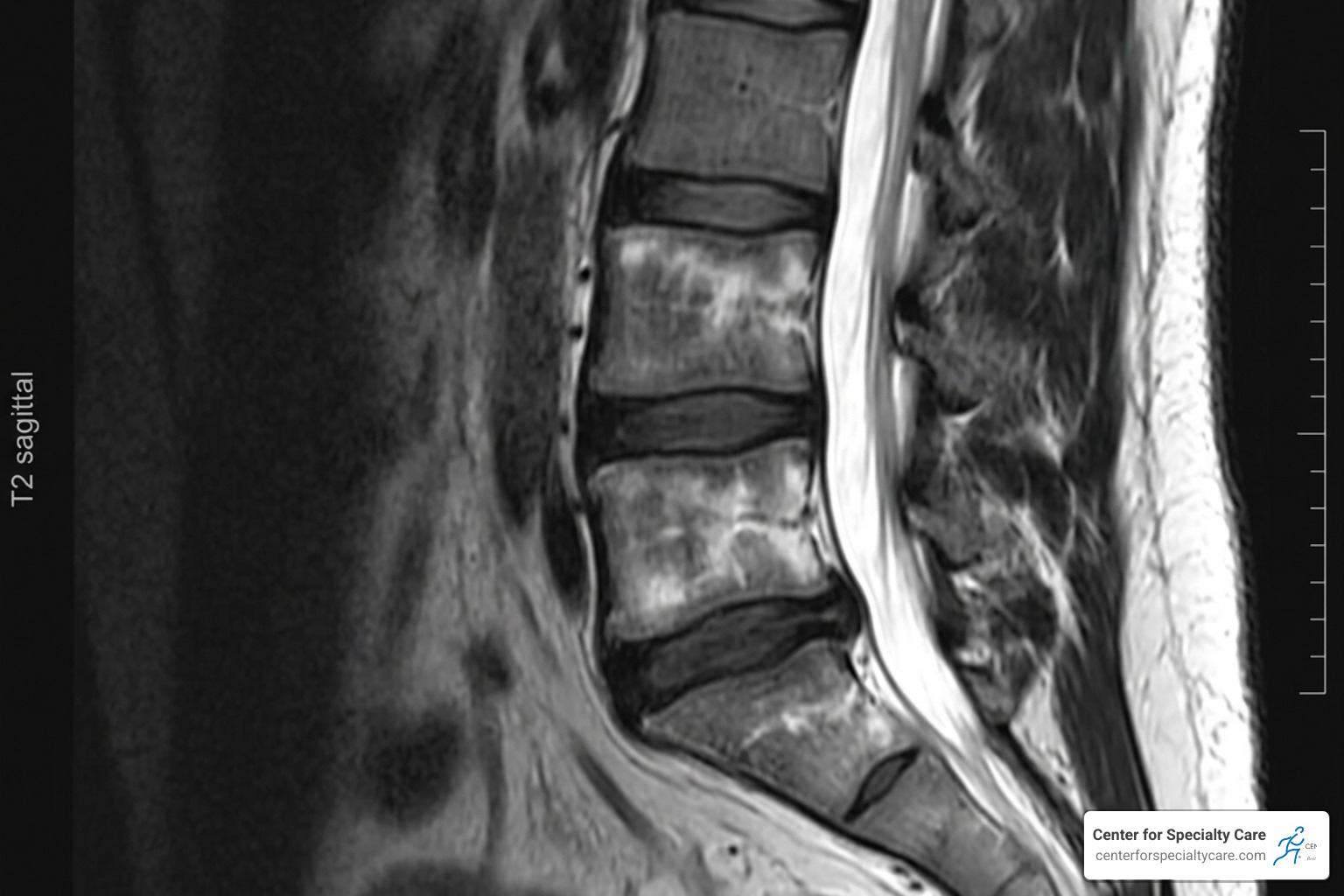
When these endplates become damaged due to wear and tear or disc degeneration, they become inflamed. This inflammation shows up on an MRI as something called Modic changes (specifically Type 1 or Type 2). The basivertebral nerve (BVN) is the “telephone line” located inside the bone that picks up these pain signals from the inflamed endplates and carries them to your brain.
Unlike muscle strains that heal with rest or disc herniations that might resolve over time, vertebrogenic pain is often a structural, internal bone issue. Because the BVN is buried deep inside the vertebra, traditional surface-level treatments like massage or even some types of injections can’t reach it. This is why many of our patients in Fairmont and St. James find that their pain persists despite months of physical therapy. By targeting the BVN specifically, we can effectively “unplug” the pain at its source. You can learn more about this relationship on The Intracept™ Procedure | Intracept Patient Website.
Step-by-Step: How the Intracept Procedure Works
We know that the idea of a “spine procedure” can sound intimidating. However, the Intracept Procedure is a minimally invasive, outpatient treatment. This means there is no hospital stay, no large incisions, and no metal hardware left in your back. We perform this right here in our region, ensuring you can get back to your home in Minnesota or Iowa the same day.
The entire process is performed under fluoroscopic guidance, which is essentially a live, real-time X-ray that allows us to see exactly where our instruments are at every second. This ensures incredible precision and safety.
Visualizing the Intracept procedure video
When you watch an intracept procedure video, the first thing you will notice is the “Access” phase. We make a tiny incision (about one centimeter) and use a specialized tool called an introducer to reach the pedicle of the vertebra. The pedicle is the narrow “bridge” of bone that connects the front and back of your spinal column. By going through the pedicle, we can reach the center of the vertebral body without disturbing the spinal cord or major muscle groups. This “minimally invasive” approach is why recovery is so much faster than traditional surgery. You can see a great visualization of this at Intracept procedure animated video – Neurosurgery One.
Creating the treatment channel
Once we have accessed the bone, we use a purpose-built tool called the EDGE J Stylet. This tool is designed to follow a predictable, curved path within the vertebral body. In an intracept procedure video, you will see this stylet gently creating a small channel that leads directly to the trunk of the basivertebral nerve. Because we use anatomical landmarks and constant imaging, we can ensure the channel is placed exactly where the nerve sits, avoiding any sensitive structures.
Ablating the nerve for permanent relief
The final step is the “Ablation.” We insert a radiofrequency (RF) probe into the channel we just created. Once the probe is in place at the nerve trunk, we apply controlled heat. This heating process (ablation) typically takes between 7 and 15 minutes for each level of the spine we treat.
The heat deactivates the nerve, stopping it from sending pain signals. One of the most remarkable things about the BVN is that it has not shown the ability to grow back after this treatment. This makes Intracept a “one-and-done” procedure for most patients, unlike other types of nerve blocks that might need to be repeated every few months. Best of all, it is implant-free, meaning we don’t leave any screws, cages, or stimulators behind.
Are You a Candidate for the Intracept Procedure?
At the Center for Specialty Care, we pride ourselves on personalized care. Not every back pain patient is a candidate for Intracept, and we perform a thorough evaluation to make sure it’s the right fit for you. Generally, a “good candidate” meets the following criteria:
- Chronic Pain: You have struggled with low back pain for at least 6 months.
- Failed Conservative Care: You have tried things like physical therapy, chiropractic care, medications, or injections for at least 6 months without lasting relief.
- MRI Evidence: Your MRI shows Modic changes (Type 1 or Type 2) at the L3 to S1 levels. These changes are the “smoking gun” that indicates your pain is coming from the vertebral endplates.
Many of our patients describe their pain as being in the “middle of the low back” and say it gets worse when they sit for a long time, bend forward, or lift objects. If this sounds like you, an intracept procedure video might be showing you the exact solution you’ve been looking for.
Recovery and Long-Term Results
One of the biggest questions we get at our Fairmont clinic is, “How soon will I feel better?” While every patient is different, the clinical data is very encouraging. Most of our patients go home the same day and can return to normal, light activities within just a few days.
The long-term outcomes are where Intracept really shines. Unlike many other treatments that wear off after a few months, the results of Intracept have been shown to be durable for 5 years or more.
| Metric | Pre-Procedure (Average) | 3 Months Post-Procedure | 5 Years Post-Procedure |
|---|---|---|---|
| Pain (VAS Score) | High/Severe | Reduced by 2+ cm | Sustained Relief |
| Function (ODI Score) | Significant Disability | Improved by 20+ points | Sustained Function |
| Opioid Use | Often High | Significantly Reduced | Continued Reduction |
Over 90% of patients in clinical studies achieve at least a 50% reduction in pain, and about one-third of patients experience complete relief. Because the procedure preserves the structure of your spine, there are no “fusion-related” restrictions on your movement once you have healed. You can see more patient success stories at Intracept by Boston Scientific – Vimeo.
Benefits and Safety of the Intracept Procedure Video
When we discuss the intracept procedure video with patients in Estherville or Buffalo Center, we emphasize that safety is our top priority. The Intracept system is FDA-cleared and has been used in over 50,000 patients worldwide.
Comparing Intracept to traditional radiofrequency ablation
You may have heard of “nerve burning” or radiofrequency ablation (RFA) for the facet joints. While both use heat, they are very different. Traditional RFA targets nerves outside the bone that often grow back, requiring the procedure to be repeated every 6 to 12 months. The Intracept Procedure targets the nerve inside the bone. Because the BVN doesn’t regrow, Intracept is typically a one-time treatment.
Safety protocols in the Intracept procedure video
We take several steps to ensure your safety:
- Anesthesia: The procedure is performed under sedation or general anesthesia so you are comfortable and still.
- Real-Time Imaging: We use fluoroscopy to guide every movement within the spine.
- Physician Training: Only physicians specifically trained in the Intracept technique perform this procedure.
- Contraindications: We do not perform this procedure on patients who are pregnant, have active infections, or have certain electronic implants like pacemakers that might interfere with the RF energy.
For more detailed safety information, you can visit The Intracept™ Procedure | Intracept Patient Website.
Frequently Asked Questions about the Intracept Procedure Video
How long does the Intracept procedure take?
The procedure typically takes between 60 and 90 minutes. This includes the time to access the vertebrae, create the channels, and perform the ablation. Since it is an outpatient procedure, you will spend a short time in recovery before heading home the same day.
Will the basivertebral nerve grow back?
To date, clinical evidence has not shown the basivertebral nerve growing back after the Intracept Procedure. This is why the pain relief is so long-lasting (5+ years) compared to other nerve-related treatments.
Is the Intracept procedure covered by insurance?
Coverage is increasing rapidly. Major providers like TRICARE and many commercial plans now have positive coverage policies for the Intracept Procedure. Our team at the Center for Specialty Care can help you navigate the insurance process to see if your plan covers the treatment.
Conclusion
Chronic low back pain doesn’t have to be your “new normal.” At the Center for Specialty Care, we are dedicated to bringing the latest, most effective treatments to our neighbors in Fairmont, MN, and the surrounding areas of Minnesota and Iowa. We aren’t just looking to mask your symptoms; we want to find the source of your pain and provide a lasting solution.
If you have been struggling with back pain for over six months and haven’t found relief, it’s time to see if vertebrogenic pain is the cause. We offer quick appointment availability and a commitment to 100% patient satisfaction. Let us help you get back to the activities you love—whether that’s gardening, playing with grandkids, or just getting through the workday without discomfort.
Ready to take the next step? More info about Intracept services is just a click away, or you can call us to schedule your personalized consultation. We look forward to helping you find the relief you deserve.