
How to Relieve Rotator Cuff Pain at Night, Even if New to It
October 22, 2025
Hot or Cold? Your Tendonitis Dilemma Solved!
October 24, 2025
Post Treatment Care: 3 Effective Steps to Heal
Why Post-Treatment Care Determines Your Recovery Success
Post treatment care is the critical bridge between your medical procedure and complete healing. Whether you’ve had orthopedic surgery or pain management, your actions after treatment directly impact your recovery speed, comfort, and long-term results. Research shows that patients who follow rigorous post-treatment plans experience better outcomes, fewer side effects, and improved treatment longevity.
Essential Post-Treatment Care Components:
- Pain Management: Follow medication schedules and prescribed techniques.
- Activity Modification: Balance rest with appropriate movement as directed.
- Wound Care: Keep surgical sites clean and monitor for complications.
- Follow-up Appointments: Attend all scheduled check-ins with your medical team.
- Nutrition & Hydration: Fuel your body for healing.
- Red Flag Recognition: Know when to contact your healthcare provider immediately.
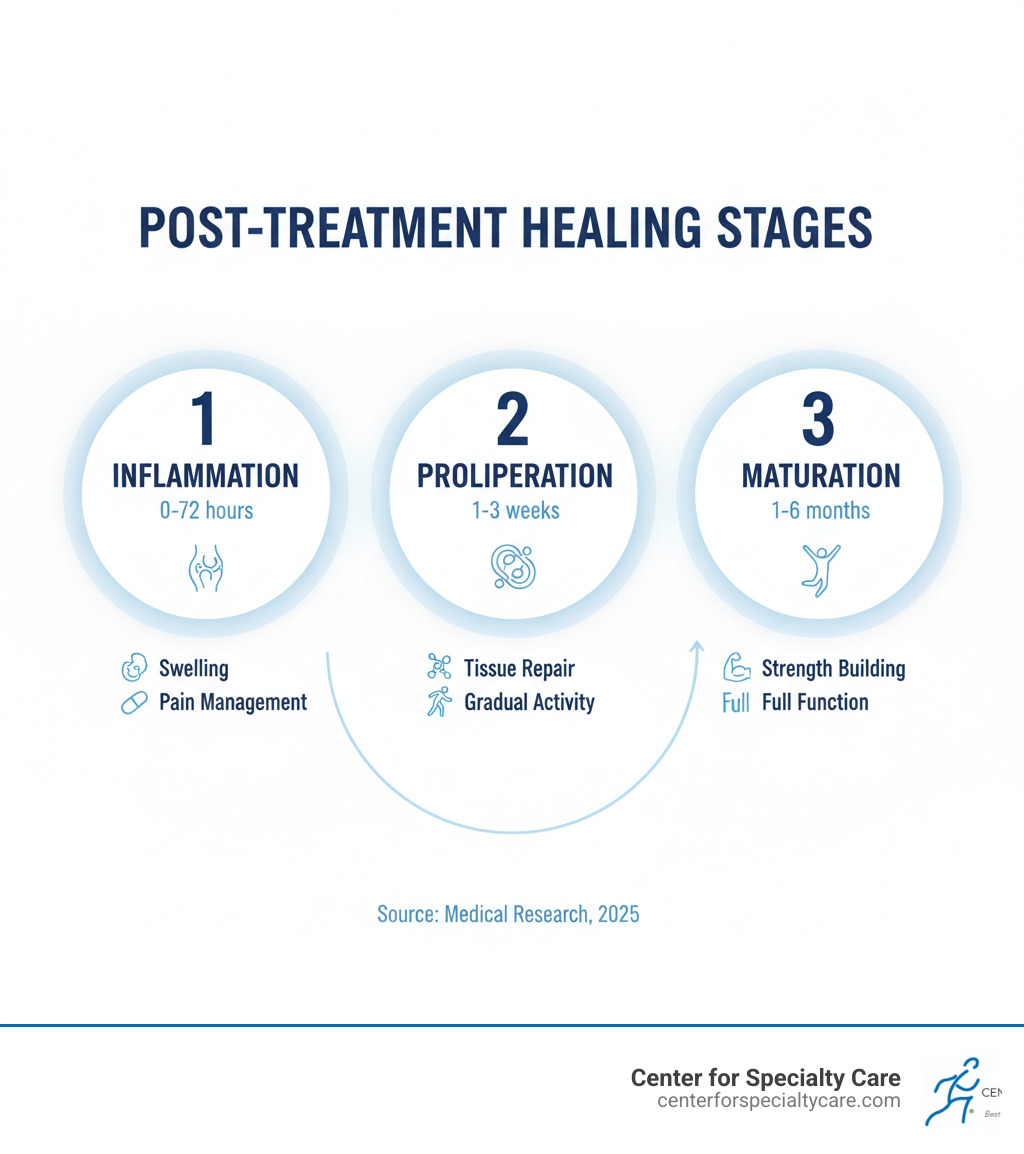
The healing process unfolds in three phases: inflammation (days 1-3), tissue repair (weeks 1-3), and strengthening/remodeling (months 1-6). Understanding this timeline helps set realistic expectations.
About the Author: I’m Dr. Corey Welchlin, a board-certified orthopedic surgeon with over three decades of experience helping patients in southern Minnesota and northern Iowa achieve successful recoveries. At the Center for Specialty Care, I’ve seen how proper post treatment care transforms outcomes. My goal is to empower you to take an active role in your recovery.
Post treatment care terms simplified:
Universal Principles for Effective Post-Treatment Care

Your healing journey begins the moment your treatment ends. Post treatment care is about partnering with your body as it heals. Initial discomfort, swelling, or redness is normal and shows your body is responding to treatment. During the first 1-3 days, inflammation is the primary response. Over the following weeks, tissues repair themselves, and over several months, the area strengthens.
Following your aftercare plan invests in the longevity of your results, ensuring your knee surgery or pain injection serves you better for longer. It also means fewer side effects and complications, supporting the long-term maintenance of your health.
General Tips for a Smooth Recovery
- Rest and Elevation: Your body needs energy to heal, so rest is vital. If your procedure involved an arm or leg, elevating it above heart level reduces swelling and discomfort.
- Hydration: Water helps flush toxins, transport nutrients, and maintain circulation. Drink enough fluids to keep your urine clear or pale yellow.
- Nutrition for Healing: Focus on antioxidant-rich fruits and vegetables, lean proteins for tissue repair, and healthy fats to reduce inflammation.
- Pain Management: Follow our specific instructions for any medications, like Tylenol or prescribed pain relievers. Take them as directed, preferably with food. If prescribed narcotics, do not drive, as they cause drowsiness. For more information on medications, the FindCare Pill Identifier and Drugs A-Z is a useful resource.
- Medication Instructions: Sticking to the prescribed schedule for antibiotics or other treatments is crucial for preventing complications.
Common Mistakes to Avoid After a Procedure
- Overexertion: Pushing too hard, too soon can set you back. Avoid heavy lifting or intense exercise until cleared by your provider. Rest is an investment in your long-term health.
- Ignoring Pain Signals: While some discomfort is normal, severe or worsening pain is your body’s way of signaling a problem. Contact your healthcare team if something doesn’t feel right.
- Skipping Follow-up Appointments: These visits are crucial for monitoring your progress, catching potential issues early, and adjusting your care plan.
- Improper Wound Care: Keep surgical sites clean and dry, change dressings as instructed, and avoid picking at treated areas to prevent infection and scarring.
- Poor Diet: Sugary or highly processed foods can increase inflammation. Stick with nutritious options that support your body’s repair work.
- Not Following Specific Instructions: The guidance from your healthcare team at Center for Specialty Care is customized for you. Following it is your roadmap to the best possible outcome.
Post-Treatment Care for Orthopedic and Pain Management Procedures
At the Center for Specialty Care, serving Fairmont, MN, Estherville, IA, Buffalo Center, IA, and St. James, MN, we know post treatment care must be unique to each patient. Surgical procedures often require more intensive initial care and longer healing than non-surgical treatments, but both aim to get you back to your life, pain-free. More info about our Services.
After Orthopedic Surgery or Injury (e.g., Cast Care)
Our cast care instructions are designed to protect your injury and reduce pain and swelling.
- Keep your cast dry. A wet cast can cause skin irritation and lose its supportive function. Use waterproof covers when bathing.
- Manage swelling, especially in the first 48-72 hours. Lift the casted limb above heart level and wiggle your fingers or toes frequently to maintain circulation.
- For itch relief, blow cool air from a hairdryer into the cast opening. Never insert objects or pour lotions inside your cast, as this can damage your skin and lead to infection.
Call our office immediately if you experience increased pain not relieved by medication, numbness or tingling, a cast that feels too tight, inability to move fingers or toes, cold or discolored digits, damage to the cast, or a fever over 101.5 degrees F with pain and swelling. More info about our Orthopedics services.
Key Elements of Orthopedic Post-Treatment Care
Managing post-traumatic pain is a critical part of recovery. This pain can persist long after the initial injury has healed, impacting daily life. Symptoms can include ongoing swelling, hypersensitivity, sharp pains, skin color changes, and decreased mobility, often caused by nerve damage or inflammation from the initial injury.
Effective medication management is key. We may recommend a combination of over-the-counter and prescription medications to control your pain and allow you to participate in your recovery. For more severe pain, epidural steroid injections or nerve blockers can provide significant relief, creating a window for more effective physical therapy. These interventions are carefully timed to maximize their benefit. More info about our Pain Management services.
The Crucial Role of Physical Therapy in Your Recovery
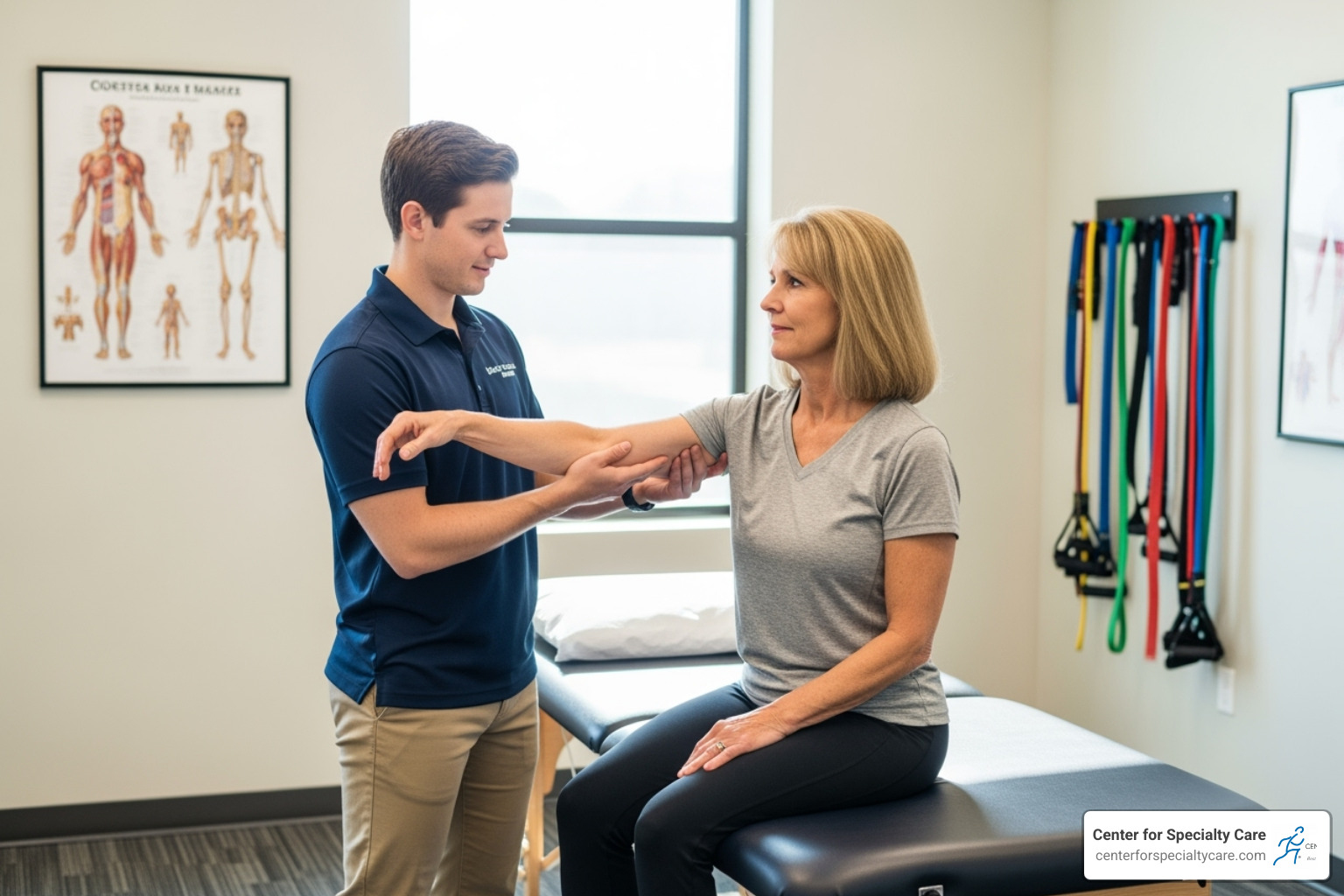
Physical therapy is often the cornerstone of successful post treatment care, essential for regaining strength, flexibility, and range of motion.
We will guide you on the right time to start physical therapy, as it depends on your specific procedure and healing progress. Your home exercise programs are customized for your condition. Consistency with these exercises is vital for an excellent recovery. The ultimate goal is restoring mobility and strength to help you return to work, hobbies, and daily life. More info about our Physical Therapy services.
A Look at Aftercare Across Other Medical Specialties

While our focus is on orthopedic and pain management, understanding post treatment care across other specialties highlights its universal importance. What you do after treatment matters just as much as the treatment itself, whether for your skin, veins, or teeth.
Specifics of Dermatological Post-Treatment Care
After microneedling, skin may appear red for up to 48 hours, but collagen production continues for up to 2 months. Strict sun protection is vital. Your skincare routine should be gentle, focusing on hydrating ingredients like hyaluronic acid while avoiding exfoliants and retinols for at least 48 hours.
Laser hair removal aftercare involves managing a sunburn-like feeling for 12-24 hours with cool compresses. Treated hairs will shed over a few weeks. Avoid hot tubs, steam rooms, and intense workouts for about a week.
Aftercare for Varicose Vein and Dental Procedures
For varicose vein treatments, compression garments are essential for proper healing and comfort. Some bruising and swelling are normal and will resolve over several months.
Gum graft recovery requires a specific diet, starting with cold liquids and progressing to soft foods for about two weeks. Oral hygiene is delicate; you must avoid brushing the surgical site, and water picks are off-limits for about eight weeks. Smoking restrictions are critical, as smoking impedes blood flow and can compromise healing. We strongly recommend being smoke-free for three weeks post-surgery.
Aftercare for Wellness Treatments like Colonics
Even gentle wellness treatments require thoughtful post treatment care. After a colonic, it’s normal for your digestive system to take a day to reset. Some people experience a temporary ‘Healing Crisis’ with symptoms like fatigue or headaches as the body processes the treatment. Dietary guidelines suggest avoiding gas-producing or irritating foods for 24 hours. Focus on easily digestible options, replenish gut bacteria with probiotics, and stay hydrated with plenty of water.
Frequently Asked Questions
How do I know if my symptoms after treatment are normal or a complication?
Understanding the difference between normal healing and a complication is key to safe post treatment care.
Normal symptoms often include mild swelling, manageable pain, and some redness around the treated area. For example, redness after microneedling fades within 48 hours, and some bruising is expected after vein treatment.
However, certain red flags require an immediate call to our office:
- A high fever (over 100.4°F, or 101.5°F with a cast), especially with pain and swelling.
- Severe pain that doesn’t respond to medication.
- Pus or unusual yellow/green discharge from a wound.
- Uncontrolled or heavy bleeding.
- A rash, hives, or severe itching (possible allergic reaction).
- For casts: numbness, tingling, or purple/white fingers or toes.
When to contact your doctor: Trust your instincts. If something feels “off,” we want to hear from you. Your pre-discharge instructions are your best guide for what to expect.
How soon can I return to exercise and normal activities?
The timeline for returning to normal activities varies by procedure. Some treatments, like varicose vein therapy, encourage gentle walking soon after, while others, like a gum graft, require avoiding strenuous activity for a week.
Listening to your body is crucial. Pain is a signal to slow down. Don’t push through discomfort. When you are cleared to resume, follow a gradual return to activity, slowly increasing intensity and duration.
Most importantly, consult your provider before resuming your normal routine. We know your specific situation and can provide safe guidance. Your physical therapist will also be a key resource. More info about our Sports Medicine services.
What is the single most important part of post-treatment care?
If we could boil it down to one thing, it would be patient compliance. This means partnering with your medical team for the best outcome.
Your procedure is just the start. The real work happens when you follow provider instructions precisely. These guidelines are based on experience and research custom to your situation. Open communication with your medical team is also vital. We are here for your entire recovery journey, so please reach out with any concerns. Finally, practice patience during the healing process. Your body operates on its own timeline, and deep tissue repair can take months. Your active participation is what transforms a good outcome into a great one.
Your Path to a Full and Lasting Recovery

Your recovery journey is just beginning when you leave our office. As we’ve discussed, post treatment care is the foundation for your healing success. While the path is uniquely yours, you are never walking it alone.
At the Center for Specialty Care, we are committed to 100% patient satisfaction and personalized care for our communities in Fairmont, MN, Estherville, IA, Buffalo Center, IA, and St. James, MN. Patient empowerment is at the heart of what we do. When you understand your body’s healing process and follow your customized care plan, you become an active partner in your wellness.
Your active role in healing—staying hydrated, following medication schedules, attending physical therapy, and communicating with our team—is an investment in your long-term health. Our individualized approach is why our patients consistently achieve excellent outcomes.
Taking control of your recovery journey means embracing the process with patience and trusting your body’s ability to heal with the right support. True healing continues for weeks or months beneath the surface. With the right care and support, you can achieve a full and lasting recovery. Learn more about our comprehensive approach to shoulder care and recovery.