

Step Up to Relief: Top Orthopedic Clinics in MN
December 16, 2025
The Popping Shoulder: A Deep Dive into What’s Causing the Noise
December 18, 2025
Pinched Nerve in Shoulder Blade: 1 Ultimate Comfort
When Shoulder Blade Pain Takes Over Your Day
A pinched nerve in shoulder blade can cause relentless sharp, burning pain that radiates down your arm and disrupts daily life. If you’re experiencing this, here’s what you need to know for immediate care:
Quick Relief for a Pinched Nerve in Shoulder Blade:
- Apply ice for the first 48 hours (15-20 minutes every 2-3 hours) to reduce inflammation.
- Switch to heat after 48 hours to relax muscles and improve blood flow.
- Rest and avoid activities that worsen the pain, especially overhead reaching.
- Take over-the-counter NSAIDs like ibuprofen to reduce swelling.
- Adjust your sleeping position with a supportive cervical pillow.
- See a doctor if pain persists beyond a week or if you experience severe weakness.
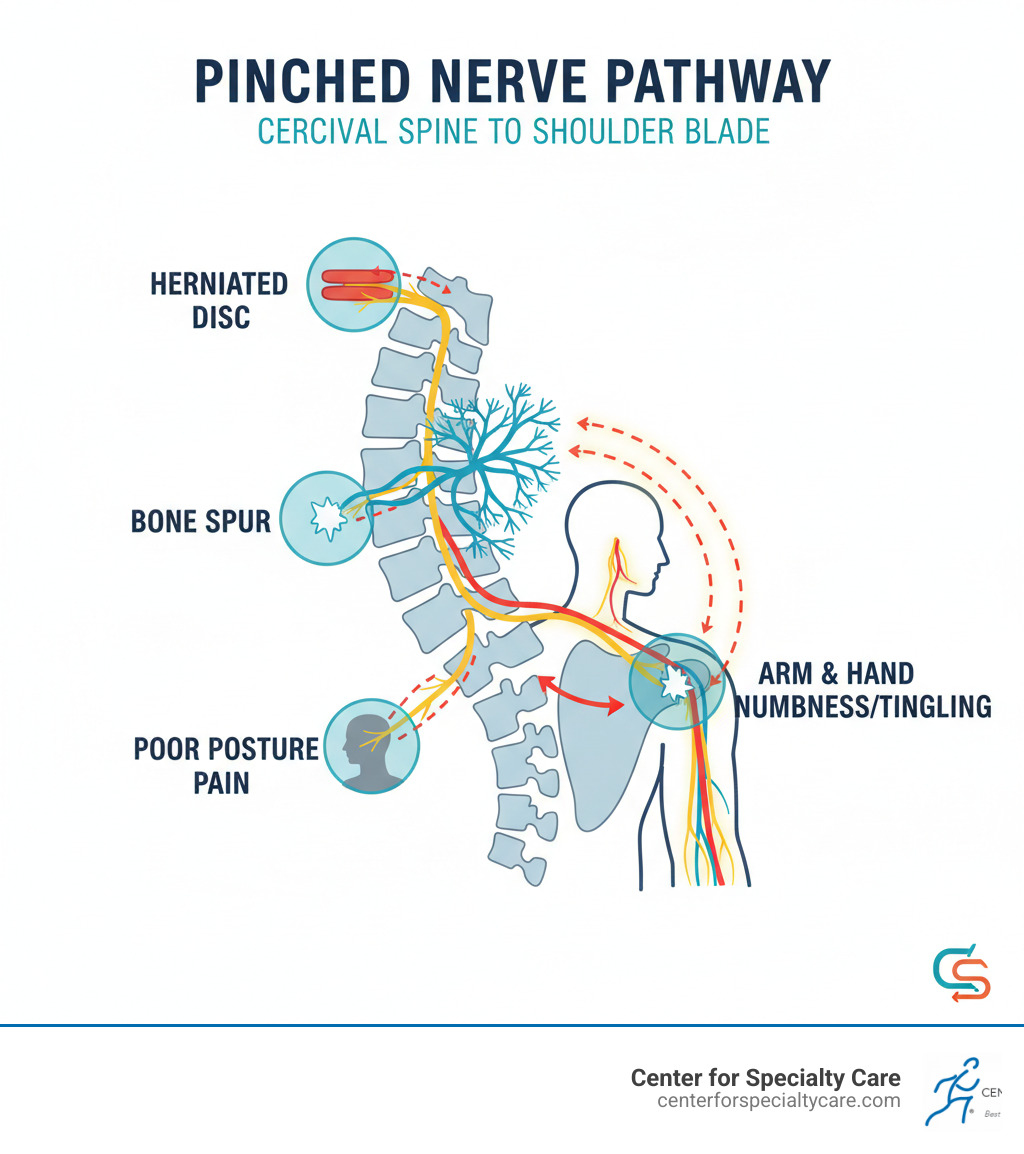
The truth is, most shoulder blade pain from a pinched nerve originates in your neck. When a nerve in your cervical spine gets compressed, the pain travels along its pathway into your shoulder blade and arm. This is why massaging the shoulder blade often provides only temporary relief—it treats the symptom, not the source.
Most pinched nerves heal within 4-6 weeks with proper at-home care. Over 90% of acute cases resolve without specific treatments within 8-12 weeks, offering real hope for recovery.
I’m Dr. Corey Welchlin, a board-certified orthopedic surgeon at the Center for Specialty Care in Fairmont, Minnesota. With over 30 years of experience, I’ve helped countless patients find lasting relief from conditions like a pinched nerve in shoulder blade. This guide will explain what causes this pain, how to find relief at home, and when to seek professional help.
Understanding the “Beast”: What Is a Pinched Nerve in the Shoulder Blade?
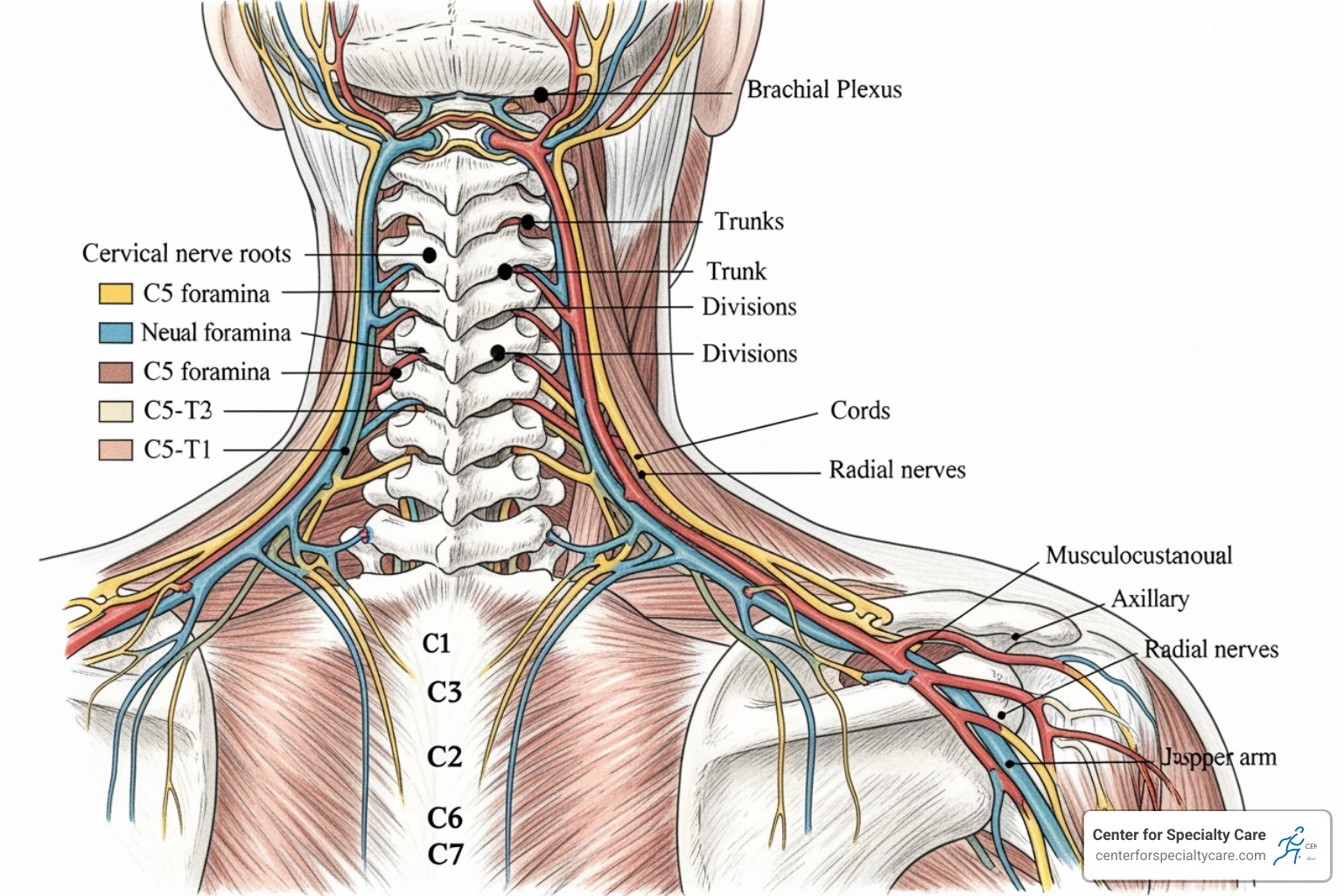
When you feel pain from a pinched nerve in shoulder blade, the problem usually isn’t in your shoulder blade—it’s in your neck. This is called “referred pain.” When a nerve is compressed in your cervical spine (neck), you feel pain wherever that nerve travels, which is often the shoulder blade, arm, or hand. The medical term for this is cervical radiculopathy.
Nerves exit your spine and form a network called the brachial plexus, which extends into your shoulder and arm. If one of these nerve roots gets pinched, pain signals travel along its entire path. This is why rubbing a “knot” in your shoulder blade provides only temporary relief; the tight muscle is often a reaction to the nerve issue in your neck. To learn more about the underlying issues, see our guide on common spinal conditions.
It’s also important to distinguish this from a rotator cuff injury. A pinched nerve typically involves neurological symptoms like tingling, numbness, or an “electric shock” feeling down the arm. A rotator cuff tear usually causes pain with specific shoulder movements, without the nerve-related sensations. If you’re unsure, our article on will a torn rotator cuff heal on its own? can help clarify the differences.
What Are the Telltale Symptoms?
The symptoms of a pinched nerve in shoulder blade follow a distinct pattern:
- Sharp, burning, or aching pain that starts in the neck and travels to the shoulder blade. The pain often changes with neck movements.
- Pins and needles sensation (tingling) in the neck, shoulder blade, arm, or fingers.
- Numbness or a dull sensation in patches along the arm or hand.
- Muscle weakness in the arm or hand, making it difficult to lift things or perform fine motor tasks like buttoning a shirt.
Red Flag Symptoms: Seek immediate medical attention if you experience sudden, severe weakness, loss of balance or coordination, or any changes in bowel or bladder function. These could indicate a more serious condition like spinal cord compression.
Common Causes of a Pinched Nerve in the Shoulder Blade
Pressure on a nerve root in the cervical spine is the primary cause. This pressure can result from several factors:
- Herniated Discs: The soft, gel-like discs between your vertebrae can bulge or rupture, pressing on a nearby nerve.
- Degenerative Changes: As we age, our spinal discs can thin out (degenerative disc disease), and the body may form bone spurs (osteophytes) to stabilize the spine. Both can narrow the space for nerves.
- Poor Posture: Habitual forward head posture, often called “text neck,” puts significant strain on the cervical spine, increasing pressure on nerve roots. For related issues, see our guide on how to relieve a stiff neck after waking up.
- Acute Injuries: Whiplash from a car accident, falls, or sports injuries can cause sudden nerve compression. If you have pain after an accident, read our tips on shoulder pain after car accident causes recovery tips.
- Repetitive Overhead Motions: Activities common in certain jobs (painting, electrical work) or sports (swimming, baseball) can lead to gradual nerve irritation.
Taming the Pain at Home: Immediate Relief Strategies
Many mild to moderate cases of a pinched nerve in shoulder blade respond well to at-home care, with most people seeing improvement within four to six weeks. The first step is to rest and modify your activities. Avoid specific movements that trigger your pain, such as reaching overhead, to give the nerve a chance to heal.
- Ice and Heat Therapy: For the first 24-48 hours, use ice therapy to reduce inflammation. Apply a wrapped ice pack to your neck and shoulder blade for 15-20 minutes every 2-3 hours. After 48 hours, switch to heat therapy with a heating pad or warm shower to relax tight muscles and improve blood flow.
- Sleeping Position: Your sleeping posture is crucial. The best position is on your back with a supportive cervical pillow. If you sleep on your side, use a pillow thick enough to keep your head aligned with your spine. Avoid sleeping on your stomach, as it forces your neck into a twisted position.
- Over-the-Counter NSAIDs: Medications like ibuprofen or naproxen can help reduce both pain and inflammation. Always follow package instructions and consult your doctor if you have other health conditions. For more on pain relief, see our pain management page.

Posture and Ergonomic Adjustments
Your daily posture can either help or hinder your recovery from a pinched nerve in shoulder blade. Making simple ergonomic adjustments can provide significant relief.
- Correct Sitting Posture: Sit with your feet flat on the floor, your back supported, and your shoulders relaxed. Align your ears over your shoulders and your shoulders over your hips.
- Optimize Your Workspace: Position your computer monitor at or slightly below eye level, about an arm’s length away. Use a laptop stand with an external keyboard and mouse to avoid hunching. Using ergonomic mouse and keyboard setups encourages better overall posture.
- Take Frequent Breaks: Avoid prolonged static positions. Set a timer to remind yourself to stand up, stretch, and move around for a few minutes every 30-60 minutes. This prevents stiffness and pain from building up.
The Role of Professional Treatment for a Pinched Nerve in the Shoulder Blade
While home care is often effective, some situations require a professional evaluation. You should schedule an appointment if your pain persists for more than a week, is severe, or is accompanied by significant weakness or numbness. Worsening or spreading symptoms are also a sign to seek help. Prolonged nerve compression can lead to chronic pain or permanent nerve damage, so an accurate diagnosis is key. Our guide on finding the best shoulder doctor near me can help you find the right specialist.
How Is It Diagnosed?
At the Center for Specialty Care, we use a comprehensive approach to diagnose the source of your pinched nerve in shoulder blade pain.
- Physical Exam and History: We start with a thorough physical examination, assessing your movement, reflexes, strength, and sensation. We’ll also discuss your medical history and symptoms to identify patterns.
- Imaging and Diagnostic Tests: To see what’s happening inside your body, we may use imaging tests. An X-ray shows bone structures like bone spurs, while an MRI provides detailed images of soft tissues like herniated discs and nerves. A CT scan can also offer detailed views of bone. In some cases, electrodiagnostic studies (EMG) are used to measure nerve and muscle function, confirming the presence and severity of nerve compression.
For more information, visit our orthopedics page.
Effective Exercises for a Pinched Nerve in the Shoulder Blade
Physical therapy is a cornerstone of treatment, designed to retrain your body, build strength, and protect your nerves. Research confirms that therapeutic exercises significantly improve pain and function for this condition. Key exercises include:
- Chin Tucks: Gently draw your chin straight back, creating a double chin, to stretch the back of your neck. Hold for 5 seconds and repeat 10 times.
- Scapular Squeezes: With good posture, gently squeeze your shoulder blades together. Hold for 5 seconds and repeat 10 times.
- Neck Stretches: Gently tilt your head to each side, holding for 30 seconds to stretch the upper trapezius muscle. Slowly rotate your head to look over each shoulder.
- Nerve Glides: These specialized exercises, taught by a physical therapist, help the nerve move more freely.
Always perform exercises gently and stop if they increase your pain. For more guidance, explore our shoulder treatment physical therapy tips for fast recovery.

Medical Interventions for Lasting Relief
If conservative care isn’t enough, we may recommend other treatments for a pinched nerve in shoulder blade.
- Prescription Medications: Muscle relaxants can ease spasms, while nerve-pain medications like gabapentin can calm overactive nerve signals.
- Corticosteroids: Oral steroids can reduce inflammation. For more targeted relief, epidural steroid injections deliver powerful anti-inflammatory medication directly to the compressed nerve in your spine. This can provide weeks or months of relief, creating a window for physical therapy to be more effective. Learn more about understanding epidural steroid injections.
- Surgery: This is a last resort, considered if non-surgical treatments fail after 6-12 weeks or if you have progressive neurological symptoms. The goal is to relieve pressure on the nerve by removing a herniated disc or bone spur. Our team is experienced in these specialized techniques. If you’re considering surgery, our guide on finding the best orthopedic shoulder specialist near me can be a helpful resource.
Recovery and Prevention: Keeping the Beast at Bay
Recovery from a pinched nerve in shoulder blade varies, but understanding the typical timeline can help manage expectations.
- At-Home Treatment: With rest, ice/heat, and gentle stretching, most people see significant improvement within four to six weeks. The majority of acute cases resolve on their own within 8-12 weeks.
- Physical Therapy: Consistent therapy can reduce acute pain in the first few weeks, with full strength and function returning over 8-12 weeks.
- Post-Surgery: Recovery is longer, potentially requiring a sling for 4-8 weeks. Full recovery can take up to a year, but many patients feel much better sooner.
Some individuals with chronic conditions may experience occasional flare-ups, which require ongoing management. At Center for Specialty Care, we are committed to helping you achieve the best possible long-term outcome.

Best Strategies for Prevention
Once you’ve recovered, preventing a recurrence of a pinched nerve in shoulder blade is crucial. These strategies can significantly reduce your risk:
- Stay Active and Strong: Regular exercise improves circulation and strengthens the muscles supporting your spine. Focus on strengthening your neck and upper back muscles to encourage better posture.
- Maintain Good Posture: Be mindful of your posture throughout the day. Avoid “Text Neck” by keeping your ears aligned over your shoulders when sitting, standing, or using devices.
- Optimize Your Environment: Ensure your workspace is ergonomic, with your monitor at eye level and your chair providing good support. Use a supportive cervical pillow at night to maintain neutral neck alignment.
- Practice Healthy Habits: Manage a healthy weight to reduce stress on your spine. Avoid sudden, forceful neck movements, and take frequent breaks from prolonged sitting.
Our physical therapy services can provide custom exercise programs and ergonomic advice to help you stay pain-free long-term.
Frequently Asked Questions about Shoulder Blade Nerve Pain
Here are straightforward answers to the most common questions we hear from patients with a pinched nerve in shoulder blade.
How long does a pinched nerve in the shoulder blade last?
The recovery timeline varies. Mild cases may improve in a few days to weeks with home care. Most acute cases resolve within 6-12 weeks with a consistent conservative treatment plan, including physical therapy and posture correction. Chronic conditions like degenerative disc disease may require longer-term management.
Can a pinched nerve in the shoulder blade cause pain down the arm?
Yes, this is a classic symptom of cervical radiculopathy. When a nerve is compressed in your neck, the pain, numbness, or tingling can travel along the nerve’s entire path, radiating through the shoulder blade and down into the arm and hand. This pattern helps us diagnose which nerve is affected.
Should I use ice or heat for a pinched nerve?
Follow the ice-first, then-heat rule.
- For the first 48 hours, use an ice pack for 15-20 minutes at a time to reduce inflammation and numb the pain.
- After 48 hours, switch to a heating pad or warm compress for 15-20 minutes to relax tight muscles and improve blood flow.
Listen to your body; some people prefer to continue with ice or alternate between the two. If pain persists after a week of home care, it’s time to see a doctor.
Conclusion
If you’re struggling with a pinched nerve in shoulder blade, relief is possible. The pain often originates from a compressed nerve in your neck, and understanding this is the key to effective treatment.
We’ve covered home strategies like ice/heat therapy, posture adjustments, and gentle exercises that help most people recover within 4-6 weeks. However, knowing when to seek professional help is just as important. If pain persists, worsens, or is accompanied by significant weakness, a proper diagnosis is essential to prevent long-term issues.
At Center for Specialty Care, our team provides personalized care to diagnose and treat your pain effectively. We create a treatment plan that fits your life and guide you through recovery. You’ve taken the first step by learning about your condition; now, let us help you get back to living pain-free.