Watch how the Intracept procedure works
May 30, 2026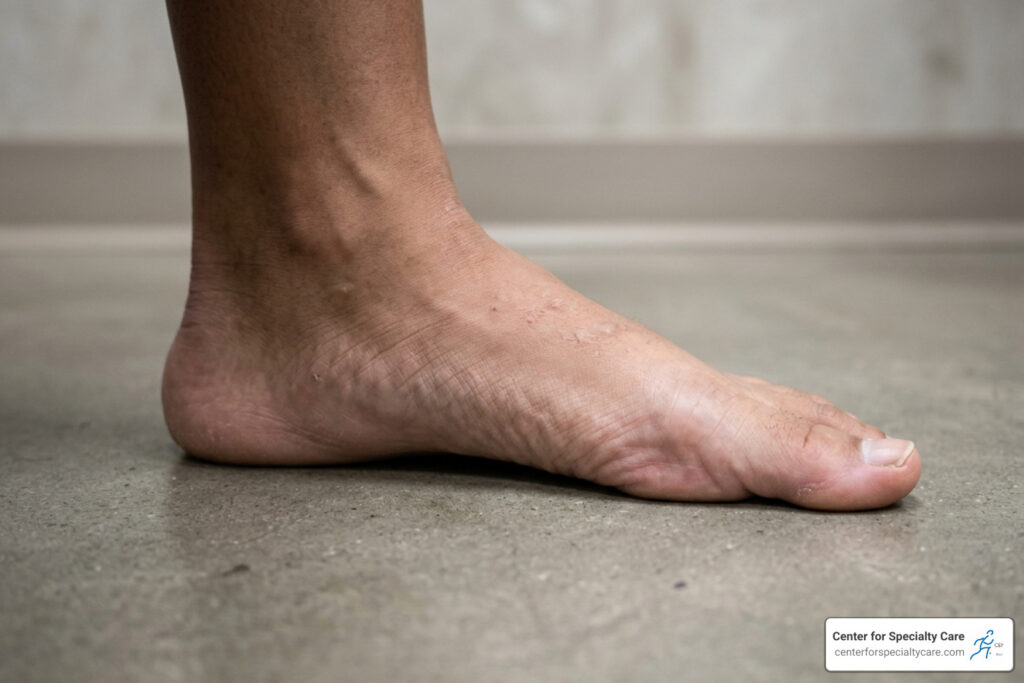
The Complete Guide to Flat Foot Arch Support
Introduction
Why Flat Foot Arch Support Matters for Your Pain and Mobility
Flat foot arch support is one of the most effective ways to relieve foot, knee, and back pain caused by flat feet or fallen arches. Here’s a quick summary of what you need to know:
- What it does: Supports the arch, corrects overpronation, and redistributes pressure across the foot
- Who needs it: People with flat feet, fallen arches, or plantar fasciitis — especially those who stand or walk for long periods
- Main options: Over-the-counter insoles, custom orthotics, compression sleeves, and arch wraps
- Key features to look for: Firm arch support, deep heel cup, shock absorption, and durable materials
- When to see a doctor: If pain is persistent, worsening, or affecting your knees, hips, or lower back
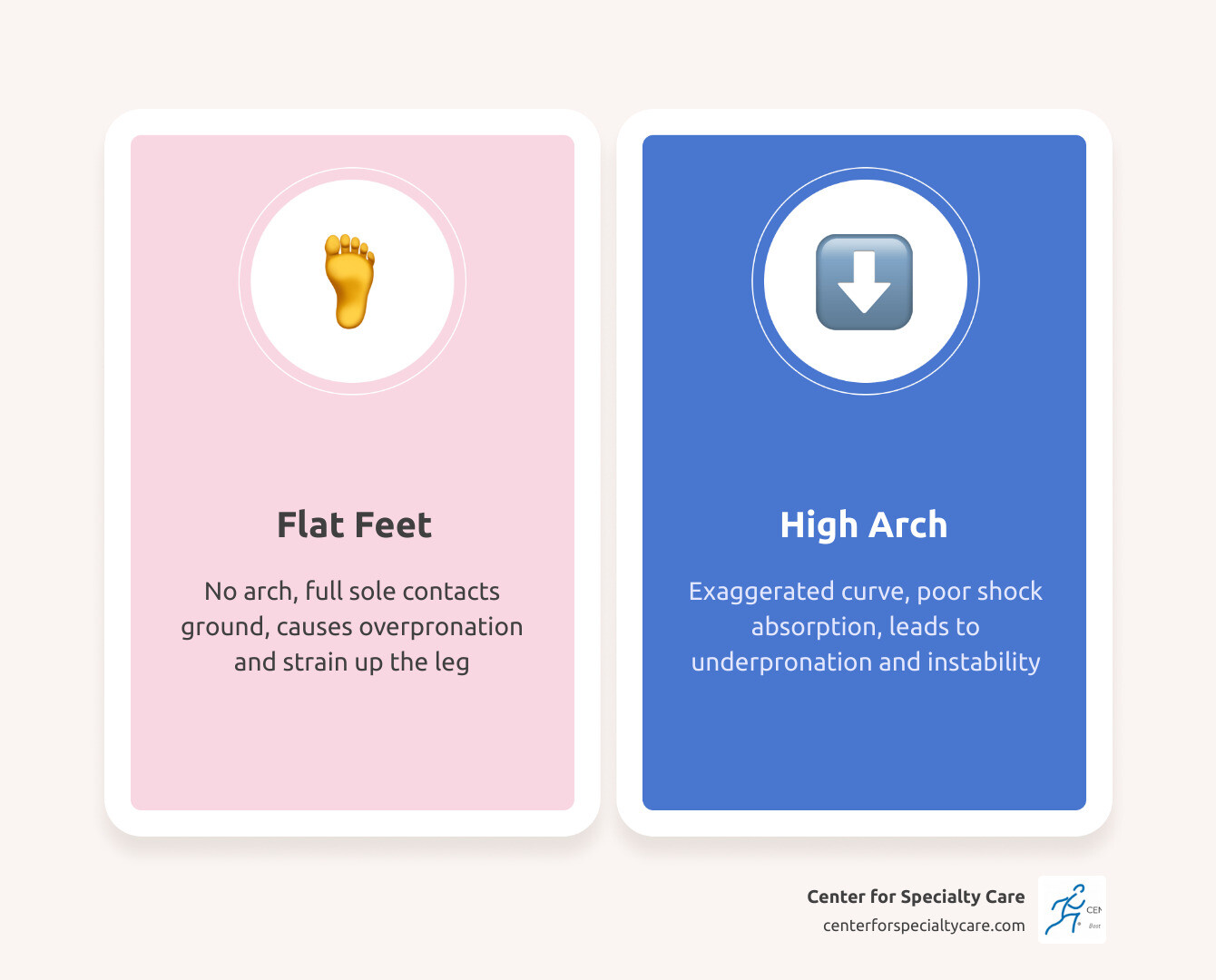
Flat feet — also called pes planus — are more common than most people think. All babies are born with flat feet, and while most develop arches by around age 10, many adults either never form a full arch or see their arch collapse over time. When the arch disappears, the foot rolls inward during movement. This is called overpronation, and it doesn’t just affect your feet. That strain travels up the chain — to your ankles, shins, knees, hips, and lower back.
The good news? The right arch support can make a real difference in how you feel and move every day.
I’m Dr. Corey Welchlin, a board-certified orthopedic surgeon with over 30 years of experience treating musculoskeletal conditions — including the foot and alignment problems that make flat foot arch support such a critical part of conservative care. In my practice at the Center for Specialty Care, I’ve seen how the right support can reduce pain, improve gait, and help patients avoid more invasive treatment down the road.
Understanding Flat Feet and the Need for Alignment
When we talk about flat feet, we are essentially describing a foot shape where the entire sole touches the floor when standing. In a “normal” foot, the medial longitudinal arch provides a gap between the inner part of the foot and the ground. This arch isn’t just for show; it acts as a springboard, a shock absorber, and a protector for the nerves and blood vessels in your sole.
There are a few different ways someone ends up with flat feet. Some people have flexible flat feet, which is the most common type. If you sit down and dangle your feet, you might see an arch, but the moment you stand up and put weight on them, that arch disappears. Others have rigid flat feet, where the arch is absent regardless of whether they are standing or sitting.
Then there is acquired flat foot, often referred to as “fallen arches.” This happens in adulthood, frequently due to posterior tibial tendon dysfunction. This tendon is the main support for your arch; if it becomes inflamed or torn from overuse, the arch can slowly collapse. We see this often in patients with diabetes, obesity, or rheumatoid arthritis.
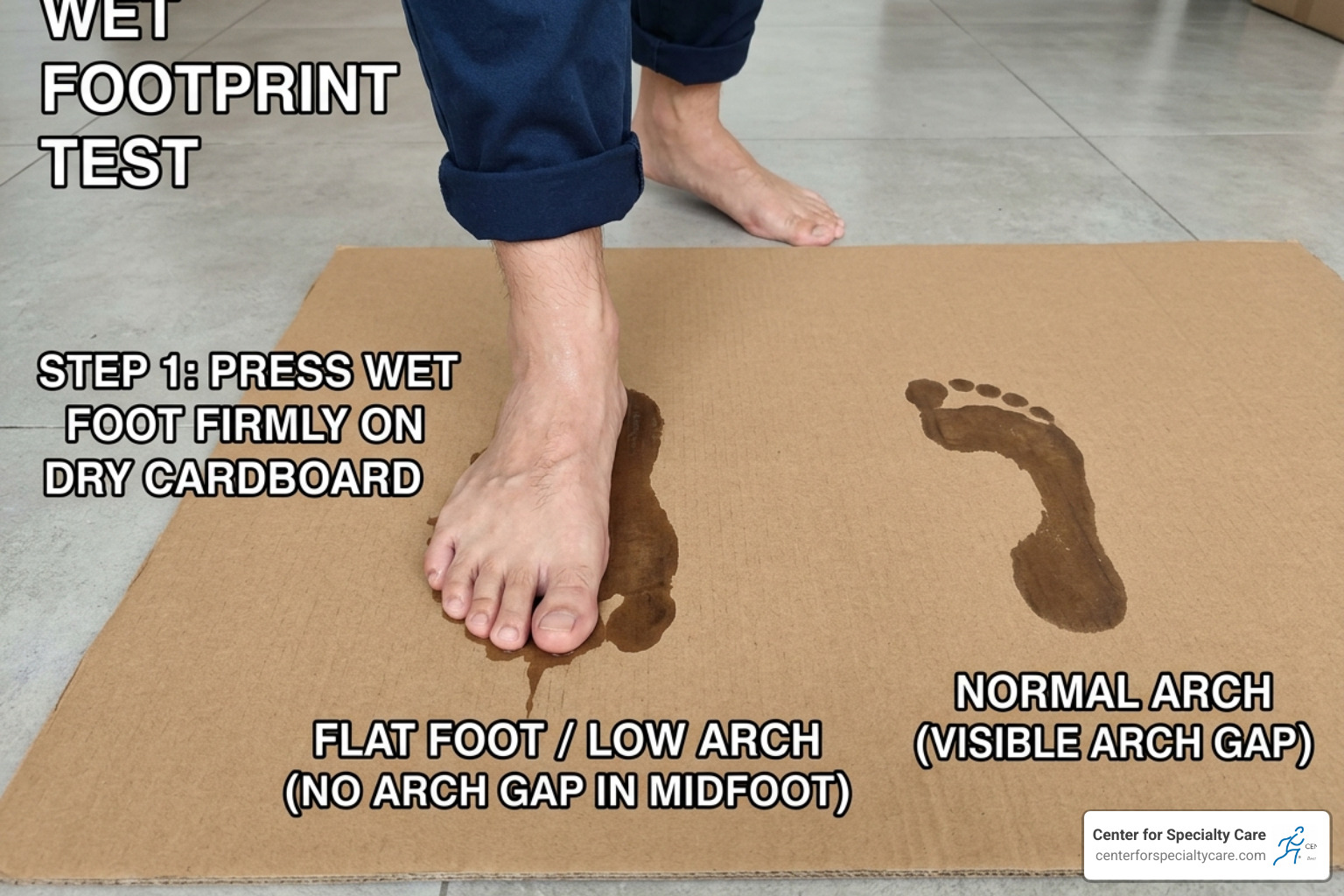
If you aren’t sure what your arch type is, you can try the “wet footprint test.” Wet your feet and walk across a piece of cardboard or a concrete walkway. A thick, blocky footprint with no “waist” in the middle usually indicates a flat foot. Understanding these common foot problems and solutions is the first step toward finding relief.
Common Symptoms and Secondary Health Issues
Flat feet aren’t always painful, but when they are, the symptoms can be quite diverse. You might feel a dull ache in the arch or heel, or perhaps swelling along the inner ankle. However, the real trouble often starts elsewhere. Because flat feet cause the ankle to roll inward (overpronation), it creates a “knock-knee” effect that strains the entire leg.
Common secondary issues include:
- Shin Splints: The lack of shock absorption puts extra stress on the lower leg bones.
- Knee and Hip Pain: Misalignment at the foundation forces the joints above to compensate.
- Lower Back Strain: A poor gait can alter your pelvic tilt, leading to chronic back issues.
- Heel Spurs: Constant tension on the ligaments can lead to bony growths. You can learn more about this in our guide to heel spurs.
To truly understand how these issues interact, it helps to look at the function of the subtalar joint, which is responsible for the side-to-side motion of the foot and is heavily impacted by a lack of arch support.
How Flat Foot Arch Support Transforms Your Mobility
The goal of flat foot arch support isn’t necessarily to “create” a permanent arch where one doesn’t exist, but rather to provide a functional scaffold. High-quality supports work by redistributing pressure away from the sensitive midfoot and onto the heel and forefoot. This helps re-align the ankle and reduces the degree of overpronation.
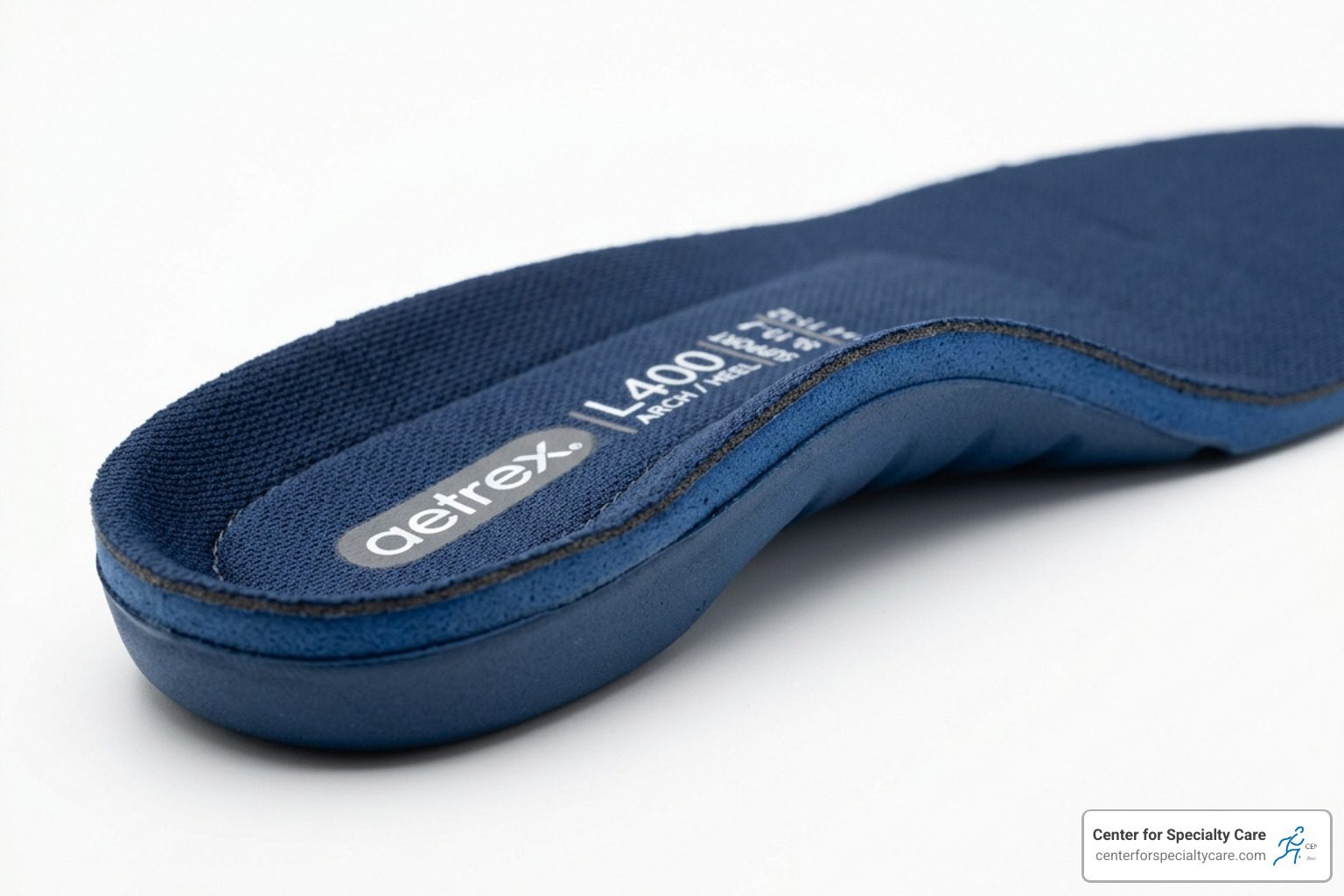
Modern orthotic insoles utilize a “stabilizer cap” — a firm plastic or composite base — that prevents the arch from collapsing under your body weight. By keeping the foot in a more neutral position, these supports act as a shock absorber, protecting your joints from the hard impact of pavement. For those with very low arches, a low-profile insole is often the best starting point to avoid discomfort while still providing necessary stability.
Why Firm Flat Foot Arch Support Beats Soft Cushioning
A common mistake we see in Fairmont and Estherville is patients buying the softest, squishiest insoles they can find. While soft foam feels great for the first five minutes, it offers almost zero structural integrity. Imagine trying to support a bridge with marshmallows — it just doesn’t work.
For flat foot arch support to be effective, it needs to be firm. Firm support:
- Maintains Alignment: It doesn’t compress fully under your weight, keeping your bones in the right place.
- Reduces Fatigue: By doing the work your tendons can no longer do, it prevents muscle exhaustion.
- Lasts Longer: High-quality firm materials typically last 6–12 months, whereas cheap foam flats out in weeks.
- Manages Moisture: Many professional-grade supports use moisture-wicking top covers to reduce odor and friction.
The Role of the Deep Heel Cup
While the arch gets all the credit, the heel cup is the unsung hero of flat foot arch support. A deep, sculpted heel cup cradles the heel’s natural fatty pad, maximizing your body’s built-in cushioning. More importantly, it provides lateral stability. By locking the heel in place, it prevents the side-to-side “wobble” that contributes to ankle sprains and conditions like Morton’s Neuroma.
Top Types of Flat Foot Arch Support
There is no one-size-fits-all solution for flat feet. Depending on your activity level and the severity of your condition, you might need a different “tool” for the job.
| Support Type | Best For | Pros | Cons |
|---|---|---|---|
| OTC Insoles | Everyday wear, sports | Affordable, easy to find, various heights | May not fit unique foot shapes perfectly |
| Custom Orthotics | Severe pain, rigid flat feet | Perfectly molded to your foot, medical-grade | Higher cost, requires specialist fitting |
| Compression Sleeves | Barefoot at home, light support | Low profile, can be worn without shoes | Less structural support than insoles |
| 3/4 Length Inserts | Dress shoes, tight footwear | Fits in shoes without removable liners | Doesn’t provide forefoot cushioning |
For many in our community, custom foot orthotics offer the most comprehensive relief, especially when over-the-counter options have failed.
Non-Insole Alternatives for Daily Relief
Sometimes, you can’t wear shoes with insoles — like when you’re relaxing at home or wearing certain sandals. In these cases, compression sleeves or arch wraps can provide a “hug” for your midfoot, offering mild relief from the pulling sensation of a collapsing arch.
Night splints are another alternative, particularly if your flat feet have led to plantar fasciitis. These keep the foot in a stretched position while you sleep, preventing that “first step in the morning” stabbing pain. Keeping your feet healthy involves a multi-faceted approach, including managing conditions like extensor tendonitis through proper support and rest.
Choosing the Right Support for Your Lifestyle
When selecting flat foot arch support, you must consider the “volume” of your shoes. A thick, heavy-duty insole won’t fit in a sleek dress shoe, just as a thin sleeve might not provide enough protection for hiking boots.
If you’re an athlete, look for supports specifically designed for high-impact activities. These often feature extra shock absorption in the heel and forefoot. Improper support during exercise doesn’t just hurt your feet; it can even lead to referred pain in the legs and upper body. (Interestingly, some patients even ask if plantar fasciitis can cause thigh pain — and the answer is yes, due to gait changes!)
Selecting Flat Foot Arch Support for Heavy Individuals
For individuals weighing 220 lbs or more, standard insoles often collapse too quickly. If you fall into this category, you need “heavy-duty” support. These products use high-density foams and reinforced stabilizer caps to ensure the arch doesn’t “bottom out.”
Using a firm, medium-arch support can provide the necessary foundation to handle increased weight without losing its shape. This is crucial for preventing the rapid progression of fallen arches and protecting the joints from excessive force.
Fitting and Maintenance Tips
To get the most out of your flat foot arch support, follow these best practices:
- Trim to Fit: Most full-length insoles are designed to be trimmed. Use your shoe’s original liner as a template for a perfect fit.
- The Break-in Period: Don’t run a marathon on day one. Wear your new supports for 1-2 hours the first day, gradually increasing the time over a week.
- Replacement Cycles: Even the best insoles lose their “spring.” Replace them every 6-12 months, or sooner if you notice visible cracking or a return of symptoms.
- Special Care: For those with specific health needs, such as diabetic foot care, always inspect your feet for redness or blisters when starting a new support.
When to Consult a Specialist for Foot Pain
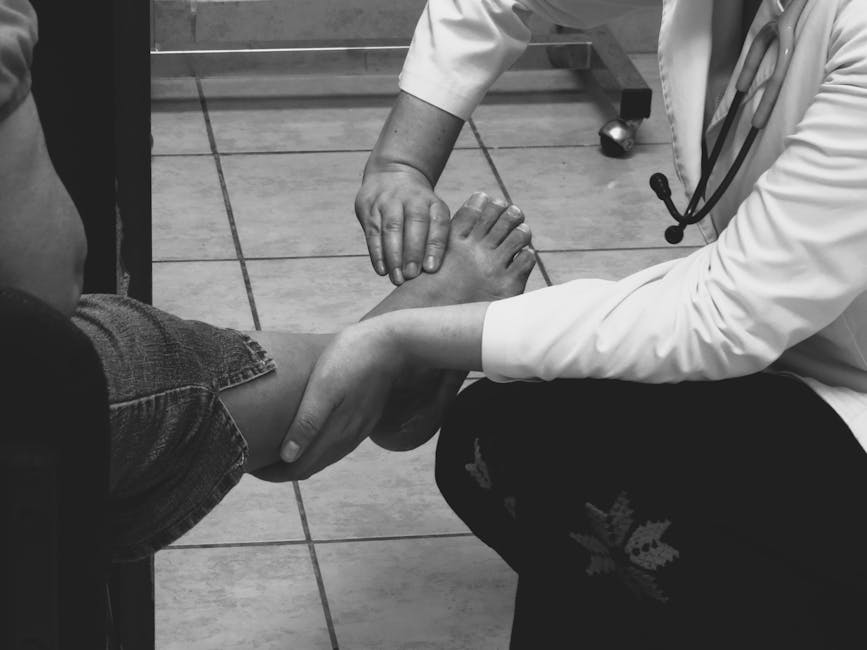
While over-the-counter flat foot arch support is a great first step, it isn’t a cure-all. If you find that your pain persists despite using high-quality inserts, or if you notice your foot is becoming increasingly rigid or deformed, it’s time to see a professional.
At the Center for Specialty Care, we specialize in diagnosing the root cause of foot pain. Whether it’s a tendon issue, an ankle problem, or a structural deformity, we provide a clear path to recovery.
Professional Treatments and Surgical Options
Our podiatry services range from custom-molded medical orthotics to advanced physical therapy. In some cases, conservative measures aren’t enough. If a fallen arch is caused by a ruptured tendon or severe bone misalignment, surgery may be the best option to restore function.
We walk our patients through every step of the process, ensuring they know what to expect. If you are curious about the journey, our guide to podiatric surgery covers expectations and outcomes in detail.
Frequently Asked Questions about Flat Foot Support
Do arch supports actually fix flat feet?
Arch supports do not permanently “fix” or change the bone structure of an adult flat foot. However, they provide the necessary alignment and support to eliminate pain and prevent the condition from worsening. Think of them like eyeglasses: they correct the “vision” of your feet while you’re wearing them.
How long do high-quality arch support insoles last?
Most high-quality, firm insoles last between 6 and 12 months with regular use. If you are a heavy individual or a high-impact athlete, you may need to replace them closer to the 6-month mark.
Can flat feet cause pain in the knees and back?
Absolutely. Because your feet are the foundation of your body, any misalignment there causes a “domino effect.” Overpronation rotates the tibia (shin bone), which in turn stresses the knee joint and can eventually lead to hip and lower back strain.
Conclusion
Living with flat feet doesn’t have to mean living with pain. Whether you are walking the trails in Fairmont or standing on your feet all day in Estherville, the right flat foot arch support can provide the foundation you need for a more active, pain-free life.
At the Center for Specialty Care, we pride ourselves on 100% patient satisfaction and personalized care. We offer quick appointment availability across our locations in Minnesota and Iowa, ensuring you don’t have to wait to start feeling better.
If you’re tired of foot pain holding you back, schedule a consultation for expert podiatry care today. Let’s get you back on your feet with the support you deserve!