
The Essential Guide to Intracept CPT Codes
August 28, 2025
Cracking the Code: How to Safely Pop Your Shoulder
September 1, 2025
Ache Shoulders: 1 Ultimate Relief Guide
Understanding Why Your Shoulders Ache
Ache shoulders affect millions of people, turning simple tasks like brushing your hair or reaching for a coffee mug into painful challenges. Whether you’re dealing with a dull ache or sharp pain, shoulder discomfort can seriously impact your quality of life.
Common causes of aching shoulders include:
- Rotator cuff injuries – tears or inflammation in the muscles and tendons
- Arthritis – wear and tear or inflammatory joint disease
- Bursitis – inflammation of fluid-filled sacs cushioning the joint
- Tendonitis – inflamed tendons from overuse or injury
- Frozen shoulder – stiffness and pain that develops gradually
- Referred pain – discomfort originating from the heart, neck, or other areas
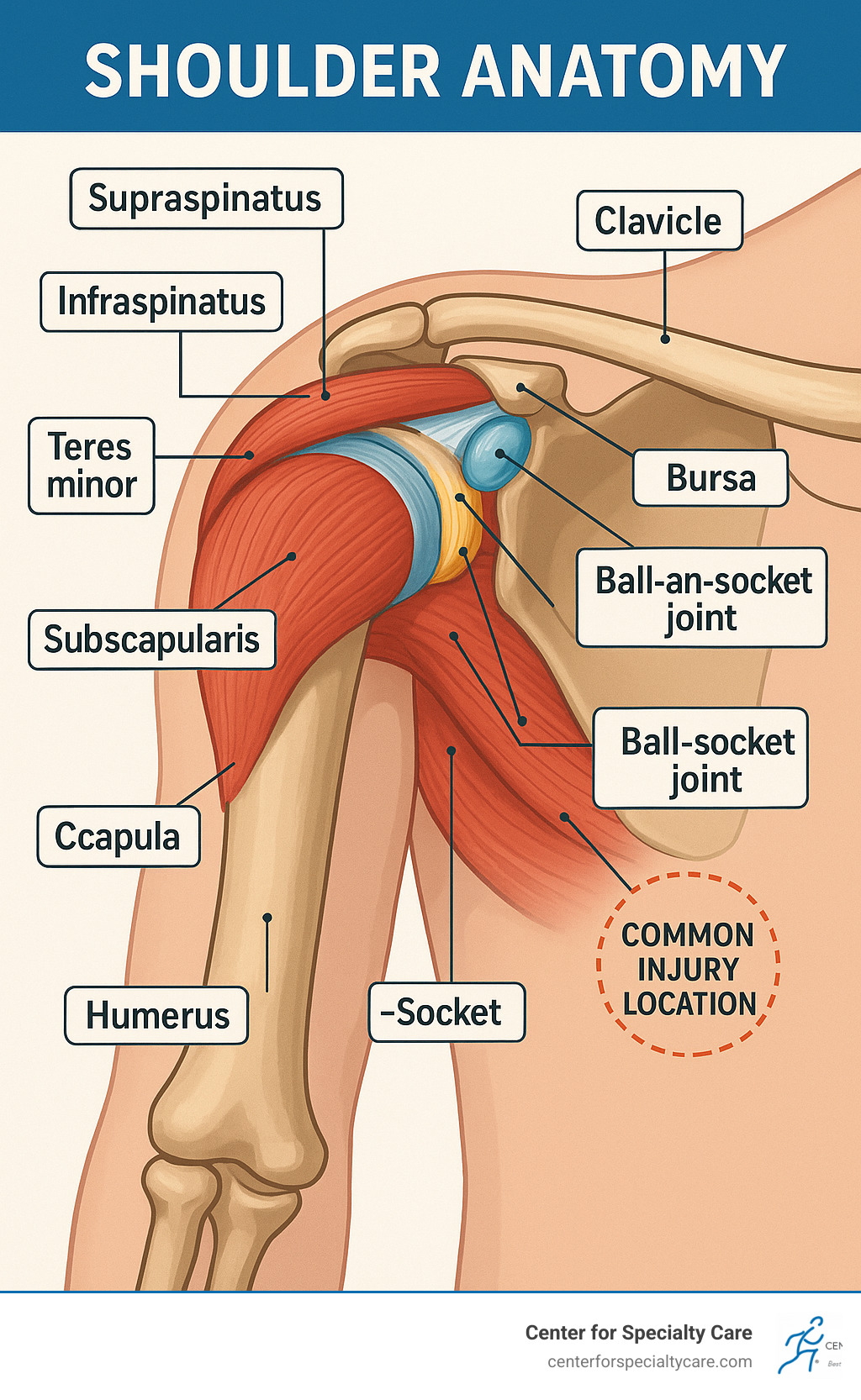
Your shoulder is the most movable joint in your body, which also makes it prone to injury. The complex network of bones, muscles, ligaments, and tendons that give your shoulder its amazing range of motion can become damaged through everyday activities, sports, or aging.
The good news? Most shoulder pain responds well to proper treatment when you understand the root cause.
I’m Dr. Corey Welchlin, a board-certified orthopedic surgeon with over three decades of experience treating ache shoulders and other musculoskeletal conditions at the Center for Specialty Care in Fairmont, Minnesota. I’ve helped thousands of patients find relief through both surgical and non-surgical treatments, always focusing on getting you back to the activities you love.
Why Do I Have Ache Shoulders? Uncovering the Common Culprits
If your shoulders hurt, you’re not alone. Ache shoulders affect millions of Americans, especially those over 60. Your shoulder’s incredible flexibility—it’s the most movable joint in your body—also makes it one of the most vulnerable to injury. Think of it like a golf ball on a tee; this design allows for a great range of motion but offers less stability, which is why shoulders dislocate more than any other joint.
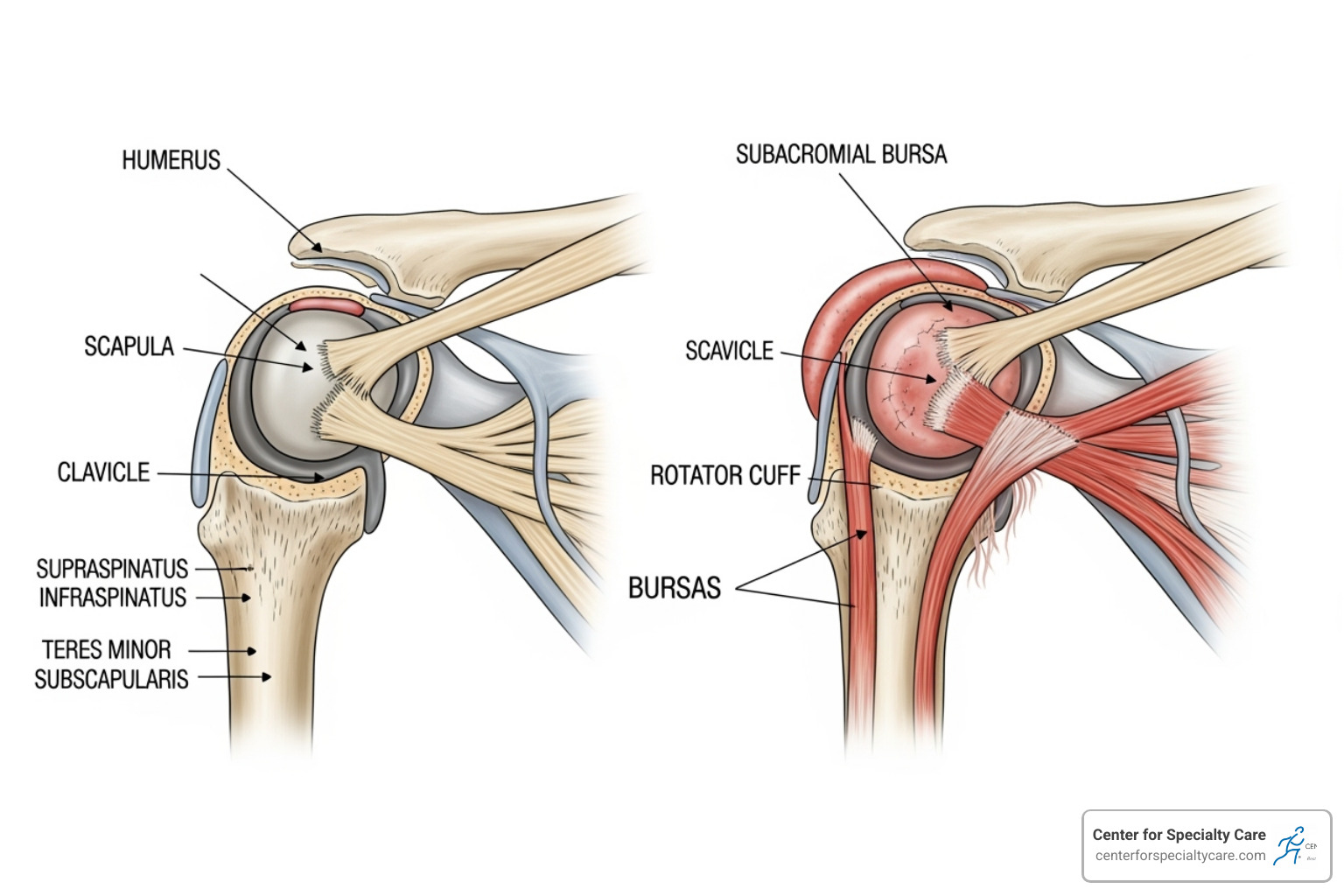
The most common culprit is impingement syndrome, where rotator cuff tendons get pinched when you raise your arm.
Rotator cuff problems are a primary source of ache shoulders. These four muscles and their tendons help lift and rotate your arm. When the tendons become inflamed (tendonitis) or tear, it can cause significant pain and weakness, especially if you’re over 40.
Bursitis is another frequent issue. The bursae, small fluid-filled sacs that cushion your joints, can become inflamed from repetitive motion, creating a painful, stiff situation.
Arthritis can also cause chronic shoulder aching. Osteoarthritis is common after a previous injury, while rheumatoid arthritis often targets shoulder joints, causing pain and stiffness.
Many shoulder problems stem from overuse injuries and repetitive motion, whether from sports, work, or daily activities.
What are the different types of shoulder injuries?
Beyond general wear and tear, specific injuries cause significant problems:
- Rotator cuff tears can happen suddenly or gradually from overuse. Unlike tendonitis, tears usually cause weakness along with pain.
- Shoulder dislocation occurs when the ball of your upper arm bone pops out of the socket. It’s very painful and increases the risk of future dislocations and chronic instability.
- A shoulder separation is an injury to the joint where the collarbone and shoulder blade meet, usually from a direct blow.
- Frozen shoulder (adhesive capsulitis) is a condition where the joint capsule becomes thick and tight, severely restricting movement and causing pain.
- Fractures of the collarbone, upper arm bone, or shoulder blade typically result from falls or trauma and require immediate medical attention.
- A SLAP tear affects the labrum (the cartilage rim of the socket) and is often seen in athletes with repetitive overhead motions.
Can my shoulder ache be related to my heart or other conditions?
Sometimes your shoulder pain isn’t from your shoulder at all. This is called referred pain. The most critical example is a heart attack. Sudden, intense left shoulder pain can be a sign of a heart attack, especially when combined with chest tightness, shortness of breath, sweating, or nausea. If you have these symptoms, call 911 immediately.
Other conditions like lung cancer, gallbladder issues, or pinched nerves in the neck can also cause referred pain in the shoulder. The key is that this type of pain often doesn’t worsen when you move your shoulder. When in doubt, seek prompt medical attention.
Reading the Signs: When to Seek Help for Shoulder Pain
Your body sends signals when something is wrong, and ache shoulders are a clear one. The pain might be a dull, persistent ache or a sharp, stabbing sensation. You might also notice stiffness that restricts movement or weakness that makes lifting objects difficult. These pain characteristics are important clues about what’s happening inside your shoulder joint.
Learning to differentiate between mild and severe pain is crucial. A little soreness after a new activity is likely fine, but pain that keeps you up at night or makes you wince with every movement warrants professional help. Listening to your body can be the difference between a quick recovery and months of unnecessary suffering.
What are the symptoms of a serious shoulder injury?
Some symptoms are red flags that require immediate medical attention. Don’t try to tough it out if you experience any of the following:
- Inability to move your arm or use your shoulder joint
- Obvious deformity where the shoulder looks out of place
- Sudden, intense pain, especially after an accident or trauma
- Significant swelling or bruising that appears quickly
- Numbness or tingling that radiates down your arm
- A popping or grinding sensation followed by pain
- Fever, redness, or warmth around the shoulder
- Difficulty breathing or chest pain alongside shoulder pain (call 911 immediately)
When should I see a doctor for an aching shoulder?
Even without red flag symptoms, your ache shoulders might need professional care. It’s time to see a doctor if your pain meets these criteria:
- It lasts over two weeks. Minor injuries usually heal within this timeframe.
- It disrupts your sleep. Pain that wakes you up is a sign that the problem is significant.
- It started from a specific injury. Getting an injury checked out early can prevent bigger problems later.
- It’s worsening despite home care. If rest, ice, and over-the-counter medicine aren’t helping, you need a new plan.
- It interferes with daily tasks. You shouldn’t have to live with pain that limits your quality of life.
At the Center for Specialty Care, we offer quick appointment availability at our locations in Fairmont, MN, Estherville, IA, Buffalo Center, IA, and St. James, MN. Our goal is to provide personalized care without the long waits that make pain more stressful.
Finding Relief: How to Treat Aching Shoulders
When you have ache shoulders, relief starts with a professional diagnosis to get to the root of the problem. Your visit will include a discussion of your medical history and a physical exam to assess your range of motion and pinpoint the pain. To get a complete picture, we may use imaging tests like X-rays to see your bones, or an MRI or Ultrasound for a detailed view of soft tissues like tendons, ligaments, and muscles. Once we understand the cause, we can create the best treatment plan, always starting with the least invasive options first.
How can I treat my ache shoulders at home?
For mild ache shoulders, several home remedies can provide relief:
- The RICE method: Rest your shoulder from painful activities. Apply Ice for 15-20 minutes at a time for the first few days to reduce pain and swelling. Compression with an elastic bandage can add support. Elevation, by propping your torso up with pillows while sleeping, can help.
- Over-the-counter pain relievers: NSAIDs like ibuprofen or naproxen can reduce both pain and inflammation. Acetaminophen is also effective for pain.
- Gentle stretches: Once acute pain subsides, gentle movements help prevent stiffness. Stop if you feel any sharp pain.
- Activity modification: Be smart about how you use your shoulder. If sleeping on your side hurts, try sleeping on your back. Avoid reaching overhead if it causes pain.
- Heat therapy: For chronic stiffness, a warm compress can help relax tight muscles.
What are the non-surgical treatment options?
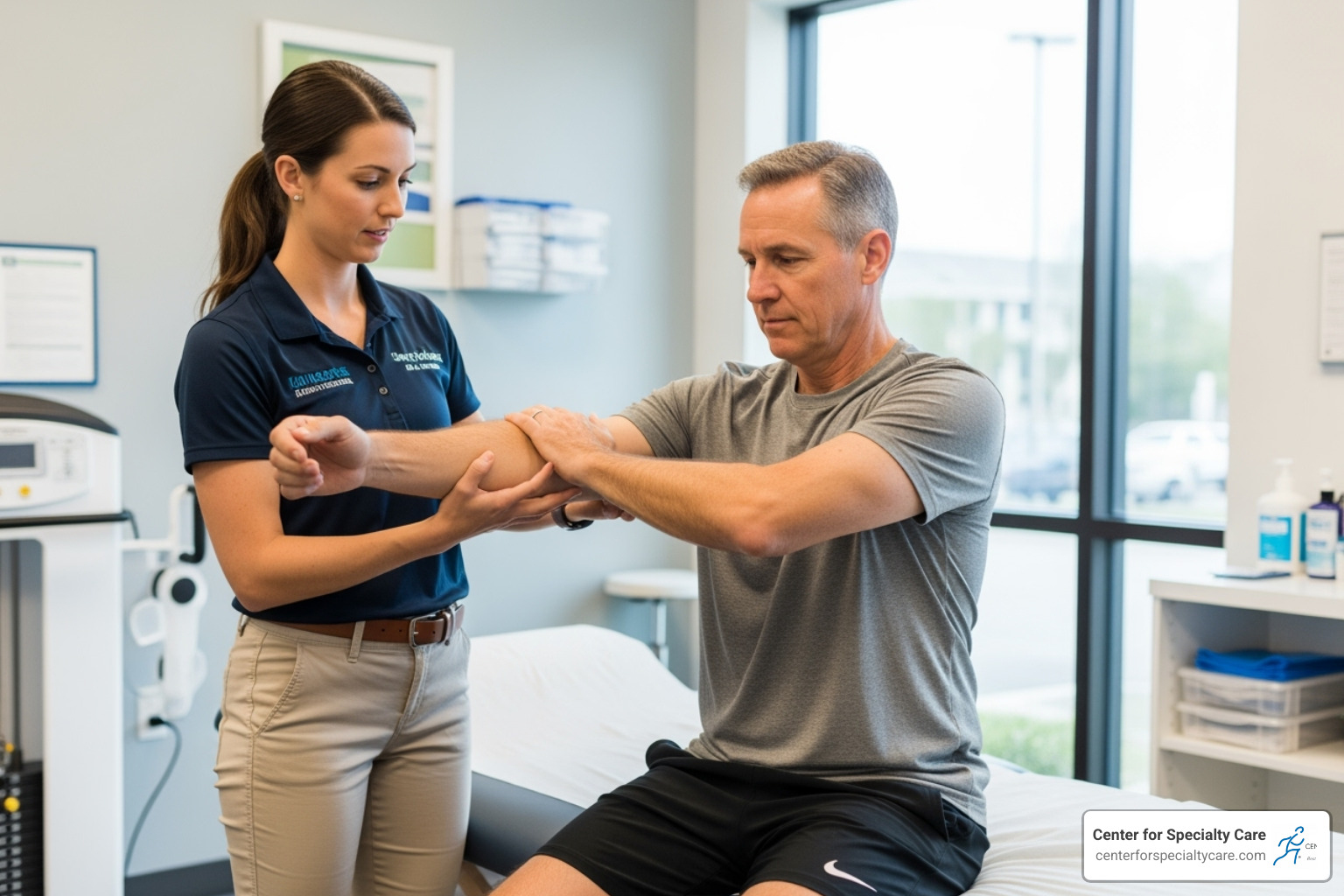
Most shoulder problems improve without surgery. Physical therapy is often the cornerstone of treatment for ache shoulders. A physical therapist acts as a personal trainer for your shoulder, creating a custom program to improve range of motion, strengthen supporting muscles, and correct harmful movement patterns. We have excellent physical therapy services in St. James, MN, to help get your shoulder moving and feeling better.
For significant pain and inflammation, corticosteroid injections can provide powerful, direct relief. While often temporary, this can reduce pain enough to make physical therapy more effective. We may also prescribe stronger medications, like muscle relaxants, to manage pain and spasms.
What if I need surgery for my shoulder pain?
While we always start with conservative care, surgery is sometimes the best option for severe injuries like large rotator cuff tears or advanced arthritis.
Arthroscopy is a minimally invasive procedure where we use a small camera and specialized instruments through tiny incisions to repair rotator cuff tears, remove bone spurs, or fix labral tears. This approach usually means less pain and a faster recovery.
For severe arthritis, shoulder replacement may be the answer. In a total shoulder replacement, we replace the damaged joint surfaces with metal and plastic components. A reverse shoulder replacement is an innovative option for patients with a severely damaged rotator cuff, as it alters the joint’s mechanics to let other muscles lift the arm.
Recovery from surgery requires patience. You will likely wear a sling for several weeks, and physical therapy after surgery is absolutely crucial for achieving the best possible outcome.
Building Resilience: How to Prevent Future Shoulder Aches
Prevention is always better than treatment, especially for ache shoulders. Making small, sustainable changes to your lifestyle, ergonomics, and exercise habits can build resilience and keep your shoulders healthy for years to come.
How does posture affect my ache shoulders?
Poor posture is a major contributor to shoulder pain. When you slouch, your shoulders roll forward, forcing your shoulder blades out of position and creating muscle imbalances. This forward pull can lead to chronic ache shoulders.
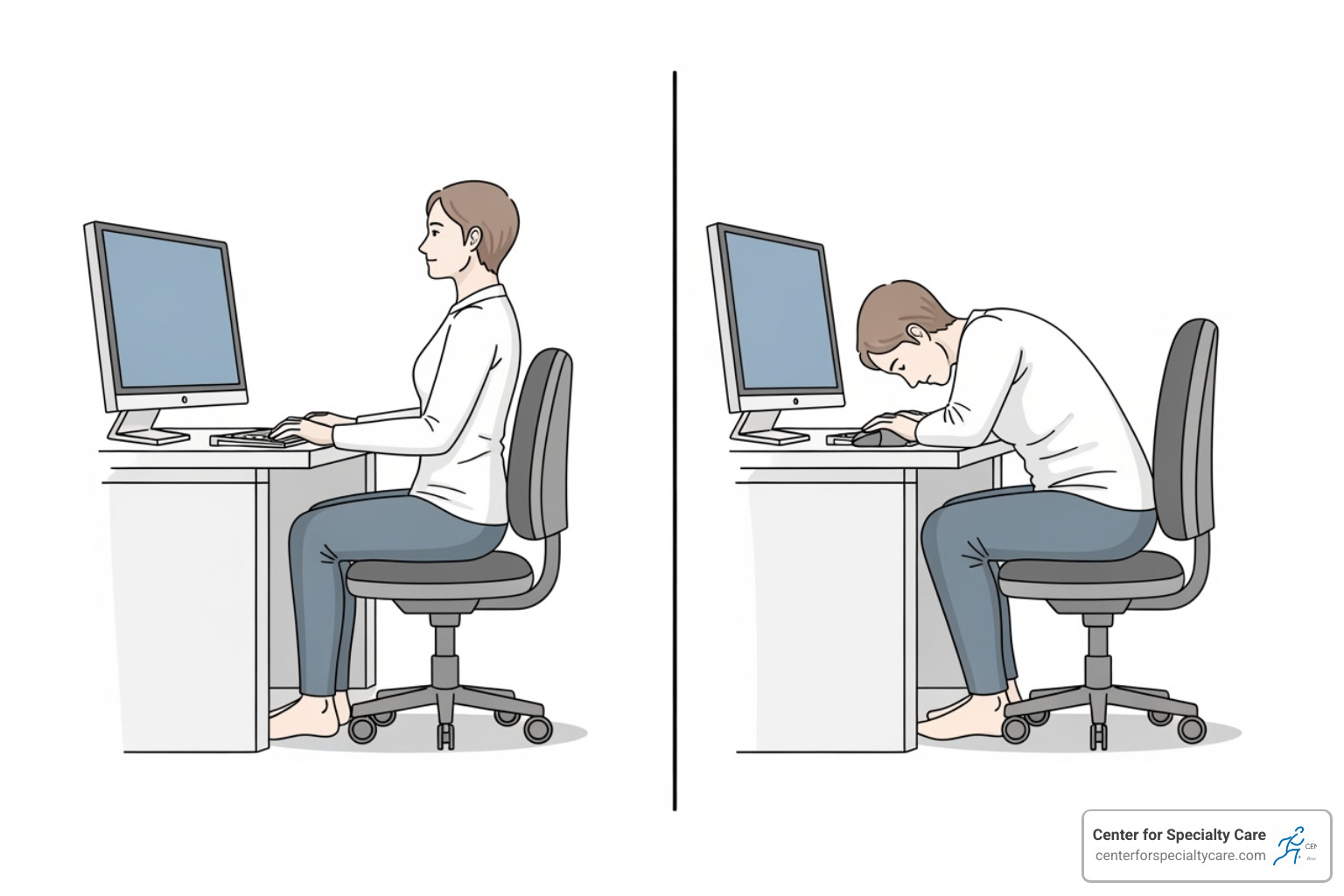
Creating an ergonomic setup at your workspace is one of the most effective ways to protect your shoulders:
- Position your monitor so the top of the screen is at or slightly below eye level.
- Your chair should support your lower back’s natural curve.
- Take frequent breaks every 30-45 minutes to stand, stretch, and move around.
What exercises can help prevent shoulder pain?
Regular exercise is like an insurance policy for your shoulders. A consistent routine of stretching and strengthening can keep your joints mobile and resilient.
-
Gentle stretching is a great starting point for stiffness. The pendulum stretch, where you let your arm hang and swing gently, is very effective. An overhead stretch or a chest stretch can help counteract tightness from poor posture.
-
Strengthening exercises are crucial for preventing ache shoulders. Your rotator cuff and back muscles provide stability. Light resistance band exercises for rotation and rows are excellent for keeping these muscles strong and balanced.
Always include a proper warm-up and cool-down in your routine to prevent injury and aid recovery. Building these simple habits into your daily life can save you from dealing with chronic shoulder pain.
Conclusion
We’ve explored the many causes of ache shoulders, from rotator cuff tendonitis to arthritis, and highlighted the importance of getting a proper diagnosis. The good news is that most shoulder pain responds beautifully to the right treatment approach, whether it’s home remedies, physical therapy, or advanced surgical solutions.
After three decades of treating ache shoulders, I know that a personalized treatment plan that addresses your unique needs is the key to success. Prevention is also your best friend; simple posture adjustments and regular exercises can save you from future discomfort.
At the Center for Specialty Care, we’ve built our practice on the promise of 100% patient satisfaction through personalized care. We know that when you’re in pain, you can’t wait weeks for an appointment. That’s why we maintain quick appointment availability across our locations in Fairmont, MN, Estherville, IA, Buffalo Center, IA, and St. James, MN.
Your shoulders have carried you through life. When they’re hurting, we’re here to help you get back to doing what you love, pain-free.