
Say Goodbye to the Ache with These Simple Scapula Exercises
June 5, 2026
Rhomboid Muscle Pain: Is a Spinal Cord Stimulator Right for You?
June 10, 2026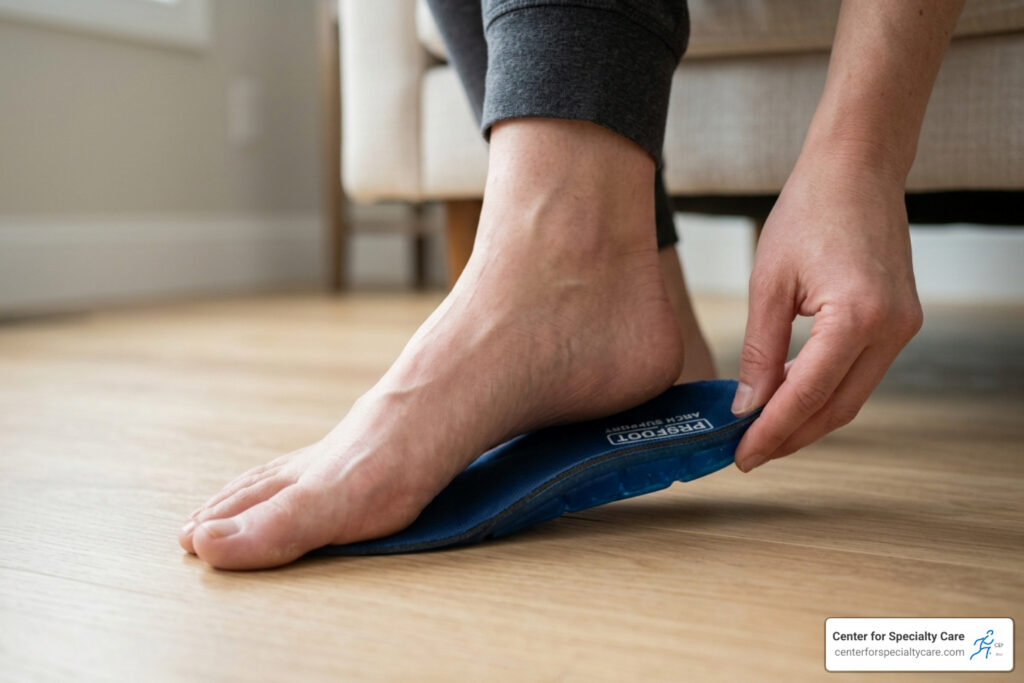
How Foot Pads for Flat Feet Can Save Your Soles
Why foot pads for flat feet Are Worth Taking Seriously
Foot pads for flat feet can make a real difference if you deal with arch pain, heel soreness, or tired legs at the end of the day.
Here’s what you need to know right away:
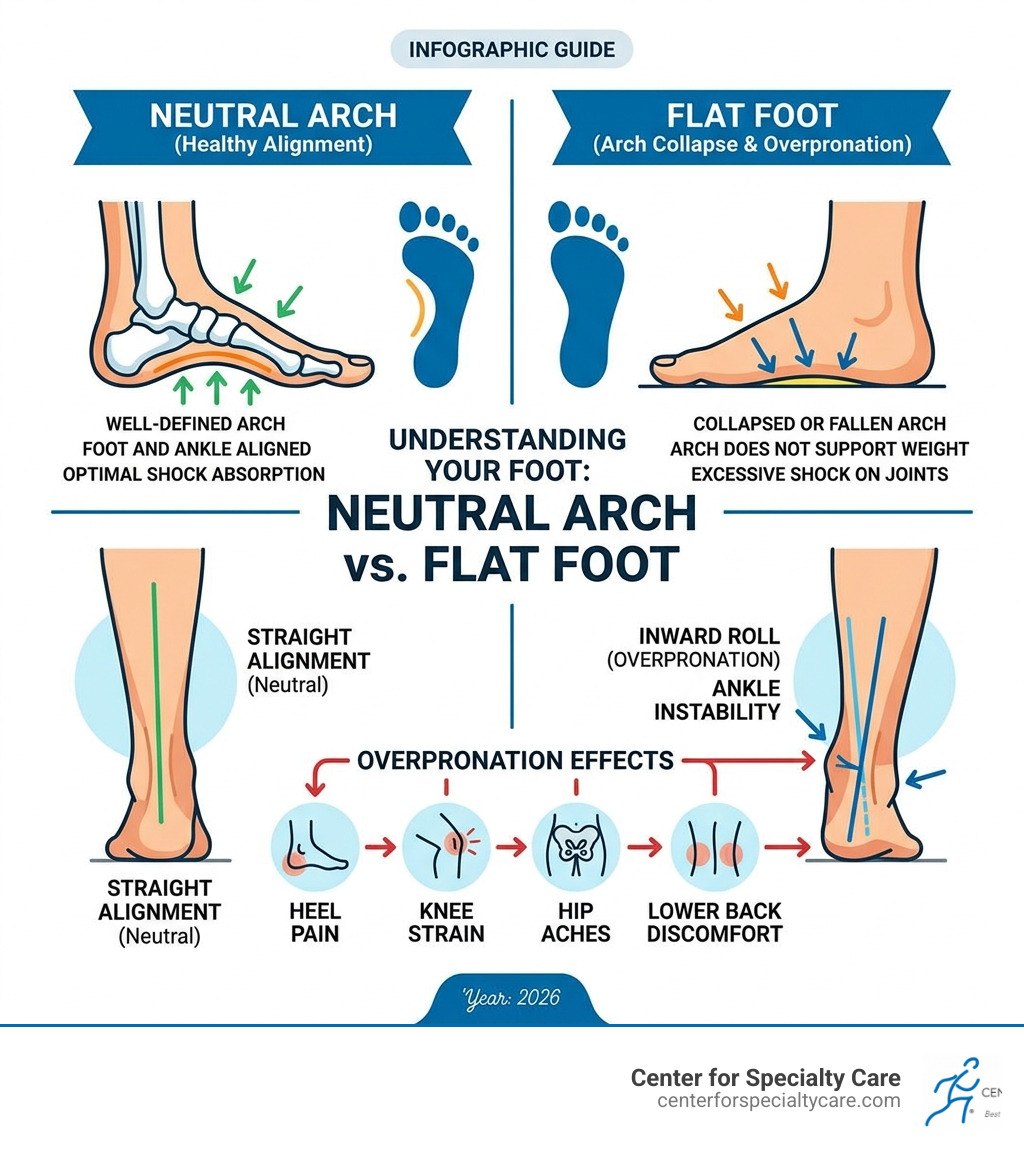
- Flat feet (also called fallen arches) cause the arch to collapse during standing or walking
- This leads to overpronation — your feet and ankles roll inward with each step
- That rolling motion puts extra stress on your heels, knees, hips, and lower back
- The right foot pad or insole adds arch support and heel stabilization to correct that alignment
- Look for low arch support, a deep heel cradle, and firm (not just soft) cushioning
Most people feel noticeable relief within just a few days of wearing the right insoles. And you don’t always need a prescription or custom orthotics to get started.
This guide walks you through everything — from identifying your arch type to picking the right pad for your shoes and lifestyle.
I’m Dr. Corey Welchlin, a board-certified orthopedic surgeon with over 30 years of experience treating musculoskeletal conditions, including the foot and ankle problems that come with flat feet. Throughout my career, I’ve helped countless patients find relief — often starting with something as practical as the right foot pads for flat feet — before determining whether more advanced treatment is needed.
Understanding Flat Feet and Fallen Arches
When we talk about flat feet, we are describing a condition where the longitudinal arches in the feet have collapsed, or perhaps never developed in the first place. In April 2026, we see this more often than you might think—it is estimated that a significant portion of the population has some degree of “fallen arches.”
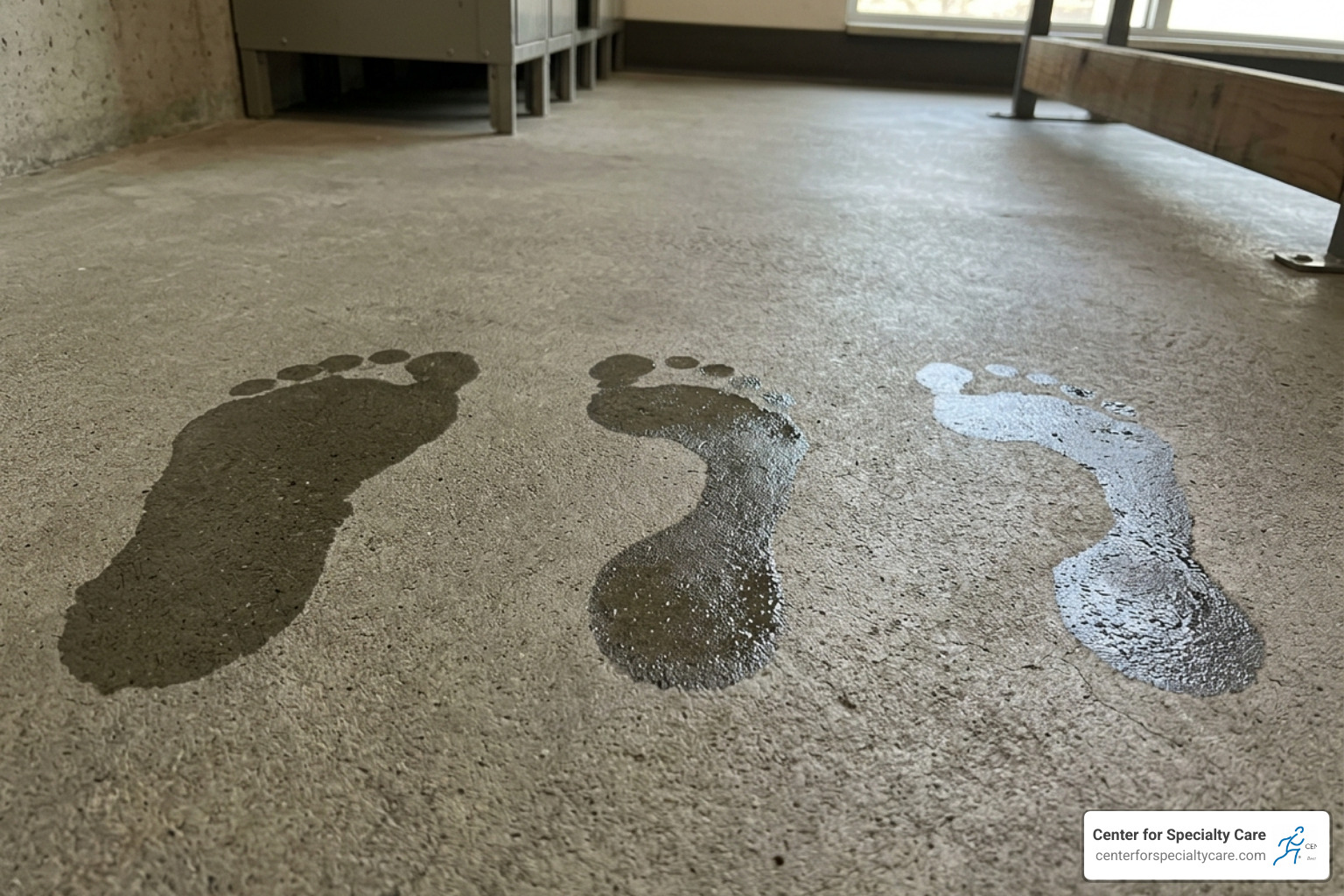
But how do you know if you have them? One of the simplest ways is the wet footprint test. Simply wet your feet and stand on a piece of cardboard or a dry concrete surface. If your footprint looks like a solid “blob” without a distinct curve inward at the middle, you likely have flat feet.
What Causes the Arch to Fail?
There isn’t just one “villain” in the story of flat feet. For many of our patients in Fairmont and Estherville, the causes are varied:
- Genetics: Many people are simply born with low arches. It’s a family trait, much like eye color.
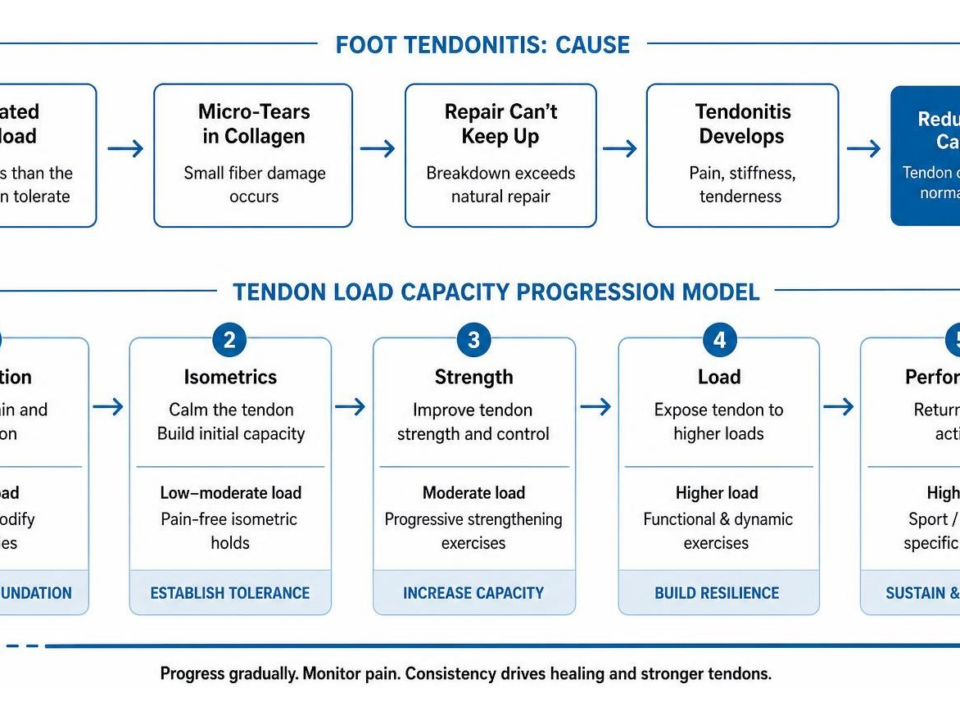
- Tendon Injury: The posterior tibial tendon is the main support structure for your arch. if it becomes inflamed or torn—a condition known as Posterior Tibial Tendon Dysfunction (PTTD)—the arch will naturally fall. You can read more about managing these types of issues in A Walk Towards Healthy Feet Common Foot Problems And Solutions.
- Pregnancy: The combination of hormonal changes (which loosen ligaments) and increased weight can cause the arches to flatten temporarily or permanently.
- Age and Wear: Over time, the daily “mileage” we put on our feet can stretch out the ligaments.
- The Subtalar Joint: This joint plays a massive role in how your foot rotates. If it isn’t functioning correctly, it can contribute to a collapsed arch. For a deeper dive, check out our Comprehensive Overview Of The Subtalar Joint Function Disorders And Orthopedic Solutions.
How Foot Pads for Flat Feet Provide Relief
The primary goal of foot pads for flat feet isn’t just to “cushion” the foot—it’s to provide structural support. Think of them like the foundation of a house. If the foundation is slanted, the windows won’t close and the doors will creak. In your body, if your feet roll inward (overpronation), your knees and hips have to compensate.
Correcting Overpronation
When the arch collapses, the foot and ankle roll inward. This adds immense pressure to the big toe and the inside of the ankle. Quality insoles, such as those from brands like PowerStep or Superfeet, are designed with a firm arch support and a deep heel cradle. This “cups” the heel and keeps the foot in a neutral position, preventing that painful inward roll.
Shock Absorption and Weight Redistribution
Flat feet are notoriously bad at absorbing shock. Because the arch isn’t there to act as a natural spring, the impact of every step travels straight up into your joints. Foot pads for flat feet use materials like dual-layer EVA foam or specialized gels to absorb that impact.
By providing a “total contact” fit, these pads also redistribute your weight across the entire surface of the foot. This is vital for preventing secondary conditions. For example, if you have localized pressure on the heel, you might develop spurs; see our Understanding Heel Spurs An Orthopedic Guide To Symptoms And Treatment for more info. Similarly, weight redistribution can help those suffering from Morton’s Neuroma, where nerves in the forefoot become compressed.
Clinically, brands like PowerStep have been proven to relieve and prevent pain by stabilizing the ankle and balancing the foot. Using something like the PowerStep ComfortLast Insoles can be a game-changer for someone who spends all day on their feet in Minnesota or Iowa.
Choosing the Right Support for Your Foot Type
Not all foot pads for flat feet are created equal. If you walk into a pharmacy and grab the softest, squishiest gel insert you can find, you might feel good for ten minutes, but your pain will likely return. Why? Because flat feet need support, not just pillows.
Key Features to Look For:
- Firm vs. Cushioned: You want a firm, flexible shell. If you can easily fold the insole in half, it’s probably not supportive enough for flat feet.
- Deep Heel Cup: This helps stabilize the heel and prevents it from sliding around, which is essential for controlling overpronation.
- Arch Height: If you have very flat feet, a “High Arch” insole will feel like you’re stepping on a golf ball. You need a “Low Arch” or “Medium Arch” design.
- Moisture-Wicking: Look for top covers that control odor and friction.
| Insole Type | Best For | Key Benefit |
|---|---|---|
| Low Arch Insoles | Truly flat feet | Provides support without being intrusive |
| Medium Arch Insoles | Fallen arches / Flexible flat feet | Balances support and comfort for most users |
| Customizable Orthotics | Severe deformity or persistent pain | Tailored specifically to your foot’s unique shape |
For many of our patients, we recommend starting with something like the Superfeet All-Purpose Support Medium Arch. These are APMA-approved and are clinically proven to decrease fatigue and reduce injury.
Selecting Foot Pads for Flat Feet Based on Arch Height
The “unweighted arch check” is a pro tip we often share. Sit in a chair and look at your foot. Do you see an arch? Now stand up. Does it disappear? If you have an arch while sitting but not while standing, you have “flexible flat feet” and might actually prefer a medium arch support. If your foot is flat in both positions, you definitely need a low profile orthotic solution.
Advanced options like the ErgoPad WeightFlex 2 use a patented core that supports the natural “spiral dynamics” of the foot, allowing for a more natural heel-to-toe movement while still providing that necessary rigidity.
Specialized Foot Pads for Different Activities
Your choice of foot pads for flat feet should change based on what you’re doing:
- Running: You need high-energy return and extra shock absorption to prevent issues like Achilles Tendonitis.
- Standing All Day: Look for dual-layer foam (like PowerStep’s ShockAbsorb foam) that molds to your foot over time.
- Diabetic Care: If you have diabetes, foot health is critical. Specialized inserts can prevent the friction that leads to ulcers. Learn more about our Diabetic Foot Care.
- Dress Shoes: These require ultra-slim profiles. Some brands offer 3/4 length inserts so your toes don’t feel cramped.
- Extensor Tendonitis: If the top of your foot hurts, the right arch support can reduce the strain on those top tendons. Read more here.
Proper Fitting and Maintenance of Orthotic Inserts
Buying the pads is only half the battle; you have to use them correctly.
The Trimming Process
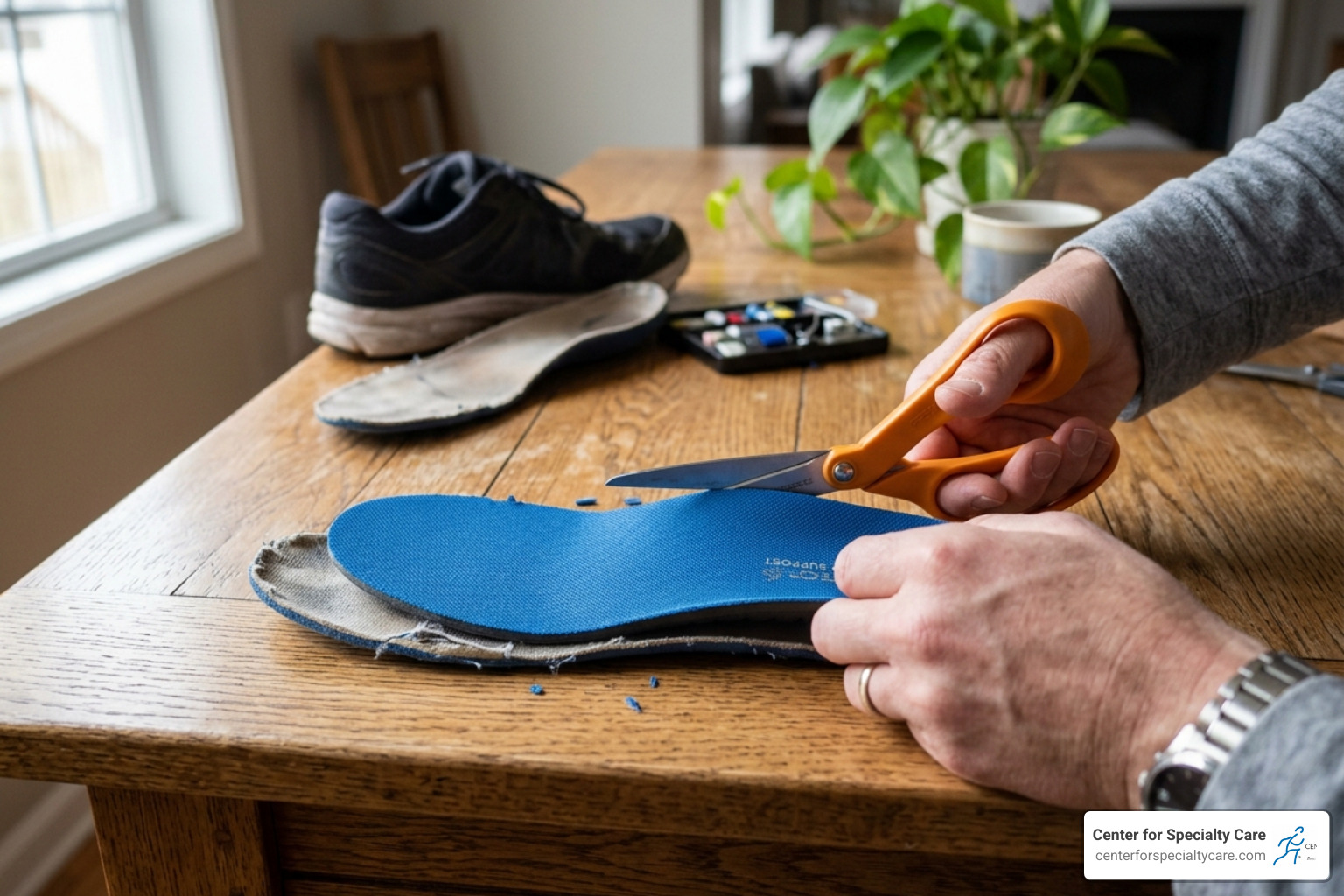
Most high-quality insoles are “trim-to-fit.”
- Remove the existing factory liner from your shoe (don’t just put the new one on top!).
- Place the old liner on top of the new insole, aligning the heels.
- Trace the toe area with a pen.
- Trim carefully with sharp scissors.
The Break-In Period
Don’t run a marathon the first day you get your new foot pads for flat feet. Your muscles and tendons need time to adjust to the new alignment. We suggest wearing them for 1-2 hours the first day, 3-4 the second, and gradually increasing. Most people are fully adapted within 1 to 3 days.
Maintenance
- Cleaning: Never put them in the washing machine! Spot clean with a mild detergent and air dry.
- Odor: Many quality insoles have antimicrobial coatings, but if they start to smell, a little baking soda can help.
When to Replace Your Foot Pads for Flat Feet
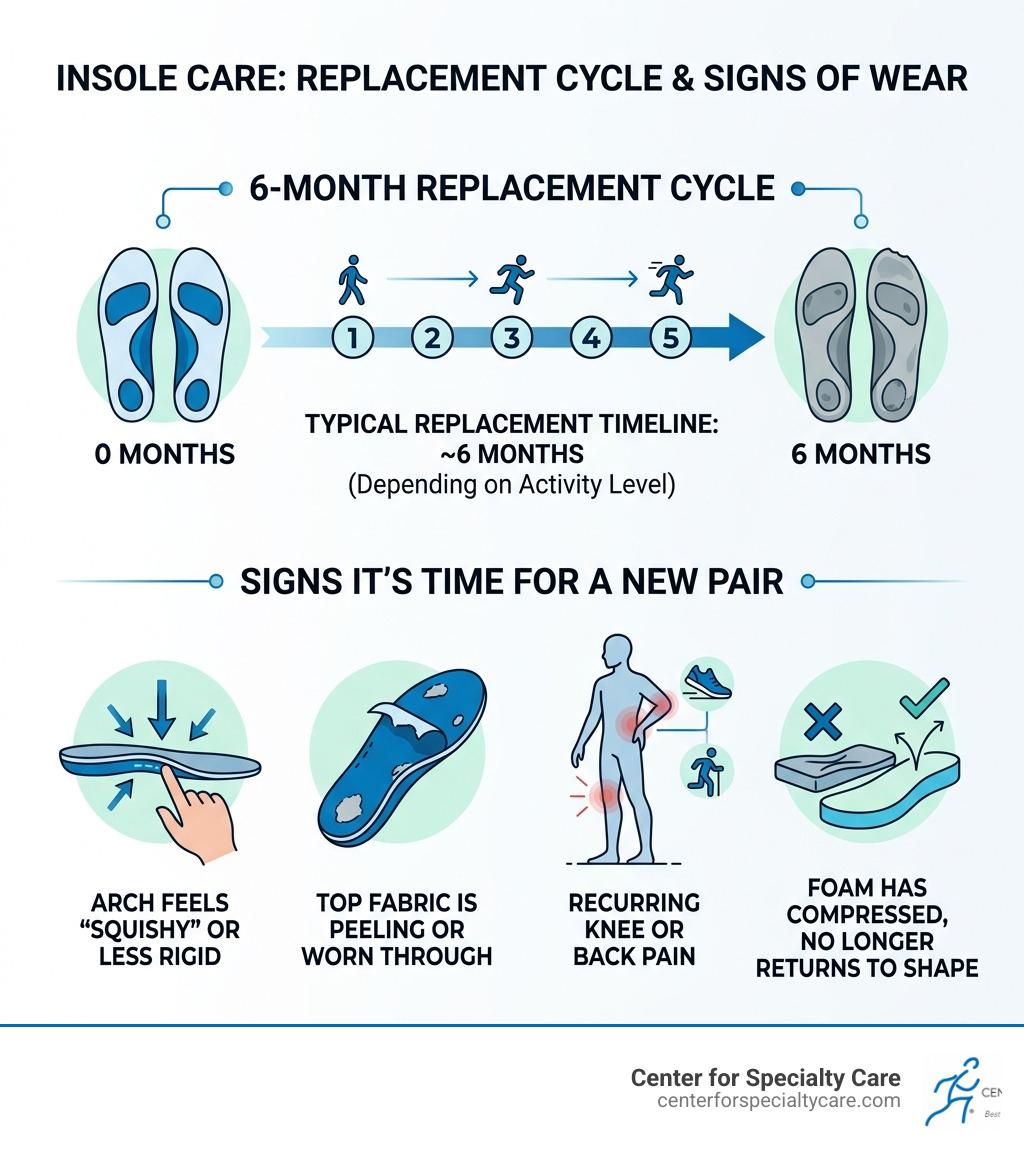
Even the best insoles don’t last forever. PowerStep insoles, for example, typically last about 6 months depending on your activity level.
Signs it’s time for a new pair:
- The arch feels “squishy” or less rigid.
- The top fabric is peeling or worn through.
- You start feeling that familiar knee or back pain again.
- The foam has compressed to the point where it no longer returns to its original shape.
Ignoring worn-out insoles can lead to recurring issues. For instance, if your arch support fails, your plantar fascia might become strained again. This can even lead to referred pain in strange places—did you know Plantar Fasciitis can sometimes contribute to thigh pain?
Frequently Asked Questions about Flat Foot Support
Can insoles for flat feet help with knee and back pain?
Absolutely. We call this the “kinetic chain.” When your feet roll inward, it forces your tibia (shin bone) to rotate, which puts stress on the inner knee. This rotation continues up to the hip and eventually pulls on the lower back. By correcting the foundation with foot pads for flat feet, you often find that your “bad back” starts feeling a lot better.
Are gel arch pads better than full-length insoles?
It depends on the shoe. Full-length insoles offer the best stability and are ideal for sneakers and work boots. However, reusable gel arch pads—which often adhere directly to the skin or the shoe—are great for sandals or dress shoes where a full insole won’t fit. They provide targeted relief for the arch but don’t offer the same heel stabilization as a full orthotic.
When should I see a podiatrist for my flat feet?
While over-the-counter foot pads for flat feet work for many, they aren’t a cure-all. You should schedule an appointment with us if:
- Your pain is persistent despite using supportive insoles.
- You have visible swelling on the inside of the ankle.
- One foot is significantly flatter than the other (which could indicate a tendon tear).
- You have numbness or tingling.
At Center for Specialty Care, we offer everything from advanced podiatry services to orthopedic surgery if conservative treatments aren’t enough.
Conclusion
Living with flat feet doesn’t have to mean living with pain. Whether you are walking the trails in Buffalo Center or standing on the job in St. James, the right foot pads for flat feet can provide the alignment and comfort you need to keep moving.
At Center for Specialty Care, we pride ourselves on a personalized approach to foot health. With locations in Fairmont, Estherville, Buffalo Center, and St. James, we are your local experts in orthopedic and pain management. We are committed to 100% patient satisfaction and offer quick appointment availability so you don’t have to wait for relief.
Don’t let fallen arches hold you back any longer. Schedule a consultation for professional podiatry care today and let us help you find the perfect fit for your feet.