

The Popping Shoulder: A Deep Dive into What’s Causing the Noise
December 18, 2025
The Sleep-Shoulder Connection: What to Do When Your Bed Becomes a Pain
December 22, 2025
Intracept procedure cost: Avoid Hidden Fees 2025
Understanding the Financial Side of Chronic Back Pain Relief
When chronic low back pain persists despite conservative treatments like physical therapy and injections, the Intracept Procedure offers a minimally invasive solution. It targets the basivertebral nerve, the source of pain from damaged vertebral endplates, providing relief where other methods have failed. Understanding the financial aspect of this procedure is as crucial as the clinical outcome for making an informed decision.
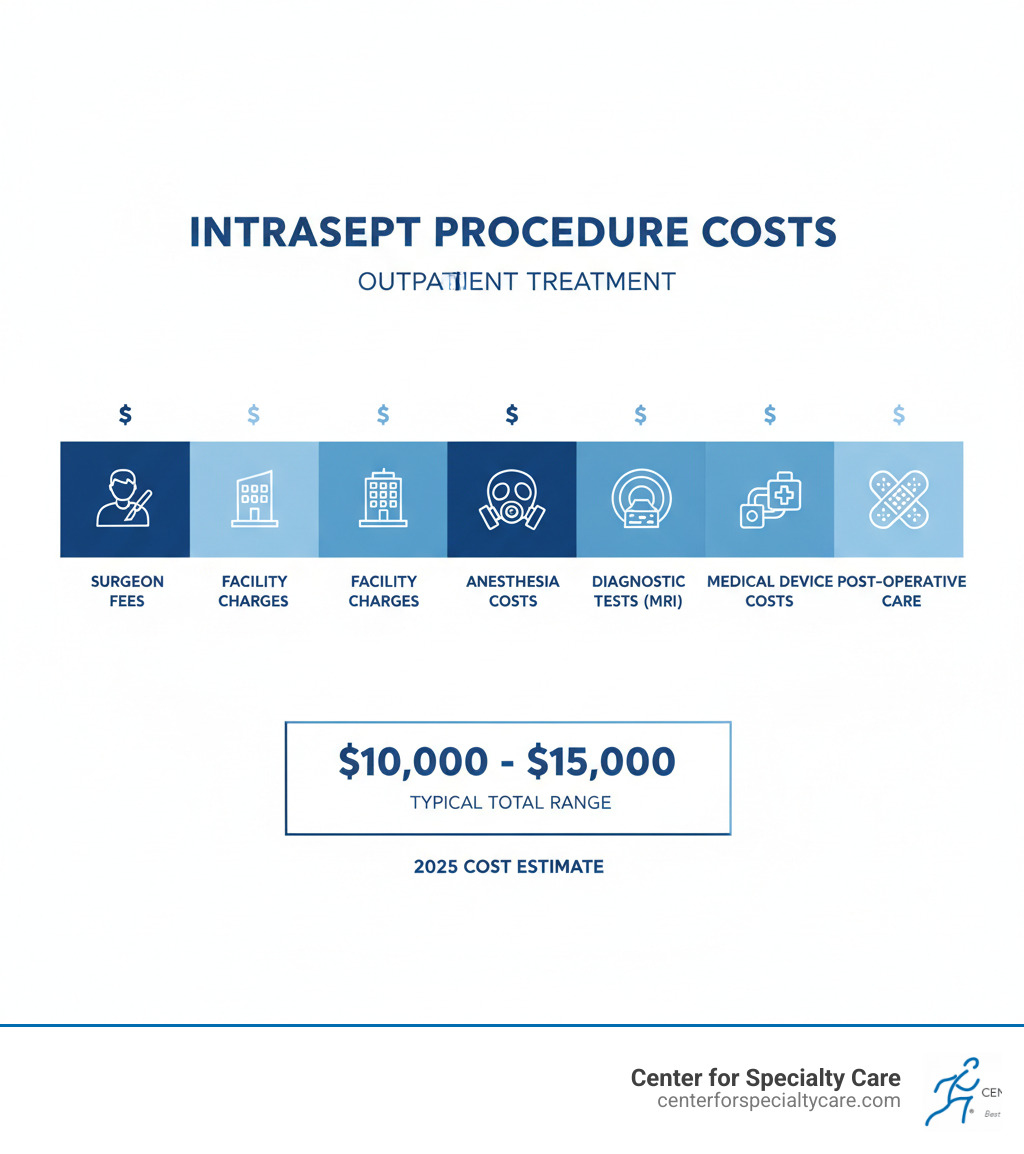
The intracept procedure cost typically ranges from $10,000 to $15,000 for a three-level treatment in an outpatient setting. This price can vary based on facility type, geographic location, the number of vertebral levels treated, and your insurance coverage.
Key billing codes include:
- CPT Code 64628: First two vertebral bodies (Medicare pays ~$469.95 for physician, ~$9,418 for facility)
- CPT Code +64629: Each additional vertebral body (Medicare pays ~$220.10)
The procedure is FDA-approved and increasingly covered by major insurance providers, including Medicare, Anthem, Cigna, and Humana. However, navigating the approval process requires proper documentation and an understanding of medical necessity criteria.
I’m Dr. Corey Welchlin, founder of the Center for Specialty Care in Fairmont, Minnesota. With over three decades of experience, my team and I are committed to providing transparent information about the intracept procedure cost and helping you steer insurance to access the care you need.
What is the Intracept Procedure? A Clinical Overview
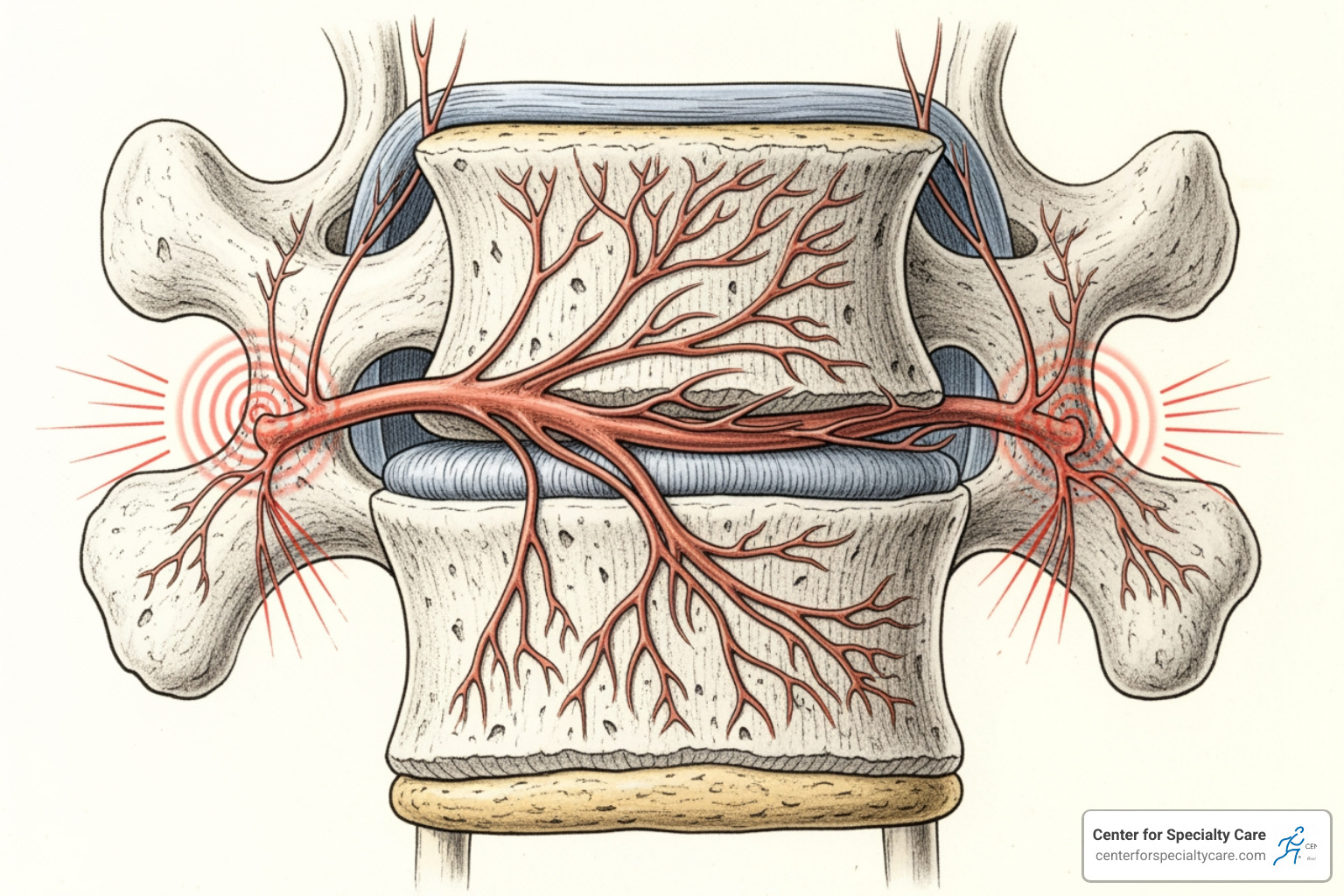
The Intracept Procedure is a groundbreaking solution for vertebrogenic pain—a type of chronic low back pain originating from within the vertebral bones. This pain is transmitted by the basivertebral nerve (BVN), which runs through each vertebra. When vertebral endplates (the cushions between your vertebrae and discs) are damaged, they irritate the BVN, causing persistent pain.
The procedure uses radiofrequency ablation to interrupt these pain signals at their source. This precise, FDA-approved approach is the only treatment specifically designed for chronic vertebrogenic low back pain. By targeting the root cause rather than masking symptoms, it offers relief that other treatments often cannot achieve. While the intracept procedure cost is a key consideration, many find the investment worthwhile for its effectiveness. You can learn more on the Spine-Health – Intracept Procedure Overview.
How the Procedure Works
The Intracept Procedure is minimally invasive and performed in an outpatient setting, allowing most patients to go home the same day. The process takes about 60 to 90 minutes.
Using real-time X-ray imaging (fluoroscopy guidance), the surgeon makes a small incision and guides a thin tube (cannula) into the affected vertebra. A specialized radiofrequency probe is inserted through the cannula to reach the basivertebral nerve. The probe delivers controlled energy to heat and ablate the nerve, disrupting its ability to send pain signals. A key benefit is that it’s a spine-sparing approach: no implants are left behind, and your natural spine structure is preserved, unlike more invasive Surgery.
Who is an Ideal Candidate for Intracept?
This procedure is not for everyone. You may be an ideal candidate if you meet the following criteria:
- Chronic low back pain for more than six months, primarily axial (centered in the lower back).
- Failure to find relief with at least six months of conservative care, such as physical therapy, medications, or injections.
- An MRI diagnosis showing Modic Type 1 or 2 changes in your vertebral endplates. These changes indicate inflammation or degeneration that are hallmarks of vertebrogenic pain.
Our team at Center for Specialty Care conducts thorough evaluations to confirm these findings and rule out other pain sources, ensuring this procedure is the right choice for you. For more information on related conditions, visit our page on Common Spinal Conditions: Causes, Symptoms, and Treatment Options.
A Detailed Breakdown of the Intracept Procedure Cost
Understanding the costs associated with the Intracept Procedure helps you plan your treatment journey without financial stress. The total intracept procedure cost typically falls between $10,000 and $15,000 for a three-level treatment in an outpatient setting before insurance. At Center for Specialty Care, our Pain Management approach includes transparent pricing to help you steer your care.
Main Components of the Total Price
The total cost is a combination of several services:
- Surgeon’s Fee: Covers the expertise and time of the specialist performing the procedure.
- Anesthesiologist Fee: For the professional who administers and monitors your anesthesia.
- Facility Fee: This is often the largest component, covering the operating room, equipment, and nursing staff. Costs are generally lower at an Ambulatory Surgical Center (ASC) compared to a hospital.
- Diagnostic Tests: Primarily the cost of the MRI needed to confirm a diagnosis of vertebrogenic pain.
- Post-Operative Care: Includes follow-up visits and any necessary medications or physical therapy.
- Medical Device Cost: The specialized radiofrequency ablation system and probes (HCPCS Code C1889 in hospital settings).
Factors That Influence the Intracept Procedure Cost
Several factors can affect the final price:
- Geographic Location: Healthcare costs vary significantly by region.
- Provider Choice: Fees differ based on a surgeon’s experience and training.
- Number of Vertebral Levels Treated: More levels require more time and resources, increasing the cost.
- Negotiated Rates: The rates your insurance company has negotiated with providers will impact the final bill. For general pricing information, you can consult resources like Healthcare Bluebook – Fair Price for Healthcare.
Understanding Your Potential Out-of-Pocket Expenses
Even with insurance, you will likely have some out-of-pocket costs. It’s essential to understand your plan’s specifics:
- Deductible: The amount you pay before your insurance coverage begins.
- Co-payment: A fixed amount you pay for a covered service.
- Coinsurance: A percentage of the cost you pay after meeting your deductible.
- Non-Covered Services: While increasingly rare for Intracept, some plans may not cover all aspects of the procedure.
Review your policy documents or call your insurer to clarify these details. The Healthcare.gov – Glossary of Health Coverage and Medical Terms can help you understand these terms. Our team is also here to help you estimate your costs.
Navigating Insurance: Coverage, Codes, and Approvals
Understanding insurance for the Intracept Procedure can significantly reduce your intracept procedure cost. Coverage has expanded in recent years, making this treatment more accessible for patients in our Minnesota and Iowa communities. Our team at Center for Specialty Care is experienced in navigating this process. For general information, the AMA – Understanding Health Insurance resource is helpful.

Key Criteria for Insurance Approval
To approve the procedure, insurers require proof of medical necessity. We help gather the documentation to build your case, which typically includes:
- Chronic low back pain for at least six months.
- Failure of at least six months of conservative care (e.g., physical therapy, medications, injections).
- An MRI showing Modic Type 1 or 2 changes in the vertebral endplates (L3 to S1).
- Primarily axial low back pain (pain centered in the back, not radiating down the legs).
Billing Codes That Impact Your Intracept Procedure Cost
These codes are how providers and insurers communicate about your treatment:
- CPT Code 64628: For the thermal destruction of the basivertebral nerve in the first two vertebral bodies. Medicare’s average payment is ~$470 for the physician and ~$9,418 for the facility.
- CPT Code +64629: An add-on code for each additional vertebral body treated.
- ICD-10 Code M54.59: The diagnosis code for low back pain.
- HCPCS Code C1889: Used in hospital settings for the medical device.
Medicare, TRICARE, and Private Insurer Coverage
Coverage for the Intracept Procedure is now widespread:
- Medicare covers the procedure when medical necessity criteria are met. The facility payment is often higher in an Ambulatory Surgical Center (around $12,593) than in a hospital.
- TRICARE also provides coverage under its radiofrequency denervation guidelines, requiring similar documentation. You can review their policy for More info about TRICARE West RF Denervation.
- Major private insurers, including Anthem Blue Cross and Blue Shield, Cigna Healthcare, Humana, and Highmark BCBS, have established positive coverage policies.
What to Do If Your Claim is Denied
A denial is not the final word. Many initial denials are overturned on appeal. Here are the steps to take:
- Review the denial letter to understand the reason.
- Work with your doctor to prepare a letter of medical necessity and gather supporting documents.
- File an internal appeal with your insurance company. Many cases are won at this stage.
- Request an external review if the internal appeal fails. An independent third party will make a binding decision.
For complex cases, you may consider seeking Legal guidance on insurance denials. Our team will advocate for you throughout the appeals process.
Financial Planning and Minimizing Your Expenses
Proactive financial planning can reduce stress and empower you to make confident treatment decisions. At Center for Specialty Care, Our Providers believe in open conversations about the intracept procedure cost from the start, ensuring you have a clear financial picture.
Strategies for Managing Procedure Costs
Here are practical ways to manage your expenses:
- Request a detailed cost estimate from our billing department beforehand.
- Verify that your surgeon, anesthesiologist, and facility are all in-network with your insurance plan to avoid unexpected bills.
- Discuss payment plans with our billing team if you face a significant out-of-pocket expense. We can arrange manageable monthly installments.
- Explore financial assistance programs. The Patient Advocate Foundation – Financial Assistance Resources is a valuable resource, and the device manufacturer offers a Patient Access Program.
- Use a Health Savings Account (HSA) or Flexible Spending Account (FSA) to pay for expenses with pre-tax dollars, effectively lowering your cost.
How Your Doctor Can Help
Your physician is a key advocate in navigating the financial side of your care. Our team helps by:
- Providing accurate documentation to build a strong case for medical necessity.
- Handling prior authorization requests, submitting all necessary clinical notes, images, and letters to your insurer.
- Actively participating in the appeals process if a claim is denied, including writing letters and engaging in peer-to-peer reviews.
- Citing the latest clinical research to demonstrate the procedure’s effectiveness to insurers.
Choosing an experienced team that is proactive with these administrative tasks can make a significant difference. Learn more about our approach on our Pain Management Dr Near Me: A Comprehensive Guide page. We handle the paperwork so you can focus on healing.
Frequently Asked Questions About Intracept
Here are answers to some of the most common questions patients have about the Intracept Procedure.
How long does the Intracept procedure take?
The procedure itself is efficient, typically taking about 60 to 90 minutes. It is performed on an outpatient basis, so you will not need an overnight hospital stay. After a brief period in a recovery area, most patients are cleared for same-day discharge to recover in the comfort of their own home.
What is the recovery time after the Intracept procedure?
Recovery is relatively short due to the minimally invasive nature of the treatment.
- Most patients can return to work within two to three days, depending on the physical demands of their job.
- You can expect a full recovery within one to two weeks.
- During this time, you will have activity restrictions, such as avoiding heavy lifting, excessive bending, or high-impact activities, to allow your body to heal properly. We will provide a personalized recovery plan and monitor your progress in follow-up appointments.
Is the Intracept procedure painful?
You will be under general anesthesia during the procedure, so you will be asleep and feel no pain. Afterward, it is normal to experience some post-procedure soreness at the incision site, often described as feeling like a deep bruise. This discomfort is typically mild and manageable with over-the-counter medication like acetaminophen or ibuprofen. We provide detailed instructions for pain management to ensure your recovery is as comfortable as possible. This temporary soreness is often a small trade-off for long-term relief from chronic back pain.
Take the Next Step Towards a Pain-Free Life
Living with chronic low back pain is challenging, but understanding your treatment options, including the intracept procedure cost, puts you back in control. The Intracept Procedure has transformed lives for patients in Fairmont, Estherville, Buffalo Center, and St James, helping them return to the activities they love.
At Center for Specialty Care, we know the financial side of care matters. Our team is committed to 100% patient satisfaction and will walk alongside you, handling insurance paperwork and advocating on your behalf to make this treatment accessible. With expanding coverage from Medicare and major private insurers, relief is within reach for more patients than ever.
If you have suffered from chronic low back pain and conservative treatments have failed, you’ve already taken an important step by educating yourself. The next step is to see if you are a candidate. Schedule a consultation with our team to review your medical history, MRI results, and discuss your goals. We provide honest, no-pressure conversations about your options, both clinically and financially.
Your journey toward a pain-free life starts here. Learn more about the Intracept Procedure and find how our personalized, compassionate care can help you reclaim your life. Let’s work together to make chronic back pain a part of your past.