
Protecting Your Peds: Understanding and Managing Diabetic Foot Problems
January 9, 2026
Beyond the Ache: Recognizing the Many Faces of Shoulder Pain Symptoms
January 13, 2026
Pain Management Dr: Ultimate Relief 2025
Understanding Your Partner in Pain Relief
A pain management dr is a physician with specialized training to diagnose and treat various types of pain. Their primary goal is to improve your function and quality of life, not just mask symptoms. They treat conditions like chronic back and neck pain, arthritis, nerve pain, and sports injuries using a comprehensive approach that may include medication, injections, physical therapy, and interventional procedures. These specialists complete over nine years of medical education, including medical school, a residency (often in anesthesiology, neurology, or physical medicine), and a fellowship in pain medicine.
Living with chronic pain is a challenge faced by over 50 million U.S. adults. Whether it’s nagging back pain, arthritis limiting your activities, or nerve pain disrupting your sleep, a specialist can make a significant difference. Pain management dr specialists create personalized treatment plans custom to your condition and goals, starting with the safest, most effective options first.
I’m Dr. Corey Welchlin, a board-certified orthopedic surgeon. For over three decades, I’ve collaborated with pain management dr specialists to provide comprehensive care to patients in southern Minnesota and northern Iowa. At the Center for Specialty Care, our team approach ensures every patient receives the full spectrum of solutions they need.
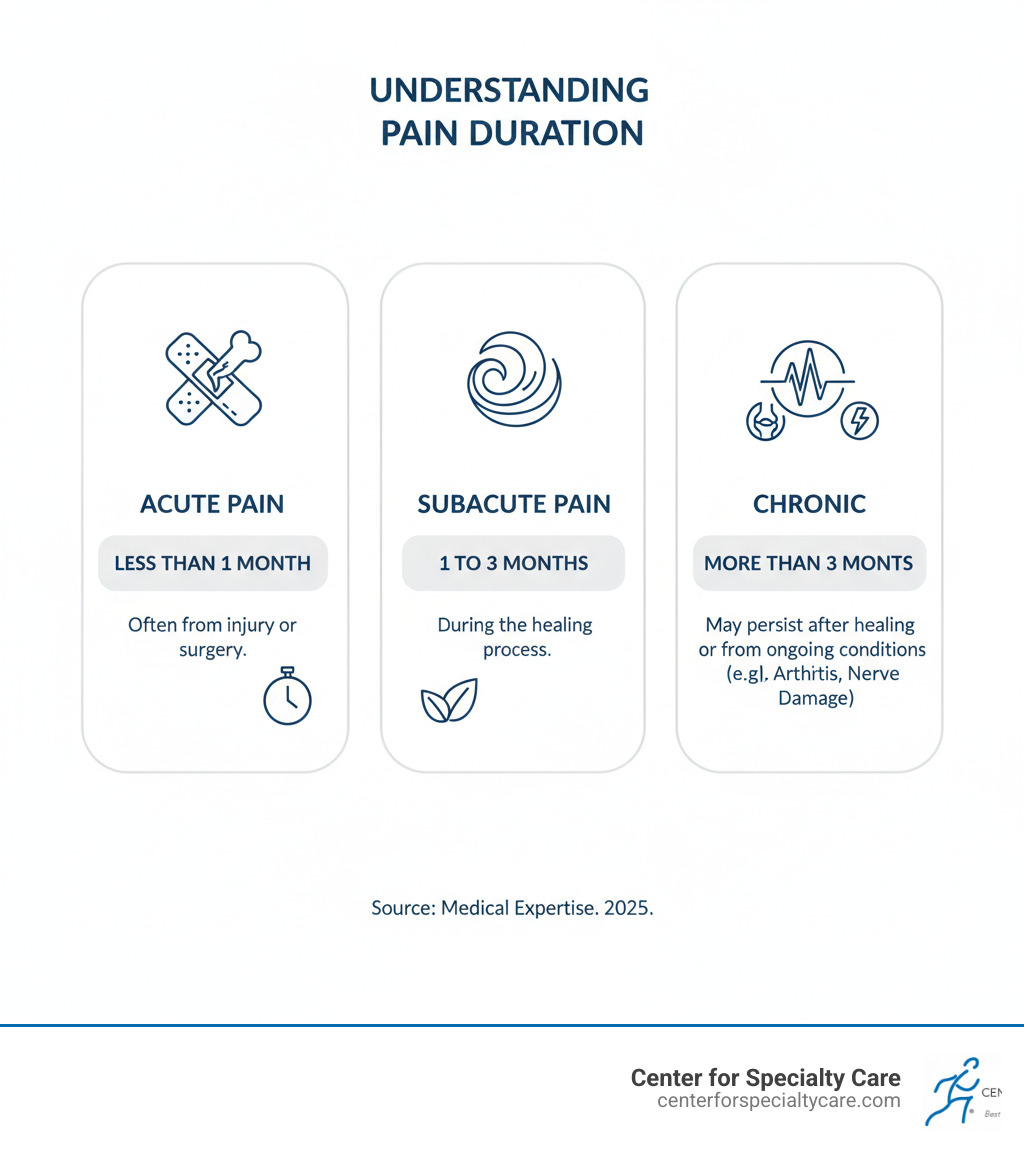
What is a Pain Management Doctor and What Do They Do?
When pain becomes a constant companion, a pain management dr acts as your partner in healing. Unlike other doctors who might focus on masking symptoms or recommending surgery, a pain specialist digs deep to find the root cause of your pain. Their goal is to help you regain function and improve your quality of life—whether that means playing with your grandchildren or simply sleeping through the night.
At the Center for Specialty Care, we understand that pain is personal. Our approach goes beyond simple prescriptions to create a plan that fits your life. Learn more on our Pain Management services page.
What is the role of a pain management dr?
A pain management dr acts as a medical detective for your pain. Their role includes:
- Comprehensive Assessment: They conduct a thorough review of your medical history, perform a physical exam, and analyze diagnostic tests (X-rays, MRIs) to understand the full picture of how pain affects your life.
- Personalized Treatment Plans: They work with you to create a custom plan that may combine medications, physical therapy, and lifestyle changes.
- Performing Specialized Procedures: Many are trained to perform minimally invasive treatments like nerve blocks or epidural steroid injections to target the source of pain without major surgery.
- Coordinating Care: They collaborate with other specialists, such as physical therapists and orthopedic surgeons, to ensure all aspects of your recovery are covered.
- Patient Education: They take the time to explain your condition and treatment options, empowering you to become an active participant in your healing.

Training and Background of a Pain Specialist
Becoming a pain management dr requires extensive training—often more than nine years after college. This rigorous journey includes:
- Medical School (4 years): Building a foundation in medical science.
- Residency Training (4 years): Specializing in a field like anesthesiology (pain control), physical medicine and rehabilitation (restoring function), or neurology (nervous system expertise).
- Pain Medicine Fellowship (1+ year): An intensive year dedicated solely to advanced diagnostic and treatment techniques for all types of pain.
Many specialists also pursue board certification, which demonstrates a mastery of the field. At the Center for Specialty Care, our team brings this deep expertise to every patient, ensuring you receive care from a specialist who has dedicated their career to relieving pain.
The Comprehensive Approach of a Pain Management Dr
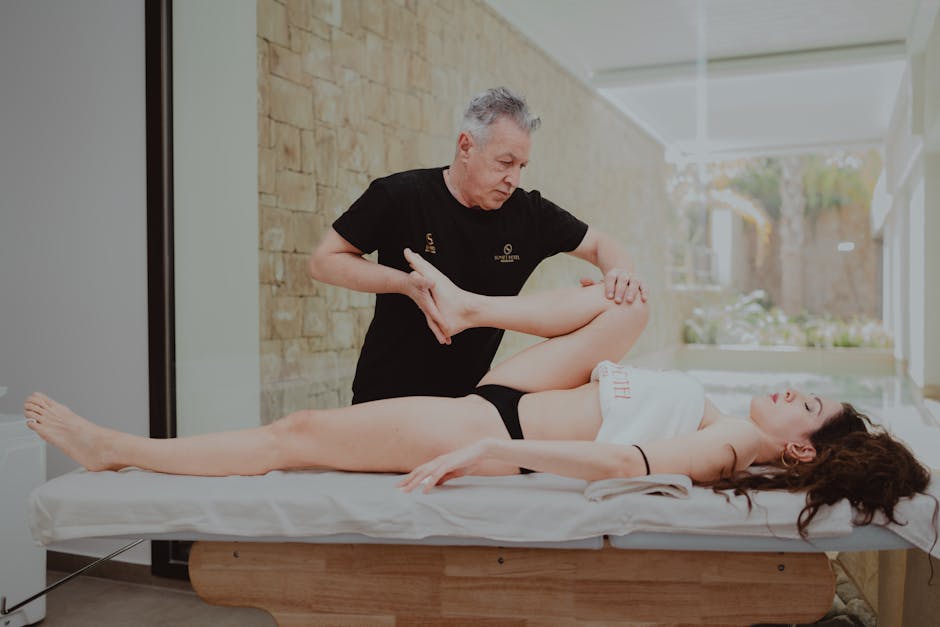
Effective pain management requires looking at the whole picture. At the Center for Specialty Care, our pain management dr specialists use a comprehensive, multidisciplinary approach. We bring together physical therapists, occupational therapists, and other experts to create a holistic treatment plan.
This model allows us to offer a full spectrum of options, from medications and physical therapy to advanced interventional procedures. Our pain management clinics are designed to provide this integrated care under one roof, customizing a plan that matches your unique needs and goals.
Non-Opioid Therapies: The Preferred First Step
We almost always start with non-opioid therapies because they are often highly effective with far fewer risks. The CDC’s guidelines emphasize maximizing these options first. For many, they significantly improve function and quality of life without the dangers of opioid medications.
| Therapy Type | Effectiveness | Side Effects | Risks |
|---|---|---|---|
| Non-Opioid | At least as effective for many acute pains, preferred for subacute/chronic. Improves function and well-being. | Generally mild (e.g., stomach upset for NSAIDs, fatigue for some antidepressants). | Lower risk of dependence, addiction, overdose. |
| Opioid | Can be effective for severe acute pain. | Nausea, constipation, drowsiness, respiratory depression, hormonal changes. | High risk of misuse, addiction, overdose, opioid-induced hyperalgesia. |
Non-opioid medications like NSAIDs (ibuprofen), acetaminophen, and certain antidepressants or anticonvulsants form the foundation of many treatment plans. However, non-pharmacological therapies are often the cornerstone of long-term success. Physical therapy retrains your body, builds strength, and improves flexibility. You can explore our Physical Therapy options to see how they can transform your recovery.
Exercise, weight management, and mind-body practices like yoga or acupuncture also play a vital role. For more details, the CDC offers a resource on Nonopioid Therapies for Pain Management.
While opioids can be appropriate for severe, acute pain, they carry significant risks. Our pain management dr specialists prescribe them with extreme caution, only when benefits outweigh risks, at the lowest effective dose, and for the shortest duration.
Interventional Pain Management Techniques
When pain persists, interventional techniques can be game-changers. These minimally invasive procedures deliver relief directly to the source of your pain.
- Nerve Blocks: Injections of local anesthetic (and sometimes steroids) to interrupt pain signals, providing diagnostic information and therapeutic relief.
- Epidural Steroid Injections: A common treatment for back and neck pain from nerve compression, reducing inflammation at the source. Learn more about Understanding Epidural Steroid Injections.
- Radiofrequency Ablation (RFA): Uses controlled heat to “turn off” specific pain-transmitting nerves, offering relief that can last for many months.
- Spinal Cord Stimulation: An implanted device delivers mild electrical pulses to the spinal cord, interrupting pain signals before they reach the brain.
- Joint Injections: Steroids or hyaluronic acid are delivered into arthritic joints to reduce inflammation and improve function.
These procedures are performed in an outpatient setting, often with imaging guidance for precision and safety, allowing for a quick recovery.
Your Journey with a Pain Specialist
Taking the first step to see a pain management dr is often the turning point toward a better quality of life. Most patients are referred by their primary care physician when pain becomes persistent or complex. Before your first appointment, we encourage you to complete our new patient intake questionnaire, which you can learn about on our New Patient Consult page.
Your first visit will be a thorough consultation. We will review your medical history, conduct a detailed physical exam, and analyze any diagnostic tests. We’ll ask specific questions about your pain—its location, type, and intensity, and how it affects your sleep, mood, and daily activities. Together, we will set realistic treatment goals, whether it’s sleeping through the night or getting back to your favorite hobby.
Communicating Effectively with Your Doctor
A strong partnership with your pain management dr relies on open communication. To make the most of your appointment:
- Come Prepared: Bring your medical records, imaging studies (X-rays, MRIs), and a list of all medications and supplements you take.
- Describe Your Pain in Detail: A pain journal can be very helpful. For a week before your visit, note when your pain occurs, its intensity, and what you were doing. This provides valuable insight.
- Ask Questions: Write down your questions beforehand. Ask about the cause of your pain, your treatment options, and what you can do at home to help. There are no silly questions.
- Participate in Decisions: We practice shared decision-making. Your doctor will explain the pros and cons of each approach, and your preferences and goals will shape the treatment plan.
The CDC offers more Tips for Working Together With Your Doctor.
How to choose the right pain management dr for you
Finding the right doctor is about finding a partner in your healing journey. Look for these key qualities:
- Experience and Credentials: Seek a specialist who is board-certified in pain medicine. Our providers at the Center for Specialty Care have completed rigorous fellowships and maintain ongoing education.
- Treatment Philosophy: Find a doctor who emphasizes a comprehensive approach, starting with the least invasive options first.
- Communication Style: The best doctor explains things clearly, answers questions patiently, and makes you feel heard.
- Compassion: A compassionate doctor recognizes that pain is more than physical and treats you as a whole person.
We invite you to Meet Our Providers and learn about our experienced, compassionate team.
Common Conditions Treated by Pain Specialists
Pain management dr specialists treat a wide range of conditions, from sudden injuries to chronic issues. At the Center for Specialty Care, we are equipped to diagnose and treat pain originating from nearly any part of the body.
Common conditions we treat include:
- Back and neck pain (e.g., herniated discs, sciatica, spinal arthritis)
- Arthritis (both osteoarthritis and inflammatory types like rheumatoid arthritis)
- Neuropathic pain (from nerve damage, such as diabetic neuropathy or post-shingles pain)
- Sports injuries (acute sprains, chronic overuse injuries)
- Headaches and migraines (chronic tension headaches, cluster headaches)
- Cancer pain
- Post-surgical pain
- Fibromyalgia and Complex Regional Pain Syndrome (CRPS)
Specific Focus: Back, Joint, and Sports-Related Pain
At the Center for Specialty Care, we have particular expertise in musculoskeletal pain, where our pain management dr specialists work closely with our orthopedic, rheumatology, and physical therapy teams.
- Back and Spinal Conditions: We treat everything from herniated discs to degenerative disc disease. Our team uses targeted treatments like epidural steroid injections and radiofrequency ablation to provide relief. Learn more about Common Spinal Conditions.
- Arthritis and Joint Pain: For conditions like osteoarthritis in the knees or hips, we offer solutions such as joint injections and medication management, coordinated with physical therapy to improve mobility. Our Hip and Knee Pain treatments are a core service, often involving collaboration with our Orthopedics department.
- Sports-Related Injuries: Our goal is to get you back to peak performance safely. We treat injuries like rotator cuff tears and tendonitis by combining physical therapy with targeted injections to speed recovery. Our Sports Medicine services are designed for athletes of all levels.
Our multidisciplinary approach ensures we find the right combination of treatments for your unique situation.
Frequently Asked Questions about Pain Management
We know that seeking help from a pain management dr can bring up many questions. Here are answers to some of the most common concerns we hear from patients at the Center for Specialty Care.
What is the difference between a pain management doctor and an orthopedic surgeon?
This is an excellent question. While both specialists help you overcome pain, their primary approaches differ.
- A pain management dr specializes in non-surgical and minimally invasive treatments. They use techniques like targeted injections, nerve blocks, and medication management to help you find relief and potentially avoid surgery.
- An orthopedic surgeon is trained to perform surgical procedures to correct structural problems in your bones and joints, such as joint replacements or repairing severe fractures.
At the Center for Specialty Care, these specialists work hand-in-hand. Our pain doctors may explore all conservative options before referring you to a surgeon, or our surgeons may refer you for non-surgical pain management. This collaboration between our pain specialists and our Orthopedics department ensures you get the right care at the right time.
How long does it take to get relief?
The timeline for pain relief is different for everyone and depends on several factors:
- The type and duration of your pain: Acute pain from a recent injury often improves faster than chronic pain that has lasted for months or years.
- Your specific condition: An inflamed joint might respond to an injection within days, while complex nerve pain may require more time to manage.
- Your individual response: Every person’s body is unique, so we continuously monitor your progress and adjust your plan as needed.
- Your participation: Consistently following through with physical therapy and other recommendations is crucial for lasting relief.
We aim to start providing relief as quickly as possible, but our ultimate goal is sustainable improvement in your function and quality of life.
Are pain management procedures painful?
It’s understandable to worry about pain during a pain management procedure. We design these treatments with your comfort as a top priority.
- Local anesthetic is used to numb the area before most injections. You may feel a brief pinch, but the procedure itself should be tolerable.
- Sedation options are available for anxious patients or for more involved procedures to help you relax.
- Procedures are minimally invasive, involving small needles rather than large incisions, which means less discomfort and a quicker recovery.
- Post-procedure soreness is typically mild and manageable with ice.
Your pain management dr will provide clear instructions and ensure you are comfortable. Your safety and comfort are our top priorities.
Conclusion
The most important takeaway is this: you don’t have to live with chronic pain. While it may feel like pain controls your life, there is real hope for relief and improved function with the right help.
A pain management dr offers specialized training and a wide range of treatments to create a personalized path forward. They become your partner, focusing on the safest and most effective options to address your pain comprehensively.
At the Center for Specialty Care, our multidisciplinary team serves communities like Fairmont MN, Estherville IA, Buffalo Center IA, and St James MN. We combine the expertise of pain management dr specialists, orthopedic surgeons, and physical therapists to provide well-rounded care. Our commitment to patient satisfaction and quick appointment availability means we’re ready to help when you need it most.
You deserve to do the things you love without pain holding you back. We invite you to take control of your pain journey by exploring our Pain Management program. Our dedicated team is ready to listen and work with you to create a path toward lasting relief. Let’s take that first step together.