Step-by-Step: Navigating Foot Tendon Surgery Billing Questions
June 12, 2026
The Complete Guide to Shoulder Blade Pain Causes
June 16, 2026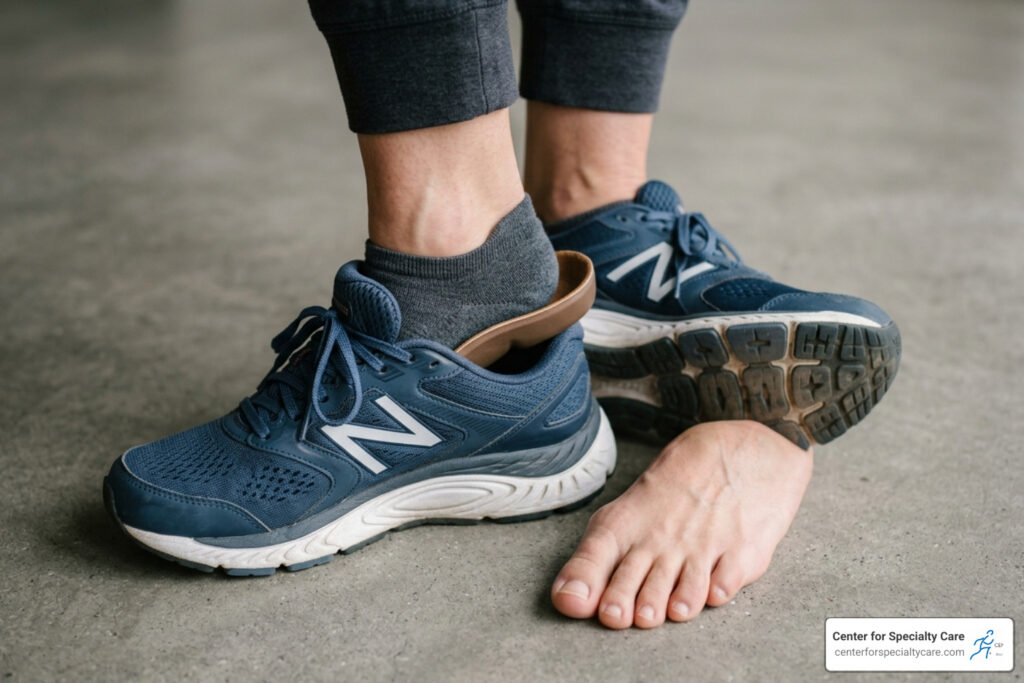
The Best Orthotics to Help Women with Flat Feet Stand Tall
Why Support for Flat Feet Womens Matters More Than You Think
Support for flat feet womens is one of the most searched foot health topics — and for good reason. If you just want a quick answer, here are the best types of support to look for:
- Firm arch support insoles with a low-to-medium arch height (not soft cushioning)
- Deep heel cup orthotics to stabilize the ankle and reduce overpronation
- Posted heel inserts (like Aetrex or Superfeet) for anatomical alignment
- Low-profile insoles for dress shoes, flats, or fashion footwear
- Supportive footwear with removable insoles and a roomy toe box
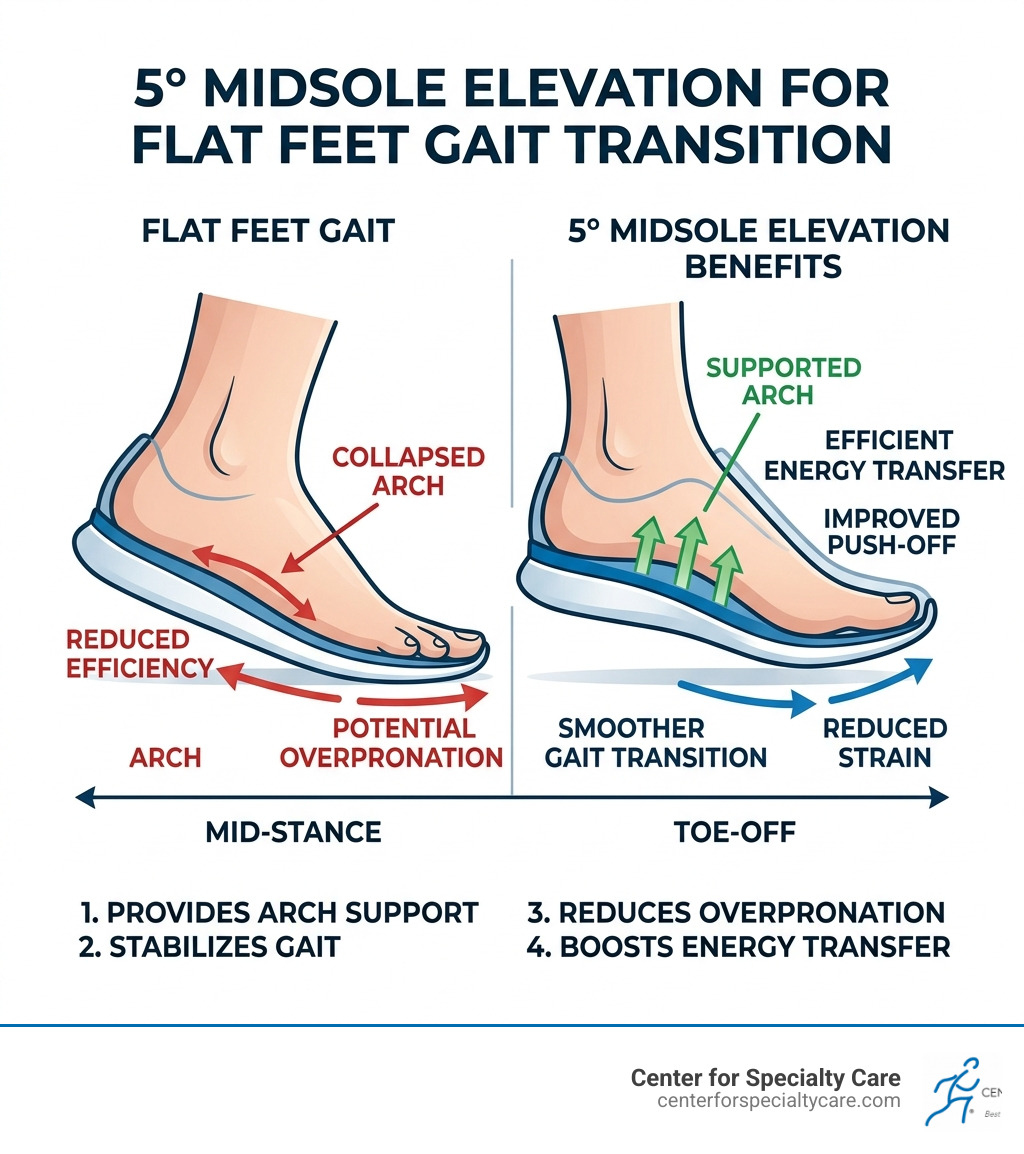
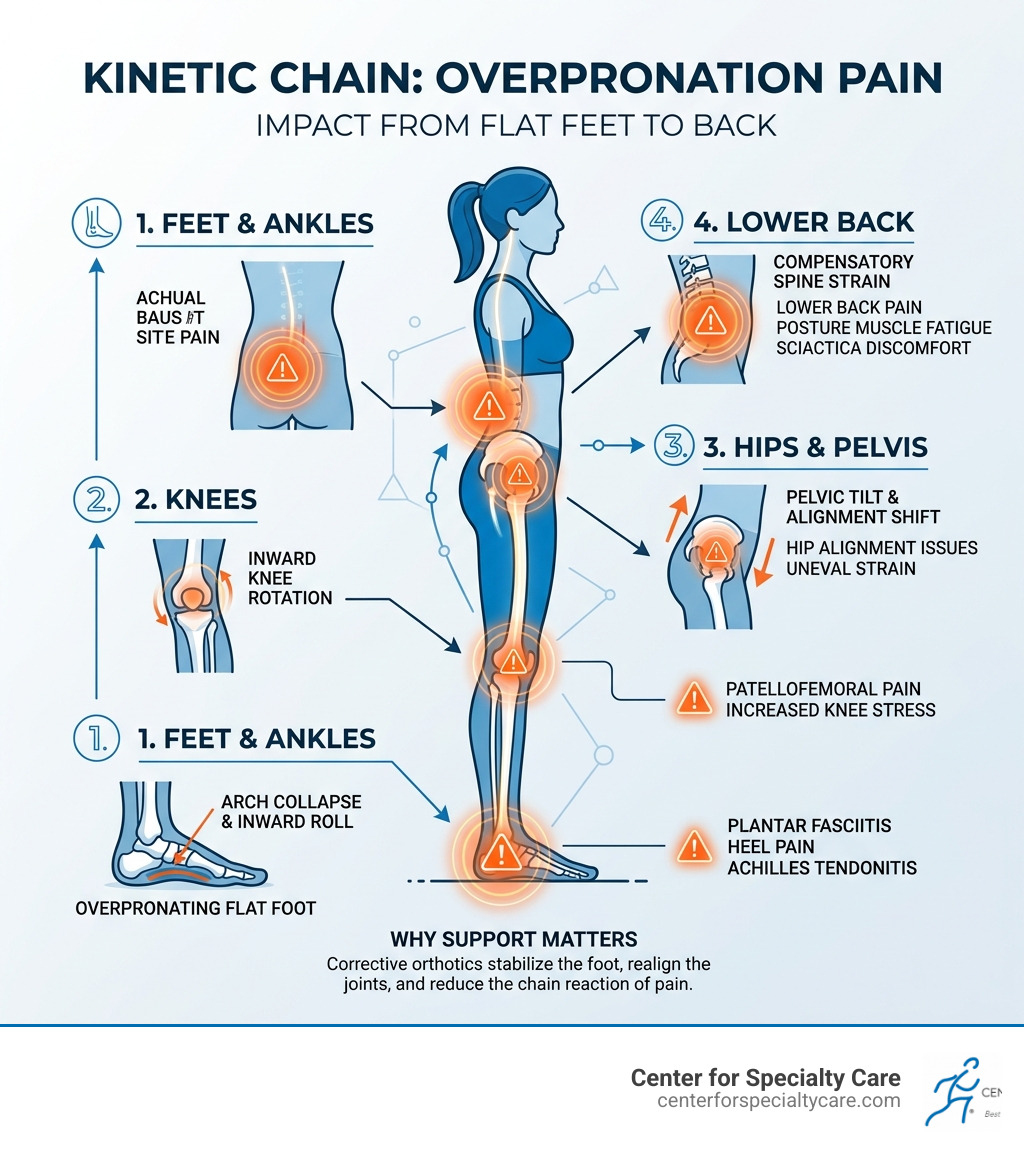
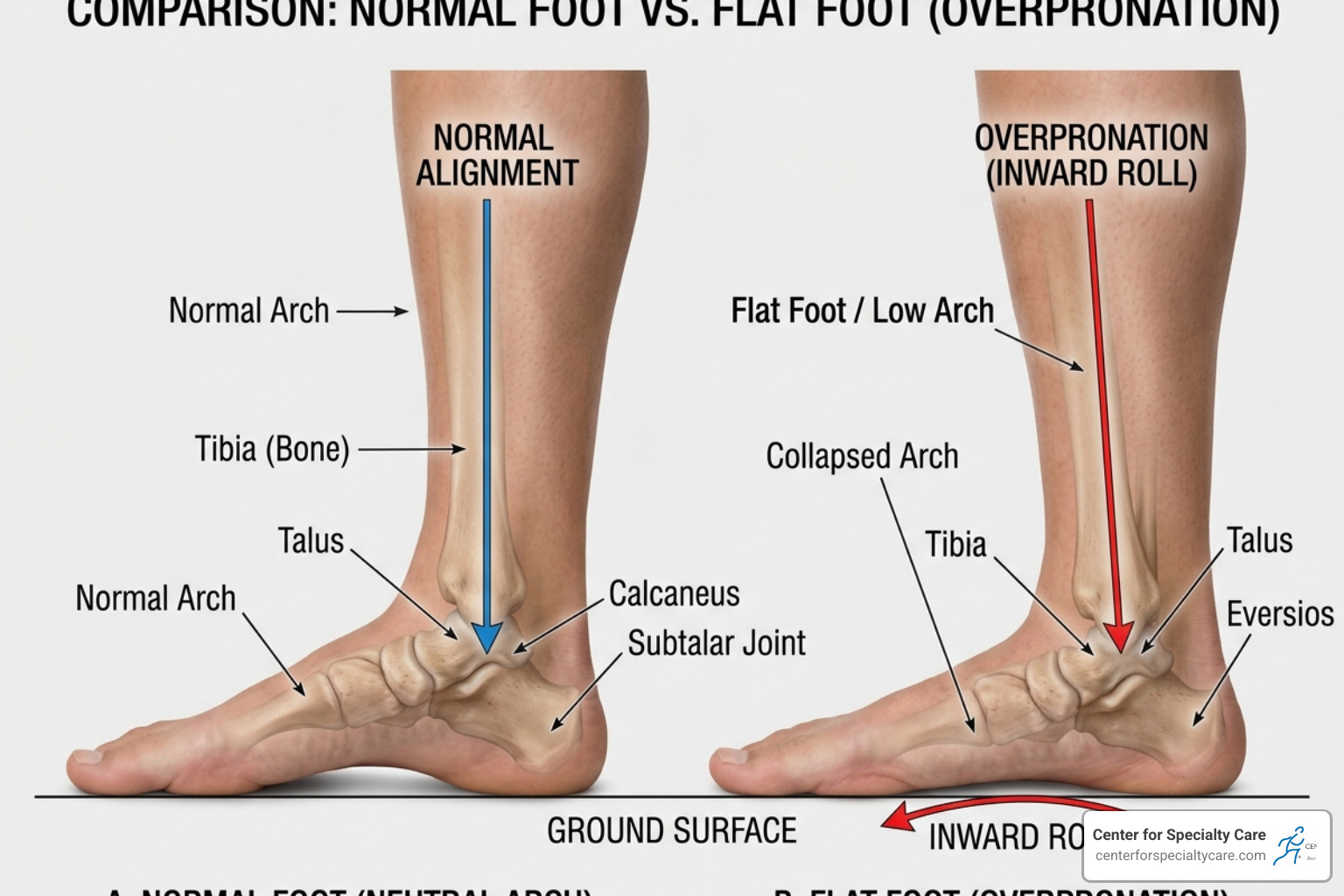
Flat feet — also called fallen arches or pes planus — happen when the arch of the foot collapses so that the entire sole touches the ground when standing. This is more than a cosmetic issue. When the arch flattens, the foot rolls inward during movement, a pattern called overpronation. That inward roll sends a ripple of stress up through the ankles, knees, hips, and lower back.
For women, this problem is compounded by anatomy. Wider hips create a larger angle between the thighbone and the knee, which puts extra pressure on joints that are already being stressed by poor foot alignment. Pregnancy can also flatten the arches permanently. The result? Pain that feels like it’s everywhere — heels, knees, even your lower back — and it often starts with your feet.
The good news: the right orthotic support can make a real difference.
I’m Dr. Corey Welchlin, a board-certified orthopedic surgeon with over 30 years of experience treating musculoskeletal conditions — including the joint and alignment issues that stem directly from inadequate support for flat feet womens. In this guide, I’ll walk you through the best orthotic options available so you can make a confident, informed choice.
Understanding the Need for Support for Flat Feet Womens
When we talk about support for flat feet womens, we aren’t just talking about the bottom of the foot. We are talking about the foundation of the entire body. As of May 2026, we understand more than ever how a woman’s unique anatomy dictates her need for specific orthopedic interventions.
The Overpronation Trap
Flat feet often lead to a mechanical failure known as overpronation. This is when your feet and ankles roll inward excessively during movement. Think of it like a car with a misaligned axle; eventually, the tires (your feet) wear down, but so does the suspension (your knees and hips). This inward roll causes a “kinetic chain” reaction. Because the foot doesn’t provide a stable base, the lower leg rotates inward, which pulls on the knee and can eventually lead to chronic back pain.
Why Women Face Greater Risks
Women are biologically predisposed to more complications from flat feet than men. One major factor is the “Q-angle”—the angle at which the femur (thighbone) meets the tibia (shinbone). Because women generally have wider hips, this angle is more pronounced. When you add flat feet to the mix, the knees are forced to turn outward or misalign even further, leading to conditions like runner’s knee.
The Impact of Life Stages
Pregnancy is a significant contributor to fallen arches. The combination of increased weight and the hormone relaxin, which loosens ligaments to prepare for childbirth, can cause the arches to collapse. Many women find that their shoe size increases or their feet become permanently flatter after pregnancy. Without proper support for flat feet womens, this can lead to muscle co-contraction—where muscles on both sides of a joint work too hard to stabilize the body—resulting in extreme fatigue and joint strain.
Top Orthotic Solutions for Daily Comfort and Stability
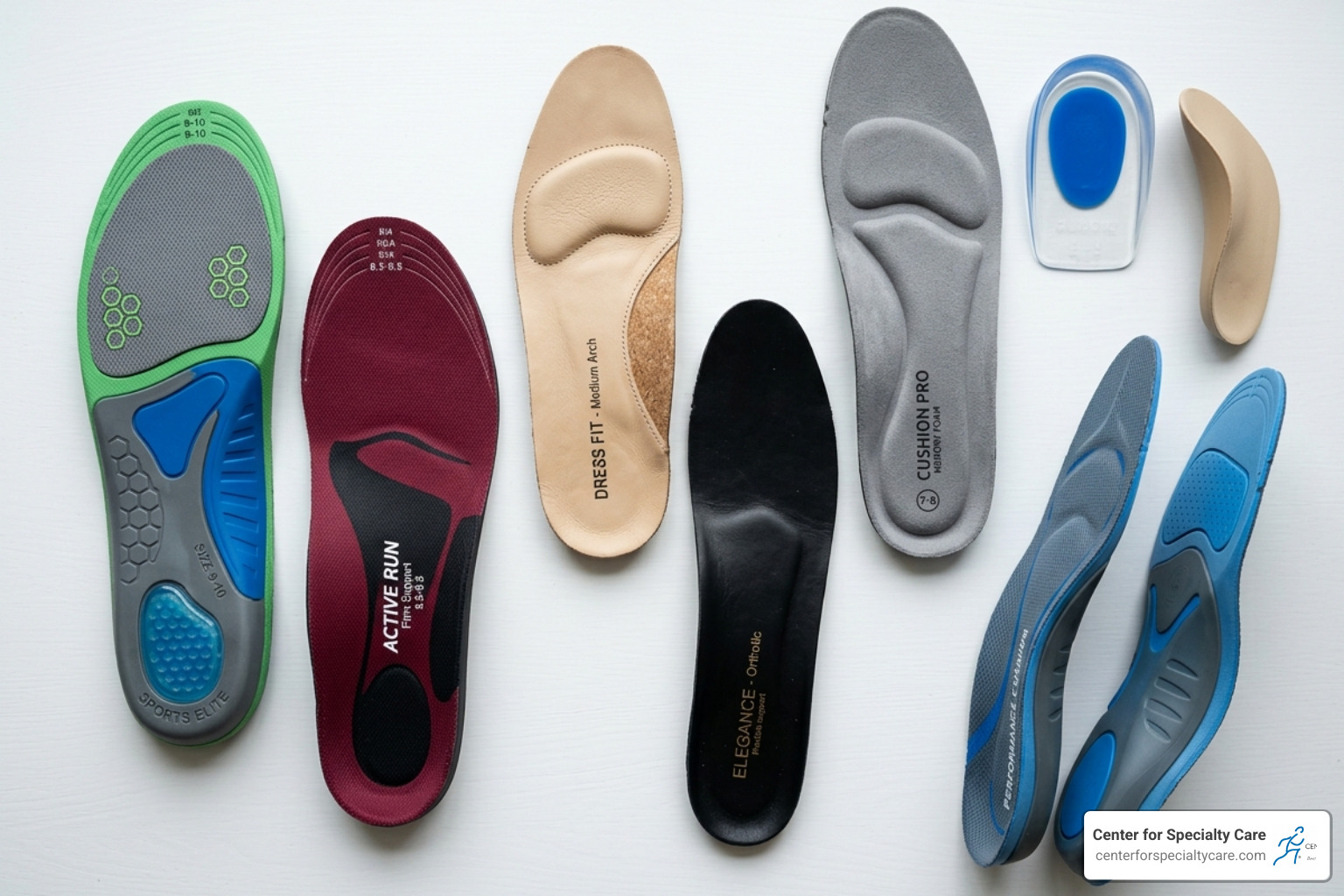
Choosing the right orthotics can feel like wandering through a “long, dark, confusing tunnel,” as some experts put it. However, the goal is simple: redistribute weight and stabilize the calcaneus (heel bone).
The Power of Firm Support
One of the biggest misconceptions we see in our Fairmont and Estherville clinics is the idea that “soft and squishy” equals “good.” In reality, soft, cushy insoles often worsen the problem because they don’t provide the structural resistance needed to stop the arch from collapsing. You need firm support that acts like a spring, working in concert with your foot’s natural movement.
For those with severe alignment issues, custom orthotics are often the gold standard. Unlike over-the-counter versions, these are molded to your specific foot shape to provide precision correction.
Essential Features to Look For:
- Deep Heel Cup: This stabilizes the heel and reduces strain on the Achilles tendon.
- Metatarsal Pads: These help redistribute pressure away from the ball of the foot, which is crucial for women who suffer from metatarsalgia.
- Shock Absorption: Essential for high-impact activities like walking on the hard floors of schools or hospitals.
Essential Arch Support for Flat Feet Womens
When selecting an insert, you must distinguish between “flexible” and “rigid” flat feet. If an arch appears when you sit down but disappears when you stand, you have flexible flat feet and typically need a medium arch height. If there is no arch even when unweighted, you likely need a lower, firmer arch support to avoid discomfort.
Products like Premium Memory Foam Orthotics offer a unique blend. They use high-density memory foam for comfort but include a “posted heel.” A medial rearfoot post is a specialized mechanical feature that keeps the foot aligned and prevents it from rolling inward. This anatomical alignment is the secret to standing tall without pain.
Specialized Support for Flat Feet Womens in Fashion Shoes
Many women feel they have to choose between looking professional and feeling comfortable. Thankfully, the industry has caught up. Low-profile inserts are designed specifically for slim-fitting footwear like dress shoes and loafers.
If you prefer a shoe with built-in support, options like the Tess Flat with Arch Support are excellent. These often feature removable insoles, allowing you to swap in your medical-grade orthotics if needed. We generally recommend keeping heel heights to two inches or less. Habitual wearing of high heels can actually shorten the Achilles tendon and stiffen calf muscles, making it even more painful to walk in flat shoes or barefoot later on.
While some popular styles like the Heloise Mary Jane Flat may fluctuate in availability, the key is to look for a “roomy toe box” and an “elasticized topline” to accommodate the foot spreading that naturally occurs with flat feet.
Benefits of Orthotic Inserts for Pain Relief and Alignment
The benefits of finding the right support for flat feet womens go far beyond the feet themselves.
Relieving Plantar Fasciitis
The plantar fascia is a thin ligament that connects your heel to your toes. When your arch collapses, this ligament is stretched to its breaking point. This often results in “stabbing heel pain” first thing in the morning. Orthotics help by taking the tension off that ligament. By redistributing pressure, you can significantly reduce morning stiffness and chronic inflammation.
Improved Stability and Gait
A proper walking shoe, such as the Vionic Walker – Women’s Shoe, uses technology like Tri-Planar Motion Control. This isn’t just marketing speak; it refers to controlling the foot’s movement across three different planes to ensure your gait is as efficient as possible. This correction helps reduce the “forceful strides” that put extra pressure on knee joints and lead to osteoarthritis.
Reducing Lower Back Pain
If your feet are misaligned, your pelvis often tilts to compensate, which puts a curve in your lower back. By using orthotics to “level the foundation,” many women find that their chronic hip and lower back aching disappears within a few weeks of consistent use.
How to Choose and Use Your New Orthotics
Buying the orthotics is only half the battle; using them correctly is what actually provides relief.
Sizing and Fit Tips
Always measure your feet while standing. Your foot spreads under your body weight, which is the state it will be in when you need the most support. If you are between sizes, always size up. You can trim a larger insole to fit your shoe, but you can’t make a small one larger.
| Feature | Full-Length Inserts | 3/4 Length Inserts |
|---|---|---|
| Best For | Athletic shoes, work boots, sneakers | Dress shoes, flats, sandals |
| Stability | Maximum; covers the whole foot | Moderate; focuses on arch/heel |
| Trimming | Usually required | Not required |
| Toe Room | Takes up more space | Leaves toes free |
The Break-In Period
Don’t expect to run a marathon on day one. Your feet have likely been misaligned for years, and the muscles need time to adjust to the new, healthy position. We recommend a 3–5 day break-in period. Wear them for an hour or two the first day, and gradually increase the time as your comfort allows.
Maintenance and Replacement
Quality orthotics generally last about 6–12 months depending on your activity level. Look for moisture-wicking materials and antimicrobial linings (like those infused with copper) to manage odors. If the arch feels like it’s “bottoming out” or the top cover is peeling, it’s time for a replacement.
Frequently Asked Questions about Flat Feet
How do I know if I have flat feet?
The easiest way is the Wet Footprint Test. Wet your feet and stand on a piece of cardboard or a dry concrete floor. If the footprint looks like a solid slab without a curve on the inside, you likely have flat feet. You can also try the Unweighted Arch Test: sit down and place your ankle on your opposite knee. If an arch appears while sitting but disappears when you stand, you have flexible flat feet.
Can flat feet cause knee and back pain?
Absolutely. Because of the kinetic chain, flat feet cause the lower leg to rotate inward. This puts stress on the medial side of the knee and forces the hips and lower back to work harder to keep you upright. This is a primary cause of “runner’s knee” and premature joint wear in women.
When should I see a podiatrist?
While over-the-counter inserts work for many, you should consult a professional if:
- You have severe pain that prevents daily activities.
- You experience numbness or tingling in your feet.
- One foot is significantly flatter than the other (this can indicate a neurological or tendon issue).
- Your “morning stiffness” doesn’t improve with stretching or basic inserts.
Conclusion
At the Center for Specialty Care, we believe that no woman should have to live with the “stabbing pain” or “all-day fatigue” caused by flat feet. Whether you are a nurse standing for a 12-hour shift in Fairmont or a busy mom chasing kids in Estherville, your comfort is our priority.
We offer comprehensive care, from non-surgical remedies like custom-molded orthotics to advanced surgical options if conservative treatments aren’t enough. Our USP is 100% patient satisfaction and personalized care that treats you like a person, not just a pair of feet.
Don’t let fallen arches hold you back from standing tall. Schedule a podiatry consultation at our Fairmont clinic today and take the first step toward a pain-free life.