
In Depth Guide to Fasciotomy Procedure and Recovery
August 5, 2026
When Scapula Pain Goes South: Radiating Shoulder Blade Pain Explained
August 7, 2026
How to Do Exercises for Tendonitis in Foot Without Tripping Up
Understanding Foot Tendonitis and Why Movement Matters
When you experience severe aching or sharpness along your ankle or arch, it is easy to assume that complete rest is the best medicine. However, current sports medicine and orthopedic research show that complete immobilization often leads to negative consequences for tendon healing. Soft connective tissues require controlled, progressive physical stress to rebuild collagen fibers and increase load capacity. Movement truly is medicine when it comes to foot tendon health.
To manage your recovery effectively, it helps to know which tendon is causing your pain. You can learn more about how these structures work by checking out our guide on Everything You Need to Know About Foot Tendons.
Foot Tendonitis Types and Root Causes
Foot tendonitis develops when a tendon experiences collagen strain from continuous micro-tears that outpace the body’s natural repair mechanisms. The primary types of foot tendonitis include:
- Achilles Tendinopathy: Irritation of the large tendon connecting your calf muscles to your heel bone, causing pain along the back of the ankle.
- Peroneal Tendonitis: Affects the tendons running along the outside edge of your foot and outer ankle, which stabilize the foot on uneven terrain.
- Extensor Tendonitis: Causes pain along the top of the foot, often aggravated by tight shoes or excessive upward pulling of the toes.
- Posterior Tibial Tendonitis: Causes pain along the inside of the foot and ankle, crucial for supporting the arch of your foot.
Common root causes include sudden increases in physical activity, changing to unsupportive footwear, repetitive stress from running or lateral sports like pickleball and basketball, and anatomical variations like flat feet or high arches. To understand how these factors combine to trigger pain, read our overview on Stepping Up to Foot Tendonitis: Everything You Need to Know.
Is Exercise Safe During Tendonitis Recovery?
Yes, executing safe exercises for tendonitis in foot conditions is both effective and recommended. Research confirms that dynamic stretching and gradual strengthening support optimal tendon adaptation. While complete immobilization reduces a tendon’s load-bearing ability, structured exercises promote blood circulation, reduce morning stiffness, and build surrounding muscle strength to offload stress from the injured area. For evidence-based clinical protocols, consult the Achilles Tendinopathy Management Guide.
Safe and Effective Exercises for Tendonitis in Foot
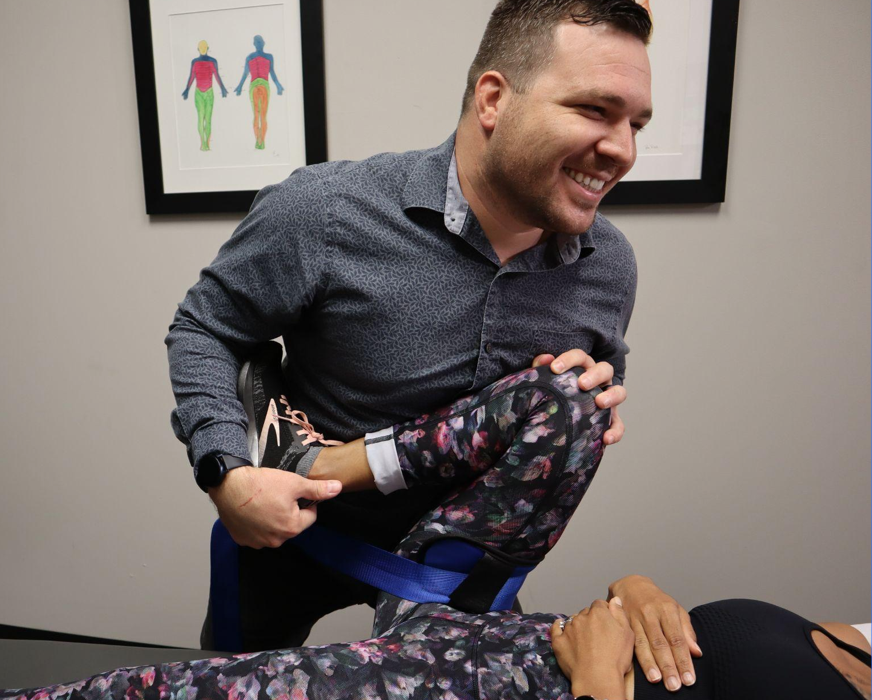
A balanced routine combines flexibility work, intrinsic foot muscle strengthening, and load management. Below are key exercises organized by difficulty and targeted tendon group. For an extensive home rehabilitation routine, view the Extensor Tendonitis Exercise Protocol.
Basic Stretches and Mobility Routine
These initial mobility movements focus on loosening tight calf muscles and improving general ankle range of motion without placing excessive strain on the tendons:
- Towel Calf Stretch: Sit tall on the floor with your legs straight. Loop a towel around the ball of your foot and gently pull it toward your torso until you feel a comfortable stretch in your calf. Hold for 20–30 seconds and repeat 3 times.
- Golf Ball Foot Roll: While seated, place a golf ball or small rolling pin under the arch of your foot. Roll it from the heel to the ball of your foot for 2 minutes to release tension in the foot sole.
- Toe Splays and Scrunches: Splay your toes wide apart, hold for 5 seconds, and relax. Next, spread a small towel on the floor and use your toes to scrunch it toward you. Do 10–12 repetitions.
- Gentle Ankle Circles: Lift your foot off the floor and trace full clockwise and counter-clockwise circles in the air with your big toe, completing 10 rotations each way.
For a fast daily stretching sequence, try incorporating this structured 6-Minute Treatment Routine for Foot Tendonitis.
Targeted Exercises for Tendonitis in Foot: Peroneal and Extensor
Different tendons need targeted movements to promote optimal recovery:
- Banded Ankle Eversion (for Peroneal Tendonitis): Loop a light resistance band around the outside of your feet near the pinky toes. Keeping your heels grounded, push your feet outward against the band’s resistance. Perform 3 sets of 10 repetitions.
- Tibialis Anterior Raises (for Extensor Tendonitis): Lean your back against a wall with your feet placed about a foot out. Lift the front of your feet and toes toward the ceiling while keeping your heels flat. Hold for 2 seconds at the top and lower slowly. Do 2 sets of 12 repetitions.
- Toe Flexion Stretch: While seated, pull your toes back toward your heel to stretch the top of your foot and extensor tendons gently for 1 to 2 minutes.
- Single-Leg Balance Hold: Stand near a wall or counter for safety. Lift your unaffected foot and balance on your injured leg for 30 seconds to engage stabilizing tendons. Repeat 3 times.
Explore more specific dynamic routines with these 7 Exercises for Peroneal Tendonitis Relief and review our guidelines on Extensor Tendonitis Recovery Strategies.
Step-by-Step Exercises for Tendonitis in Foot by Recovery Phase
Progressing through distinct phases ensures you build strength safely without overloading tissue:
- Phase 1 (Early Recovery – Isometrics): Perform non-weight-bearing exercises like double-leg standing heel raises with a static hold (level 1 isometric hold for 20-30 seconds, 3 times per day) and seated towel stretches.
- Phase 2 (Mid Recovery – Eccentrics): Introduce controlled eccentric lowers. Stand on a step with your heels hanging off, raise up on both feet, shift your weight to the affected foot, and slowly lower your heel below step level over 3 to 5 seconds.
- Phase 3 (Late Recovery – Concentric Loading): Advance to single-leg heel raises, functional squats, and side-stepping with band resistance to restore full load tolerance.
To prevent re-injury, read our specialized Achilles Tendonitis Insights.
Managing Pain and Safe Exercise Progression

Monitoring your symptoms carefully ensures your routine builds strength without causing tissue damage.
| Pain Level | Description | Recommended Action |
|---|---|---|
| Green Light (0–3/10) | Mild discomfort or stiffness; subsides during warm-up | Safe to proceed with current exercise routine |
| Yellow Light (4–5/10) | Moderate ache that remains consistent during movement | Maintain current exercise volume; do not increase resistance |
| Red Light (6+/10) | Sharp, severe pain or worsening swelling after exercise | Discontinue exercise immediately; reduce load volume for next session |
What to Do If Foot Pain Flare-Ups Occur
If you experience a symptom flare-up, do not panic or discontinue movement altogether. Complete rest causes tendons to lose structural tolerance. Instead, decrease your repetition volume, switch to non-weight-bearing exercises, and limit wrapped ice application to 15 minutes per session. If discomfort persists, learn more about your options through our guide on Step Pain-Free Again Options.
Complementary Treatments and Long-Term Prevention
Physical exercise produces the best long-term outcomes when combined with smart self-care practices:
- RICE Protocol (Rest, Ice, Compression, Elevation): Useful during acute flare-ups to reduce excessive localized swelling.
- Supportive Footwear and Orthotics: Temporary heel lifts or supportive arches relieve strain on the Achilles and posterior tibial tendons.
- Physical Therapy Modalities: Advanced therapies like shockwave therapy can stimulate stubborn tendons, though progressive physical exercise remains the foundational treatment.
Discover comprehensive approaches to recovery in our complete guide on How to Treat Tendonitis.
Preventing Tendonitis Recurrence
- Always warm up dynamic foot mobility before engaging in high-impact or lateral sports.
- Keep calf muscles pliable with regular standing calf stretches against a wall.
- Replace worn-out athletic shoes every 300 to 500 miles.
- Incorporate low-impact cross-training activities like swimming or cycling into your weekly fitness routine.
- Gradually increase workout duration or intensity by no more than 10% per week.
Frequently Asked Questions About Foot Tendonitis
How long does it take to recover from foot tendonitis with exercise?
Recovery typically ranges from 3 to 12 months depending on symptom duration, baseline muscle strength, and exercise consistency. Consistent progressive loading is key to building durable collagen fibers.
Should I stop exercising if my foot tendon hurts?
Not necessarily. Mild discomfort (up to 3 or 4 out of 10) is acceptable during exercise, provided symptoms return to baseline within 24 hours. If pain spikes higher or lingers into the next day, reduce your intensity rather than stopping entirely.
Can stretching cure extensor tendonitis on top of my foot?
Stretching calf muscles and the top of the foot relieves mechanical tension, but full recovery requires combining stretches with proper shoe fit (loosening tight lacing across the arch) and strengthening the foot’s intrinsic flexors.
Conclusion
Recovering from foot tendonitis requires patience, proper technique, and dynamic load progression. By incorporating progressive exercises for tendonitis in foot rehab, listening to your body’s pain signals, and avoiding complete immobilization, you can safely rebuild tissue strength and move comfortably again.
If foot pain continues to interfere with your daily life, the medical team at Center for Specialty Care is here to support you. Serving patients in Fairmont, MN, Estherville, IA, Buffalo Center, IA, St. James, MN, and the surrounding areas in Minnesota and Iowa, our clinic provides personalized non-surgical and orthopedic evaluations tailored to your goals. Contact us today for Comprehensive Pain Management Options and get back on your feet with confidence.