
The Complete Guide to Relieving Rhomboid Pain
May 15, 2026
The Definitive Guide to Shoulder Joint Anatomy
May 22, 2026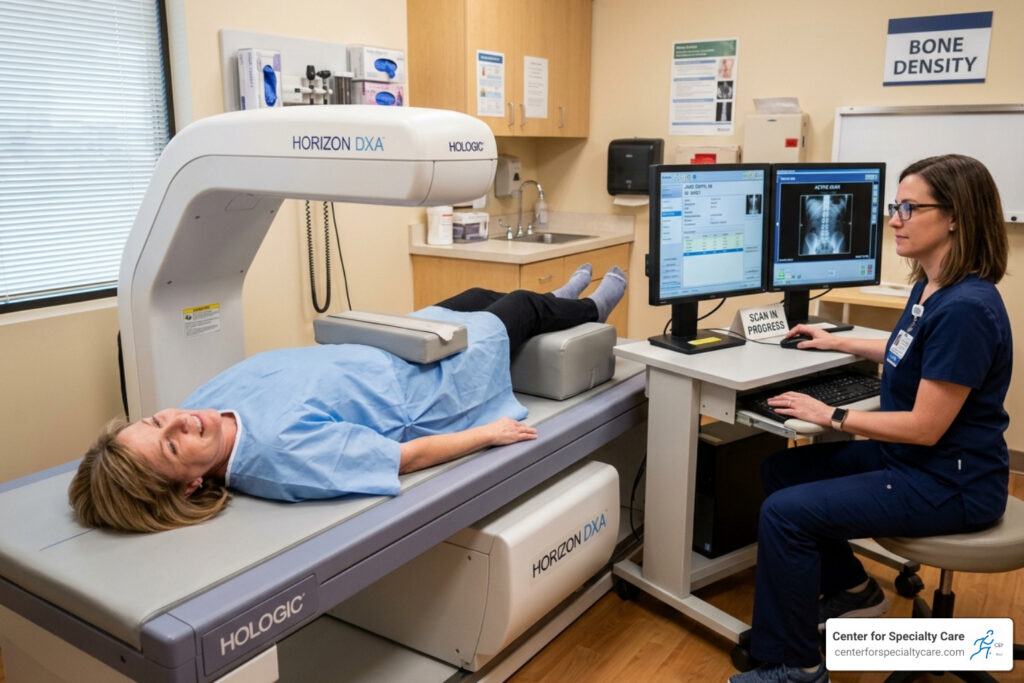
The Skeleton Crew Guide to Bone Meds
Understanding Osteoporosis and the Need for Bone Density Medication
Osteoporosis is often called a “silent disease” because you can’t feel your bones getting weaker. Many of our patients in Fairmont or St. James don’t realize they have it until they experience a painful fracture from a minor trip or even a strong sneeze.
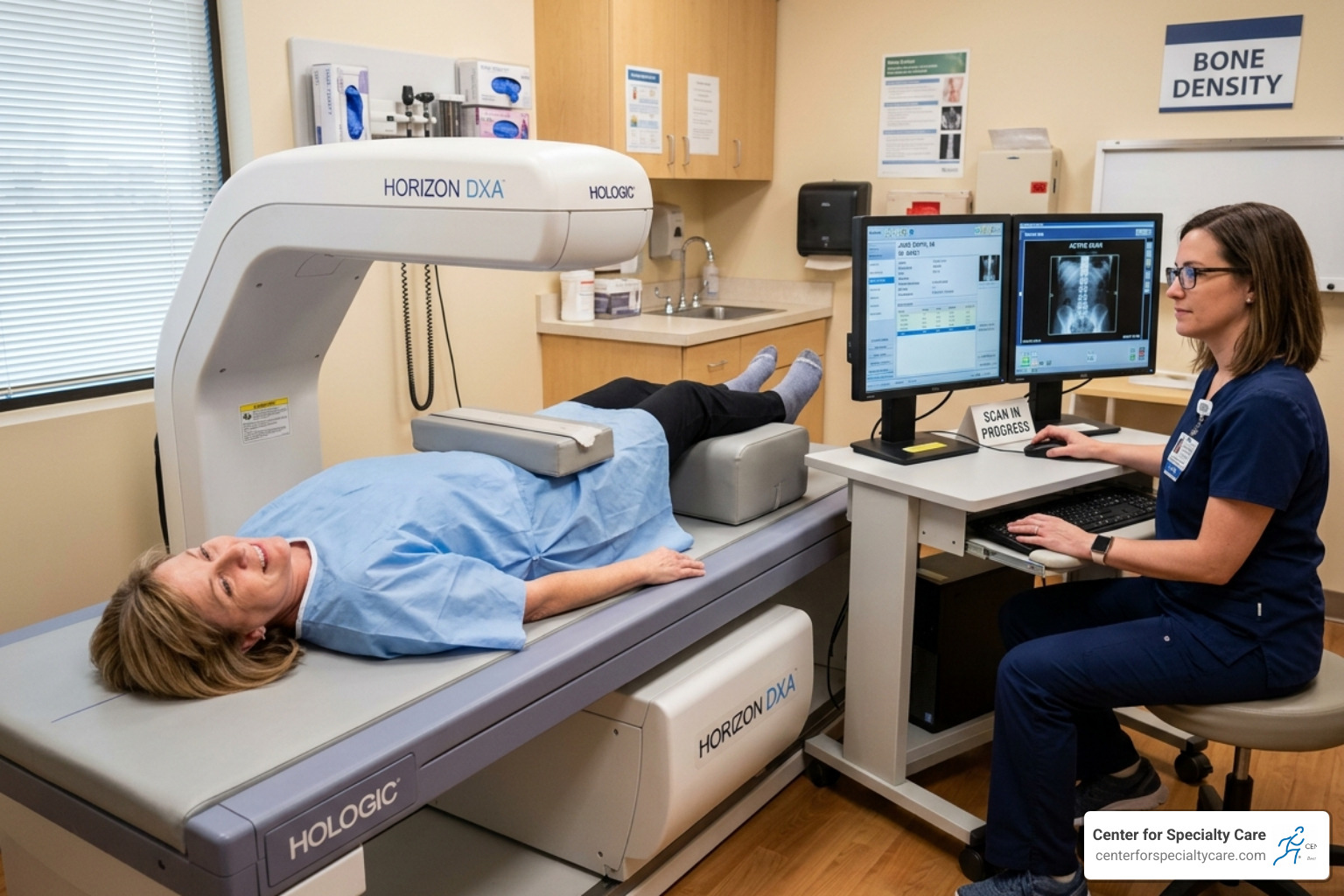
To catch bone loss before a break happens, we use a DEXA (Dual-Energy X-ray Absorptiometry) scan. This specialized imaging measures bone mineral density, typically at the hip and spine. The results are provided as a T-score, which compares your bone density to that of a healthy 30-year-old.
- Normal: T-score of -1.0 or higher.
- Osteopenia: T-score between -1.0 and -2.5 (this is the “warning zone” of low bone mass).
- Osteoporosis: T-score of -2.5 or lower.
Beyond the T-score, we also use the FRAX tool, a fracture risk assessment that calculates your 10-year probability of a major osteoporotic fracture. We look at factors like age, smoking status, and family history. For those in our community, Bone Density Testing in Fairmont is a vital step in mapping out your skeletal health.
If left untreated, osteoporosis can lead to vertebral compression fractures. These occur when the weakened vertebrae in your spine collapse, causing back pain, loss of height, and a hunched posture (kyphosis).
When is Medication Recommended?
Lifestyle changes like diet and exercise are wonderful, but sometimes the “Skeleton Crew” needs reinforcements. According to Bone Health and Medication Guidelines, medication is generally recommended if:
- Your T-score is -2.5 or lower at the hip or spine.
- You have already suffered a hip or vertebral fracture from a standing fall.
- You have osteopenia (T-score between -1.0 and -2.5) but a high FRAX score indicating a significant risk of breaking a bone in the next decade.
How Bone Density Medication Works
The goal of any bone density medication is simple: restore the balance of bone remodeling to prevent fractures. We categorize these drugs into two main “teams”:
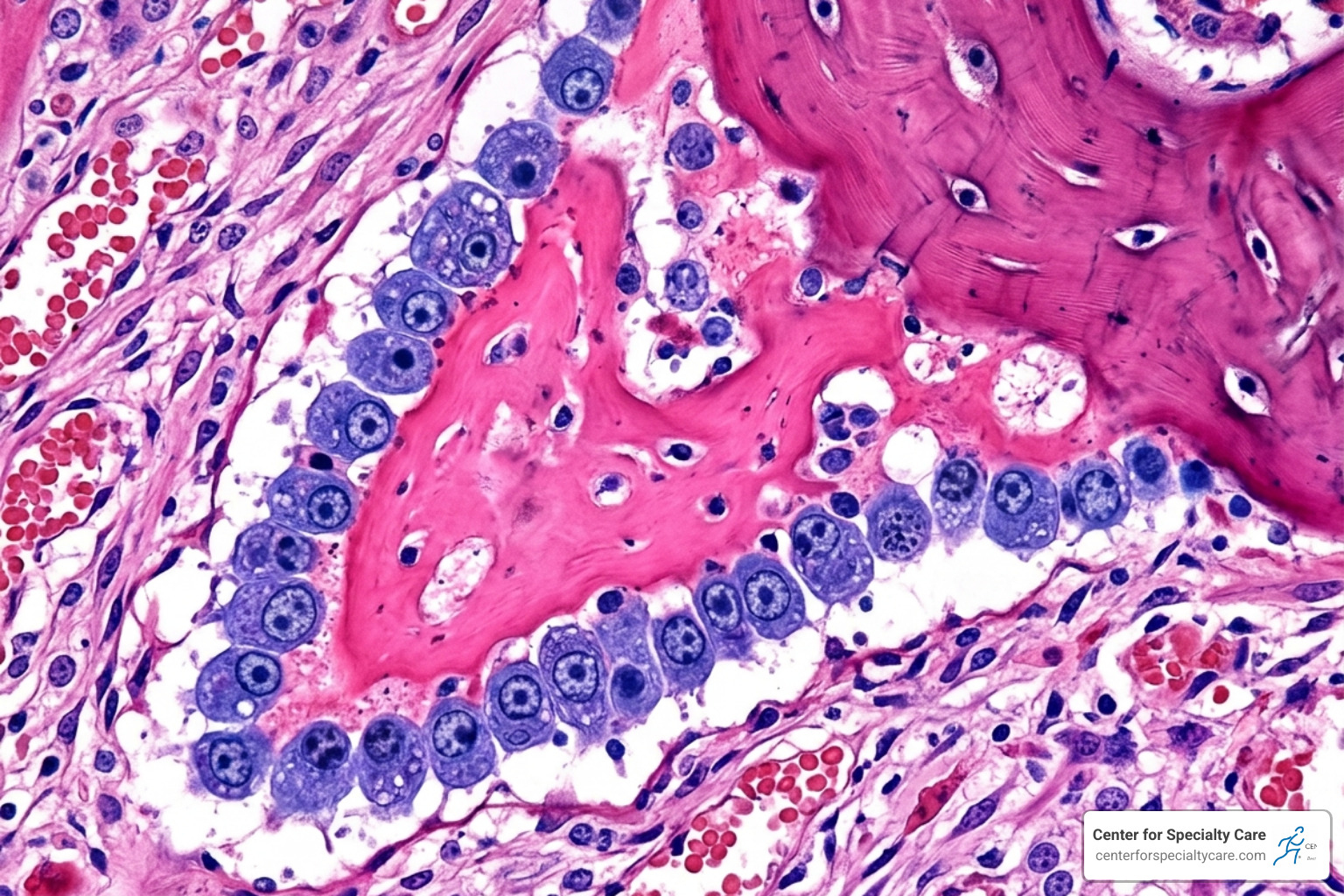
- Antiresorptive agents: These slow down the “demolition crew” (osteoclasts) so that bone isn’t lost so quickly.
- Anabolic agents: These act as the “construction crew,” actively stimulating osteoblasts to build new, high-quality bone.
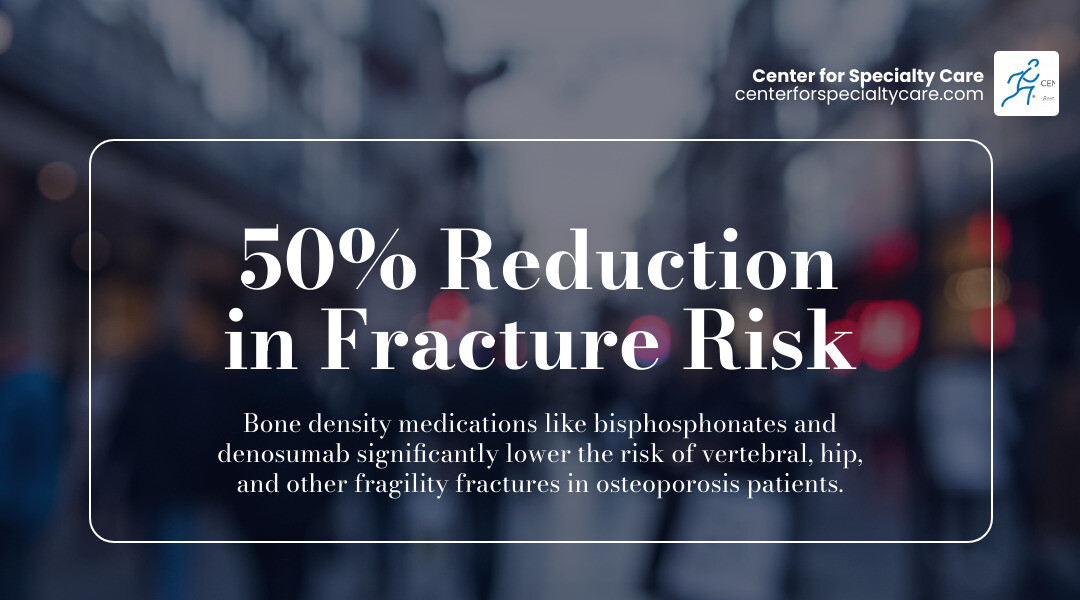
When used correctly, these therapies are incredibly effective, often reducing the risk of a life-altering fracture by more than 50%.
Comparing Antiresorptive Agents: Slowing the Breakdown
Antiresorptive medications are the most common starting point for treatment. By inhibiting bone resorption, they allow the bone-building process to catch up, effectively “freezing” or slightly improving bone density over time.

| Feature | Bisphosphonates | RANKL Inhibitors (Prolia) | SERMs (Evista) |
|---|---|---|---|
| Mechanism | Sticks to bone; stops osteoclasts | Blocks protein that activates osteoclasts | Mimics estrogen in bone |
| Common Form | Pill or IV | Subcutaneous Injection | Daily Pill |
| Duration | 3–5 years (then a “holiday”) | Indefinite (must transition if stopped) | Long-term |
Bisphosphonates: The First-Line Defense
Bisphosphonates are usually the first choice because they have a long track record of safety and effectiveness.
- Alendronate (Fosamax): Taken as a weekly pill. Scientific research on Alendronate (Fosamax) shows it is highly effective at reducing both hip and spinal fractures.
- Risedronate (Actonel): Available in weekly or monthly doses.
- Ibandronate (Boniva): Focused primarily on spinal bone density; can be a monthly pill or a quarterly injection.
- Zoledronic acid (Reclast): This is an annual IV infusion. It’s a great option for patients who have gastrointestinal issues or those who find it hard to remember a weekly pill.
RANKL Inhibitors and Biosimilars
If bisphosphonates aren’t the right fit, we often turn to Denosumab (Prolia). This is a RANK ligand inhibitor given as an injection every six months. Scientific research on Prolia (denosumab) highlights its ability to significantly increase bone mass in postmenopausal women and men at high risk.
In April 2026, we are also seeing the use of biosimilars like Jubbonti. A biosimilar is essentially a “generic” version of a biological drug. Scientific research on Jubbonti (denosumab-bbdz) confirms it has no clinically meaningful differences from Prolia in terms of safety or efficacy.
A critical note on Prolia/Jubbonti: Unlike bisphosphonates, the effects of these drugs disappear quickly if you miss a dose. If you stop taking them, you face a “rebound” risk where bone turnover spikes, potentially leading to multiple vertebral fractures. You should never stop these medications without a plan to transition to another drug.
Anabolic Agents: Building New Strength
For patients with very low T-scores or those who have already suffered multiple fractures, we might need more than just “slowing the loss.” We need to build bone back. This is where anabolic agents shine.
Anabolic drugs are like a “growth spurt” for your skeleton. They are particularly useful for maintaining overall structural integrity. For example, keeping your bones strong is vital for the health of the entire skeletal chain, including the subtalar joint, which supports your weight and allows for movement on uneven ground.
Choosing the Right Anabolic Bone Density Medication
- Teriparatide (Forteo): A daily injection that mimics parathyroid hormone (PTH) to stimulate bone growth.
- Abaloparatide (Tymlos): Similar to Forteo, this daily injection is a PTHrP analog. Scientific research on Tymlos (abaloparatide) shows it significantly reduces the risk of new vertebral and non-vertebral fractures.
- Romosozumab (Evenity): This is a dual-action drug. It blocks sclerostin, which both increases bone formation and decreases bone breakdown. It is given as two injections once a month for only one year.
Treatment Limits and Transitions
Anabolic agents are powerful, but they have a “lifetime limit.” Because of concerns regarding long-term safety (such as a theoretical risk of osteosarcoma seen in animal studies), Forteo and Tymlos are limited to a two-year lifetime use. Evenity is limited to just 12 months because its bone-building effect wanes after that period.
Once you finish your course of anabolic medication, we don’t just stop. We transition you to an antiresorptive (like a bisphosphonate) to “lock in” the new bone you’ve built. This comprehensive approach is how we protect your joints, from your spine down to your knee health.
Safety, Side Effects, and the “Drug Holiday”
Like any medication, bone density medication can have side effects, though most are manageable.
- Oral Bisphosphonates: Can cause heartburn or stomach upset.
- IV Infusions: May cause temporary flu-like symptoms (fever, achiness) for 24–48 hours after the first dose.
- Serious (but rare) Risks: These include hypocalcemia (low blood calcium), atypical femoral fractures (a rare break in the thigh bone), and osteonecrosis of the jaw (ONJ). ONJ is a rare condition where the jawbone doesn’t heal properly, usually after an invasive dental procedure like an extraction.
How Long Should You Take Bone Density Medication?
For bisphosphonates, we often follow the five-year rule. Because these drugs bind to the bone, their protective benefits “linger” even after you stop taking them. After 3 to 5 years of treatment, if your bone density is stable and you haven’t had recent fractures, we might suggest a “bisphosphonate holiday.”
During this holiday, we pause the medication but continue to monitor you with DEXA scans. This reduces the risk of rare long-term side effects like atypical fractures. This proactive monitoring is as important for bone health as maintaining good posture is for relieving shoulder blade pain.
Managing Risks and Adherence
To make your treatment as safe as possible:
- Dental Health: Have a dental exam before starting bisphosphonates or Prolia. Tell your dentist you are on these medications.
- Proper Posture: When taking oral bisphosphonates, swallow the pill with a full glass of plain water and stay upright (don’t lie down) for 30 to 60 minutes to prevent esophageal irritation.
- Blood Tests: We will monitor your calcium and vitamin D levels, as well as kidney function, to ensure the medication is working safely.
Just as we carefully navigate orthopedic thumb injuries with precision, we tailor your bone medication plan to your specific biology.
Frequently Asked Questions about Bone Density Medication
What is a bisphosphonate holiday?
A bisphosphonate holiday is a temporary break from your medication. Because bisphosphonates stay in your bone tissue for years, you continue to get protection even while not taking a pill. We typically consider this after 5 years of oral meds or 3 years of IV meds, provided your fracture risk is low.
Can I treat osteoporosis with just diet and exercise?
While calcium, Vitamin D, and weight-bearing exercise (like walking or lifting weights) are the foundation of bone health, they are often not enough on their own to reverse significant bone loss. If you are at high risk for a fracture, medication is usually necessary to provide the “structural reinforcement” your skeleton needs.
What happens if I stop taking Prolia?
Stopping Prolia without a “hand-off” medication is dangerous. Bone density can drop rapidly, and the risk of spinal fractures increases significantly within months. Always consult us before missing or stopping a dose of Prolia or Jubbonti.
Conclusion
At the Center for Specialty Care, we believe that your “Skeleton Crew” deserves the best support available. Whether you are visiting us in Fairmont, MN, Estherville, IA, or our other locations in Buffalo Center or St. James, our goal is to provide personalized care that keeps you moving.
We understand that choosing a bone density medication can feel overwhelming. That’s why we take the time to explain the “whys” and “hows” of your treatment plan. With our commitment to 100% patient satisfaction and quick appointment availability, you don’t have to wait to start protecting your future.
If you’re concerned about your bone health or have questions about your current treatment, reach out to our Fairmont orthopedic experts today. Let’s work together to keep your bones strong for a lifetime.