
Simple Tests to Check for a Rotator Cuff Injury
April 23, 2026
Why Your Shoulder Blade Hurts and How to Fix It
April 29, 2026
The Ultimate Rhomboid Muscle Strain Recovery Plan
Understanding Rhomboid Muscle Strain: Causes and Symptoms
The rhomboid muscles consist of the rhomboid major and the rhomboid minor. These muscles sit deep beneath the trapezius, forming a bridge between the inner edge of your scapula (shoulder blade) and your spine. Their primary job is to retract the shoulder blades—pulling them together toward the spine—and stabilize the shoulder girdle.
A rhomboid muscle strain occurs when these muscle fibers are stretched too far or torn. This can happen suddenly from a forceful movement or gradually over time due to repetitive stress. According to research on identifying rhomboid muscle pain, the discomfort is typically felt in the upper back, specifically in the space between the shoulder blades and the spine.
Common causes we see at our Fairmont and St. James clinics include:
- Poor Posture: Prolonged slouching at a desk or leaning over a computer for hours can overstretch the rhomboids, leading to chronic strain.
- Overuse: Repetitive motions in sports or work, such as rowing, tennis serving, or overhead reaching, can fatigue the muscle.
- Heavy Lifting: Carrying heavy backpacks over one shoulder or improper lifting techniques can cause sudden tears.
- Muscle Fatigue: When muscles are tired or dehydrated, they are more susceptible to injury.
- Associated Neck Issues: Sometimes, what feels like rhomboid pain is actually referred pain from the neck. If you are also struggling with a stiff neck after waking up, the two issues may be linked.
Common Symptoms of a Rhomboid Muscle Strain
Identifying the symptoms early allows for faster treatment. You might experience:
- Shoulder Blade Pain: A dull ache or sharp pain centered in the upper back.
- Muscle Spasms: Involuntary contractions that feel like a “knot” or tightness. In severe cases, a visible lump may appear under the skin.
- Tenderness: The area between the spine and shoulder blade is sensitive to the touch.
- Painful Breathing: Because the rhomboids assist in stabilizing the rib cage, taking deep breaths can sometimes exacerbate the pain.
- Limited Range of Motion: Difficulty or pain when moving your shoulders or arms.
- Swelling or Bruising: While more common in Grade II or III strains, you may notice slight discoloration or puffiness in the area.
Risk Factors for Upper Back Injuries
Certain lifestyles and activities increase your likelihood of developing a rhomboid muscle strain:
- Desk Work: Modern “tech neck” and rounded shoulders put constant tension on the upper back.
- Overhead Sports: Athletes involved in baseball, swimming, golf, and tennis are at higher risk due to repetitive arm movements.
- Weak Core: A weak core forces the upper back muscles to work harder to maintain stability.
- Dehydration: Muscles require proper hydration to function and repair; without it, they cramp and strain more easily.
- Improper Warm-up: Skipping a 5–10 minute warm-up before exercise leaves the rhomboids “cold” and brittle.
Immediate Treatment and Diagnosis for Rhomboid Pain
If you suspect a strain, the first step is a proper diagnosis. While many mild strains can be managed at home, it is important to know when to go to urgent care for back pain. If you experience intense pain that doesn’t respond to rest, or if you notice numbness or tingling, professional intervention is necessary.
Professional Diagnostic Methods
When you visit us at the Center for Specialty Care, we perform a comprehensive evaluation to determine the severity of your injury. This typically involves:
- Medical History: We discuss when the pain started and what activities trigger it.
- Movement Assessment: We check your range of motion and look for “scapular dyskinesis”—abnormal movement of the shoulder blade.
- Tenderness Check: Physical palpation to locate knots or spasms.
- Imaging: While rare for simple strains, an MRI may be ordered if we suspect a muscle tear or if there is a concern about nerve involvement (such as the dorsal scapular nerve).
- Differential Diagnosis: We ensure the pain isn’t coming from the rotator cuff, cervical spine, or ribs.
The Initial Treatment Plan
For the first 48 to 72 hours, we recommend the RICE method (Rest, Ice, Compression, Elevation) and over-the-counter NSAIDs (like ibuprofen) to manage inflammation.
Ice vs. Heat for Muscle Recovery
| Feature | Ice Therapy | Heat Therapy |
|---|---|---|
| Best Used | First 48 hours (Acute stage) | After 48 hours (Chronic stage) |
| Primary Goal | Reduce swelling and numb sharp pain | Relax tight muscles and increase blood flow |
| Duration | 15–20 mins every 2–3 hours | 15–20 mins as needed |
| Effect | Constricts blood vessels | Dilates blood vessels |
According to WebMD’s guide on rhomboid muscle pain, alternating between ice and heat after the initial inflammatory phase can be highly effective for relieving spasms.
Rehabilitation Exercises for Rhomboid Muscle Strain Recovery
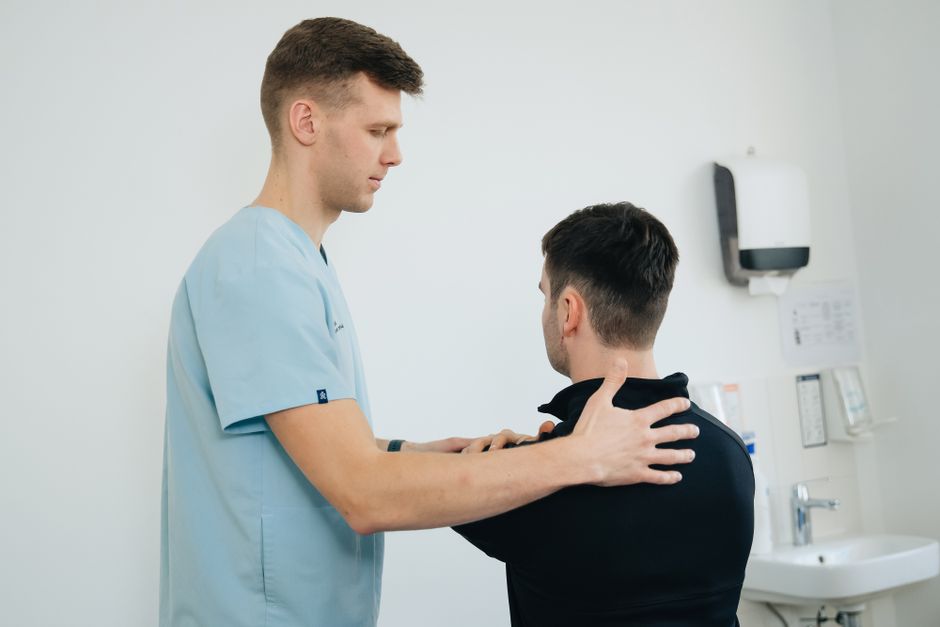
Once the acute pain has subsided, rehabilitation is the key to a full recovery. We emphasize a gradual progression from stretching to strengthening. In some cases, we may also discuss advanced options like peptide therapy to support tissue repair and recovery.
Essential Stretches for Relief
Stretching helps restore normal motion to the shoulder girdle. Hold each stretch for 15–30 seconds and repeat 2–4 times.
- Rhomboid Stretch: Reach your arms out in front of you and clasp your hands. Gently reach forward, feeling your shoulder blades spread apart. Bend your head forward slightly.
- Doorway Stretch: Stand in a doorway with your elbows at 90 degrees against the frame. Lean forward gently to stretch the chest (pectoralis) muscles, which often get tight and pull the shoulders forward.
- Neck Rotation: Sit straight and slowly turn your head to the right, hold, and then to the left. This relieves tension in the upper trapezius.
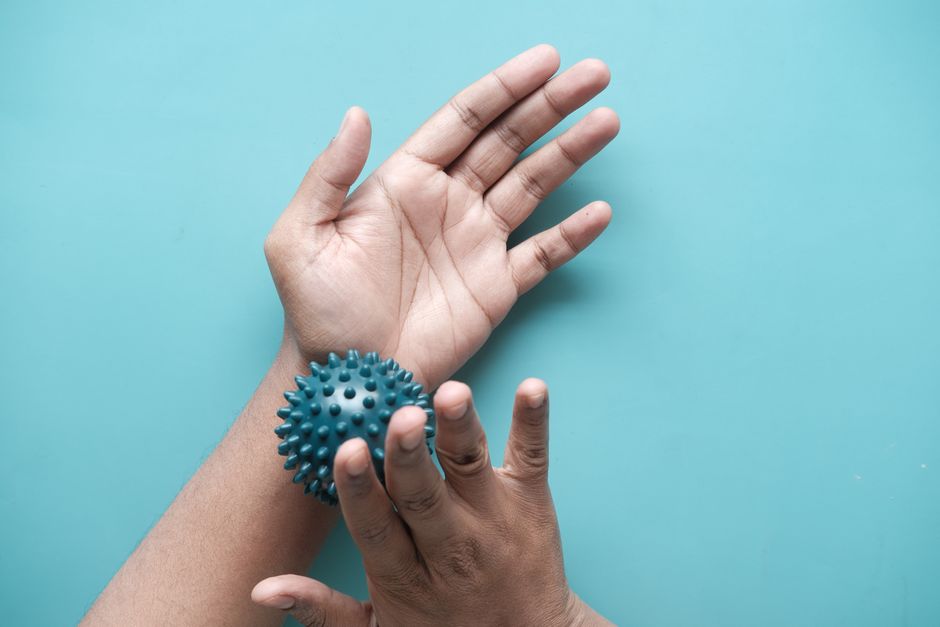
- Tennis Ball Self-Massage: Place a tennis ball between your shoulder blade and the spine while lying on the floor. Gently roll to find “trigger points” and hold pressure for 30 seconds to release knots.
Strengthening the Upper Back
Strengthening the rhomboids and the muscles surrounding them prevents the injury from recurring.
- Scapular Squeezes: While sitting or standing, squeeze your shoulder blades together as if trying to hold a pencil between them. Hold for 5 seconds; repeat 10 times.
- Resisted Rows: Use an elastic band anchored at waist level. Pull the band back, squeezing your shoulder blades and keeping your elbows tucked to your sides.
- Wall Slides: Stand with your back against a wall. Slide your arms up and down the wall in a “Y” and “W” motion, keeping your shoulder blades in contact with the surface.
- Prone Y-T-W: Lying face down, lift your arms into the shapes of the letters Y, T, and W to target the middle and lower trapezius.
Prevention and Long-Term Management Strategies
Recovery doesn’t end when the pain stops. To keep your back healthy in Fairmont or St. James, we recommend these long-term strategies:
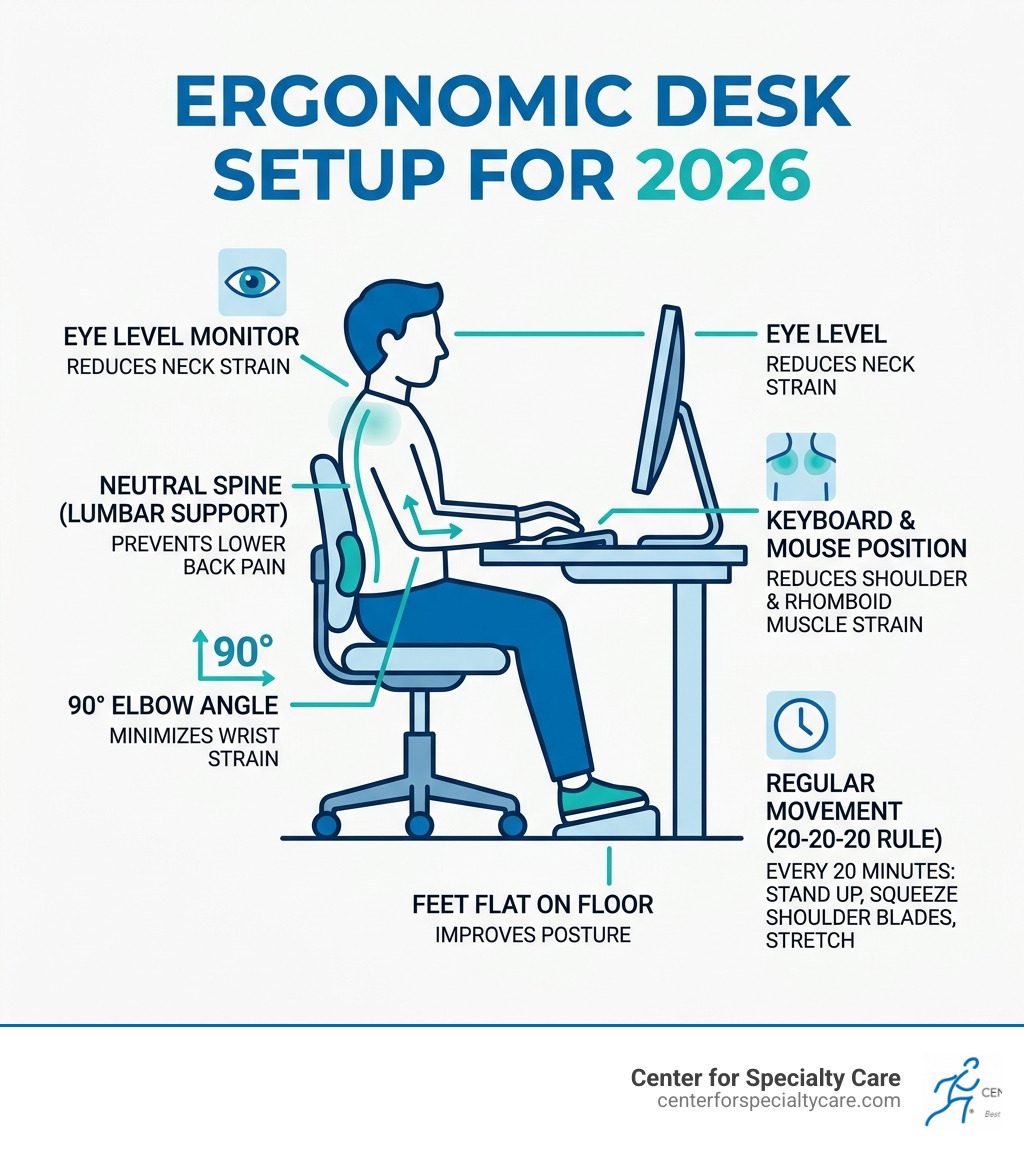
- Ergonomics: Ensure your computer screen is at eye level and your chair provides adequate lumbar support.
- The “20-20-20” Rule for Movement: Every 20 minutes, stand up and perform 20 seconds of scapular squeezes or stretching.
- Hydration: Keep your muscle tissues pliable by drinking plenty of water throughout the day.
- Proper Warm-Ups: Never jump into a game of tennis or a rowing session without 5–10 minutes of light activity to wake up the upper back.
- Core Strength: A strong core provides a stable base for the shoulders, reducing the load on the rhomboids.
Frequently Asked Questions about Rhomboid Pain
How long does it take to recover from a rhomboid muscle strain?
The recovery timeline depends on the severity (Grade) of the strain.
- Grade I (Mild): Usually heals within a few days to 3 weeks with rest and stretching.
- Grade II (Moderate): May take 4 to 6 weeks.
- Grade III (Severe): Complete tears are rare but can take 3 to 6 months to fully heal and may require more intensive physical therapy. Most patients feel significantly better within the six-week mark if they follow a structured rehab plan.
Can a rhomboid strain cause pain when breathing?
Yes. Because the rhomboids attach the scapula to the spine near the rib cage, the expansion of the ribs during a deep breath can stretch the injured muscle fibers. This often results in a sharp, stabbing sensation during inhalation. If this pain is accompanied by shortness of breath or chest pain, seek medical attention immediately to rule out other conditions.
Is heat or ice better for rhomboid spasms?
Use ice for the first 48 hours to manage inflammation. After the initial swelling has subsided, heat is generally better for spasms. Heat helps increase blood flow to the area, which relaxes the “knot” and allows the muscle fibers to loosen. If you have chronic tightness, alternating between the two (contrast therapy) can also be beneficial.
Conclusion
A rhomboid muscle strain can be a literal pain in the back, but it doesn’t have to keep you sidelined. By following a staged recovery plan—resting early, stretching gently, and strengthening consistently—you can return to your favorite activities without the ache between your shoulder blades.
At the Center for Specialty Care, we are committed to providing personalized, high-quality orthopedic care to our neighbors in Fairmont, MN, and the surrounding areas. Whether you need a guided physical therapy routine or a professional diagnostic evaluation, we offer quick appointment availability and a focus on 100% patient satisfaction.
If your upper back pain is lingering, don’t wait for it to become a chronic issue. Contact us today for Expert Back and Spine Care and let us help you get back to a pain-free life.