
Beyond the Ache: Effective Exercises and Home Remedies for Shoulder Pain
January 14, 2026
Heat Therapy: Your Guide to a Healthier, Happier You
January 16, 2026
Who Does Intracept Procedure Near Me: 1st Hope for Relief
Finding the Right Provider for Your Back Pain Relief
Who does intracept procedure near me is a question many chronic back pain sufferers ask when traditional treatments have failed. The good news: specialized providers trained in this minimally invasive technique can help you find lasting relief from vertebrogenic pain.
Quick Answer: Physicians Who Perform the Intracept Procedure
- Interventional pain management specialists with advanced training in nerve ablation techniques
- Orthopedic spine surgeons who specialize in minimally invasive spinal procedures
- Board-certified doctors who have completed specific Intracept training and maintain active case volume
- Providers typically require you to have chronic low back pain for 6+ months, failed conservative care, and MRI evidence of Modic changes
If you’ve been living with chronic low back pain for six months or longer, you’re not alone. Many patients try physical therapy, medications, and injections only to find minimal or temporary relief. This frustration often leads to searching for more effective solutions.
The Intracept Procedure represents a breakthrough for people suffering from vertebrogenic pain—a specific type of chronic low back pain that originates in the vertebral endplates and is transmitted through the basivertebral nerve. Unlike general back pain, this condition has a distinct source that can be precisely targeted and treated.
“Intracept saved my life, it sounds dramatic, but it’s absolutely the most significant thing that could’ve happened to me,” shares Megan, an Intracept patient whose story reflects the life-changing potential of this treatment.
The procedure uses radiofrequency energy to permanently ablate (disable) the basivertebral nerve, stopping pain signals at their source. It’s minimally invasive, implant-free, and typically performed as a one-time outpatient procedure lasting 60-90 minutes. Most patients return home the same day and resume normal activities within one to two weeks.
I’m Dr. Corey Welchlin, a board-certified orthopedic surgeon and founder of the Center for Specialty Care in Fairmont, Minnesota. With over three decades of experience in minimally invasive orthopedic procedures and comprehensive pain management, I help patients steer questions like who does intracept procedure near me by providing expert consultation, accurate diagnosis, and personalized treatment plans for chronic back pain conditions.
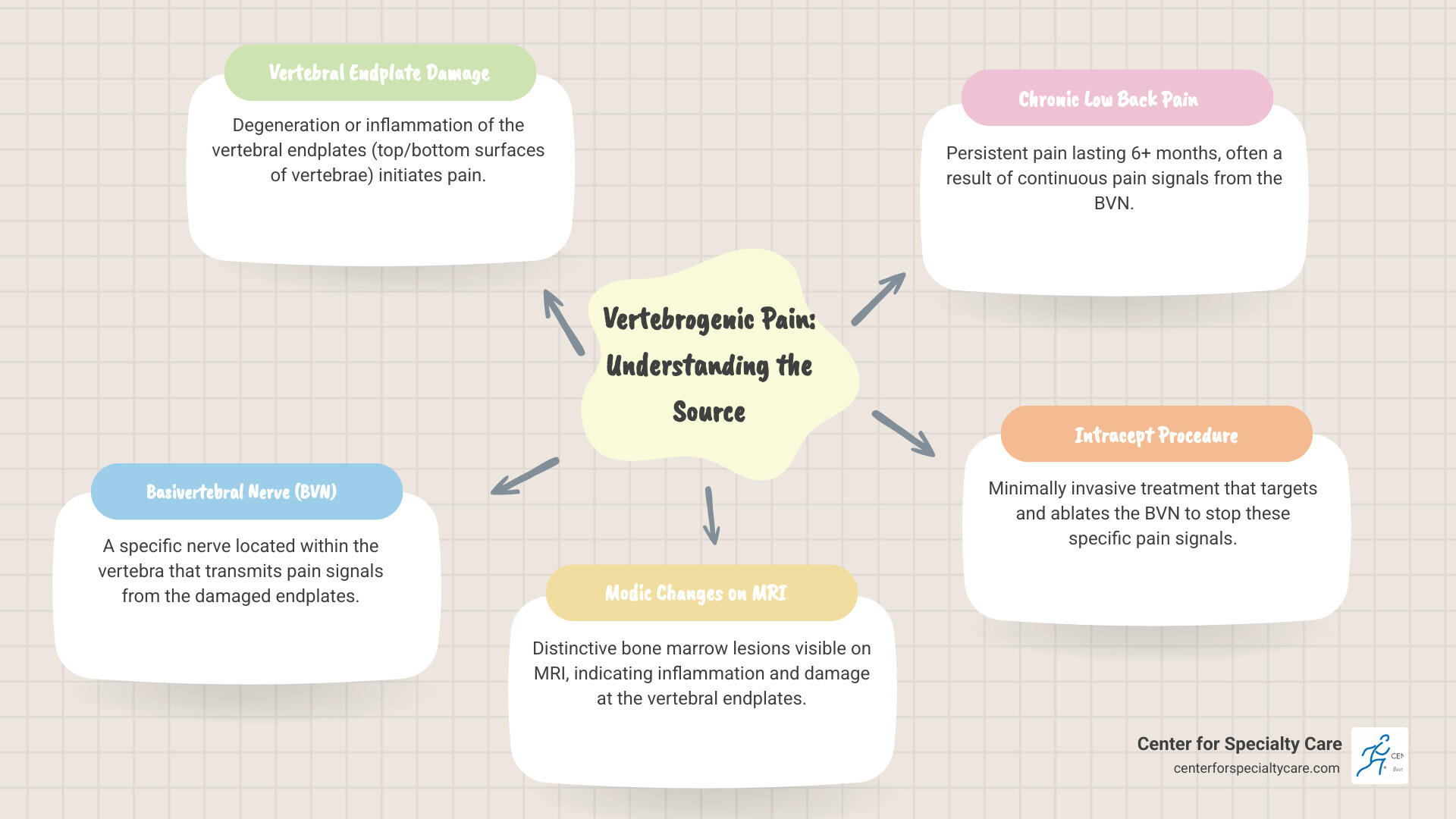
Who does intracept procedure near me vocab to learn:
What is the Intracept Procedure? A Breakthrough for Vertebrogenic Pain
Imagine a nagging low back pain that just won’t quit, even after trying everything. For many, this pain isn’t just a mysterious ache; it’s vertebrogenic pain, a specific type of chronic low back pain that originates from damage to the vertebral endplates. These endplates are the protective barriers between your vertebrae and spinal discs, and they play a crucial role in spinal health. When they become damaged, often due to daily wear and tear, they can become a source of inflammation and pain.
The Intracept Procedure is a minimally invasive treatment designed specifically to address this pain at its source. It targets the basivertebral nerve (BVN), a small nerve located within the vertebral bone that transmits these specific pain signals from the damaged endplates to the brain. Think of it like turning off a faulty light switch that’s causing a constant flicker of pain.
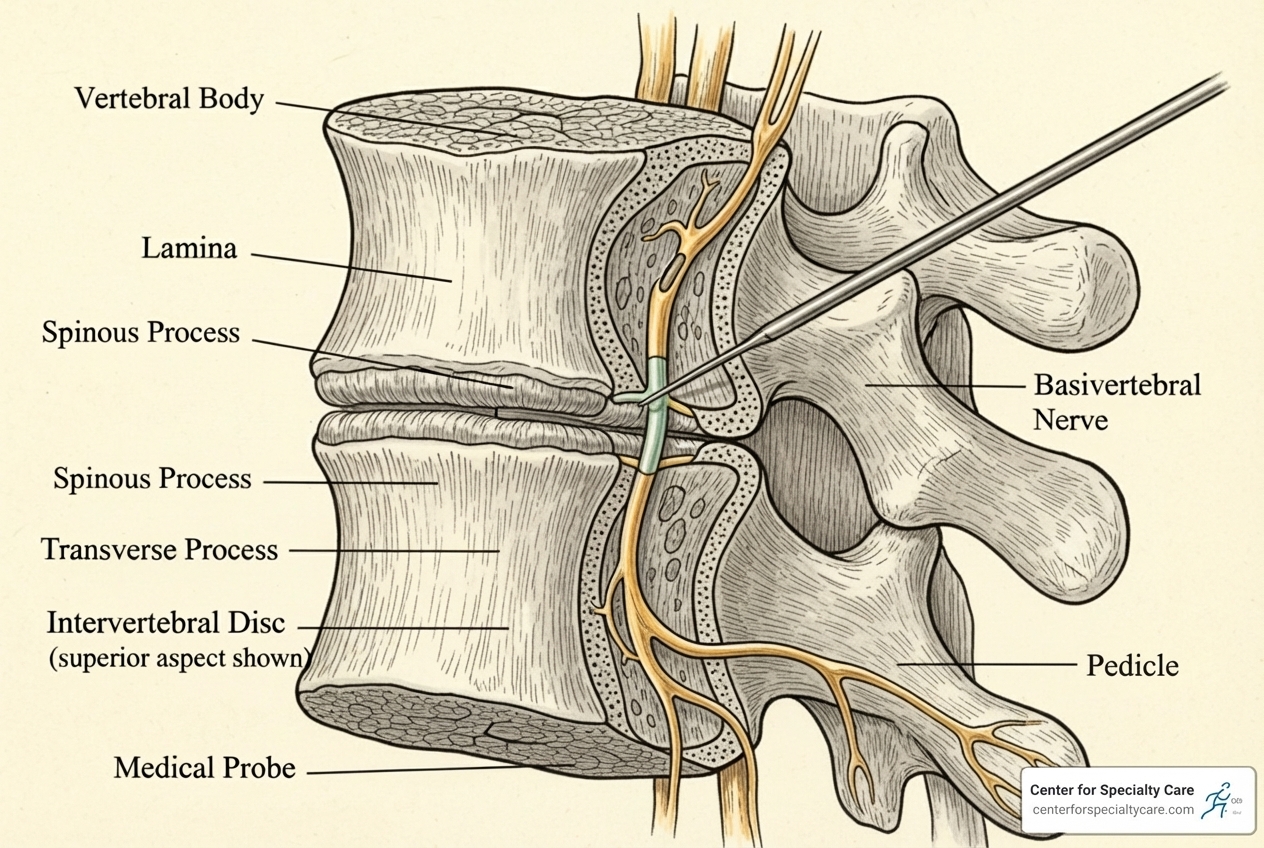
Here’s how it works: Using advanced imaging guidance, a small cannula (a thin tube) is inserted into the affected vertebra. Through this cannula, a specialized probe delivers radiofrequency energy to gently heat and ablate (destroy) the basivertebral nerve. This ablation effectively stops the nerve from sending pain signals, offering a unique and targeted approach to pain relief. The beauty of this procedure is its precision – it addresses the specific nerve responsible for vertebrogenic pain without impacting surrounding structures.
The entire procedure typically takes about 60 to 90 minutes, making it an outpatient treatment. Because it’s minimally invasive, patients often experience a quicker recovery time compared to traditional spinal surgeries. It’s a game-changer for those whose chronic low back pain stems from this often-overlooked source. For more detailed information about this innovative treatment, you can explore our dedicated page on the Intracept Procedure.
Who is a Candidate for Intracept?
Not everyone with back pain is a candidate for the Intracept Procedure. We carefully evaluate each patient to ensure this treatment is the right fit. The ideal candidate typically meets specific criteria:
- Chronic Low Back Pain: You must have experienced chronic low back pain for at least six months. This isn’t for acute, sudden back pain, but rather for persistent, long-standing discomfort.
- Failed Conservative Care: You’ve likely tried various non-surgical treatments without significant, lasting relief. This can include:
- Physical Therapy: Efforts to strengthen core muscles and improve flexibility.
- Injections: Such as epidural steroid injections or nerve blocks, which provide temporary relief.
- Medications: Over-the-counter pain relievers, anti-inflammatory drugs, or prescription medications.
If these approaches haven’t worked, it might be time to consider other options. Our Pain Management specialists are experts in assessing your journey and recommending next steps.
- Diagnosis via MRI Showing Modic Changes: This is a critical diagnostic indicator. Modic changes are specific alterations visible on an MRI scan of your spine, indicating inflammation and degenerative changes in the vertebral endplates. These changes strongly suggest that your pain is indeed vertebrogenic, making you a suitable candidate for the Intracept Procedure. We use advanced diagnostic imaging to confirm this, ensuring we’re treating the precise source of your discomfort.
We believe in a comprehensive approach to pain relief, and determining candidacy for Intracept is a thorough process to ensure the best possible outcomes for our patients.
Key Benefits of the Intracept Procedure
The Intracept Procedure offers a compelling array of benefits that make it an attractive option for many suffering from chronic vertebrogenic low back pain:
- Minimally Invasive Approach: Unlike traditional open back surgery, the Intracept Procedure involves only a small incision. This means less trauma to surrounding tissues, reduced scarring, and generally less post-operative pain. Patients appreciate the gentler nature of this treatment.
- Implant-Free and Drug-Free: For those who want to avoid permanent implants or continuous medication, Intracept is an excellent choice. It doesn’t leave any hardware in your spine, and it works by addressing the pain source directly, reducing the need for ongoing pain medication.
- Quick Recovery: Because it’s minimally invasive, most patients experience a remarkably fast recovery. You can typically return home the same day and often resume normal daily activities within a few days to a week. This allows you to get back to enjoying life sooner.
- Long-Term Relief: The ablation of the basivertebral nerve is permanent. This means the targeted nerve will no longer transmit pain signals, leading to long-lasting relief. While individual results vary, many patients report significant and sustained pain reduction for years.
- One-Time Procedure: In most cases, the Intracept Procedure is a one-time treatment. This is a significant advantage over other treatments that may require repeated injections or ongoing therapies. It offers a definitive solution for vertebrogenic pain.
These benefits highlight why the Intracept Procedure is becoming a preferred option for appropriate candidates. It’s about more than just pain relief; it’s about restoring your quality of life. To learn more about patient experiences and resources for the Intracept Procedure, you can explore patient resources for the Intracept™ Procedure.
How to Find a Specialist: Who Does Intracept Procedure Near Me?
When you’re seeking a specialized treatment like the Intracept Procedure, finding the right provider is paramount. The question, “who does intracept procedure near me,” isn’t just about proximity; it’s about finding a highly skilled and experienced medical professional who understands your unique needs. In our communities of Fairmont, MN, Estherville, IA, Buffalo Center, IA, and St. James, MN, we understand the importance of local, expert care.
It’s crucial to seek out specialists who have undergone specific training for the Intracept Procedure and have a proven track record of successful patient outcomes. This procedure requires a nuanced understanding of spinal anatomy and advanced interventional techniques.

We pride ourselves on our board-certified specialists who are not only experts in their field but are also committed to personalized care. When considering a provider, don’t hesitate to ask about their experience. A good consultation process should make you feel informed and confident in your choice.
Finding the Right Specialist Who Does Intracept Procedure Near Me
Identifying the right specialist involves looking for particular qualifications and specialties. The Intracept Procedure is typically performed by:
- Interventional Pain Management Specialists: These doctors specialize in diagnosing and treating pain through minimally invasive techniques, including nerve blocks, ablations, and other advanced procedures. They have extensive training in pinpointing pain sources and applying targeted treatments.
- Orthopedic Spine Surgeons: While often associated with traditional surgery, many orthopedic spine surgeons are also highly skilled in minimally invasive procedures like Intracept. Their deep understanding of spinal mechanics and conditions makes them excellent candidates for performing this procedure.
At Center for Specialty Care, our team includes experts in both these areas, ensuring a comprehensive approach to your pain management. We believe in providing personalized care, meaning we take the time to understand your specific condition and tailor a treatment plan just for you. Our Orthopedics and Back & Spine programs are designed to offer a full spectrum of care, from diagnosis to recovery.
When searching for “who does intracept procedure near me,” remember that expertise matters. Our commitment to 100% patient satisfaction and quick appointment availability means you can access expert care without unnecessary delays. For a more general guide on finding the right pain management doctor, you might find our article, Pain Management Dr. Near Me: A Comprehensive Guide, helpful.
Key Questions for a Doctor Who Does Intracept Procedure Near Me
Before committing to any procedure, especially one as specialized as Intracept, have a thorough discussion with your potential provider. Asking the right questions can help you gauge their experience, approach, and suitability for your care. Here are some key questions we encourage our patients to ask, and that we are always ready to answer:
- “How many Intracept procedures have you performed?” This question helps you understand their level of experience. While the procedure is considered low-risk, an experienced hand can make a significant difference. Providers who perform this procedure regularly are likely to be more adept and efficient.
- “What are your typical patient outcomes?” While no doctor can guarantee specific results, they should be able to discuss the general success rates they’ve observed with their patients, and how those align with published clinical data. This can give you a realistic expectation of what to anticipate.
- “How do you confirm a vertebrogenic pain diagnosis?” A qualified provider will explain their diagnostic process, emphasizing the importance of MRI scans to identify Modic changes and rule out other causes of back pain. This shows a commitment to accurate diagnosis, which is fundamental to successful treatment.
- “What is your follow-up process after the Intracept Procedure?” Understanding the post-procedure care plan is crucial. This includes appointments for monitoring recovery, managing any discomfort, and guiding you back to full activity. A clear follow-up plan indicates comprehensive care.
At Center for Specialty Care, we believe in transparent communication and empowering our patients with knowledge. Our Our Providers page introduces you to our team, and we encourage you to schedule a consultation to ask these questions and more. We are here to ensure you feel completely comfortable and informed every step of the way.
The Patient Journey: What to Expect Before, During, and After
Starting on any medical procedure can feel a bit daunting, but knowing what to expect can ease your mind. The Intracept Procedure is designed with patient comfort and efficient recovery in mind. Let’s walk through the typical patient journey with us.
Pre-Procedure Preparation: Once you’re identified as a candidate, we’ll provide detailed instructions to prepare. This usually involves discussing your current medications, as some may need to be temporarily stopped. You’ll also be advised on fasting guidelines before the procedure. We recommend arranging for a loved one to drive you to and from your appointment, as you’ll likely receive general anesthesia or mild sedation. Our team is always available to answer any questions you have during this preparatory phase.
The Procedure Day: On the day of your Intracept Procedure, you’ll arrive at our outpatient facility. We strive to make this experience as comfortable and stress-free as possible. The procedure itself typically takes about 60 to 90 minutes. You’ll receive either mild sedation or general anesthesia to ensure you’re relaxed and pain-free throughout. Using advanced fluoroscopy (a type of real-time X-ray), our specialists precisely guide a small cannula into the affected vertebra. Through this, a specialized probe is advanced to the basivertebral nerve, where radiofrequency energy is delivered to ablate the nerve. Once complete, the probe and cannula are removed, and the small incision is closed, usually with just a bandage—no implants or hardware are left behind!
Recovery Process: Because the Intracept Procedure is minimally invasive, the recovery is generally swift. Most patients are able to return home the same day once the anesthesia has worn off. We advise resting for about 48 hours and avoiding strenuous exercise. It’s normal to experience some slight soreness, bruising, or minor swelling at the incision site, which can typically be managed with over-the-counter pain relievers like acetaminophen or ibuprofen.
Resuming Normal Activities: Within a few days to a week, most patients are able to resume their normal daily activities. Those with physically demanding jobs might need a bit more time off. While some patients experience immediate relief, the full benefits of the procedure, as the nerve ablation process completes, may take several weeks to a few months to fully manifest. We’ll schedule follow-up appointments to monitor your progress and ensure a smooth recovery.
Long-Term Outcomes, Risks, and Cost
Understanding the full picture of the Intracept Procedure includes its long-term effectiveness, potential risks, and financial considerations.
Long-Term Outcomes: The good news is that the Intracept Procedure is designed for lasting relief. The ablation of the basivertebral nerve is permanent, meaning the targeted nerve will no longer transmit pain signals. The basivertebral nerve has not shown an ability to grow back after treatment, which contributes to its sustained effect. Studies, including 5-year treatment arm results from a prospective randomized double-blind sham-controlled multi-center study, have shown significant and durable pain relief for many patients. This means you could potentially enjoy years of reduced pain, improving your overall quality of life.
Permanent Nerve Ablation: This is a key differentiator for Intracept. Unlike temporary solutions, the goal is to permanently stop the pain signals from the specific nerve causing vertebrogenic pain.
Low-Risk Procedure: While no medical procedure is entirely without risk, the Intracept Procedure is considered low-risk, especially when compared to traditional spinal surgeries. Potential side effects are rare but can include:
- Infection: As with any procedure involving an incision, there’s a small risk of infection. We take every precaution to maintain a sterile environment.
- Bleeding: Minor bleeding at the incision site is possible, but significant bleeding is uncommon.
- Nerve Damage: While the procedure targets a specific nerve, there’s a very rare possibility of unintended nerve damage. Our use of advanced imaging guidance minimizes this risk.
We will thoroughly discuss all potential risks and benefits with you during your consultation, ensuring you make an informed decision. You should call your healthcare provider if you develop signs of infection, such as fever over 101°F (38.3°C), chills, warmth or expanding redness around the incision, drainage, or pain not relieved by medication.
Insurance Coverage and Cost: The cost of the Intracept Procedure can vary depending on several factors, including your specific insurance plan and deductible. We understand that financial considerations are important. We work with many insurance providers, including Medicare, and our team will assist you in navigating the pre-authorization process and verifying your coverage. We are committed to ensuring our patients in Minnesota and Iowa have access to the care they need, and we’ll help you understand any out-of-pocket costs involved.
Frequently Asked Questions about the Intracept Procedure
It’s natural to have questions about a specialized treatment like the Intracept Procedure. We’ve compiled answers to some of the most common inquiries to help you better understand this innovative option.
How does Intracept differ from other back pain treatments like spinal fusion or nerve blocks?
The Intracept Procedure stands apart from many other back pain treatments due to its unique target and mechanism:
- Targeting a Different Pain Source: Unlike treatments that address disc issues, facet joint pain, or muscle strain, Intracept specifically targets vertebrogenic pain originating from the vertebral endplates. This makes it highly effective for a subset of patients whose pain hasn’t responded to other therapies because the true source was never addressed.
- Implant-Free vs. Spinal Fusion: Spinal fusion is a major surgery that involves permanently joining two or more vertebrae, often requiring implants like rods, screws, or cages. Intracept is minimally invasive and completely implant-free, avoiding the complexities and longer recovery associated with fusion.
- Permanent Ablation vs. Temporary Nerve Blocks: Nerve blocks typically involve injecting anesthetic and/or steroids around a nerve to temporarily block pain signals. While they can provide relief, their effects are usually temporary, lasting weeks or months. The Intracept Procedure, through permanent basivertebral nerve ablation, aims for long-lasting relief by stopping the pain signals at their source, rather than just temporarily masking them.
- Less Invasive Than Major Surgery: Compared to open spinal surgery, Intracept is far less invasive, leading to a quicker recovery time, less post-operative pain, and reduced risks.
Intracept offers a precise, targeted, and durable solution for a specific type of chronic low back pain that many other treatments simply don’t address effectively.
Is the Intracept procedure permanent?
Yes, the ablation of the basivertebral nerve during the Intracept Procedure is considered permanent. This is a significant advantage of the treatment. Once the radiofrequency energy ablates the basivertebral nerve, it effectively stops that nerve from transmitting pain signals. Research and clinical experience have shown that the basivertebral nerve does not typically grow back after this treatment. This permanence is what allows patients to experience long-lasting relief, often for years, significantly improving their quality of life. While individual results can vary, the goal and typical outcome is a durable reduction or elimination of pain from the treated source.
What is the success rate of the Intracept procedure?
The Intracept Procedure has demonstrated a high level of effectiveness for appropriate candidates. Clinical studies and real-world data consistently show positive outcomes:
- Significant Pain Reduction: Research indicates that a majority of patients experience substantial pain relief. For example, some studies report that 65% of people experience at least a 50% reduction in back pain, which is a life-changing improvement for many.
- Major Relief for Many: A notable percentage, around 36% of patients, report at least a 75% reduction in back pain. This level of relief can mean a return to activities they once thought impossible.
- Complete Pain Relief: Even more impressively, approximately 22% of people report 100% pain relief six months after the procedure.
- Improved Function: Beyond just pain scores, patients often experience significant improvements in function, allowing them to engage more fully in daily activities, work, and hobbies.
These statistics highlight why the Intracept Procedure is a promising option for those suffering from chronic vertebrogenic pain. We carefully evaluate each patient to maximize the chances of a successful outcome. To dig deeper into the clinical evidence supporting these outcomes, you can read about the IMPROVE study.
Take the Next Step Towards Relief
Living with chronic low back pain is more than just a physical burden; it can impact every aspect of your life, from your mood to your ability to enjoy time with loved ones. The Intracept Procedure offers a guide of hope for those suffering from vertebrogenic pain, providing a targeted, minimally invasive, and long-lasting solution.
At Center for Specialty Care, we are dedicated to helping you find relief. We understand that finding the right diagnosis is the crucial first step. Our team of board-certified specialists in Fairmont, MN, Estherville, IA, Buffalo Center, IA, and St. James, MN, is equipped with the expertise and technology to accurately diagnose vertebrogenic pain and determine if the Intracept Procedure is right for you.
We pride ourselves on our personalized care, ensuring that every patient feels heard, understood, and confident in their treatment plan. Our commitment to 100% patient satisfaction and quick appointment availability means you can start your journey toward relief without unnecessary delays.
If you’re tired of living with chronic low back pain and believe the Intracept Procedure might be the answer you’ve been searching for, we encourage you to take the next step. A consultation with our experts is the best way to explore your options and develop a path forward. We’re here to help you reclaim your active, pain-free life.
Learn more about the Intracept Procedure at Center for Specialty Care.