
Intracept Procedure Near Me: Connecting with the Right Doctor
January 15, 2026
Understanding and Treating Flat Feet: A Complete Guide
January 19, 2026
Benefits of heat therapy: Top 5 Ultimate Relief
Why Heat Therapy Matters for Your Health
Benefits of heat therapy include effective pain relief, reduced muscle stiffness, improved joint flexibility, faster injury recovery, and improved relaxation. This age-old treatment works by increasing blood flow to affected areas, delivering oxygen and nutrients while removing waste products that contribute to pain.
Quick Benefits Overview:
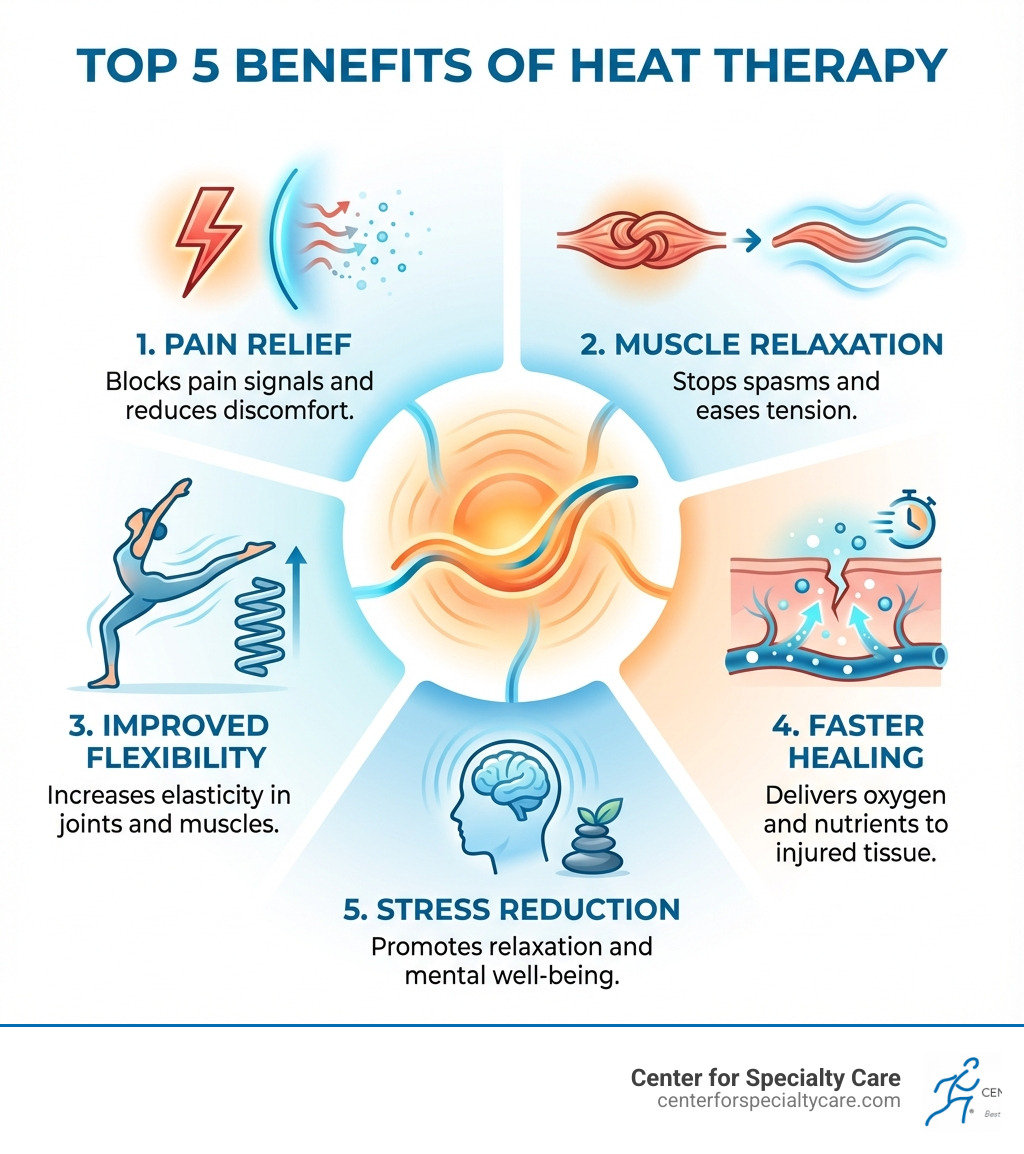
- Pain Relief – Reduces discomfort from chronic conditions like arthritis and back pain
- Muscle Relaxation – Eases tension, spasms, and post-workout soreness
- Improved Flexibility – Increases elasticity in joints and muscles
- Stress Reduction – Promotes relaxation and mental well-being
- Better Circulation – Delivers healing nutrients to injured tissues
- Non-Invasive – Safe, affordable alternative to medications
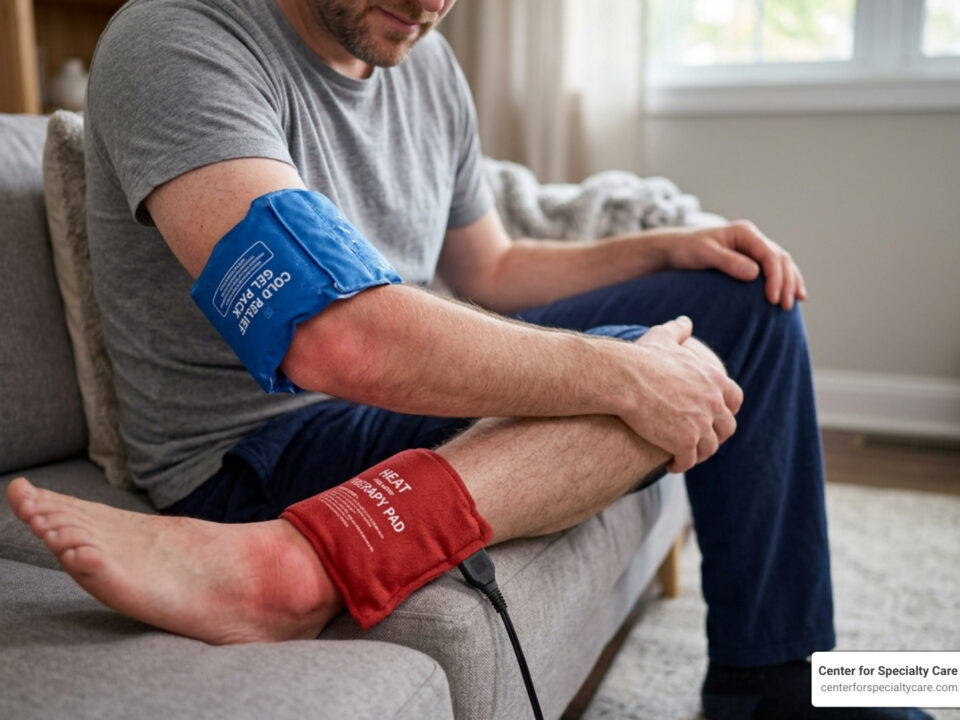
If you’ve ever wrapped a warm towel around a sore shoulder or soaked in a hot bath after a long day, you’ve experienced the soothing power of heat therapy. This simple yet effective treatment—also called thermotherapy—has been used for centuries to manage pain and promote healing.
According to research, 67.8% of people with chronic pain use heat therapy at least once a week, and more than half find it more effective than cold therapy. Whether you’re dealing with arthritis, back pain, muscle soreness, or everyday stiffness, heat therapy offers a practical path to feeling better.
I’m Dr. Corey Welchlin, a board-certified orthopedic surgeon who has spent over 30 years helping patients in southern Minnesota and northern Iowa manage musculoskeletal pain. Throughout my career, I’ve seen how the benefits of heat therapy can complement surgical and non-surgical treatments, helping patients recover faster and live more comfortably.
Simple Benefits of heat therapy glossary:
How Heat Therapy Works: The Science of Soothing Pain
Heat therapy, also known as thermotherapy, involves applying warmth to the body to achieve therapeutic effects. But how exactly does this simple act translate into pain relief and improved well-being? The science behind it is fascinating and relies on several physiological responses within our bodies.
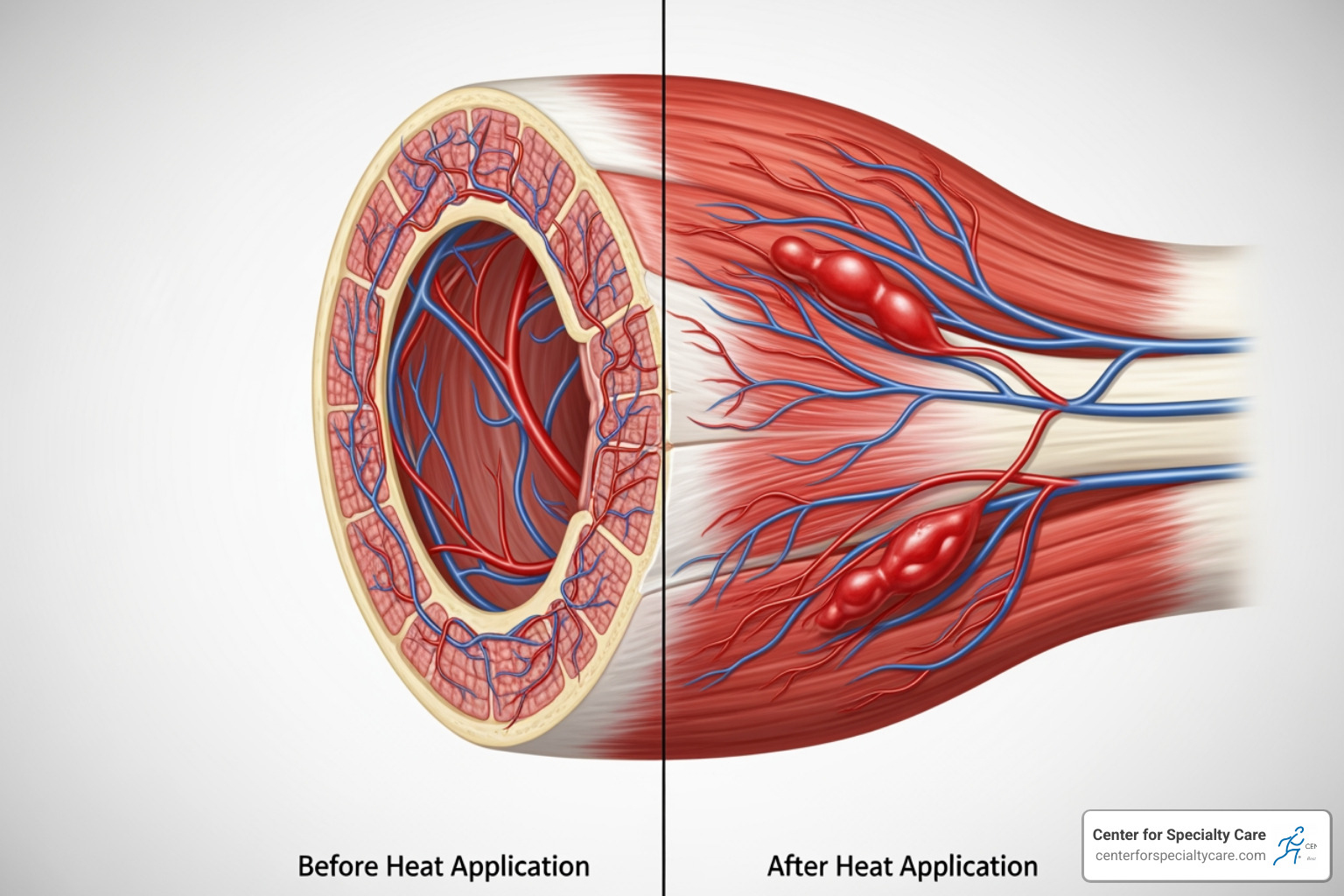
When we apply heat to an area, our blood vessels in that region expand, a process known as vasodilation. This increase in vessel size leads to a surge in blood flow to the targeted tissues. This improved circulation brings a wealth of benefits:
- Oxygen and Nutrient Delivery: With increased blood flow, more oxygen and essential nutrients are delivered to the cells in the affected area. This is crucial for tissue repair and overall cellular health. As Physio-Pedia highlights, this increased blood flow “delivers nutrients and oxygen to the cells and aids in the healing process.”
- Waste Product Removal: Just as fresh supplies are brought in, metabolic waste products that can accumulate and contribute to pain and inflammation are more efficiently carried away.
- Increased Muscle Elasticity: Heat helps to loosen and relax stiff muscles and connective tissues. By increasing tissue temperature, heat promotes elasticity, making muscles and joints more pliable and less prone to stiffness. This is particularly useful for preparing our bodies for movement or recovering from strenuous activity.
- Sensory Receptor Modulation: The warmth from heat therapy can directly influence our pain perception. It stimulates thermoreceptors, which can interfere with the transmission of pain signals to the brain, effectively “distracting” the brain from the pain. This provides a natural analgesic effect.
- Nerve Signal Calming: Heat can also have a calming effect on the nervous system, reducing nerve irritability and muscle spasms. This can be especially beneficial for conditions involving nerve compression or overactive muscles.
Essentially, heat therapy leverages our body’s natural healing mechanisms, creating an optimal environment for recovery and comfort.
Easing Muscle and Joint Discomfort
One of the most immediate and appreciated benefits of heat therapy is its ability to ease muscle and joint discomfort. Whether it’s the nagging ache of chronic stiffness or the sharp pain of a muscle spasm, heat can provide significant relief.
Here’s how it helps:
- Stiffness Reduction: Stiffness often results from tight muscles and connective tissues. Heat helps these tissues relax and become more elastic, reducing the sensation of stiffness. Imagine trying to bend a cold rubber band versus a warm one – the warm one is much more flexible. Heat works similarly on our body’s tissues. This is why heat therapy can decrease joint stiffness, making movement easier.
- Increased Flexibility: By promoting elasticity, heat improves our range of motion and flexibility. This is particularly valuable for individuals with conditions like arthritis, where stiff joints can limit daily activities. Applying heat before gentle stretching can significantly improve its effectiveness.
- Soothing Effect: Beyond the physiological changes, the warmth itself provides a comforting and reassuring sensation. This can help to alleviate pain by calming the nervous system and reducing overall tension. As one source notes, “Heat therapy can provide relaxation, comfort and reassurance by taking the edge off of several kinds of body pain.”
- Chronic Conditions: For ongoing issues like chronic back pain or arthritis, heat can be a daily ally. It helps manage persistent discomfort, allowing for better function and quality of life.
- Pre-Exercise Warm-up: Applying heat before physical activity can act as a targeted warm-up, preparing muscles and joints for movement. This can reduce the risk of strains or sprains and improve performance. We often recommend this to our patients at our clinics in Fairmont, MN, and Estherville, IA, before starting physical therapy exercises.
Promoting Relaxation and Stress Relief
In our lives, stress and tension often manifest physically, leading to muscle knots, headaches, and general discomfort. Heat therapy offers a simple yet profound way to combat these effects, promoting overall relaxation and mental well-being.
- Stress Reduction: The warmth from a heating pad, hot bath, or warm compress can signal to our bodies that it’s time to unwind. This physiological response helps to lower stress hormones and activate the parasympathetic nervous system, responsible for “rest and digest” functions. It’s a great way to ease stress by relaxing the body.
- Body Relaxation: Heat encourages our muscles to release tension. Whether it’s a tight neck from a stressful day or a stiff back from poor posture, heat can help melt away that physical tightness. This is why heat therapy can stop muscle spasms by forcing muscles to relax.
- Comfort and Reassurance: There’s an inherent comfort in warmth. This soothing sensation can provide a sense of reassurance, helping to calm anxiety and promote a feeling of safety and well-being.
- Mental Well-being: When our bodies are relaxed and pain is reduced, our minds can follow suit. This can lead to improved mood, better sleep, and an improved ability to cope with daily stressors. Incorporating heat therapy into a daily routine can be a powerful tool for holistic wellness.
The Core Benefits of Heat Therapy for Specific Conditions
Heat therapy isn’t just a general feel-good measure; its targeted application provides significant relief for a range of specific conditions, particularly those involving chronic pain. Indeed, it’s a non-invasive treatment that many find indispensable. As we noted earlier, a significant 67.8% of respondents use heat at least once a week for chronic pain relief, underscoring its widespread acceptance and perceived effectiveness.
Arthritis and Fibromyalgia
For individuals living with chronic conditions like arthritis and fibromyalgia, the daily battle against joint stiffness, pain, and muscle spasms can be debilitating. Heat therapy offers a gentle yet powerful intervention that can significantly improve quality of life.
- Joint Stiffness: Heat is particularly effective at reducing joint stiffness. By increasing blood flow and making connective tissues more pliable, heat helps loosen up rigid joints, making movement easier and less painful. The Arthritis Foundation specifically recommends heat therapy for relaxing stiff joints.
- Pain Reduction: The warmth helps to soothe nerve endings and block pain signals, providing much-needed relief from persistent aches.
- Inflammation Decrease: While acute inflammation generally calls for cold, heat can help with chronic inflammation by promoting circulation and helping to flush out inflammatory byproducts.
- Muscle Spasms: Heat encourages muscles to relax, which is crucial for alleviating the painful spasms often experienced with these conditions.
- Warm Water Exercise Benefits: For those with arthritis and fibromyalgia, warm water exercise programs are particularly beneficial. The buoyancy of water reduces stress on joints, while the warmth relaxes muscles and improves flexibility. Studies have shown remarkable results: “Patients with arthritis and fibromyalgia who participated in warm water exercise programs could move around better and had as much as 40 percent less pain.” This is a testament to the profound impact of heat in a therapeutic setting.
Using heat therapy for these conditions can be a game-changer, allowing for increased mobility and a reduction in daily discomfort. We often guide our patients at Center for Specialty Care in Fairmont, MN, and St. James, MN, on integrating these methods into their pain management plans, often in conjunction with physical therapy.
Back Pain and Muscle Soreness
Back pain, whether acute or chronic, affects millions, often leading to reduced mobility and disability. Similarly, muscle soreness from exercise can hinder recovery and future activity. Heat therapy proves to be a highly effective solution for both.
- Low Back Pain Relief: Heat therapy is widely recognized for its efficacy in treating low back pain. Johns Hopkins Medicine and the Arthritis Foundation, supported by research, reiterate that applying heat to the lower back “Brings more blood to the area, Reduces stiffness, tightness and muscle spasm, Reduces pain and disability.” Indeed, heat-wrap therapy has been shown to reduce pain and disability in people with low back pain. One review of medical studies published in Postgraduate Medicine found that continuous low-level heat wraps significantly reduced pain and disability in people with low back pain compared to those who didn’t use such treatment.
- Reduced Disability: By alleviating pain and stiffness, heat therapy can improve functional capacity, helping individuals return to their daily activities with greater ease.
- Muscle Spasm Reduction: Heat’s ability to relax muscles is key to breaking the cycle of pain and spasm often associated with back issues.
- Post-Exercise Recovery: For those experiencing delayed-onset muscle soreness (DOMS) after a tough workout, heat therapy can provide more pain relief than cold therapy. It helps prevent soreness and speeds recovery by maintaining muscle strength and limiting exercise-related damage.
- Pinched Nerves and Sciatica Relief: Dealing with a pinched nerve, like sciatica, can be excruciating. Once the initial inflammation has subsided (typically after 48-72 hours), heat therapy can be safely applied. It helps to relax the tight muscles surrounding the pinched nerve, increase blood flow to the area, and promote healing, reducing nerve pain. Some experts even recommend alternating between hot and cold packs for pinched nerves, applying heat pads for longer periods between short cold applications.
At our clinics across Minnesota and Iowa, we frequently see the positive impact of heat therapy on patients struggling with back pain and muscle soreness, often recommending it as a valuable part of their overall treatment plan.
At-Home Heat Therapy: Methods and Best Practices
One of the greatest advantages of heat therapy is its accessibility. Many effective methods can be easily performed in the comfort of your own home, making consistent pain management a reality. However, it’s crucial to understand the proper techniques and safety precautions to maximize benefits and avoid potential risks.
Here are some common at-home heat therapy methods:
- Heating Pads: Electric heating pads offer consistent, adjustable warmth. They are excellent for targeted relief on areas like the back, neck, or shoulders.
- Hot Compresses: These can be as simple as a towel soaked in hot water or specialized gel packs warmed in the microwave. They provide moist heat, which can penetrate tissues more effectively.
- Warm Showers or Baths: Immersing your body in warm water provides full-body heat therapy, excellent for general muscle relaxation and joint stiffness. Adding Epsom salts can improve the experience, though the primary benefit comes from the heat itself.
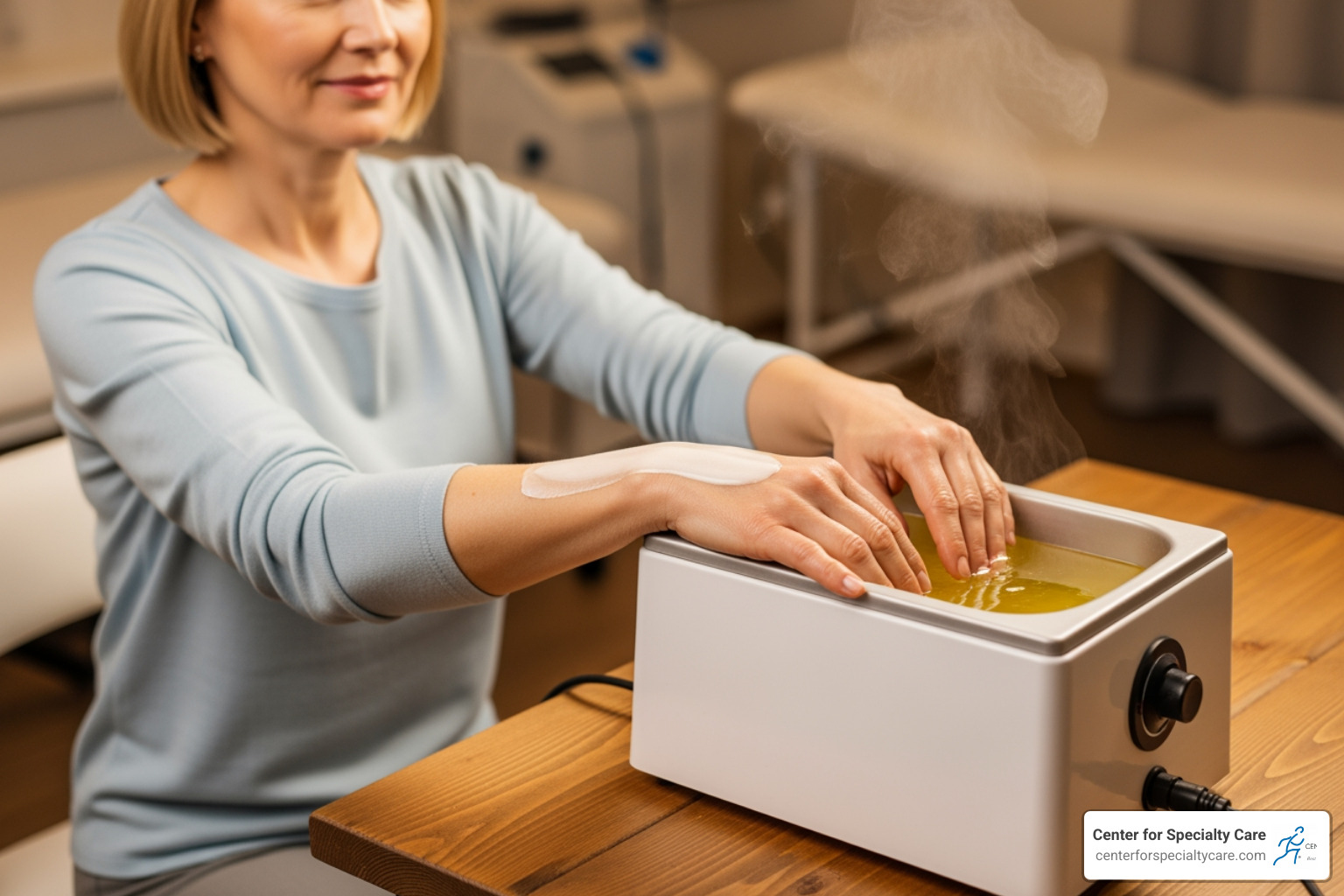
- Paraffin Wax Baths: Often used for smaller joints like hands and feet, paraffin wax delivers deep, moist heat that can be incredibly soothing for arthritis or stiffness.
- Adhesive Heat Wraps: These portable, single-use wraps provide continuous, low-level heat for several hours, perfect for on-the-go relief or discreet use during daily activities.
Regardless of the method chosen, remember these best practices:
- Temperature Control: The goal is soothing warmth, not scalding heat. The ideal temperature for heat therapy is typically between 104°F (40°C) and 113°F (45°C). Water temperatures for showers or baths should be between 92°F and 100°F. Always test the temperature before applying it to your skin.
- Duration of Application: For most superficial heat applications, 15-20 minutes is a good guideline. While some continuous low-level heat wraps are designed for longer wear, always follow product instructions and listen to your body.
- Protecting the Skin: Always place a towel or cloth barrier between a hot pack or heating pad and your skin to prevent burns. Never apply heat directly to bare skin unless specifically designed for direct contact (like some adhesive wraps).
- Hydration: Especially when using methods like hot baths or saunas, ensure you drink plenty of water before and after to stay hydrated.
Safety First: When to Avoid Heat Therapy
While the benefits of heat therapy are extensive, it’s not always the right choice. Knowing when to avoid heat is just as important as knowing when to use it, to prevent exacerbating an injury or condition. Always err on the side of caution and consult with a healthcare professional if you are unsure.
Here are situations and conditions where heat therapy should be avoided:
- Acute Injuries and Swelling: For new injuries (typically within the first 48-72 hours) that involve swelling, redness, or heat, cold therapy is generally preferred. Applying heat to an acute injury can increase inflammation and swelling, delaying the healing process. As medical experts at Johns Hopkins Medicine advise, “Stay away from heat if you have an acute injury or are having a flare-up.”
- Open Wounds or Broken Skin: Never apply heat directly to cuts, open wounds, or damaged skin, as this can increase the risk of infection and further irritation.
- Dermatitis or Sensitive Skin: Individuals with skin conditions or extremely sensitive skin may find heat irritating.
- Deep Vein Thrombosis (DVT): Heat should not be applied over an area where DVT is suspected or diagnosed, as it could dislodge a blood clot.
- Certain Medical Conditions:
- Diabetes: People with diabetes may have reduced sensation in their extremities, making them more susceptible to burns without realizing it.
- Multiple Sclerosis (MS): Heat can sometimes worsen MS symptoms for some individuals.
- Neuropathy: Similar to diabetes, nerve damage can impair temperature sensation, increasing the risk of burns.
- Vascular Diseases: If you have conditions that affect circulation, such as peripheral vascular disease, consult your doctor before using heat therapy.
- Infections: Avoid applying heat to areas with active infections, as it can potentially spread the infection.
Consulting a Healthcare Professional: We at Center for Specialty Care always emphasize the importance of consulting with a qualified healthcare professional, such as one of our orthopedic specialists or physical therapists in Fairmont, MN, or Estherville, IA. They can provide personalized guidance on whether heat therapy is appropriate for your specific condition and how to use it safely and effectively. This is especially true if you have any underlying medical conditions or are uncertain about the nature of your pain.
Heat vs. Cold Therapy: Which Is Right for You?
The age-old question of “ice or heat?” often arises when dealing with pain and injury. Both heat therapy (thermotherapy) and cold therapy (cryotherapy) are valuable tools in pain management, but they work through different mechanisms and are best suited for different situations. Understanding these differences is key to choosing the right approach for your needs.
Comparing Heat and Cold
While both modalities aim to reduce pain, their physiological effects are quite distinct.
| Feature | Heat Therapy | Cold Therapy |
|---|---|---|
| How it Works | Increases blood flow (vasodilation) to deliver nutrients and oxygen. | Constricts blood vessels (vasoconstriction) to reduce swelling. |
| Best for | Chronic conditions, muscle soreness, stiffness (after the first 48-72 hours). | Acute injuries, swelling, inflammation, and immediately after intense exercise. |
| Effect | Relaxes muscles, eases joint stiffness, and soothes persistent aches. | Numbs the area to reduce pain, minimizes bruising, and decreases inflammation. |