
Precision Healing: The Benefits of Specialized Orthopedic Care
October 29, 2025
Insurance Said No? How to Get Your Intracept Procedure Covered
October 31, 2025
Heating pad for tendonitis: Ultimate Relief 2025
Understanding When Heat Can Help Your Tendon Pain
Using a heating pad for tendonitis can provide significant relief, but timing is everything. The common question, “Should I use heat or ice?”, doesn’t have a simple answer. Using the wrong one at the wrong time can slow your recovery instead of helping it.
Quick Answer: When to Use a Heating Pad for Tendonitis
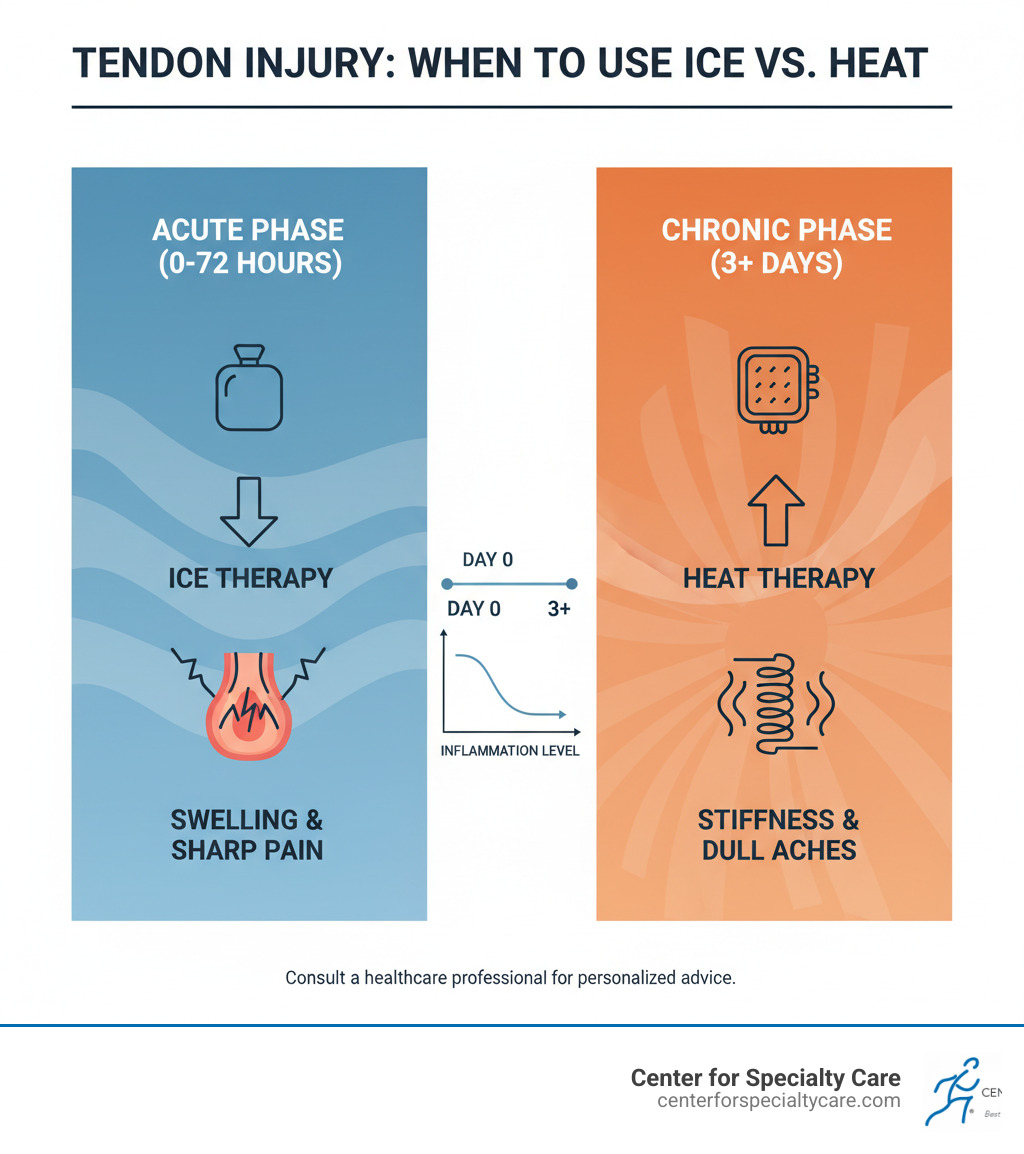
- Use heat for: Chronic tendon pain, stiffness, muscle tightness (after initial inflammation subsides)
- Avoid heat for: Acute injuries, swelling, redness, sharp pain (first 48-72 hours)
- Best timing: After the inflammatory phase, typically 3+ days post-injury
- Application: 15-20 minutes at a time, 2-3 times daily with a barrier between pad and skin
- Temperature: Warm and comfortable, never hot enough to burn
Heat therapy works by increasing blood flow to the affected area, which helps relax muscles, reduce stiffness, and promote healing in chronic conditions. However, applying heat during the acute inflammatory phase—when your tendon is swollen and angry—can worsen symptoms by increasing inflammation.
I’m Dr. Corey Welchlin, a board-certified orthopedic surgeon with over three decades of experience treating musculoskeletal conditions in southern Minnesota and northern Iowa. Throughout my career, I’ve helped countless patients understand when and how to use a heating pad for tendonitis as part of their comprehensive recovery plan. The key is knowing exactly when your tendon is ready for heat therapy and how to apply it safely for maximum benefit.
Common Heating pad for tendonitis vocab:
- ice or heat for strained tendon
- is heat good for patellar tendonitis
- is heat good for peroneal tendonitis
Understanding Your Tendon Pain: Tendonitis vs. Tendinosis
Not all tendon pain is the same. Before using a heating pad for tendonitis, understand the difference between tendonitis and tendinosis, as the correct treatment depends on it.
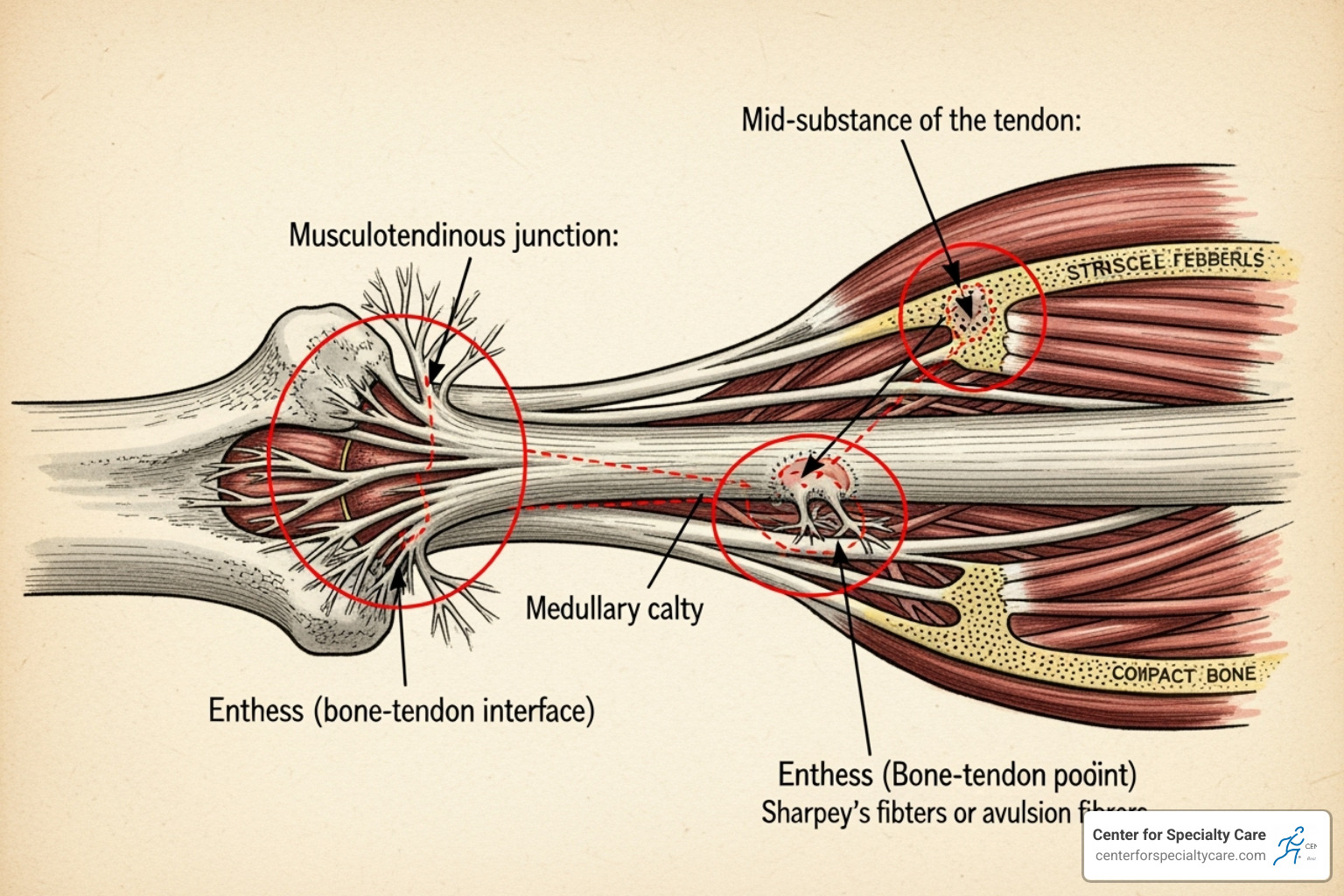
Tendons are the tough, rope-like cords connecting muscles to bones, enabling movement. When they get injured or irritated, the pain can significantly interfere with daily life.
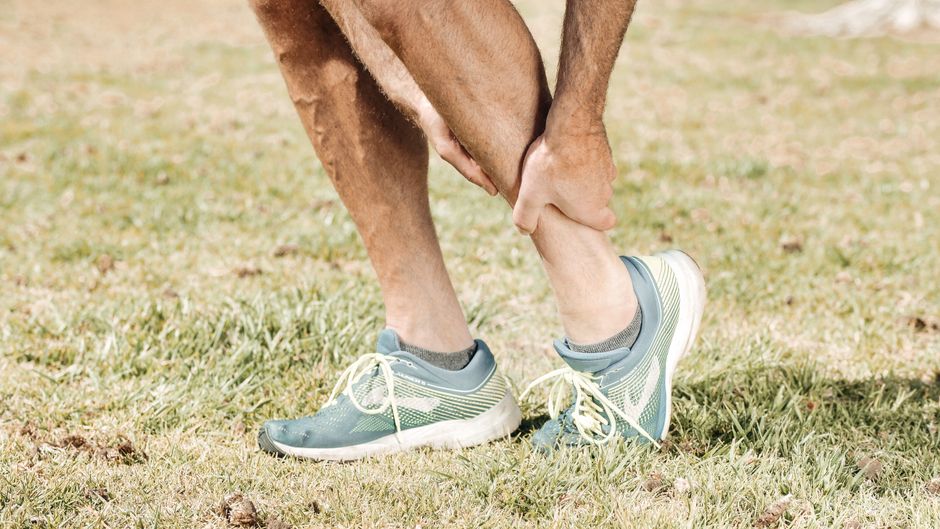
Tendonitis is the inflammation of a tendon, typically from a sudden injury or repetitive movements. It’s an acute condition that comes on relatively quickly. Perhaps you ramped up your running routine too fast and your Achilles tendon is letting you know it’s not happy. This is a classic tendonitis scenario.
Common locations for tendonitis include the shoulder (rotator cuff), elbow (tennis or golfer’s elbow), knee (jumper’s knee), and the Achilles tendon, as well as the wrists, hips, and thumb.
What causes tendonitis? Usually it’s repetitive motion or overuse injuries. Sudden increases in exercise intensity, poor ergonomics, or even certain medications can trigger tendon inflammation. As we age, our tendons naturally become less flexible, making them more prone to injury.
The Critical Difference for Treatment
Here’s where things get really important for your recovery. Tendinosis is a completely different beast than tendonitis. While tendonitis involves inflammation, tendinosis is the actual breakdown of collagen fibers within the tendon—think of it as chronic wear and tear.
| Feature | Tendonitis | Tendinosis |
|---|---|---|
| Nature | Acute injury with inflammation | Chronic condition with collagen degeneration |
| Best Initial Treatment | Ice to reduce swelling and inflammation | Heat to increase blood flow and promote healing |
| Symptoms | Sharp pain, swelling, redness, warmth | Dull ache, stiffness, limited range of motion |
| Timeline | Sudden onset, recent injury | Develops over weeks or months |
| Response to Rest | Usually improves with rest | May feel stiff after rest periods |
Why the difference matters for healing becomes clear when you consider treatment. If you have acute tendonitis, using a heating pad for tendonitis too early can worsen things by increasing blood flow to an already inflamed area. But for chronic tendinosis, heat can be incredibly helpful for improving circulation and reducing stiffness.
This is why a proper diagnosis is crucial. What feels like similar pain might require opposite treatments. Knowing if you have acute inflammation or chronic degeneration guides your entire recovery, from using ice or heat to choosing exercises and seeking professional care.
The Great Debate: When to Use Heat vs. Ice
Many people make a crucial mistake that slows their healing by choosing the wrong therapy. The “ice or heat?” question isn’t about preference; it’s about giving your body what it needs at the right stage of injury.
Ice: Your First Responder for Fresh Injuries
When you’ve just injured yourself—maybe you felt a sharp twinge in your elbow or sudden pain in your Achilles tendon—ice is your best friend. This is especially true during the critical first 48-72 hours when your body’s inflammatory response is in full swing.
Ice works through vasoconstriction (narrowing blood vessels). This reduces blood flow, which helps decrease swelling and provides natural pain relief by numbing the area, calming the initial inflammatory response.
You’ll want to reach for ice when you notice signs of acute injury: sharp pain, visible swelling, redness, or warmth around the affected tendon. These are your body’s signals that inflammation is present.
Heat: The Healing Helper for Chronic Pain
Once that initial inflammation has settled down—usually after a few days—or if you’re dealing with chronic tendon pain that’s been around for weeks, that’s when a heating pad for tendonitis becomes valuable.
Heat does the opposite through vasodilation (widening blood vessels). This increases blood flow, delivering oxygen and nutrients to healing tissues while flushing out waste products that cause pain and stiffness.
The magic of heat therapy shines when you’re dealing with a persistent, dull ache or morning stiffness. Heat helps relax tight muscles and connective tissues, making movement easier and more comfortable.
Can Heat Make Tendonitis Worse?
Yes, heat can make tendonitis worse if used at the wrong time. Applying heat too early, during the acute inflammatory phase, is like adding fuel to a fire. It increases blood flow to an already inflamed and swollen area, which can lead to increased inflammation, worsened swelling, and more pain, prolonging the acute phase of your injury.
So when should you absolutely avoid heat? Watch for these telltale signs of acute injury: redness around the tendon area, the skin feeling noticeably warm to the touch, sharp pain (especially with movement), or any visible swelling. If you’re seeing any of these symptoms, stick with ice for now.
The good news is that this acute phase doesn’t last forever. Most people can safely transition from ice to heat within a few days to a week. When in doubt, remember this simple rule: if it looks angry and inflamed, cool it down with ice. If it feels stiff and achy, warm it up with heat.
Your Guide to Using a Heating Pad for Tendonitis
When used correctly for chronic tendon pain, a heating pad for tendonitis offers remarkable benefits that improve comfort and support your body’s healing process.
Heat therapy works on multiple levels. The most immediate benefit is pain reduction, as the warmth soothes pain signals. Heat also promotes muscle relaxation, loosening tight muscles around the tendon that contribute to stress and stiffness. Another key benefit is improved flexibility; warm tissues are more pliable, which is why applying heat before stretching is often recommended. Finally, the increased circulation from heat is crucial for healing. It delivers more oxygen and nutrients to the tendon while flushing away waste products. For more detailed insights, explore our article: Does Heat Help Tendonitis? Answers & Tips for Effective Relief.
How to Apply Heat for Tendonitis
When it comes to delivering therapeutic heat, you have several excellent options:
- Moist heating pads are often recommended because moist heat penetrates deeper than dry heat. You can use a pad with a moisture feature or place a damp towel between your skin and a regular pad.
- Dry electric heating pads are convenient for home use with consistent, controllable heat. They often have timers and multiple settings, making them safe and user-friendly.
- Warm compresses or towels work well for targeted relief. A towel soaked in warm water provides immediate heat, though it needs periodic reheating.
- Warm baths or showers can provide whole-body relief, which is excellent if your tendon pain is part of a broader pattern of stiffness.
- Infrared heating pads use longer wavelengths to penetrate several inches deep, reaching areas that surface heat might miss for more effective relief.
A Step-by-Step Guide to Using a Heating Pad for Tendonitis
To use a heating pad for tendonitis safely and effectively, follow these simple steps.
Start by choosing a comfortable position where you can relax completely without straining other parts of your body.
Always use a barrier like a thin towel between the pad and your skin. This is essential to prevent burns and distribute heat evenly. Do not skip this step.
When it comes to temperature, start low and go slow. Begin with the lowest setting and gradually increase until you feel comfortably warm—never hot.
Timing is crucial—stick to 15-20 minutes per session. This duration provides therapeutic benefits without risking skin damage.
Between sessions, give your skin a break. Wait at least an hour before reapplying heat. You can safely repeat this process 2-3 times daily for chronic pain.

Crucial Safety Precautions
While heat therapy is generally safe, following proper precautions is essential.
- Never apply heat to broken skin, including cuts, rashes, or areas of irritation. Damaged skin is more susceptible to burns.
- Stay awake during treatment. Even with auto shut-off features, falling asleep can lead to prolonged exposure and skin damage.
- Check your skin regularly during and after treatment. Lift the pad periodically to look for excessive redness or blistering. If anything looks concerning, discontinue use.
- Special health conditions require extra caution. If you have diabetes, circulation problems, or any condition that affects your ability to sense temperature, consult your healthcare provider before using heat therapy.
- The golden rule is simple: if it feels uncomfortable or painful, it’s too hot. Therapy should feel soothing. For more, reference these safety tips for applying heat.
Beyond the Pad: A Holistic Approach to Healing
A heating pad for tendonitis provides relief, but it’s just one part of a holistic recovery plan. True healing requires addressing the root cause of the problem.
- Rest and activity modification. This is the most important step. Continuing activities that aggravate your tendon will prevent it from healing. This means being smart with your movements, reducing intensity, or taking breaks from repetitive tasks.
- Ergonomic adjustments. These can be game-changers, especially for tendonitis from repetitive motions. Small changes to your workspace or technique can prevent the problem from returning.
- Gentle stretching. Once acute pain subsides, gentle stretching is crucial. A heating pad is a perfect prelude, as warm tissues stretch more safely and easily.
- Strengthening exercises. As you progress, strengthening exercises, particularly eccentric ones, are vital for long-term success. They help your tendon rebuild resilience and handle stress better.

When to Seek Professional Help
While home remedies are helpful, you should seek professional help if:
- Pain persists over two weeks despite home care.
- You experience severe pain or swelling that limits daily activities.
- You have an inability to move the joint through its normal range.
- You notice numbness or tingling sensations, which could suggest nerve involvement.
A proper diagnosis is key. At Center for Specialty Care, our approach to Pain Management focuses on identifying the exact cause of your pain to develop a personalized treatment strategy.
Complementary Professional Treatments
Healthcare professionals can offer treatments that complement your home care routine.
Physical Therapy is often the cornerstone of recovery. A physical therapist can create a personalized exercise plan, provide manual therapy, and teach you proper body mechanics to strengthen the tendon and prevent future injury.
Professional guidance ensures you’re doing the right exercises at the right time. For persistent pain, your doctor might suggest injections to reduce inflammation. Other non-surgical options might include specialized bracing or newer treatments like platelet-rich plasma (PRP) injections. The key is finding the right combination of treatments for your situation.
Frequently Asked Questions about Heating Pads and Tendonitis
Here are answers to the most common questions we receive about using a heating pad for tendonitis.
How long should I use a heating pad for tendonitis?
For chronic tendon pain (without active swelling), use a heating pad for 15 to 20 minutes per session, up to 3 times daily. Allow your skin at least an hour to cool down between sessions. Only use heat after the acute inflammation has resolved—if you have swelling, redness, or sharp pain, use ice instead. Always listen to your body; if heat feels uncomfortable, stop.
Can I use a heating pad for extensor tendonitis?
Yes, a heating pad for tendonitis is excellent for the chronic stiffness of extensor tendonitis in the foot or hand. Applying heat for 15-20 minutes can improve flexibility before stretching, making movement more comfortable, especially in the morning. However, if you have an acute flare-up with pain and swelling, use ice instead. Heat is for stiffness and dull aches, not fresh inflammation. Learn more in our guide to extensor tendonitis.
Is it okay to alternate heat and ice for tendonitis?
Yes, this is called contrast therapy. Alternating heat and ice can reduce pain and improve circulation by creating a pumping action in your blood vessels. A common method is 10-15 minutes of heat followed by 5-10 minutes of ice, repeated 2-3 times and always ending with cold. This is best for injuries past the acute stage. However, it’s crucial to consult a professional first, as every injury is different. While general advice is available from sources like the Mayo Clinic, personalized guidance is best. Contrast therapy should be part of a comprehensive treatment plan.
Take the Next Step Towards Tendonitis Relief
You now know that a heating pad for tendonitis is a great ally when used correctly. Remember the key takeaways: use heat for chronic stiffness and dull aches, and use ice for acute swelling and sharp pain in the first 48-72 hours.
Safe application is crucial: use a barrier, keep the temperature comfortable, and limit sessions to 15-20 minutes. While home care (heat, stretching, rest) is a great start, a professional diagnosis ensures you’re on the most effective path to recovery.
Just as you’d diagnose a car engine before fixing it, your tendons need a proper diagnosis. Knowing if you have tendonitis, tendinosis, or another issue is critical. At Center for Specialty Care, our team provides personalized treatment plans for tendonitis that fit your unique situation. Our commitment to understanding your goals is why we’re proud of our 100% patient satisfaction rate.
Find Your Path to Recovery
If persistent tendon pain is limiting your life, it’s time for expert guidance. Our orthopedic specialists are ready to help you create a personalized recovery plan. We offer quick appointment availability and personalized care to treat you as a whole person. Serving Fairmont MN, Estherville IA, Buffalo Center IA, and St James MN, we’re here to help you find lasting relief.
Don’t wait—let’s work together to get you back to doing what you love, pain-free.