
Your Guide to Custom Orthotics and Understanding the Investment
January 28, 2026
How to Relieve Stress: Simple Strategies for a Serene Life
January 30, 2026
What are pain management clinics for: 2025 Ultimate Relief
Reclaiming Your Life from Pain
What are pain management clinics for? Pain management clinics are specialized healthcare facilities dedicated to diagnosing and treating various types of pain—both acute and chronic. Their primary purpose is to help patients improve their quality of life by reducing pain, restoring function, and developing effective coping strategies. Rather than simply masking symptoms, these clinics take a comprehensive approach that addresses the physical, emotional, and psychological aspects of pain.
Key purposes of pain management clinics include:
- Comprehensive Pain Assessment – Thorough evaluation of your pain’s cause, location, and impact
- Personalized Treatment Plans – Custom strategies combining multiple therapies
- Interventional Procedures – Minimally invasive treatments like nerve blocks and injections
- Medication Management – Safe, effective prescribing with a focus on reducing opioid dependence
- Rehabilitation Services – Physical therapy, occupational therapy, and exercise programs
- Mental Health Support – Counseling and cognitive behavioral therapy to address pain’s emotional toll
- Improved Daily Function – Helping you return to work, hobbies, and activities you love
The numbers tell a powerful story. Nearly 75 million Americans aged 20 and older report having pain that lasts more than 24 hours, and worldwide, up to 30% of adults suffer from chronic pain. This isn’t just about discomfort—chronic pain disrupts work performance, sleep, relationships, and every aspect of daily life. Yet there’s hope: studies show that current chronic pain treatments can result in about a 30% decrease in pain scores, and when combined with a multidisciplinary approach, patients often see significant improvements in mood, physical function, and overall quality of life.
Pain management clinics exist because pain is complex. It’s not always about finding a quick fix or achieving complete pain elimination. Instead, the focus is on helping you regain control—learning to move through your day with less pain, fewer limitations, and greater confidence. Whether you’re dealing with persistent back pain, arthritis, nerve damage, or post-surgical discomfort, these specialized centers offer tools and treatments that go far beyond what a primary care visit can provide.
I’m Dr. Corey Welchlin, a board-certified orthopedic surgeon with over 30 years of experience treating patients in southern Minnesota and northern Iowa. Throughout my career, I’ve seen what are pain management clinics for—they’re essential resources for patients who need comprehensive, coordinated care that addresses not just the pain itself, but the whole person. At the Center for Specialty Care, we’ve built a multidisciplinary team dedicated to helping you find lasting relief and return to the life you deserve.
Key terms for what are pain management clinics for:
What is a Pain Management Clinic and Who Needs One?
A pain management clinic is a specialized healthcare facility dedicated to the diagnosis, treatment, and management of various pain conditions, with a particular focus on chronic pain. Unlike a general practitioner who might treat pain as a symptom of an underlying condition, our pain management experts focus specifically on addressing the pain itself, understanding its complexities, and helping you find effective relief. Our primary goal is not just to alleviate your discomfort, but to help you become more functional, improving your overall quality of life.
We understand that living with pain can be incredibly challenging, affecting every aspect of your life, from work to relationships, and even simple daily tasks. That’s why we offer comprehensive, multidisciplinary care custom to your individual needs. We believe in a holistic approach, considering all factors that contribute to your pain experience.
Who Typically Seeks Treatment?
Many individuals find their way to our pain management clinics after experiencing persistent pain that hasn’t responded to conventional treatments. So, who typically seeks treatment, and what are pain management clinics for these individuals?
- Patients with Chronic Pain: This is our most common patient group. Chronic pain is defined as pain that lasts longer than three months, often continuing even after an injury has healed. It can stem from ongoing illnesses, disabilities, nerve damage, or conditions like arthritis. If you’re struggling with pain that just won’t quit, we’re here to help.
- Post-Surgical Pain Sufferers: Sometimes, pain persists even after surgery. We help manage this residual discomfort to ensure a smoother recovery and better long-term outcomes.
- Individuals with Arthritis or Fibromyalgia: These conditions often cause widespread, chronic pain that benefits greatly from specialized management strategies.
- People with Nerve Damage or neuropathic pain: Nerve pain, such as sciatica, peripheral neuropathy, or trigeminal neuralgia, can be particularly debilitating. Our clinics specialize in diagnosing and treating these complex nerve-related issues. We also help patients with Managing radiating pain, which is a common symptom of nerve compression or irritation.
- Those Not Responding to Initial Treatments: If you’ve tried physical therapy, medication, or other conservative therapies without significant relief, a pain management clinic can offer advanced diagnostic tools and treatment options.
- Patients Seeking Non-Surgical Options: Many individuals prefer to explore less invasive treatments before considering surgery. Our clinics provide a wide array of interventional procedures and therapies that can offer significant relief without the need for an operation.
We believe that no one should have to struggle through pain every day. If pain prevents you from enjoying activities, doesn’t improve or worsens, or causes anxiety, depression, or sleep problems, it’s time to consider specialized pain management.
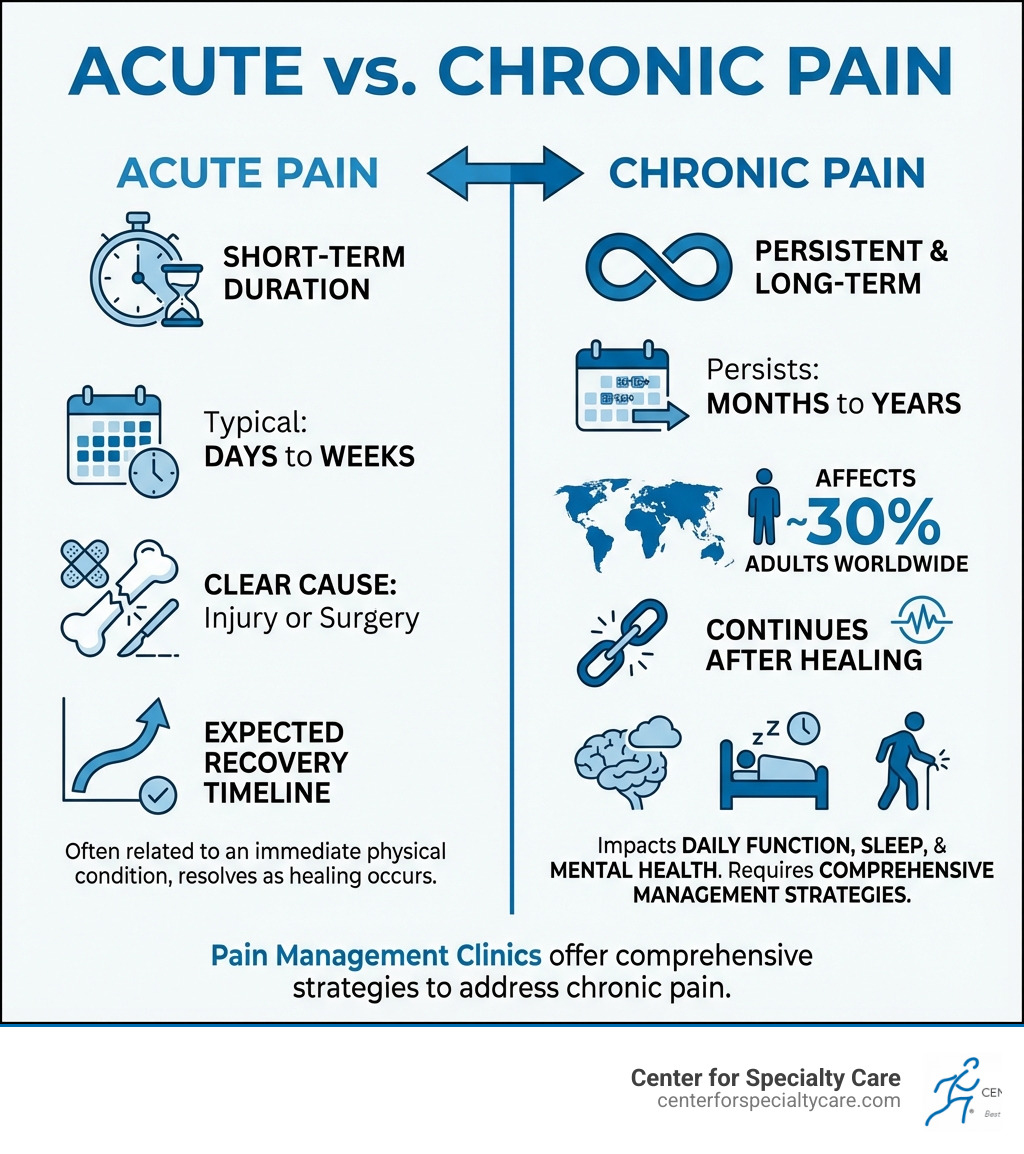
| Feature | Acute Pain | Chronic Pain |
|---|---|---|
| Duration | Short-term (days to weeks) | Long-term (months, years, or lifelong) |
| Cause | Clear, identifiable injury, illness, or surgery | Often complex; may persist after healing, or stem from ongoing conditions, nerve damage, or unknown origins |
| Purpose | Warning sign of tissue damage | No clear biological purpose; becomes a disease state itself |
| Treatment Focus | Addressing the underlying cause | Managing pain, improving function, enhancing quality of life, coping strategies |
| Impact | Temporary disruption | Significant impact on daily activities, mood, sleep, and overall well-being |
The Goal: More Than Just Pain Elimination
When we talk about what are pain management clinics for, it’s crucial to understand that our goal extends far beyond simply making the pain disappear. While pain reduction is a significant objective, our ultimate aim is to help you reclaim your life. This means:
- Restoring Function: We focus on helping you regain the ability to perform daily activities, whether it’s walking further, lifting objects, or engaging in hobbies you love. Movement is key to reducing pain and preventing stiffness, especially for conditions like arthritis.
- Improving Daily Activities: Our treatments and therapies are designed to make everyday tasks easier and less painful, allowing you to participate more fully in life.
- Reducing Medication Dependence: We strive to minimize reliance on prescription drugs, particularly opioids, by exploring alternative modalities and interventional procedures. Our approach focuses on safe, effective prescribing and tapering when appropriate.
- Enhancing Mental Well-being: Chronic pain often comes with an emotional toll, leading to stress, anxiety, and depression. We address these mental health aspects to help you cope better and improve your overall mood.
- Providing Coping Skills: We equip you with practical strategies and techniques to manage pain, stress, and emotional challenges, giving you greater control over your pain experience.
At the Center for Specialty Care, we believe that effective pain management is about empowering you with the tools and strategies to live a fuller, more active life. To learn more about our comprehensive approach, explore our Pain Management services.
The Multidisciplinary Team: Your Alliance Against Pain
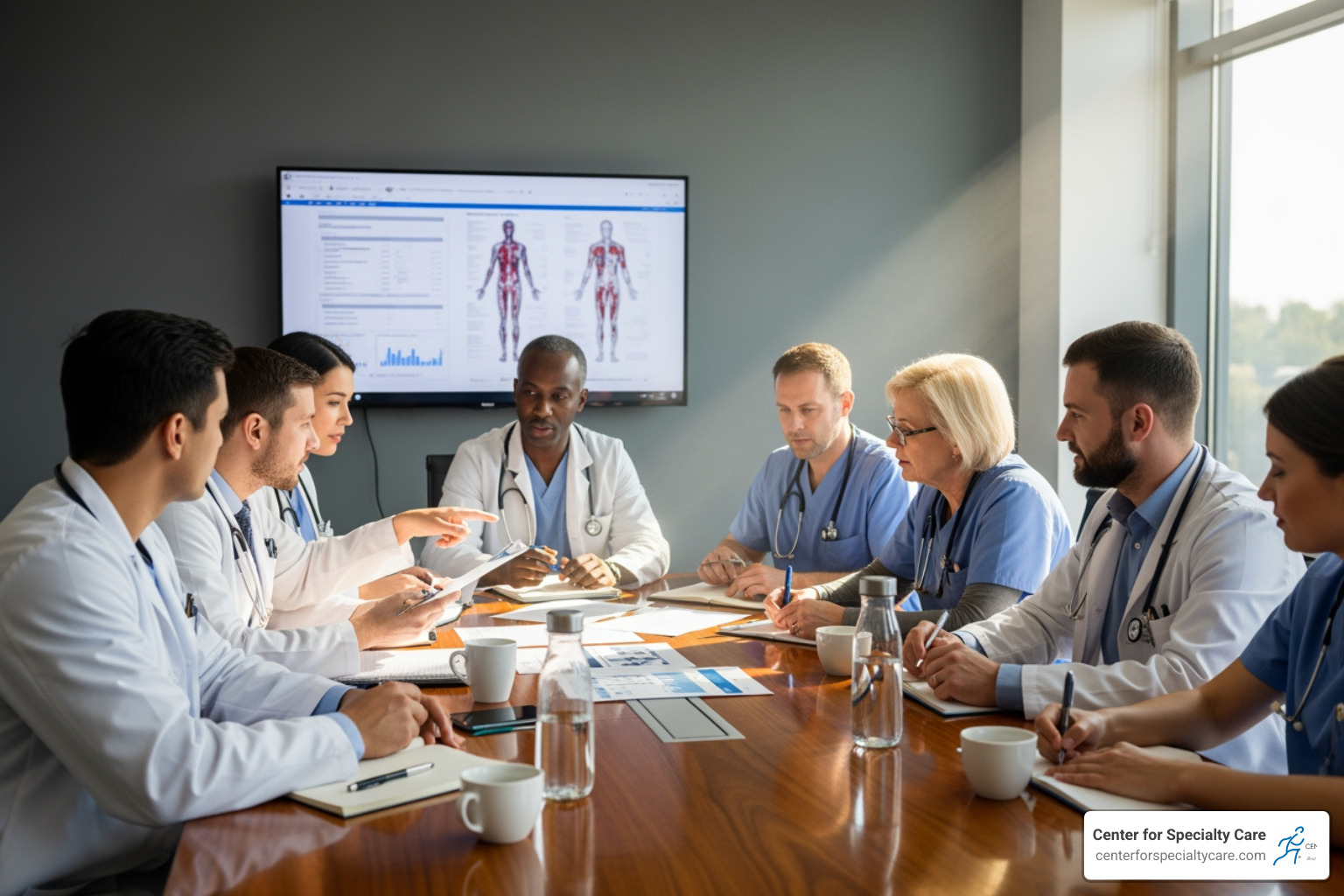
One of the defining characteristics of a modern pain management clinic, and a key aspect of what are pain management clinics for, is our collaborative care model. We don’t believe in a one-size-fits-all solution; instead, we employ a biopsychosocial approach, recognizing that pain is influenced by biological, psychological, and social factors. This holistic perspective necessitates a team of diverse specialists working together to address every facet of your pain. The importance of this multidisciplinary team cannot be overstated—it ensures that you receive the most comprehensive and effective care possible.
Who is on a Pain Management Team?
A truly comprehensive pain management team brings together experts from various medical fields, all focused on your well-being. Here at the Center for Specialty Care, our team may include:
- Pain Management Specialists: These are physicians specially trained in the evaluation, diagnosis, and treatment of painful conditions. Often, they have primary board certification in a specialty like anesthesiology or physical medicine and rehabilitation, followed by additional fellowship training in pain management. They possess in-depth knowledge of pain physiology and advanced treatment techniques. You can learn more about What is a Pain Management Specialist?.
- Anesthesiologists: Many pain management specialists come from an anesthesiology background, bringing expertise in nerve blocks, injections, and other interventional procedures.
- Orthopedics Surgeons: For certain conditions, especially those affecting the musculoskeletal system, an orthopedic surgeon plays a crucial role in diagnosis and, if necessary, surgical intervention, working closely with the pain management team for pre- and post-operative pain control.
- Physical Therapists (PTs): PTs help restore function, improve mobility, strengthen muscles, and reduce pain through exercise, manual therapy, and other physical modalities. They are vital in helping you move safely and effectively.
- Occupational Therapists (OTs): OTs focus on helping you perform daily tasks and activities of living more easily, adapting your environment or teaching new ways to accomplish tasks to minimize pain.
- Psychologists or Psychiatrists: Chronic pain often has a significant psychological component. These specialists help manage the emotional burden of pain, offering therapies like Cognitive Behavioral Therapy (CBT) to address thoughts and emotions that can increase pain perception.
- Nurses and Physician Assistants: These healthcare professionals are integral to coordinating care, educating patients, monitoring progress, and ensuring smooth clinic operations.
This collaborative approach ensures that all aspects of your pain—physical, emotional, and functional—are addressed, leading to more sustainable and effective relief.
The Role of Mental and Emotional Support
It’s impossible to talk about what are pain management clinics for without acknowledging the profound connection between pain and mental health. Chronic pain is not just a physical sensation; it can profoundly impact your emotional state, leading to stress, anxiety, depression, and even anger. Conversely, stress and negative emotions can amplify your perception of pain, creating a challenging cycle.
Our pain management approach integrates mental and emotional support to break this cycle and equip you with powerful coping mechanisms. Key components include:
- Cognitive Behavioral Therapy (CBT): This therapy helps you identify and challenge negative thought patterns and behaviors related to your pain. By changing how you think about and react to pain, CBT can significantly reduce its impact on your life.
- Mindfulness techniques: Mindfulness involves focusing on the present moment without judgment. Practices like meditation and focused breathing can help you observe your pain without being overwhelmed by it, fostering a sense of calm and control.
- Relaxation strategies: Techniques such as deep breathing, progressive muscle relaxation, and guided imagery can reduce muscle tension and calm your nervous system, directly contributing to pain relief.
- Coping Mechanisms for the Emotional Burden of Pain: Our specialists help you develop strategies to manage the frustration, isolation, and sadness that often accompany chronic pain. This might include developing better sleep hygiene, setting realistic goals, and engaging in enjoyable activities.
By addressing the emotional and psychological dimensions of pain, we help you build resilience, improve your mood, and ultimately, reduce the overall impact of pain on your life.
What Are Pain Management Clinics For? A Look at Services and Treatments
At the heart of what are pain management clinics for lies a comprehensive array of services and treatments designed to tackle pain from multiple angles. We begin with thorough, comprehensive assessments to pinpoint the source and nature of your pain. Based on these findings, we develop individualized treatment plans that often combine various therapies, including minimally invasive procedures and thoughtful medication management. Our aim is to provide effective, lasting relief that improves your daily life.
Interventional Pain Management
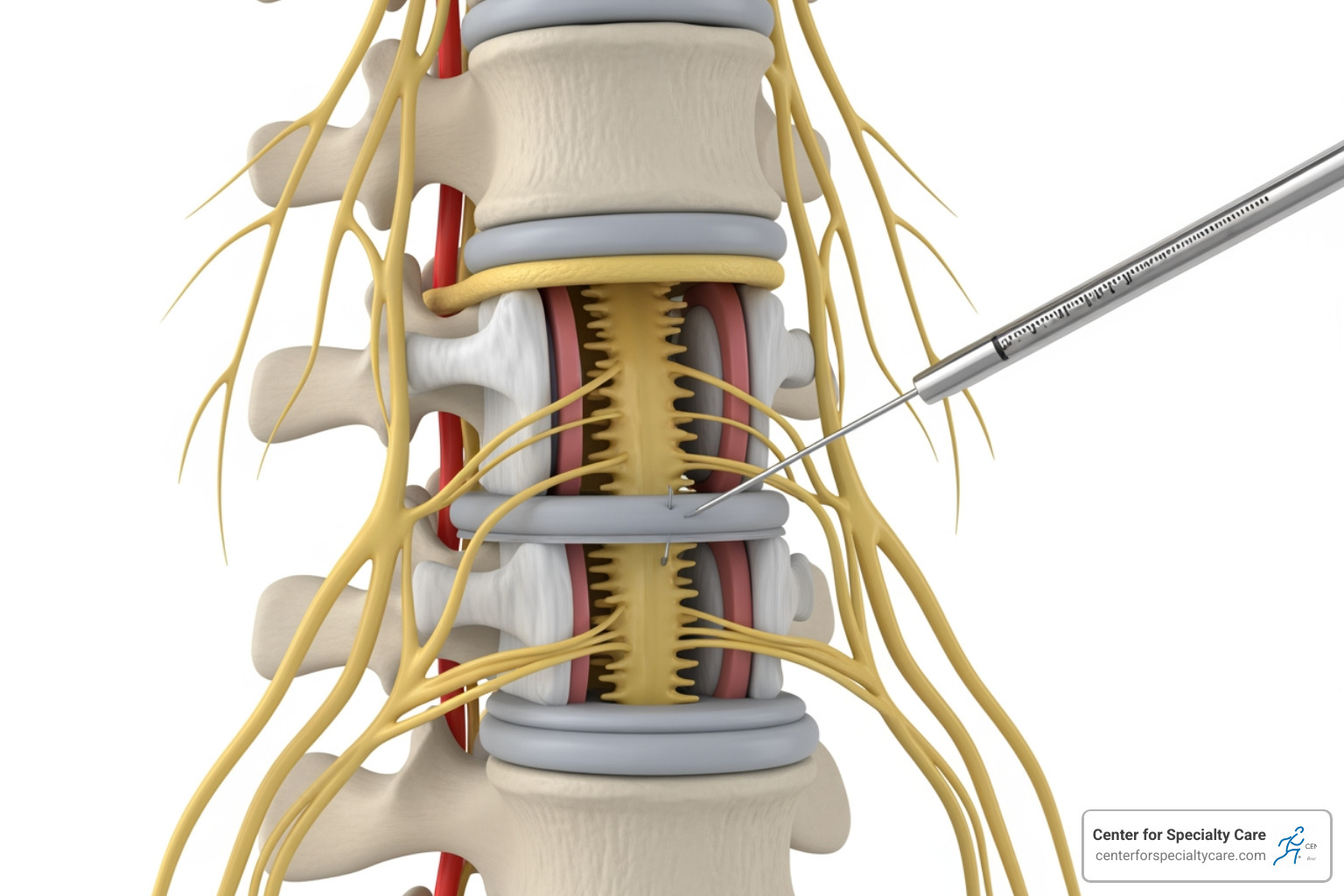
Interventional pain management is a specialized field focused on diagnosing and treating pain through minimally invasive procedures. These techniques are often performed using imaging guidance to precisely target the source of your pain. They serve both diagnostic and therapeutic purposes—meaning they can help us identify where your pain is coming from and simultaneously provide relief.
You can learn more about What is Interventional Pain Management?. Some common interventional procedures we offer include:
- Epidural Steroid Injections: These injections deliver anti-inflammatory medication directly into the epidural space surrounding the spinal cord, often used to relieve back, neck, arm, and leg pain caused by nerve compression. For a deeper dive, see Understanding Epidural Steroid Injections.
- Nerve Blocks: These involve injecting an anesthetic or anti-inflammatory medication near specific nerves to block pain signals. They can be diagnostic (to identify the pain source) or therapeutic (to provide relief).
- Radiofrequency Ablation (RFA): RFA uses heat generated by radio waves to temporarily disable nerves that are transmitting pain signals. This can provide longer-lasting relief for conditions like facet joint pain in the back and neck.
- Spinal Cord Stimulation (SCS): For chronic, intractable pain that hasn’t responded to other treatments, SCS involves implanting a small device that sends mild electrical pulses to the spinal cord, interrupting pain signals before they reach the brain.
These procedures are often performed using advanced imaging guidance like fluoroscopy (a type of X-ray) or ultrasound to ensure accuracy and safety, maximizing their effectiveness and minimizing risks.
Non-Interventional and Rehabilitative Therapies
While interventional procedures are a powerful tool, they are just one component of our comprehensive approach. What are pain management clinics for when it comes to less invasive, foundational therapies? We heavily rely on:
- Physical Therapy (PT): PT is crucial for restoring movement, strength, and function. Our physical therapists design customized exercise programs to improve flexibility, posture, and muscle strength, helping to reduce pain and prevent future injuries. They teach you how to move safely and effectively.
- Occupational Therapy (OT): OT helps you adapt to daily tasks and activities. OTs work with you to find ways to perform everyday actions—from dressing to cooking to working—with less pain, often through ergonomic adjustments or adaptive techniques.
- Medication Management (Non-Opioid Focus): We carefully manage medications with a strong emphasis on non-opioid options to reduce pain and inflammation. This includes prescription anti-inflammatories and nerve-stabilizing medications.
- Muscle Relaxants: These can be prescribed to alleviate muscle spasms and tension, which often contribute to pain.
- Anti-inflammatory Medications: Non-steroidal anti-inflammatory drugs (NSAIDs) and oral corticosteroids are often used to reduce inflammation and pain.
- Complementary Therapies: We may also recommend therapies like Massage therapy to relieve muscle tension, improve circulation, and promote relaxation. Other options such as chiropractic adjustments, acupuncture, biofeedback, meditation, breathwork, and yoga can also be beneficial in a holistic pain management plan.
Our philosophy is to start with the most conservative and least invasive treatments, progressing to more advanced options as needed, always with your safety and long-term well-being in mind.
What types of pain are treated at pain management clinics?
Our pain management clinics are equipped to diagnose and treat a wide array of painful conditions, addressing the question of what are pain management clinics for across various pain types. We specialize in conditions that affect the spine, joints, nerves, and muscles, including:
- Back and Neck Pain: This includes chronic low back pain, cervical (neck) pain, herniated discs, degenerative disc disease, facet joint arthritis, sciatica, and spinal stenosis.
- Joint Pain (Arthritis): We treat pain arising from various forms of arthritis, such as osteoarthritis in the knees, hips, shoulders, and other joints.
- Neuropathic Pain: This category covers pain caused by nerve damage or dysfunction, including sciatica (pinched nerve), peripheral neuropathy, trigeminal neuralgia, and complex regional pain syndrome (CRPS).
- Headaches and Migraines: Chronic headaches and migraines can be severely debilitating, and we offer specialized treatments to reduce their frequency and intensity.
- Post-Surgical Pain: Persistent pain after an operation can be challenging. We help manage this discomfort to facilitate better recovery.
- Cancer-Related Pain: Pain associated with cancer, whether from the disease itself or its treatments, requires sensitive and specialized management.
- Complex Regional Pain Syndrome (CRPS): A chronic pain condition often affecting an arm or leg, CRPS is characterized by severe pain, swelling, changes in skin temperature, and sensitivity.
This extensive range of conditions underscores our commitment to providing comprehensive relief, no matter the source of your discomfort.
Your Journey to Relief: What to Expect
Starting on a journey with a pain management clinic is a proactive step toward a better quality of life. Understanding what are pain management clinics for in terms of your personal experience can help set realistic expectations and encourage active participation. We believe that your involvement is crucial to the success of your treatment plan.
The Initial Consultation and Assessment
Your journey with us typically begins with an initial consultation. While a referral from your primary care provider or another specialist is often beneficial, we strive to make appointments readily available. During this first visit, you can expect:
- Comprehensive Medical History Review: We’ll dig into your past health, previous injuries, surgeries, and any treatments you’ve already tried. We also review all your current medications.
- Physical Examination: A thorough physical exam helps us assess your range of motion, muscle strength, neurological function, and identify areas of tenderness or pain.
- Diagnostic Tests: We may order or review existing diagnostic imaging, such as X-rays, MRI, or CT scans, to get a clearer picture of the underlying cause of your pain. Nerve conduction tests might also be used for certain conditions.
- Pain Questionnaires: You’ll likely complete detailed questionnaires about your pain—its location, intensity, how it affects your daily life, and what makes it better or worse. This helps us understand your unique pain experience.
- Discussing Your Goals: We’ll take the time to listen to your personal goals for treatment. What do you want to achieve? What activities do you want to get back to? Your goals guide our treatment plan.
This thorough assessment is the foundation upon which your personalized treatment plan will be built.
Developing Your Personalized Treatment Plan
Once we have a comprehensive understanding of your pain, we move to developing a treatment plan. This is where the core of what are pain management clinics for truly shines—creating a strategy that is as unique as you are.
- Collaborative Goal Setting: Your input is invaluable. We work with you to set realistic and achievable goals for your pain management, ensuring they align with your aspirations for a better life.
- Multimodal Approach: We rarely rely on a single treatment. Instead, we combine different therapies—interventional procedures, medications, physical therapy, and psychological support—to create a powerful, synergistic approach. This comprehensive strategy is proven to be most effective for chronic pain.
- Combining Different Therapies: For instance, you might receive an epidural steroid injection for immediate relief, followed by physical therapy to strengthen your core, and learn mindfulness techniques to manage stress.
- Regular Follow-ups and Adjustments: Pain management is an ongoing process. We schedule regular follow-up appointments to monitor your progress, assess the effectiveness of treatments, and make any necessary adjustments to your plan. Your needs can change, and your treatment should evolve with them.
- Education on Self-Management: We empower you with knowledge and skills to manage your pain independently. Understanding your condition and learning coping strategies are vital for long-term success.
What should a patient expect during an appointment at a pain management clinic?
Beyond the initial consultation, subsequent appointments are designed to implement and refine your treatment plan. What are pain management clinics for in the context of ongoing care? You can expect:
- Meeting with Various Specialists: Depending on your personalized plan, you might meet with your pain management physician, physical therapist, or other team members during a single visit or across different appointments.
- Detailed Discussion of Symptoms: We’ll always ask about your current pain levels, any changes in your symptoms, and how you’re responding to your treatments. We encourage open communication about what’s working and what’s not.
- Explanation of Treatment Options: Before any procedure or significant change to your plan, we’ll thoroughly explain the proposed treatment, including its benefits, potential risks, and what you can expect during and after the procedure.
- Setting a Timeline for Care: While chronic pain management is often long-term, we’ll discuss expected timelines for specific treatments and when you might anticipate seeing improvements.
- Answering All Patient Questions: We dedicate time to ensure all your questions and concerns are addressed. Our warm and caring team is here to support you every step of the way.
Our commitment is to provide personalized care and quick appointment availability, ensuring you receive the attention you need without unnecessary delays.
Take the First Step Towards a Life with Less Pain
Understanding what are pain management clinics for reveals a pathway to renewed hope and improved well-being. Our clinics offer more than just temporary fixes; we provide a holistic, multidisciplinary approach designed to empower you to live a fuller, more active life.
The benefits are clear: you can achieve improved functionality, allowing you to return to work, hobbies, and family activities you once thought impossible. You’ll receive comprehensive care, addressing not just the physical pain but also its emotional and psychological impacts. Through personalized strategies, you’ll gain practical tools and coping mechanisms to manage your pain and steer daily challenges with greater confidence. We offer hope for chronic pain sufferers, demonstrating that while complete pain elimination may not always be possible, a significant improvement in your quality of life is well within reach.
At the Center for Specialty Care, our commitment to 100% patient satisfaction, personalized care, and quick appointment availability underscores our dedication to your health and comfort. We are here to guide you through your pain journey, offering expert care in Fairmont MN, Estherville IA, Buffalo Center IA, St James MN, and across Minnesota and Iowa.
Don’t let pain dictate your life any longer. We invite you to take the first step towards a life with less pain and more joy.
To learn more about our comprehensive approach, explore our Pain Management services.