
Is Foot Surgery Right for You? Understanding the Different Procedures
February 12, 2026
Pain, Be Gone! Navigating Your Journey to Chronic Pain Solutions
February 17, 2026
Pain Management Group: Your #1 Best Solution
Understanding Chronic Pain and the Path to Relief
A pain management group is a structured program where patients work with a multidisciplinary team of healthcare professionals to develop self-management skills and comprehensive treatment strategies for chronic pain. Here’s what you need to know:
What is a Pain Management Group?
- A program combining medical and non-medical treatments for chronic pain
- Led by a team including doctors, physical therapists, psychologists, and nurses
- Focuses on improving function, reducing pain, and teaching coping skills
- Offered in formats like in-person sessions, virtual programs, or intensive multi-week courses
Who Benefits Most?
- People with chronic pain lasting more than 3 months
- Patients with conditions like back pain, arthritis, fibromyalgia, or neuropathic pain
- Individuals whose pain interferes with work, sleep, relationships, or daily activities
- Those seeking alternatives or additions to medication-only approaches
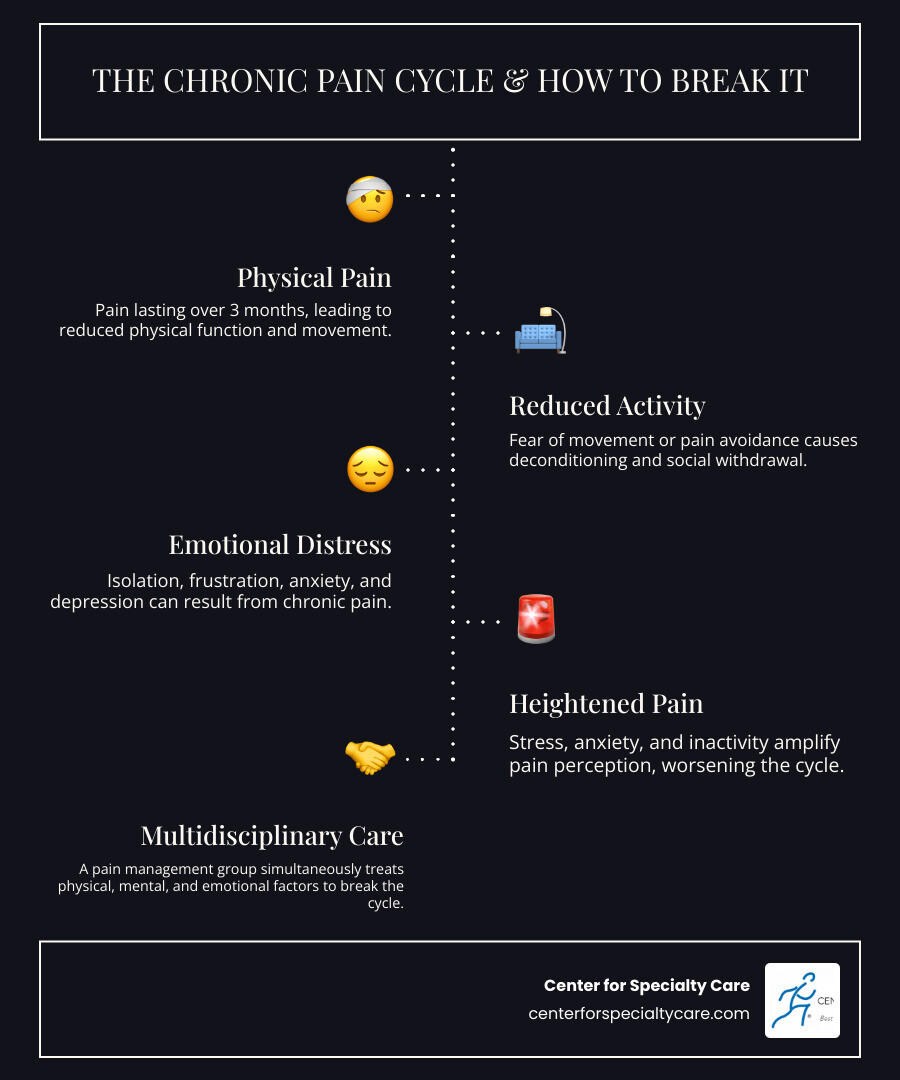
Chronic pain is defined as pain lasting more than three months—longer than the normal time it takes for an injury to heal. Many people living with chronic pain have suffered for several years, watching their quality of life decline as pain takes over their ability to work, sleep, and enjoy time with family and friends.
The impact is real and measurable. Pain affects not just your body, but your mood, your sleep patterns, your relationships, and your sense of independence. It can leave you feeling isolated, frustrated, and uncertain about the future.
But there’s hope. Modern pain management takes a comprehensive approach that goes far beyond just prescribing medication. It looks at how your body, mind, daily activities, and emotions all interact to influence how you feel and respond to pain. The goal isn’t just to mask symptoms—it’s to help you develop practical skills and strategies to reclaim your quality of life.
A pain management group brings together multiple specialists who work as a coordinated team. Instead of bouncing between different doctors’ offices with no one connecting the dots, you get personalized care where everyone is on the same page about your treatment plan. This multidisciplinary approach addresses sleep problems, mental health challenges, physical rehabilitation needs, medication management, and interventional procedures—all working together.
Recovery is possible. With the right support, education, and evidence-based treatments, many people learn to manage their pain more effectively, reduce their symptoms, and return to activities they thought they’d lost forever.
I’m Dr. Corey Welchlin, a board-certified orthopedic surgeon who founded the Center for Specialty Care in Fairmont, Minnesota, where we’ve spent over three decades helping patients find relief through comprehensive pain management group programs and individualized treatment plans. Our multidisciplinary team works together to address every aspect of chronic pain, from physical rehabilitation to interventional procedures, ensuring you receive coordinated care that treats the whole person, not just the symptoms.
Pain management group terms made easy:
What is a Pain Management Group and Who Can It Help?

At its core, a pain management group is a collaborative and structured program designed to empower individuals living with chronic pain. Its primary goals are to help patients develop effective self-management skills, improve their physical and emotional function, and ultimately reduce the impact pain has on their lives. We aim for more than just pain reduction; we want to help you live a more fulfilling life, even with pain.
We’ve seen countless patients who have lived with pain for several years, often feeling isolated and hopeless. A pain management group directly addresses this by fostering a supportive community where participants can connect with others facing similar challenges. This shared experience, combined with evidence-based education and expert guidance, helps individuals reclaim their quality of life, decrease their sense of isolation, and take a more active role in their treatment. The focus is on providing essential information and strategies with the goal of reducing pain and improving overall well-being.
So, who typically benefits from attending a pain management group? We find that these programs are particularly beneficial for:
- Individuals with Chronic Pain: Anyone whose pain has lasted for more than three months, interfering with their daily life, work, sleep, and social activities. This includes patients with subacute pain (pain lasting less than three months but still requiring attention) and chronic pain.
- Specific Pain Conditions: Patients struggling with conditions such as chronic back pain, various forms of arthritis (like rheumatoid arthritis, which we discuss in Understanding Rheumatoid Arthritis: A Comprehensive Overview), fibromyalgia, and neuropathic pain often find significant relief and improved coping strategies in a group setting. We also see individuals with shoulder pain, knee pain, hip pain, and other musculoskeletal issues.
- Those Seeking Self-Management Skills: If you’re looking to learn practical techniques to manage your pain beyond just medication, including pacing activities, relaxation, and cognitive strategies.
- Patients Whose Standard Treatments Need Additional Support: When traditional approaches like medication alone aren’t providing sufficient relief, or you’re looking for a more comprehensive strategy.
- People Feeling Isolated: The group format inherently provides a sense of community and understanding that can combat the loneliness often associated with chronic pain.
Our experience has shown us that when patients engage actively in a pain management group, they gain a deeper understanding of their condition and develop a robust toolkit for managing it.
The Core of Care: The Multidisciplinary Team Approach
Effective chronic pain management is rarely a one-person job. That’s why we champion a holistic, multidisciplinary team approach. This means our experts work together in a coordinated system, bringing their specialized knowledge to bear on your unique situation. We don’t just treat the pain; we treat the whole person, recognizing the intricate connections between physical, mental, and emotional well-being. This collaboration ensures that your personalized treatment plan is comprehensive and addresses all aspects of your pain experience.
We often use a structured, multi-dimensional treatment model that we like to call “The Pentagon.” This five-point plan ensures that all critical areas influencing chronic pain are addressed:
- Sleep Management: Chronic pain often disrupts sleep, which in turn can worsen pain. We help patients develop strategies for better sleep hygiene.
- Mental Health Support: The emotional toll of chronic pain is immense. We provide resources and strategies to address anxiety, depression, and stress.
- Rehabilitation: This involves physical therapies and exercises designed to restore function, improve mobility, and strengthen the body.
- Medication Management: We carefully review and optimize medication plans, focusing on efficacy, safety, and minimizing side effects.
- Interventions: When appropriate, we use advanced procedures to directly target pain signals.
This coordinated effort allows us to modify, modulate, and disrupt pain signals to the brain more effectively. Our multidisciplinary team typically includes a range of specialists who collaborate closely:
- Pain Management Doctors: Physicians specializing in chronic pain diagnosis and treatment, including interventional procedures and medication management.
- Orthopedic Surgeons: Experts in musculoskeletal conditions, providing surgical options when necessary, and contributing insights into structural pain. You can learn more about finding an expert in Orthopedic Surgeon Near Me: How to Find Expert Care for Your Bones and Joints.
- Physical Therapists: They guide patients through exercises, movement therapies, and functional training to improve strength, flexibility, and overall physical function.
- Psychologists: Addressing the psychological and emotional aspects of pain, including coping strategies, cognitive-behavioral therapy (CBT), and mindfulness.
- Nurses: Providing essential patient education, support, and coordination of care.
- Occupational Therapists: Helping patients adapt daily activities, manage energy, and use adaptive tools to maintain independence.
This integrated approach is fundamental to helping our patients achieve better outcomes and lead more fulfilling lives.
A Comprehensive Toolkit: Services and Therapies Offered
In our pain management group programs, we offer a diverse range of services and therapies, ensuring we have a comprehensive toolkit to address your unique pain experience. Our goal is to provide both medical and non-medical tools, empowering you with skills to cope with and reduce your pain.
Medical Interventions and Medication Management
For many, medical interventions play a crucial role in managing chronic pain. We offer a variety of advanced, minimally invasive procedures designed to target the source of pain and provide significant relief. These can include:
- Epidural Steroid Injections: These injections deliver anti-inflammatory medication directly to the spinal area to reduce nerve irritation and pain. You can learn more about them in Understanding Epidural Steroid Injections: What You Need to Know.
- Nerve Blocks: Medications are injected near nerves to block pain signals.
- Radiofrequency Ablation: This procedure uses heat generated by radio waves to temporarily “turn off” nerves causing pain.
- Intracept Procedure: A minimally invasive treatment for chronic low back pain caused by vertebral endplate nerve damage.
Medication management is another cornerstone of our approach. We adhere to safe prescribing practices and educate our patients thoroughly on their medication plans. This includes understanding the role of medications in chronic pain, monitoring their effectiveness, and discussing the pros and cons of their use. We also provide essential education on common and serious side effects, and clarify crucial distinctions between physical dependence, tolerance, addiction, opioid use disorder, withdrawal, and overdose prevention. Our aim is always to optimize your medication regimen for maximum benefit with minimal risk, ensuring you feel confident and informed about your treatment choices.
Rehabilitation and Physical Therapies

Physical therapy is a vital component of nearly every pain management group program we offer. Our dedicated physical therapists work one-on-one with patients and in group settings, guiding them through exercises and movement strategies custom to their specific needs. Our focus is on restoring function, improving mobility, and empowering you with the knowledge to move safely and effectively.
Key aspects of our physical therapy and rehabilitation include:
- Safe Movement: Learning how to move your body in ways that reduce pain and prevent further injury.
- Posture Correction: Addressing postural imbalances that contribute to pain.
- Pacing Strategies: Teaching you how to balance activity and rest to avoid overexertion and pain flares.
- Energy Management (Fatigue Management): Strategies to conserve energy and manage the often-debilitating fatigue associated with chronic pain.
- Adaptive Tools for Daily Living: Recommendations for equipment and techniques to make everyday tasks easier and less painful.
- Gentle Movement Therapies: Incorporating activities like gentle stretching, yoga, or water therapy to improve flexibility and strength without aggravating pain.
This hands-on approach helps patients regain confidence in their bodies and improve their ability to perform self-care, household management, and work-related tasks. Our Physical Therapy services are designed to help you get back to doing what you love.
Addressing the Mind-Body Connection in a Pain Management Group
We understand that chronic pain isn’t just a physical sensation; it deeply impacts your psychological and emotional well-being. That’s why addressing the mind-body connection is a critical part of our pain management group approach.
Our programs provide robust psychological support, helping you steer the emotional challenges that come with persistent pain. This includes:
- Cognitive Behavioral Therapy (CBT): A highly effective therapy, recognized by organizations like the American Psychological Association, that helps you identify and change negative thought patterns and behaviors related to pain.
- Managing Anxiety and Coping with Depression: Providing strategies and support for the common mental health conditions that often co-occur with chronic pain.
- Pain Neuroscience Education: Understanding how pain works in the brain and nervous system can be incredibly empowering. Learning that pain does not always equal damage can help retrain your brain’s response to pain signals.
- Relaxation Techniques: Teaching various methods like deep breathing, progressive muscle relaxation, and guided imagery to calm the nervous system and reduce pain intensity.
- Mindfulness: Practicing mindfulness helps you stay present and observe pain without judgment, fostering a sense of control and reducing reactivity.
- Building Resilience: Equipping you with the mental fortitude and coping skills to face daily challenges and bounce back from setbacks.
We believe that comprehensive pain management is about more than just medicine; it’s about understanding, empowering, and treating the whole person. Our patient education emphasizes how the body, mind, daily activities, and emotions interact to influence how you feel and respond to your pain. By providing evidence-based information and strategies, we empower you to take an active role in your treatment, decrease your sense of isolation, and reclaim your quality of life.
The Program Structure of a Pain Management Group
The design of a pain management group is crucial for its effectiveness, offering a structured yet flexible environment for healing and learning. We understand that every patient’s journey is unique, and our programs are designed to accommodate diverse needs while providing comprehensive support.
Formats, Duration, and Structure
Pain management group programs come in various formats to best suit the needs and circumstances of our patients:
- In-Person Groups: These traditional programs offer direct interaction with healthcare professionals and other participants, fostering a strong sense of community and hands-on learning.
- Virtual Online Programs: For those who may have difficulty traveling or prefer the convenience of home, we offer virtual options. These programs deliver the same high-quality content and support through online platforms.
- Intensive Programs: Some programs are designed for a shorter, highly focused period, typically lasting a few weeks. These can involve full-day sessions, multiple days a week, providing an immersive experience for rapid skill acquisition. For example, some intensive programs might run for 3 to 5 weeks, with daily sessions lasting several hours.
- Ongoing Support Sessions: Beyond intensive programs, many patients benefit from regular, less frequent group sessions that provide continued support, skill reinforcement, and opportunities to address new challenges.
The typical duration and structure of a pain management group program can vary, but generally include:
- Group Sessions: These are the core of the program, where participants learn new concepts, share experiences, and practice skills together.
- Individual Work: Patients are often given assignments or exercises to complete on their own, reinforcing what they’ve learned in group sessions.
- Practical Activity Sessions: These can involve physical exercises, movement coaching, or occupational therapy activities to apply learned skills in real-world scenarios.
- Family/Friend Involvement: We believe in the power of a strong support network. Some programs include specially designed sessions where a friend or family member can join to better understand chronic pain and learn how to support their loved one.
This blend of formats and structures allows us to offer personalized care and quick appointment availability, ensuring you can access the program that best fits your life.
Developing Self-Management and Post-Program Support
A fundamental goal of any pain management group is patient empowerment. We equip you with self-management skills and strategies, changing you from a passive recipient of care into an active participant in your own healing journey. This empowerment is key to living a more fulfilling life with pain.
Key self-management skills we help you develop include:
- Creating a Flare-Up Plan: Learning how to effectively manage sudden increases in pain to minimize their impact.
- Daily Coping Strategies: Implementing techniques like pacing, relaxation, and positive self-talk into your everyday routine.
- Activity Pacing: Understanding how to balance rest and activity to avoid overexertion and maintain consistent energy levels.
- Communication Skills: Learning how to effectively communicate your pain and needs to healthcare providers, family, and friends.
Our commitment to your well-being doesn’t end when the main program concludes. We recognize that sustained support is vital for long-term success. Post-program support often includes:
- Follow-Up Sessions: Optional catch-up sessions or review appointments to discuss progress, challenges, and successes in applying pain management skills.
- Peer Support: Continuing to connect with fellow participants or joining broader support networks to maintain a sense of community and shared understanding.
- Specialized Groups: For patients with specific needs, we offer specialized groups. For instance, we provide dedicated support and resources for conditions like arthritis, which you can explore further in our Rheumatology Resources and Care pages. We also offer groups custom for specific populations or demographics, addressing unique challenges they might face.
Our well-established plan for the treatment of chronic pain includes this ongoing support, as we believe consistent practice and community are essential for lasting change.
Frequently Asked Questions about Pain Management
We understand you likely have questions about starting a pain management group program. Here, we address some of the most common inquiries to help you feel more informed and confident about taking the next step.
How do I access a pain management program?
Accessing a pain management group or program typically involves a few steps:
- Referral Process: In many cases, a doctor’s referral is required to access specialized pain management services. Your primary care physician or a specialist (like an orthopedic surgeon or rheumatologist) can send a referral to our clinic for consultation.
- Self-Referral Options: While a referral is often preferred, some programs may offer self-referral pathways, especially for certain support groups or educational workshops.
- Initial Consultation: Once referred, you’ll typically have an initial consultation with one of our pain management specialists. This appointment allows us to conduct a comprehensive evaluation of your condition, discuss your history, and understand your goals. You can schedule your New Patient Consult directly with us.
- Intake Questionnaire: To ensure we have all the necessary information for your initial consultation, we’ll ask you to complete an intake questionnaire. This helps our team prepare and make the most of your first visit.
We pride ourselves on offering quick appointment availability and personalized care, so we strive to make the access process as smooth as possible for our patients in Fairmont MN, Estherville IA, Buffalo Center IA, and St. James MN.
What are the expected outcomes and benefits?
Participating in a pain management group can lead to a wide range of positive outcomes and benefits that significantly improve your quality of life:
- Reduced Pain Perception: While not always eliminating pain entirely, many patients report a significant reduction in pain intensity and distress.
- Improved Quality of Life: By developing coping skills and regaining function, you can experience a richer, more satisfying life, even with persistent pain.
- Better Physical Function: Improved mobility, strength, and endurance allow you to engage more fully in daily activities and hobbies. Patients often share stories of getting better and stronger, regaining their ability to move and participate in life.
- Improved Mood: Addressing the psychological aspects of pain helps alleviate anxiety, depression, and frustration, leading to a more positive outlook.
- Increased Confidence: As you gain self-management skills and see improvements, your confidence in managing your condition grows.
- Returning to Hobbies and Activities: Many patients are able to re-engage with activities they once loved but had given up due to pain.
- Achieving Personal Goals: Whether it’s walking the dog, playing with grandchildren, or returning to work, a pain management group can help you achieve meaningful personal goals.
The goal is to empower you to reclaim your life, decrease your sense of isolation, and take a more active role in your treatment, leading to a more fulfilling life with pain.
Are there any prerequisites for joining a pain management group?
While we strive to help as many individuals as possible, certain prerequisites and conditions typically apply to ensure that a pain management group is the most appropriate and beneficial treatment option:
- Chronic Pain Diagnosis: The primary prerequisite is a diagnosis of chronic pain (pain lasting more than three months) that significantly impacts your daily life.
- Motivation to Participate: A willingness to actively engage in the program, learn new skills, and make lifestyle changes is crucial for success.
- Active Engagement: These programs are not passive treatments; they require your active involvement in exercises, discussions, and practicing new techniques.
- Understanding of the Program’s Goals: The focus is on self-management, function, and quality of life, not necessarily a complete cure for pain.
There are also specific conditions that might make someone unsuitable for a pain management group initially, often requiring individual treatment first:
- Unmanaged Severe Mental Health Issues: Individuals experiencing severe anxiety, depression, or suicidal thoughts may require individual psychological support and stabilization before they can fully benefit from a group setting. In such cases, we would recommend a referral to a psychologist for individual assessment and care.
- Active Substance Use Disorder: If an active substance use disorder is present, it typically needs to be addressed before or concurrently with pain management to ensure safety and effectiveness.
- Inability to Participate: If physical or cognitive limitations prevent a patient from actively participating in group activities or understanding the educational content, alternative individual therapies might be more suitable.
- Lack of Commitment: The program requires dedication. If a patient is unwilling to commit to the duration and demands of the program, it may not be the right fit.
Our comprehensive evaluation during your initial consultation helps us determine the most appropriate path for your pain management journey, ensuring you receive the personalized care that will yield the best results.
Conclusion: Taking the First Step Towards a Life with Less Pain
Living with chronic pain can feel like an unending battle, but you don’t have to face it alone. At Center for Specialty Care, we believe in a holistic approach, treating the whole person—not just the symptoms. Our pain management group programs are designed to empower you through education, provide you with effective self-management skills, and connect you with a compassionate community of support. We’ve seen how this comprehensive care can help individuals in Fairmont MN, Estherville IA, Buffalo Center IA, and St. James MN reclaim their lives from the grip of chronic pain.
Our commitment to 100% patient satisfaction, personalized care, and quick appointment availability means we’re here to support you every step of the way. We understand the challenges you face, and we’re dedicated to helping you find solutions that work.
Don’t let pain dictate your life any longer. Take control of your pain journey. Learn more about our comprehensive Pain Management services and start your journey to recovery today.