
Decoding Your Discomfort: A Comprehensive Guide to Foot and Ankle Pain
November 25, 2025
The Ultimate Guide to Stretching Out Shoulder Blade Knots
November 27, 2025
Doctor for back pain near me: Your #1 Guide to Relief
Why Finding the Right Back Pain Specialist Matters
Searching for a doctor for back pain near me is a common step for those whose lives are disrupted by pain. Back pain can interfere with work, sleep, and family time, but you don’t have to endure it. Finding the right specialist is the first step toward relief.
Quick Answer: Finding Your Back Pain Doctor
To find the right doctor for back pain near you:
- Start with a specialist who focuses on spine and musculoskeletal conditions.
- Look for board certification in orthopedic surgery, pain management, or physical medicine.
- Prioritize experience with your specific type of back pain.
- Choose a center that offers comprehensive diagnostics and both surgical and non-surgical options.
- Consider accessibility—quick appointments and multiple treatment options under one roof.
The challenge isn’t just finding a doctor—it’s finding the right one who can accurately diagnose your condition and create a personalized treatment plan. You deserve relief, and a qualified specialist is key.
I’m Dr. Corey Welchlin, a board-certified orthopedic surgeon and founder of Center for Specialty Care. Since 1990, I’ve helped countless patients find lasting relief from back pain. I know that connecting with the right doctor for back pain near me can be the difference between ongoing suffering and getting your life back.
This guide will walk you through understanding your pain, identifying the right specialist, and exploring all your treatment options. By the end, you’ll know how to find a doctor who can help you reclaim your comfort and mobility.

Understanding Your Back Pain: Causes and When to Seek Help
Your spine is a complex structure of bones, discs, nerves, and muscles. When something goes wrong, you feel it. Understanding your symptoms helps you communicate effectively with a doctor for back pain near me, leading to a faster, more accurate diagnosis. Learn more about your spine’s structure in our Unlocking the Secrets of Spinal Anatomy: A Comprehensive Guide.
Back pain is either acute (sudden and short-lived) or chronic (lasting three months or more). An accurate diagnosis is crucial for effective treatment, which is why our specialists take the time to understand your specific condition before recommending a course of action.
Common Causes of Back Pain
Many factors can contribute to back pain. At Center for Specialty Care, we frequently treat the following conditions:
- Muscle strains and ligament sprains: Often caused by overstretching or tearing muscles or ligaments from heavy lifting or poor posture, resulting in sharp pain and stiffness.
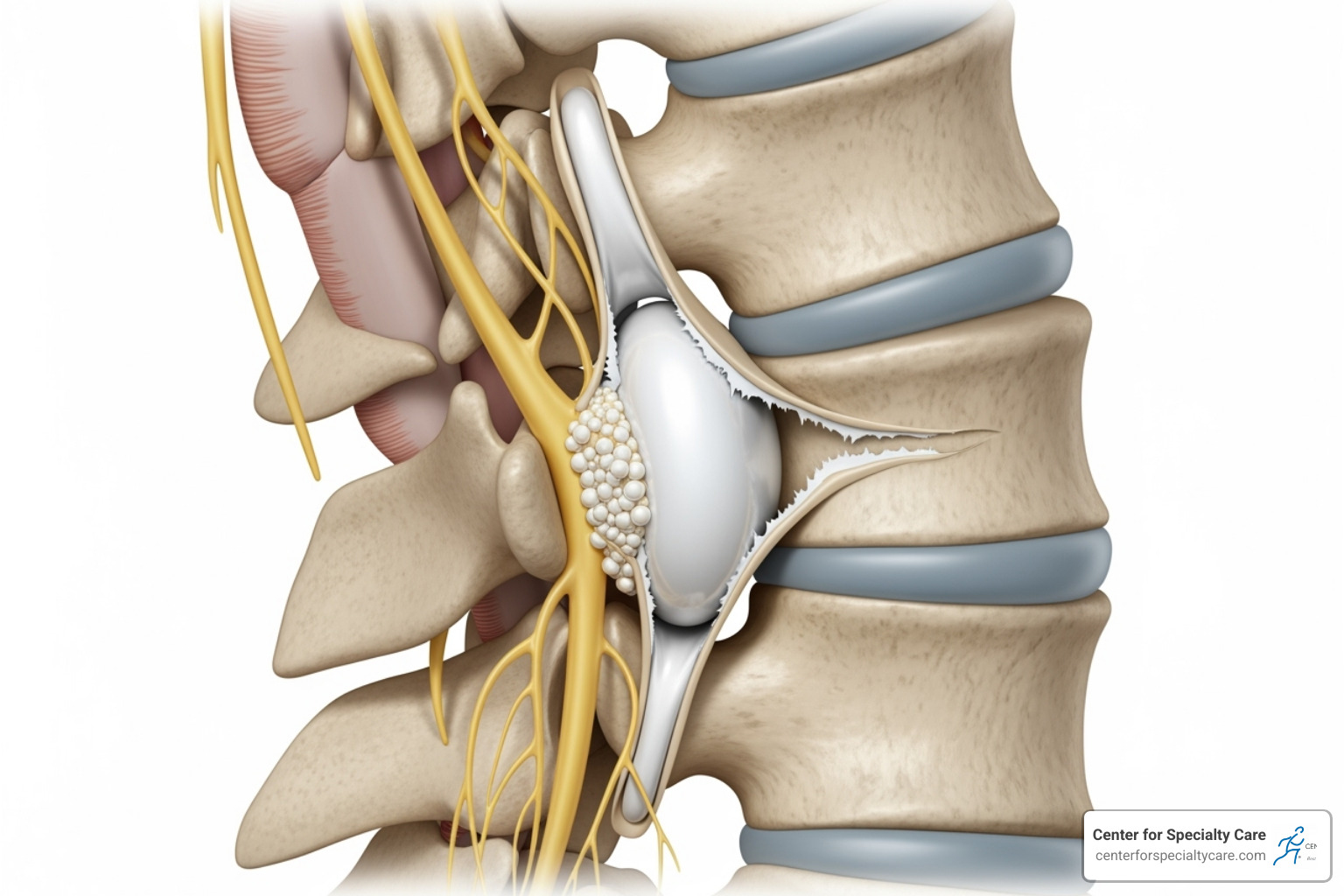
- Herniated discs: Occur when a spinal disc’s soft center pushes through its outer layer, pressing on nerves and causing sharp, radiating pain, numbness, or weakness.
- Degenerative disc disease: A natural part of aging where spinal discs lose flexibility and cushioning, leading to pain and stiffness. Many people manage this successfully without surgery.
- Spinal stenosis: The narrowing of the spinal canal, which can compress the spinal cord and nerves, causing pain, tingling, and weakness, especially when standing or walking.
- Arthritis: Osteoarthritis can cause pain and stiffness in the small joints of the spine.
- Osteoporosis: This condition weakens bones, making them susceptible to painful vertebral compression fractures.
For a deeper look at these issues, visit our page on Common Spinal Conditions: Causes, Symptoms, and Treatment Options.
When to See a Doctor for Your Pain
While mild strains may resolve with home care, certain symptoms are red flags that require professional attention. It’s time to see a specialist if you experience:
- Pain that lasts more than a few weeks despite rest and over-the-counter remedies.
- Severe pain that doesn’t improve with rest and disrupts daily activities or sleep.
- Pain that radiates down one or both legs (a classic sciatica symptom).
- Weakness, numbness, or tingling in your legs or feet, which may indicate nerve compression.
- Back pain accompanied by unexplained weight loss, fever, or chills.
- New bowel or bladder problems, which are a medical emergency requiring immediate care.
- New back pain with a history of cancer.
If you’re unsure whether your symptoms are urgent, our guide Should I Go to Urgent Care for Back Pain? Signs, Treatment Options can help you decide.
Who is the Right Doctor for Back Pain Near Me?
When you’re searching for a doctor for back pain near me, the number of different specialties can be confusing. At Center for Specialty Care, we simplify this with a team-based approach. Our experts collaborate to guide you to the right care for your specific situation, all under one roof. Whether you visit us in Fairmont MN, Estherville IA, Buffalo Center IA, or St James MN, you receive personalized, high-quality care. Learn more about our integrated model on our Back & Spine page.
Different Types of Back Pain Specialists at Center for Specialty Care
Our multidisciplinary team works together, sharing insights to create a comprehensive treatment plan for you.

- Orthopedic surgeons are bone and joint specialists who diagnose and treat spinal conditions. Our Orthopedics team prioritizes non-surgical approaches, recommending surgery only when it’s the best path forward.
- Pain management specialists focus entirely on treating pain. Using advanced training, they employ targeted injections, nerve blocks, and medication management to help patients with chronic pain regain their quality of life. Our Pain Management team can offer real hope.
- Physiatrists (Physical Medicine and Rehabilitation physicians) focus on restoring function through non-surgical treatments. They take a whole-person approach to help you get back to the activities you love.
- Physical therapists are essential partners in recovery. Our Physical Therapy team designs individualized exercise programs and uses hands-on techniques to strengthen muscles, improve flexibility, and prevent future injury.
What to Look for in a Qualified Back Pain Specialist
Choosing the right specialist is about more than convenience. Here’s what to look for:
- Board certification: This ensures a doctor has met rigorous standards in their specialty, such as those from the American Board of Orthopaedic Surgery.
- Fellowship training: This is an extra year or more of intensive, specialized training in an area like spine surgery or interventional pain management. As top institutions like UCSF note, The Best Education and Training leads to Optimal Patient Outcomes!
- Experience with your specific condition: You want a doctor who has successfully treated many patients with your particular problem.
- Personalized care plans: A great doctor creates a treatment plan based on your unique circumstances, lifestyle, and goals.
- Clear communication: Your doctor should explain things clearly, welcome questions, and treat you as a partner in your care.
- Comprehensive care options: A center that offers diagnostics and a full range of treatments in one place streamlines your path to relief. Our article Orthopedic Surgeon Near Me: How to Find Expert Care for Your Bones and Joints offers more helpful insights.
Your Path to Diagnosis and a Personalized Treatment Plan
Once you’ve connected with a doctor for back pain near me at Center for Specialty Care, we’ll work with you to diagnose the cause of your pain and create a personalized treatment plan. We believe in making you an active partner in your care and offer quick appointments to get you started. See our full range of Services.
How Doctors Diagnose Back Pain
Diagnosing back pain is like solving a puzzle. Our specialists use a systematic approach:
- Comprehensive medical history: We’ll ask detailed questions about your pain, its history, and how it affects your life.
- Physical examination: We observe your posture and movement, check for tenderness, and assess your flexibility.
- Neurological tests: We check reflexes, muscle strength, and sensation to see if nerves are involved.
- Diagnostic imaging: We may use X-rays to see bones, an MRI for detailed images of soft tissues like discs and nerves, or a CT scan for complex bone issues.
Exploring Non-Surgical Treatment Options
The vast majority of back pain cases respond well to non-surgical treatment. We always start with the least invasive approaches first.
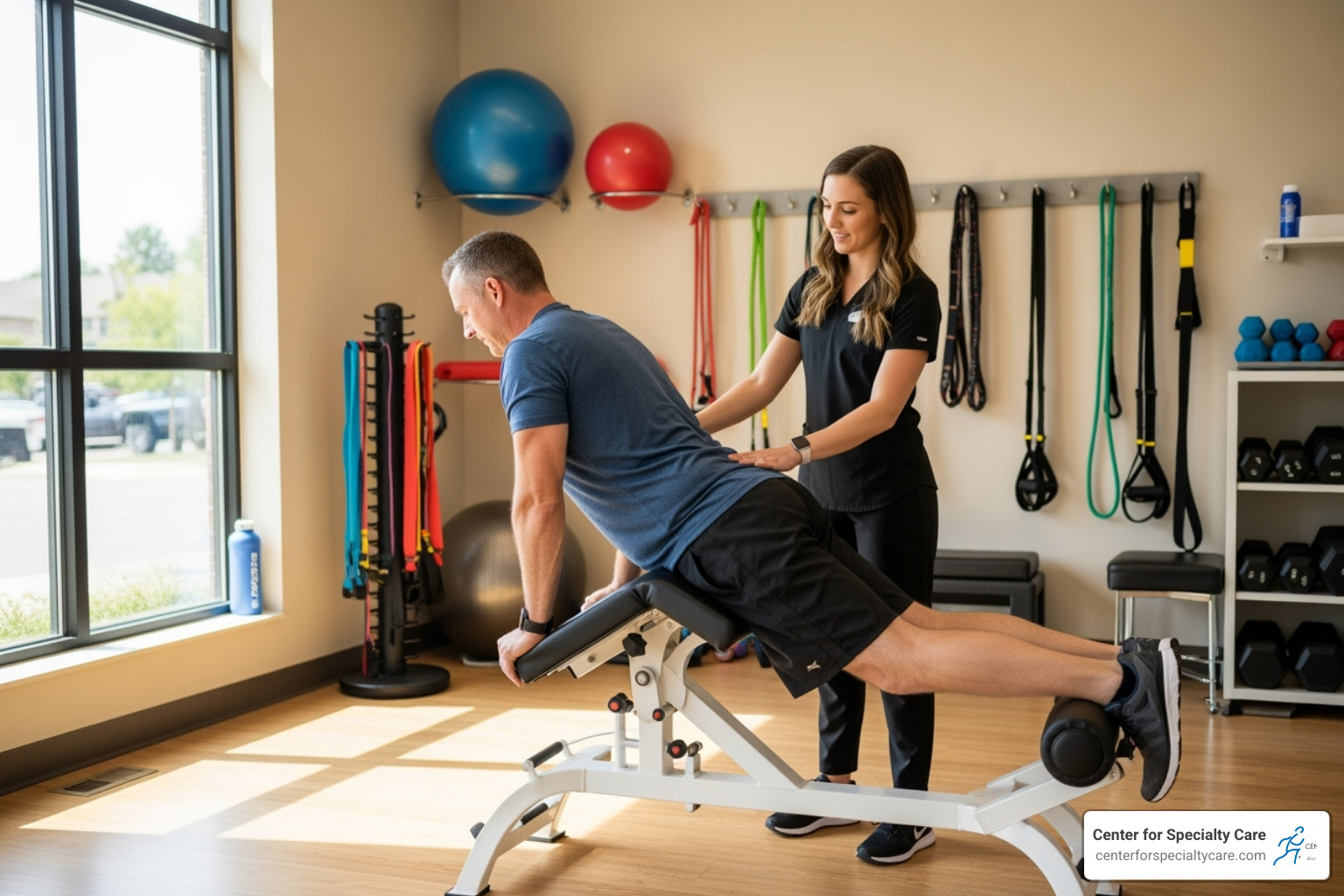
- Physical therapy: Our therapists design custom programs to strengthen your core, improve flexibility, and teach proper body mechanics.
- Medications: We may recommend over-the-counter or prescription anti-inflammatory drugs or muscle relaxants to manage pain and inflammation.
- Epidural steroid injections: These deliver anti-inflammatory medication directly to the source of nerve irritation. Learn more about Understanding Epidural Steroid Injections: What You Need to Know.
- Nerve blocks and radiofrequency ablation: These procedures can pinpoint and interrupt pain signals for longer-lasting relief.
- Intracept Procedure: This minimally invasive option targets a specific nerve to relieve chronic lower back pain that hasn’t responded to other treatments. Learn more about the Intracept Procedure.
- Lifestyle modifications: Simple changes like maintaining a healthy weight, improving ergonomics, and regular low-impact exercise can have a huge impact.
When Is Surgery the Right Choice?
Surgery may be the best option if conservative treatments fail, you have progressive neurological symptoms like worsening weakness, or your spine is unstable. Our surgeons are skilled in modern, minimally invasive techniques to reduce recovery time.
Surgical options include:
- Kyphoplasty: Stabilizes vertebral compression fractures by injecting bone cement, providing rapid pain relief. Read about Revolutionizing Spinal Treatment: Kyphoplasty Through the Lens of Orthopedic Expertise.
- Laminectomy/Discectomy: Relieves pressure on nerves by removing bone or a portion of a herniated disc.
- Spinal fusion: Permanently joins vertebrae to provide stability and relieve pain from severe degenerative conditions.
Key Questions to Ask Your Doctor for back pain near me
We encourage you to be an active participant in your care. Here are some questions to ask:
- What is my specific diagnosis?
- What are all my treatment options, both non-surgical and surgical?
- What are the risks and benefits of each option?
- What is the expected recovery time?
- How can I prevent this from happening again?
- What role will physical therapy play in my recovery?
We are here to ensure you understand every aspect of your care.
Managing Your Condition and Embracing New Advancements
Finding the right doctor for back pain near me is the first step on an ongoing journey to wellness. At Center for Specialty Care, we partner with you for the long term, helping you build a life where pain is no longer in control. Our Back page offers resources to support you.
Strategies for Managing Chronic Back Pain
Chronic pain is manageable with the right strategies. We’ve seen countless patients reclaim their quality of life.
- Movement is medicine: Gentle, regular activities like walking or swimming strengthen supporting muscles and reduce stiffness. Our physical therapists design safe exercise programs custom to you.
- Improve ergonomics: Simple adjustments to your chair, desk, and lifting techniques can dramatically reduce daily strain on your spine.
- Manage stress: Stress and pain are linked. Techniques like deep breathing or mindfulness can relax tense muscles and build resilience.
- Maintain a healthy lifestyle: A healthy weight reduces stress on your spine, and an anti-inflammatory diet can support your body’s healing processes.
- Create an ongoing pain management plan: We work with you to create a personalized plan that may include a combination of therapies to best suit your needs. For radiating pain, see our guide on Managing Radiating Pain: Tips for Relief.
What are the latest advancements in back pain treatment?
The field of spine care is evolving rapidly, offering more hope than ever. We stay current with the most effective, cutting-edge treatments.
- Minimally invasive spine surgery: Uses smaller incisions and specialized tools for less post-operative pain, shorter hospital stays, and faster recovery.
- Motion-sparing technologies: For some patients, artificial disc replacement can relieve pain while preserving natural spinal movement, offering an alternative to traditional fusion.
- Regenerative medicine: Therapies like platelet-rich plasma (PRP) injections aim to use the body’s own healing power to repair damaged tissues.
- Advanced pain management: Modern spinal cord stimulators and targeted nerve ablation techniques like the Intracept Procedure offer sophisticated ways to interrupt pain signals.
These advancements mean less invasive, more effective treatments with faster recovery times. Explore these options further in our Pain Management Dr Near Me: A Comprehensive Guide. The bottom line is that there are more tools than ever to help you find relief.
Frequently Asked Questions about Finding a Back Pain Doctor
Here are answers to common questions we hear from patients searching for a doctor for back pain near me.
What type of doctor should I see first for back pain?
Your primary care physician (PCP) is a good first stop for new back pain. They can rule out serious issues and suggest initial treatments. However, if your pain is severe, lasts more than a few weeks, or includes symptoms like numbness or weakness, it’s best to see a specialist. At Center for Specialty Care, our orthopedic surgeons and pain management doctors have the focused expertise to diagnose and treat your condition effectively. You can see us with or without a referral, and we offer quick appointment availability.
How can I best prepare for my first appointment with a doctor for back pain near me?
To make the most of your visit, come prepared. Bring:
- A list of your current medications, including supplements.
- Notes about your symptoms: When the pain started, what it feels like, and what makes it better or worse.
- A list of questions you want to ask the doctor.
- Any previous imaging results (X-rays, MRI) related to your back.
This information helps us understand your situation and provide the best care.
Is it possible to manage back pain without surgery?
Absolutely. The vast majority of back pain cases are successfully managed without surgery. At Center for Specialty Care, we prioritize conservative, non-surgical treatments. These include physical therapy, anti-inflammatory medications, epidural steroid injections, nerve blocks, and innovative options like the Intracept procedure. We only consider surgery when these less invasive methods have not provided adequate relief. Our goal is to get you back to your life using the least invasive approach possible.
Conclusion
If you’re searching for a doctor for back pain near me, you’ve already taken the most important step: deciding you deserve relief. This guide has walked you through understanding your pain, finding the right specialist, and exploring the full range of modern treatments.
At Center for Specialty Care, we know your back pain is unique, and your treatment should be too. Our promise is 100% patient satisfaction through personalized, comprehensive care. We serve patients in Fairmont MN, Estherville IA, Buffalo Center IA, and St James MN with a team of board-certified specialists who offer everything from diagnostics and physical therapy to advanced, minimally invasive surgery under one roof.
We also know that when you’re in pain, you can’t wait. That’s why quick appointment availability is a cornerstone of our practice. You don’t have to accept pain as your new normal. Take the first step toward reclaiming the active, comfortable life you deserve.
Find your path to relief with our expert pain management team and let us help you get better.