

How to Get Rid of Shoulder Blade Muscle Knots
September 30, 2025
Vertebrogenic Pain: A Paradigm Shift in Diagnosis and Treatment
October 2, 2025
Ice Pack for Tendonitis: The 2 Essential Truths
Understanding Tendonitis Pain and Treatment Options
Ice pack for tendonitis is one of the most effective first-line treatments for managing pain and inflammation in irritated tendons. Whether you’re dealing with tennis elbow, Achilles tendonitis, or shoulder pain, knowing when and how to use cold therapy can make a significant difference in your recovery.
Quick Answer for Ice Pack Treatment:
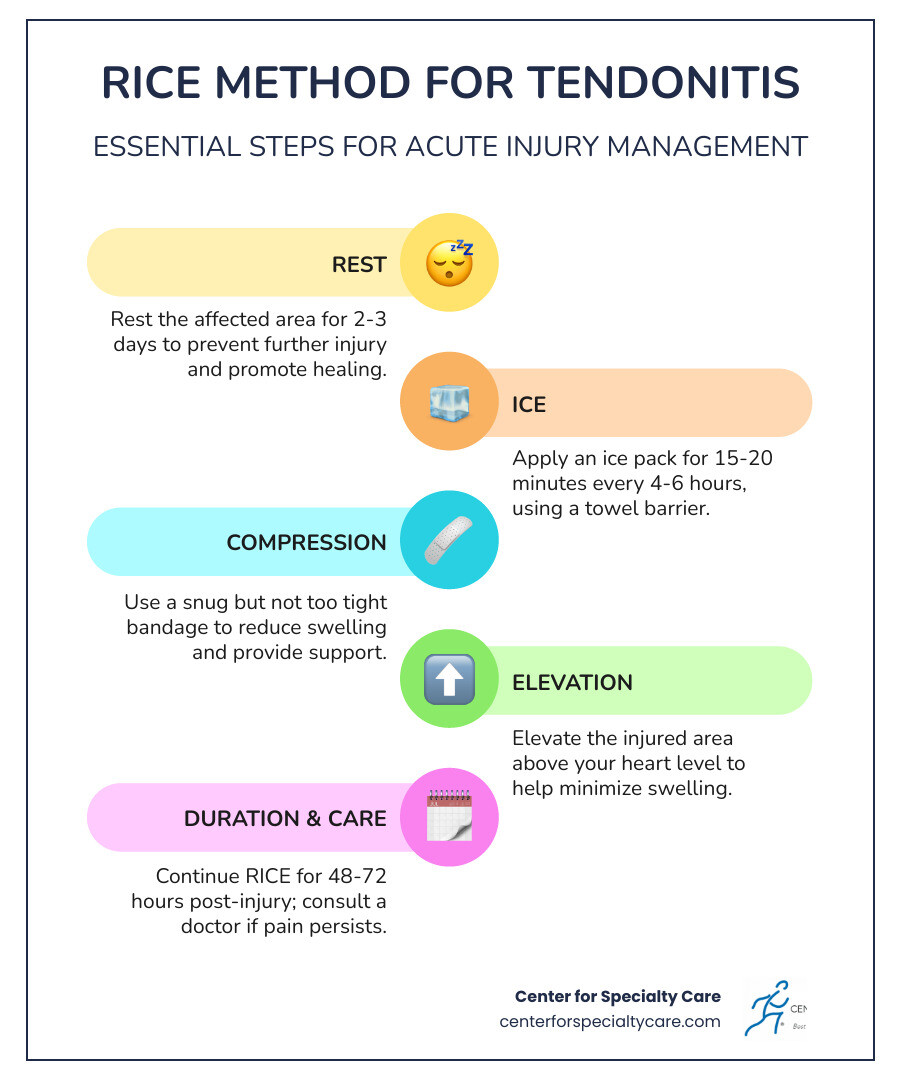
- For acute tendonitis: Apply ice pack for 15-20 minutes every 4-6 hours during first 48-72 hours
- Wrap ice in towel: Never apply ice directly to skin to prevent frostbite
- Benefits: Reduces pain, swelling, and inflammation by restricting blood flow
- When to avoid: Don’t use ice on chronic tendon pain or stiffness without inflammation
Tendonitis occurs when the tough, fibrous tissues that connect muscles to bones become inflamed or irritated. This condition commonly affects joints in the shoulders, elbows, wrists, knees, and heels. The pain often starts as a dull ache that worsens with movement, and you might notice swelling or tenderness around the affected area.
Common causes include:
- Repetitive motions from work or sports
- Poor posture during daily activities
- Sudden injuries or trauma
- Age-related tendon degeneration
The key to successful treatment lies in understanding whether your tendonitis is acute (sudden onset with inflammation) or chronic (long-term pain without significant swelling). This distinction determines whether ice or heat therapy will be more beneficial for your specific situation.
As Dr. Corey Welchlin, a board-certified orthopedic surgeon with over three decades of experience treating musculoskeletal conditions, I’ve helped countless patients find relief using proper ice pack for tendonitis protocols alongside comprehensive treatment plans. My expertise in sports medicine and joint care has shown me that the right temperature therapy at the right time can dramatically speed recovery and prevent long-term complications.
When and How to Use an Ice Pack for Tendonitis
Picture this: you’re playing tennis and suddenly feel a sharp pain in your elbow, or maybe you’ve been typing all day and your wrist starts throbbing. When tendon pain strikes suddenly like this, reaching for an ice pack for tendonitis is often your smartest first move.
Ice works best for acute injuries – those fresh, painful flare-ups that happen within the first 48 to 72 hours. Think of it as nature’s emergency brake for inflammation. When your tendon gets injured, your body immediately sends extra blood to the area, causing that familiar trio of swelling, heat, and pain.
Here’s where ice becomes your ally. Cold therapy causes something called vasoconstriction, which is just a fancy way of saying it makes your blood vessels narrow. This reduces blood flow to the injured tendon, helping to control swelling before it gets out of hand.
The beauty of this process is that it doesn’t just make you feel better – it actually helps limit tissue damage. By keeping inflammation in check, you’re giving your tendon the best possible environment to start healing properly.
Our Sports Medicine team sees this principle in action every day. Athletes who ice acute injuries right away often get back to their activities faster than those who wait or skip this crucial step.
The Benefits of Using an Ice Pack for Tendonitis
When you apply an ice pack for tendonitis correctly, you’re getting several benefits wrapped up in one simple treatment. The pain relief happens almost immediately – cold naturally numbs nerve endings, which is why that ice pack feels so good on a fresh injury.
Reduced swelling is another major win. Nobody wants to walk around with a puffy, tender joint. Ice keeps that excess fluid from building up in your tissues, which means less pressure and discomfort.
The decreased inflammation benefit is where ice really shines. While some inflammation is necessary for healing, too much can actually slow down your recovery. Ice helps keep this response balanced – enough to promote healing, but not so much that it causes additional problems.
Perhaps most importantly, ice helps with limiting tissue damage. When you control swelling and inflammation early, you prevent that cascade of secondary damage that can happen after an initial injury. Think of it as stopping a small problem from becoming a bigger one.
Proper Application Techniques
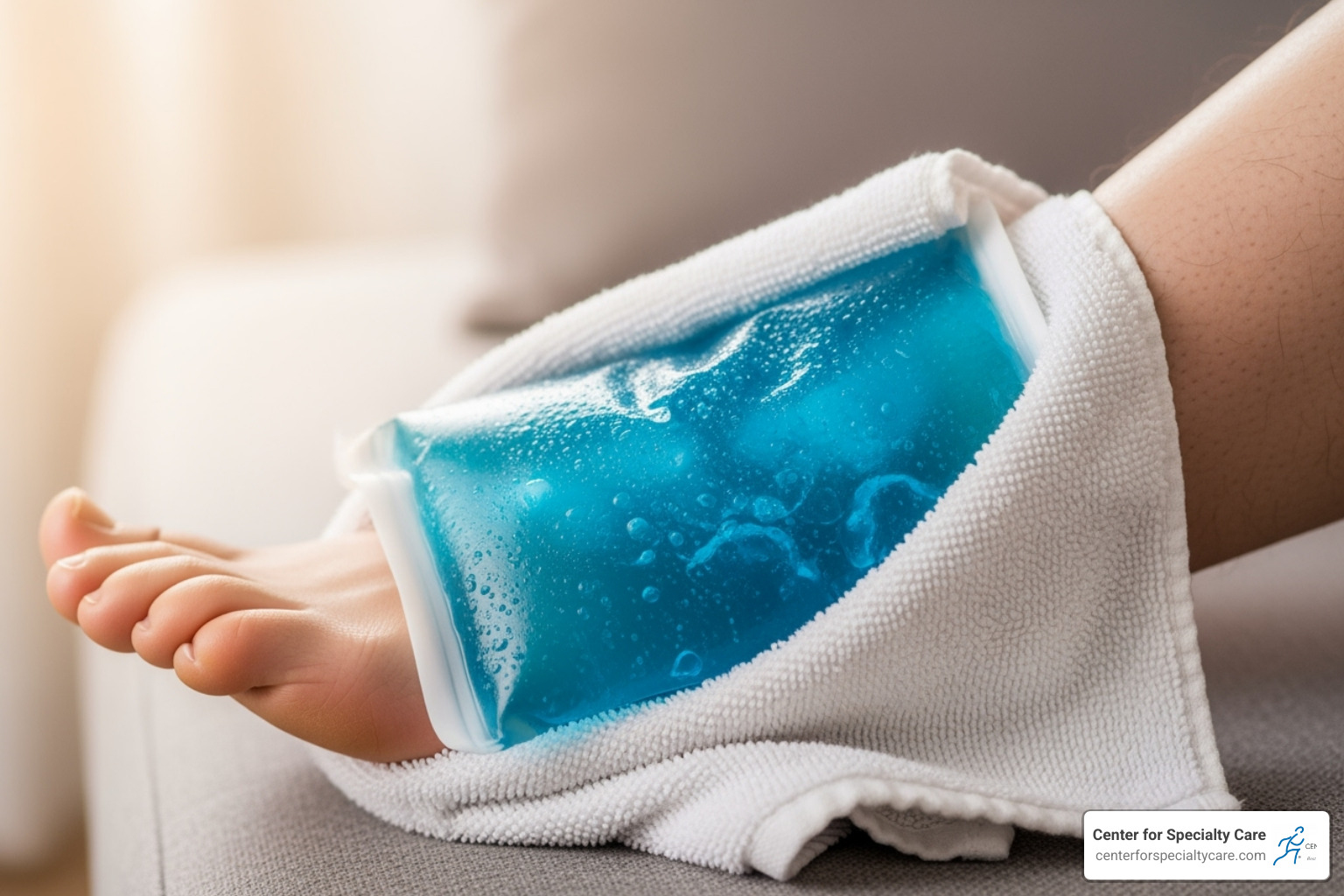
Getting the most from your ice pack for tendonitis means doing it right. The golden rule? Always wrap your ice pack in a towel before applying it to your skin. Direct ice contact can cause frostbite, which definitely won’t help your recovery.
Timing matters too. Stick to 15-20 minute sessions – long enough to get the benefits, but not so long that you risk skin damage. Your skin might feel numb after 10 minutes, and that’s perfectly normal.
For frequency, aim for every 4-6 hours during those crucial first few days. This gives your skin time to warm up between sessions while maintaining the anti-inflammatory benefits.
Don’t forget about elevation when possible. If you’re dealing with ankle tendonitis, prop that foot up above heart level while you ice. Gravity becomes your friend in fighting swelling.
The ice massage technique deserves special mention here. Fill a paper cup with water, freeze it, then peel away the top edge. Rub this ice cup over your painful tendon for 2-4 minutes until the area feels numb. This method can be incredibly effective for pinpoint pain relief.
Need an ice pack in a pinch? Frozen peas work wonderfully – they conform to your body’s curves and you probably have them in your freezer. A bag of ice mixed with a little water also works well, or you can invest in reusable gel packs that stay flexible when frozen.
Consistency beats intensity. Regular, properly applied ice treatments will serve you much better than one marathon icing session.
When and How to Use Heat for Tendonitis
Think of heat therapy as the gentle, nurturing companion to ice’s sharp, immediate relief. While an ice pack for tendonitis tackles fresh injuries head-on, heat steps in to comfort and heal when your tendon pain has settled into a stubborn, long-term ache.
Here’s the thing about tendon pain—it often evolves. What starts as acute tendonitis (that sharp, swollen pain from a sudden injury) can gradually shift into tendinosis, a chronic condition where the tendon structure itself begins to break down. This is where heat becomes your best friend.
Heat therapy works best for chronic pain that’s been hanging around for weeks or months. If your shoulder has been stiff and achy without any noticeable swelling, or your elbow feels tight and cranky every morning, heat can work wonders. It’s particularly effective once the initial swelling from any injury has completely subsided—typically after the first few days.
The magic happens through vasodilation, which is just a fancy way of saying heat opens up your blood vessels. This increased blood flow is like sending a delivery truck full of oxygen and nutrients directly to your struggling tendon. At the same time, heat naturally relaxes the muscles around the affected area, easing that uncomfortable stiffness that makes you feel like your joints are made of rusty hinges.
For comprehensive guidance on when heat becomes the right choice for your specific situation, our detailed article Does Heat Help Tendonitis? Answers and Tips for Effective Relief offers even more insights into this therapeutic approach.

The Benefits of Using Heat Therapy
Heat therapy offers a completely different healing experience than ice, focusing on long-term recovery rather than immediate damage control. It promotes genuine healing by delivering that oxygen-rich blood supply your tendon desperately needs for repair. Think of it as feeding your injured tissue the nutrients it’s been craving.
One of heat’s most noticeable benefits is how it relieves stiffness. If you’ve ever stepped out of a warm shower and noticed how much easier it is to move your sore shoulder, you’ve experienced this firsthand. Heat makes your tendons and muscles more pliable, like warming up cold taffy.
This increased pliability naturally increases flexibility too. When your tissues are warm and relaxed, you’ll find your range of motion improves significantly. This makes heat therapy an excellent warm-up before gentle stretching or physical therapy exercises.
Beyond the tendon itself, heat soothes sore muscles throughout the area. Chronic tendon pain often causes surrounding muscles to tighten up as they try to protect the injured area. Heat helps these guardian muscles finally relax and let go of their protective tension.
The distinction between acute tendonitis and chronic tendinosis is crucial for choosing the right treatment. For a deeper understanding of these conditions and why this difference matters so much for your recovery, this research provides excellent insights: More on Tendinopathy vs Tendinitis.
Proper Application Techniques
Getting heat therapy right is all about finding that sweet spot—warm enough to be therapeutic, but gentle enough to be safe. Your heat source should feel comfortably warm, not hot enough to make you wince or pull away. A good test is whether you can comfortably rest your hand on it without any urge to move it.
Stick to 15-20 minute sessions for most heat applications. This gives your tissues time to warm up and benefit without overdoing it. For warm baths or showers, you can enjoy longer sessions, but always listen to your body and avoid overheating.
Moist heat packs are often the gold standard because moisture helps heat penetrate deeper into your tissues. You can purchase reusable moist heat packs or create your own by dampening a towel and carefully heating it in the microwave—just be sure to test the temperature before applying.
Warm baths or showers provide gentle, enveloping heat that’s perfect for larger areas or when you want to relax your entire body. Some people find great relief in infrared saunas, which offer deep-penetrating heat at lower temperatures.
The most important rule with heat therapy? Avoid using it on new, swollen injuries. Never apply heat to anything that’s red, hot, inflamed, or swollen, especially within the first 48-72 hours after an injury. Heat will actually increase inflammation and swelling, turning a manageable problem into a much bigger one. Save heat for that persistent, stubborn pain that doesn’t involve visible swelling.
Ice vs. Heat: Making the Right Choice for Your Tendon
Choosing between an ice pack for tendonitis and heat therapy doesn’t have to feel like solving a medical mystery. The secret lies in understanding what your tendon is actually going through right now—and trust me, your body will give you plenty of clues if you know what to look for.
Think of it this way: if your tendon pain just showed up after yesterday’s tennis match and the area feels hot and swollen, your body is in full “emergency response” mode. That’s when you want to reach for the ice. But if you’ve been dealing with that nagging shoulder stiffness for months, and it feels more like an old rusty hinge than an angry fire, heat is probably your better friend.
The timing really matters here. During those first 48 to 72 hours after an injury, your body is working overtime to protect the damaged area. Ice helps calm down this overenthusiastic response. Once things settle down and you’re left with chronic stiffness and that deep, achy feeling, heat can help coax your tissues back to life.
Understanding this distinction is a cornerstone of effective Pain Management, and it’s something we see patients struggle with every day at our clinic.
Here’s a practical comparison to help guide your decision:
| Feature | Ice Therapy (Cold) | Heat Therapy (Warm) |
|---|---|---|
| When to Use | Fresh injuries with swelling, sharp pain, inflammation, or right after activities that flare up your symptoms | Long-standing stiffness, chronic aches, muscle tension, or before gentle exercise to warm up tissues |
| Benefits | Numbs pain quickly, shrinks swollen tissues, calms inflammation, slows down blood flow to reduce damage | Increases healing blood flow, melts away stiffness, relaxes tight muscles, improves flexibility |
| Duration | 15-20 minutes per session, every 4-6 hours | 15-20 minutes per session (longer for baths) |
| Risks | Frostbite if applied directly, skin damage, can worsen stiffness if overused | Burns from excessive heat, can worsen fresh inflammation, may mask serious injury pain |
| How It Works | Shrinks blood vessels to reduce swelling | Opens blood vessels to boost healing circulation |

Acute vs. Chronic Conditions
The difference between acute and chronic tendon problems is like the difference between a house fire and a leaky roof—both need attention, but they require completely different approaches.
Acute tendonitis hits you like a lightning bolt. Maybe you overdid it at the gym, took an awkward fall, or simply moved wrong while reaching for something. The pain is sharp and immediate, often accompanied by visible swelling, warmth, and tenderness that makes you want to protect the area. This is when an ice pack for tendonitis becomes your best ally, helping to put out that inflammatory “fire.”
Chronic tendinosis or tendinopathy is more like that persistent friend who just won’t leave the party. It’s been hanging around for weeks or months, creating a dull, nagging ache that’s worst when you first start moving in the morning. You might notice stiffness that gradually improves as you warm up, but there’s usually no dramatic swelling or heat. This is when heat therapy shines, helping to restore blood flow and flexibility to tissues that have become stuck in a cycle of poor healing.
Contrast Therapy
Sometimes, the best approach combines both ice and heat in what we call contrast therapy. This technique works like a gentle massage for your blood vessels, alternating between constriction and dilation to create a pumping effect that can reduce lingering swelling and improve circulation.
The typical approach involves applying heat for 3 to 4 minutes, followed by cold for 1 minute, repeating this cycle 3 to 5 times and ending with cold. This works particularly well for conditions that are past the acute stage but still have some stubborn swelling or stiffness.
However, contrast therapy isn’t for everyone or every situation. It’s best reserved for those in-between cases where your injury isn’t brand new but isn’t completely chronic either. Never try this during the first few days after an acute injury, and always check with a healthcare professional if you’re unsure about your specific condition.
The key to success with any temperature therapy is listening to your body and being patient with the process. Your tendons didn’t develop problems overnight, and they won’t heal overnight either—but with the right approach, you can definitely help them along the way.
Safety, Risks, and When to Seek Professional Help
While ice pack for tendonitis and heat therapy are generally safe and effective treatments, they’re not risk-free. Understanding potential complications and knowing when to call in professional help can prevent setbacks and ensure your recovery stays on track.
Think of temperature therapy like any other tool in your medicine cabinet—incredibly helpful when used correctly, but potentially harmful if misused. The good news is that most risks are easily preventable with proper technique and common sense.
Certain medical conditions make temperature therapy riskier. If you have poor circulation from conditions like diabetes, peripheral artery disease, or Raynaud’s phenomenon, your body may not respond normally to temperature changes. Nerve damage in the affected area is another red flag—you might not feel if the ice is too cold or heat is too hot, which could lead to serious injury.
Risks of Using an Ice Pack for Tendonitis
Even something as simple as an ice pack for tendonitis can cause problems if you’re not careful. Frostbite is the most serious concern, especially if you apply ice directly to skin or leave it on too long. I’ve seen patients who thought “more is better” and ended up with skin damage that took longer to heal than their original tendon problem.
Skin damage can occur surprisingly quickly with improper icing. That’s why we always emphasize using a towel barrier and sticking to those 15-20 minute sessions. Your skin should feel cold and numb, but never painful or burning.
Increased stiffness is another potential issue if you overdo the icing. While ice reduces inflammation, too much can make your muscles and joints feel like they’re stuck in molasses. This is particularly problematic if you’re trying to maintain mobility during recovery.
Some people experience nerve irritation from excessive cold exposure, leading to tingling or numbness that extends beyond the treatment area. If this happens, take a break from icing and let your body warm up naturally.
Risks of Using Heat Therapy
Heat therapy carries its own set of risks that are just as important to understand. Burns are the most obvious danger—heat sources that feel “just right” at first can become dangerously hot over time, especially with electric heating pads that don’t automatically shut off.
Increased inflammation is perhaps the most counterproductive risk. If you apply heat to an acute injury that’s still swollen and inflamed, you’re essentially adding fuel to the fire. The extra blood flow will worsen swelling and potentially delay healing by weeks.
Heat can also be dangerously good at masking severe pain. While feeling better is generally the goal, heat shouldn’t make you ignore warning signs that something more serious is happening. If your pain returns full-force once the heat is removed, that’s your body telling you it needs more than just temperature therapy.
When to See a Doctor
Knowing when to graduate from home treatment to professional care is crucial for complete recovery. Pain that worsens or doesn’t improve after 2-3 weeks of proper home treatment deserves medical attention. Your body should be showing some signs of progress by then.
A popping or snapping sound at the time of injury is a major red flag that shouldn’t be ignored. This could indicate a ruptured tendon, which requires immediate medical intervention. Don’t try to “walk it off”—get it checked out right away.
Inability to move the joint normally or severe pain with movement suggests the injury is more complex than simple tendonitis. Severe swelling or redness that doesn’t respond to ice, especially if accompanied by warmth or red streaking, could indicate infection or a more serious inflammatory process.
Sometimes the decision to seek help isn’t about dramatic symptoms—it’s about quality of life. If tendon pain is significantly impacting your daily activities, sleep, or ability to work, professional treatment can often provide faster, more complete relief than home remedies alone.
Our team understands that tendon injuries can be frustrating and confusing. Our Physical Therapy services can help you develop a comprehensive recovery plan that goes beyond just ice and heat, addressing the underlying causes of your tendon pain.
For expert evaluation and personalized treatment options, consider scheduling a consultation with a Sports Medicine Physician Near Me to ensure you’re on the fastest path to full recovery.
Conclusion: Taking Control of Your Tendonitis Recovery
When tendon pain strikes, you now have the knowledge to respond confidently and effectively. The choice between using an ice pack for tendonitis and heat therapy doesn’t have to be a guessing game anymore.
Remember the golden rule: ice for acute injuries with swelling and inflammation, especially during those crucial first 48-72 hours. Heat becomes your best friend for chronic conditions where stiffness and long-term discomfort are the main culprits. This simple distinction can make all the difference in your recovery journey.
The importance of proper technique cannot be overstated. Whether you’re wrapping that ice pack in a towel or ensuring your heating pad feels comfortably warm rather than scorching hot, these details matter. Your body will thank you for taking the time to do it right.
Most importantly, listen to your body. It’s your most reliable guide throughout the healing process. If something doesn’t feel right, trust that instinct. Pain that worsens, unusual sounds from your joints, or symptoms that interfere with your daily life are all signals that it’s time to seek professional help.
At Center for Specialty Care, we understand that every person’s pain is unique, which is why we’re committed to providing personalized care custom specifically to your needs. Our team believes in empowering you with both knowledge and treatment options, whether that’s conservative management or more advanced interventions.
We know how frustrating tendon pain can be, especially when it keeps you from the activities you love. That’s why we prioritize quick appointment availability and maintain our commitment to 100% patient satisfaction. Whether you’re in Fairmont, MN, Estherville, IA, or the surrounding areas, our orthopedic and pain management specialists are here to support your recovery every step of the way.
For a comprehensive evaluation and personalized treatment plan that goes beyond ice and heat therapy, explore our Orthopedics services. Together, we can help you get back to living life without the constant worry of tendon pain holding you back.