
Beyond the Bones: Understanding Your Shoulder Capsule and Movement
September 29, 2025
Tendonitis Relief: The Hot and Cold Truth About Healing
October 1, 2025
Muscle Knot Shoulder Blade: Expert Relief 2025
Why Shoulder Blade Muscle Knots Are So Common
A muscle knot shoulder blade problem affects millions, causing pain from a dull ache to sharp discomfort. These tight spots, or myofascial trigger points, occur when muscle fibers bunch up and can’t relax.
Quick Relief Options for Shoulder Blade Muscle Knots:
- Self-massage with a tennis ball against a wall (30-60 seconds)
- Heat therapy using a heating pad for 15-20 minutes
- Gentle stretches like doorway chest stretches
- Posture breaks every 30-60 minutes during desk work
- Professional help if pain persists more than 1-2 weeks
If you’ve ever felt a persistent knot between or under your shoulder blades, you’re not alone. It’s a common complaint, especially with increased desk work and phone use.
This area is prone to knots because seventeen muscles attach to your shoulder blades, connecting your neck, shoulders, and lower back. Overwork, stress, or poor posture can cause these muscles to form painful knots that affect your daily activities.
Poor posture, repetitive motions, stress, and even dehydration can all contribute to these stubborn muscle knots. The good news is that most shoulder blade knots respond well to simple at-home treatments, though some cases may need professional care.
I’m Dr. Corey Welchlin, a board-certified orthopedic surgeon with decades of experience treating musculoskeletal conditions like muscle knot shoulder blade issues. At the Center for Specialty Care, I’ve helped many patients find relief from chronic shoulder blade pain through various treatment approaches.

Muscle knot shoulder blade terms you need:
Understanding the Causes of a Muscle Knot in Your Shoulder Blade
Your shoulder blade, or scapula, is a triangular bone in your upper back where seventeen different muscles attach, connecting your neck, shoulders, and lower back. You can learn more about the Anatomy of the Scapula to understand this complex system.
With so many muscles converging here, it’s no wonder muscle knot shoulder blade problems are common. Several factors contribute to knots:
- Poor posture from hunching over computers puts tremendous strain on these muscles.
- Repetitive motions like typing or lifting can wear out muscles without proper recovery.
- Overuse and strain from intense workouts can push muscles past their breaking point.
- Stress and tension cause muscles to tighten as a protective response.
- Dehydration can impair smooth muscle function.
- Previous injuries may lead to compensatory patterns that create new knots.
How Posture and Stress Contribute to Knots

Posture and stress are two major contributors that often work together. Tech neck and forward head posture are epidemic in our screen-obsessed world. When your head juts forward, the muscles in your neck and upper back work overtime to support it, leading to fatigue and knots.
The muscle guarding response to stress causes your shoulders and upper back to tense up. Since modern stress rarely requires physical action, these muscles can stay contracted, leading to knots. Chronic stress and poor ergonomics at work compound the problem, creating a cycle of mental tension and physical pain.
Can a Pinched Nerve Cause Shoulder Blade Knots?
Surprisingly, a persistent muscle knot shoulder blade might not originate in the shoulder. Cervical radiculopathy, or a pinched nerve in your neck, can create referred pain that feels like a shoulder blade knot.
When a nerve is compressed in your cervical spine, it can send pain signals down unexpected pathways, causing neck pain, numbness and tingling in your arm, or what feels like a stubborn knot. According to Cervical Radiculopathy Incidence Rates data, this condition is quite common. Trauma is a significant factor, which is why we often see a link between car accidents and shoulder issues, as detailed in our guide on Shoulder Pain After Car Accident: Causes, Recovery Tips.
The key difference is that nerve-related pain often includes numbness, tingling, or weakness, which pure muscle knots don’t cause. If you have these symptoms, a proper medical evaluation is crucial.
At-Home Relief Strategies for Shoulder Blade Knots
Many stubborn muscle knot shoulder blade issues respond well to simple at-home self-care. The key is to start early, be consistent, and listen to your body. Be patient, as knots don’t develop overnight. If you have other shoulder concerns, our guide on Why Is My Shoulder Popping? Common Causes, Solutions may offer additional insights.
Self-Massage and Myofascial Release
Self-massage is an empowering way to tackle a muscle knot shoulder blade. Myofascial release targets the fascia, the connective tissue around your muscles, which can also become tight.

A tennis ball or lacrosse ball is perfect for targeted pressure. Place the ball between your knot and a wall, then lean into it with firm but comfortable pressure. Roll gently or hold sustained pressure on the tender spot for 30-60 seconds. Aim for a “good pain”—a deep, relieving sensation, not sharp pain.
A foam roller can work on your entire upper back. Lie with the roller under your shoulder blades, perpendicular to your spine, and roll slowly.
The science behind trigger point pressure is simple: these knots are contracted muscle fibers that can’t relax. Gentle, sustained pressure helps reset these fibers and improves circulation, bringing in oxygen and flushing out waste. Gentle pressure is key; over-massaging can worsen the issue.
Specific Stretches for a Muscle Knot in the Shoulder Blade
Regular stretching helps release current tension and prevent future knots. Here are some effective stretches:
- Doorway Stretch: Stand in a doorway, place your forearms on the frame with elbows at 90 degrees, and lean forward gently to stretch your chest and shoulders.
- Cat-Cow Pose: On all fours, alternate between arching your back (Cow) and rounding your spine (Cat) to mobilize your back and stretch the muscles between your shoulder blades.
- Chin Tucks: Pull your chin straight back as if making a double chin to strengthen deep neck muscles and counteract “tech neck.”
- Cross-Body Arm Stretch: Pull one arm across your body with your other hand to target rear shoulder muscles. Hold for 20-30 seconds.
- Child’s Pose: Kneel, sit back on your heels, and extend your arms forward, resting your forehead on the ground for a relaxing back and shoulder stretch.
For exercise-related issues, see our guide on How to Get Rid of Shoulder Pain From Lifting Weights: Tips, Exercises.
Heat and Cold Therapy
Understanding when to use heat or ice can make a real difference.
Heat therapy increases blood flow, helping tight muscles relax and heal. It’s great for pain and stiffness. Use a heating pad or take a hot shower for 15-20 minutes, especially before stretching.
Cold therapy reduces inflammation and numbs pain. Apply an ice pack wrapped in a cloth for 10-15 minutes, especially after activity or when the area feels inflamed.
| Therapy Type | When to Use | Benefits |
|---|---|---|
| Heat | Chronic knots, stiffness, before stretching/massage | Relaxes muscles, increases blood flow, reduces stiffness, eases pain |
| Cold | Acute pain, inflammation, after activity | Reduces swelling, numbs pain, decreases inflammation |
Trust your body’s signals; sometimes alternating between heat and cold provides the most relief.
Professional Treatments for Persistent Knots
When a stubborn muscle knot shoulder blade doesn’t respond to home care after a week or two, or if the pain is severe and interferes with your life, it’s time to see a professional. Seeking expert help is a smart step to prevent chronic pain.
At Center for Specialty Care, we believe in personalized treatment plans. Our approach combines medical knowledge with genuine care for your recovery. If you’re wondering about the right specialist, our guide on Doctor for Shoulder Problems: Your Guide to Specialized Care can help. Professional treatment is especially important for persistent knots, as research on Diagnosis and Management of Trigger Points shows that intervention can be highly effective.
The Role of Physical Therapy and Massage
Physical therapy and massage are a dynamic duo for treating a muscle knot shoulder blade, addressing root causes, not just symptoms.

Our physical therapists at Center for Specialty Care act like detectives for muscle problems. They assess your movement, identify imbalances, and find the root cause of your knots. Strengthening exercises are crucial, as weakness in stabilizing muscles often forces other muscles to overwork, leading to knots. A therapist will also guide you through targeted stretching routines and posture correction.
Manual therapy involves hands-on techniques like trigger point therapy to release contracted muscle fibers. In some cases, advanced techniques like dry needling can help reset the neurological patterns that keep muscles in spasm. Learn more about our approach in Shoulder Treatment with Physical Therapy: Recovery, Pain Relief.
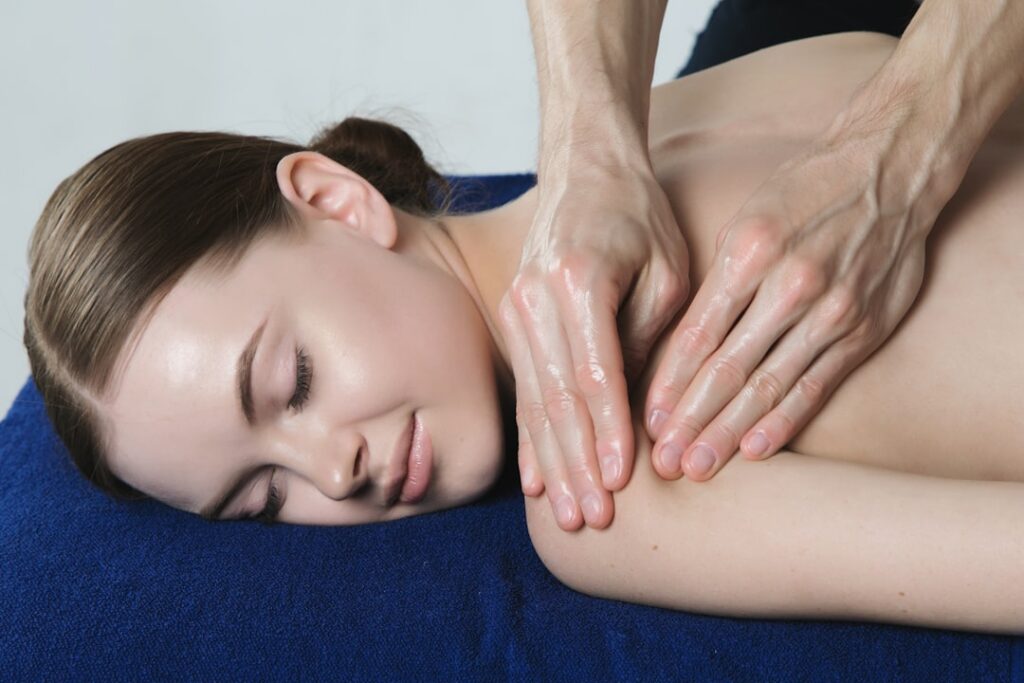
Professional massage therapy, such as deep tissue massage, applies firm pressure to reach deeper layers of muscle and fascia. Trigger point therapy and sports massage are other valuable techniques for releasing knots and preventing injury.
When to See a Doctor for a Muscle Knot in the Shoulder Blade
Most muscle knot shoulder blade issues are harmless, but some signs warrant medical attention:
- Persistent or severe pain that doesn’t improve after 1-2 weeks of self-care.
- Numbness or tingling in your arm or hand, which may indicate a pinched nerve.
- Pain that interferes with daily life, such as sleeping, working, or exercising.
- Weakness in your shoulder or arm or a significant reduction in your range of motion.
- Difficulty breathing or sudden, severe pain, which requires immediate medical attention.
At Center for Specialty Care, our specialists in Fairmont, Estherville, Buffalo Center, and St. James are ready to provide comprehensive care with quick appointment availability. We focus on 100% patient satisfaction through personalized care. Learn more about Finding the Best Shoulder Doctor Near Me: What You Need to Know to see how we can help.
Frequently Asked Questions about Shoulder Blade Knots
I get these questions all the time from patients dealing with muscle knot shoulder blade pain. Let me share the answers to the most common concerns.
How long does it take for a shoulder blade knot to go away?
This depends on the cause and duration of the knot.
Acute knots from a recent strain often feel better within a few days to a week with consistent self-care like stretching, heat, and massage.
Chronic knots that have been present for weeks or months take longer to resolve. These persistent knots often have deeper roots, like poor posture or chronic stress, and may require weeks or months of treatment to fully resolve.
Addressing the root cause is everything. If you don’t fix what’s causing the knot, such as poor ergonomics, it will likely keep returning.
What does a muscle knot in the shoulder blade feel like?
Patients describe a muscle knot shoulder blade in several common ways:
- A hard lump or nodule that feels like a small marble under the skin.
- Tenderness to touch when you press on it.
- Pain that ranges from a constant dull ache to sharp pain with certain movements.
- Radiating pain that can travel to your neck, down your arm, or trigger tension headaches.
- Stiffness and limited range of motion, making it hard to reach or turn your head.
Can you over-massage a muscle knot?
Yes, you can definitely over-massage a muscle knot shoulder blade. Too much pressure or massaging for too long can irritate the muscle, leading to bruising, inflammation, and more pain.
Proper technique is about encouraging the muscle to relax, not forcing it. Use firm but tolerable pressure. If you feel sharp pain, you’re pushing too hard. Listen to your body’s pain signals.
For self-massage, I recommend applying pressure for 30-60 seconds per spot and keeping total massage time under 15-20 minutes per session. Shorter, more frequent sessions are better than one aggressive session.
Conclusion
Dealing with a muscle knot shoulder blade doesn’t have to be a constant battle. These stubborn myofascial trigger points might feel overwhelming when they first appear, but understanding what causes them puts you in control of your recovery.
Throughout our discussion, we’ve seen how poor posture from desk work, repetitive motions, stress, and even pinched nerves in your neck can create those painful knots between your shoulder blades. The seventeen muscles that attach to your shoulder blade work hard every day, and sometimes they just need a little extra care.
Prevention really is your best friend here. Simple ergonomic adjustments to your workspace, taking regular movement breaks, and managing stress can prevent many knots from forming in the first place. When you do feel that familiar tightness starting, early intervention with self-massage using a tennis ball, gentle stretching, and appropriate heat or cold therapy can often nip the problem in the bud.
But here’s the thing – your body knows when it needs professional help. If you’re experiencing persistent pain that won’t budge after a week or two of self-care, numbness or tingling in your arm, or pain that’s interfering with your sleep and daily activities, don’t tough it out alone. These could be signs that something more complex is happening, like cervical radiculopathy or underlying muscle imbalances that need expert attention.
At Center for Specialty Care, our team understands that every muscle knot shoulder blade case is unique. Whether you’re in Fairmont MN, Estherville IA, Buffalo Center IA, or St James MN, our orthopedic and pain management specialists are committed to finding the root cause of your discomfort. We believe in personalized treatment plans that address not just your symptoms, but the underlying issues causing them.
Our approach combines the best of both worlds – we’ll teach you effective self-care strategies while providing professional treatments like physical therapy, specialized massage, and advanced techniques when needed. With our commitment to 100% patient satisfaction and quick appointment availability, you don’t have to wait weeks to start feeling better.
Ready to say goodbye to that nagging shoulder blade pain? Explore our advanced shoulder care options and let our experienced team help you get back to doing what you love, pain-free.