

Nerve Niggles: Releasing a Pinched Nerve Near Your Shoulder Blade
September 23, 2025
Post-Intracept Pain: Understanding Side Effects and Finding Relief
September 25, 2025
Is heat or ice better for patellar tendonitis: Top 1
Understanding When to Choose Ice or Heat for Your Knee Pain
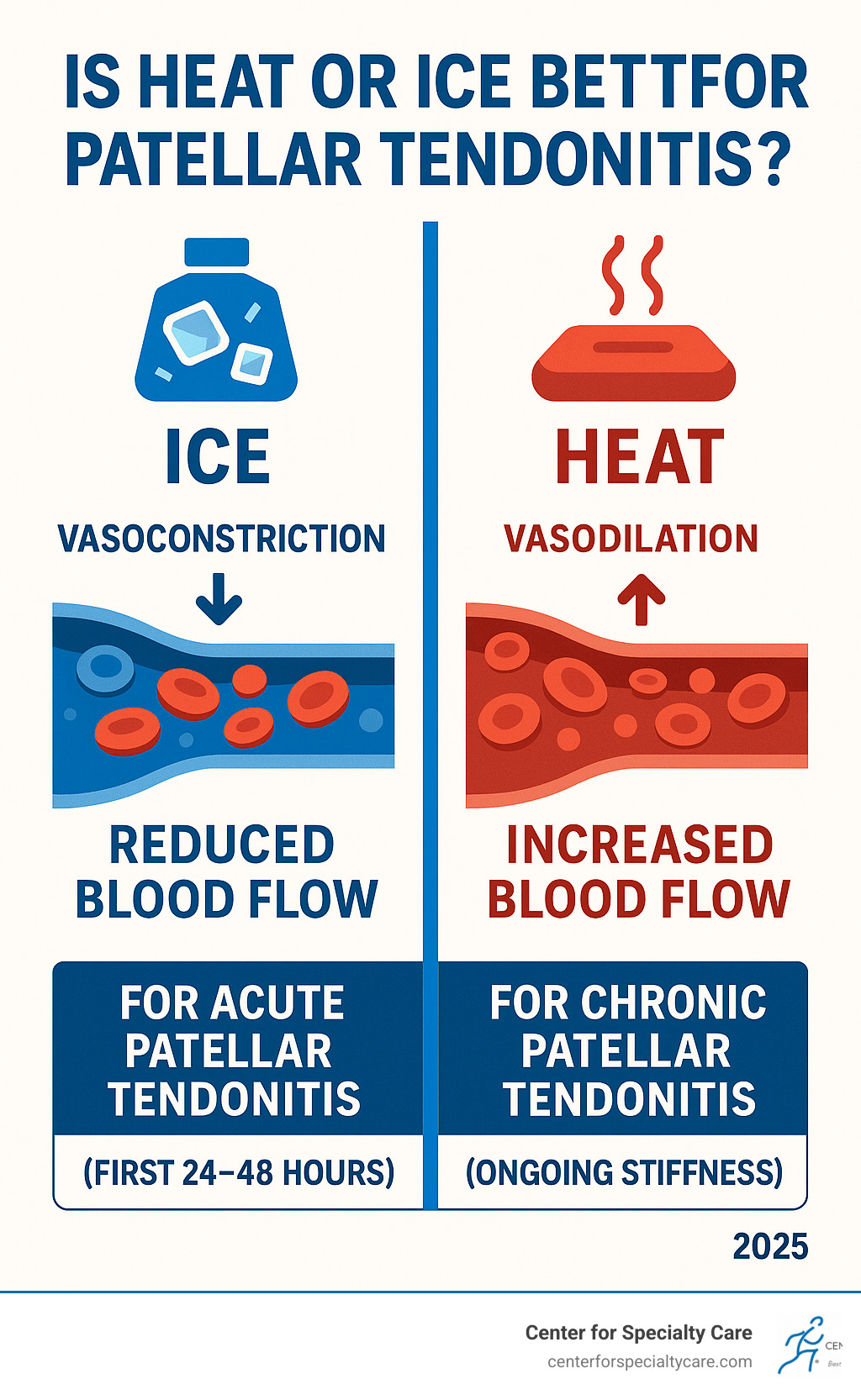
Is heat or ice better for patellar tendonitis depends on whether your injury is acute or chronic. Here’s the quick answer:
For Acute Patellar Tendonitis (First 24-48 hours):
- Use ice to reduce swelling and numb pain.
- Apply for 15-20 minutes every 4-6 hours.
- Best for sudden flare-ups after activity.
For Chronic Patellar Tendonitis (Ongoing stiffness):
- Use heat to relax muscles and increase blood flow.
- Apply for 15-20 minutes before activity.
- Best for persistent, non-swollen pain.
When dealing with jumper’s knee (patellar tendonitis), it’s common to get conflicting advice about ice versus heat. Both can be effective, but timing is everything.
Patellar tendonitis affects the tendon connecting your kneecap to your shinbone. This overuse injury often strikes athletes in jumping sports like basketball and volleyball, but it can also develop from repetitive activities like climbing stairs or squatting.
As Dr. Corey Welchlin, a board-certified orthopedic surgeon at the Center for Specialty Care, I’ve helped countless patients with this question. My experience treating sports injuries has shown that understanding the difference between acute and chronic phases is the key to choosing the right therapy.
Understanding Patellar Tendonitis (Jumper’s Knee)
Your patellar tendon is a strong, fibrous band connecting your kneecap (patella) to your shinbone (tibia). It does the heavy lifting every time you straighten your knee, whether you’re jumping, climbing stairs, or standing up.

When this tendon is overworked from repetitive stress, you develop patellar tendonitis, also known as “jumper’s knee.” It’s common in athletes who jump frequently, like basketball and volleyball players, but anyone whose routine involves repetitive knee movements can be affected.
What is Patellar Tendonitis?
Patellar tendonitis is the irritation and inflammation of your patellar tendon. When the pain becomes chronic (lasting more than a few weeks), it’s often called tendinopathy or tendinosis. This distinction is important because chronic cases involve the breakdown of tendon tissue, not just inflammation. This is why the answer to “is heat or ice better for patellar tendonitis” changes depending on whether you’re dealing with fresh inflammation or chronic tissue issues.
The condition develops from tiny tears in the tendon caused by repetitive stress. If these tears don’t get enough time to heal, a cycle of damage and incomplete repair begins, leaving the tendon weak and painful.
For a comprehensive look at managing this condition, check out our guide on Patellar Tendonitis 101: Orthopedic Insights for Managing and Preventing Tendon Pain.
Common Symptoms, Causes, and Risk Factors
Knowing the signs of patellar tendonitis can help you catch it early.
The telltale signs often start with a dull ache at the front of your knee, just below the kneecap. This ache typically worsens with activity.
- Tenderness when you press below your kneecap.
- Stiffness, particularly in the morning or after sitting for long periods.
- Pain that flares up with jumping, squatting, or climbing stairs.
What’s behind the discomfort?
- Repetitive stress is the main culprit, from sports or jobs involving frequent knee bending.
- Jumping on hard surfaces is especially tough on the tendon, as it bears the brunt of the impact.
Certain factors increase your risk.
- High-risk sports include basketball, volleyball, and other jumping activities.
- Physically demanding jobs with repetitive knee movements.
- Higher levels of competition due to training intensity.
- This condition is more common in men, and those over 40 may be more susceptible due to natural changes in tendon flexibility.
The Role of Ice (Cryotherapy) for Acute Knee Pain
When your knee suddenly flares up after a tough workout or an awkward landing, ice is your best friend. It’s a simple and effective way to manage acute pain.
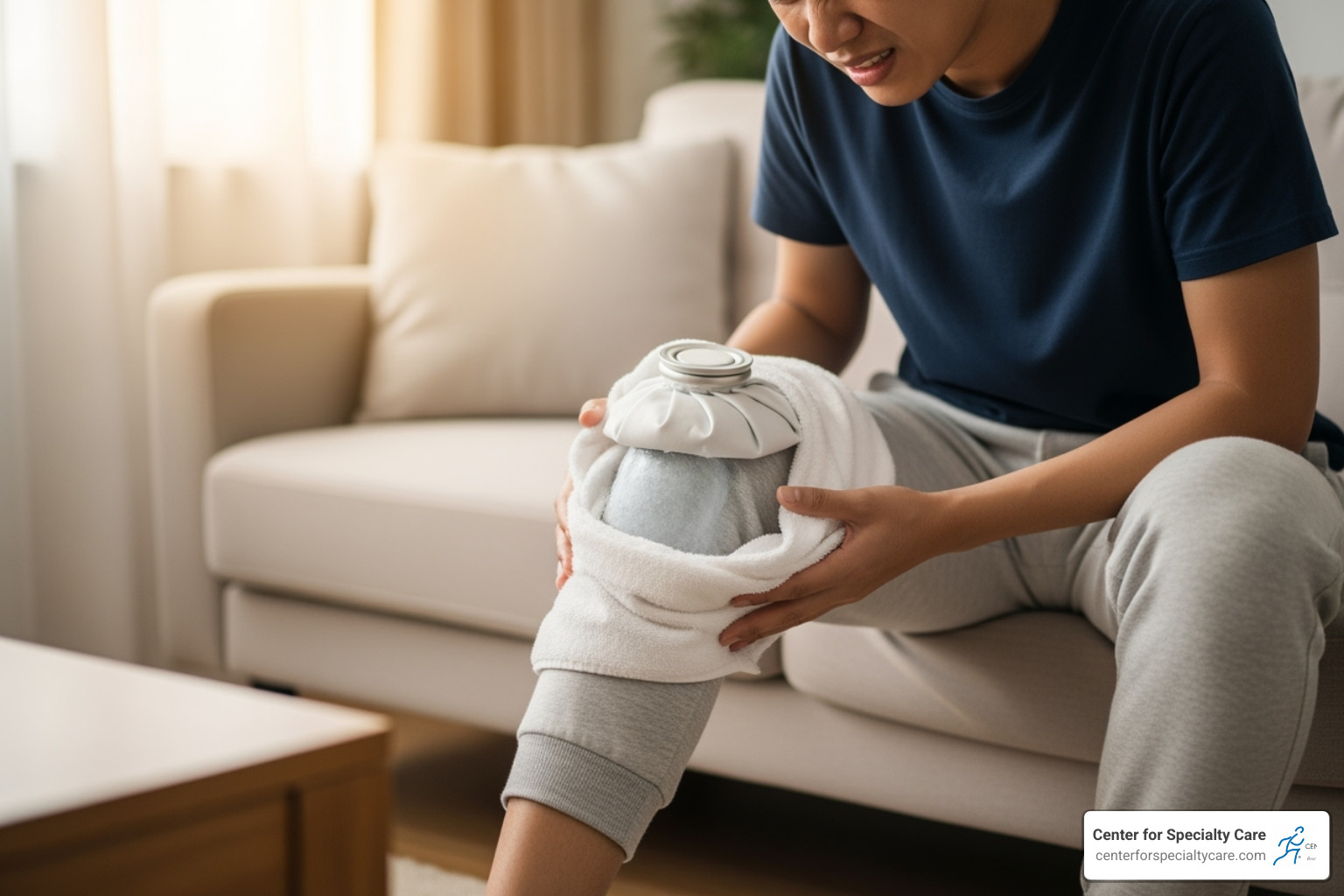
Ice works through vasoconstriction, which means it narrows your blood vessels. This reduces blood flow to the injured area, helping to decrease inflammation and swelling. Ice also creates a numbing effect that can significantly reduce pain by slowing nerve signals.
This is why ice is so beneficial for acute knee injuries like sprains, strains, or fresh patellar tendonitis flare-ups. Research shows that ice is more effective than heat for post-exercise relief, making it your go-to choice after intense activity.
When to Use Ice for Patellar Tendonitis
Understanding when is heat or ice better for patellar tendonitis starts with recognizing acute inflammation. Ice is your best choice during the first 24 to 48 hours after an injury or a significant flare-up.
Reach for an ice pack when you notice:
- Sudden onset of pain
- Visible swelling around your knee
- Redness or warmth in the area
- Post-activity flare-ups and soreness
Using ice is a primary pain control method for managing acute tendon inflammation. For general background on this condition, see Patellar tendinitis.
How to Apply Ice Safely and Effectively
Applying ice correctly is crucial. The RICE protocol (Rest, Ice, Compression, Elevation) is your roadmap for treating acute injuries.
- Rest: Give your knee a break from the activity that caused the pain.
- Ice: Use an ice pack, a bag of frozen peas, or ice cubes in a bag. Always use a towel barrier between the ice and your skin to prevent ice burns.
- Duration: Apply ice for 15 to 20 minutes at a time, every 4 to 6 hours as needed.
- Compression: A gentle elastic bandage can help reduce swelling. Ensure it’s snug but not too tight.
- Elevation: Raise your knee above heart level when possible to help fluid drain away.
Remove the ice pack if your skin hurts or looks very red. The goal is relief, not more discomfort.
Is Heat or Ice Better for Patellar Tendonitis? The Definitive Comparison
Choosing between ice and heat for patellar tendonitis isn’t a one-size-fits-all answer; it’s about selecting the right tool for the job. Ice is for acute inflammation and swelling, while heat is for chronic stiffness and muscle relaxation.
The key difference is their effect on blood vessels. Ice causes vasoconstriction (narrowing blood vessels) to control inflammation and numb pain. Heat causes vasodilation (widening blood vessels) to increase blood flow, delivering healing nutrients and relaxing tight muscles.
| Feature | Ice (Cryotherapy) | Heat (Thermotherapy) |
|---|---|---|
| When to Use | Acute injuries (0-48 hrs), post-activity soreness, swelling, pain flare-ups, redness, warmth. | Chronic pain, stiffness, muscle spasms, before exercise, non-swollen pain. |
| How it Works | Constricts blood vessels, reduces blood flow, numbs nerve endings, decreases inflammation. | Dilates blood vessels, increases blood flow, relaxes muscles, improves tissue elasticity. |
| Benefits | Reduces pain, decreases swelling, minimizes inflammation, prevents bruising. | Alleviates stiffness, promotes muscle relaxation, increases flexibility, delivers oxygen/nutrients for healing. |
| Precautions | Use towel barrier, 15-20 min max, avoid on open wounds/circulatory issues. | Avoid on acute swelling/redness, use towel barrier, 15-20 min max, avoid on open wounds/circulatory issues/tumors. |
When Heat Therapy Is the Superior Choice
If your patellar tendonitis has become chronic, causing persistent stiffness, heat is your best ally. Heat therapy is ideal for chronic tendon pain that has moved beyond the initial inflammatory stage. It’s perfect for when your knee feels achy and stiff, especially in the morning or after sitting, but lacks visible swelling or redness.
Pre-activity warm-up is another excellent time for heat. Applying heat before activity increases flexibility and prepares your muscles and tendons for action, which can reduce the risk of re-injury. Heat promotes muscle relaxation and improved blood flow, delivering oxygen and nutrients to the irritated tendon. For more tips, see our guide on Does Heat Help Tendonitis? Answers & Tips for Effective Relief.
How to Apply Heat for Chronic Tendon Pain
Applying heat is about the right temperature and timing. You want gentle, penetrating warmth.
- Heating pads: A convenient option. Always use a towel barrier between the pad and your skin and choose a comfortable warmth setting.
- Warm towels: Moist heat can be very soothing. Soak a towel in warm (not scalding) water, wring it out, and apply it to your knee.
- Hot shower: Let warm water run over your knee for several minutes for easy, effective heat therapy.
Duration matters: Stick to 15 to 20 minutes per session. Never fall asleep with a heating pad on. Also, avoid heat if you see any redness or swelling, as this indicates an acute injury that needs ice.
Can ice and heat be used together for patellar tendonitis?
Yes, using ice and heat together, known as contrast therapy, can be very effective, especially when transitioning from an acute to a chronic phase.
Contrast therapy creates a pumping action in your circulatory system. The heat opens blood vessels, and the cold closes them, helping to flush out inflammatory byproducts and bring in healing nutrients. This is great for the post-acute phase (after 48-72 hours) and for reducing residual stiffness.
A simple method is to apply heat for 3-4 minutes, then ice for 1 minute. Repeat this cycle 3-5 times, ending with cold. Many athletes use heat before activity to warm up and ice afterward to manage soreness.
Beyond Ice and Heat: A Comprehensive Treatment Plan
While understanding is heat or ice better for patellar tendonitis is helpful, these therapies are not a complete cure. Ice and heat are excellent for pain control, but they are stepping stones to recovery, not the final destination. They reduce discomfort enough for you to engage in the exercises that address the root cause of your tendonitis.
At Center for Specialty Care, we believe in holistic recovery and long-term solutions. Our Sports Medicine approach focuses on building a stronger, more resilient knee, not just treating symptoms.
Other Effective Treatments for Jumper’s Knee
Lasting recovery from patellar tendonitis requires a solid foundation of proven treatments.
- Rest and activity modification: This is your foundation for healing. It means stopping activities that trigger pain and gradually building back up as your knee improves, giving the tendon time to repair.
- Physical therapy: This is often a game-changer. A therapist can guide you through targeted stretching exercises for your quadriceps and hamstrings. Tightness in these muscles puts extra stress on your patellar tendon.
- Strengthening exercises: Building strength in the muscles around your knee creates a better support system for the tendon. Our Physical Therapy team creates personalized programs to rebuild your knee’s resilience.
- Patellar tendon straps: These can provide immediate relief by changing how force travels through your tendon. They are useful during the recovery phase but are not a permanent solution.
In some cases, anti-inflammatory medications or injections may be recommended. Surgery is a rare option reserved for cases where conservative treatments are not enough.
When to See a Doctor for Your Knee Pain
Sometimes, home care isn’t enough. It’s time to see a professional if you experience:
- Persistent pain that doesn’t improve after several days of home treatment.
- Worsening symptoms despite rest and care.
- Inability to bear weight on your leg.
- Increasing swelling, redness, or warmth, especially if accompanied by a fever.
Untreated patellar tendonitis can lead to more serious problems like tendon tears or chronic tendinopathy. An early, proper diagnosis can prevent these complications.
Our team at Center for Specialty Care specializes in getting to the root of knee problems. If you’re in the Fairmont, Estherville, Buffalo Center, or St James areas, contact a Sports Injury Specialist Near Me. Professional guidance is a smart step toward a safe and quick recovery.
Frequently Asked Questions about Managing Patellar Tendonitis
Here are answers to the most common questions we hear from patients with jumper’s knee at our clinic.
How long does it take for patellar tendonitis to heal?
The healing timeline varies dramatically from person to person. Some patients improve in just a few weeks, while others may need several months for a full recovery.
Recovery speed depends on the severity of the injury and how early it was caught. If you’ve been pushing through the pain for months, you can expect a longer recovery.
The importance of rest cannot be overstated. Tendons heal much slower than muscles. Adherence to your treatment plan is also critical. Patients who follow their physical therapy exercises and activity modifications heal faster than those who rush back to their sport too soon.
Is it okay to exercise with patellar tendonitis?
The answer is yes, but you must be smart about it. Complete rest is not the answer, but neither is pushing through pain.
Activity modification is key. Low-impact exercises like swimming or cycling with low resistance are often well-tolerated, as they keep you moving without stressing the tendon.
Avoid aggravating movements. If an activity like jumping or deep squatting causes pain, stop. Listening to your body is wisdom, not weakness.
The goal is to find a balance between strengthening vs. straining. Under the guidance of a physical therapist, specific exercises can strengthen your quadriceps and hamstrings, which aids recovery. The key is to stay active enough to promote healing without aggravating your condition.
When should you avoid using ice or heat for knee pain?
While generally safe, there are situations where ice or heat can do more harm than good.
- Open wounds: Never apply ice or heat directly to broken skin.
- Circulatory issues: If you have conditions like neuropathy or peripheral vascular disease, your ability to sense temperature may be compromised, increasing the risk of burns or frostbite.
- Acute swelling (for heat): If your knee is swollen and hot to the touch, applying heat will only increase inflammation. Use ice instead for the first 24-48 hours.
- Following surgery: Always follow your surgeon’s specific post-operative instructions for using ice or heat.
When in doubt, choose ice over heat for a new injury, or contact a medical professional for guidance. Using these therapies inappropriately can make your condition worse.
Your Next Steps Toward a Pain-Free Knee
Now you know when to use ice or heat for patellar tendonitis. Ice is for acute pain and swelling in the first 24-48 hours. Heat is for chronic stiffness and pre-activity warm-ups. For the phase in between, contrast therapy can be beneficial.
Ice and heat manage symptoms; they are not the complete solution. They provide temporary relief so you can perform the targeted exercises, rest, and activity modifications that address the root cause of your knee pain.
The key takeaway is this: ice for acute, heat for chronic, but neither replaces a comprehensive treatment plan. True healing requires a structured rehabilitation plan that addresses why the injury occurred.
At Center for Specialty Care, we are proud of our 100% patient satisfaction achieved through personalized care. We know cookie-cutter plans don’t work. Our team takes the time to understand your symptoms, lifestyle, and goals.
Serving Fairmont MN, Estherville IA, Buffalo Center IA, St James MN, and surrounding areas in Minnesota and Iowa, we are committed to getting you back to the activities you love. We offer quick appointment availability because we know that when you’re in pain, you need care now.
Your journey to a pain-free knee should be comprehensive. For a thorough evaluation and a treatment plan customized to your needs, contact our Orthopedics team today. We’re here to help you move forward with confidence.