
Hear a Pop, Feel No Pain? Your Guide to Harmless Shoulder Sounds
August 25, 2025
The Great Debate: Ice or Heat for Your Strained Tendon Pain?
August 27, 2025
Knots on the back of neck: 1 Guide to Pain-Free Relief
Understanding What That Bump on Your Neck Really Means
Knots on the back of neck are a common complaint that can cause significant discomfort and limit your daily activities. While many neck bumps are harmless, it’s important to know what you’re dealing with.
Common types of neck lumps include:
- Muscle knots (trigger points): Tight bands of muscle fibers.
- Swollen lymph nodes: Often soft and movable, related to infection.
- Cysts: Fluid-filled sacs under the skin.
- Lipomas: Benign fatty tissue growths.
- Boils: Painful, infected hair follicles.
Most lumps are harmless muscle knots caused by stress, poor posture, or repetitive movements. However, knowing the difference between a simple knot and something requiring medical attention is crucial. Understanding what’s happening in your neck is the first step toward finding relief.
I’m Dr. Corey Welchlin, a board-certified orthopedic surgeon with extensive experience treating musculoskeletal conditions like knots on the back of neck. At the Center for Specialty Care, I’ve helped thousands of patients find lasting relief from neck discomfort.
Is It a Muscle Knot or Something Else?
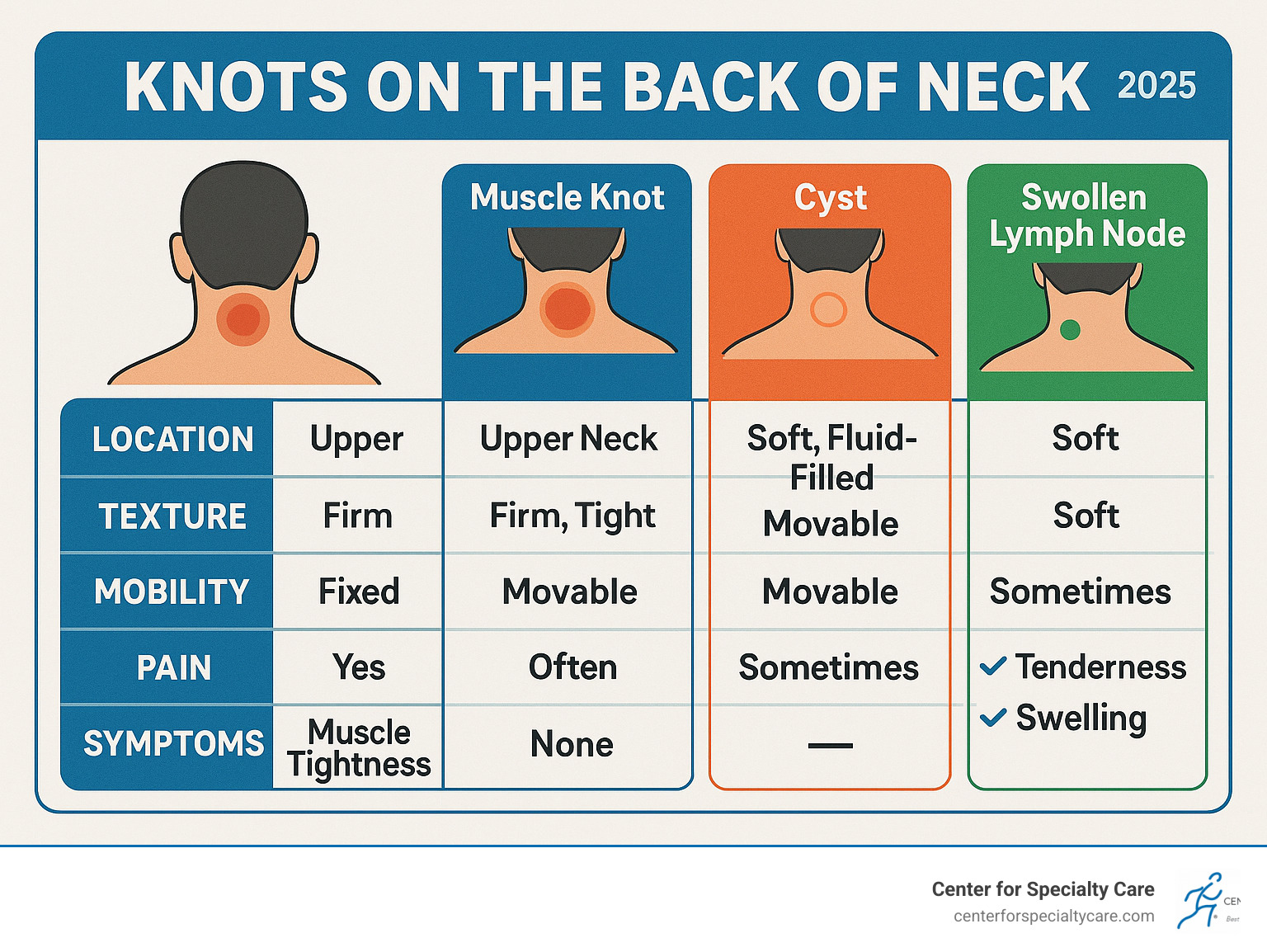
While we’re focusing on knots on the back of neck, it’s important to know that not every neck lump is a muscle knot. Fortunately, most are harmless. Here’s a guide to what you might be feeling.
- Muscle knots (myofascial trigger points) feel like hard, tender spots in the muscle. They often cause a familiar ache and can send pain toward your shoulder or arm.
- Swollen lymph nodes feel like soft, movable, bean-shaped lumps. They often appear when your body is fighting an infection like a cold and may be accompanied by a fever or sore throat.
- Cysts are fluid-filled sacs under the skin, often caused by a blocked oil gland. They can feel firm or squishy and are usually painless unless infected.
- Lipomas are soft, rubbery, benign growths of fat tissue. They move easily under the skin and typically don’t cause pain.
- Boils are painful, red, pus-filled bumps caused by infected hair follicles. They are often warm to the touch.
While most lumps are not a cause for concern, any new or persistent lump should be evaluated by a professional. For more details, see our resource: What to Do if You Find a Lump on Your Neck | Center for Specialty Care
Differentiating Benign vs. Worrisome Lumps
Knowing the signs of a potentially serious lump can help you take action when needed.
- Texture & Mobility: Benign lumps (muscle knots, lipomas) often feel soft or rubbery and move freely under the skin. Worrisome lumps tend to feel hard, irregular, and fixed to the surrounding tissue.
- Pain: Muscle knots and boils are often tender. In contrast, many cancerous lumps are painless, though any growing or uncomfortable lump should be checked.
- Associated Symptoms: A simple muscle knot causes local pain and stiffness. Concerning lumps may be accompanied by unexplained weight loss, persistent fever, night sweats, fatigue, or difficulty swallowing.
Lumps that last more than two weeks, are larger than a pea, or are accompanied by the symptoms above warrant professional attention. Adults over 40, especially those with a history of smoking or heavy drinking, are at higher risk for concerning lumps. Our orthopedic team can address any musculoskeletal concerns. More info about our orthopedic services
When to Seek Immediate Medical Attention
Some symptoms accompanying a neck lump require immediate help. Seek care right away if you experience:
- Difficulty swallowing or breathing: This could indicate the lump is pressing on your esophagus or airway.
- Numbness, tingling, or weakness in your arms or hands, suggesting nerve compression.
- High fever with a stiff neck, which can be a sign of a serious infection like meningitis.
- New, severe, or persistent headaches, especially with blurry vision or dizziness.
Your well-being is our priority. If you have these symptoms, seek medical help immediately. Learn more about related conditions: Common Spinal Conditions: Causes, Symptoms, and Treatment Options
Understanding Muscle Knots on the Back of Neck: Causes and Symptoms

Let’s focus on the most common type of neck lump: knots on the back of neck. Medically known as myofascial trigger points, these are small, tight areas where muscle fibers have become stuck in a contracted state. This can create a frustrating phenomenon called referred pain, where a knot in your neck causes a headache or shoulder ache.
Your neck and shoulder muscles, like the trapezius and levator scapulae, constantly work to support your head. When one area gets knotted, it can disrupt the entire system.
Common Causes of Neck Knots
Knots on the back of neck typically develop over time due to specific triggers.
- Poor posture: “Tech neck,” from constantly looking down at phones and computers, is a primary cause. This position overloads the muscles at the back of your neck.
- Stress and anxiety: When you’re stressed, your body tenses, often causing your shoulders to creep toward your ears. Prolonged tension leads to knots.
- Repetitive movements: Activities like typing all day, carrying a heavy bag on one shoulder, or repeatedly turning your head can overwork specific muscles.
- Sedentary lifestyle: Lack of regular movement and stretching can cause muscles to weaken and tighten.
- Dehydration: Muscles need water to function properly. Dehydration can lead to stiffness and cramping.
- Awkward sleeping positions: Using unsupportive pillows or sleeping on your stomach can cause you to wake up with a stiff neck that develops into a knot. Our guide can help: How to Relieve a Stiff Neck After Waking Up.
Sometimes, neck knots are a sign of the body compensating for weakness or injury elsewhere, such as the lower back.
Symptoms You Might Experience
Recognizing the signs of muscle knots can help you address them early.
- Pain: A dull, persistent ache is common, with sharp pain when you press on the knot itself.
- Tenderness: The knot will feel like a hard bump or tight band and be very tender to the touch.
- Stiffness: You may experience muscle tightness and a limited range of motion, making it hard to turn your head.
- Radiating Pain & Headaches: Tension headaches are very common. Pain can also radiate from the neck into your shoulders or arms.
These symptoms can be debilitating. If you also have shoulder blade discomfort, read our article: Muscle Kink in Shoulder Blade: Causes, Effective Relief
Finding Relief: How to Treat Neck Knots
When you’re dealing with knots on the back of neck, you have plenty of options for relief, from at-home techniques to professional treatments. At the Center for Specialty Care, we help patients find lasting comfort with a customized approach.
Effective Self-Care for Knots on the Back of Neck
Many people find relief with simple self-care methods that relax muscles and improve blood flow.
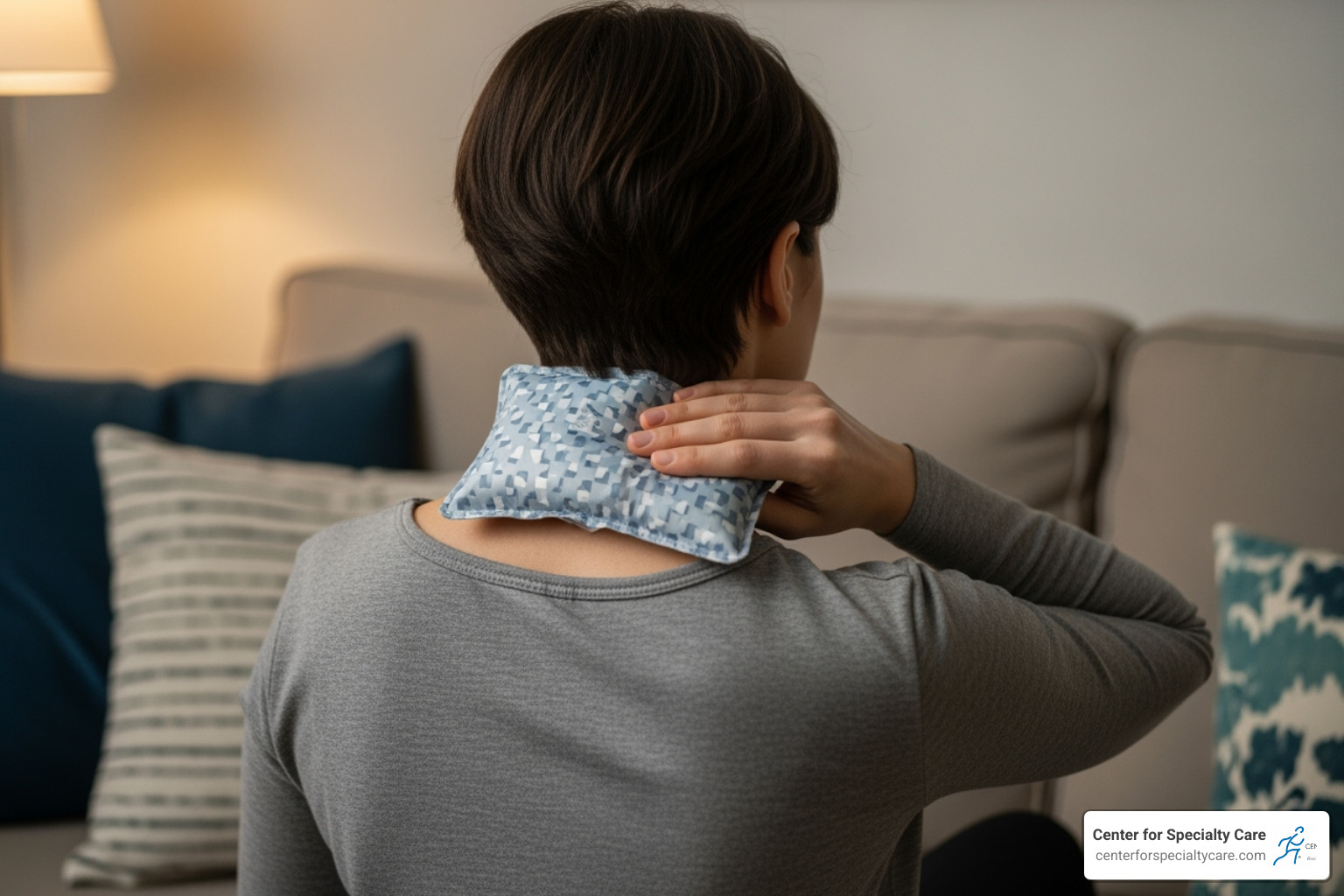
- Heat and Cold Therapy: Apply a heating pad for 15-20 minutes to relax muscles and increase circulation. An ice pack can numb pain and reduce inflammation, especially for a new knot. Some find alternating heat and cold most effective.
- Gentle Stretching: Slowly tilt your ear toward your shoulder or gently roll your shoulders to release tension. The key is to be gentle and not force the muscle.
- Self-Massage: Use your fingertips or a tennis ball to apply firm, steady pressure to the knot for about 10 seconds, then release. Repeat several times a day.
- Over-the-Counter Pain Relievers: NSAIDs like ibuprofen or naproxen can help manage pain and inflammation.
- Rest: Avoid activities that worsen your neck pain, but stay gently active with light walking or stretching to prevent stiffness.
For more detailed techniques, see our guide: Knot in your neck? 4 ways to relieve trigger point pain.
Professional Treatment Options
If self-care isn’t enough after a couple of weeks, it’s time to see a professional. We offer several evidence-based treatments.
- Physical Therapy: Our physical therapists identify and address the root cause of your knots, whether it’s posture, muscle imbalances, or an old injury. They use targeted exercises and manual therapy to provide lasting relief. More info about Physical Therapy
- Therapeutic Massage: A licensed massage therapist can use techniques like deep tissue and trigger point therapy to release deep muscle tension and break up knots.
- Chiropractic Care: If knots are related to spinal misalignment, chiropractic adjustments can restore proper joint function and take pressure off overworked muscles.
- Trigger Point Injections: For severe knots, our pain management specialists can inject a local anesthetic directly into the trigger point to turn off the pain signal and relax the muscle. This is often combined with other therapies for long-term success. More info about Pain Management
Our team creates a treatment plan unique to you, helping you get back to doing what you love.
Preventing Future Knots and Neck Pain
An ounce of prevention is worth a pound of cure, especially for knots on the back of neck. The best strategy is to stop them before they start by making simple adjustments to your daily habits and environment.
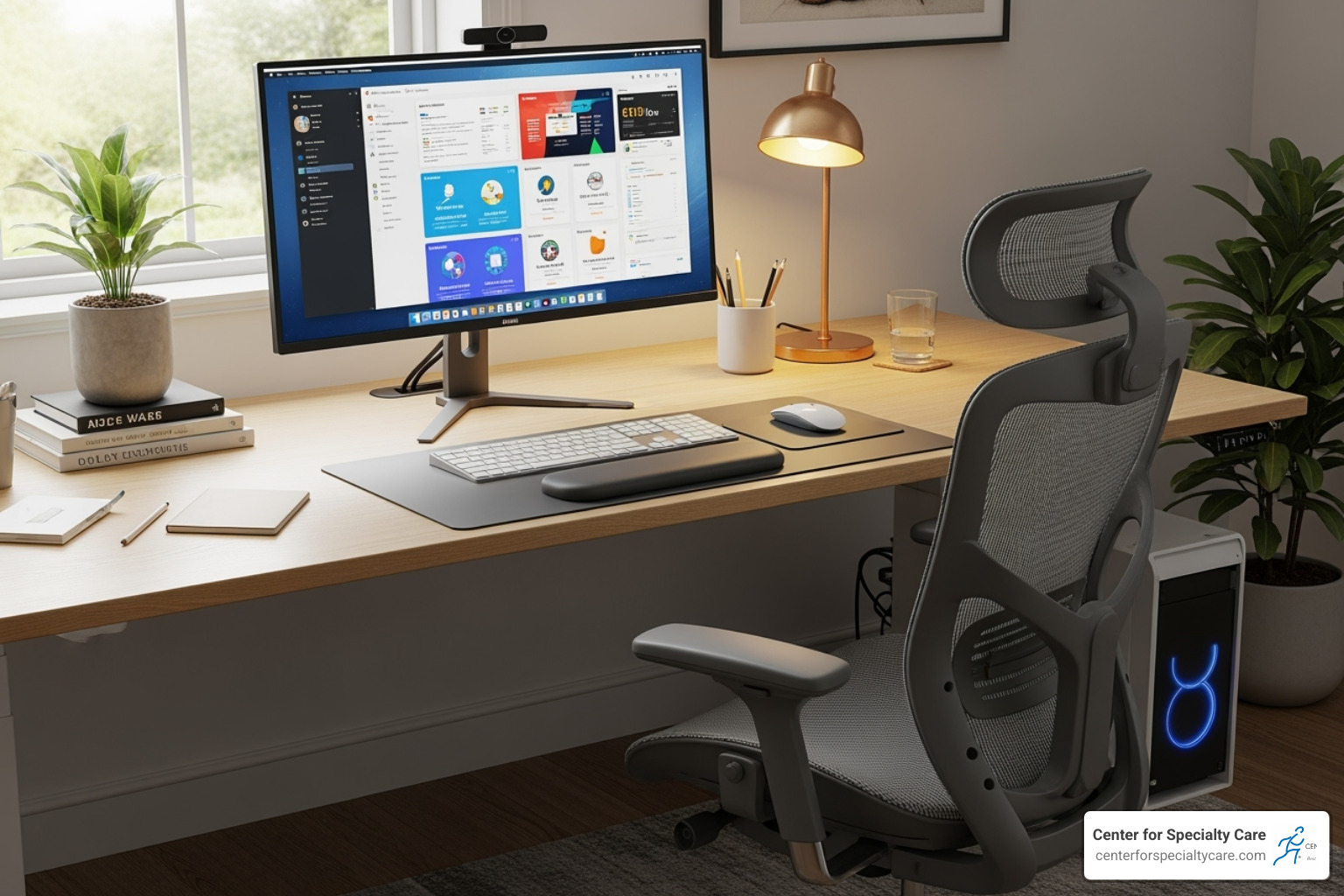
Ergonomic Adjustments for Work and Home
Since many of us spend hours at a desk, an ergonomic setup is crucial for neck health.
- Monitor Height: Position your screen at eye level to avoid craning your neck up or down. If you use a laptop, consider an external monitor or stand.
- Chair Support: Use a chair with good lumbar support to maintain your spine’s natural curve, which reduces pressure on your neck.
- Desk Setup: Arrange your desk so your arms can rest comfortably with elbows at a 90-degree angle, preventing you from hunching your shoulders.
- Phone Use: Avoid cradling your phone between your head and shoulder. Use a headset or speakerphone. When texting, hold your phone closer to eye level to avoid “text neck.”
For more tips, see our resource: Bringing release to ‘knotty’ muscles
Preventing Knots on the Back of Neck Through Lifestyle Changes
Small, consistent lifestyle adjustments can make a big difference in preventing neck pain.
- Regular Exercise: Activities like walking, swimming, or yoga keep muscles strong and flexible, making them less prone to knots.
- Stress Management: Emotional stress often settles in the neck and shoulders. Practice stress-reducing techniques like deep breathing, meditation, or hobbies to prevent tension buildup.
- Stay Hydrated: Well-hydrated muscles are more pliable and less likely to cramp or stiffen.
- Mindful Posture: Be aware of your posture throughout the day. Periodically check if your shoulders are hunched or your head is jutting forward, and correct it.
- Take Frequent Breaks: If you have a desk job, stand up, stretch, and move around every 30-60 minutes.
Incorporate these simple daily stretches:
- Neck Tilts: Gently bring your ear toward your shoulder, holding for 15-20 seconds on each side.
- Chin Tucks: Pull your chin straight back to stretch the muscles at the back of your neck.
- Shoulder Rolls: Roll your shoulders forward and backward to release tension.
Consistency is key to preventing painful neck knots.
Frequently Asked Questions about Neck Knots
Patients often ask the same questions about knots on the back of neck. Here are answers to the most common ones.
How long do muscle knots in the neck last?
The timeline depends on several factors. With self-care like heat and gentle stretching, you may feel temporary relief within a few hours or days. However, for long-term resolution, you must address the root cause. If poor posture caused the knot, it will likely return unless you improve your posture.
Healing time is affected by how long you’ve had the knot, its cause, your overall health, and stress levels. With consistent self-care or professional treatment, most people see significant improvement within 2-4 weeks. If you don’t see progress after a couple of weeks, it’s time to seek professional help.
Can stress alone cause painful knots in the neck?
Yes, absolutely. When you’re stressed, your body enters a fight-or-flight response, causing muscles in your neck and shoulders to tense up as if bracing for impact. In our modern world, chronic stress from work or personal issues keeps these muscles constantly tensed, leading to painful knots.
Stress also affects posture; people often hunch their shoulders or clench their jaw when anxious. The link between mental health and physical pain is well-established, which is why stress management is a key part of treatment. Learn more here: Muscle tension as a reflexive response to stress
What happens if a muscle knot is left untreated?
While not life-threatening, ignoring a muscle knot can lead to several issues. The most common is chronic pain, where an occasional ache becomes a constant discomfort. This can develop into myofascial pain syndrome, a chronic disorder that is more difficult to treat.
Untreated knots also lead to reduced mobility and stiffness in the neck. This can cause compensatory pain in other areas, like the shoulders or back, as other muscles overwork to make up for the tight ones. Chronic tension is also a frequent cause of headaches.
These complications are preventable with proper care. It’s always better to address knots on the back of neck sooner rather than later.
Your Path to a Pain-Free Neck
Dealing with knots on the back of neck can be frustrating, but relief is achievable. We’ve covered how to distinguish muscle knots from other lumps, what causes them, and the effective self-care and professional treatments available.
The most important takeaway is that proper diagnosis matters. While most neck lumps are harmless muscle knots, any new or persistent lump should be evaluated by a healthcare professional for your peace of mind.
A proactive approach to neck health can prevent future knots. Simple changes like improving your workspace ergonomics, taking movement breaks, managing stress, and staying hydrated can make a significant difference.
At the Center for Specialty Care, we understand how neck pain can impact your life. Our teams in Fairmont, MN, Estherville, IA, Buffalo Center, IA, and St. James, MN, are committed to providing comprehensive, personalized care that addresses both your symptoms and their underlying causes.
We develop personalized treatment plans custom to your unique needs and goals. Whether you need physical therapy, pain management, or ergonomic guidance, our experienced team is here to support you.
Don’t let knots on the back of neck limit your life. With our commitment to 100% patient satisfaction and quick appointment availability, getting the care you need is accessible. Your journey to lasting comfort starts by reaching out for professional guidance.
Find lasting relief for your shoulder and neck pain and find how our comprehensive approach can help you return to an active, comfortable life.