

Shoulder Blade Blues? A Guide to Understanding Your Scapula Pain
September 2, 2025
Unlocking Intracept: Is This Procedure Covered by Medicare?
September 4, 2025
Peroneal tendonitis heat or ice: 2 Key Reliefs
Understanding Peroneal Tendonitis and Your Ankle Pain
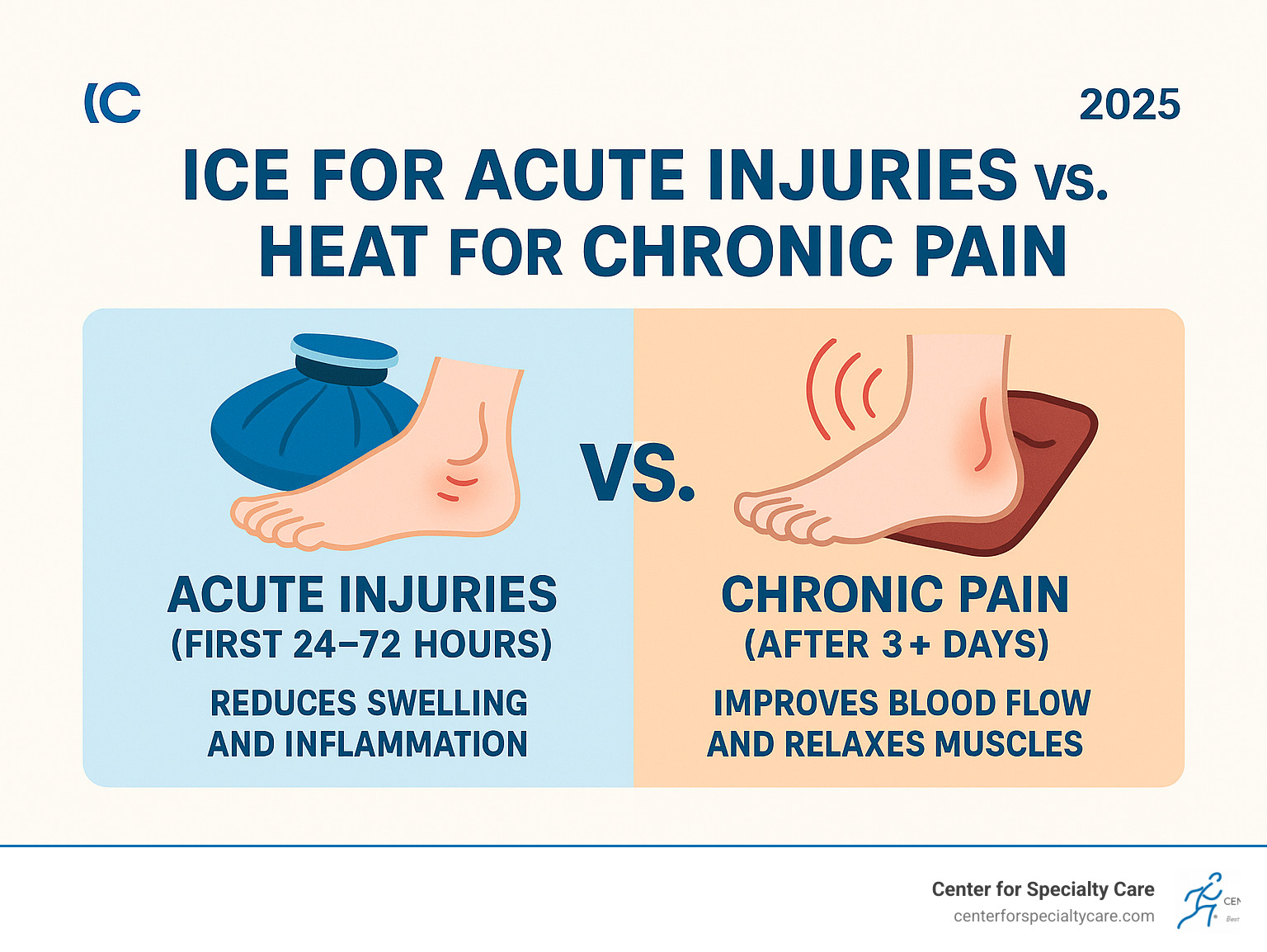
Peroneal tendonitis heat or ice – this is a common question for those with pain on the outside of their ankle. The answer depends on whether your injury is acute (recent) or chronic (ongoing).
Quick Answer for Peroneal Tendonitis Heat or Ice:
- Use Ice for acute injuries (first 24-72 hours) to reduce swelling and inflammation.
- Use Heat for chronic pain (after 3+ days) to improve blood flow and relax muscles.
- Ice Duration: 15-20 minutes every 4-6 hours with a towel barrier.
- Heat Duration: 15-20 minutes, 2-3 times daily, avoiding direct skin contact.
I’m Dr. Corey Welchlin, a board-certified orthopedic surgeon. At the Center for Specialty Care, my team and I have helped countless patients in southern Minnesota and northern Iowa recover from tendon injuries using both conservative and surgical approaches.
What is Peroneal Tendonitis?
Peroneal tendonitis is the inflammation of the peroneal tendons, which run along the outside of your ankle and stabilize your foot. They help prevent ankle sprains. When these tendons are overused, they can become inflamed, leading to pain, swelling, and stiffness.
If this acute inflammation (tendonitis) is not addressed, it can become chronic tendinosis, which involves the deterioration of the tendon’s collagen. This distinction is key to deciding between peroneal tendonitis heat or ice.
This condition often results from repetitive motions, like running or sports with frequent direction changes. While less common than other foot issues, it can be debilitating and is often misdiagnosed. At Center for Specialty Care, we accurately diagnose and treat a range of foot problems. Learn more on our page: A Walk Towards Healthy Feet: Common Foot Problems and Solutions.
Common Causes and Symptoms
Understanding the causes and symptoms can help with treatment and prevention.
What Causes Peroneal Tendonitis?
- Overuse: Repetitive ankle movements from running, dancing, or sports are the most common cause.
- Biomechanical Factors: High arches, weak hip muscles, or tight calf muscles can alter gait and strain the tendons.
- Improper Footwear: Shoes lacking proper support increase stress on the ankle.
- Acute Ankle Injury: A sudden ankle sprain can directly injure the tendons.
- Other Factors: Age, being overweight, diabetes, and inflammatory conditions increase risk.
What Are the Symptoms of Peroneal Tendonitis?
- Pain on the Outside of the Ankle/Foot: The primary symptom, often a sharp or aching pain that worsens with activity and eases with rest.
- Swelling, Redness, or Warmth: Inflammation may cause these signs around the tendon.
- Tenderness to Touch: The area along the tendons will likely be tender when pressed.
- Thickened Tendons: In chronic cases, the tendons might feel thickened.
- Ankle Instability: A feeling of unsteadiness when walking.
The Cold Truth: When to Use Ice for Peroneal Tendonitis
If you feel a sharp pain along the outside of your ankle during an activity, your first instinct should be to use ice. Ice therapy is your best tool during the first crucial hours after an acute injury.
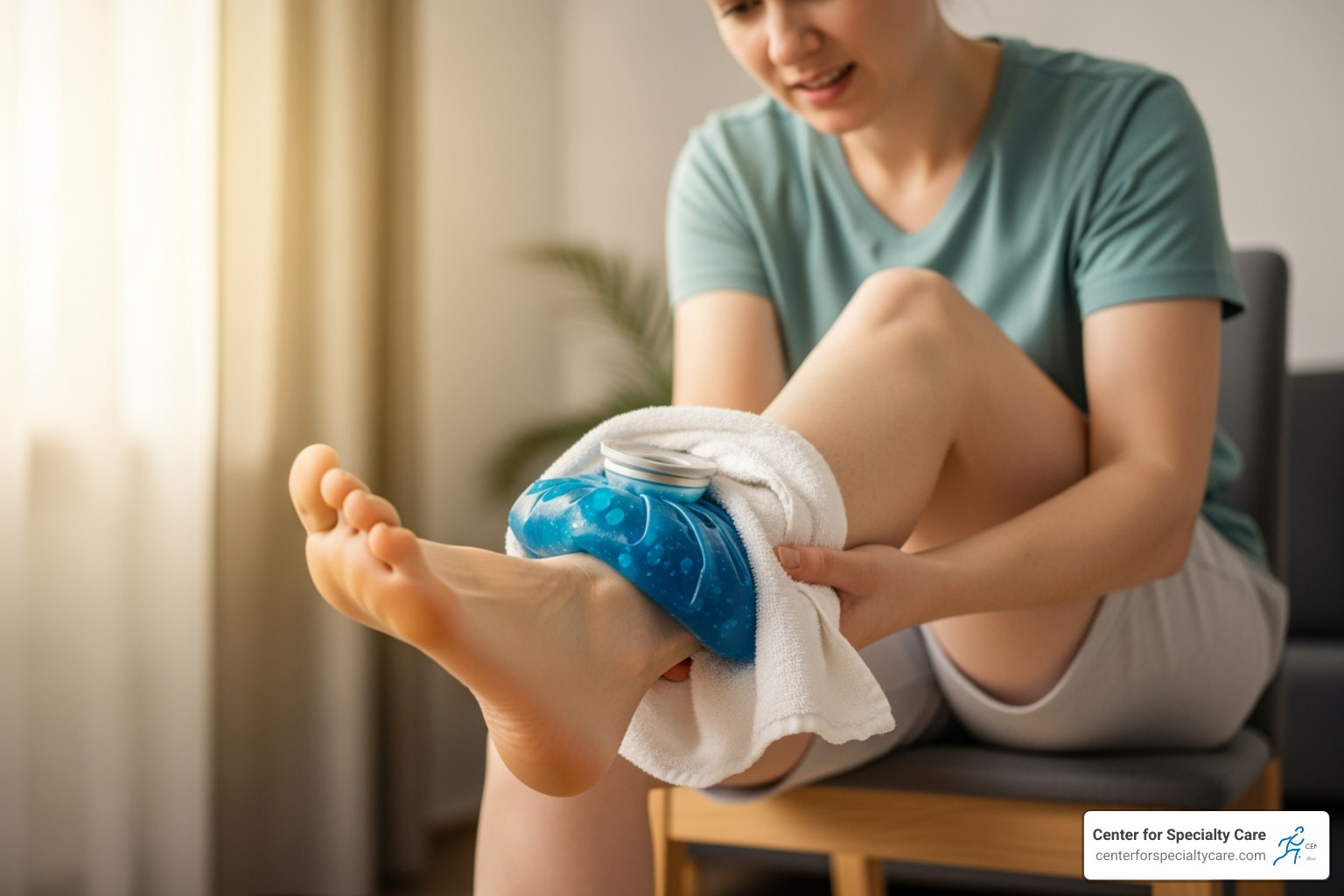
When deciding on peroneal tendonitis heat or ice, choose ice during the acute phase—typically the first 24 to 72 hours. This is when your body’s inflammatory response is at its peak.
Ice works by causing vasoconstriction, which narrows your blood vessels. This reduced blood flow helps to decrease swelling, numb the area for immediate pain relief, and keep inflammation under control. If you’ve just twisted your ankle or developed sudden, sharp pain, ice is the correct choice for the first few days.
How to Apply Ice Safely
Applying ice correctly is crucial for effectiveness and safety. Follow these steps to avoid skin damage.
- Use a towel barrier: Always place a thin towel between the ice pack and your skin to prevent frostbite.
- Limit sessions to 15-20 minutes: Any longer can risk tissue damage. Remove the ice if your skin feels numb before the 15-minute mark.
- Apply every 4-6 hours: This frequency is effective for controlling inflammation during the acute phase.
- Lift your ankle: Lifting your ankle above heart level while icing follows the proven RICE method (Rest, Ice, Compression, Elevation).
For more guidance on managing tendon injuries, see our resource on Extensor Tendonitis: Navigating Through Recovery and Maintaining Foot Health.
The Key Question: When Should I Stop Using Ice?
Knowing when to stop icing is a key part of the peroneal tendonitis heat or ice debate. Ice is an emergency responder, not a long-term solution.
Transition away from ice after the initial swelling subsides, usually around the 3-day mark. At this point, the acute inflammatory phase is ending, and continuing with ice can slow down the repair process.
Another signal is when your pain changes character from sharp and stabbing to a dull ache or stiffness. After 72 hours, most acute injuries have moved past the stage where ice provides its main benefits. If ice no longer brings relief or your ankle feels stiff after icing, it’s time to consider heat. Your body is good at signaling what it needs; you just have to listen.
Turning Up the Heat: When Heat Therapy Is the Right Choice
After the first few days of ice, your ankle may be ready for heat therapy. While ice is for fresh injuries, heat is best for chronic pain, stiffness, and encouraging the body’s natural healing process.
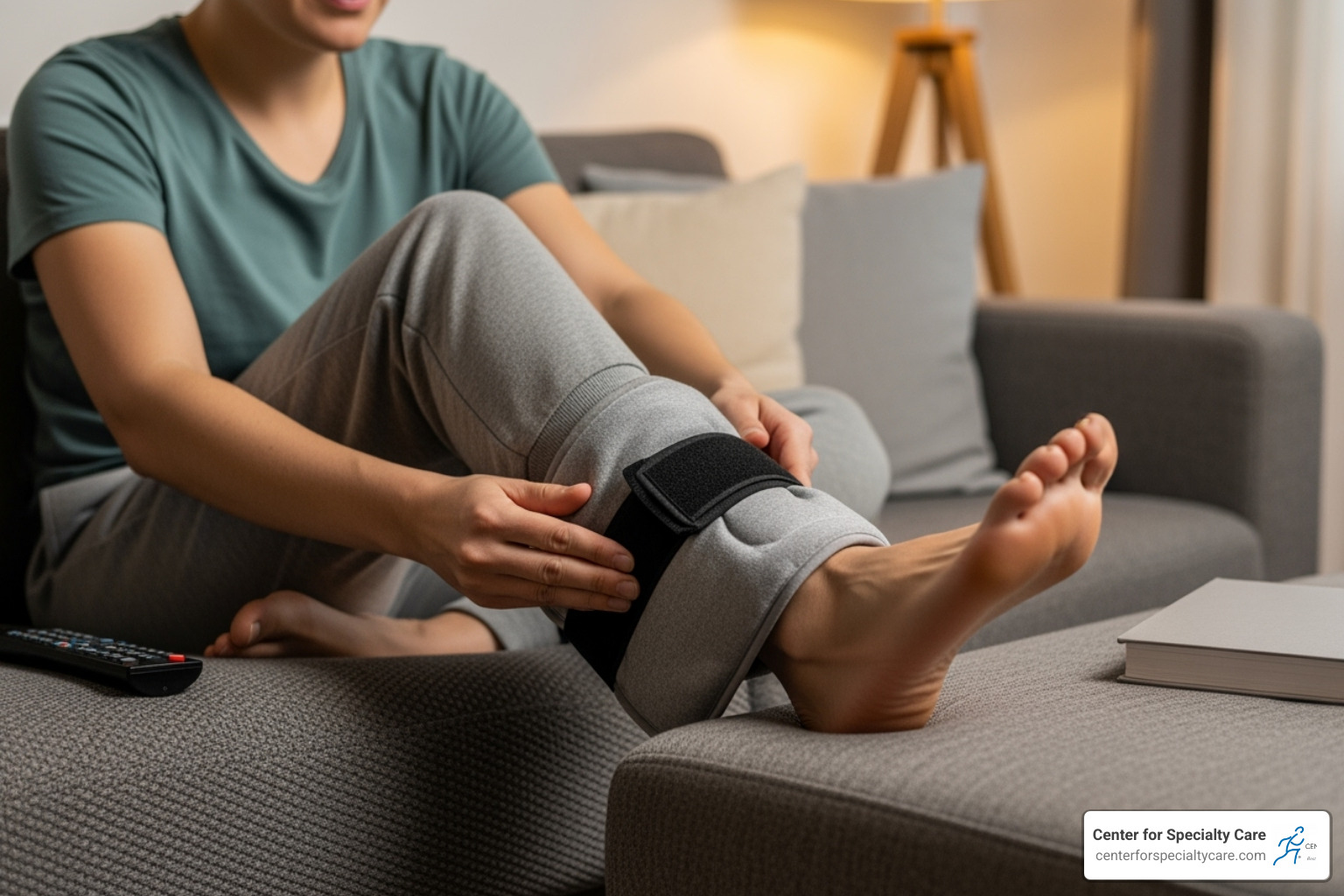
Applying heat causes vasodilation, widening blood vessels to increase blood flow. This brings more oxygen and nutrients to the damaged tissue, aiding repair. It also relaxes tight muscles, decreases pain signals, and improves flexibility.
In the peroneal tendonitis heat or ice dilemma, choose heat for:
- Chronic pain (lasting more than 72 hours)
- Morning stiffness
- Tendinosis (tendon degeneration)
- Warming up before gentle stretching
How to Apply Heat Safely
Using heat safely is simple but important. Moist heat (warm towels, baths) can penetrate deeper, while dry heat (heating pads) is convenient.
- Use moderate temperatures: Start heating pads on a low setting. Bathwater should be comfortably warm, not hot.
- Limit sessions to 15-20 minutes: Apply heat 2-3 times a day, allowing your skin to rest between sessions.
- Use a barrier: Place a thin towel between the heat source and your skin to prevent burns.
- Never sleep with a heating pad: This is a serious safety risk, as it can lead to severe burns.
For more on how heat can aid recovery, read our guide: Does Heat Help Tendonitis? Answers & Tips for Effective Relief.
Can Heat Make Peroneal Tendonitis Worse?
Yes, heat can backfire if used at the wrong time. Applying heat to an acute injury is a common mistake.
If your ankle is swollen, red, or warm from a recent injury (within the last 72 hours), heat will worsen the inflammation by increasing blood flow to an already irritated area. This can increase pain and slow down recovery.
Avoid heat if you see:
- Visible swelling
- Skin that is hot to the touch
- Redness around the tendon
If you apply heat and notice increased pain or swelling, remove it immediately and switch back to ice. Be extra cautious if you have conditions like diabetes or poor circulation that affect your ability to feel temperature changes.
A Direct Comparison: Peroneal Tendonitis Heat or Ice
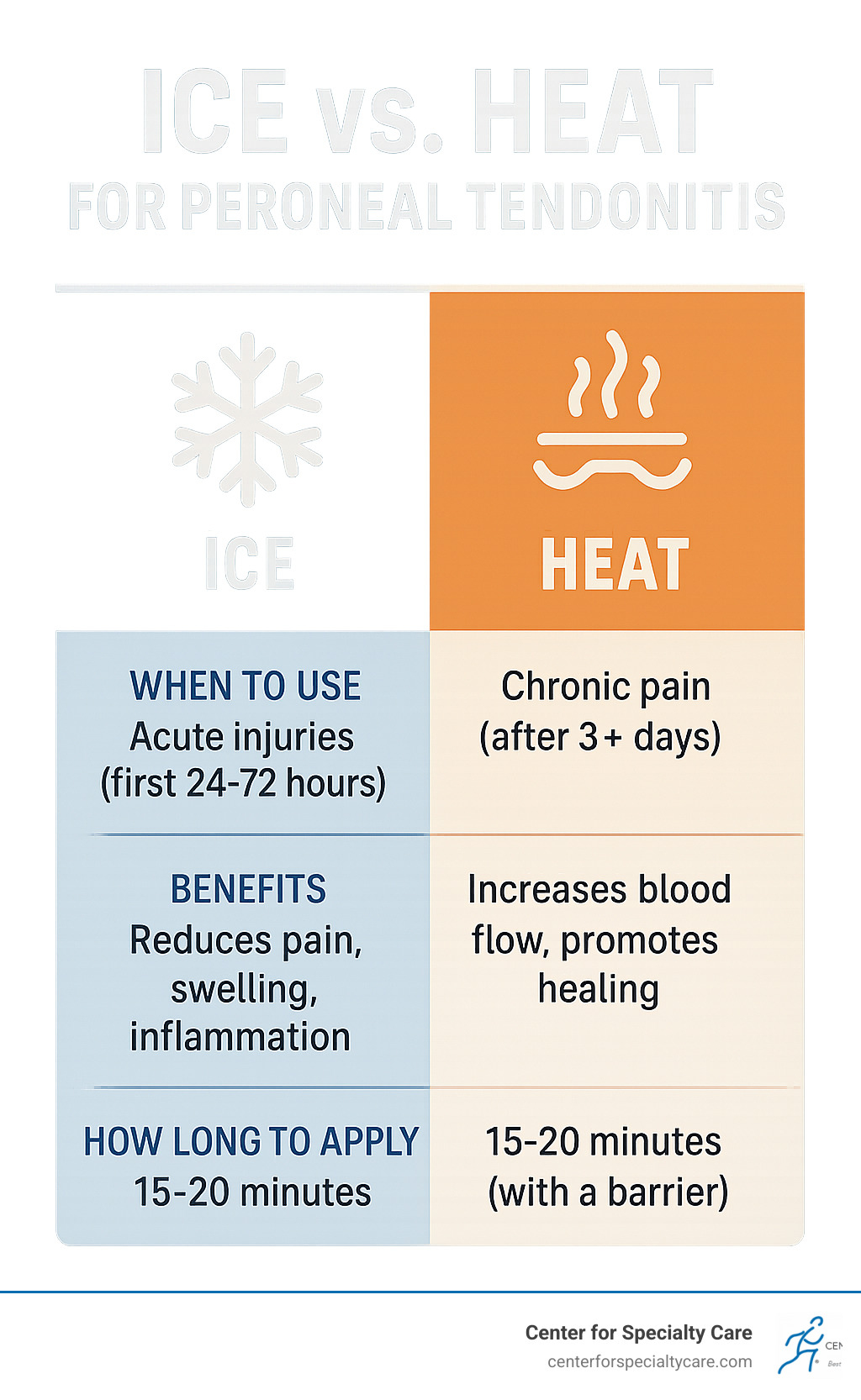
The peroneal tendonitis heat or ice decision is clearer once you understand the purpose of each. Ice is an emergency responder for fresh injuries, while heat is a rehabilitation coach for chronic issues.
| Feature | Ice | Heat |
|---|---|---|
| When to Use | Acute injuries (first 24-72 hours), sudden pain, swelling, inflammation, post-activity soreness. | Chronic pain (after 3+ days), stiffness, muscle tension, tendinosis, pre-activity warm-up. |
| Benefits | Reduces pain, swelling, inflammation; numbs nerves; constricts blood vessels. | Increases blood flow, promotes healing, relaxes muscles, improves flexibility, reduces stiffness. |
| How Long to Apply | 15-20 minutes, every 4-6 hours (with a barrier). | 15-20 minutes, 2-3 times daily (with a barrier). |
| Risks | Frostbite, skin burns (if direct/too long); can cause muscle stiffness. | Skin burns (if direct/too hot/too long); worsening inflammation (if used acutely). |
Contrast therapy, or alternating heat and ice, can be useful for subacute injuries (those past the initial 72 hours but not yet fully chronic). This creates a “pumping” action that can reduce swelling while promoting circulation.
Making the Right Choice for Peroneal Tendonitis: Heat or Ice
Let your symptoms guide your choice. For the sharp pain and swelling of an acute injury, use ice. For the nagging ache and chronic stiffness that has lingered for weeks, heat will likely provide more relief. After a workout that causes fresh irritation (post-activity soreness), use ice. To loosen a stiff ankle before activity (pre-activity warm-up), use heat.
Risks of Using Peroneal Tendonitis Heat or Ice Incorrectly
Using these therapies incorrectly can set back your recovery. The main risks with ice are frostbite from direct contact and nerve damage from prolonged use. The primary hazards with heat are skin burns and worsening inflammation if applied to an acute injury.
Respect both treatments and use them as directed. If you are ever in doubt, it’s best to consult a professional. Proper treatment is essential, as detailed in medical research like this study on Tendon disorders of the foot and ankle.
When to See a Doctor for Your Ankle Pain
While the peroneal tendonitis heat or ice approach helps manage symptoms, some signs indicate you need professional medical advice. Knowing when to see a doctor can prevent a minor issue from becoming a chronic problem.
Seek professional help if you experience any of the following:
- Pain that persists for more than 2-3 weeks despite self-care.
- Inability to bear weight on your ankle or severe difficulty walking.
- A popping or snapping sensation in your ankle, which could indicate a tear or tendon subluxation (slipping out of place).
- Severe, sudden pain or rapidly increasing swelling and discoloration.
- Symptoms that are getting worse instead of better with home treatment.
The Hidden Dangers of Waiting Too Long
Delaying treatment can lead to serious complications. Untreated peroneal tendonitis can progress from simple inflammation (tendonitis) to tendinosis, a degenerative breakdown of the tendon that is harder to heal. This can lead to chronic pain that interferes with daily life. Weakened tendons are also more prone to tears or complete rupture, which often require surgery. Finally, poor tendon function can cause ankle instability, leading to recurrent sprains and a feeling that your ankle might “give way.”
At Center for Specialty Care, our team can diagnose your condition accurately and get you on the path to recovery. Learn more about our approach on our Podiatry page.
Preventing Future Flare-Ups
The best treatment is prevention. These strategies can help you stay pain-free long-term.
- Wear Proper Footwear: Choose shoes with good arch support and a firm sole. Replace worn-out sneakers.
- Support High Arches: If you have high arches, consider custom orthotics or quality arch supports to distribute pressure evenly.
- Stretch and Strengthen: Regularly stretch your calf muscles and perform strengthening exercises for your ankles, hips, and core to create a stable foundation.
- Progress Gradually: Avoid doing too much too soon. Increase the intensity and duration of your activities slowly to allow your tendons to adapt.
- Maintain a Healthy Weight: Reducing excess weight lessens the daily load on your ankles and feet.
- Listen to Your Body: Pain is a signal to rest or modify your activity. Pushing through it can turn a minor issue into a major one.
Frequently Asked Questions about Peroneal Tendonitis
Here are some straightforward answers to common questions we hear at our clinic regarding peroneal tendonitis heat or ice treatment and recovery.
How long does peroneal tendonitis take to heal?
Healing time varies. Mild cases caught early may resolve in 3-4 weeks with consistent conservative care (rest, ice/heat, modified activity). Moderate to severe cases, or those that have become chronic (tendinosis), can take 6-8 weeks or even several months to heal completely. Post-surgical recovery takes longer. The key to a faster recovery is early and consistent treatment.
Is it okay to walk with peroneal tendonitis?
Listen to your body. If walking causes pain, you should reduce your activity or rest. Walking through pain can worsen the injury and prolong recovery. For mild cases with no pain during walking, gentle activity is usually fine. For severe pain, a walking boot or ankle brace may be necessary to immobilize the tendon and allow it to heal. Low-impact activities like swimming or cycling are great alternatives to maintain fitness.
What happens if peroneal tendonitis goes untreated?
Ignoring peroneal tendonitis can lead to serious, long-term problems. The condition can progress from simple inflammation to tendinosis (tendon degeneration), making it much harder to treat. Other risks include chronic pain, tendon tears or rupture (which may require surgery), and chronic ankle instability, where the ankle feels like it might “give way.” Early treatment with rest, appropriate peroneal tendonitis heat or ice therapy, and professional guidance can prevent these complications.
Your Next Step Towards Pain-Free Ankles
Navigating ankle pain is easier when you know whether peroneal tendonitis heat or ice is the right choice. The rule is simple: ice for acute, swollen injuries in the first 72 hours, and heat for chronic pain and stiffness after that. Remember to apply it correctly—using a barrier for 15-20 minute sessions—and listen to your body.
While home care is a great first step, some ankle problems require professional attention. At Center for Specialty Care, we know every patient’s journey is unique. Dr. Corey Welchlin and our experienced team provide personalized care to help patients throughout southern Minnesota and northern Iowa find lasting relief.
We listen, perform thorough evaluations, and create a treatment plan that fits your goals. From our clinics in Fairmont MN, we serve patients in Estherville IA, Buffalo Center IA, St James MN, and the surrounding region.
Don’t let ankle pain keep you on the sidelines. Whether your injury is recent or you’ve had discomfort for months, we are here to help you get back to the activities you love. Our commitment to 100% patient satisfaction means we’re dedicated to getting you the best possible outcome.
Ready to move past ankle pain? Take control of your orthopedic health and schedule your appointment today.