Ice vs. Heat for Tendonitis: Which One Wins the Pain Battle?
February 4, 2026
The Real Deal: Unmasking Legitimate Pain Management Clinics
February 6, 2026
Plantar Fasciitis Relief: Conquer Pain, 2025
Why Plantar Fasciitis Relief Matters for Your Daily Life
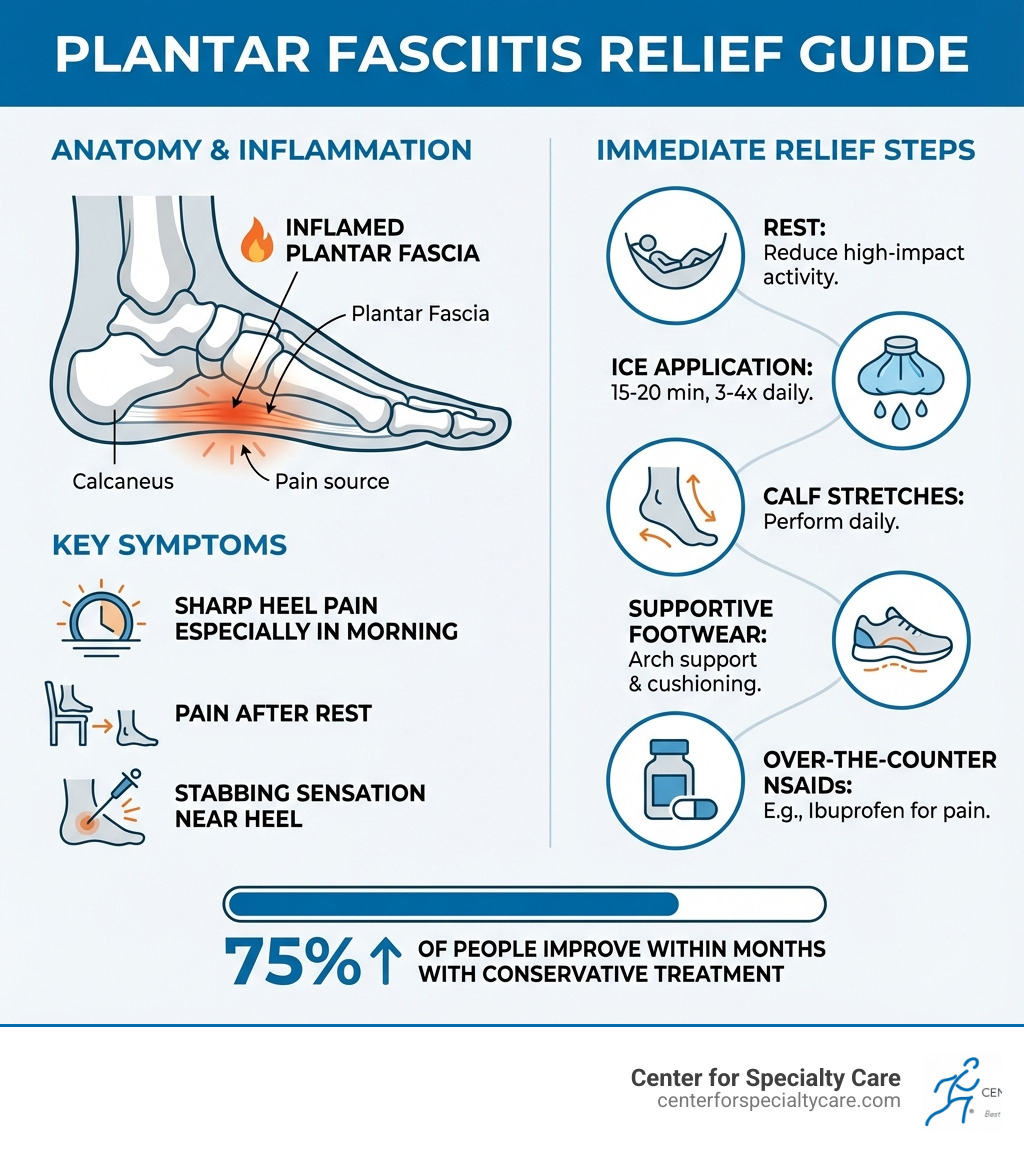
Plantar fasciitis relief is essential for millions of people who wake up each morning to stabbing heel pain. If you’re experiencing sharp discomfort in your heel—especially during those first steps out of bed—you’re likely dealing with plantar fasciitis, one of the most common foot conditions affecting roughly 2 million Americans annually.
Quick Relief Options:
- Rest – Reduce high-impact activities and switch to low-impact exercises like swimming
- Ice – Apply ice packs for 15-20 minutes, 3-4 times daily
- Stretch – Perform calf and plantar fascia stretches several times per day
- Support – Wear shoes with good arch support and cushioned heels
- Medication – Take over-the-counter NSAIDs like ibuprofen for pain relief
The condition occurs when the plantar fascia—the thick band of tissue running along the bottom of your foot from heel to toes—becomes irritated or inflamed. This typically happens from overuse, wearing unsupportive shoes, or having certain foot structures like flat feet or high arches. About 75% of people improve within several months using conservative treatment approaches.
That stabbing sensation you feel isn’t just uncomfortable—it can significantly impact your mobility and quality of life. As one healthcare provider noted, “If foot pain has ever stopped you in your tracks, you may have plantar fasciitis.” The pain typically worsens after periods of rest and may ease with movement, only to return after prolonged standing or activity.
The good news? Most cases respond well to home treatments. Only about 5% of people with plantar fasciitis will need surgery, meaning the vast majority find relief through stretching, proper footwear, ice therapy, and activity modification.
I’m Dr. Corey Welchlin, a board-certified orthopedic surgeon with over three decades of experience treating musculoskeletal conditions, including complex foot and ankle issues requiring plantar fasciitis relief. At the Center for Specialty Care in Fairmont, Minnesota, my team and I have helped countless patients overcome heel pain and return to their active lifestyles through both conservative treatments and, when necessary, minimally invasive surgical interventions.
Understanding Plantar Fasciitis: Symptoms, Causes, and Diagnosis
Foot pain, especially in the heel, can be more than just an annoyance; it can dictate your daily activities. If you’re experiencing a sharp, stabbing pain in your heel, particularly when you first step out of bed in the morning, or after periods of rest, you might be dealing with plantar fasciitis. This pain often feels like stiffness that eases slightly with movement but can return as a dull ache or sharp pain after prolonged standing, walking, or high-impact activities. We understand how debilitating this can be, and we’re here to help you find effective plantar fasciitis relief.
Plantar fasciitis is an inflammation of the plantar fascia, a thick band of tissue that connects your heel to your toes and plays a crucial role in supporting your foot’s arch and absorbing shock. When this tissue becomes irritated or damaged, everyday activities like walking or standing can become a struggle.
Common Causes and Risk Factors
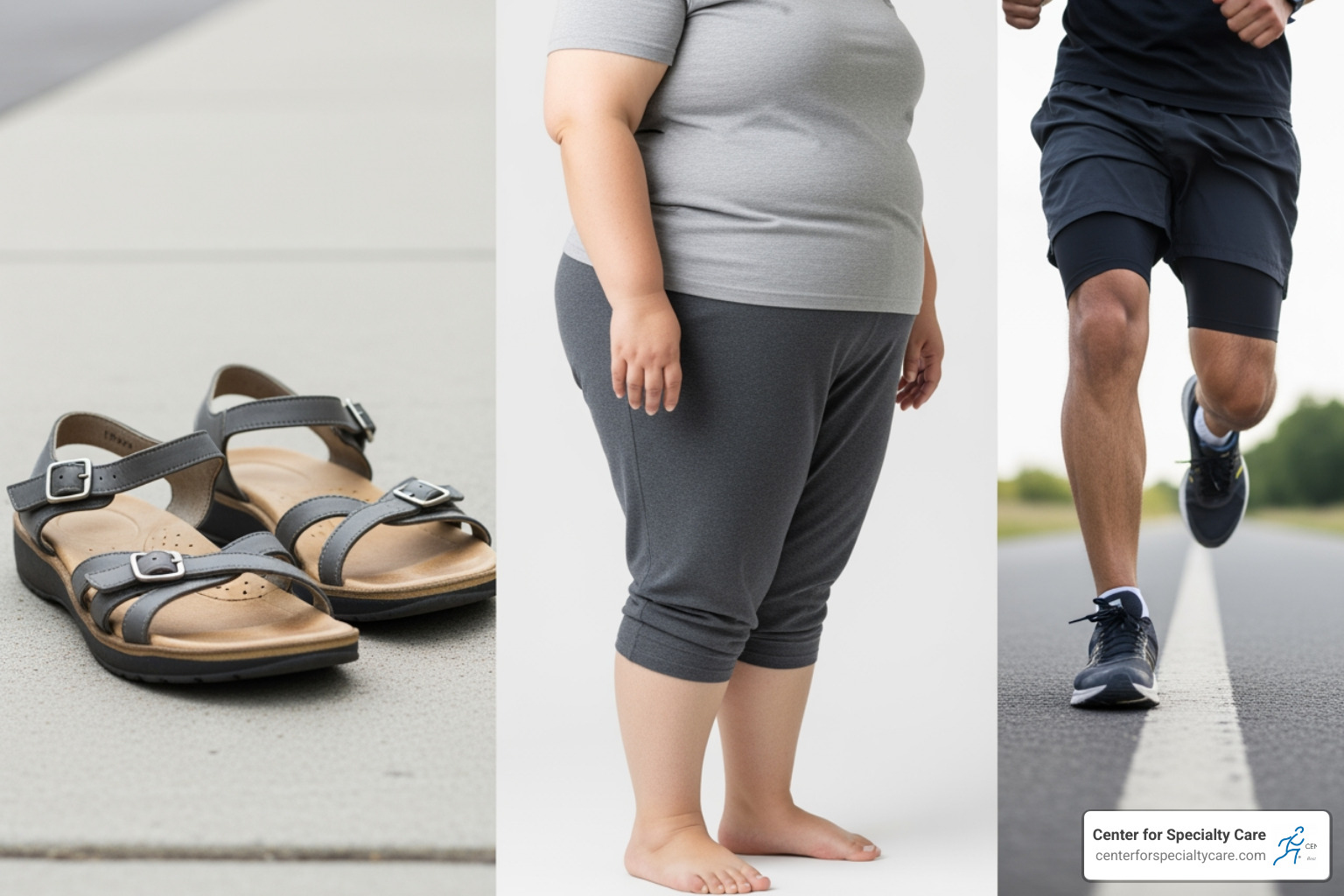
So, what causes this unwelcome visitor to your feet? Often, plantar fasciitis is an overuse injury. Factors like standing on your feet all day, wearing the wrong shoes, or engaging in high-impact sports can damage your plantar fascia and contribute to swelling and discomfort.
Here are some common culprits and risk factors we frequently see in our patients across Fairmont, Estherville, Buffalo Center, and St. James:
- Overuse and Repetitive Strain: This is the most common cause. Activities that involve repetitive impact on the feet, such as running, jumping, or even prolonged standing, can strain the plantar fascia. We see this often in individuals with physically demanding jobs or those who suddenly increase their exercise intensity.
- Foot Mechanics: Your foot’s natural structure can play a role. People with flat feet (pes planus) or very high arches (pes cavus) may be more prone to developing plantar fasciitis because these conditions can affect how weight is distributed across your foot.
- Obesity: Carrying excess weight puts additional stress on your feet, particularly the plantar fascia. Studies show that individuals with a BMI above 30 are at a higher risk.
- Age: Plantar fasciitis is most common in individuals between the ages of 40 and 60. As we age, our tissues, including the plantar fascia, can lose some elasticity and become more susceptible to injury.
- Unsupportive Footwear: Shoes that lack adequate arch support, cushioning, or stability can contribute significantly to the problem. Walking barefoot on hard surfaces, especially first thing in the morning, can also aggravate the condition. As one expert puts it, “The most common cause of plantar fasciitis is overuse. Standing on your feet all day, wearing the wrong shoes or playing high-impact sports can damage your plantar fascia and contribute to swelling or discomfort.”
Understanding these factors is the first step toward effective plantar fasciitis relief.
Getting a Proper Diagnosis
When you visit us at the Center for Specialty Care, our priority is to accurately diagnose your condition to ensure you receive the most effective plantar fasciitis relief. We start with a thorough review of your medical history, discussing your symptoms, when they started, and any activities or lifestyle factors that might be contributing to your pain.
A key part of the diagnostic process is a physical examination of your foot and ankle. We’ll check for areas of tenderness, particularly along the bottom of your foot near the heel. We’ll also assess your foot structure, range of motion, and observe your gait (how you walk) to identify any biomechanical issues.
Sometimes, we may recommend imaging tests like X-rays or an MRI. These aren’t usually to diagnose plantar fasciitis directly, but rather to rule out other potential causes of heel pain, such as stress fractures, arthritis, or nerve compression. It’s important to differentiate, as other conditions can mimic plantar fasciitis symptoms. For instance, while heel spurs are sometimes found on X-rays of people with plantar fasciitis, they are often a result of the condition rather than the cause of the pain itself. Many people have heel spurs without any pain at all.
For a deeper dive into related foot conditions, you can explore our guide on Understanding Heel Spurs: An Orthopedic Guide to Symptoms and Treatment and learn more about comprehensive foot health in our article A Walk Towards Healthy Feet: Common Foot Problems and Solutions.
Immediate Plantar Fasciitis Relief: Effective Home Remedies
The good news is that many cases of plantar fasciitis respond well to conservative treatments you can perform right at home. Our goal at Center for Specialty Care is to empower you with strategies for effective plantar fasciitis relief that you can implement immediately.
We often recommend a modified version of the R.I.C.E. method (Rest, Ice, Compression, Elevation) custom for foot pain:
- Rest: Give your feet a break from activities that aggravate the pain. This might mean temporarily reducing high-impact exercises like running or jumping and switching to low-impact alternatives such as swimming or cycling.
- Ice: Applying ice helps reduce inflammation and numb the pain.
- Compression: While direct compression on the plantar fascia can be tricky, supportive footwear or taping can provide a similar benefit.
- Elevation: Elevating your foot can help reduce swelling, especially after periods of activity.
Simple Home Techniques for Plantar Fasciitis Relief
Let’s explore some specific home techniques that can provide significant plantar fasciitis relief:
- Rest and Activity Modification: This is perhaps the most fundamental step. If overuse is the culprit, taking a break from strenuous activities is crucial. Switch to low-impact sports like swimming, cycling, or yoga to maintain fitness without stressing your feet.
- Ice Application: Icing the affected area can significantly reduce pain and inflammation. We recommend applying ice for 15-20 minutes, three to four times a day. Always place a towel between the ice pack and your skin to prevent ice burn. A popular and effective method is to roll your foot over a frozen water bottle for 5-10 minutes. This provides both cold therapy and a gentle massage.
- NSAIDs (Nonsteroidal Anti-inflammatory Drugs): Over-the-counter pain relievers like ibuprofen or naproxen can help manage pain and reduce inflammation. However, it’s important not to rely on them long-term. Do not take NSAIDs for more than 10 consecutive days without consulting a doctor.
- Self-Massage Techniques: Gently massaging the heel and arch of your foot can help loosen tight tissues. You can use your thumbs to work from the balls of your feet toward the heel. Rolling a golf or tennis ball under your foot can also provide targeted pressure and massage to the painful area.
- Taping the Foot: Athletic or kinesiology tape can provide support to the arch and help reduce strain on the plantar fascia. It’s an excellent alternative if you don’t have a night splint or need extra support during the day. You can learn more about effective taping methods here: Try this method for taping your foot.
The Role of Orthotics, Night Splints, and Supportive Footwear
Beyond immediate pain relief, long-term plantar fasciitis relief often hinges on providing adequate support to your feet.
- Supportive Footwear: Choosing the right shoes is paramount. Look for shoes with excellent arch support, good cushioning, and a stable, cushioned heel that absorbs shock. Avoid walking barefoot, especially on hard surfaces like concrete or hardwood floors, as this places undue stress on the plantar fascia. Even around the house, consider wearing supportive slippers or house shoes. Shoes with thin soles and a lack of structure are considered “poor footwear” and can exacerbate your symptoms.
- Orthotics and Inserts: These can provide extra arch support and cushioning, helping to distribute pressure evenly across your foot. You can start with over-the-counter inserts, but for some, custom orthotics—prescribed after a thorough evaluation—offer superior support and correction for specific foot mechanics. Heel cups can also be beneficial by raising the heel slightly and relieving tension on the plantar fascia.
- Night Splints: Many people experience the most severe pain with their first steps in the morning. This is because the plantar fascia and Achilles tendon tend to tighten overnight. A night splint holds your foot at a 90-degree angle while you sleep, providing a constant, gentle stretch to the plantar fascia and Achilles tendon. This can significantly reduce morning pain and improve overall plantar fasciitis relief. As MedlinePlus explains, “Plantar fasciitis occurs when the plantar fascia— a band of tissue that connects your heel to your toes — becomes inflamed.” Keeping this inflamed tissue gently stretched overnight can make a world of difference.
Key Stretches and Exercises for Lasting Relief
While resting and supporting your feet are crucial for immediate plantar fasciitis relief, incorporating specific stretches and strengthening exercises is vital for long-term recovery and preventing recurrence. These movements improve flexibility, reduce tension in the calf muscles and plantar fascia, and improve overall foot function. Consistent stretching is particularly important because tight calf muscles can add extra strain to your plantar fascia.
For insights into other foot-related conditions and their management, you might find our article on Extensor Tendonitis: Navigating Through Recovery and Maintaining Foot Health helpful.
Stretching for Plantar Fasciitis Relief
Stretching is key to lengthening the plantar fascia and the surrounding tendons and muscles. We recommend performing these stretches several times a day, especially first thing in the morning and before any physical activity.
- Calf Stretch (Gastrocnemius Stretch):
- Stand facing a wall with your hands placed on it at shoulder height.
- Step one leg back, keeping it straight with your heel firmly on the ground.
- Bend your front knee and lean forward until you feel a stretch in your calf.
- Hold for 15-30 seconds. Switch legs and repeat.
- Perform 2-3 sets, three times a day.

-
Seated Plantar Fascia Stretch:
- Sit in a chair and cross your affected ankle over your opposite knee.
- Grasp your toes and gently pull them back toward your shin until you feel a stretch in the arch of your foot.
- Hold for 15-30 seconds. Repeat 2-3 sets, three times a day.
-
Towel Stretch:
- Sit on the floor with your legs extended in front of you.
- Loop a towel around the ball of your affected foot.
- Gently pull the ends of the towel toward your body, keeping your knee straight, until you feel a stretch in your calf and arch.
- Hold for 15-30 seconds. Repeat 2-3 sets.
Consistency is key with stretching. Daily routines help keep the plantar fascia from pulling and tightening up, making it better able to bear your weight.
Strengthening Exercises to Support Your Feet
Strengthening the muscles in your feet and lower legs provides better support for your plantar fascia and helps prevent future flare-ups.
-
Towel Curls:
- Sit in a chair with your feet flat on the floor.
- Place a small towel on the floor in front of you.
- Using only your toes, scrunch the towel towards you.
- Repeat 10-15 times.
-
Marble Pickups:
- Place several marbles (or small objects) on the floor.
- Using only your toes, pick up each marble and place it into a cup.
- Repeat until all marbles are in the cup.
-
Heel Raises:
- Stand with your feet hip-width apart. For balance, you can hold onto a chair or wall.
- Slowly raise up onto the balls of your feet, lifting your heels as high as possible.
- Hold for a moment, then slowly lower your heels back down.
- Repeat 10-15 times for 2-3 sets.
-
Toe Raises:
- While standing, lift only your toes off the ground, keeping your heels down.
- Hold for a few seconds, then lower.
- Repeat 10-15 times.
These exercises build crucial muscle support, which is essential for sustaining plantar fasciitis relief and preventing re-injury.
When Home Care Isn’t Enough: Professional Medical Solutions
While many individuals find significant plantar fasciitis relief through home remedies, there are times when persistent pain or worsening symptoms indicate the need for professional medical intervention. If your pain is severe, stops you from performing normal daily activities, is getting worse, or hasn’t improved after two weeks of diligent self-treatment, it’s time to consult with an orthopedic foot specialist.
We understand that you want to return to your active lifestyle as quickly as possible. The recovery timeline for plantar fasciitis can vary. While most people recover in several months with conservative treatment, the average case takes three to six months to resolve. For about 75% of people, symptoms may even resolve without treatment in about a year, but who wants to wait that long? Proactive care significantly shortens this period.
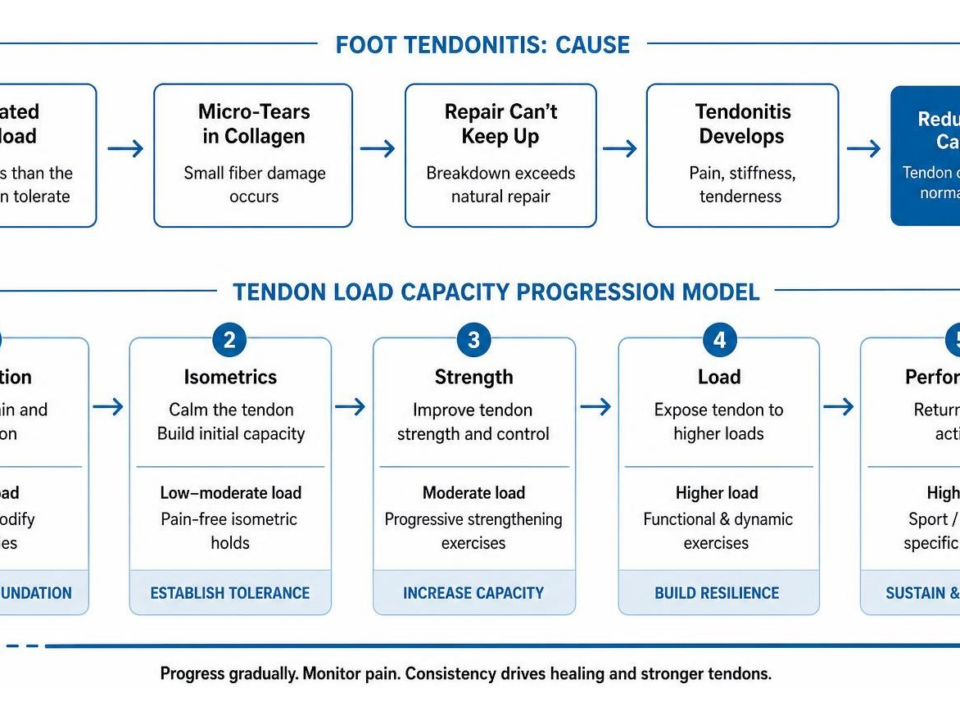
For a deeper understanding of tendon health, you can read our article on Plantar Fasciitis 101: Orthopedic Insights for Managing and Preventing Tendon Pain.
Advanced Non-Surgical and Surgical Options
When home treatments haven’t provided sufficient plantar fasciitis relief, we offer a range of advanced non-surgical and, in rare cases, surgical options at Center for Specialty Care in our Fairmont, Estherville, Buffalo Center, and St. James locations.
Non-Surgical Treatments:
- Physical Therapy: A physical therapist can provide a structured program of stretches and exercises custom to your specific needs. They can also use techniques like ultrasound, electrical stimulation, or manual therapy to reduce pain and inflammation. As Healthline notes, an orthopedic specialist can provide more information on “nonsurgical treatment, which may include physical therapy and shock wave therapy in addition to stretches.”
- Cortisone Injections: For severe pain and inflammation, your doctor may recommend a corticosteroid injection directly into the plantar fascia. While these can provide temporary plantar fasciitis relief, they are generally used sparingly due to potential risks like weakening the fascia or, in rare cases, rupture.
- Shock Wave Therapy (Extracorporeal Shock Wave Therapy – ESWT): This non-invasive treatment uses high-energy sound waves to stimulate healing in the plantar fascia. It’s typically considered for chronic cases that haven’t responded to other conservative treatments.
- Ultrasonic Tissue Repair: This minimally invasive procedure uses ultrasound imaging to guide a probe that breaks up and removes damaged plantar fascia tissue.
Surgical Options:
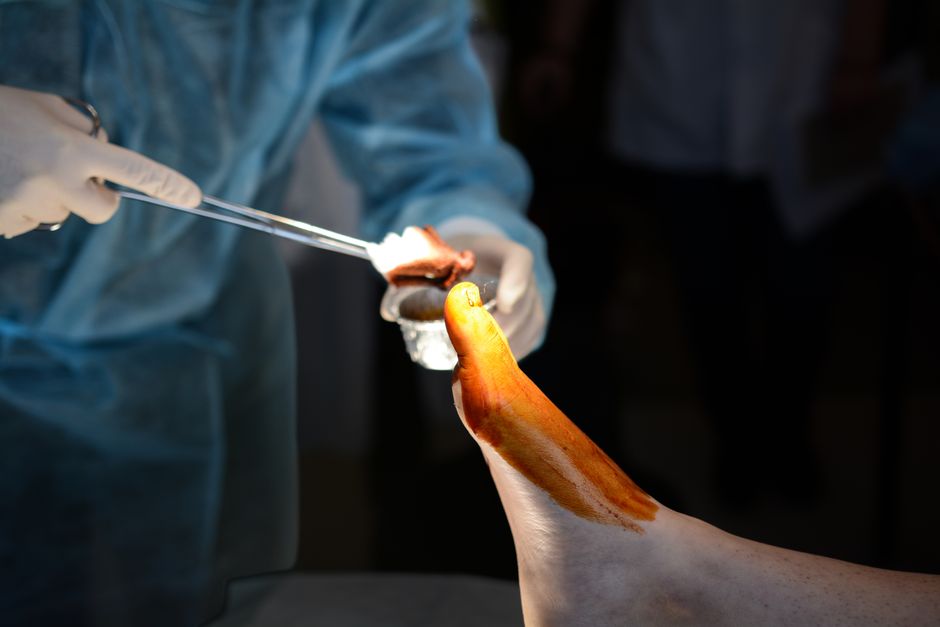
Surgery for plantar fasciitis is considered a last resort and is only recommended for a small percentage of patients (about 5%) whose pain does not improve after six to twelve months of consistent non-surgical treatments. The most common surgical procedure is a plantar fasciotomy, which involves partially cutting the plantar fascia to release tension. In some cases, a gastrocnemius recession (lengthening of the calf muscles) may also be performed if tight calf muscles are a significant contributing factor.
As Healthline states, “Your doctor may recommend surgery if your pain does not improve within six to 12 months of starting nonsurgical treatments.”
At Center for Specialty Care, we always prioritize conservative methods. If surgery becomes necessary, we’ll discuss all options thoroughly. Our guide, The Patient’s Guide to Podiatric Surgery: Expectations and Outcomes, offers detailed information on what to expect.
Frequently Asked Questions about Plantar Fasciitis
We often hear similar questions from our patients seeking plantar fasciitis relief. Here are some of the most common ones:
How long does it take for plantar fasciitis to heal?
The healing timeline for plantar fasciitis varies greatly depending on the individual, the severity of the condition, and consistency with treatment. Most people who diligently follow conservative treatment plans experience significant plantar fasciitis relief and recovery within several months. The average case typically takes three to six months to resolve. However, for some, it can take up to a year, or even longer if left untreated. The longer you’ve had symptoms, the longer it may take to recover. Early intervention and consistent adherence to treatment recommendations are key to a faster recovery.
Can plantar fasciitis cause pain in other parts of the leg?
Yes, absolutely. When you have chronic foot pain, especially from plantar fasciitis, your body often compensates by altering your gait or how you walk. This change in mechanics can put abnormal stress on other joints and muscles, leading to pain in areas like the knee, hip, and even the lower back. We’ve seen cases where patients initially come in for hip pain, only to find that the root cause is untreated plantar fasciitis. Our article Can Plantar Fasciitis Cause Thigh Pain? digs deeper into this phenomenon. Addressing the plantar fasciitis promptly can prevent these secondary problems from developing.
What are the risks of ignoring plantar fasciitis?
Ignoring plantar fasciitis can lead to several undesirable outcomes. Firstly, the pain will likely become chronic and more severe, significantly impacting your quality of life and ability to perform daily activities, work, and exercise. Secondly, the altered gait we just discussed can lead to a cascade of other musculoskeletal problems, including knee pain, hip pain, and back issues. Prolonged inflammation can also lead to structural changes in the plantar fascia itself, making it harder to treat later on. Don’t let foot pain control your life; seeking timely plantar fasciitis relief is crucial.
Conclusion
Experiencing heel pain can be incredibly frustrating, but as we’ve explored, effective plantar fasciitis relief is well within reach for most individuals. From simple home remedies like rest, ice, stretching, and supportive footwear, to advanced non-surgical treatments and, in rare cases, surgical options, there are many paths to recovery.
The key is proactive care, consistency with your treatment plan, and knowing when to seek professional help. At Center for Specialty Care, we believe in personalized care that puts your needs first. We pride ourselves on achieving 100% patient satisfaction, offering quick appointment availability, and delivering comprehensive orthopedic and pain management solutions right here in Fairmont, Minnesota, and our surrounding locations in Estherville, Iowa, Buffalo Center, Iowa, and St. James, Minnesota.
Don’t let foot pain dictate your life any longer. We’re dedicated to helping you get back on your feet, pain-free. Take the next step towards lasting plantar fasciitis relief and a more active life by exploring our Podiatry services.