
Quick Relief: How Long is the Intracept Procedure?
November 6, 2025
The Lowdown on Degenerative Disc Disease: Symptoms, Causes, and Care
November 10, 2025
Podiatrist Fairmont: Expert Pain-Free Care 2025
Why Expert Foot Care Matters for Your Mobility and Quality of Life
Podiatrist Fairmont residents can trust for comprehensive foot and ankle care is available right here at the Center for Specialty Care. Whether you’re dealing with heel pain, bunions, ingrown toenails, or sports-related injuries, our team provides both surgical and non-surgical treatment options custom to your unique needs.
Quick answers for finding podiatry care in Fairmont:
- Location: Center for Specialty Care, Fairmont, MN
- Services: Custom orthotics, diabetic foot care, fracture repair, bunion surgery, sports medicine, wound care
- Conditions treated: Plantar fasciitis, hammertoes, neuromas, flat feet, ankle sprains, fungal nails, and more
- Appointment: Call for quick scheduling—no long waits
- Approach: Individualized diagnosis and treatment plans for all ages
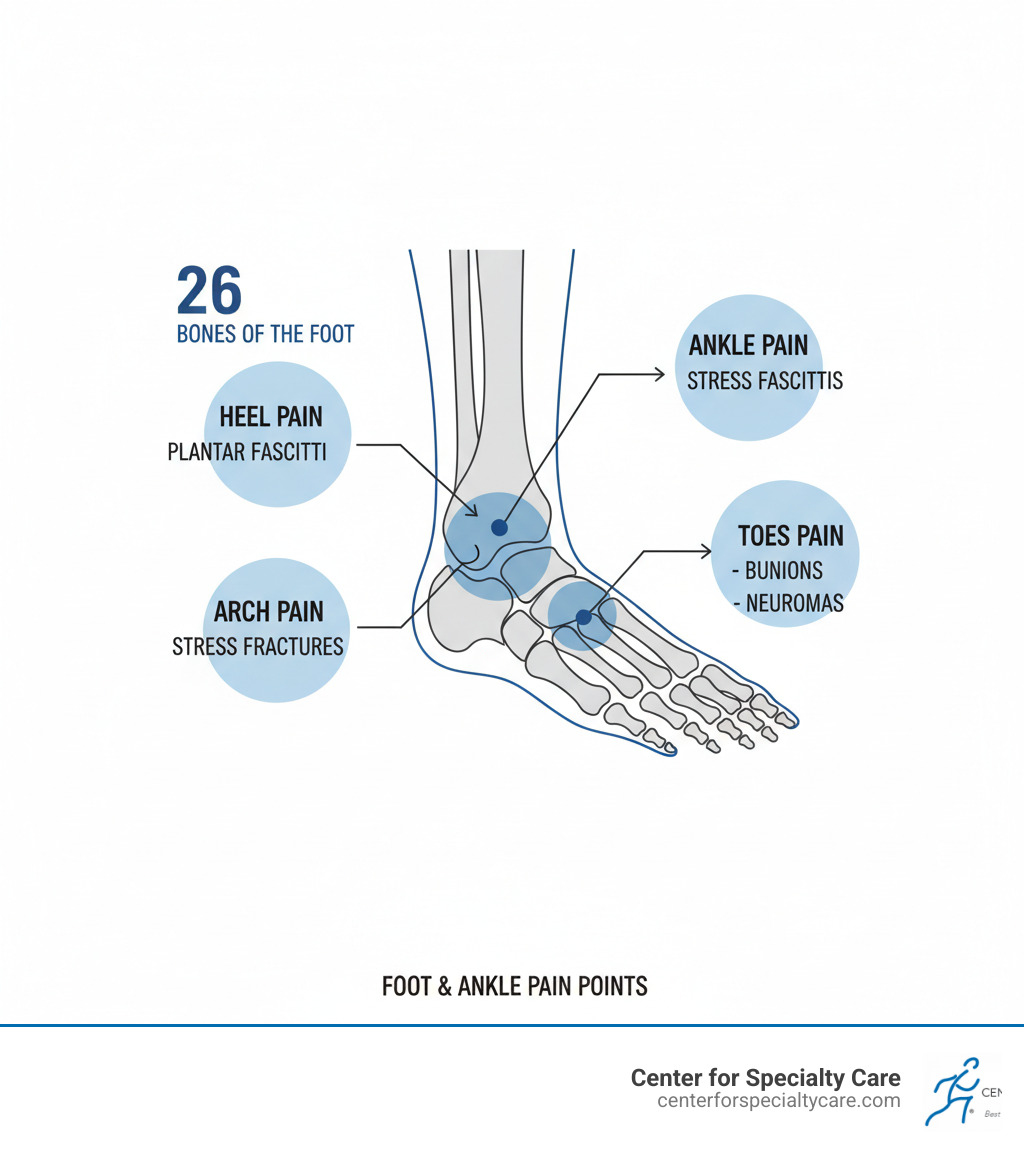
Your feet are complex, containing 26 bones, 33 joints, and over 100 muscles, tendons, and ligaments. When something goes wrong—whether it’s chronic pain or an acute injury—it can stop you from doing the things you love. The good news is that most foot and ankle problems are treatable. With a personalized treatment plan, you can return to a pain-free, active life.
I’m Dr. Corey Welchlin, founder of the Center for Specialty Care. Since 1990, our multidisciplinary team has provided comprehensive podiatrist Fairmont services for all ages, resolving foot and ankle pain through conservative therapies and advanced surgical techniques.
Common Foot & Ankle Conditions That Need Expert Care
Your feet contain nearly one-fourth of all the bones in your body, but when one small part has a problem, it can affect your entire day. At the Center for Specialty Care, we treat a wide range of foot and ankle issues. The good news is that almost all of them can be resolved with the right care from an experienced podiatrist Fairmont patients trust.
Heel pain is a common complaint, ranging from a dull ache to sharp, stabbing sensations, especially in the morning. It can be caused by plantar fasciitis, heel spurs, or other issues we can diagnose and treat.
Bunions are painful bony bumps at the base of the big toe that can affect your gait and make wearing shoes difficult.
Hammertoes are toes that curl downward instead of pointing straight, often affecting the second, third, or fourth toes and causing pain in shoes.
Ingrown toenails occur when a nail grows into the surrounding flesh, causing pain, redness, swelling, and potential infection if not treated properly.
Fungal nails cause discolored, thickened, and brittle nails. If left untreated, this cosmetic issue can lead to discomfort.
Plantar warts are rough, often painful growths on weight-bearing areas of the feet, like the heels, making standing and walking uncomfortable.
Corns and calluses are areas of thickened skin caused by friction and pressure. While calluses are usually painless, corns can be tender and bothersome.
Flat feet, or fallen arches, can cause a chain reaction of pain that travels from your feet up through your ankles, knees, and even hips.
We treat all of these conditions and more. For a comprehensive look at these issues, see our guide, “A Walk Towards Healthy Feet: Common Foot Problems and Solutions.”
Plantar Fasciitis and Tendonitis
These inflammatory conditions are among the most frequent causes of foot and ankle pain we see.
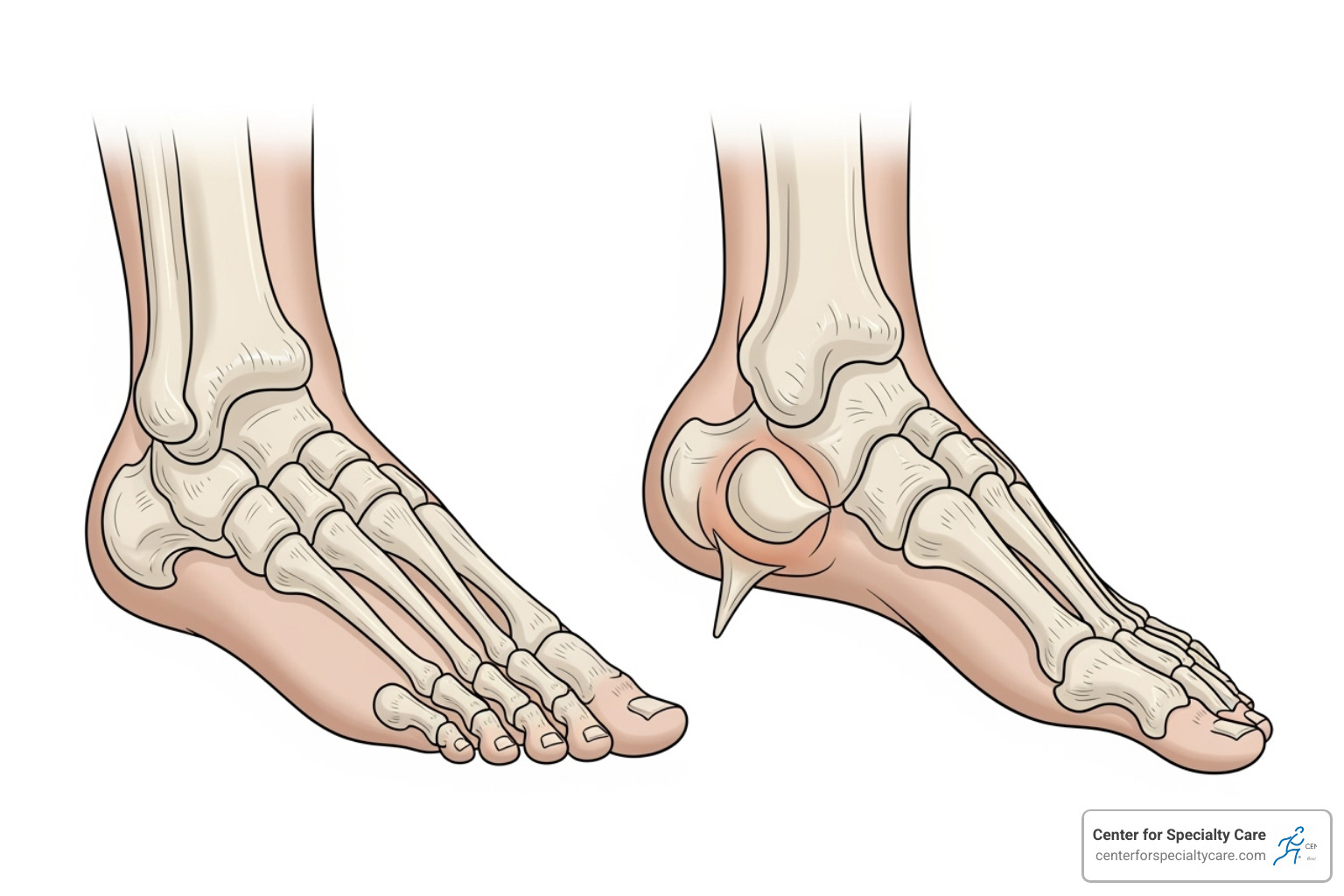
Plantar fasciitis is a top cause of heel pain. The plantar fascia is a thick band of tissue connecting your heel to your toes. When it becomes inflamed, it causes heel pain that is often worst in the morning. Chronic plantar fasciitis can lead to heel spurs, which are calcium deposits on the heel bone. Learn more in our article “Understanding Heel Spurs: An Orthopedic Guide to Symptoms and Treatment.”
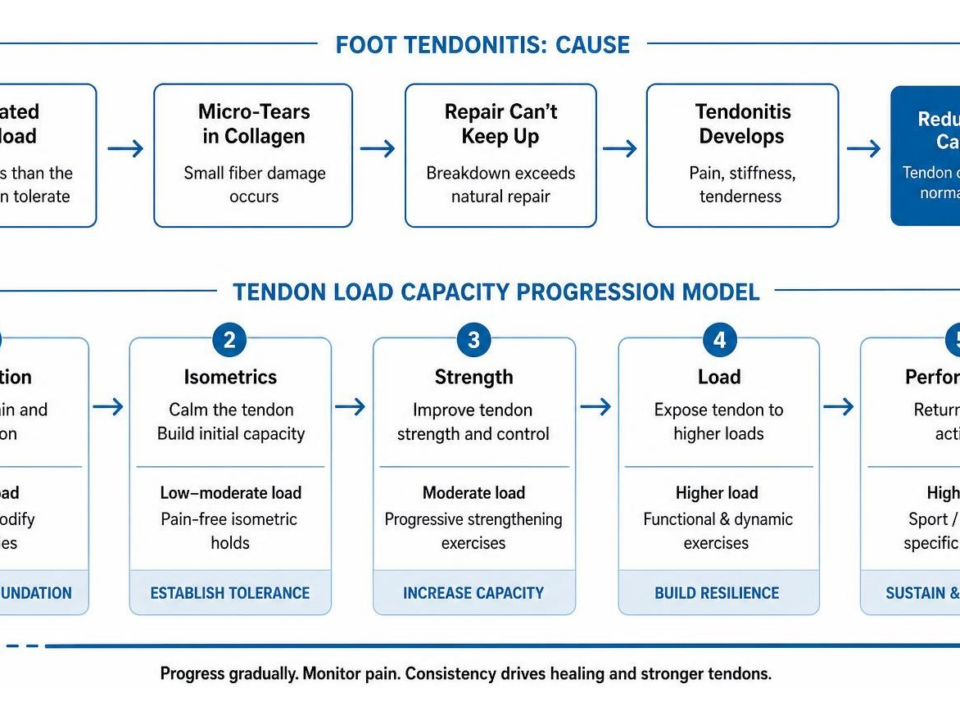
Tendonitis is the inflammation of tendons connecting muscle to bone and can affect the feet and ankles in several ways.
Achilles tendonitis affects the large tendon connecting the calf to the heel, causing pain and stiffness along the back of the leg. It’s common in runners. Check out “Achilles Tendonitis 101: Orthopedic Insights for Managing and Preventing Tendon Pain” for more.
Extensor tendonitis causes pain and swelling on the top of the foot, which worsens with activity or tight shoes.
Pain management often involves rest, ice, physical therapy, anti-inflammatories, and custom orthotics. We create individualized treatment plans to address your specific needs and restore comfortable movement.
Fractures, Sprains, and Neuromas
Sometimes the problem is an injury or nerve issue that needs the skilled attention of a podiatrist Fairmont residents depend on.
Stress fractures are tiny cracks in a bone caused by repetitive force or overuse, common in athletes. They cause localized pain in weight-bearing bones that worsens with activity.
Ankle sprains, one of the most common injuries we treat, occur from a sudden twist that stretches or tears ankle ligaments. Symptoms include pain, swelling, bruising, and difficulty bearing weight. We offer comprehensive care for these injuries, as detailed in our “Ankle” section.
Morton’s neuroma is a thickening of nerve tissue, usually between the third and fourth toes. It can feel like a pebble in your shoe and cause burning pain, numbness, or tingling. For an in-depth look, read “Understanding Morton’s Neuroma: An Orthopedic Guide to Foot Pain and Treatment.”
Our experienced team can diagnose and treat acute injuries and persistent nerve pain. You don’t have to live with foot or ankle pain; we can help you find relief.
Comprehensive Services from a Podiatrist in Fairmont
At the Center for Specialty Care, we treat you as an individual. Our podiatrist Fairmont team listens to understand your pain, lifestyle, and goals to create a personalized treatment plan. We help patients of all ages and activity levels, from athletes to those with chronic conditions. Our comprehensive services, from diagnosis to recovery, are available under one roof, providing a seamless care experience.
Non-Surgical Treatments for Foot and Ankle Pain
Surgery isn’t always the answer. Many patients find complete relief through conservative, non-surgical treatments. We always explore these effective options first.
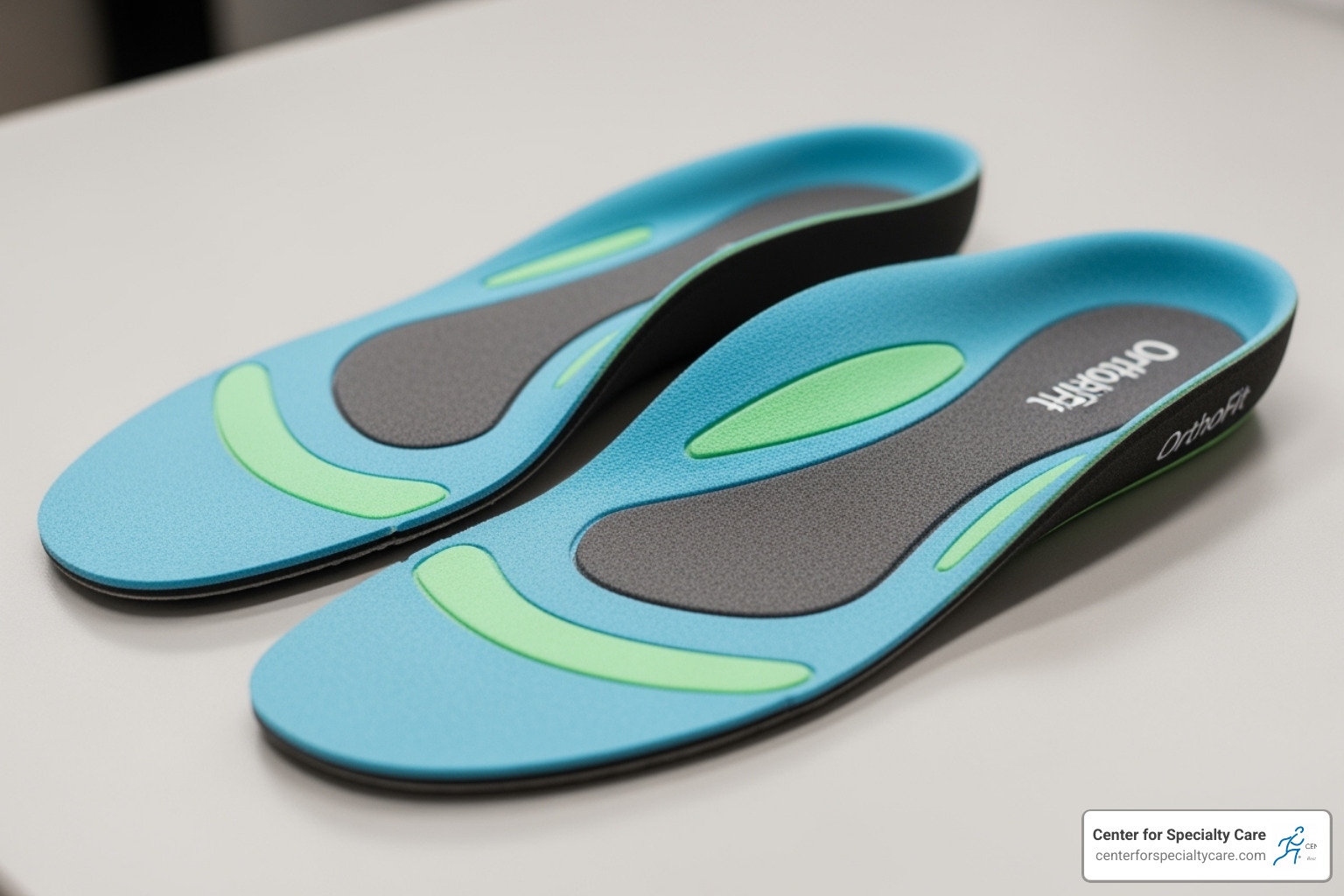
Custom corrective shoe inserts (orthotics) are precisely crafted for your feet to redistribute pressure, correct alignment, and provide targeted support. They can be life-changing for conditions like flat feet, plantar fasciitis, and bunions.
Targeted injections deliver medication directly to the source of inflammation or nerve pain, providing significant relief for conditions like neuromas or severe tendonitis.
Physical therapy recommendations include specific exercises and stretches to strengthen muscles, improve flexibility, and increase stability, which helps prevent recurring problems.
We also use medication management to reduce swelling and pain. A key part of our approach is preventative care, educating you on proper footwear, hygiene, and activity modifications to keep you pain-free.
Surgical Solutions for Complex Conditions
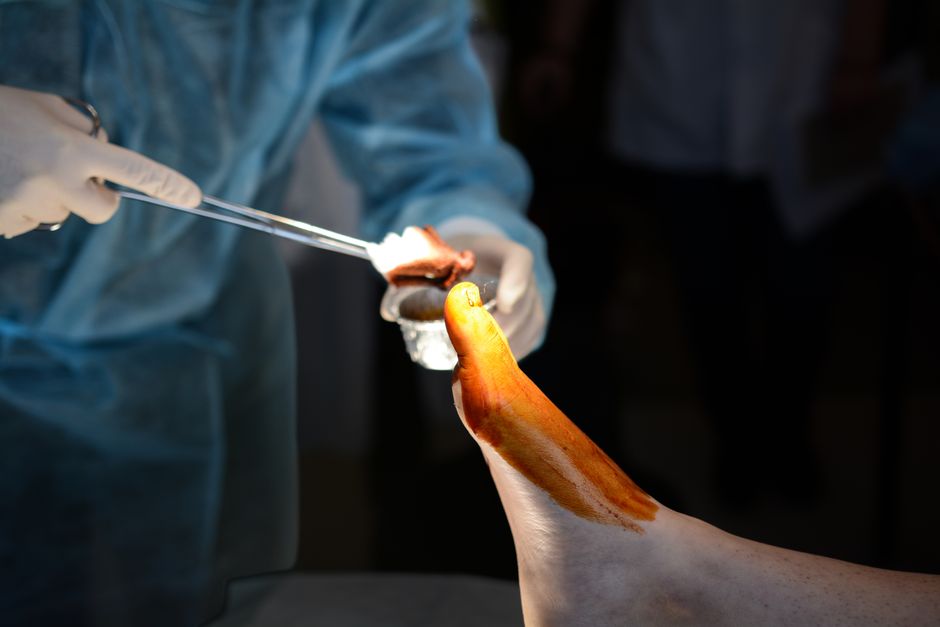
When non-surgical treatments are not enough, surgery may be the best path forward. Our experienced podiatrists perform a range of procedures with precision, prioritizing your comfort and recovery.
Reconstructive foot and ankle surgery addresses complex deformities and severe trauma. We use both traditional and minimally invasive approaches whenever possible for smaller incisions, less pain, and faster recovery.
Let’s look at how surgical and non-surgical options compare for two common conditions:
| Condition | Non-Surgical Approaches | Surgical Approaches |
|---|---|---|
| Bunions | Custom orthotics to redistribute pressure and slow progression; shoe modifications to accommodate the bunion; padding and taping techniques; anti-inflammatory medications; activity modifications to reduce pain | Bunionectomy to remove the bony prominence and realign the big toe joint; various surgical techniques depending on severity; typically outpatient procedures with several weeks of recovery |
| Hammertoes | Splinting or taping to hold the toe in proper position; padding to prevent rubbing and discomfort; custom orthotics to address underlying foot mechanics; shoe modifications with deeper toe boxes; exercises to strengthen and stretch toe muscles | Hammertoe correction surgery to straighten the toe by releasing or repositioning tendons; sometimes involves removing small pieces of bone; procedures can often be done on multiple toes at once; recovery typically involves special footwear for 4-6 weeks |
We take post-surgery recovery seriously, providing detailed guidance on what to expect, how to care for your healing feet, and when you can resume normal activities. We support you every step of the way.
If you’re considering surgery, we encourage you to read “The Patient’s Guide to Podiatric Surgery: Expectations and Outcomes” for a comprehensive look at the surgical journey.
Specialized Podiatric Care in Fairmont
Our podiatrist Fairmont team offers specialized services for your specific needs, from managing chronic conditions and sports injuries to addressing pediatric and geriatric foot challenges.

Diabetic Foot Care
For those with diabetes, foot care is crucial for health and independence. Diabetes can cause nerve damage (neuropathy) and reduced blood flow, meaning small cuts or blisters may go unnoticed, heal slowly, and become infected.
Our specialized diabetic foot care aims to keep your feet healthy and avoid serious complications, including the need for limb salvage. We provide comprehensive wound care and emphasize ulcer prevention through regular exams and risk assessments. We teach patients how to perform a daily inspection to spot cuts, blisters, redness, or swelling immediately.
We also provide guidance on proper hygiene to prevent skin breakdown and recommend exercises and lifestyle changes to encourage blood flow to your feet and lower legs.
Taking care of diabetic feet is a partnership. For more detailed guidance, read “Diabetic Foot Care: A Tailored Approach to Keeping Your Feet Healthy“. You can also find helpful resources at the American Podiatric Medical Association’s diabetic foot health page.
Sports Medicine and Injury Prevention
Athletes at all levels put significant stress on their feet and ankles. Our sports medicine podiatry services are designed to keep you active, speed up recovery from injuries, and even improve your performance.
We treat common sports injuries like sprains and stress fractures, Achilles tendonitis, and plantar fasciitis. We go beyond treatment by analyzing your gait and biomechanics to understand the root cause of the injury, often preventing recurrence with footwear changes or custom orthotics.
We excel at injury prevention, providing custom training techniques, stretching routines, and protective strategies for your sport. We also offer sports physicals for student athletes to identify underlying issues before they sideline you.
Our approach is holistic, drawing on our broader orthopedic expertise. You can learn more on our Orthopedics page. We also specialize in pediatric foot care for young athletes and geriatric foot care for our older patients to keep them mobile and independent.
What to Expect During Your Podiatry Appointment
Your first podiatry visit at Center for Specialty Care is designed to be stress-free. It begins with an initial consultation where our podiatrist Fairmont team has a detailed conversation with you about your symptoms. We’ll discuss when the pain started, what makes it worse, and what you’ve tried. Feel free to bring notes and questions.
Next is a medical history review. We’ll ask about your overall health, past injuries, chronic conditions, medications, and daily routine. These details help us understand the full picture of your foot and ankle health.
During the physical examination of your feet and ankles, our podiatrist will check for tenderness, swelling, skin or nail changes, and joint movement. We also examine your lower legs, as problems there can affect your feet.
We may perform a gait analysis by asking you to walk across the room. This helps us observe your foot and ankle movement to identify biomechanical issues contributing to your pain.
If needed, we use on-site diagnostic imaging like X-rays for a clearer view of your bone structure, joint alignment, and to check for fractures. This allows for immediate results without needing to travel elsewhere.
After gathering all information, we’ll have a personalized treatment plan discussion. We’ll explain your diagnosis in plain English and review all your options, from custom orthotics to surgery. We’ll outline what each approach involves so you can make an informed decision.
Finally, we ensure we’ve answered all your patient questions. Our goal is for you to leave feeling informed and confident. As part of our commitment to 100% patient satisfaction, you are an active partner in your care, and we’re here to support you every step of the way.
Frequently Asked Questions about Finding a Podiatrist in Fairmont
We know choosing the right foot and ankle specialist can be overwhelming. Here are answers to some common questions.
How do I know if I need to see a podiatrist?
Many people wait too long to seek help for foot pain. Early intervention can prevent weeks or months of discomfort. You should see a podiatrist Fairmont for:
- Persistent foot or ankle pain that lasts more than a few days and disrupts your routine. Don’t ignore nagging heel pain or sharp sensations in your arch.
- Changes in nail or skin appearance, such as discolored or brittle nails, rashes, or sores. These can signal fungal infections or circulation problems and require professional attention.
- Difficulty walking, limping, or a noticeable change in your gait. Your body may compensate in ways that lead to knee, hip, or back pain.
- Foot pain during activity, whether running or standing. Pushing through pain can turn minor issues into major setbacks.
- Underlying conditions like diabetes. Regular podiatry check-ups are essential for preventative care, as diabetes can reduce circulation and sensation, making you vulnerable to serious, unnoticed injuries.
- Noticeable deformities like bunions, hammertoes, or flat feet that cause discomfort. You deserve to walk without pain.
Your feet are your foundation. Don’t let pain keep you from seeking the care you need.
What qualifications should a podiatrist in Fairmont have?
It’s important to ensure your podiatrist is well-qualified. Look for:
- Doctor of Podiatric Medicine (DPM) degree: A four-year graduate program focused exclusively on the foot, ankle, and lower leg.
- Surgical residency training: A three-year, hands-on program where podiatrists master surgical and non-surgical techniques.
- Board certification: Certification from organizations like the American Board of Foot and Ankle Surgery demonstrates a commitment to excellence and high standards of care.
- Specialization: Podiatrists may also have a specialization in areas like sports medicine or diabetic foot care. Finding a specialist for your specific condition can improve treatment outcomes.
At Center for Specialty Care, our team members continuously engage in medical education to stay current with the latest advancements in podiatric medicine.
How can I find out if my insurance is accepted?
We strive to make understanding your insurance coverage as simple as possible.
The best way to confirm your insurance is accepted is to call our clinic before your appointment. A quick call can prevent surprises.
Our staff will verify your coverage with your insurance provider, explain your benefits, and outline any potential costs like co-pays or deductibles upfront.
We can also answer your specific questions about coverage for procedures, so you feel confident and informed about your care without worrying about unexpected bills.
We believe this transparency ensures a stress-free visit where you can focus on getting the care you need.
Our commitment to personalized care extends beyond medical treatment. We don’t want insurance confusion to stand in the way of you getting the expert care you deserve.
Take the First Step Towards Pain-Free Feet in Fairmont
Your feet are essential for everything you do, from walking the dog to getting through your workday. When foot or ankle pain interferes with your life, it’s time to take action.
Since 1990, the Center for Specialty Care has served the Fairmont community. We understand the frustration of foot pain and are committed to providing clinically excellent, personalized podiatrist Fairmont services.
Our 100% patient satisfaction reflects our dedication to your comfort and recovery. We listen, explain your options, and find a treatment that fits your lifestyle, whether it’s custom orthotics or surgery.
When you’re in pain, you shouldn’t have to wait. We offer quick appointment availability so you can start your journey to recovery without delay.
Don’t let foot or ankle pain keep you from living the life you want. Whether it’s heel pain, a sports injury, or diabetic foot care, our experienced team is ready to help you find relief and regain your mobility.
The path to pain-free feet starts with a single step. Contact us to schedule your appointment and learn more about our podiatry services. We’re ready to help you get back to doing what you love.