
Beyond General Pain: Heat Therapy for Specific Tendonitis
November 5, 2025
Podiatry in Fairmont, MN: Expert Foot & Ankle Care Near You
November 7, 2025
How long does intracept procedure last? 5-Year Relief!
Understanding the Duration of the Intracept Procedure
How long does intracept procedure last? If you’re considering this treatment for chronic low back pain, you’re likely asking two important questions: How long does the procedure itself take, and how long will the pain relief last?
Quick Answer:
- Procedure Duration: The Intracept procedure typically takes 60 to 90 minutes to complete
- Pain Relief Duration: Clinical studies show pain relief lasting 5 years or longer for most patients
- Pain-Free Results: 34% of patients report being completely pain-free at 5 years
- Significant Relief: 66% of patients experience more than 50% pain reduction at 5 years
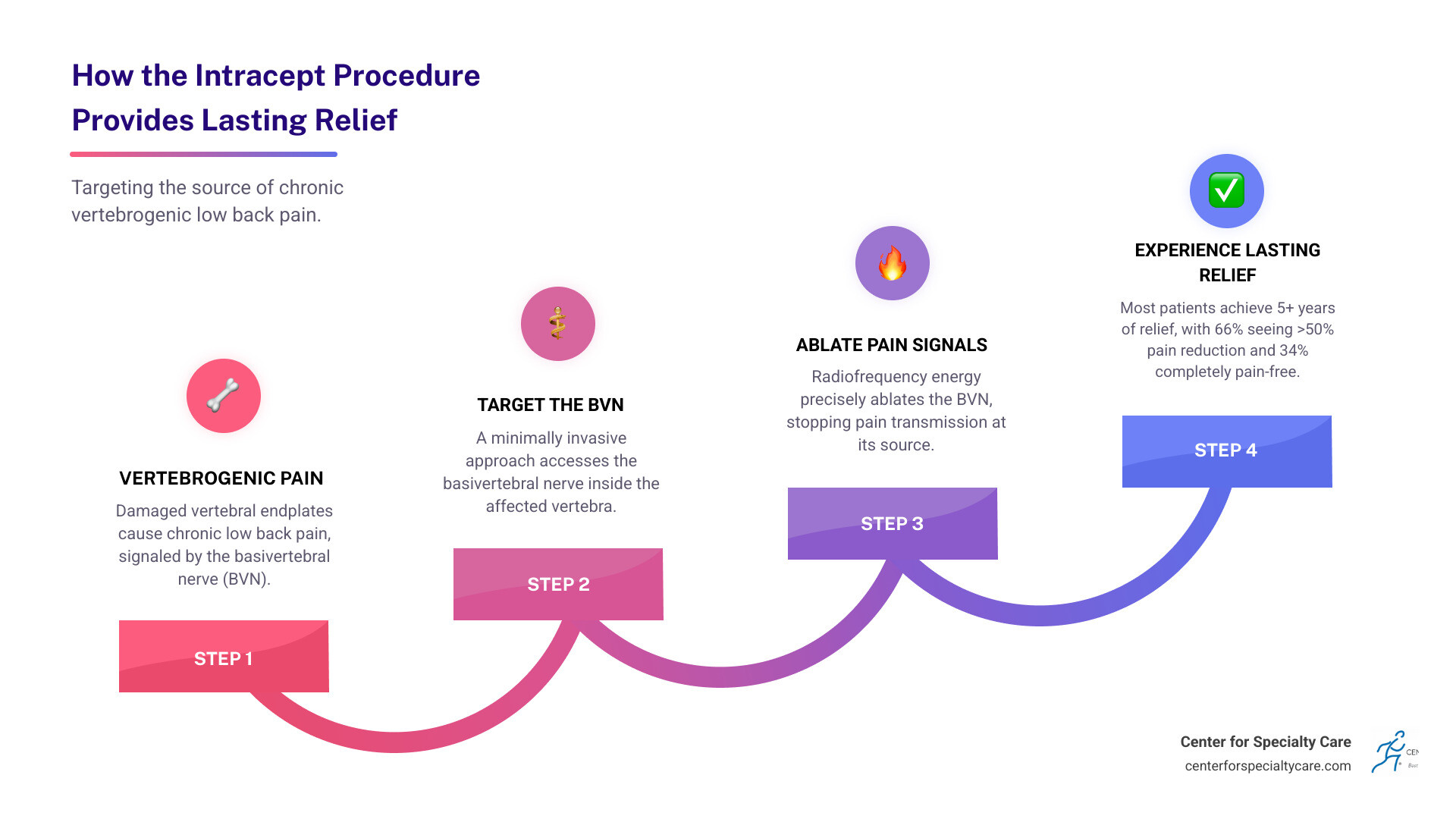
Living with chronic low back pain can be incredibly frustrating, especially when traditional treatments fail to bring relief. For millions of people in the U.S. suffering from vertebrogenic pain—a specific type of chronic low back pain originating from damaged vertebral endplates—the Intracept procedure offers a minimally invasive solution.
Unlike injections or medications that provide only short-term relief, the Intracept procedure targets the basivertebral nerve (BVN) inside your vertebrae. This nerve transmits pain signals from inflamed endplates to your brain. By using radiofrequency energy to ablate this nerve, the procedure stops pain signals at their source.
The procedure is performed on an outpatient basis, meaning you go home the same day. Most patients start feeling relief within two weeks, and because the basivertebral nerves seldom grow back after treatment, the results are remarkably durable.
I’m Dr. Corey Welchlin, a board-certified orthopedic surgeon with over three decades of experience treating chronic pain conditions in southern Minnesota and northern Iowa. As the founder of the Center for Specialty Care, I’ve helped countless patients understand how long does intracept procedure last and whether it’s the right solution for their chronic low back pain. Let me walk you through everything you need to know about this innovative treatment.
How long does intracept procedure last definitions:
- what is intracept procedure for back pain
- vertebrogenic low back pain
- pain after intracept procedure
What Happens During the Intracept Procedure?
If you’ve been living with chronic low back pain that just won’t quit, you’re probably wondering what the Intracept procedure actually involves. Let me walk you through it in plain terms—no medical jargon, just the facts you need to make an informed decision.
The procedure itself typically takes between 60 and 90 minutes from start to finish. That’s about the length of a movie, and then you’re done. It’s performed on an outpatient basis, which means you’ll go home the same day—usually within 3 to 4 hours after the procedure. No hospital stays, no lengthy recovery in an unfamiliar bed. Just in and out, so you can start healing in the comfort of your own home.
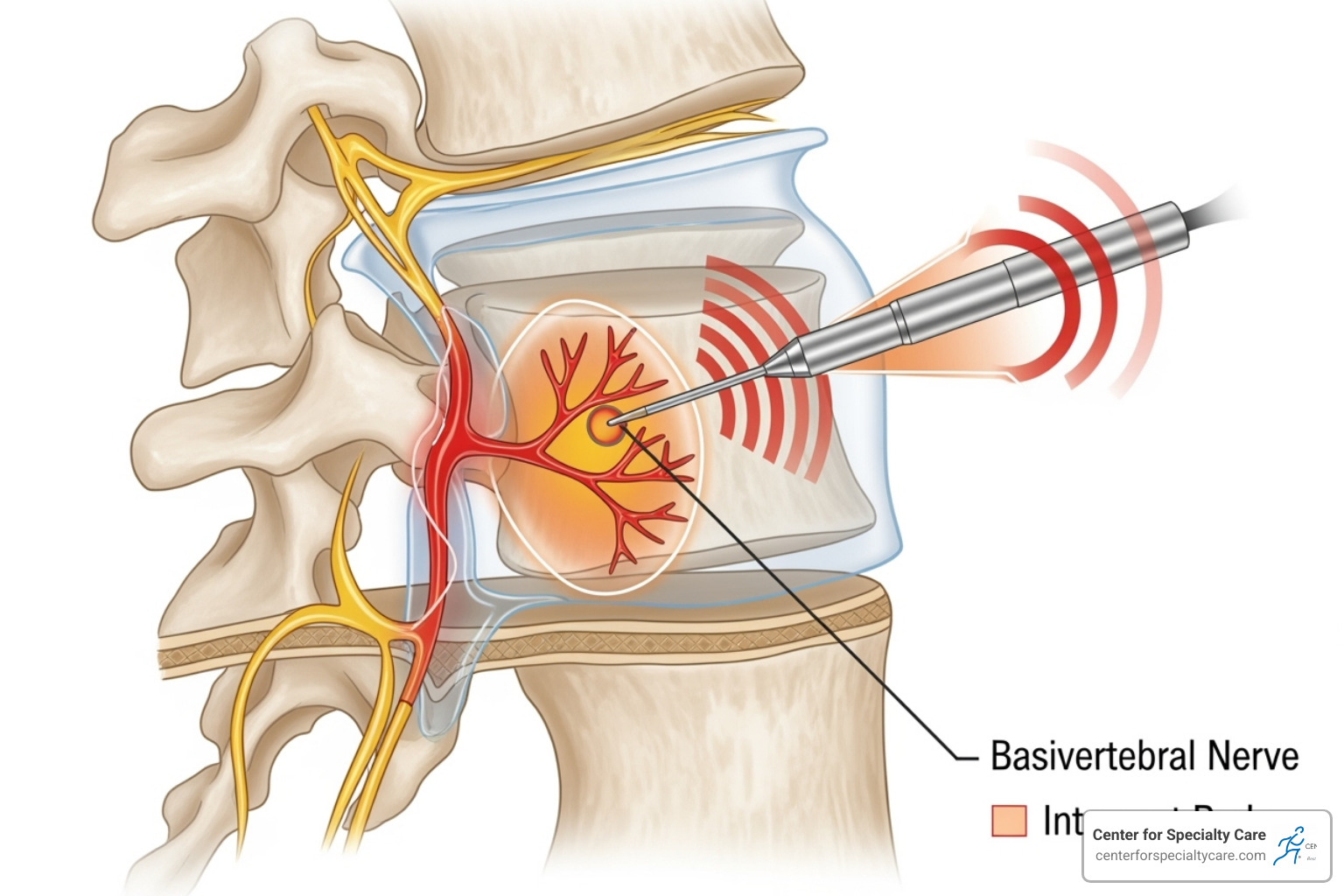
So what actually happens during those 60 to 90 minutes? The Intracept procedure is a minimally invasive treatment that uses a technique called radiofrequency ablation. This might sound complicated, but it’s actually quite straightforward: we use controlled heat energy to target and deactivate the basivertebral nerve (BVN).
This nerve sits inside your vertebral bone and is responsible for transmitting pain signals from damaged or inflamed vertebral endplates—those protective barriers between your vertebrae and spinal discs—straight to your brain. When these endplates become damaged, the basivertebral nerve essentially becomes an overactive pain messenger. By carefully ablating this nerve, we can stop those pain signals at their source.
The beauty of this approach is its precision. We’re not affecting your spine’s overall structure or removing any bone. We’re simply interrupting the pain pathway that’s been making your life miserable.
For more detailed information about this innovative treatment, you can visit our page with More info about the Intracept Procedure. If you’re interested in the technical aspects of how the ablation works, the procedure developers have put together Details on the minimally invasive ablation process that goes into greater depth.
The Step-by-Step Process
I find that most patients feel more comfortable when they know exactly what to expect. Here’s how we guide you through the Intracept procedure, step by step:
Anesthesia is the first step. We want you relaxed and comfortable throughout the entire procedure. Most patients receive light sedation combined with local anesthesia—you’ll be drowsy and pain-free but not fully unconscious. In some cases, we may use general anesthesia depending on your specific needs and preferences.
Next comes the small incision. We’re talking tiny here—just 3 to 5 millimeters, which is barely larger than a pencil tip. This small entry point is one reason why recovery is so much easier compared to traditional open spine surgery.
Throughout the procedure, we use fluoroscopic guidance—real-time X-ray imaging that acts like GPS for your spine. This technology allows us to see exactly where we’re going and ensures we steer safely through the pedicle (a bony projection on your vertebra) to reach the precise target area.
Once we have our visual roadmap, we begin creating a channel using a specialized instrument called an introducer cannula. Think of this as creating a small, curved pathway through the pedicle into the vertebral body. This channel leads us directly to the trunk of the basivertebral nerve.
With the channel established, we insert the radiofrequency probe—a thin, precise instrument that slides through the channel we’ve created. The tip of this probe is positioned right at the basivertebral nerve, exactly where we need it.
Now comes the key moment: nerve ablation. The probe delivers carefully controlled radiofrequency energy that generates heat. This heat disrupts the basivertebral nerve’s ability to transmit pain signals. The nerve is essentially deactivated, but your spine’s structural integrity remains completely intact.
Finally, we’re ready for closing the incision. We remove all the instruments, and because the incision is so small, we typically close it with just a bandage—no stitches required. There are no implants left behind, nothing foreign in your body. Your spine’s natural structure is preserved, which means you keep all your future treatment options open.
The entire process is designed with one goal in mind: maximum pain relief with minimal disruption to your body.
Who is a Candidate for Intracept?
The Intracept procedure can be truly life-changing—but only for the right candidates. We take a careful, individualized approach to determine if this treatment is appropriate for you.
You might be a good candidate if you’ve been battling chronic low back pain for six months or longer. This isn’t about occasional aches or recent injuries; we’re talking about persistent pain that’s become a constant companion in your daily life.
Another key factor is that you’ve already tried conservative care without success. This means you’ve given non-surgical treatments a genuine chance—typically at least six months of options like physical therapy, medications, injections, or chiropractic care. We always believe in starting with the least invasive approaches first. Understanding your body’s structure can help you appreciate these treatment options, and we’ve put together A comprehensive guide to spinal anatomy that explains how everything works together.
Perhaps most importantly, your MRI must show Modic changes—specifically Type 1 or Type 2 changes in your vertebral endplates. These changes appear as distinct patterns on imaging and indicate inflammation, swelling, or degenerative changes in the endplates. They’re the telltale sign of vertebrogenic pain, which is the specific type of back pain that Intracept treats.
Your pain needs to originate from vertebral endplate damage rather than other common causes like herniated discs or compressed nerves. This distinction is crucial because Intracept specifically targets the basivertebral nerve associated with endplate problems.
We also consider your overall health and age. You need to be skeletally mature (generally 18 years or older) and in reasonably good health. Certain conditions—like severe heart or lung problems, active infections, or having a pacemaker—may make the procedure unsuitable.
During your consultation at the Center for Specialty Care, we’ll conduct a thorough evaluation of your medical history, review your imaging studies, and have an honest conversation about whether Intracept is the right solution for your unique situation. Our goal is always to find the treatment that gives you the best chance at lasting relief.
How Long Does Intracept Procedure Last? A Look at Long-Term Pain Relief
When you’re living with chronic back pain, you’re not just looking for temporary relief—you want a solution that will truly last. So when we talk about how long does intracept procedure last, we’re really asking if it will give you your life back for the long haul.
The Intracept procedure offers remarkably durable results that extend far beyond what most traditional pain treatments can provide. It works by targeting the basivertebral nerve—the actual source of your vertebrogenic pain—and when this nerve is ablated, it rarely regenerates in a way that transmits pain signals again.
This means sustained pain reduction that can last years, not months. It means improved function that lets you get back to activities you thought were behind you, and many patients significantly reduce or even eliminate their opioid use. These are the real-world improvements that matter.

Clinical Study Data: How Long Does the Intracept Procedure Last?
The effectiveness of the Intracept procedure is backed by solid clinical research that follows patients for years. The landmark SMART study provides compelling evidence, tracking patients for a full five years after their procedure.
The results from this research are impressive. At the five-year mark, 34% of patients reported being completely pain-free. Another 32% experienced more than 75% pain reduction, and overall, 66% of patients had greater than 50% pain relief at five years. These are life-changing results.
The numbers become even more meaningful when you look at pain scores. Patients who received the Intracept procedure saw their pain scores improve by 53% over 24 months, a substantial and sustained reduction. Most importantly, studies consistently demonstrate that the majority of people who undergo this procedure experience significant pain reduction lasting five years or longer from a single treatment.
And here’s something particularly encouraging: you won’t be waiting months to feel better. Most patients start experiencing pain improvement within two weeks after the procedure, with continued gradual improvement over the following months as inflammation subsides and healing progresses.
Are the Effects Permanent?
It’s a fair question, and one we get asked often. While no medical professional can promise that any treatment will be “permanent” in the absolute sense—our bodies are complex and constantly changing—the Intracept procedure comes remarkably close to offering permanent relief for many patients.
The key lies in how the procedure works. When we ablate the basivertebral nerve, we’re not just temporarily blocking pain signals. The nerve tissue is disrupted in such a way that it seldom grows back as a functioning pain-transmitting nerve. This is fundamentally different from temporary solutions like injections, which wear off after weeks or months, or medications that only mask symptoms as long as you keep taking them.
The clinical evidence supports this long-lasting effectiveness. Patients in recent studies have reported improvements in both function and pain relief extending beyond five years following a single procedure. Think about that—one treatment providing years of relief. More than a third of these patients indicated they were completely pain-free at that five-year mark.
This durability is what sets the Intracept procedure apart as a true solution rather than just another temporary fix. It preserves your spine’s natural structure, doesn’t involve any implants, and keeps all your future treatment options open should you ever need them. We’re committed to helping you find lasting comfort and reclaim the active lifestyle you deserve. To learn more about our comprehensive approach to managing chronic pain conditions, please visit our page on Pain Management.
Factors That Influence the Longevity of Your Relief
While the clinical data shows impressive long-term results, I want to be honest with you: how long does intracept procedure last can vary from person to person. Several factors play a role in determining how much relief you’ll experience and how long it will last.
At the Center for Specialty Care, we don’t believe in one-size-fits-all solutions. We take the time to thoroughly evaluate each patient because we know that proper preparation and patient selection are key to achieving the best possible outcomes.
Getting the diagnosis right is absolutely critical. The Intracept procedure is specifically designed for vertebrogenic pain—that’s pain coming from damaged vertebral endplates transmitted through the basivertebral nerve. If your pain is actually coming from somewhere else, like a herniated disc, compressed nerves, or arthritic facet joints, the procedure won’t address the real problem. This is why we invest significant time in understanding exactly what’s causing your pain before recommending any treatment.
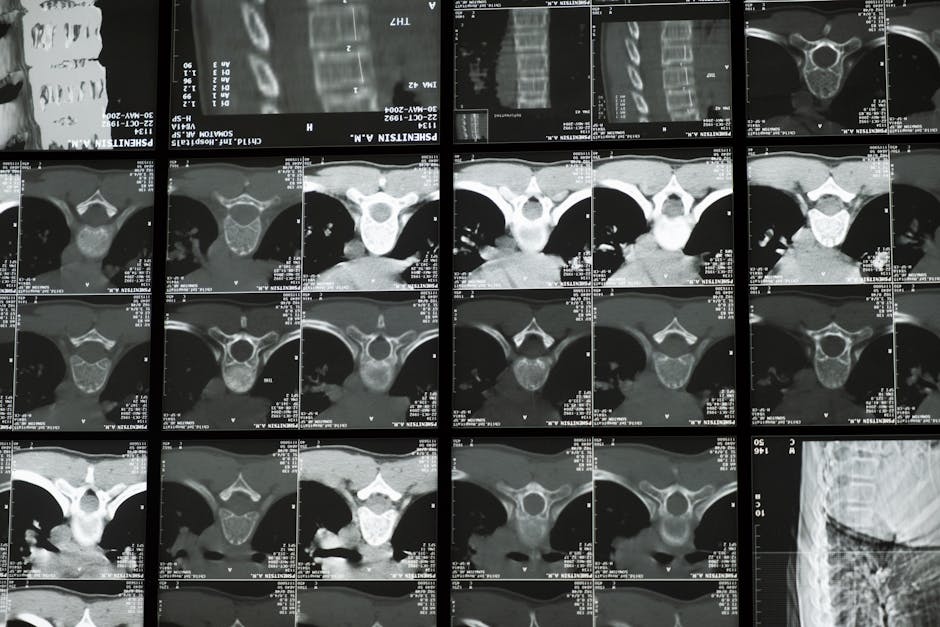
One of the most important diagnostic indicators we look for is the presence of Modic Type 1 or Type 2 changes on your MRI. These changes show up as specific patterns on imaging that indicate inflammation, swelling, or degenerative processes in the vertebral endplates. When we see these changes alongside your symptoms, it confirms that vertebrogenic pain is likely the culprit. Our highly skilled Orthopedics team can help with diagnosis to ensure we’re targeting the right source of your discomfort.
Your overall health status matters too. While the Intracept procedure is minimally invasive, your body’s natural healing abilities and any underlying medical conditions can influence your recovery and long-term results. We carefully review your complete health picture to make sure the procedure is not only effective but also safe for you specifically.
Finally, following post-procedure care instructions makes a real difference. The weeks following your procedure are important for optimal healing. This means taking it easy initially, avoiding heavy lifting or strenuous activities for a period, and then gradually returning to normal activities as we advise. Most patients find these guidelines easy to follow, and the temporary restrictions are well worth the long-term benefits.
By paying close attention to these factors, we maximize your chances of experiencing the kind of lasting relief our clinical studies have demonstrated—relief that can extend five years and beyond.
How Intracept Compares to Other Treatments
When you’re dealing with chronic low back pain, you’ve probably tried multiple treatments already. Understanding how the Intracept procedure stacks up against other options can help you see why it might be the solution you’ve been searching for.
The key difference comes down to durability versus temporary relief. Many common treatments for back pain only provide short-term symptom management. Epidural steroid injections, for example, might give you a few weeks or months of relief, but then the pain typically returns. Pain medications can help you get through the day, but they’re masking the problem rather than fixing it. And let’s be honest—nobody wants to rely on opioids long-term if there’s a better alternative.
The Intracept procedure takes a fundamentally different approach. Instead of temporarily blocking pain signals or reducing inflammation, it targets the actual source of vertebrogenic pain—the basivertebral nerve itself. By using radiofrequency energy to ablate this nerve, we’re stopping pain signals at their origin. This is why the relief lasts years rather than weeks.
Another important distinction is that the Intracept procedure doesn’t involve any implants and preserves your spine’s natural structure. Traditional spine surgeries like fusion involve permanently altering your spinal anatomy, often with metal rods, screws, or cages. While these procedures have their place for certain conditions, they change how your spine moves and functions. The Intracept procedure, by contrast, is performed through a tiny incision and doesn’t change your spine’s biomechanics at all.
This preservation of your natural anatomy means you’re keeping your future options open. If you ever need additional treatment down the road for a different issue, you haven’t burned any bridges. Your spine remains structurally intact, ready to heal and adapt as needed.
The minimally invasive nature of the procedure also means faster recovery compared to traditional surgery. You’re going home the same day, returning to light activities within days, and experiencing sustained relief that can last five years or longer. For those battling chronic low back pain, this combination of minimal disruption and maximum durability is truly remarkable.
To learn more about various conditions that can cause chronic back pain and the full range of treatment options available, you can Explore common spinal conditions and treatments on our website. We’re committed to helping you find the right solution for your specific situation—one that provides lasting comfort without unnecessary intervention.
Frequently Asked Questions About the Intracept Procedure
We know that considering any medical procedure comes with questions—and we want you to feel completely informed and comfortable with your decision. After years of helping patients find relief from chronic low back pain, I’ve heard just about every question imaginable about the Intracept procedure. Let me address the ones that come up most often in our consultations.
What is the recovery time after the procedure?
One of the most appealing aspects of the Intacept procedure is its relatively quick and straightforward recovery. Because it’s minimally invasive, you won’t face the lengthy rehabilitation that comes with traditional spine surgery.
Here’s what you can typically expect: You’ll go home the same day, usually within a few hours after the procedure. That evening and for the next couple of days, you might feel some soreness or mild discomfort at the small incision site—think of it as similar to the feeling after a minor injury. Most patients manage this easily with over-the-counter pain relievers.
We generally recommend taking it easy for the first 48 hours, giving your body time to begin healing. This doesn’t mean complete bed rest, but rather avoiding strenuous activities like heavy lifting, intense exercise, or twisting movements. Many patients can return to light activities within a few days.
The good news? Most people achieve full recovery within one to two weeks. At that point, you can typically resume your normal daily activities, including work and hobbies. If your job involves significant physical demands—like construction work or nursing—you might need an extra week or two before returning to full duty.
We’ll provide you with detailed post-procedure instructions custom to your specific situation. Following these guidelines carefully will help ensure optimal healing and the best possible long-term results. For those interested in enhancing their recovery and maintaining spine health, The Role of Physical Therapy in recovery can be invaluable.
Can the Intracept procedure be repeated if pain returns?
This is a question that reflects a natural concern—nobody wants to undergo a procedure only to have the pain return. The reassuring answer is that repeating the Intacept procedure is rarely needed.
The reason comes down to the nature of the treatment itself. When we ablate the basivertebral nerve, we’re not just temporarily numbing it—we’re disrupting its ability to transmit pain signals in a way that’s remarkably durable. These nerves seldom grow back as pain-transmitting nerves after the procedure. That’s why clinical studies show such impressive long-term durability from a single treatment, with many patients experiencing relief lasting five years or more.
In the uncommon event that pain does return, we would first conduct a thorough evaluation to understand what’s happening. Sometimes, new pain might develop from a different source entirely, which would require a different approach. While the option for retreatment is possible, it’s genuinely uncommon given the high success rate we see.
Our goal is always to provide you with a lasting solution, not a temporary fix. The Intacept procedure’s track record speaks for itself in delivering sustained relief that allows patients to move forward with their lives.
When will I start to feel pain relief?
I always tell my patients that patience is important, but fortunately, you won’t need much of it with the Intacept procedure. The pain improvement timeline is one of the most encouraging aspects of this treatment.
Most patients feel relief within two weeks after the procedure. That’s often when the initial healing has progressed enough that the benefits of nerve ablation become noticeable. You might wake up one morning and realize you’re moving more easily, or that the constant ache you’ve lived with for so long has significantly diminished.
What’s even more exciting is that this initial relief typically represents just the beginning. You’ll likely experience continued improvement over several months as inflammation settles, healing progresses, and your body fully adapts to the changes. Some patients describe it as a gradual lifting of a weight they’ve been carrying—week by week, month by month, they feel progressively better.
Of course, individual results may vary. Everyone’s body heals at its own pace, and factors like your overall health and adherence to post-procedure care can influence your timeline. But the consistent pattern we see is early relief that continues to build, ultimately resulting in the long-term pain reduction that makes such a meaningful difference in our patients’ quality of life.
Understanding how long does intracept procedure last isn’t just about the procedure time itself—it’s about the years of relief that follow, often from that single treatment session.
Begin Your Journey to Lasting Pain Relief
If you’ve made it this far, you now have a clear picture of how long does intracept procedure last—both the 60-90 minutes you’ll spend in the operating room and, more importantly, the five years or longer of pain relief that can follow. For people living with chronic low back pain caused by damaged vertebral endplates, this isn’t just another treatment option. It’s a chance to reclaim the life you’ve been missing.
The Intracept procedure represents something special in pain management: a minimally invasive solution that delivers lasting results without altering your spine’s structure or requiring implants. The clinical data speaks for itself—34% of patients are completely pain-free at five years, and 66% experience more than 50% pain reduction. These aren’t just statistics; they’re real people who can now play with their grandchildren, tend their gardens, or simply enjoy a good night’s sleep without constant discomfort.
At the Center for Specialty Care, we’ve built our reputation on personalized care that puts you first. We know that chronic pain doesn’t wait, which is why we offer quick appointment availability across our locations in Fairmont, MN, Estherville, IA, Buffalo Center, IA, and St. James, MN. Our commitment to 100% patient satisfaction means we take the time to thoroughly evaluate your condition, answer every question you have, and determine whether the Intracept procedure is truly the right solution for your unique situation.
Living with chronic low back pain can feel like carrying a weight that never lifts. You’ve likely tried physical therapy, medications, injections, and countless other treatments. If you’re still hurting after six months of conservative care and your MRI shows Modic changes, the Intracept procedure might be the answer you’ve been searching for.
Taking the first step is often the hardest part. But imagine waking up one morning without that familiar ache. Imagine bending down to tie your shoes without wincing. Imagine getting through your day without constantly adjusting your position to find relief. For many of our patients, this isn’t imagination—it’s their new reality after the Intracept procedure.
You don’t have to let chronic pain write the story of your life. Our expert team is ready to help you explore whether this innovative treatment could be your path to lasting comfort and freedom.
Contact Us to schedule a consultation today, and let’s start this journey together. Your future self—the one enjoying an active, comfortable life—will thank you for taking this step.