

The A to Z of Rotator Cuff Surgery: From Diagnosis to Decision
February 25, 2026
Stepping Up to Foot Tendonitis: Everything You Need to Know
February 27, 2026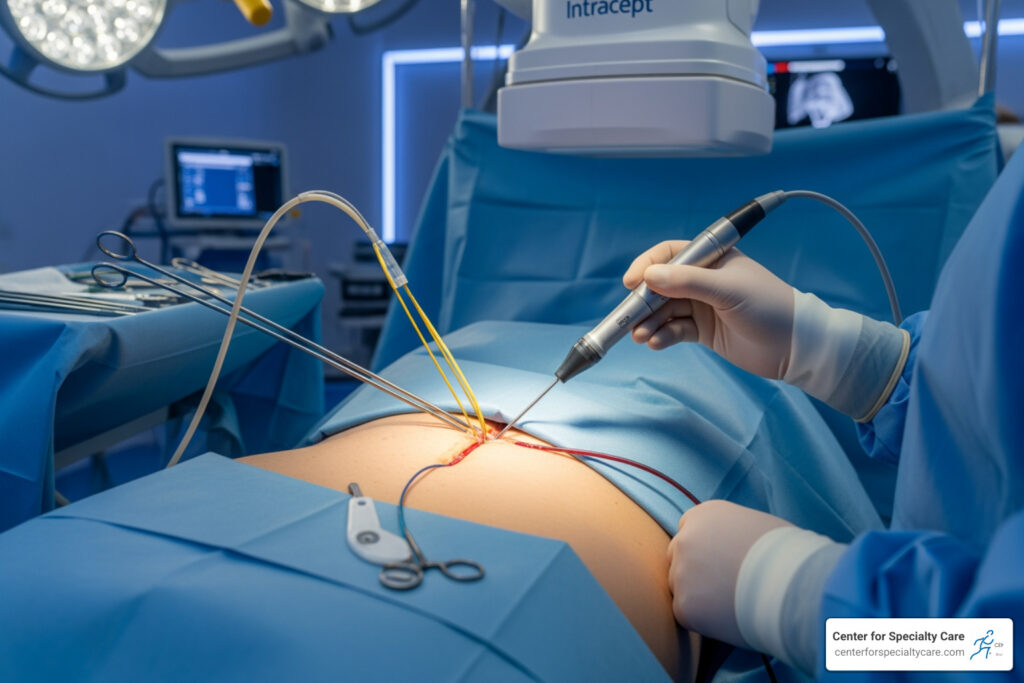
Am I a Candidate for Intracept? Unpacking the Criteria for This Minimally Invasive Surgery
Understanding Who Benefits from the Intracept Procedure
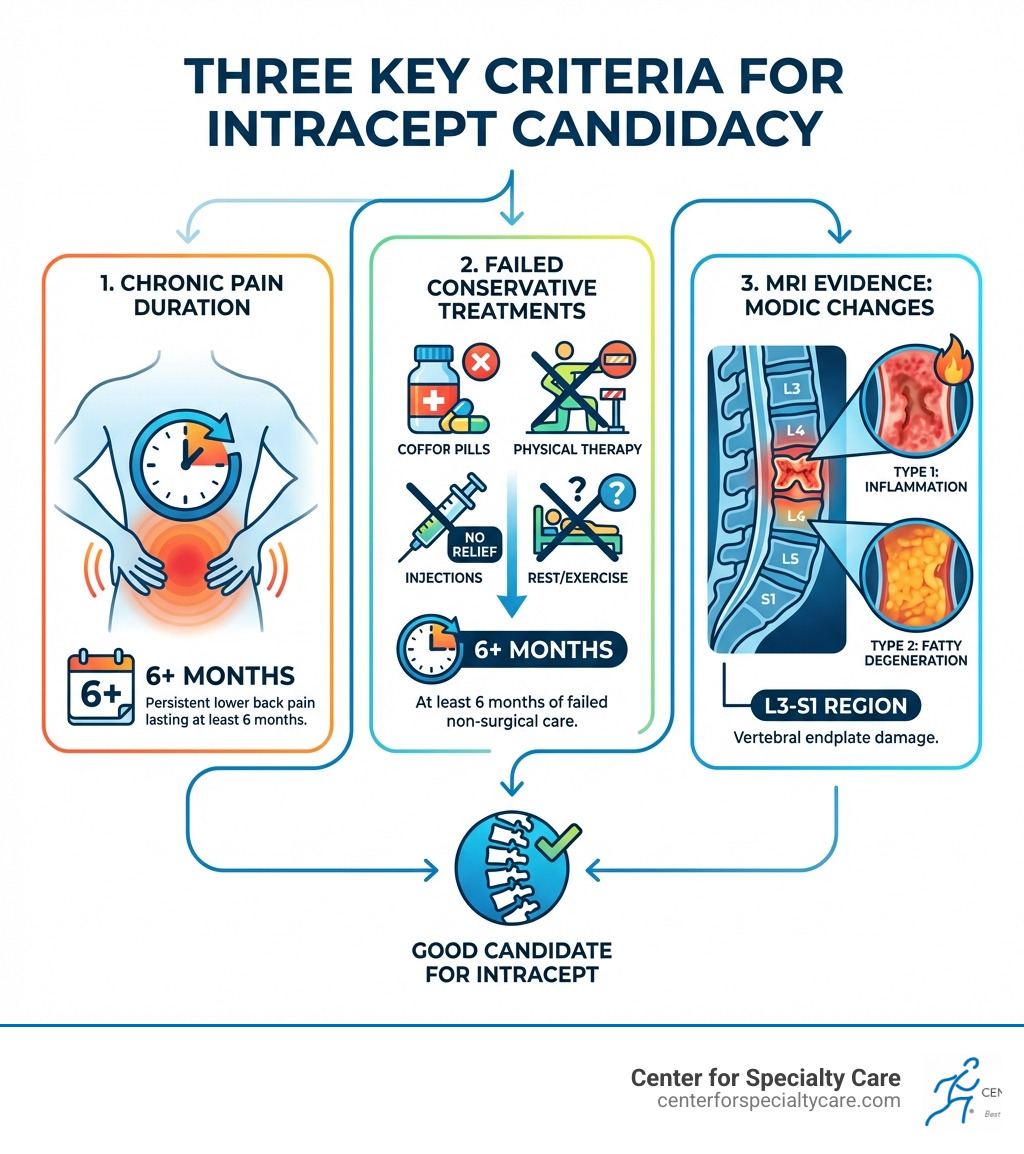
Who is a good candidate for intracept procedure? The ideal candidate has three key qualifications:
- Chronic lower back pain lasting at least 6 months that has not improved with time
- Failed conservative treatments including physical therapy, NSAIDs, injections, or other non-surgical care for at least 6 months
- MRI evidence of Modic changes (Type 1 or Type 2) showing vertebral endplate damage in the L3 through S1 region of the spine
If you’ve been living with persistent lower back pain that refuses to go away, you’re not alone. Up to 84% of American adults will experience lower back pain at some point in their lives. For many, traditional treatments like medication, physical therapy, and injections provide relief. But for others, the pain continues month after month, limiting daily activities and quality of life.
The frustration is real. You’ve tried rest, exercise, pills, and therapy—yet the aching persists.
The Intracept procedure offers a targeted solution for a specific type of chronic back pain called vertebrogenic pain. This minimally invasive, outpatient treatment uses radiofrequency energy to disable the basivertebral nerve that transmits pain signals from damaged vertebral endplates in your spine. Unlike treatments that mask symptoms, Intracept addresses the root cause of pain for properly selected candidates.
But here’s the critical question: Are you actually a candidate?
Not everyone with chronic back pain qualifies for this procedure. The Intracept procedure works specifically for vertebrogenic pain—a distinct condition that affects approximately 17% of chronic back pain sufferers. Determining candidacy requires specific diagnostic findings, a documented history of failed conservative care, and confirmation that your pain originates from vertebral endplate damage rather than other spinal conditions.
I’m Dr. Corey Welchlin, a board-certified orthopedic surgeon who has specialized in minimally invasive spinal procedures for over three decades in southern Minnesota and northern Iowa. Through careful evaluation and advanced imaging, I help patients understand who is a good candidate for intracept procedure and whether this innovative treatment aligns with their specific diagnosis and pain pattern.
Similar topics to who is a good candidate for intracept procedure:
- vertebrogenic low back pain
- what is intracept procedure for back pain
- what is the success rate of the intracept procedure
Understanding Vertebrogenic Pain: The Root Cause Intracept Targets
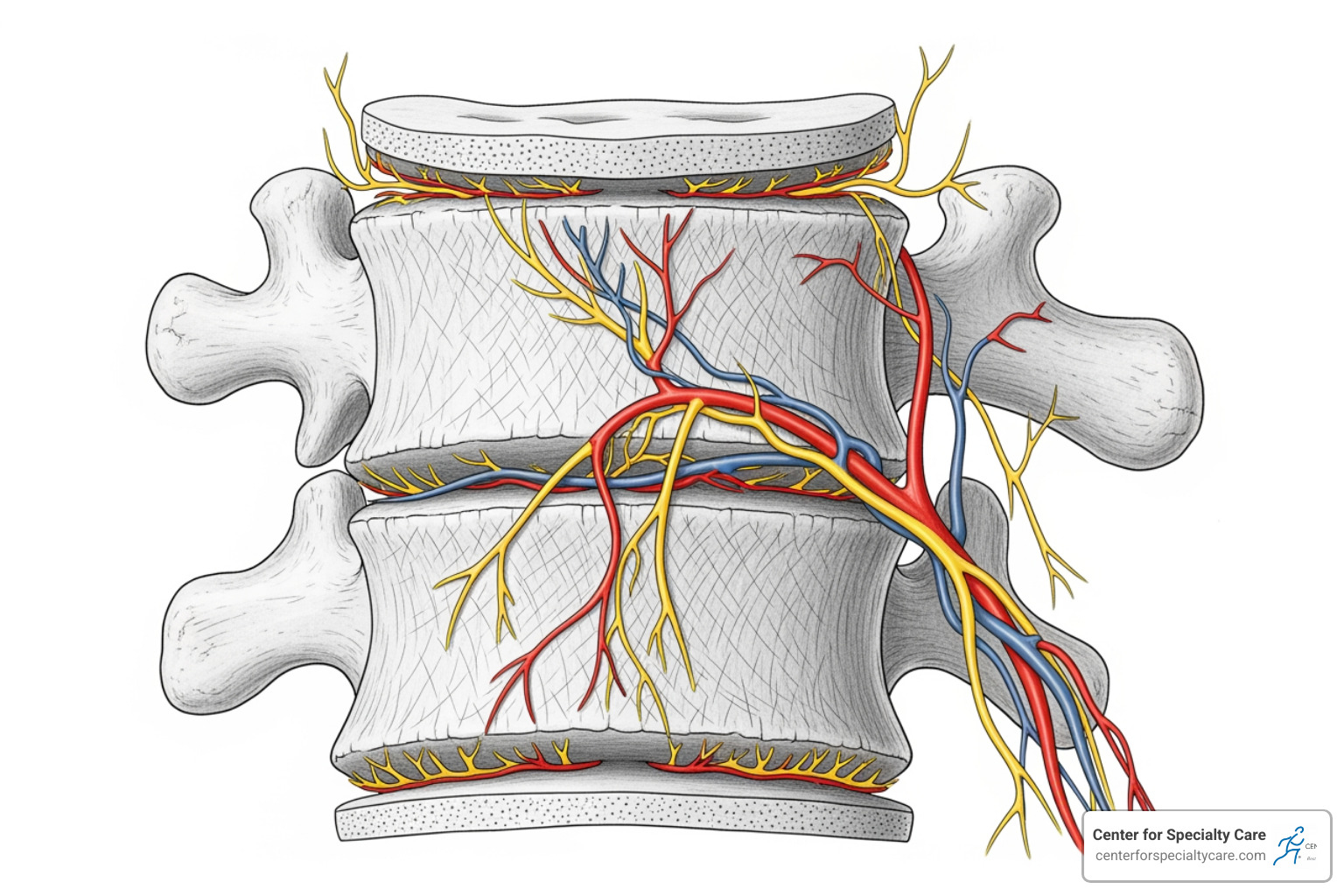
At the heart of determining who is a good candidate for intracept procedure is understanding vertebrogenic pain. This isn’t just any back pain; it’s a specific type of chronic lower back pain that originates from damage to the vertebral endplates. Think of your vertebral endplates as the top and bottom surfaces of your spinal bones (vertebrae), where they connect with the intervertebral discs. When these endplates become damaged, often due to degenerative changes, they can become inflamed and hypersensitive.
This inflammation irritates the basivertebral nerve, a small nerve that runs through the bone of each vertebra and branches off to supply these endplates. Normally, this nerve helps with the health of the bone and disc. However, when the endplates are damaged, the basivertebral nerve starts sending constant pain signals to your brain. This is where Pain Management becomes crucial, as traditional approaches often don’t address this specific pain source. The Intracept procedure works by targeting this overactive nerve, essentially quieting those pain signals.
What are the primary symptoms of vertebrogenic back pain?
If you have vertebrogenic back pain, you might recognize some distinct symptoms. Patients typically experience chronic axial low back pain, meaning the pain is centralized in the lower back rather than radiating down the legs. This aching or throbbing sensation is often made worse with activities that put pressure on the spine, such as prolonged sitting, bending forward, or lifting. Unlike sciatica, which involves nerve root compression, vertebrogenic pain usually does not cause leg pain, numbness, or tingling below the knee. It’s a persistent, deep discomfort that can significantly impact daily life.
For more information on different types of back pain, you can explore our guide on Common Spinal Conditions: Causes, Symptoms, and Treatment Options.
How is vertebrogenic pain diagnosed?
Diagnosing vertebrogenic pain involves a comprehensive approach, beginning with a thorough doctor’s consultation and physical exam. During this initial visit, our specialists will discuss your medical history, including the duration and nature of your pain, previous injuries, and any treatments you’ve tried. We’ll assess your posture, range of motion, and tenderness in the lower back.
However, the definitive diagnosis for vertebrogenic pain, and a key factor in determining who is a good candidate for intracept procedure, comes from advanced imaging, specifically an MRI (Magnetic Resonance Imaging). The MRI allows us to visualize the intricate structures of your spine and look for specific changes in the vertebral endplates. These changes, known as “Modic changes,” are tell-tale signs of the inflammation and degeneration that characterize vertebrogenic pain. Without these specific MRI findings, the Intracept procedure would not be indicated. Understanding the health of your Back is paramount.
The Checklist: Who is a Good Candidate for the Intracept Procedure?
The Intracept procedure is a groundbreaking treatment, but it’s not for everyone. Our patient selection process is precise, ensuring that we offer this minimally invasive option only to those who stand to benefit the most. The FDA-cleared indications for Intracept are very specific, focusing on a particular type of chronic lower back pain.

How long must you have chronic lower back pain?
One of the foundational criteria for who is a good candidate for intracept procedure is the duration of your pain. You must have chronic lower back pain that has lasted for at least six months. Pain is generally considered chronic when it persists for 12 weeks or longer. This distinction between chronic and acute pain is vital. Acute back pain, which lasts from several days to weeks, typically resolves on its own. If your pain has lingered for over half a year, despite your best efforts, it indicates a persistent discomfort that warrants further investigation, especially if it points to a vertebrogenic source.
What conservative treatments should you have already tried?
Before considering a minimally invasive procedure like Intracept, have exhausted conventional, non-surgical approaches. This is a crucial step in identifying who is a good candidate for intracept procedure. Our doctors recommend Intracept only after you have not responded to at least six months of conservative care. This typically includes a combination of:
- Physical therapy, focusing on strengthening, flexibility, and proper body mechanics.
- Nonsteroidal anti-inflammatory drugs (NSAIDs) or other pain medications.
- Activity modification, such as avoiding movements that aggravate your pain.
- Injections, including Understanding Epidural Steroid Injections: What You Need to Know or nerve blocks, which aim to reduce inflammation and pain locally.
- Chiropractic care or other manual therapies.
- Regenerative medicine therapies, if appropriate for your condition.
If you’ve consistently pursued these treatments for at least six months and your pain remains unresolved, then we can begin to consider more advanced options like Intracept.
What specific MRI findings point to who is a good candidate for the Intracept procedure?
The MRI is arguably the most critical diagnostic tool in identifying who is a good candidate for intracept procedure. We are looking for clear radiographic evidence of degenerative endplate changes, specifically Modic changes. These changes indicate inflammation and damage at the vertebral endplates, confirming the vertebrogenic source of your pain.
There are two primary types of Modic changes we look for:
- Modic Type 1 changes: These appear on an MRI as areas of bone marrow swelling and inflammation. They signify active inflammation and edema within the bone adjacent to the endplate.
- Modic Type 2 changes: These indicate a change where red bone marrow, which is rich in blood cells, is replaced by yellow fatty bone marrow. This often suggests a more chronic, stable inflammatory process.
Both Modic Type 1 and Type 2 changes are indicative of vertebral endplate damage and are strong indicators that your chronic lower back pain may be vertebrogenic. The Intracept procedure is specifically designed to treat pain originating from these damaged endplates, typically in the L3 through S1 vertebrae of the lumbar spine.
The Diagnostic Journey: Confirming Your Candidacy
Determining who is a good candidate for intracept procedure is a comprehensive process that goes beyond simply checking boxes. It involves a detailed evaluation by our Orthopedics specialists, ensuring that the Intracept procedure is the right personalized care for your specific condition. Our goal is to rule out other conditions that might be causing your back pain, such as disc herniation, spinal stenosis, or facet joint arthritis, which Intracept is not designed to treat. This meticulous approach ensures the best possible outcomes for our patients in Fairmont, Estherville, Buffalo Center, St James, and throughout Minnesota and Iowa. For more on finding expert care, see our guide on Pain Management Dr Near Me: A Comprehensive Guide.
The Role of the Physical Exam and Consultation
Your journey to understanding if Intracept is for you begins with a thorough physical exam and consultation. During this appointment, we will:
- Assess your pain location: Pinpointing where exactly your pain originates and if it’s centralized in the lower back.
- Test your range of motion: Evaluating how your pain responds to different movements and positions.
- Discuss pain triggers: Understanding what activities or postures worsen your symptoms.
- Review your comprehensive treatment history: Detailing all conservative therapies you’ve tried and their effectiveness.
- Set expectations: Providing clear information about the Intracept procedure, its potential benefits, and recovery.
This in-depth discussion helps us build a complete picture of your pain experience and how it impacts your life.
Why the MRI is Crucial for Intracept Candidates
While the physical exam provides valuable insights, the MRI remains the cornerstone for confirming candidacy. It offers visual evidence that is indispensable. An MRI allows us to:
- Confirm a vertebrogenic source: By identifying the specific Modic changes in your vertebral endplates.
- Identify Modic changes: Clearly distinguishing between Type 1 (inflammation/edema) and Type 2 (fatty marrow changes) which are direct indicators of vertebrogenic pain.
- Guide the treatment plan: Ensuring that the Intracept procedure is targeting the precise source of your chronic lower back pain.
Without these specific MRI findings, the Intracept procedure is not recommended, as it would not be addressing the correct pain generator.
Are There Factors That Would Disqualify a Patient?
While the Intracept procedure offers significant relief for many, it’s not a one-size-fits-all solution. There are specific medical conditions and factors that would disqualify a patient, primarily for reasons of patient safety and the effectiveness of the procedure. We always prioritize your well-being and carefully evaluate any potential contraindications. You can find more comprehensive information directly from the manufacturer: More about the Intracept procedure from the manufacturer.
Medical Conditions and Other Disqualifiers
Certain conditions can make the Intracept procedure unsuitable. You are likely not a candidate if you have:
- An active spinal infection: Any ongoing infection in the spine must be treated and resolved before considering this procedure.
- A pacemaker or other implanted electronic medical devices: The radiofrequency energy used in Intracept can interfere with these devices.
- Pregnancy: The procedure is contraindicated for pregnant individuals.
- Severe cardiopulmonary disease: Conditions that limit pulmonary function or indicate heart failure can increase surgical risks.
- Skeletally immature patients: Typically, this means individuals under 18 years of age, as their skeletal development is still ongoing.
- Certain spinal instability: If you have significant instability in your spine, Intracept may not be the appropriate treatment.
Our team will conduct a thorough medical review to ensure all safety parameters are met before proceeding with any treatment.
Frequently Asked Questions about Intracept Candidacy
We understand you likely have many questions about the Intracept procedure and whether it’s right for you. Here, we address some of the most common inquiries regarding candidacy.
How does Intracept candidacy differ from other back pain treatments?
The Intracept procedure stands apart because it specifically targets vertebrogenic pain, which originates from damaged vertebral endplates and the basivertebral nerve. Many other minimally invasive back pain treatments, like epidural injections or nerve blocks, often address general nerve pain or inflammation, or they focus on conditions like disc herniation or spinal stenosis. While these treatments are highly effective for their intended purposes, they may not provide lasting relief if the root cause of your pain is vertebrogenic.
Intracept is unique in its approach: it directly ablates the basivertebral nerve, providing durable relief without the need for implants or altering the structural integrity of your spine. It’s not designed to treat conditions like a collapsed vertebra that might require procedures like Revolutionizing Spinal Treatment: Kyphoplasty Through the Lens of Orthopedic Expertise. This targeted approach is why precise candidacy is so crucial for its success.
What is the typical age range for Intracept candidates?
There isn’t a strict age limit for who is a good candidate for intracept procedure. The focus is primarily on the diagnosis, the presence of Modic changes on MRI, and the failure of conservative treatments, rather than age alone. However, the procedure is most commonly performed in adults, typically ranging from 30 to 70 years old, who experience degenerative changes in their spine. As mentioned earlier, skeletally immature patients (generally under 18) are typically not candidates. Our evaluation will always center on your specific clinical history and imaging findings, not just your age.
What is the success rate for well-selected candidates?
For patients who are carefully selected and meet all the candidacy criteria, the Intracept procedure has demonstrated high effectiveness with significant, long-lasting pain reduction. Clinical studies have shown impressive results:
- Patients can experience substantial improvement, with pain reduction averaging 44% at the 3-month follow-up and 53% at the 24-month follow-up.
- In a 5-year follow-up study, 34% of patients achieved complete pain resolution, and 47% reported greater than 75% pain reduction.
- A 2023 study further highlighted success, with 65% of people reporting at least a 50% reduction in back pain, 36.2% reporting at least a 75% reduction, and 22.4% reporting 100% pain relief six months after the procedure.
These statistics underscore the potential for Intracept to provide durable relief, with improved function that can last five years or longer for most people. This makes it a compelling option for those suffering from chronic vertebrogenic back pain. For more detailed insights into the research, you can refer to Scientific research on basivertebral nerve ablation.
Your Path to Lasting Back Pain Relief
If you’ve been living with persistent, debilitating lower back pain, understanding who is a good candidate for intracept procedure is your first step towards potential relief. The ideal candidate is someone who has endured chronic vertebrogenic pain for at least six months, has diligently tried and failed at least six months of conservative care, and has clear MRI evidence of Modic changes (Type 1 or Type 2) in the L3 through S1 region of their spine.
At Center for Specialty Care, serving Fairmont, Estherville, Buffalo Center, St James, and the broader Minnesota and Iowa communities, we are committed to providing personalized care and advanced solutions for chronic pain. If you meet these criteria, the Intracept procedure could be your solution for lasting relief. Don’t let chronic back pain control your life any longer. Schedule a consultation to see if you are a candidate for the Intracept Procedure.