
How to Banish Knots from Your Neck and Shoulder Blades
August 20, 2025
Untying the Knot: Relieving Neck Pain from Your Shoulder Blade
August 22, 2025
Shoulder pain and popping when lifting arm 2025: Relief
When Your Shoulder Speaks: Recognizing the Warning Signs
That clicking or popping sound from your shoulder—called crepitus—isn’t always a cause for alarm. Sometimes it’s just harmless gas bubbles in your joint fluid, similar to cracking your knuckles. But when it’s accompanied by pain, weakness, or limited movement, your shoulder is sending an important signal. Shoulder pain and popping when lifting arm affects up to 30% of adults and can indicate anything from minor inflammation to a serious tear that needs professional attention.
Common Causes:
- Shoulder impingement – Most frequent cause (44-65% of cases)
- Rotator cuff tears – Especially in people over 40
- Labral tears – Often from injury or overuse
- Arthritis – Causes grinding and inflammation
- Bursitis – Inflamed fluid-filled sacs
When to Seek Help:
- Pain persists beyond a few days
- Unable to lift arm overhead
- Pain wakes you at night
- Visible swelling or deformity
- Weakness in the shoulder
I’m Dr. Corey Welchlin, a board-certified orthopedic surgeon at the Center for Specialty Care in Fairmont, Minnesota. With over three decades of experience, I’ve helped thousands of patients understand and overcome these frustrating shoulder problems.
Decoding the Causes of Shoulder Pain and Popping When Lifting Arm
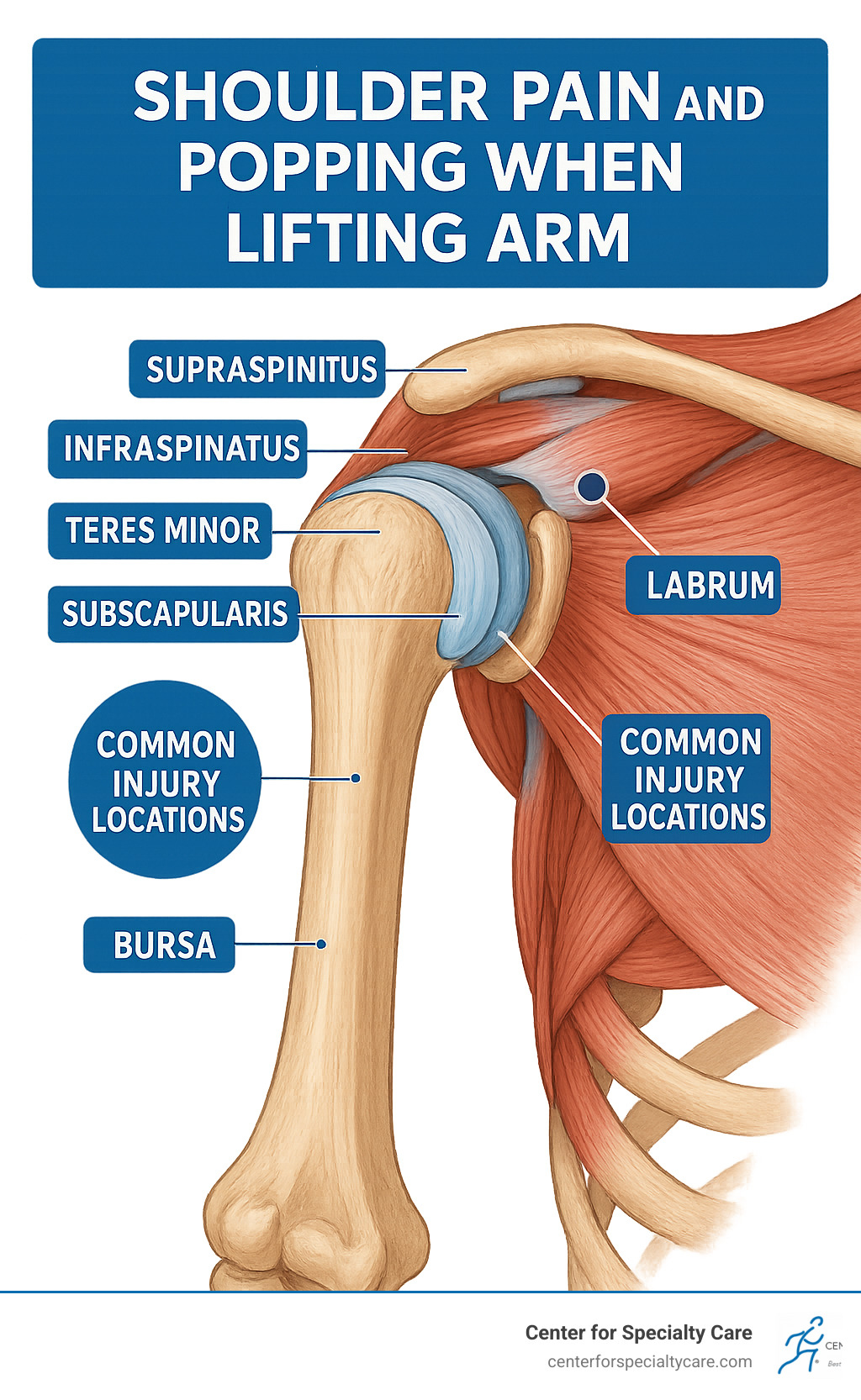
When you experience shoulder pain and popping when lifting arm, it’s often due to one of several common conditions affecting the complex shoulder joint. Understanding the potential cause is the first step toward finding the right treatment.
- Shoulder Impingement: The most frequent issue, where tendons or the bursa get pinched during overhead movement.
- Rotator Cuff Injuries: Tears in the tendons that stabilize the shoulder, causing weakness, aching, and clicking sounds.
- Labral Tears: Damage to the cartilage ring that deepens the shoulder socket, often leading to a sense of instability, grinding, or popping.
- Osteoarthritis: The gradual wearing away of smooth cartilage, causing bone-on-bone friction that creates grinding sensations and pops.
- Bursitis: Inflammation of the small, fluid-filled sacs that cushion the joint, causing popping as tendons glide over them.
- Biceps Instability: When the biceps tendon slips out of its groove, it creates a distinct and often painful click, especially when rotating the arm.
Our team specializes in diagnosing these complex shoulder problems. Learn more in our guide on Shoulder Clicking and Pain: Causes and Effective Relief.
Normal vs. Injurious: Understanding the Difference in Shoulder Popping and Pain
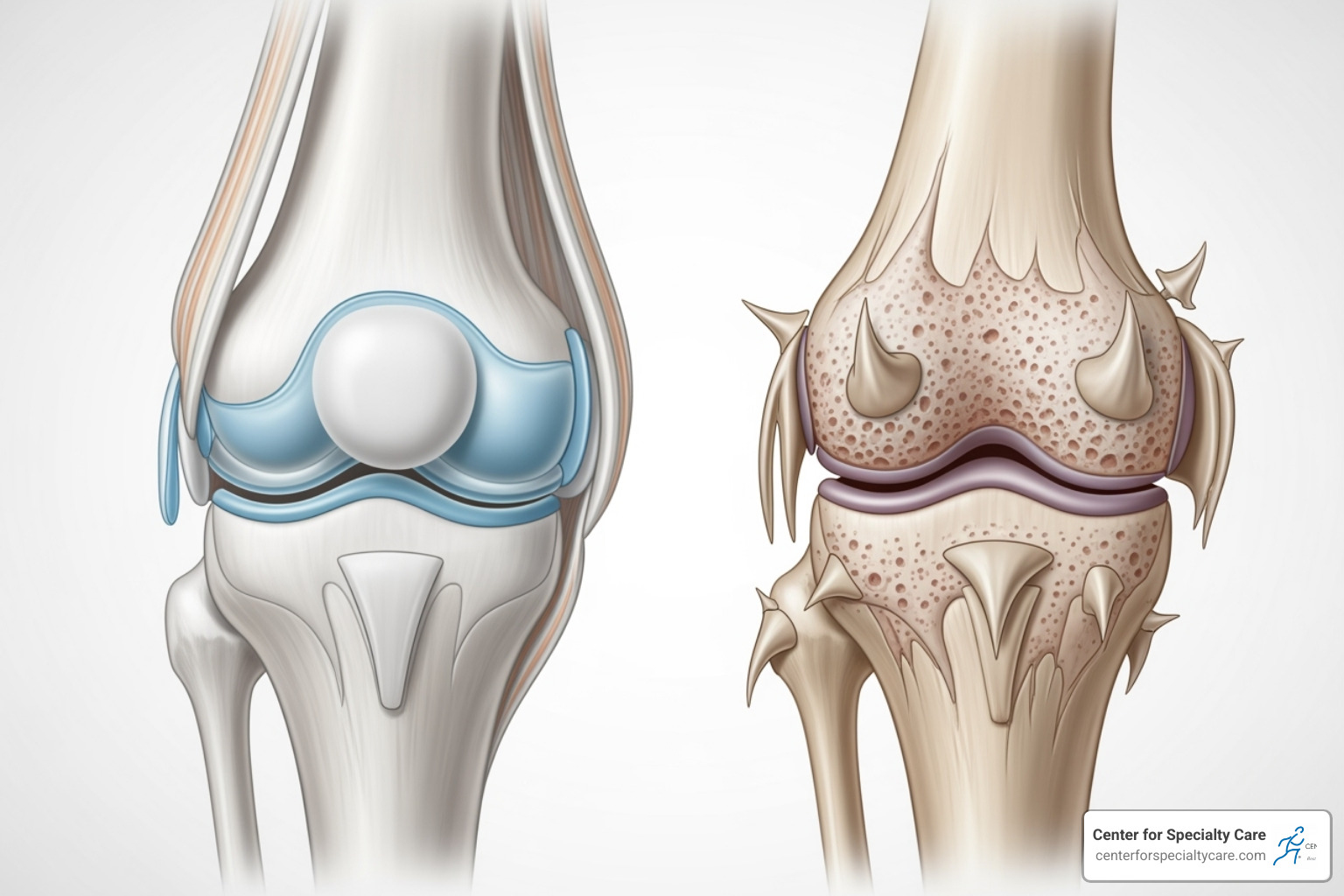
Not all shoulder popping is bad news. Painless popping is often just the release of gas bubbles in your joint fluid, a harmless process called cavitation. However, the story changes when pain is involved. Painful popping is a red flag. Pay attention if the pop is accompanied by a grinding sensation, weakness when lifting your arm, limited range of motion, or a catching or locking feeling. These symptoms suggest an underlying injury that needs evaluation. For more information, see this resource on What is crepitus?.
The Long-Term Consequences of Ignoring the Symptoms
It’s tempting to push through discomfort, but ignoring shoulder pain and popping when lifting arm can lead to significant long-term consequences. What starts as a minor issue can progress, potentially causing:
- Chronic Pain: Persistent discomfort that affects your daily activities, sleep, and overall well-being.
- Worsening Tears: Small rotator cuff or labral tears can enlarge over time, becoming more difficult to treat.
- Frozen Shoulder (Adhesive Capsulitis): A painful condition where the joint capsule thickens and tightens, severely restricting movement.
- Muscle Atrophy: The muscles around the shoulder weaken and shrink from disuse, leading to more instability and pain.
- Joint Degeneration: Untreated mechanical problems can accelerate wear and tear, leading to premature arthritis.
Addressing shoulder problems early is the best way to prevent these complications. Our Pain Management approach focuses on treating the root cause to help you maintain an active, pain-free lifestyle.
When to See a Doctor for Shoulder Popping and Pain
While some shoulder discomfort can be managed at home, certain symptoms are red flags that require professional medical attention. Don’t wait to seek help if you experience any of the following.
- Sudden, Severe Pain: Especially after a fall or injury, this could indicate a fracture, dislocation, or a significant tear.
- Pain After an Injury: Any new pain that develops after trauma to the shoulder should be evaluated.
- Inability to Lift Your Arm: Significant weakness when trying to raise your arm often points to a serious rotator cuff or nerve issue.
- Visible Deformity: If your shoulder looks out of place, or there’s an unusual bump, it may be dislocated or fractured and needs immediate care.
- Significant Swelling or Bruising: Rapid or extensive swelling and bruising can signal significant tissue damage.
- Pain at Rest or at Night: Aching that persists when you’re not moving your shoulder, or pain that wakes you from sleep, is a strong indicator of an injury that needs treatment.
Seeking help early often leads to simpler treatments and a faster recovery. Find out more about choosing the right specialist in our guide: Doctor for Shoulder Problems: Your Guide to Specialized Care.
The Diagnostic Process: What to Expect
When you come to our clinic for shoulder pain and popping when lifting arm, our goal is to find the precise cause of your symptoms. The diagnostic process is a thorough investigation that typically includes:
- Medical History and Physical Exam: We’ll start by discussing your symptoms and how they affect your life. A hands-on examination helps us identify tender spots, swelling, and assess your shoulder’s stability.
- Range of Motion and Strength Tests: We will carefully test your ability to move your arm in different directions and check the strength of your rotator cuff and other supporting muscles to detect weakness or imbalances.
- Imaging Tests: When necessary, we use imaging to get a clear picture of what’s happening inside your shoulder. X-rays show bone health, while an MRI or ultrasound provides detailed views of soft tissues like tendons, ligaments, and cartilage.
This comprehensive approach ensures we create the most effective treatment plan for you. To understand what to look for in a specialist, read our guide on Finding the Best Orthopedic Shoulder Specialist Near Me.
When to Consult an Orthopedic Surgeon
Most shoulder problems can be resolved without surgery. We always begin with the most conservative treatments possible. However, a surgical consultation may be necessary in certain situations:
- Conservative Treatment Fails: If months of physical therapy, medication, and injections haven’t provided relief.
- Severe Tears: Large rotator cuff or labral tears often require surgical repair to restore function and prevent further damage.
- Advanced Arthritis: When arthritis pain is severe and no longer responds to other treatments, shoulder replacement can restore mobility and relieve pain.
- Recurrent Instability: If your shoulder frequently dislocates, surgery can stabilize the joint and prevent future episodes.
- Complex Fractures: Some severe fractures require surgical fixation to ensure the bones heal in the correct position.
If surgery is recommended, we will discuss all your options to help you make an informed decision. For more details on surgical care, see our guide: Rotator Cuff Surgeon Near Me: Your Guide to Finding Expert Shoulder Care.
Your Path to Relief: Treatment and Prevention Strategies
Once we’ve diagnosed the cause of your shoulder pain and popping when lifting arm, we can begin your journey to recovery. At Center for Specialty Care, we create a unique treatment plan based on your specific condition, lifestyle, and goals, always starting with the most conservative approach that will be effective.
Our philosophy is to fix what’s broken, strengthen what’s weak, and teach you how to prevent future issues. We want to restore your shoulder’s strength and flexibility so you can return to the activities you love. Explore our therapeutic options in our guide on Best Therapy for Shoulder Pain: Expert Solutions and Relief.
Effective Home Care for Shoulder Pain and Popping When Lifting Arm

For many minor strains and inflammation, home care can provide significant relief. These strategies can calm symptoms and promote natural healing:
- The R.I.C.E. Method: For the first 48-72 hours, follow this protocol: Rest the shoulder, apply Ice for 15-20 minutes at a time, use Compression with a gentle wrap, and Lift your arm on pillows.
- Pain Relievers: Over-the-counter anti-inflammatory drugs (NSAIDs) like ibuprofen can help reduce pain and swelling.
- Gentle Movement: Once sharp pain subsides, gentle pendulum swings can prevent stiffness.
- Activity Modification: Be mindful of your movements. Avoid reaching overhead or lifting heavy objects to give your shoulder time to heal.
If home care doesn’t improve your symptoms after a few days, it’s time to see a professional.
The Role of Physical Therapy in Recovery

Physical therapy is a cornerstone of treatment for most cases of shoulder pain and popping when lifting arm. Our physical therapists are movement experts who create a personalized recovery plan that may include:
- Targeted Strengthening: Specific exercises to restore balance and stability to the rotator cuff and surrounding muscles.
- Manual Therapy: Hands-on techniques like joint mobilization and soft tissue massage to restore normal movement and release tension.
- Posture Correction: Identifying and correcting postural habits (like slouching) that contribute to shoulder pain.
- Education: Learning how to perform daily activities and exercises in a way that protects your shoulder from re-injury.
Physical therapy is a dynamic partnership focused on getting you back to your best. Learn more in our guide on Shoulder Treatment with Physical Therapy: Recovery and Pain Relief.
Preventing Future Shoulder Issues
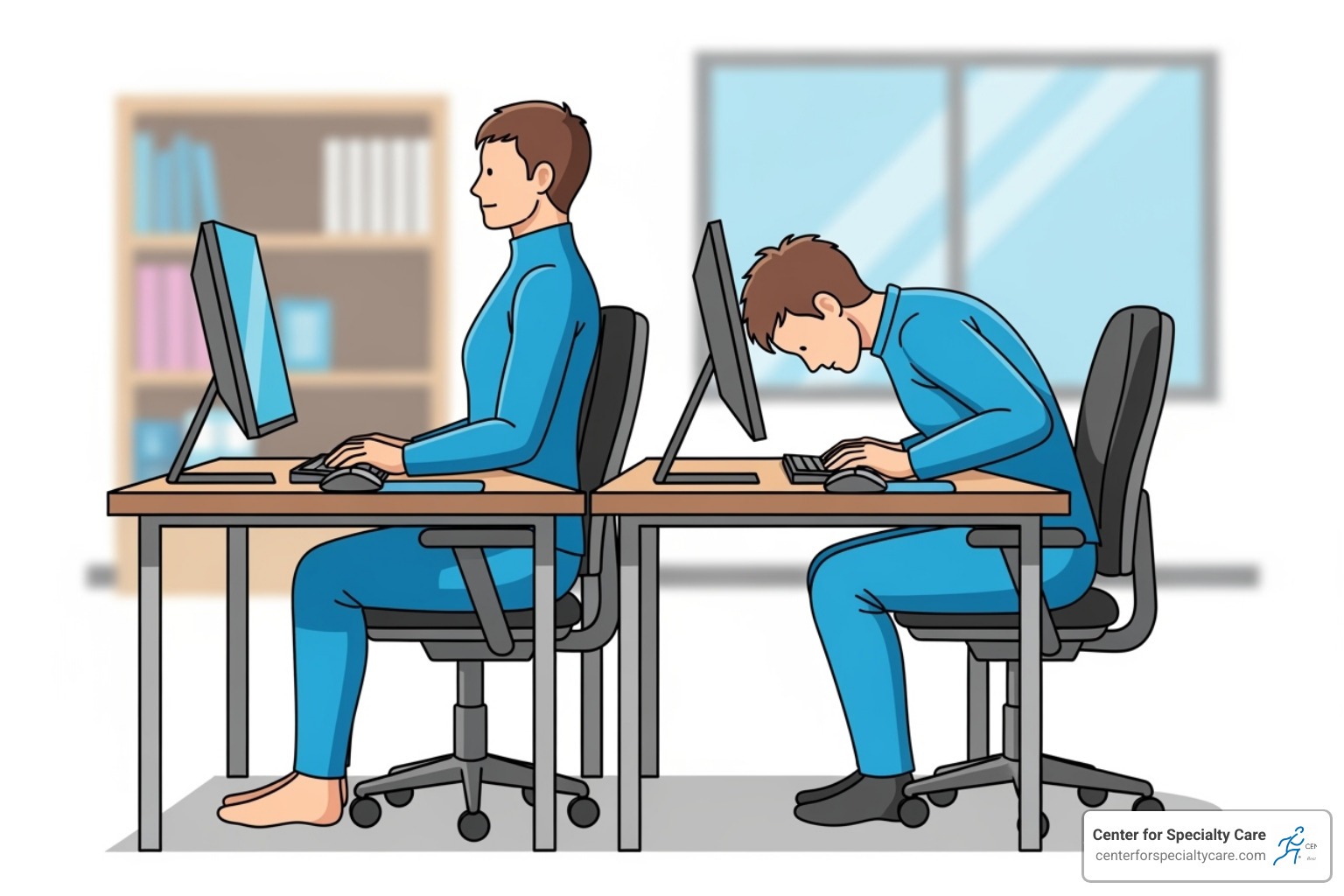
Once your shoulder feels better, prevention is key. A few smart habits can protect your shoulder health for the long term:
- Maintain Good Posture: Sit and stand tall, with your shoulders back and down, to avoid cramping the joint space.
- Use Proper Ergonomics: Adjust your workspace to support your body and minimize strain on your shoulders.
- Warm-Up and Cool-Down: Always prepare your muscles for activity with gentle movements and stretch afterward.
- Strengthen Supporting Muscles: A strong back and core provide a stable base for your shoulder, reducing its workload.
- Avoid Overuse: Ease into new activities and listen to your body’s signals to avoid overloading your shoulder.
Frequently Asked Questions about Shoulder Pain and Popping
When you’re dealing with shoulder pain and popping when lifting arm, it’s natural to have questions. Here are answers to some of the most common concerns we hear from patients.
What is the most common cause of shoulder popping with pain?
Shoulder impingement syndrome is the most frequent cause, occurring when tendons or the bursa get pinched between bones during arm movement. Other common causes include rotator cuff tears, labral tears (damage to the cartilage rim of the socket), and biceps instability, where the biceps tendon slips out of its groove.
Can shoulder popping heal on its own?
It depends on the cause. Painless popping is usually harmless and requires no treatment. If the popping is from minor inflammation or a mild strain, it can often improve with rest and home care. However, significant structural injuries like rotator cuff tears or labral tears typically do not heal on their own and require professional medical treatment to prevent long-term damage.
What exercises should I avoid with a popping shoulder?
The most important rule is to stop any exercise that causes pain, popping, or a catching sensation. Generally, you should avoid heavy overhead movements like military presses, upright rows, and any behind-the-neck exercises, as these can worsen impingement. A physical therapist can design a safe and effective exercise program custom to your specific condition. For more guidance, see our resource on Shoulder Treatment: Physical Therapy Tips for Fast Recovery.
Take the Next Step Towards a Pain-Free Shoulder
Your shoulder’s clicks, pops, and aches are a message. Listening to that message and seeking timely care for shoulder pain and popping when lifting arm can save you from chronic discomfort and serious long-term problems.
At Center for Specialty Care, we’ve helped thousands of patients in Fairmont and our surrounding communities get back to their active lives. Our approach is to listen carefully, provide an accurate diagnosis, and create a personalized treatment plan that fits your goals. We offer a full range of services, from advanced physical therapy to minimally invasive surgical procedures.
Our commitment to 100% patient satisfaction and quick appointment availability means you won’t have to wait to get the help you need. Our goal is to restore your shoulder’s strength, mobility, and confidence.
Don’t let shoulder pain become your new normal. Learn more about our advanced shoulder care options and take the first step toward feeling like yourself again.