
The sleepy side of Intracept procedure anesthesia
April 20, 2026
How to roll your way out of a sticky muscle situation
April 22, 2026
Tendinitis: The Lowdown on Those Pesky Tendon Inflammations
What Is Tendinite? A Quick Answer Before We Dive In
Tendinite (also spelled tendinitis or tendonitis) is the inflammation or irritation of a tendon — the thick, cord-like tissue that connects your muscles to your bones.
Quick facts:
- What it is: Inflammation or degeneration of a tendon
- Where it happens: Shoulders, elbows, wrists, knees, and heels are most common
- Main symptom: Pain near a joint that gets worse when you move
- Main cause: Repetitive motions or overuse
- Basic treatment: Rest, ice, anti-inflammatory medication, and physical therapy
- Healing time: 2-3 weeks for mild cases; several months for severe cases
Tendons are tough, fibrous cords made of collagen. They anchor your muscles to your bones and take on enormous stress every time you move. When that stress becomes too much — from repetitive activity, poor technique, or simply getting older — tendons can become inflamed, irritated, or start to break down.
The result? That nagging, sometimes sharp pain just outside a joint that makes everyday activities — reaching, climbing stairs, or even typing — feel like a chore.
You don’t have to be a professional athlete to get tendinite. Painters, gardeners, office workers, and weekend warriors all develop it regularly.
I’m Dr. Corey Welchlin, a board-certified orthopedic surgeon and sports medicine physician with over 30 years of experience treating musculoskeletal conditions — including tendinite — at the Center for Specialty Care in Fairmont, Minnesota. In that time, I’ve seen how early understanding and proper care can mean the difference between a quick recovery and a chronic problem.
Discover more about tendinite:
What is Tendinite? Understanding Tendon Inflammation and Tendinopathy
To truly understand tendinite, we first have to look at the anatomy of your movement. Tendons are the “steel cables” of the human body. They are composed of dense, parallel bundles of collagen fibers that provide incredible tensile strength. This design allows them to transmit the mechanical force of muscle contraction to the bone, effectively acting as the lever that moves your limbs.
However, tendons have a bit of an “Achilles heel”—they are relatively avascular. This means they don’t have a rich blood supply compared to muscles. Because blood carries the nutrients and oxygen needed for repair, tendons heal more slowly than other tissues. When we subject them to repetitive strain, they develop microscopic tears faster than the body can fix them.
Tendinitis vs. Tendinosis vs. Tendinopathy
In the medical world, we are moving toward using the term “tendinopathy” as a broad umbrella. Here is why the distinction matters:
- Tendinite (Tendinitis): This is the acute phase. It involves actual inflammation of the tendon, often following a sudden injury or a sharp increase in activity. It’s the “red, hot, and swollen” stage.
- Tendinosis: This is chronic. If tendinite isn’t allowed to heal, the collagen fibers begin to disorganize and degenerate. There is often little to no actual inflammation present in this stage, which is why traditional anti-inflammatories sometimes fail to help chronic cases.
- Tenosynovitis: Some tendons are wrapped in a protective sleeve called a sheath. When this sheath becomes inflamed, it’s called tenosynovitis. This often causes a “grating” sensation when you move.
Whether it is a sudden flare-up or a long-term ache, these conditions are classified as musculoskeletal disorders. According to the Tendonitis: Symptoms, Causes & Treatment guide, the irritation usually stems from repetitive activities that stress the connective tissue beyond its elastic limit.
Common Locations and Symptoms of Tendon Pain
While you can technically develop tendinite anywhere you have a tendon, certain joints are much more prone to it due to the way we use our bodies in work and play.
The “Famous” Tendon Injuries
- Rotator Cuff (Shoulder): This is the most common area affected and the leading cause of shoulder pain. It’s frequent in painters, carpenters, and swimmers who perform overhead motions.
- Achilles Tendonitis: This affects the large tendon connecting your calf muscle to your heel bone. It’s a classic runner’s injury but can also affect those wearing poorly fitted shoes. For a deeper dive, check out our guide on Achilles Tendonitis 101.
- Tennis Elbow (Lateral Epicondylitis): You don’t need a racket to get this. It’s an inflammation of the tendons on the outside of the elbow, often caused by repetitive wrist extension (like using a screwdriver or a computer mouse).
- Golfer’s Elbow (Medial Epicondylitis): Similar to tennis elbow, but it occurs on the inner side of the elbow.
- Jumper’s Knee (Patellar Tendinitis): Common in basketball and volleyball players, this affects the tendon just below the kneecap.
- De Quervain’s Tenosynovitis: This causes pain at the base of the thumb and is increasingly common in the age of heavy smartphone use and gaming.
- Extensor Tendonitis: This affects the top of the foot and is often caused by shoes that are too tight. Learn more about Extensor Tendonitis recovery.
Primary Symptoms of Tendinite
How do you know if that ache is tendinite or something else like arthritis? Tendon pain has a very specific “personality.”
- Dull Ache: Usually described as a deep, nagging pain concentrated around the joint.
- Tenderness: The area is often very painful to the touch.
- Mild Swelling: You might see a small bump or generalized puffiness around the tendon.
- Grating Sensation: In cases of tenosynovitis, you might feel or hear a “crunchy” or “creaking” sensation (crepitus) when moving the joint.
- Morning Stiffness: The tendon often feels tight and painful first thing in the morning, sometimes improving slightly as you move and “warm up.”
- Warmth and Erythema: The skin over the tendon may feel warm to the touch or look slightly red if the inflammation is acute.
Diagnosis and Treatment: From RICE to Professional Care
At our clinics in Fairmont, Estherville, and St. James, we start with a thorough clinical exam. We look at your range of motion and perform specific maneuvers to “isolate” the tendon. For example, if we suspect biceps tendinite, we might ask you to flex your arm against resistance.
While X-rays are great for looking at bones, they don’t show tendons. However, we may use them to rule out bone spurs or calcium deposits. Ultrasound is often our preferred imaging tool because it allows us to see the tendon in motion and identify microtears or thickening in real-time.
The First Line of Defense: RICE and GREC
For a brand-new injury, the “gold standard” is the RICE protocol (Rest, Ice, Compression, Elevation). In French-speaking medical circles, this is often called the GREC protocol (Glaçage, Repos, Élévation, Contention).
- Rest: Stop the activity that caused the pain. This doesn’t mean total bed rest, but “relative rest”—avoiding the specific movements that aggravate the tendon.
- Ice: Apply ice for 15-20 minutes every few hours for the first 48-72 hours. This constricts blood vessels and reduces active inflammation.
- Compression: Using an elastic bandage can help limit swelling.
- Elevation: If the injury is in the leg or arm, keeping it above the heart can help drain excess fluid.
A common question we get is, Does Heat Help Tendonitis?. Generally, ice is for the acute “flare-up” phase, while heat is better for chronic stiffness and increasing blood flow to a “cold,” degenerative tendon.
Professional Treatment Options
If home remedies aren’t cutting it, we step up the care:
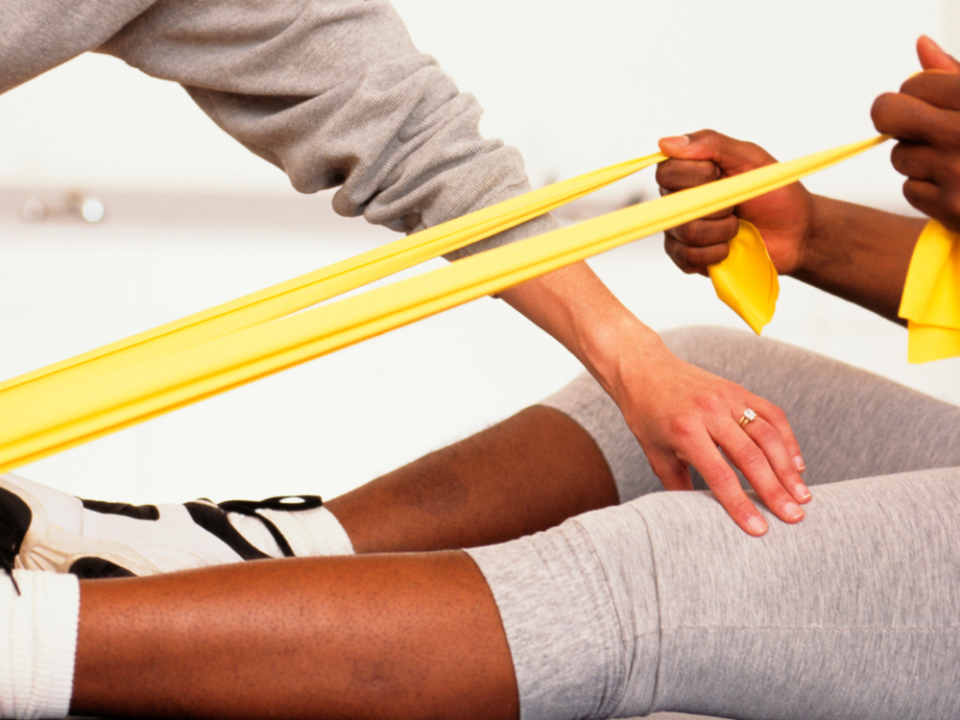
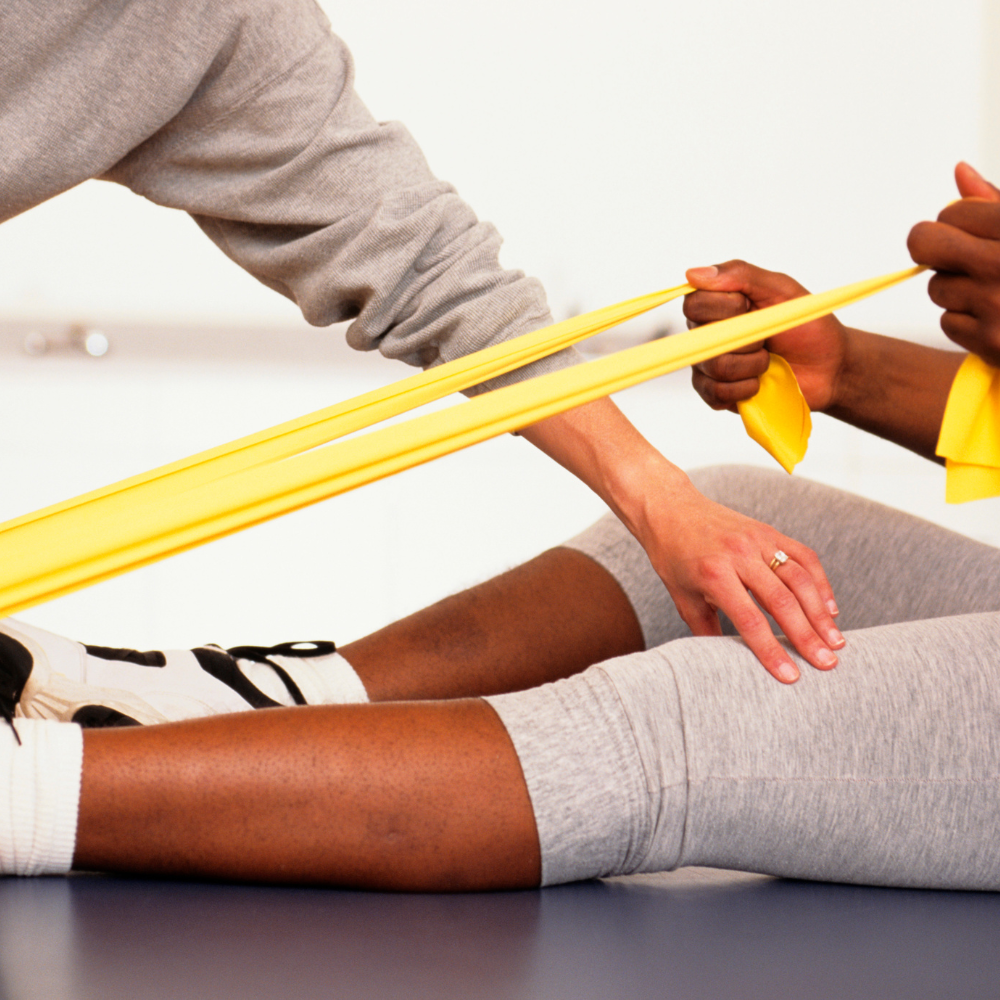
- Physical Therapy: This is the cornerstone of recovery. We often utilize Mayo Clinic Sports Medicine principles, specifically eccentric loading. This involves exercises where the muscle lengthens under tension (like slowly lowering a heel over the edge of a step). Research shows this is the most effective way to “remodel” the collagen in a damaged tendon.
- Medications: NSAIDs (Non-Steroidal Anti-Inflammatory Drugs) like ibuprofen or naproxen can help manage pain and swelling in the short term.
- Corticosteroid Injections: If pain is severe, a steroid shot into the tendon sheath (never directly into the tendon itself) can provide significant temporary relief. However, we use these sparingly, as too many injections can actually weaken the tendon.
- Regenerative Medicine: Options like PRP (Platelet-Rich Plasma) injections are becoming more common for chronic tendinopathy to jumpstart the body’s natural healing process.
| Feature | Acute Tendinite | Chronic Tendinopathy |
|---|---|---|
| Primary Cause | Sudden Overload | Repetitive Wear & Tear |
| Inflammation | High | Low to None |
| Best Initial Care | Ice & Rest | Heat & Eccentric Exercise |
| Recovery Time | 2-3 Weeks | 3-6 Months |
Recovery, Complications, and Prevention Strategies
Healing a tendon is a marathon, not a sprint. Because of that low blood supply we mentioned earlier, a mild case of tendinite typically takes about 2 to 3 weeks of dedicated rest and care to resolve. However, if you push through the pain and turn it into a chronic condition, you could be looking at several months of rehabilitation.
Possible Complications
If you ignore the warning signs, tendinite can lead to more serious issues:
- Tendon Rupture: A weakened, inflamed tendon can eventually snap or tear completely. This usually requires surgery and a very long recovery.
- Tendinosis: As the tendon loses its organized structure, it becomes permanently thickened and less flexible, leading to chronic pain and loss of strength.
- Calcium Deposits: Sometimes, the body responds to chronic irritation by depositing calcium in the tendon, which can cause sudden, excruciating “attacks” of pain.
Risk Factors to Watch
- Age 40+: As we age, our tendons lose elasticity and become more brittle.
- Occupational Hazards: Jobs involving vibration, repetitive reaching, or forceful exertion (like construction or assembly line work) are high-risk.
- Medications: Interestingly, certain antibiotics called fluoroquinolones have been linked to an increased risk of tendon rupture.
- Medical Conditions: Diabetes, obesity, and high cholesterol can all negatively impact tendon health.
How to Prevent a Comeback
Prevention is all about ergonomics and smart training.
- Warm-Up: Never jump into intense activity with “cold” tendons. Spend 5-10 minutes doing dynamic movements.
- Ergonomic Adjustments: If you work at a desk, ensure your keyboard and mouse are at heights that don’t force your wrists into awkward angles.
- Cross-Training: If you are a runner, mix in low-impact activities like swimming or cycling to give your Achilles a break.
- Strengthen the “Support Crew”: Strengthening the muscles around the tendon helps take some of the mechanical load off the tendon itself.
Conclusion
Tendinite might be a common “pesky” problem, but it doesn’t have to sideline you forever. By catching the symptoms early, applying the RICE protocol, and seeking professional guidance when the pain persists, you can return to the activities you love without the nagging ache.
At the Center for Specialty Care, we pride ourselves on offering comprehensive orthopedic and pain management services to our neighbors in Fairmont, MN, Estherville, IA, and the surrounding areas. Whether you need a customized physical therapy plan or advanced surgical intervention, our goal is 100% patient satisfaction through personalized care. We know that when you’re in pain, you don’t want to wait weeks for an answer, which is why we prioritize quick appointment availability.
If you are struggling with joint pain that won’t quit, visit Center for Specialty Care Orthopedics to see how we can help you get back in the game.
When to See a Professional for Tendinite
Self-care is great, but you should call us or see a healthcare provider if:
- You have a fever over 100°F (38°C) along with the joint pain (this could indicate an infection).
- You are unable to move the affected joint at all.
- Your symptoms haven’t improved after a few days of rest and icing.
- You felt a sudden “pop” or “snap” followed by severe pain (suspected rupture).
How long does it take for a tendon to heal?
For mild cases where you stop the activity immediately, you can expect to feel better in 2-3 weeks. For severe or chronic cases where the tendon structure has begun to change, it often takes 3 to 6 months of consistent physical therapy to fully restore the tendon’s strength. Rest is the most important ingredient in this timeline!
Can I prevent tendinitis from returning?
Yes! The key is a “slow and steady” approach. Always incorporate stretching and strengthening exercises into your routine. Focus on proper technique—whether you’re swinging a golf club or lifting a box at work. Take regular rest breaks during repetitive tasks and ensure you’re using supportive equipment, like the right athletic shoes or an ergonomic mouse.