
Left-Sided Scapula Pain Explained and When It’s Not Just a Muscle Strain
August 13, 2026
The Best Exercises to Release Knots Under Your Shoulder Blade
August 18, 2026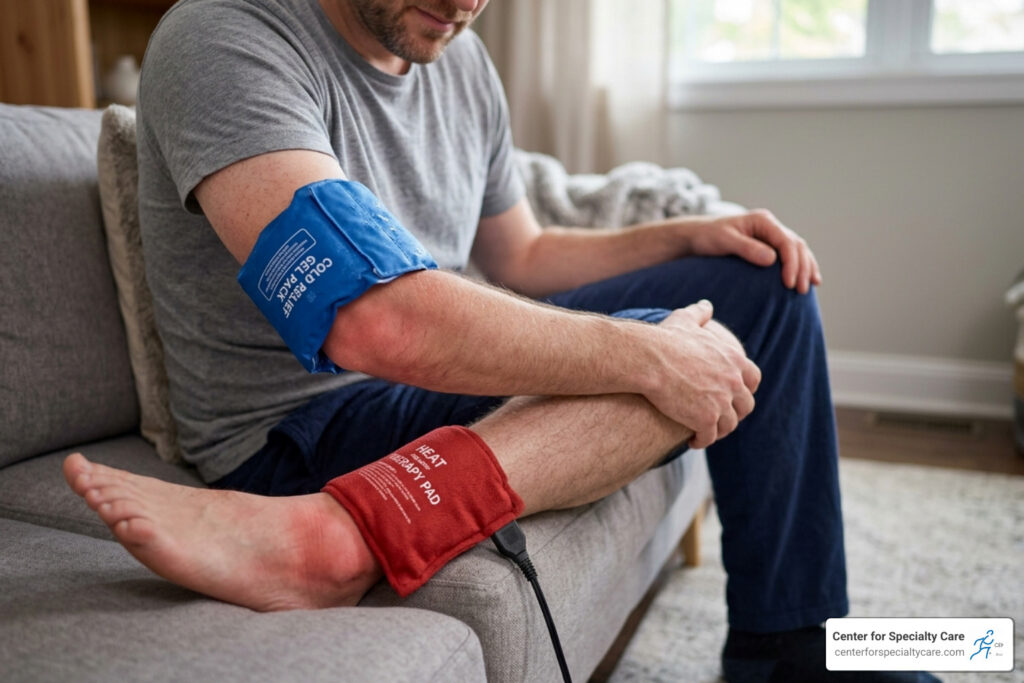
The Great Debate on Whether Heat or Ice is Better for Tendon Pain
Is Heat or Ice Better for Tendon Pain? Here’s What You Need to Know First
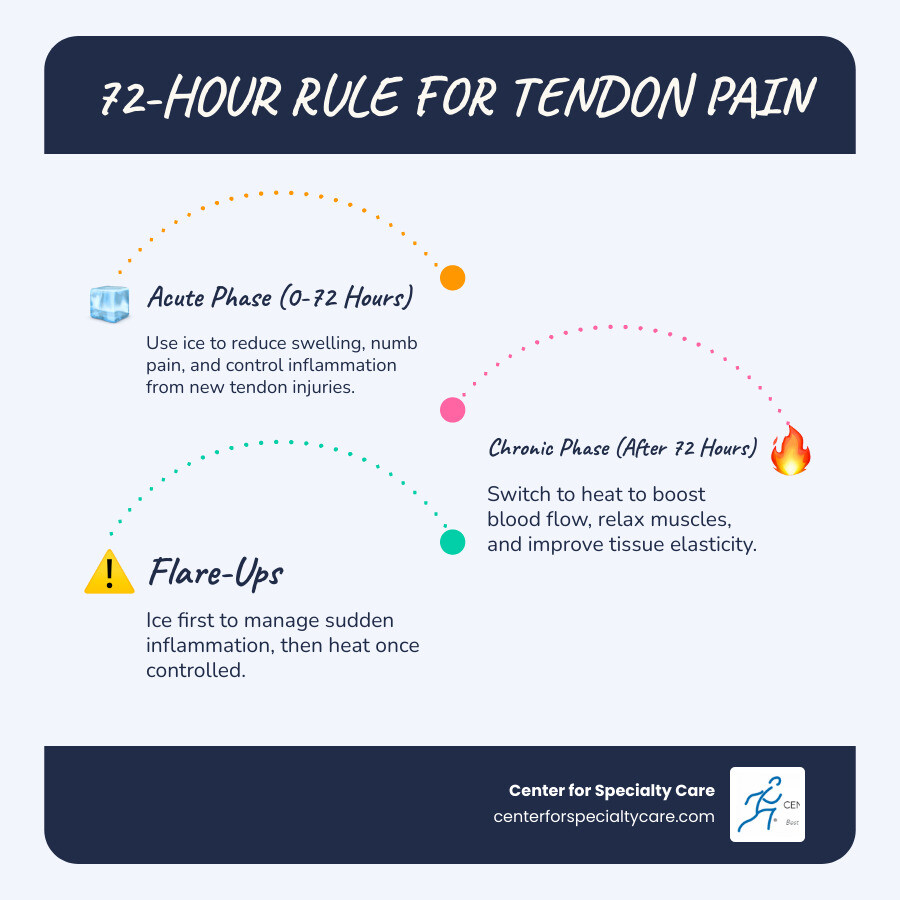
Is heat or ice better for tendon pain depends on one key factor: how long you’ve had the pain.
| Situation | Use | Why |
|---|---|---|
| Pain started in the last 72 hours | Ice | Reduces swelling and numbs acute pain |
| Pain has lasted more than a few days to weeks | Heat | Boosts blood flow and relaxes tight tissue |
| Chronic pain (3+ months) | Heat | Promotes circulation in damaged tendons |
| Sudden flare-up of an old injury | Ice first | Controls inflammation before switching to heat |
Tendon pain is frustrating — whether it’s a sharp ache in your Achilles, a nagging elbow, or a stiff shoulder that won’t quit. Reaching for ice or heat feels like the obvious first step. But using the wrong one at the wrong time can slow your recovery instead of helping it.
The answer isn’t one-size-fits-all. It depends on whether your tendon is inflamed (acute) or degenerating (chronic) — two very different problems that need different approaches.
I’m Dr. Corey Welchlin, a board-certified orthopedic surgeon and sports medicine physician with over 30 years of experience treating tendon injuries at the Center for Specialty Care in Fairmont, Minnesota — and the question of is heat or ice better for tendon pain is one I hear from patients constantly. Let me walk you through exactly what the evidence says so you can make the right call for your injury.
Key is heat or ice better for tendon pain vocabulary:
Understanding Your Injury: Tendonitis vs. Tendinosis
Before we can settle the debate on whether to reach for the frozen peas or the heating pad, we have to look at what is actually happening inside your body. Not all tendon pain is created equal. In fact, the medical community distinguishes between two primary types of tendon conditions: tendonitis and tendinosis.
What is Tendonitis? (The “Itis” Phase)
The suffix “-itis” means inflammation. When you experience a sudden injury—perhaps you spent the weekend overdoing it on the tennis court or lifted something heavy with poor form—your body responds with acute inflammation. This is tendonitis. The tendon becomes red, swollen, and painful. This stage typically lasts from a few days up to about three months. According to the Mayo Clinic, this is often the result of repetitive motions or sudden stress on the tissue.
What is Tendinosis? (The Chronic Phase)
If your tendon pain has been lingering for more than three months, you likely aren’t dealing with inflammation anymore. You are likely dealing with tendinosis. In this state, the collagen fibers that make up the tendon begin to deteriorate. The “healing” process has essentially stalled or failed. There is often no redness or heat in the area, just a deep, persistent ache and significant stiffness.
Why the Distinction Matters for Treatment
Treating tendinosis (chronic) with the same methods used for tendonitis (acute) is a common mistake. If you keep icing a chronic injury that needs blood flow to heal, you might actually be hindering your progress. Conversely, applying heat to a brand-new, throbbing injury can increase swelling and make the pain worse.
| Feature | Tendonitis (Acute) | Tendinosis (Chronic) |
|---|---|---|
| Primary Issue | Active Inflammation | Collagen Deterioration |
| Duration | 0 to 3 Months | 3+ Months |
| Signs | Redness, Heat, Swelling | Stiffness, Dull Ache |
| Goal of Therapy | Reduce Swelling/Pain | Increase Blood Flow/Elasticity |
| Best Temperature | Ice | Heat |
When is Ice Better for Tendon Pain?
When asking is heat or ice better for tendon pain, ice is the undisputed champion for any injury that is “fresh.” If the injury happened within the last 48 to 72 hours, cold therapy is your best friend.
How Ice Works: Vasoconstriction
When you apply ice to an injured area, it causes the blood vessels to narrow—a process called vasoconstriction. This limits the amount of blood and fluid that can rush to the site of the injury, which directly reduces swelling and bruising. Furthermore, ice has a natural “numbing” effect on the local nerves, providing significant pain relief without the need for medication.
The R.I.C.E. Method
Ice is most effective when used as part of the R.I.C.E. protocol:
- Rest: Stop the activity that caused the pain.
- Ice: Apply cold therapy to the area.
- Compression: Use a bandage to help manage swelling.
- Elevation: Keep the injured limb above the level of your heart.
How to Safely Apply Ice for Tendon Pain
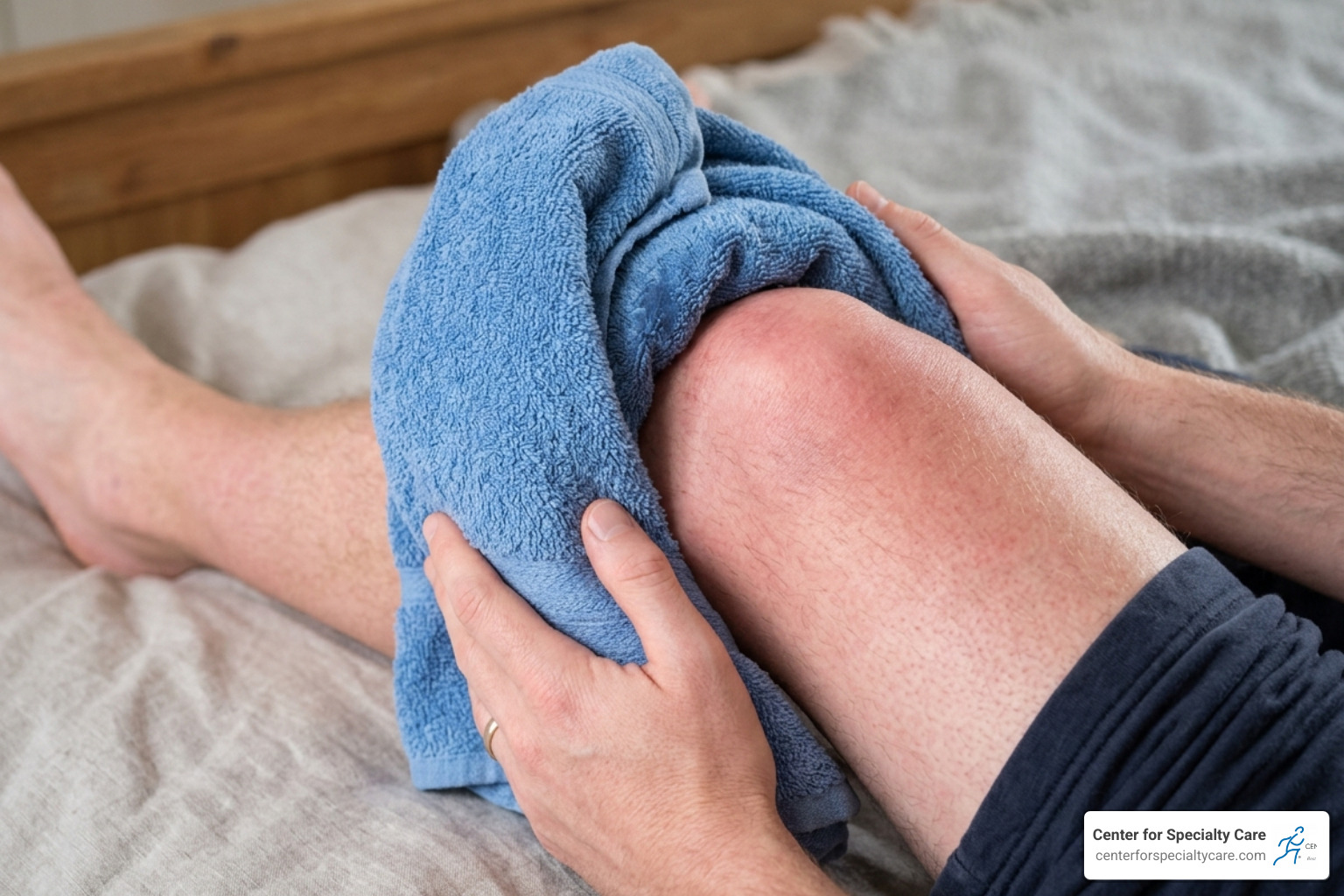
While ice is safe, it isn’t foolproof. You can actually “burn” your skin with cold if you aren’t careful. To get the benefits of is heat or ice better for tendon pain while staying safe, follow these rules:
- The 15-20 Minute Rule: Never leave ice on for longer than 20 minutes at a time. After 20 minutes, your skin needs a break to return to its normal temperature.
- Use a Barrier: Always wrap your ice pack or bag of frozen vegetables in a thin towel. Direct contact between ice and skin can lead to frostbite or “ice burns.”
- Intervals: Apply ice every 4 to 6 hours during the first two to three days of an injury.
- Precautions: If you have Raynaud’s syndrome (which affects circulation to the fingers and toes) or neuropathy (nerve damage often associated with diabetes), be extremely cautious with ice, as you may not be able to feel if the skin is becoming too cold.
When is Heat Better for Tendon Pain?
As we move into April 2026, the latest sports medicine research continues to emphasize that heat is the go-to for chronic, nagging pain. If your tendonitis has turned into tendinosis, or if you have a “stiff” joint that hurts more in the morning but feels better once you move around, heat is likely the answer.
How Heat Works: Vasodilation
Heat does the opposite of ice. It causes blood vessels to expand (vasodilation), which floods the area with oxygenated, nutrient-rich blood. Since tendons naturally have a poor blood supply compared to muscles, this extra circulation is vital for repairing damaged collagen.
Heat also increases the elasticity of the connective tissue. This is why many athletes find that applying heat before a workout helps “loosen” the tendon and reduces the risk of further irritation during exercise.
Best Practices for Using Heat for Tendon Pain
When choosing is heat or ice better for tendon pain in a chronic setting, how you apply the heat matters.
- Moist Heat is Best: A warm, damp towel or a hot bath is often more effective than “dry” heat from an electric pad because it penetrates deeper into the tissue.
- Duration: Apply heat for 15 to 20 minutes. For severe stiffness, some people find relief with sessions up to 30 minutes, provided the temperature is moderate and not scalding.
- Avoid Acute Flares: If your chronic injury suddenly flares up and becomes swollen or hot to the touch, stop using heat immediately and switch back to ice for 48 hours.
- Don’t Sleep with Heat: To avoid skin burns, never fall asleep while using a heating pad.
If you are dealing with persistent pain that hasn’t responded to these home methods, you may want to explore our Pain Management services for more advanced options like injections or specialized physical therapy.
Advanced Recovery and Professional Intervention
Sometimes, the debate of is heat or ice better for tendon pain ends in a tie. In these cases, we often recommend contrast therapy—alternating between heat and ice. This creates a “pumping” action in the blood vessels (narrowing then expanding), which can help clear out lingering metabolic waste and bring in fresh blood. This is particularly useful for athletes in the mid-stages of recovery.
The Role of Aging and Repetitive Motion
As we age, our tendons naturally lose some of their flexibility and water content. This makes them more prone to the “micro-tears” that lead to chronic pain. Whether you live in Fairmont, MN, or Estherville, IA, repetitive motions—from assembly line work to gardening—can take a toll over time.
When conservative measures like ice and heat aren’t enough, it may be time to look at surgical or minimally invasive options. Our team is highly experienced in General Surgery and advanced procedures like Tightrope Surgery, which can provide stability to joints where tendons have failed.
Frequently Asked Questions about Tendon Pain
Can I use heat on a brand-new tendon injury?
We strongly advise against this. Applying heat to a brand-new injury (within the first 48 hours) can increase the inflammatory response, leading to more swelling, more pressure on the nerves, and ultimately, more pain. Stick to ice for the first three days.
Does ice or heat directly speed up the biological healing of a tendon?
Interestingly, neither ice nor heat directly heals the tendon tissue. Ice manages the symptoms of inflammation, while heat creates an environment (increased blood flow) that is more conducive to healing. The actual healing comes from rest, proper nutrition, and progressive strengthening through physical therapy.
When should I stop home treatment and see a specialist?
You should consult a medical professional if:
- The pain is so severe you cannot bear weight or move the joint.
- The joint looks visibly deformed.
- You heard a “pop” or “snap” at the time of injury.
- Your symptoms do not improve after 72 hours of home care.
- The pain keeps you awake at night.
Conclusion
At the Center for Specialty Care, we understand that every patient’s journey is different. Whether you are an athlete in Fairmont trying to get back on the field or a grandparent in St. James wanting to garden without pain, we are here to help.
The question of is heat or ice better for tendon pain is a great starting point, but it’s often just the first step. Our clinic offers personalized care with a focus on 100% patient satisfaction. We pride ourselves on our quick appointment availability, ensuring you don’t have to wait weeks to find relief. From non-surgical pain management to advanced orthopedic surgery, our team in Minnesota and Iowa is dedicated to your recovery.
Don’t let tendon pain dictate your lifestyle. If home remedies aren’t cutting it, it’s time for a professional opinion. Schedule a consultation at Center for Specialty Care today and let’s get you back to the activities you love.