
Beyond the Ache: Unpacking the Purpose and Process of Pain Management Clinics
January 29, 2026
From Rotator Cuffs to Tendons: Your Guide to Shoulder Health and Common Issues
January 31, 2026
How to relieve stress: Top 3 Serene Strategies
Why Learning How to Relieve Stress Matters
How to relieve stress is one of the most important skills you can develop for both your physical and mental health. Whether you’re dealing with tension headaches, muscle pain, or simply feeling overwhelmed, stress affects millions of people every day—and lengthy exposure can lead to serious health problems like anxiety, depression, cardiovascular disease, and chronic pain conditions.
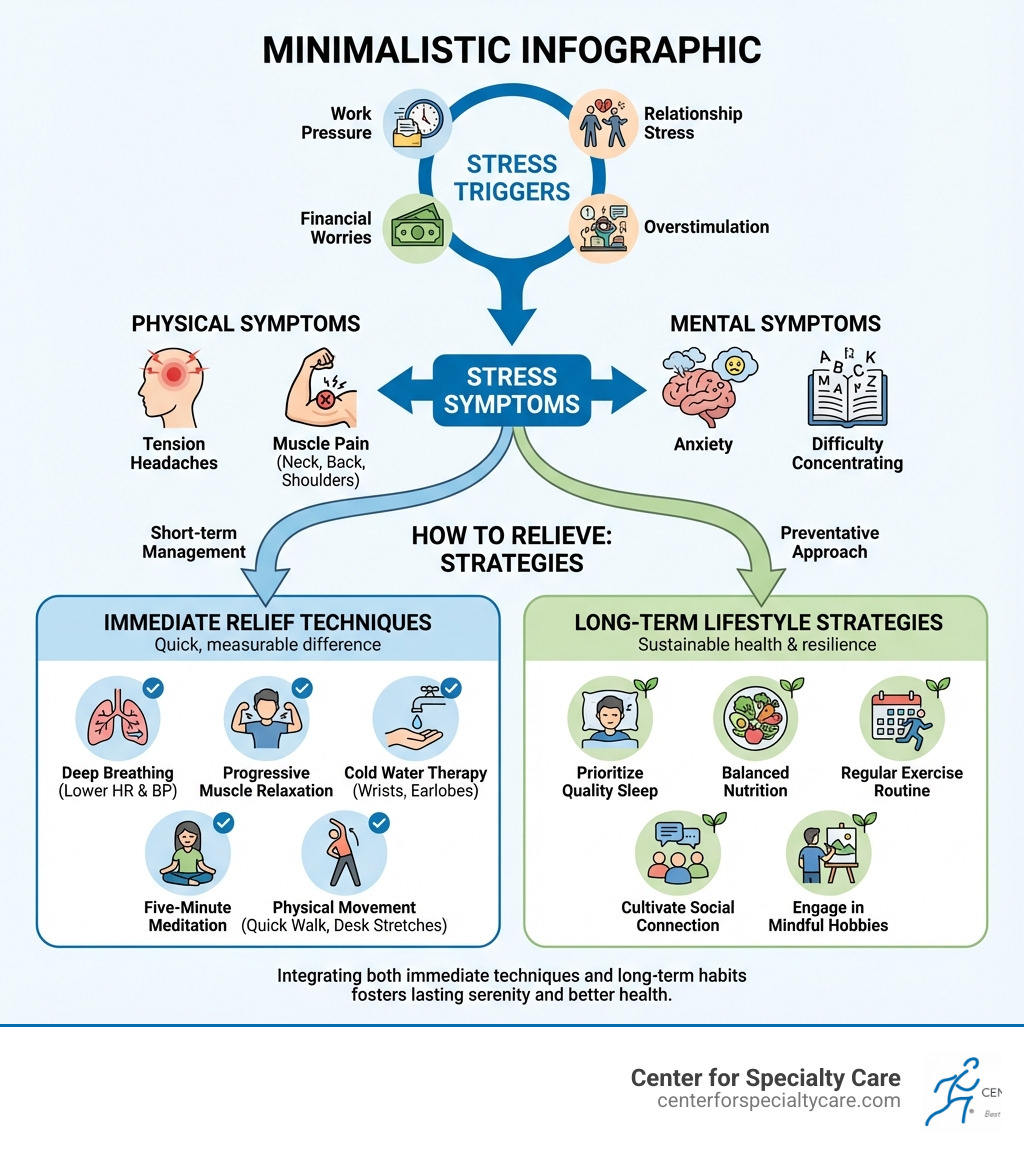
Quick ways to relieve stress include:
- Deep breathing – Slow, deep breaths lower blood pressure and heart rate in minutes
- Progressive muscle relaxation – Tense and release muscle groups to achieve calm
- Cold water therapy – Apply cold water to wrists and behind earlobes to cool major arteries
- Five-minute meditation – Brief silent meditation can relieve stress and depression
- Physical movement – A quick walk or desk stretches release tension immediately
- Chewing gum – Just a few minutes reduces anxiety and lowers cortisol levels
- Social connection – Talking to a friend or family member provides instant support
The good news? You don’t need hours of free time or expensive tools to find relief. Research shows that just five minutes of focused attention—whether through breathing exercises, meditation, or simply closing your eyes in a quiet space—can make a measurable difference in your stress levels.
Stress serves an important biological purpose, enabling us to respond quickly to threats. But when stress becomes chronic, it interferes with your ability to heal from physical illness, disrupts sleep, and can manifest as real, persistent pain in your body—especially in areas like your neck, shoulders, and back.
I’m Dr. Corey Welchlin, a board-certified orthopedic surgeon and founder of Center for Specialty Care, where I’ve spent over 30 years helping patients understand how to relieve both the physical and mental toll of chronic stress-related conditions. Throughout my practice, I’ve seen how stress amplifies pain and how effective stress management becomes a crucial part of the healing process.
How to relieve glossary:
The Physical and Mental Toll of Chronic Stress
We all experience stress, but when it becomes a constant companion, it can take a serious toll on our physical and mental well-being. Recognizing the signs of excessive stress is the first step in learning how to relieve its grip on our lives.
Signs of excessive stress often include:
- Physical symptoms: Persistent headaches, muscle tension (especially in the neck and shoulders), digestive issues, fatigue, and frequent illness.
- Mental symptoms: Anxiety, irritability, difficulty concentrating, feeling overwhelmed, and a general sense of being out of control.

How Stress Affects Your Body
Chronic stress isn’t just “in your head”—it manifests physically in numerous ways. Our bodies are designed to handle short bursts of stress, but lengthy exposure can lead to a breakdown of systems, making it harder for us to heal and function optimally.
One of the most common physical manifestations we see are tension headaches. These are the most prevalent type of headache, often directly linked to stress and muscle tension. They typically start slowly, causing a dull ache on both sides of the head, often described as a tight band or vice around the head. Unlike migraines, they usually don’t come with nausea, vomiting, or sensitivity to light, but they can be incredibly disruptive.
Beyond headaches, stress contributes to chronic muscle pain. When we’re stressed, our muscles tense up, and if this tension persists, it can lead to stiffness, soreness, and even conditions like a stiff neck after waking up. We often see this in the neck and shoulders, where tight muscles can restrict movement and cause ongoing discomfort.
Stress also impacts our digestive system, contributing to issues like irritable bowel syndrome (IBS). The gut-brain connection is strong, and when our minds are under pressure, our stomachs often feel it too. Furthermore, prolonged stress can lead to a weakened immune system, making us more susceptible to colds, flu, and other infections. Our body’s resources are diverted to deal with the perceived threat, leaving less for immune defense.
Perhaps most concerning, chronic stress is linked to an increased risk of cardiovascular disease. The constant activation of the body’s stress response can lift blood pressure and heart rate, contributing to long-term heart health problems. It’s a clear reminder that managing stress is not just about feeling better, but about protecting our physical health.
The Impact on Your Mental Well-being
The mental toll of chronic stress can be just as debilitating as the physical. It can warp our perspective, cloud our judgment, and make everyday tasks feel impossible.
Anxiety is a common companion to stress, characterized by persistent worry, nervousness, and an inability to relax. This can escalate into anxiety disorders if left unaddressed. Similarly, depression can emerge or worsen under the weight of chronic stress, leading to feelings of sadness, hopelessness, and a loss of interest in activities we once enjoyed. Even naturally occurring substances like L-Theanine, found in green tea, can help to relieve anger, a common emotional byproduct of stress.
Stress also frequently manifests as irritability, making us short-tempered and less patient with others. We might find ourselves struggling with difficulty concentrating, making it hard to focus at work or even enjoy a book. This often goes hand-in-hand with a pervasive feeling of being overwhelmed, where the sheer volume of tasks or responsibilities feels too much to handle.
This prolonged mental strain can lead to burnout, a state of emotional, physical, and mental exhaustion caused by excessive and prolonged stress. It’s a sign that our coping mechanisms are no longer sufficient, and it’s a critical point to recognize that we need to actively seek ways to manage and how to relieve this intense pressure.
Quick Relief: How to Relieve Stress in Minutes
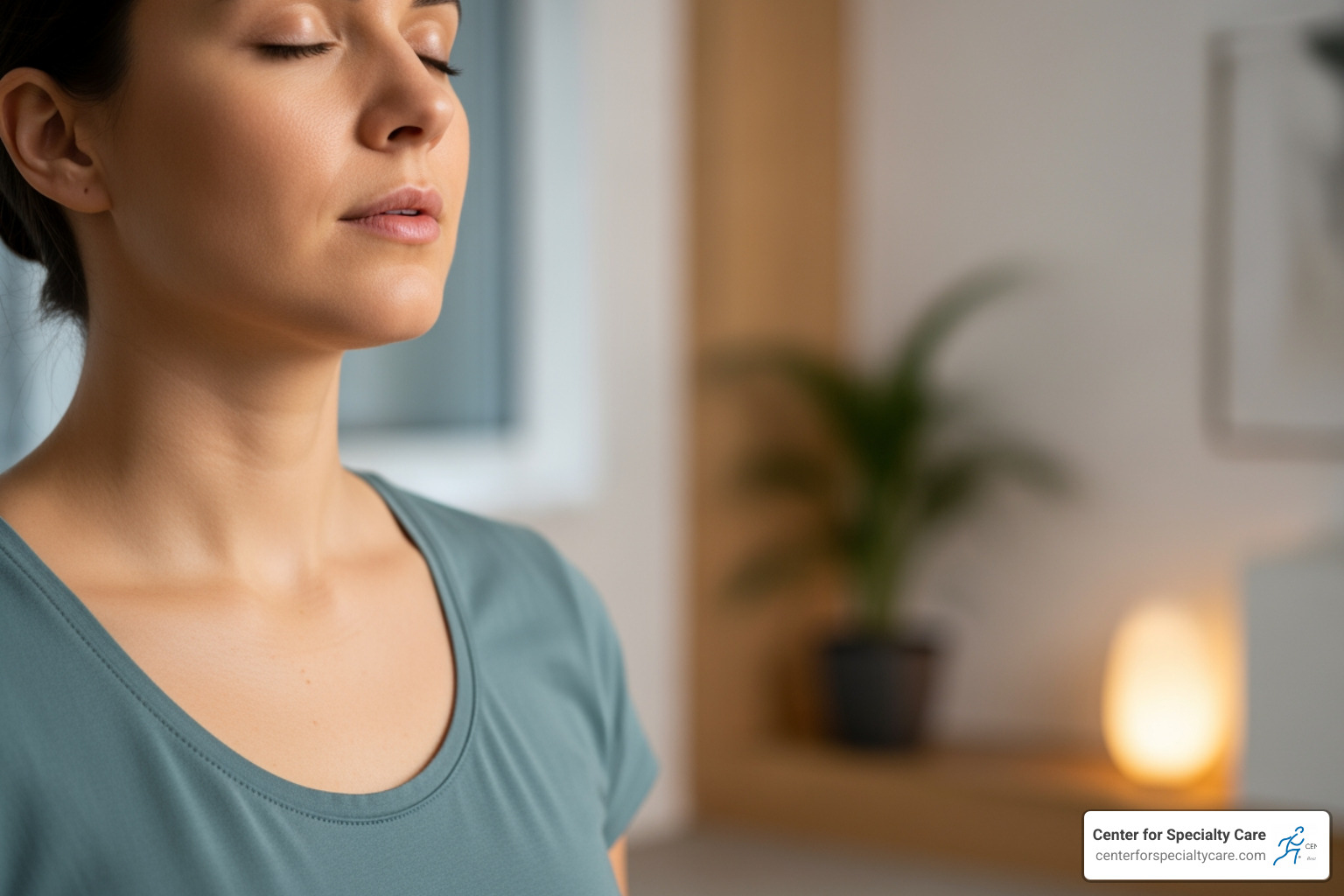
Sometimes, stress hits hard and fast, leaving us needing an immediate escape. The good news is that we have an arsenal of quick, effective techniques to help us find calm in just a few minutes. These immediate strategies focus on sensory grounding and shifting our physiological and psychological states to how to relieve acute stress.
How to Relieve Physical Tension Instantly
Physical tension is a hallmark of stress, often tightening our muscles and making us feel rigid. Here are some quick ways we can ease that physical grip:
- Deep breathing: This is a powerhouse technique. Slow, deep breaths can rapidly lower our blood pressure and heart rate. We can try methods like pranayama breathing, a yogic technique involving breathing through one nostril at a time, which is believed to balance the mind and body and relieve anxiety.
- Progressive muscle relaxation: This involves systematically tensing and then relaxing different muscle groups in our body. We can start with our feet, squeeze them tight for a few seconds, then release and feel the tension melt away. We move up through our body, tensing and relaxing, to achieve a state of calm.
- Quick desk stretches: If we’re stuck at a desk, a quick stretch can do wonders. Standing up for a few moments to roll our shoulders, stretch our neck from side to side, or do a chest-opening stretch right from our chair can relieve muscle tension and help us relax during a stressful workday.
- Self-hand massage: When a professional masseuse isn’t available, we can give ourselves a hand massage. Our hands often carry a lot of tension. Applying some lotion and kneading the base of the muscle under the thumb can provide instant relaxation that calms a pounding heart.
- Applying cold water to wrists: This might sound unusual, but it’s surprisingly effective. When stress hits, we can head to the bathroom and drop some cold water on our wrists and behind our earlobes. Major arteries run right underneath the skin in these areas, so cooling them can help calm our entire body.
How to Relieve Mental Overwhelm Quickly
Mental overwhelm can make us feel scattered and unable to think clearly. These quick techniques can help us regain focus and clarity:
- Five-minute meditation: We don’t need to be a guru to meditate. Just five minutes of quiet peace is enough to reap the benefits. There’s evidence that even two quick bouts of silent meditation per day can relieve stress and depression. We can find a comfortable spot, focus on our breath, and let anxieties gently fade.
- Counting backwards: When worries are running rampant, we can try slowly counting to 10 and then back again. It’s harder to freak out about an upcoming deadline or a difficult conversation when we’re busy remembering what number comes before seven.
- Chewing gum to reduce anxiety: Believe it or not, a stick of gum is a surprisingly quick and easy way to beat stress. Just a few minutes of chewing can actually reduce anxiety and lower cortisol levels, no matter the flavor.
- Listening to a favorite song: Music has a powerful impact on our mood. Whether we’re belting out lyrics to the car radio or just listening in a public place, music can be a quick fix for a bad mood. Classical music can be especially relaxing.
- Journaling one thought: We don’t need to write a whole novel. Sometimes, we just need an outlet for one or two overwhelming thoughts. Putting our emotions on paper, even just a sentence or two, can make them seem less intimidating and provides a healthy way to express what we’re feeling.
Building Resilience: Long-Term Stress Management Habits
While quick fixes are great for immediate relief, true serenity comes from building resilience. This means incorporating lifestyle choices and proactive strategies into our daily lives that help us manage stress more effectively over the long term. It’s about developing coping mechanisms that strengthen our physical and mental armor against life’s inevitable challenges.
The Role of Diet, Exercise, and Sleep
Our daily habits profoundly impact our ability to handle stress. Focusing on these three pillars can dramatically improve our resilience.
- Healthy diet: What we eat fuels our body and mind. Consuming a healthy, balanced diet rich in fresh fruits, vegetables, and whole grains can significantly help us how to relieve stress. We should aim for nutrient-dense foods that stabilize our blood sugar and provide sustained energy.
- Stress-reducing foods: Some foods are particularly helpful. Just a square (about 1.4 ounces) of dark chocolate can calm our nerves by regulating levels of the stress hormone cortisol and stabilizing metabolism. Green tea contains L-Theanine, a chemical known to help relieve anger and promote relaxation. Even a spoonful of honey can provide compounds that reduce inflammation in the brain, potentially fighting depression and anxiety.
- Regular physical activity: Exercise is a natural stress reliever. Aerobic exercise has been shown to release endorphins—natural substances that make us feel better and maintain a positive attitude. Whether it’s noncompetitive aerobic exercise, strengthening with weights, or movement activities like yoga or Tai Chi, setting reasonable goals and getting active helps. A quick stroll around the block or a longer hike outside not only provides physical activity but also alone time and a chance to gather our thoughts. For tips on managing pain from exercise, we can find further guidance.
- Sleep hygiene: Quality sleep is non-negotiable for stress management. Most adults need about 7 to 9 hours of sleep each night. Stress gets amplified when we don’t get enough sleep, creating a vicious cycle. Establishing a quiet, relaxing bedtime routine, ensuring our sleep area is cool, dark, and quiet, and sticking to a regular schedule can make a huge difference.
Cultivating a Resilient Mindset
Beyond physical habits, our mindset plays a crucial role in how we perceive and react to stressors.
- Mindfulness practice: Incorporating mindfulness and meditation into our daily lives can significantly reduce stress. We can choose from a variety of relaxation techniques such as deep breathing, guided imagery, progressive muscle relaxation, and mindfulness meditation. The key is consistent practice, even for a few minutes each day.
- Setting boundaries: It’s okay—and healthy—to say “no” to demands on our time and energy that will place too much stress on us. Learning to assert ourselves and set boundaries prevents resentment and helps us protect our well-being. We can’t be 100% successful at everything all at once, and accepting this is a step towards a healthier mindset.
- Time management skills: Feeling overwhelmed by too many demands and too little time can cause chronic stress. We can free up time by practicing time-management skills like asking for help when appropriate, setting priorities, pacing ourselves, and reserving time for self-care.
- The power of social connection: It can be easy to avoid others when we’re feeling stressed, but spending time with or talking to our family and friends can significantly reduce stress and lift our spirits. In fact, research suggests more talkative folks tend to be happier in general.
- Engaging in hobbies: Activities that bring us joy and allow for creative expression can be powerful stress reducers. Music therapy, whether it’s belting out tunes or listening to classical music, can ease anxiety and lower heart rate and blood pressure. Being around any animal, not just dogs and cats, can help reduce our stress levels by decreasing the body’s cortisol production.
- Laughter as medicine: Laughter truly is one of the best medicines. Whether it’s a giggle or a full fit of hysterics, getting some laughs in can lower our stress levels, increase blood flow, boost immunity, and leave us feeling more relaxed and in a better mood.
When to Seek Professional Help for Stress
While self-care and lifestyle adjustments are incredibly powerful, there are times when stress becomes too much to handle on our own. Recognizing the limits of self-care and understanding when to seek professional help is a sign of strength, not weakness. There are common misconceptions that asking for help means we’ve failed, but in reality, it’s a proactive step towards long-term well-being.
Signs You May Need Support
It’s important to pay attention to these indicators:
- Coping techniques are not working: If we’ve tried various self-help strategies, but they aren’t providing sufficient relief, or if we feel overwhelmed or trapped despite our best efforts, it might be time for professional guidance.
- Stress is impacting daily routines: When stress makes it difficult to carry out daily tasks, affects our work performance, or strains our relationships, it’s a clear signal that we need additional support.
- Feeling constantly overwhelmed or trapped: A persistent sense of being overwhelmed, unable to cope, or feeling trapped in our circumstances can indicate a need for professional intervention.
- Worsening physical symptoms like chronic pain or frequent headaches: Lengthy exposure to stress can lead to increased physical health problems such as cardiovascular disease, irritable bowel syndrome, or persistent musculoskeletal pain. If stress is amplifying our physical symptoms, like tension headaches or chronic pain in the neck and shoulders, we should seek expert advice.
Who to Talk To
If we’re experiencing persistent or overwhelming stress, there are several avenues for support right here in Minnesota and Iowa:
- Primary healthcare provider: Our family doctor or primary healthcare provider is often the first point of contact. They can assess our overall health, rule out any underlying medical conditions, and provide initial guidance or referrals. They might also discuss supplements like melatonin, magnesium, ashwagandha, L-theanine, and B vitamins, though we should always do our research and consult a healthcare provider, as these are not FDA regulated.
- Specialists at Center for Specialty Care: When stress manifests as persistent physical pain, especially in the neck, shoulders, or other joints, specialists like those at Center for Specialty Care can help. We can diagnose and treat the physical symptoms of stress, such as chronic muscle tension, headaches, and joint pain.
- Talk therapy and counseling services: A mental health specialist may recommend talk therapy or other coping tools. Therapists can provide strategies to manage stress, anxiety, and depression.
- When stress causes persistent physical pain: Increased stress levels can interfere with our ability to deal with physical illness and can exacerbate existing pain conditions. For these kinds of issues, specialized pain management services at Center for Specialty Care can offer targeted treatments and relief strategies.
Frequently Asked Questions about Stress Relief
Is all stress bad for you?
Not at all! It might sound counterintuitive, but not all stress is bad. There’s a type of “good stress” called eustress. This is the kind of stress that motivates us, sharpens our focus, and helps us perform better, like the excitement before a big presentation or the adrenaline rush during a challenging workout. Short-term stress serves an important purpose—it enables us to respond quickly to threats and avoid danger, activating our natural fight-or-flight response.
However, the danger lies in chronic stress, or distress. When we’re exposed to stress for lengthy periods, it can lead to mental health difficulties like anxiety and depression, or increased physical health problems such as cardiovascular disease and irritable bowel syndrome (IBS). So, while a little stress can be a good thing, a lot of it for a long time is definitely not.
Can supplements really help with stress?
The world of supplements for stress relief is a popular one. We may have heard about potential benefits from supplements like melatonin, magnesium, ashwagandha, L-theanine (found in green tea), and B vitamins. Some people report positive effects, such as improved sleep or reduced anxiety.
However, it’s crucial to understand that these supplements are generally not regulated by the FDA in the same way prescription medications are. This means their purity, potency, and effectiveness can vary widely. We always recommend doing thorough research and, most importantly, consulting with a healthcare provider before starting any new supplement regimen. They can help us understand potential interactions with other medications we might be taking and advise whether a particular supplement is appropriate for our individual health needs.
What is the single most effective stress relief technique?
If only there were one magic bullet! The truth is, there’s no single most effective stress relief technique that works for everyone. We are all unique, and what brings profound calm to one person might not resonate with another. Individual variability plays a huge role.
However, if we had to pick a universal starting point, deep breathing techniques are incredibly powerful and accessible to everyone. Slow, deep breaths can almost instantly help lower blood pressure and heart rate, providing a quick physiological shift towards calm. Beyond that, the best approach often involves combining techniques that resonate with us. We encourage experimenting with different methods—from meditation and physical activity to social connection and engaging hobbies—to find what truly helps us how to relieve stress effectively.
Conclusion
Learning how to relieve stress is a journey, not a destination. We’ve explored a wide array of strategies, from quick fixes that can bring immediate calm in minutes to long-term habits that build lasting resilience. Chronic stress often manifests as physical pain, particularly in areas like the neck and shoulders, and it can significantly interfere with our overall health and quality of life.
If you find that your coping techniques aren’t enough, or if stress is causing persistent physical symptoms that impact your daily life, the specialists at Center for Specialty Care are here to help. We understand the intricate connection between stress and physical pain, and we can help diagnose and treat the source of your discomfort, guiding you towards a more serene and pain-free life.