
The Complete Guide to IV Drip Therapy Benefits
August 20, 2026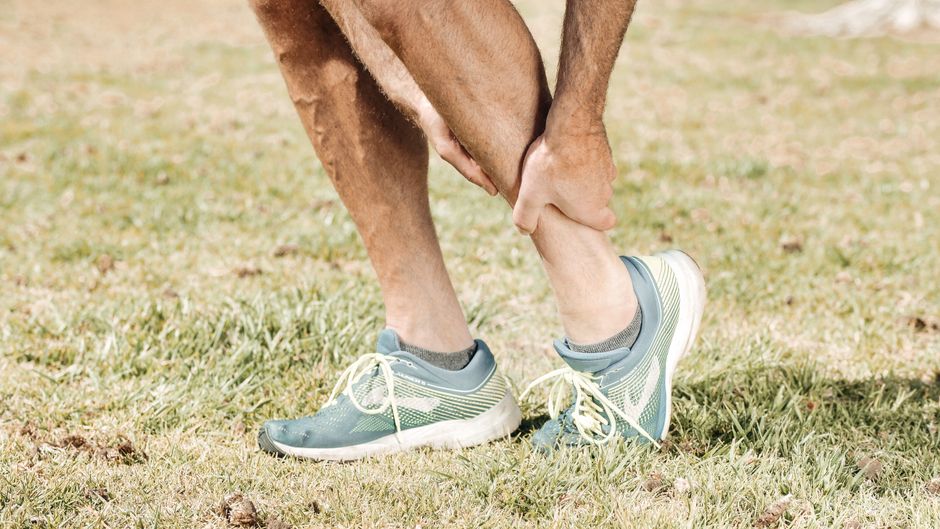
The Best Way to Treat Achilles Pain with Heat or Cold
Should You Use Heat or Cold for Achilles Pain?
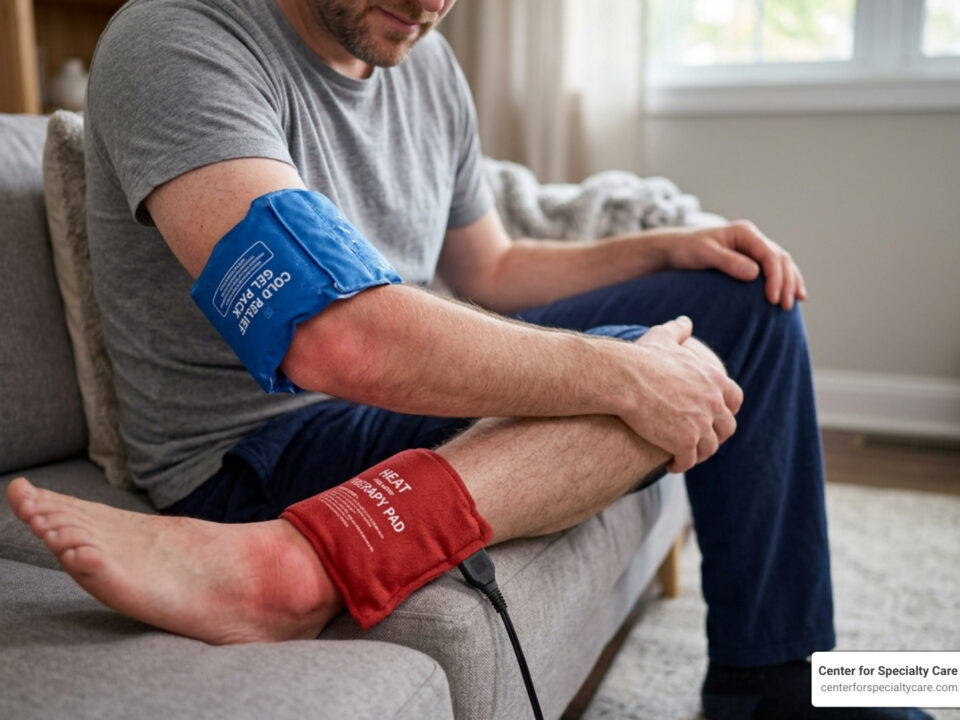
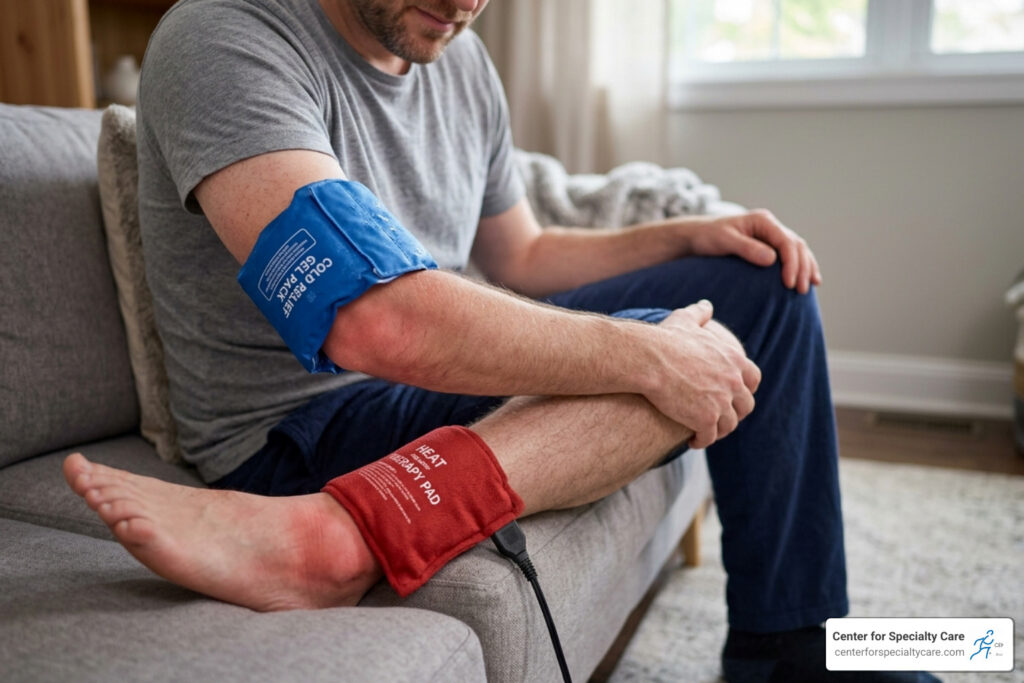
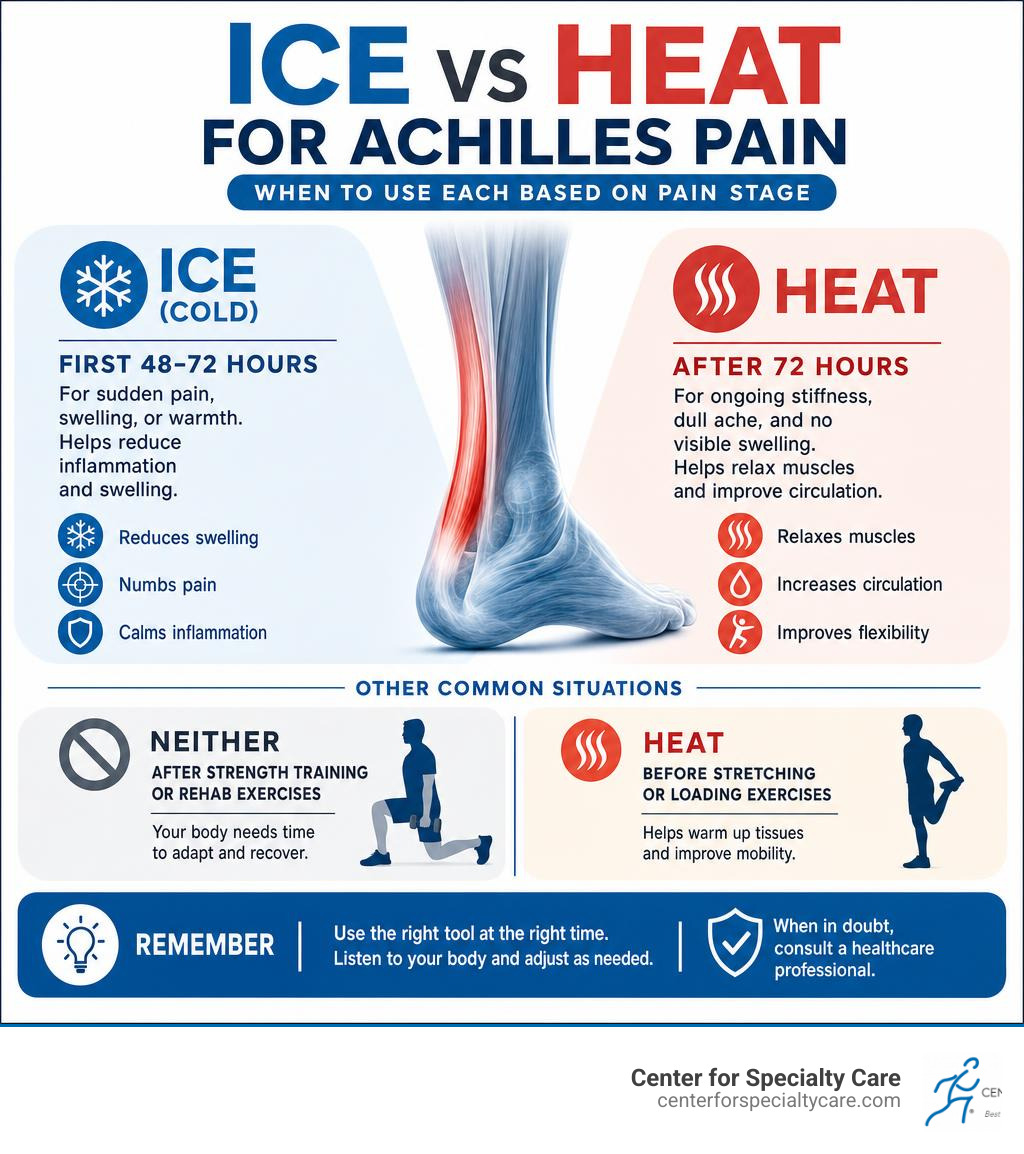
Choosing between heat or cold for Achilles pain is one of the most common questions people face after a flare-up — and the answer depends on one key factor: how long you’ve had the pain.
Quick Answer:
| Situation | Use |
|---|---|
| Sudden pain, swelling, or warmth (first 48-72 hours) | Cold (ice) |
| Ongoing stiffness, dull ache, no visible swelling | Heat (with caution) |
| After strength training or rehab exercises | Neither |
| Before stretching or loading exercises (chronic cases) | Heat |
The wrong choice can slow your recovery — or make things worse. Ice applied too late does little. Heat applied too early can increase swelling and irritate already inflamed tissue.
This guide breaks down exactly when to use each, how to apply them safely, and what really moves the needle on Achilles tendon healing.
I’m Dr. Corey Welchlin, a board-certified orthopedic surgeon and sports medicine physician with over 30 years of experience treating tendon injuries and musculoskeletal pain. Helping patients navigate decisions like heat or cold for Achilles pain is a core part of the conservative and surgical care I’ve provided at the Center for Specialty Care since 1990.
Glossary for heat or cold for achilles pain:
Spotting the Difference: Acute vs. Chronic Achilles Tendon Pain
Before we grab an ice pack from the freezer or turn on the heating pad, we must understand what kind of injury we are dealing with. The Achilles tendon is the thick, fibrous band of tissue connecting your calf muscles to your heel bone. It handles immense force every time you walk, run, or jump. When it gets overloaded, it can present in two very different ways.
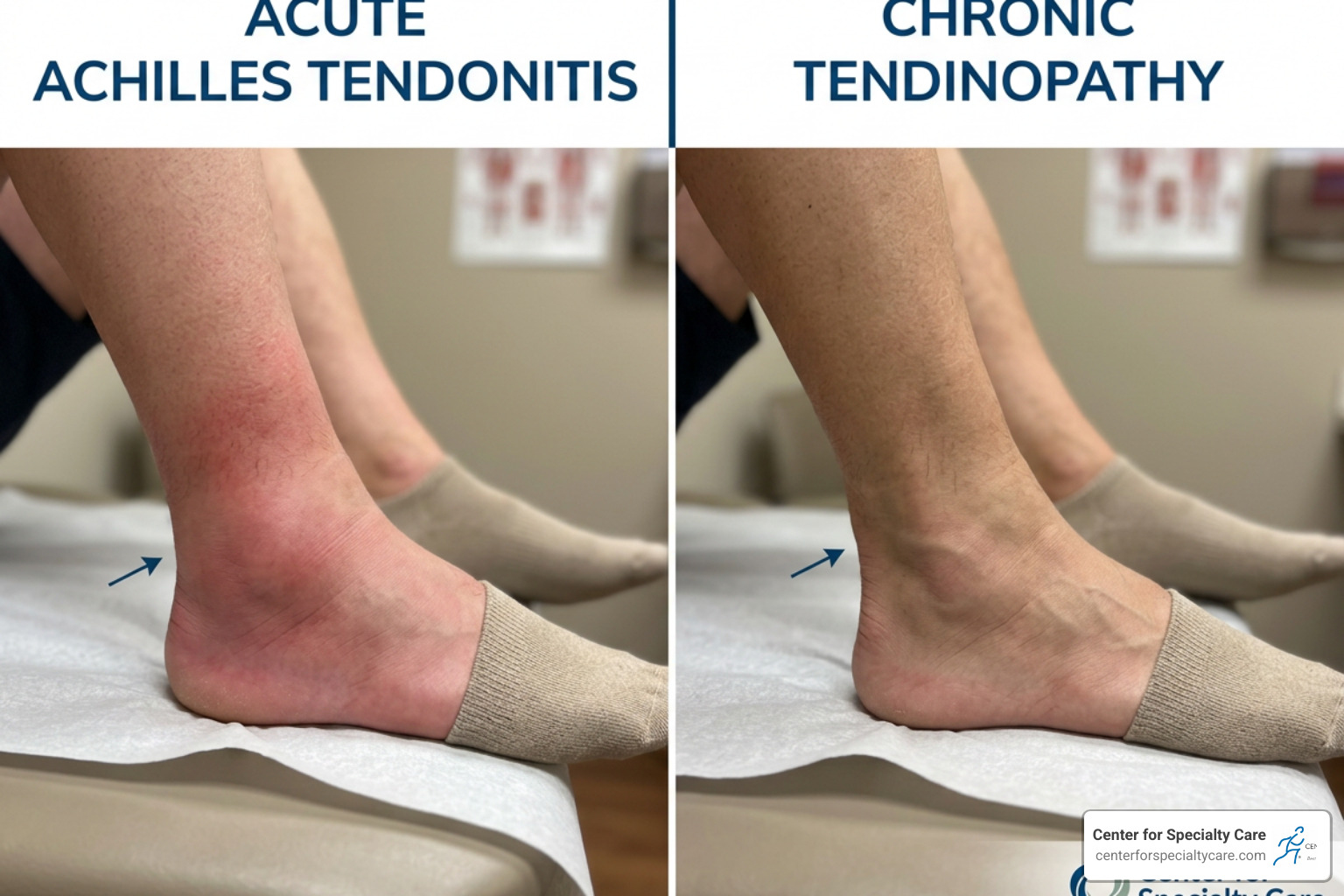
Acute Achilles Tendonitis: The Fire stage
Acute Achilles tendonitis is a sudden, sharp inflammation of the tendon. It usually happens right after a sudden spike in training, an awkward step, or a high-intensity workout.
If your pain is acute, you will likely notice:
- A sharp, intense soreness over the back of the ankle or lower calf.
- Visible swelling, redness, or a localized “warm” sensation when you touch the tendon.
- Pain that is highly sensitive to the touch or hurts even when you are completely at rest.
- Symptoms that started within the last 48 to 72 hours.
In this stage, the body’s inflammatory response is in overdrive. The tissue is actively irritated, and blood vessels are dilated to rush healing agents to the area. Adding external heat to this “fire” is like throwing gasoline on a campfire—it will only increase local swelling and exacerbate your pain.
Chronic Achilles Tendinopathy: The Rusty Cable Stage
If your heel pain has been lingering for six weeks, three months, or even longer, it is no longer an acute inflammatory issue. Instead, it has transitioned into chronic Achilles tendinopathy (often referred to as tendinosis).
At this point, active inflammation is no longer the primary driver of your discomfort. Instead, the tendon’s collagen fibers have become disorganized, and the tissue has thickened in a disorganized attempt to heal itself.
If your pain is chronic, you will likely experience:
- A dull, persistent ache that feels like a stiff, tight rope.
- Severe morning stiffness that makes your first steps out of bed incredibly uncomfortable, though it may “warm up” and feel slightly better as you move around.
- A noticeable thickening or “knot” in the middle of the tendon.
- A grating or crackling sensation (crepitus) when you flex your ankle.
| Feature | Acute Achilles Tendonitis | Chronic Achilles Tendinopathy |
|---|---|---|
| Onset | Sudden, sharp (within 48–72 hours) | Gradual, lingering (6+ weeks) |
| Primary Driver | Active inflammation & swelling | Tissue disorganization & stiffness |
| Morning Symptoms | Sharp pain upon movement | Intense, stiff “rusty” feeling |
| Physical Signs | Warmth, visible swelling, redness | Thickening, localized nodule, cold stiffness |
| Primary Treatment | Ice, compression, elevation, rest | Progressive loading, targeted warmth |
Deciding Between Heat or Cold for Achilles Pain
When managing tendon issues, temperature therapy is a powerful tool for controlling symptoms. However, it is vital to recognize that neither ice nor heat actually cures Achilles tendinitis. Instead, they serve as temporary symptom-management tools to help you get through your day and successfully complete your physical rehabilitation.
According to clinical resources like Is ice or heat better for Achilles tendonitis?, the primary goal of temperature therapy is to modify pain signals so that you can maintain mobility and perform the progressive loading exercises required to rebuild the tendon. To learn more about how heat interacts with tendon tissue, you can explore our detailed guide on Heat for Tendonitis.
How to Choose Heat or Cold for Achilles Pain Based on Symptoms
If you are dealing with a fresh, highly irritated injury, cold therapy is your best friend. Applying ice causes vasoconstriction—the narrowing of blood vessels. This process limits the local accumulation of excess fluid, reducing swelling. Cold also numbs local nerve endings, providing rapid, drug-free pain relief during that critical 48-to-72-hour post-injury window.
As noted in Does Achilles tendonitis icing work?, icing is highly effective when pain is so severe that it prevents you from walking normally or performing basic daily movements. By temporarily turning down the volume on your pain receptors, ice allows you to stay active without overloading the joint.
Conversely, if you are dealing with a chronic, stiff Achilles that feels like a dry, brittle rubber band, heat therapy is the more appropriate choice. Heat dilates blood vessels, which increases local circulation and delivers fresh oxygen and nutrients to the stiffened tissue. It also relaxes the surrounding calf muscles (the gastrocnemius and soleus), improving overall ankle flexibility and reducing the mechanical pull on the heel.
Should You Use Heat or Cold for Achilles Pain After Exercise?
A common point of confusion is what to do immediately after a workout, run, or rehabilitation session.
For chronic Achilles issues, we generally discourage applying heat after exercise. Your workout has already naturally increased blood flow and localized tissue temperature. Adding more heat immediately afterward can cause the tissue to overheat, potentially leading to cellular irritation.
If your chronic tendon feels slightly flared up or sore after a rehab session, a brief application of ice (for 10 minutes or less) can help calm the nerve endings. However, as we will discuss below, you should avoid making post-exercise icing a daily habit.
For those curious about how heat affects other areas of the body, we have put together a comprehensive look at how thermal therapy interacts with various muscle groups in The Warm Truth Is Heat Your Tendonitis Best Friend.
Safe Application Protocols and Common Mistakes to Avoid
Using temperature therapy incorrectly can lead to skin damage, worsened inflammation, or delayed healing. Tendons have a naturally limited blood supply compared to muscles, which makes them highly sensitive to extreme temperatures.
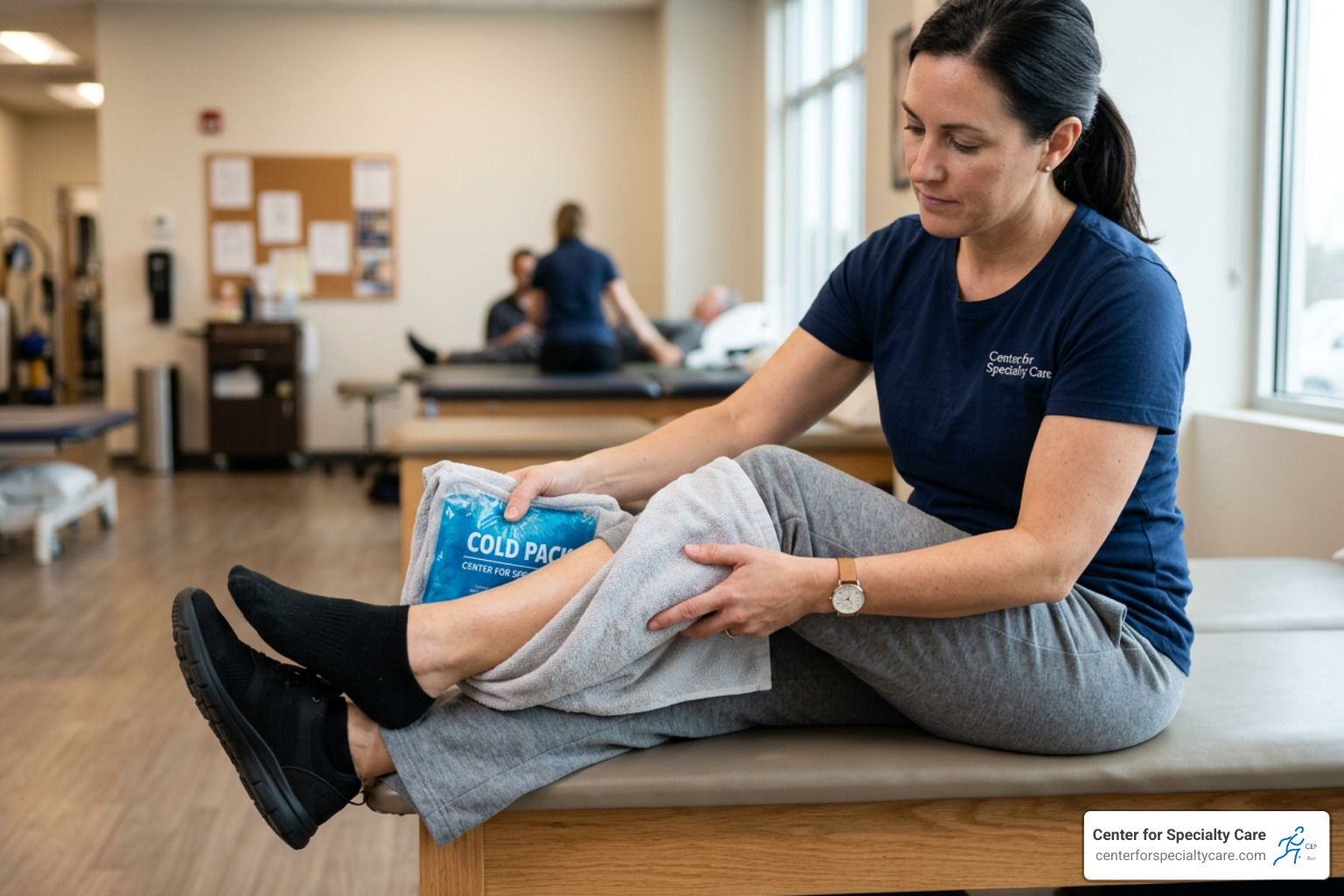
To protect your skin and maximize the therapeutic benefits of your treatment, we recommend adhering to the following safety protocols:
- Never Apply Ice or Heat Directly to the Skin: Always wrap your ice pack, frozen gel wrap, or heating pad in a thin barrier cloth or towel. Direct contact can cause ice burns (frostbite) or thermal skin burns.
- Observe the 15-to-20-Minute Limit: Leaving ice or heat on for too long can trigger a rebound effect. For example, over-icing can cause the body to abruptly flood the area with blood to prevent tissue freezing, actually increasing localized swelling.
- Give Your Skin Time to Recover: Wait at least two hours between applications to allow your skin temperature and local blood flow to return to baseline.
- Monitor Your Skin Regularly: If your skin becomes mottled, white, purple, or completely numb, remove the pack immediately.
These safe application guidelines align closely with the Mayo Clinic guidelines on tendinitis pain, which emphasize using ice for 15 to 20 minutes every 4 to 6 hours during the acute phase of an injury to safely control pain and swelling.
Does Routine Icing Blunt Strength Training Adaptations?
One of the most significant shifts in modern sports medicine involves the use of routine icing after exercise. For decades, athletes were told to ice their joints after every workout to “prevent” soreness.
We now know this can actually hinder your recovery.
Rebuilding a chronic Achilles tendon requires progressive strength training (such as eccentric heel drops). This training works by creating microscopic, healthy stress in the tendon, which triggers the body’s natural anabolic signaling and healing response. The local inflammation that occurs after exercise is actually the chemical signal your body uses to rebuild the tendon stronger and thicker.
If you routinely apply cold water immersion or ice packs immediately after a strength session, you blunt this acute anabolic signaling. Research shows that routine post-exercise cooling reduces overall muscle performance gains and limits long-term tendon adaptations.
The takeaway: Use ice only when you absolutely need it for acute pain control, rather than as a routine post-workout ritual.
Comparing Temperature Therapy to Other Achilles Treatments
While deciding between heat or cold for Achilles pain is a great starting point, temperature therapy should never be your sole recovery strategy. True healing requires a comprehensive, multi-faceted approach.
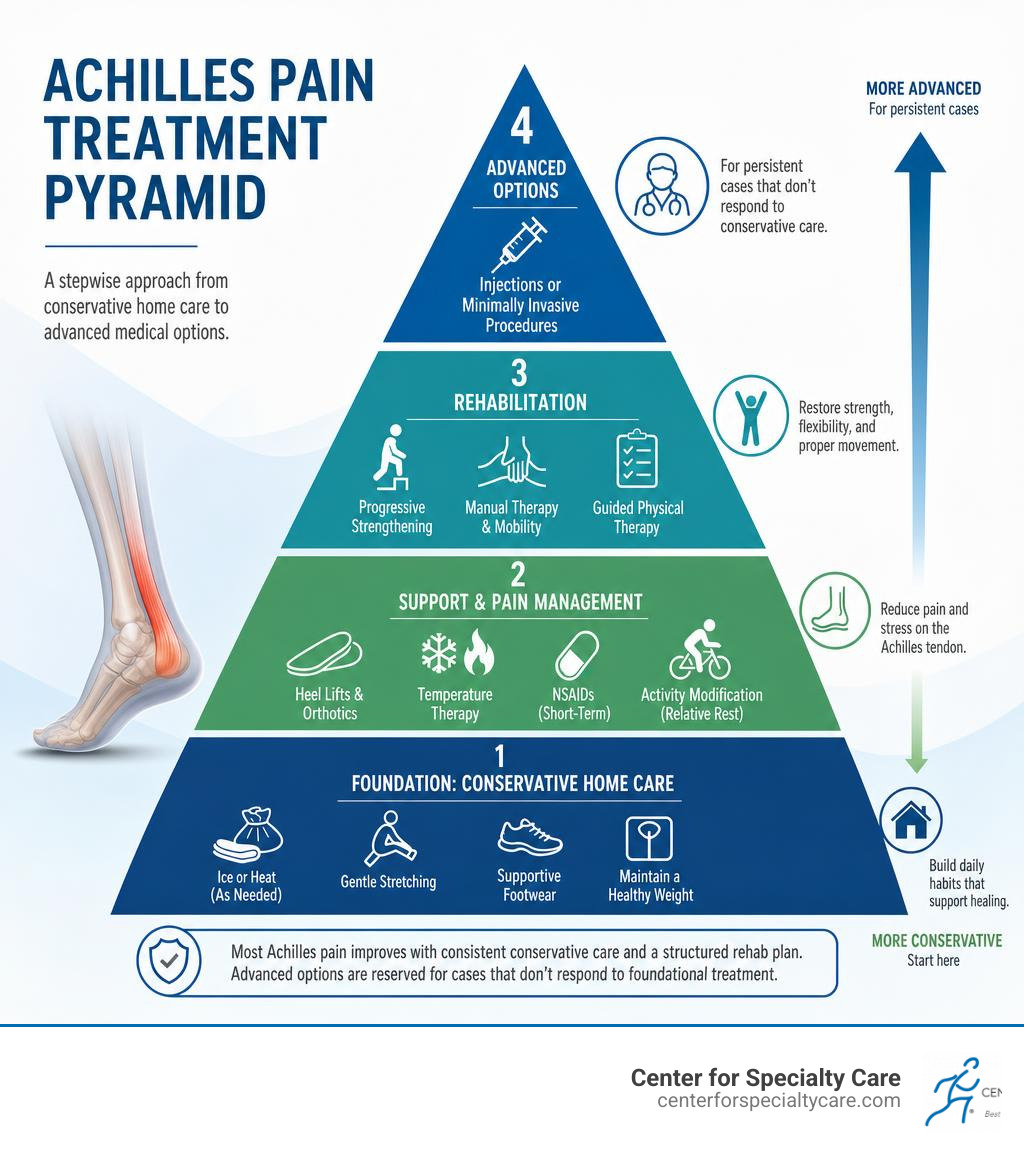
- Relative Rest and Activity Modification: Complete rest is rarely the answer for chronic tendon issues, as it can cause the tendon to become weaker and less capable of handling loads. Instead, we advocate for “relative rest”—temporarily swapping out high-impact activities (like running or jumping) for low-impact alternatives (like swimming or cycling) to keep your body moving while the tendon calms down.
- Heel Lifts and Orthotics: Placing a temporary heel lift (typically 5 to 10 mm) inside your shoes can slightly elevate your heel. This minor adjustment reduces the stretch and mechanical tension placed on the Achilles tendon during walking, giving it a chance to rest and recover.
- Anti-Inflammatory Medications (NSAIDs): Over-the-counter anti-inflammatories can help reduce pain during an acute flare-up. However, they should be used sparingly for chronic tendinopathy, as active inflammation is not the primary driver of chronic pain, and long-term use can interfere with natural tissue remodeling.
- Physical Therapy & Progressive Loading: The gold standard for Achilles recovery is a structured, progressive strengthening program. Exercises like slow, heavy calf raises and eccentric heel drops stimulate the tendon to rebuild its collagen fibers in a neat, organized, and resilient pattern.
At the Center for Specialty Care, our Sports Medicine team specializes in creating personalized rehabilitation programs that combine physical therapy, load management, and advanced conservative treatments to help you achieve long-term recovery.
Frequently Asked Questions About Achilles Tendonitis
How long should I apply ice to my Achilles tendon?
For acute pain or after an aggravating activity, apply ice wrapped in a thin towel for 10 to 15 minutes (and no longer than 20 minutes). You can repeat this process every 3 to 4 hours during the first few days of a flare-up.
Can heat make Achilles tendonitis worse?
Yes, applying heat during the acute stage of Achilles tendonitis (the first 48 to 72 hours of sudden pain or swelling) can worsen the condition. Heat dilates blood vessels, which can increase localized swelling, warmth, and throbbing pain in an already inflamed tendon.
When should I see a doctor for Achilles pain?
You should seek a professional medical evaluation if:
- You experience a sudden, sharp “pop” or snap at the back of your heel, which can indicate a partial or complete Achilles tendon rupture.
- You are completely unable to bear weight or push off on your toes.
- Your symptoms do not begin to improve after two weeks of consistent home care (rest, ice, and elevation).
- You notice severe, unexplained swelling, redness, or warmth in your lower calf.
Conclusion
Whether you need heat or cold for Achilles pain depends entirely on your current symptoms. If your injury is fresh, warm, and swollen, stick to ice to calm the inflammation. If you are dealing with chronic, stubborn morning stiffness, use gentle heat to relax the tissue before stretching or exercising.
If your Achilles pain is persistent, severe, or keeping you from doing the things you love, it may be time for a professional assessment.
At the Center for Specialty Care, we are proud to serve our local communities with clinics in:
- Fairmont, MN
- St. James, MN
- Estherville, IA
- Buffalo Center, IA
We specialize in providing highly personalized, comprehensive orthopedic care. Our unique focus on patient satisfaction, customized treatment plans, and quick appointment availability ensures you won’t have to wait weeks in pain to see a specialist.
Let us help you get back on your feet. Contact us today or visit our Orthopedics Services page to schedule an appointment with our expert sports medicine team.