
Beyond the Trigger Point: Why Your Shoulder Blade Knots Won’t Go Away
February 7, 2026
Patience is a Virtue: Understanding the Intracept Procedure Timeline
February 10, 2026
Rotator cuff sleeping brace: Ultimate Relief 2026
Waking Up to Shoulder Pain? How a Brace Can Bring Relief
A rotator cuff sleeping brace can stabilize your injured shoulder during the night, reduce pain, and prevent movements that could worsen your condition. If you’re struggling with nighttime shoulder discomfort, here’s what you need to know about choosing the right brace:
Quick Guide to Rotator Cuff Sleeping Braces:
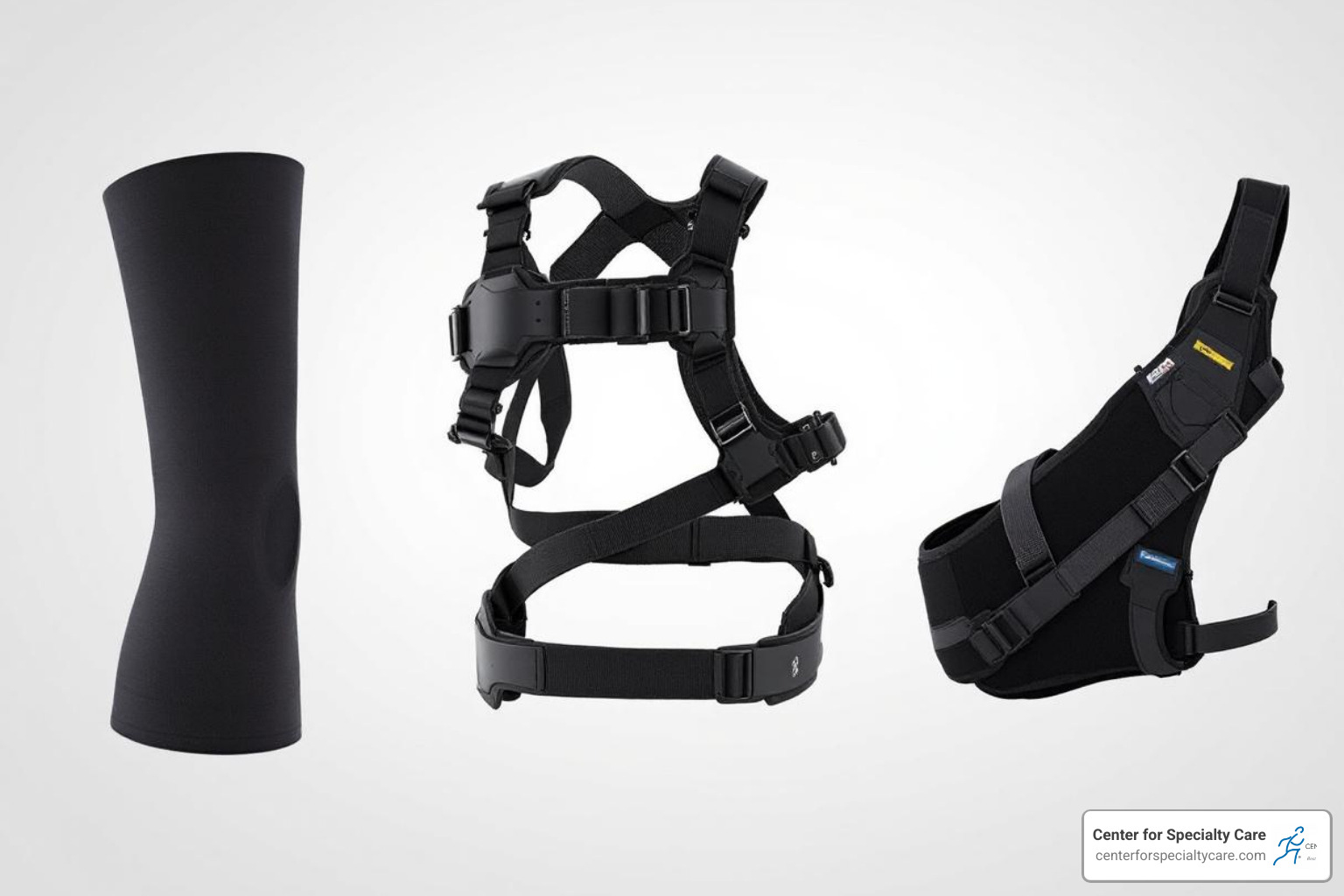
- Compression Sleeves – Provide gentle support and reduce swelling for mild to moderate pain
- Stabilizer Braces – Offer more structured support with adjustable straps for moderate injuries
- Immobilizer Slings – Restrict movement completely for severe tears or post-surgery recovery
- Abduction Pillows – Keep the shoulder in a specific healing position after surgical repair
Key Features to Look For:
- Breathable, comfortable materials for all-night wear
- Adjustable straps for a customized fit
- Compatible with your injured shoulder (left or right)
- Optional hot/cold therapy pockets for additional pain relief
Shoulder pain can turn a restful night into a frustrating battle. Research shows that up to 80% of people with chronic pain experience a pain-sleep cycle where discomfort disrupts sleep, and poor sleep makes pain worse. The way you position your shoulder during sleep matters – without proper support, gravity and awkward positions can increase pressure on already irritated tissues, leading to more inflammation and stiffness by morning.
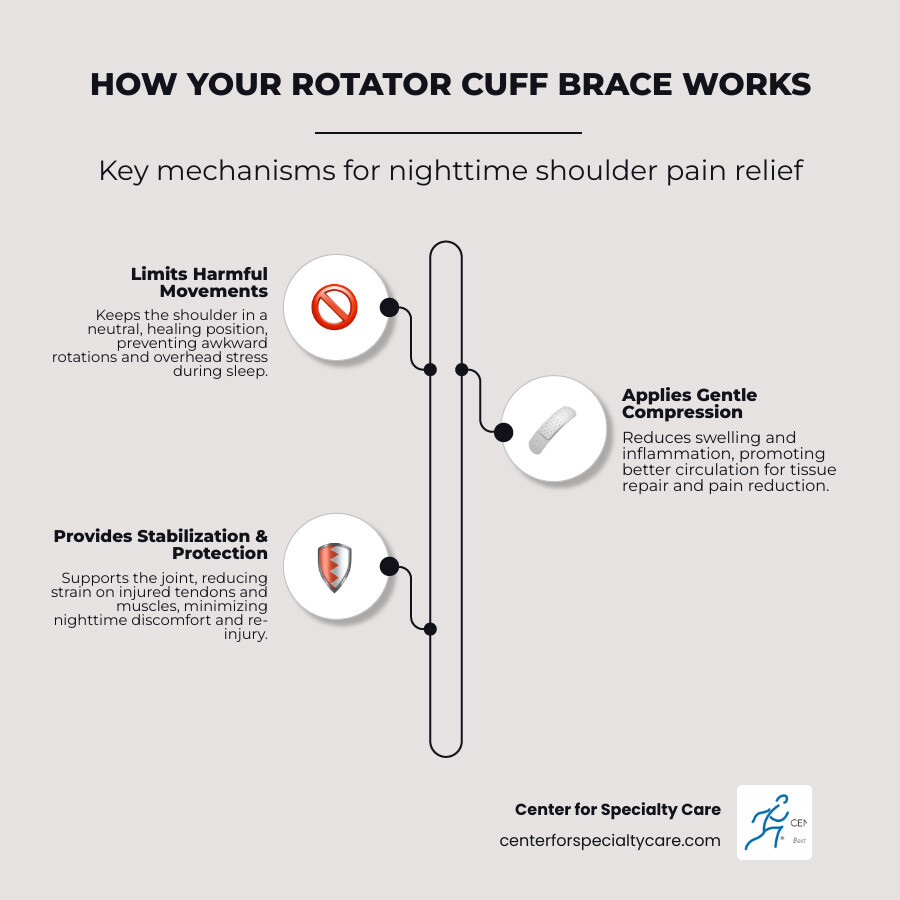
A well-fitted sleeping brace addresses this problem by keeping your shoulder in a neutral, healing position throughout the night. It limits harmful movements, provides gentle compression to reduce swelling, and protects vulnerable tissues from further strain. People recovering from rotator cuff tears, frozen shoulder, or post-surgery often notice significant improvements in both pain levels and sleep quality after consistently wearing a brace at night.
I’m Dr. Corey Welchlin, a board-certified orthopedic surgeon with over three decades of experience treating shoulder injuries, including rotator cuff repairs and arthroscopic procedures. At Center for Specialty Care, I’ve helped countless patients find the right rotator cuff sleeping brace as part of their comprehensive recovery plan.
Rotator cuff sleeping brace vocabulary:
Understanding How a Rotator Cuff Sleeping Brace Works
When you’re dealing with a rotator cuff injury, the night can be particularly challenging. Shoulder pain, whether from a torn rotator cuff, frozen shoulder, or post-surgical recovery, often intensifies when you’re trying to rest. This is where a rotator cuff sleeping brace steps in as a vital tool in your healing journey. But how exactly does it work its magic?
At its core, a rotator cuff sleeping brace functions by providing external support and stability to your shoulder joint. Imagine your shoulder as a delicate ecosystem of muscles, tendons, and bones. When one part is injured, the entire system becomes vulnerable to further strain, especially during sleep when you might unconsciously move into positions that exacerbate the injury. A brace acts as a protective shield, limiting these potentially harmful movements.
One of the primary mechanisms is shoulder immobilization. For significant injuries or after surgery, restricting movement is paramount to allow damaged tissues to heal without disruption. An immobilizer-style brace gently holds your arm and shoulder in a fixed, safe position, preventing sudden jerks or awkward rotations that could re-injure the area. This controlled environment is crucial for the early stages of recovery.
Beyond just holding things still, many sleeping braces offer compression. This gentle, consistent pressure around the shoulder joint helps to reduce swelling and inflammation, which are common culprits behind pain. This compression also promotes better blood flow to the injured area, delivering essential nutrients and oxygen required for tissue repair. Think of it as a comforting hug for your ailing shoulder, reducing discomfort and creating a more favorable healing environment.
Another benefit is improved proprioception. This fancy word refers to your body’s ability to sense its position and movement. When your shoulder is injured, this sense can be compromised. A brace provides constant sensory feedback, reminding your body (even subconsciously during sleep) of the shoulder’s proper alignment. This can help prevent you from rolling onto your injured side or extending your arm into a painful range of motion.
The culmination of these actions leads to significant pain relief and, importantly, improved sleep quality. When your shoulder is stable and protected, the constant nagging pain that keeps you awake can finally subside. This allows your body to enter deeper, more restorative sleep cycles, which are essential for overall healing and recovery. As we’ve seen, the pain-sleep cycle can be vicious, but a good sleeping brace can help break that cycle, fostering a more positive healing trajectory. For more detailed tips on managing nighttime pain, you can explore our insights on How to Relieve Rotator Cuff Pain at Night: Expert Tips for Better Sleep.
Furthermore, a brace plays a critical role in preventing re-injury. During the day, you might be more conscious of your movements, but at night, your guard is down. A brace acts as a silent guardian, ensuring that even if you toss and turn, your shoulder remains protected. As scientific research highlights, external support from orthotics can significantly reduce pain by limiting movements that trigger discomfort, while still allowing controlled, safe motion. This supportive approach is a cornerstone of conservative treatment for shoulder injuries. For instance, a meta-analysis on orthotics notes that they provide external support that removes pressure from damaged tissues while allowing controlled movement, significantly reducing pain by limiting movements that trigger discomfort. You can read more about this scientific research on brace effectiveness here.
A rotator cuff sleeping brace can be particularly beneficial for several common conditions:
- Rotator Cuff Tears: Whether partial or complete, a brace helps to immobilize the shoulder, allowing the torn tendons to heal without constant strain. For a partial tear, you might only need support during physical activity, but a complete tear often requires longer immobilization.
- Frozen Shoulder (Adhesive Capsulitis): While braces won’t “unfreeze” your shoulder, they can help manage pain and prevent awkward positions during sleep that might worsen stiffness or cause discomfort.
- Post-Surgery Recovery: After a rotator cuff repair or other shoulder surgery, a brace is often prescribed to keep the arm in a specific position, protecting the surgical site and facilitating optimal healing. This is a crucial period where any accidental movement could compromise the repair.
- Shoulder Impingement: This condition occurs when tendons or bursa in the shoulder get pinched. A brace can help maintain proper alignment, reducing the likelihood of impingement during sleep.
While a rotator cuff sleeping brace is an excellent supportive tool, it’s generally part of a broader treatment plan. As an NCBI meta-analysis reveals, using an abduction brace after rotator cuff repair does not necessarily improve functional scores or reduce the risk of re-tear compared to simpler immobilization methods like a sling. This underscores that braces are a complementary part of your recovery, not a standalone solution. Our goal at Center for Specialty Care in Fairmont, MN, Estherville, IA, Buffalo Center, IA, and St James, MN is to integrate the brace into a comprehensive treatment strategy custom just for you.
Choosing the Right Rotator cuff sleeping brace for Your Needs
Selecting the ideal rotator cuff sleeping brace is key to maximizing comfort, promoting healing, and ensuring you get the restorative sleep you deserve. With a variety of options available, understanding the different types, essential features, and how to achieve a proper fit will empower you to make an informed decision for your unique recovery journey.
Types of Shoulder Braces for Sleeping
The world of shoulder braces offers a range of options, each designed to provide specific levels of support and immobility. The best type for you will depend on the nature and severity of your injury, as well as your doctor’s recommendations.
- Compression Sleeves: These are typically made from elastic or neoprene fabric and provide gentle, all-around compression to the shoulder. They are excellent for mild to moderate pain, inflammation, tendinitis, or early-stage frozen shoulder. They offer warmth and support without significantly restricting movement, making them a comfortable choice for sleeping if full immobilization isn’t required. They help boost blood flow and reduce swelling.
- Stabilizer Braces: Offering more structured support than compression sleeves, stabilizer braces often feature adjustable straps that wrap around the shoulder and chest. They help to keep the shoulder joint in a more controlled position, protecting it from sudden movements. These are suitable for individuals with moderate injuries, AC joint problems, or those needing a bit more security during sleep than a simple sleeve can provide.
- Immobilizer Slings: These are designed for more severe injuries, post-surgical recovery, or dislocations where movement needs to be significantly restricted. An immobilizer sling typically supports the arm in a bent position across the body, preventing the shoulder from moving into potentially harmful ranges. They ensure that healing tissues remain undisturbed, offering maximum protection during critical recovery phases.
- Abduction Pillows: Often used post-surgically, especially after rotator cuff repairs, an abduction pillow keeps the arm slightly away from the body (abducted). This position helps to reduce tension on the repaired tendons and maintain optimal alignment for healing. These are typically integrated into a sling system, providing both support and a specific angle for the arm.
Each type offers a different level of support and mobility, custom to specific stages of injury and recovery needs. Your healthcare provider at Center for Specialty Care in Fairmont, MN, Estherville, IA, Buffalo Center, IA, or St James, MN can help you determine which type is best suited for your specific condition.
Key Features of a Quality Rotator cuff sleeping brace
When you’re choosing a rotator cuff sleeping brace, certain features can significantly impact its effectiveness and your comfort throughout the night:
- Breathable Materials: Since you’ll be wearing this brace for several hours, materials like neoprene or specialized breathable fabrics are essential. They help prevent sweat buildup and skin irritation, ensuring a more comfortable and hygienic experience. Many popular consumer braces, like those found on Amazon, often highlight neoprene for its comfort and durability.
- Adjustable Straps: A brace needs to fit your unique body shape to be effective. Look for multiple, easily adjustable straps (often with Velcro closures) that allow you to customize the fit. This ensures the brace is snug enough to provide support without being overly tight or restrictive, which could impede circulation or cause discomfort.
- Support Level: Consider the level of support you need. Some braces offer mild compression, while others provide rigid immobilization. This should align with the severity of your injury and your doctor’s recommendations.
- Hot/Cold Therapy Pockets: Some braces come with integrated pockets designed to hold hot or cold packs. This feature can be incredibly beneficial for managing pain and inflammation throughout the night, offering targeted relief.
- Unisex Design and Versatility: Many braces are designed to be unisex and can be worn on either the left or right shoulder, offering flexibility and convenience. However, some specialized post-surgical braces might be side-specific.
- Price Range Considerations: The typical price range for rotator cuff sleeping braces can vary widely, from around $15 for basic compression sleeves to $60 or more for more complex immobilizers or specialized designs with added features like hot/cold therapy. It’s worth noting that some braces may also be FSA/HSA eligible, which can help with costs.
How to Find the Right Size and Fit for a Rotator cuff sleeping brace
A properly fitted brace is paramount for both effectiveness and comfort. An ill-fitting brace can not only be uncomfortable but also ineffective, or worse, cause additional problems.
- Measuring for the Right Fit: Most manufacturers provide sizing charts based on measurements like chest circumference (around the widest part of your chest, typically under the armpits) and bicep circumference. It’s crucial to take accurate measurements before purchasing.
- Snug but Not Restrictive: The brace should feel secure and supportive, but never so tight that it causes pain, numbness, tingling, or restricts blood flow. As the NIH advises, a properly fitted brace should keep the elbow and shoulder in a neutral, comfortable position, with the hand slightly liftd and the elbow bent at about 90°. It also emphasizes that the brace should not be too tight, as it can affect blood flow or cause numbness. If the brace shifts or feels uncomfortable, it’s likely not the right fit. You can find more guidance on proper brace fitting here.
- Checking for Circulation: After putting on the brace, check your fingers for any signs of reduced circulation, such as coldness, blueness, or persistent tingling. If you experience these, loosen the brace immediately.
- Ensuring Neutral Shoulder Position: The goal of a sleeping brace is to maintain your shoulder in a neutral, healing position. Your healthcare provider can guide you on the optimal position for your specific injury.
If you’re unsure about sizing or fit, it’s always best to consult with your doctor or a physical therapist. Our team at Center for Specialty Care can provide personalized guidance and ensure you select the best rotator cuff sleeping brace for your recovery.
Best Practices for Brace Use and Shoulder Care
A rotator cuff sleeping brace is a powerful tool for recovery, but its effectiveness hinges on proper usage and consistent care. Beyond just wearing the brace, integrating it into a holistic approach that includes maintenance and gentle, approved exercises is crucial for preventing complications and promoting optimal healing.
Potential Drawbacks and How to Avoid Them
While highly beneficial, improper or prolonged use of a shoulder brace can lead to some drawbacks:
- Skin Irritation: Continuous contact with fabric can sometimes cause chafing, rashes, or pressure sores, especially in sensitive areas or if the brace is too tight. To avoid this, ensure the brace is clean, dry, and not overly constricted. Regularly inspect the skin beneath the brace for any redness or irritation.
- Muscle Stiffness or Atrophy: Over-reliance on a brace for too long can lead to weakness (atrophy) and stiffness in the shoulder muscles if they aren’t engaged sufficiently. This is why braces are typically a temporary solution, and their use should be tapered as healing progresses.
- Restricted Movement: If the brace is designed for immobilization, it will restrict movement. However, if a compression brace is too tight or incorrectly fitted, it can unnaturally limit your range of motion, which can be counterproductive in some stages of recovery.
- Changes in Muscle Activity or Posture: Research indicates that wearing a shoulder brace may cause mild side effects such as skin irritation, stiffness, discomfort, or restricted movement if used for long periods or fitted incorrectly. According to Science Direct research, you may also experience changes in muscle activity, shoulder balance, posture, and blood flow. These are often linked to poor fitting or limited range of motion, highlighting the importance of proper fit and doctor’s guidance. You can dig into this research on brace side effects for more details.
To avoid these issues, always follow your doctor’s wear-time recommendations precisely. Start with shorter wearing periods and gradually increase as advised. Regular inspection for pressure sores and maintaining good hygiene beneath the brace are also critical. Interestingly, NCBI research suggests that patients who wore their brace less than 60% of the time were 13 times more likely to experience a retear, emphasizing the importance of consistent use when medically prescribed.
Caring for and Maintaining Your Brace
Proper care of your rotator cuff sleeping brace ensures its longevity, hygiene, and continued effectiveness:
- Hand Washing Instructions: Most braces are designed for hand washing. Use mild soap (like a gentle laundry detergent or even baby shampoo) and cold water. Gently agitate the brace in the soapy water, then rinse thoroughly. Avoid harsh chemicals, bleach, or fabric softeners, as these can degrade the material and elasticity.
- Air Drying: Always air-dry your brace. Lay it flat on a clean towel or hang it away from direct sunlight or heat sources. Avoid using a machine dryer, as the heat can damage the fabric, Velcro, and overall structure of the brace, compromising its support.
- Checking for Wear and Tear: Regularly inspect your brace for any signs of wear and tear, such as frayed edges, stretched-out fabric, or weakened Velcro closures. A worn-out brace loses its ability to provide adequate support and protection. Replace it if it no longer fits snugly or feels supportive.
- Maintaining Elasticity and Support: Following these care instructions will help maintain the brace’s elasticity and structural integrity, ensuring it continues to provide the necessary support throughout your recovery.
Exercises to Complement Brace-Wearing
While a brace provides crucial support, it’s often part of a broader rehabilitation plan that includes targeted exercises. These exercises, when approved by your doctor or physical therapist, help to maintain mobility, prevent stiffness, and strengthen the surrounding muscles.
Disclaimer: Always consult your doctor or physical therapist before starting any exercise program, especially if you have a rotator cuff injury.
Here are a few gentle exercises often recommended in conjunction with brace use:
- Pendulum Swings: Lean forward slightly, letting your injured arm hang freely. Gently swing your arm in small circles (clockwise and counter-clockwise), then side-to-side, and finally forward and backward. Keep your body still and let gravity do the work.
- Wall Push-Ups: Stand facing a wall, a little more than arm’s length away. Place your hands on the wall, shoulder-width apart. Slowly bend your elbows, bringing your chest towards the wall, then push back to the starting position. This is a modified, gentle way to engage shoulder muscles.
- Finger Walking Up a Wall: Stand facing a wall. Place the fingers of your injured arm on the wall and slowly “walk” them up the wall as high as you can comfortably reach, without causing pain. Hold briefly, then slowly “walk” them back down.
These exercises are designed to promote gentle movement, improve blood flow, and gradually build strength without putting undue stress on the healing rotator cuff. They are a critical component of preventing stiffness and muscle atrophy that can sometimes occur with immobilization. Our physical therapists at Center for Specialty Care are experts in creating personalized exercise plans to complement your brace use. You can find more information on physical therapy for shoulders on our website.
When to Consult a Doctor About Your Shoulder Pain
While a rotator cuff sleeping brace can offer significant relief and support, it’s crucial to understand when your shoulder pain warrants professional medical attention. Self-treating for too long can sometimes lead to worsening conditions or delayed recovery.
You should consult a doctor, especially an orthopedic specialist, if you experience any of the following:
- Persistent Pain: If your shoulder pain lasts for more than a few days or weeks, even with rest, ice, and over-the-counter pain relievers, it’s time to see a professional. Neglecting proper medical advice can lead to chronic pain and restricted movement.
- Inability to Raise Your Arm: If you suddenly find you can’t lift your arm above your head, or if you have significant difficulty moving your arm in certain directions, this could indicate a more serious injury like a rotator cuff tear.
- Significant Weakness: A noticeable decrease in strength in your arm or shoulder, making it hard to perform daily tasks, is a red flag.
- A “Popping” Sound During Injury: If you heard a distinct popping or tearing sound when your shoulder was injured, especially followed by immediate pain and weakness, seek medical attention promptly. This often indicates an acute tear or dislocation.
- Pain Disrupts Sleep Consistently: If shoulder pain is consistently waking you up at night or preventing you from falling asleep, even with sleep position modifications or over-the-counter medication, a doctor can help identify the underlying cause and develop a targeted treatment plan.
- Symptoms Worsen or Don’t Improve: If your pain or other symptoms are getting worse, or simply not getting better despite conservative measures like brace use and gentle exercises, it’s a clear sign that a professional evaluation is needed.
An accurate diagnosis is the first step toward effective treatment. At Center for Specialty Care, our orthopedic specialists are skilled in diagnosing a wide range of shoulder conditions, from rotator cuff tears and tendinitis to frozen shoulder and impingement. We use advanced diagnostic tools to pinpoint the exact cause of your pain.
Once a diagnosis is made, we work with you to create a comprehensive treatment plan. This plan might include conservative options like physical therapy, medication, injections, and, of course, the appropriate use of a rotator cuff sleeping brace. In some cases, surgical intervention may be necessary, and our team is highly experienced in the latest surgical techniques. Finding a shoulder specialist who understands your specific needs is crucial for optimal recovery. You can learn more about finding a shoulder specialist and explore various options for orthopedic care with our dedicated team. Our commitment at Center for Specialty Care in Fairmont, MN, Estherville, IA, Buffalo Center, IA, and St James, MN is to provide personalized care that gets you back to living pain-free.
Conclusion: Take the Next Step Towards Pain-Free Sleep
Living with shoulder pain, especially when it disrupts your sleep, can significantly impact your quality of life. A rotator cuff sleeping brace offers a practical and effective solution by providing crucial stability, compression, and protection to your injured shoulder throughout the night. We’ve explored how these braces work to reduce pain, prevent re-injury, and foster a healing environment, ultimately leading to more restful sleep. We’ve also highlighted the various types of braces available, key features to consider, and the importance of a proper fit to ensure both comfort and effectiveness.
While a brace is a powerful ally, it’s most effective when integrated into a comprehensive care plan. This includes understanding potential drawbacks and how to avoid them through proper hygiene and adherence to wear-time recommendations, as well as complementing brace use with doctor-approved exercises to maintain mobility and strength. Most importantly, knowing when to consult a doctor for persistent or worsening pain is vital for an accurate diagnosis and a custom treatment strategy.
At Center for Specialty Care, our mission is to ensure you receive the highest quality orthopedic and pain management care. Our team is dedicated to providing personalized treatment plans, from non-surgical options like physical therapy and bracing to advanced surgical interventions, all with a focus on 100% patient satisfaction and quick appointment availability. We are here to guide you through every step of your recovery, ensuring you get the right support for your specific condition.
Don’t let shoulder pain steal another night’s sleep. Take the next step towards lasting relief and improved well-being. Learn more about our advanced shoulder treatments and how we can help you achieve pain-free sleep. Contact us today to schedule your consultation at any of our locations in Fairmont, MN, Estherville, IA, Buffalo Center, IA, or St James, MN. We’re ready to help you find your perfect fit for a healthier, happier tomorrow.