

Don’t Let Rhomboid Pain Tie You Down: A Comprehensive Guide
October 13, 2025
Is Intracept a Success? A Deep Dive into Its Efficacy for Back Pain
October 15, 2025
Ice Pack Guide 2025: Ultimate Pain Relief
Why Ice Packs Are Essential for Injury Recovery and Pain Relief
An ice pack is a portable cooling device filled with water, gel, or liquid designed to provide targeted cold therapy for injuries and pain relief. Whether you’re dealing with a sports injury, post-surgical recovery, or chronic pain, choosing the right ice pack can make a significant difference in your healing process.
Quick Ice Pack Selection Guide:
- Reusable Gel Packs – Best for regular use, flexible when frozen, dual hot/cold therapy
- Instant Cold Packs – Perfect for emergencies, no freezing required, single-use convenience
- Round Ice Packs – Ideal for small areas like eyes, wrists, or targeted joint pain
- Large Rectangular Packs – Great for back, shoulders, and larger muscle groups
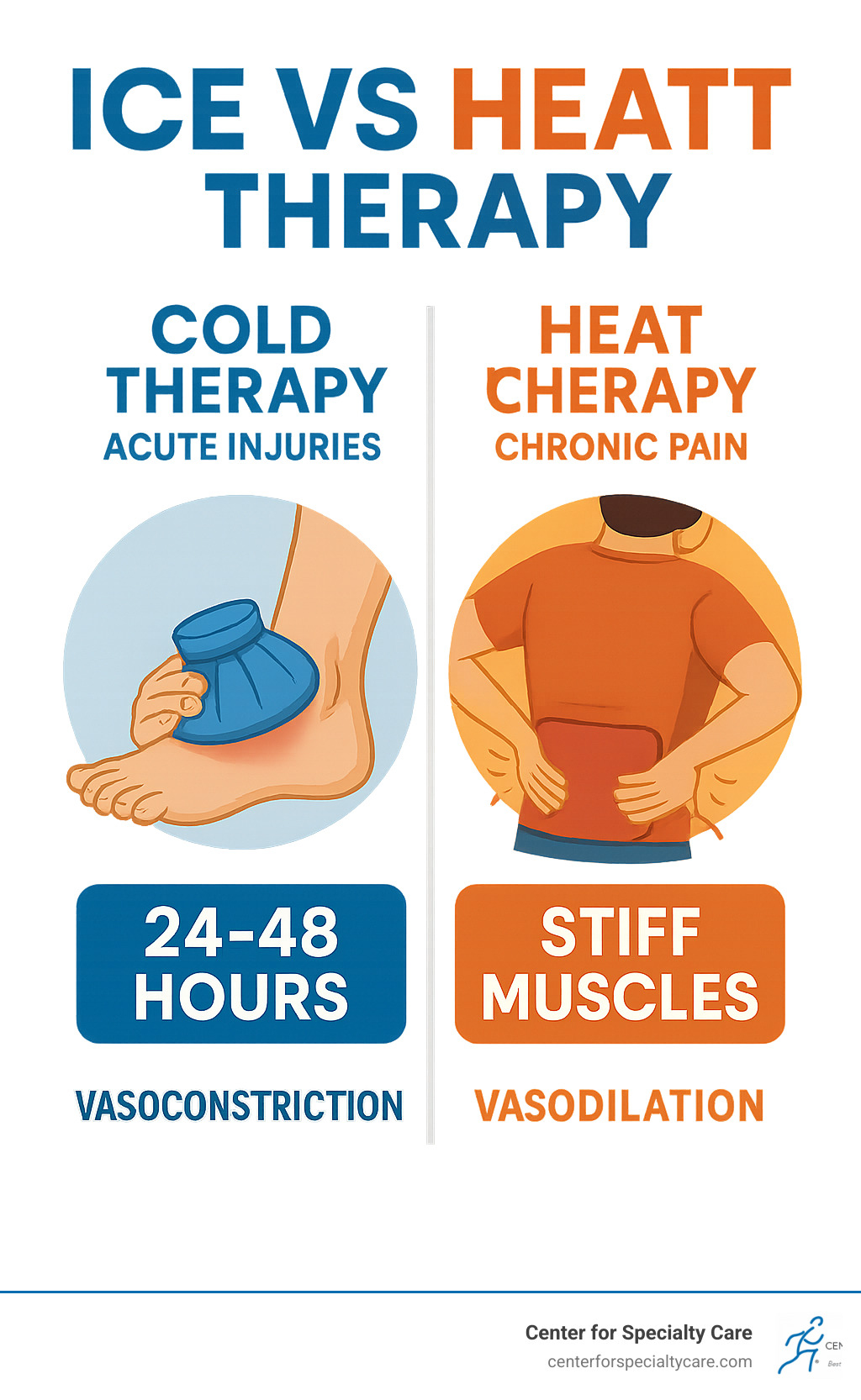
The global ice pack market has grown to $1.1 billion in 2022 and is projected to reach $1.8 billion by 2030, reflecting their proven effectiveness in pain management and injury treatment. Cold therapy works by causing vasoconstriction – narrowing blood vessels to reduce internal bleeding, swelling, and pain at the injury site.
As Dr. Corey Welchlin, a board-certified orthopedic surgeon with over three decades of experience treating musculoskeletal injuries, I’ve seen how proper ice pack application can accelerate recovery and reduce patient discomfort. My practice at the Center for Specialty Care has helped thousands of patients understand when and how to use cold therapy effectively as part of their treatment plan.
Ice pack vocab explained:
- ice or heat for strained tendon
- is heat good for peroneal tendonitis
- peroneal tendonitis heat or ice
Decoding the Types: From Reusable Gels to Instant Packs
When you’re dealing with pain or injury, having the right ice pack can make all the difference between quick relief and continued discomfort. Think of it like choosing the right tool for the job – you wouldn’t use a hammer to tighten a screw, right? Let’s break down the two main types of ice pack options so you can pick the perfect one for your situation.
Reusable Gel Packs
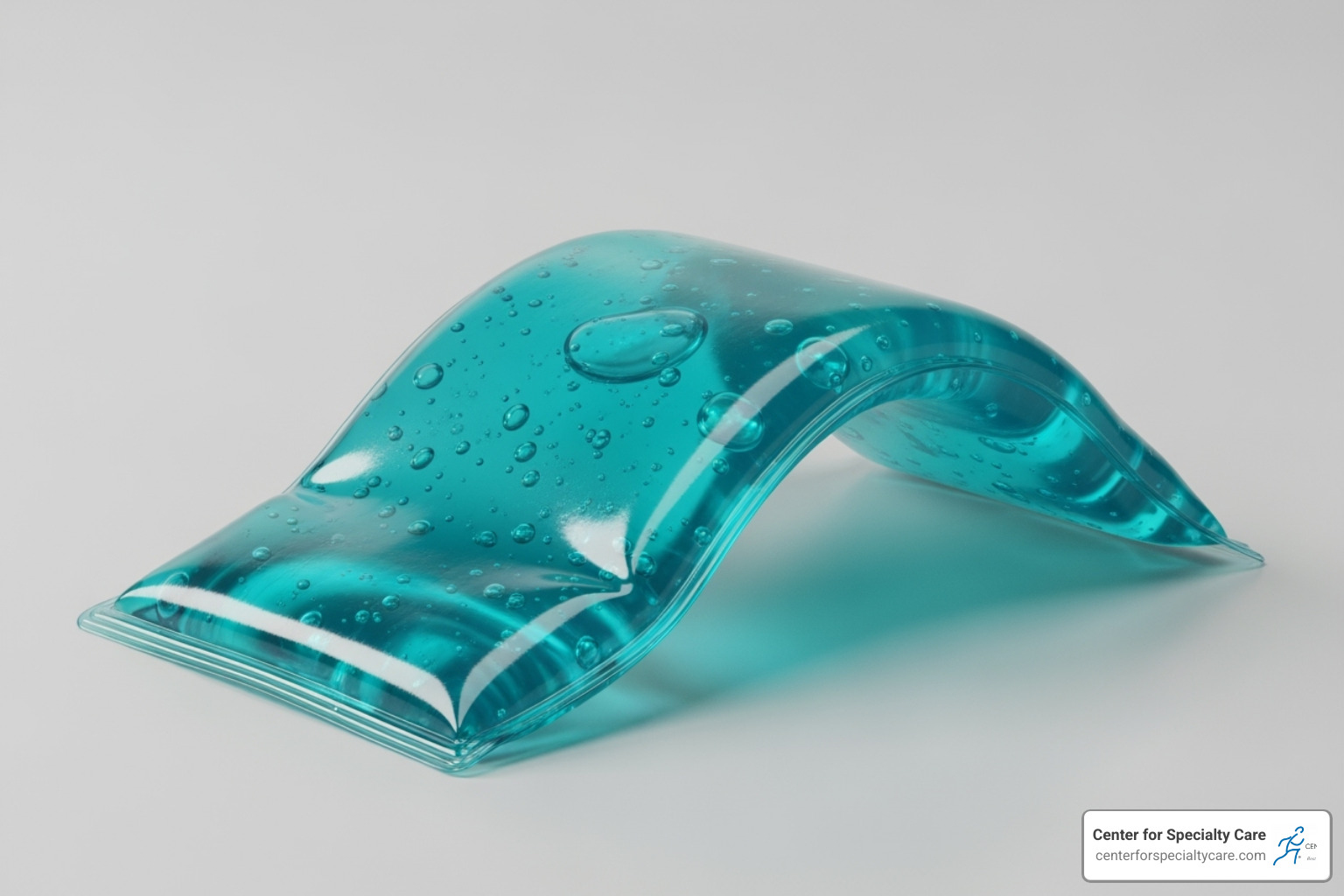
If you’re looking for a reliable, long-term solution, reusable gel packs are your best friend. These clever little packages are the Swiss Army knives of cold therapy – they work for both hot and cold therapy, making them incredibly versatile for different types of pain and injury.
What makes them so special? Inside that durable outer shell (usually made from latex-free vinyl or flexible PVC), you’ll find non-toxic materials like silica gel, sodium polyacrylate, or hydroxyethyl cellulose. These substances stay flexible even when frozen, which means your ice pack will actually conform to your body instead of sitting there like a frozen brick.
The magic happens in your freezer – just pop your gel pack in there for 2-4 hours, and you’re ready to go. Need heat therapy instead? Most gel packs are microwaveable too. Just heat them in short 10-20 second bursts until they reach a comfortable warmth.
Here’s why they’re so popular: they’re cost-effective over time and environmentally friendly since you’re not throwing them away after one use. Whether you’re dealing with chronic pain or the occasional sports injury, these packs will be there for you again and again.
Instant Cold Packs
Picture this: you’re out hiking, miles from the nearest freezer, and you twist your ankle. That’s when instant cold packs become your hero! These brilliant little devices are perfect for first aid kits and emergency situations because they don’t need any preparation.
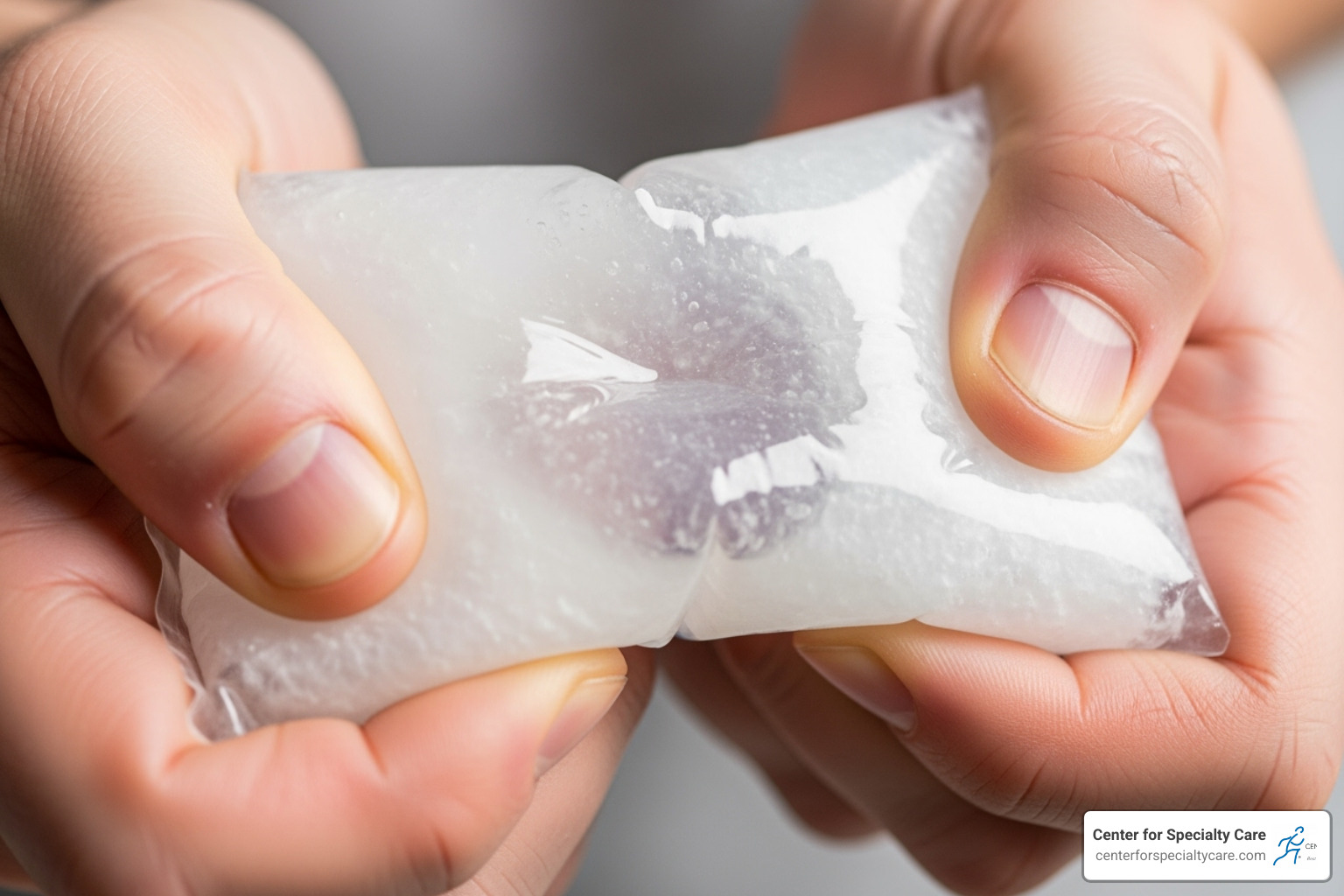
The science behind them is pretty cool (pun intended). Each instant pack contains two separate chambers – one with water and another with a chemical like ammonium nitrate or urea. When you squeeze or break the inner barrier, these substances mix and create what’s called an endothermic reaction. This fancy term just means the mixture rapidly absorbs heat from around it, making the pack ice-cold in seconds.
The trade-off? These are single-use only. Once that chemical reaction happens, you’re done – time to dispose of it properly. But for portability and convenience for travel, nothing beats having a few instant packs in your car, backpack, or sports bag.
They’re absolute lifesavers for athletic events, camping trips, or any time you need immediate cold therapy without access to a freezer.
[TABLE] comparing Reusable Gel Packs vs. Instant Cold Packs
| Feature | Reusable Gel Packs | Instant Cold Packs |
|---|---|---|
| Reusability | Yes, multiple uses | No, single-use |
| Cost | Higher initial cost, lower long-term cost | Lower initial cost, higher long-term cost per use |
| Preparation | Requires freezing (2-4 hours) or microwaving | Activates instantly with a squeeze/break |
| Materials | Non-toxic gels (hydroxyethyl cellulose, silica gel), durable outer shell | Water, chemical salts (ammonium nitrate, urea) |
| Best Use Cases | Regular therapy, chronic pain, post-op recovery, versatile hot/cold | Emergency first aid, sports injuries on the go, travel, remote areas |
The Healing Power: How to Use an Ice Pack for Pain and Injury
Now that you know which ice pack to choose, let’s talk about the real magic – how to use it properly. There’s actually a science behind why that cold compress feels so good on your aching knee or swollen ankle. Understanding this can help you get the most benefit from your treatment.
The Benefits of Cold Therapy (Cryotherapy)
When you press that ice pack against an injured area, your body immediately starts responding in ways that promote healing. The most important thing happening is called vasoconstriction – basically, your blood vessels get narrower. This might sound scary, but it’s exactly what you want right after an injury.
Here’s what that cooling effect does for you: reduced swelling happens because less blood flows to the area, which means less fluid buildup. Numbed pain occurs as the cold temporarily slows down your nerve signals – it’s like turning down the volume on your pain receptors. Decreased inflammation is the third benefit, as cold therapy helps calm down your body’s inflammatory response when it’s working overtime.
Think of cold therapy as hitting the “pause” button on your injury’s chaos. Your body wants to rush blood and fluid to the injured spot, but sometimes this creates more problems than solutions in those first crucial hours.
If you’re dealing with ongoing pain that isn’t responding to home treatment, our Pain Management team can help you develop a comprehensive approach. For sports-related injuries, our Sports Medicine specialists understand exactly how to integrate ice pack therapy into your recovery plan.
The R.I.C.E. Method: The Role of an Ice Pack in Injury Recovery
You’ve probably heard of R.I.C.E. before, but let’s make sure you really understand how your ice pack fits into this time-tested approach. When you twist that ankle or pull that muscle, R.I.C.E. is your immediate game plan.
Rest means stop what you’re doing – no “walking it off” or “pushing through the pain.” Your injury needs a break to start healing properly. Ice is where your trusty ice pack becomes the star of the show. Apply it for 15-20 minutes every few hours during those first critical 24-48 hours after injury.
Compression involves wrapping the area snugly (but not tightly) with an elastic bandage to help control swelling. Elevation means getting that injured body part higher than your heart when possible – prop that sprained ankle up on some pillows while you ice it.
This method works particularly well for common injuries affecting your Knee or Shoulder. For more detailed guidance on this essential first-aid technique, check out this resource on treating injuries with the R.I.C.E. method.
Application Best Practices: How Long and How Often?
Let’s get practical about using your ice pack safely and effectively. The most important rule is the 15-20 minute limit – any longer and you risk skin damage or frostbite. Your skin needs time to warm back up between applications.
Always use a protective barrier like a thin towel or cloth. Never put that ice pack directly on your skin, no matter how tough you think you are. Frostbite isn’t worth the risk, and a towel doesn’t reduce the therapeutic benefits.
Here’s the big question we get all the time: when should you use ice versus heat? Use ice for fresh injuries – anything that just happened and involves swelling, bruising, or sharp pain. Save heat for old, achy problems like chronic muscle stiffness or joint soreness without swelling.
If you hurt your Arm lifting boxes yesterday and it’s swollen, reach for the ice pack. If that same arm is just stiff and sore from yesterday’s workout (no swelling), heat might be your better friend. When in doubt, start with ice for the first day or two, then switch to heat if appropriate.
Remember to listen to your body. If the cold feels unbearable or causes more pain, remove the pack immediately. Your comfort and safety always come first in any treatment approach.
Maintenance and Safety: Getting the Most Out of Your Ice Pack
Think of your ice pack as a trusted friend who’s always there when you need them most. Just like any good relationship, a little care and attention goes a long way in keeping things working smoothly for years to come.
Storing and Maintaining Your Reusable Ice Pack
Your reusable ice pack is designed to be your long-term companion in pain relief, but proper storage makes all the difference between a pack that serves you well and one that becomes frustrating to use.
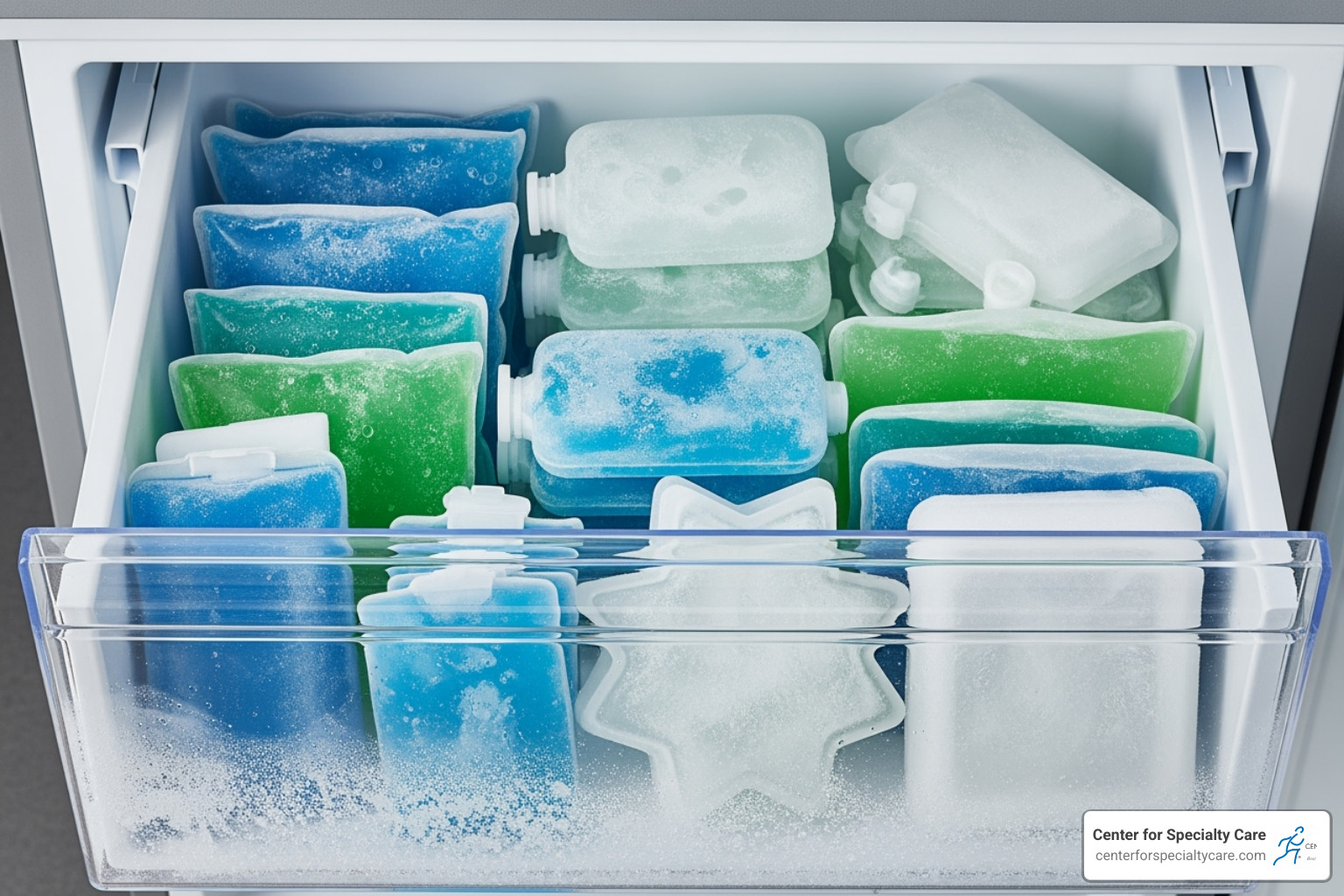
Freezing your pack flat is one of the simplest yet most important habits you can develop. When you toss your ice pack into the freezer haphazardly, the gel settles unevenly, creating lumps and uncomfortable pressure points. Instead, lay it flat on a freezer shelf or in a drawer. This ensures the gel distributes evenly, giving you consistent cooling coverage when you need it most.
Keeping your pack clean doesn’t require any special equipment or fancy cleaners. A simple wipe-down with a damp cloth and mild detergent does the trick perfectly. Avoid submerging your ice pack completely in water unless the manufacturer specifically says it’s waterproof – you don’t want to risk damaging the seal. After cleaning, let it air dry completely before putting it back in the freezer.
Regular inspection takes just a few seconds but can save you from messy surprises. Before each use, give your ice pack a quick once-over. Look for small cracks, tears, or any signs of wear around the edges. If you notice the pack feels different or see any gel seeping out, it’s time for a replacement. A compromised pack isn’t just less effective – it can create an unnecessary mess when you’re already dealing with pain or injury.
Having a designated spot in your freezer for your ice packs means they’re always ready when you need them. Whether it’s a specific drawer or shelf, knowing exactly where to find your pack during those moments when every second counts makes all the difference.
Understanding Contents and Safety Warnings
Modern ice pack manufacturers have come a long way in creating products that are both effective and safe for everyday use. However, understanding what’s inside your pack and following basic safety guidelines ensures your peace of mind.
Today’s reusable gel packs are filled with non-toxic materials like water, propylene glycol, cellulose, or silica gel. These substances are specifically chosen because they remain flexible when frozen and pose minimal risk if accidentally exposed. Most quality packs also feature latex-free vinyl exteriors, which is great news for anyone with latex sensitivities.
While these gels are non-toxic, they’re definitely not meant for snacking. If a curious child or pet takes a small taste, it’s unlikely to cause serious harm, but consuming larger amounts could lead to an upset stomach. This is especially important to remember if you have little ones around who might be tempted to investigate that interesting-looking pack in the freezer.
In the past, some ice packs contained substances like ethylene glycol, which could be more concerning if ingested. Thankfully, manufacturers have largely moved away from these materials for safety reasons. You can find examples of how seriously safety is taken in the industry by looking at CPSC recall information for context when products don’t meet current standards.
Temperature safety is just as important as understanding the contents. Always use that protective towel barrier we talked about earlier – frostbite is a real risk with direct skin contact. If you’re using your pack for heat therapy, test the temperature carefully before application. Never apply excessive heat to areas with poor circulation or reduced sensation.
When used properly, your ice pack becomes an invaluable tool for managing everything from acute injuries to chronic conditions like Back pain relief. A little knowledge and care ensure it remains a helpful ally rather than a source of worry.
Frequently Asked Questions about Ice Packs
We know that when you’re dealing with pain or an injury, you want to make sure you’re doing everything right. Over the years, we’ve heard just about every question imaginable about ice pack usage. Let me share the answers to the most common ones that come up in our practice.
How long should I apply an ice pack to an injury?
This is probably the question we hear most often, and for good reason – getting the timing right is crucial for effective treatment. For most acute injuries, you’ll want to apply your ice pack for 15-20 minutes at a time, and you can repeat this several times throughout the day.
Here’s the thing that might surprise you: keeping that ice pack on longer doesn’t give you better results. In fact, extended application beyond 20 minutes offers no extra therapeutic benefit and actually increases your risk of skin damage, including frostbite. Think of it like taking medication – more isn’t always better.
Your skin needs time to return to its normal temperature between applications. I usually tell my patients to wait at least an hour between ice pack sessions, but listen to your body. If the area still feels numb or overly cold, give it more time to recover before the next application.
Can I put an ice pack directly on my skin?
Absolutely not – and I can’t stress this enough. Never apply an ice pack directly to your bare skin, no matter how tough you think you are or how much pain you’re in. This is one of those safety rules that has no exceptions.
Always wrap your ice pack in a thin towel, cloth, or even a paper towel to create that protective barrier. Even those flexible reusable gel packs that stay soft when frozen can cause cold burns if they’re applied directly to your skin for too long.
I’ve seen patients who thought they were being “tough” by skipping the towel, only to end up with frostbite damage that took weeks to heal. That kind of skin damage actually sets back your recovery rather than helping it. A simple thin towel is all you need – it won’t significantly reduce the cooling effect, but it will keep you safe.
When is it better to use heat instead of ice?
This is where a lot of people get confused, and I don’t blame them. The ice versus heat decision can make or break your treatment success, so let’s clear this up once and for all.
Use ice for acute injuries – these are the fresh ones that happened within the first 24-48 hours. If you’ve got swelling, inflammation, or a fresh sprain, strain, or bruise, your ice pack is your best friend. The cold helps reduce that initial swelling, numbs the pain, and decreases inflammation right when you need it most.
Heat is for the chronic stuff – think muscle soreness, stiffness, and those nagging aches that have been bothering you for a while, but only when there’s no swelling present. Heat increases blood flow and helps relax tight tissues. It’s fantastic for warming up stiff muscles before you get moving or easing those persistent aches that come with chronic conditions.
Here’s the golden rule: never use heat on a fresh injury, open wound, or any area that’s swollen or inflamed. If you’re not sure which one to use, ice is generally the safer choice for the first few days after an injury occurs.
The bottom line? When in doubt, start with ice for new injuries and save the heat for ongoing stiffness and chronic discomfort without swelling.
Your Next Steps for Pain Relief
You now have everything you need to make ice packs work for you! Whether you choose a reusable gel pack for regular use or keep instant cold packs in your first aid kit, you’re equipped with a powerful tool for managing pain and supporting your recovery.
The beauty of ice pack therapy lies in its simplicity. When you twist your Ankle during a morning jog or strain your Wrist while gardening, you can take immediate action. Remember the basics: wrap it in a towel, apply for 15-20 minutes, and give your skin time to recover between applications.
But here’s the thing – sometimes home care isn’t enough. If your pain is severe, doesn’t improve after a few days, or keeps coming back, that’s your body telling you it needs professional attention. Chronic pain or injuries that don’t respond to the R.I.C.E. method often require a deeper look from someone who specializes in musculoskeletal health.
At Center for Specialty Care, we understand that every person’s pain story is different. What works for your neighbor might not work for you, and that’s where our personalized approach makes all the difference. We don’t believe in one-size-fits-all solutions – we believe in finding what works for your specific situation.
Our team combines the convenience of ice pack therapy with advanced treatment options when you need them. Whether you’re dealing with a sports injury, chronic joint pain, or recovering from surgery, we’re here to create a treatment plan that gets you back to doing what you love.
Ready to take the next step? Explore our comprehensive Orthopedics services to find how we can help you move beyond basic home care and into lasting pain relief. Your journey back to comfort and mobility starts with understanding your options – and we’re here to guide you every step of the way.