

How to Locate a Pain Management Doctor Near Me: A Comprehensive Search
January 2, 2026
The Magnificent Four: Unpacking the Rotator Cuff Muscles
January 6, 2026
Muscle Knots in Shoulder Blade Symptoms: Top 3 Fixes
Understanding Muscle Knots in Your Shoulder Blade
Muscle knots in shoulder blade symptoms are very common, affecting up to 85% of people at some point. These painful spots can make everyday activities like reaching, lifting, or sitting at a desk uncomfortable.
Common symptoms of muscle knots in the shoulder blade include:
- Localized pain – A specific tender spot that hurts when pressed
- Hard, lumpy feeling – A pea-sized or larger bump under the skin
- Muscle stiffness – Difficulty moving your shoulder or neck freely
- Aching or burning sensation – Persistent discomfort in the area
- Referred pain – Discomfort that spreads to your neck, upper back, or arms
- Limited range of motion – Trouble reaching overhead or behind your back
- Tenderness to touch – Sensitivity when pressure is applied to the area
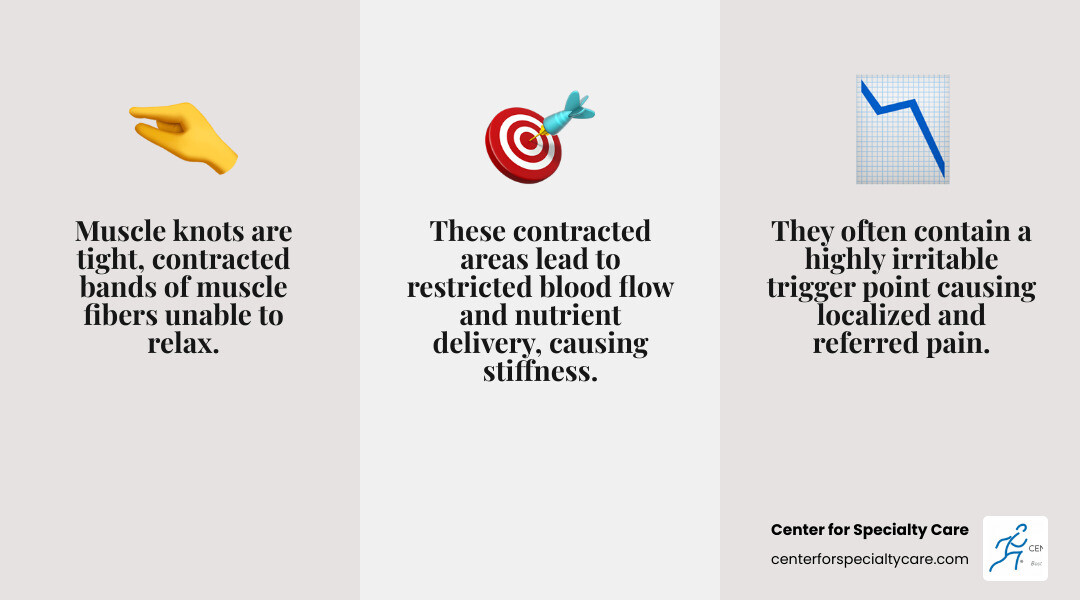
Muscle knots, or myofascial trigger points, are tight bands of muscle fibers that contract but can’t fully relax. Think of them as small areas where your muscle has gotten “stuck” in a tense state.
These knots typically form when muscle fibers experience repeated stress. The Cinderella hypothesis suggests this happens when smaller muscle fibers are overworked while larger ones rest, leading to overuse and damage.
The shoulder blade area is prone to knots because seventeen different muscles attach to it. This complex network constantly supports posture and arm movements, making it a prime spot for tension. For a deeper dive, explore the anatomy of the scapula and back muscles.
I’m Dr. Corey Welchlin, a board-certified orthopedic surgeon at the Center for Specialty Care. With over three decades of practice, my team and I specialize in identifying, treating, and preventing musculoskeletal pain with a range of treatment options.
Related content about muscle knots in shoulder blade symptoms:
What Are the Common Muscle Knots in Shoulder Blade Symptoms?
A muscle knot in your shoulder blade is more than a simple ache. These areas of tension cause various muscle knots in shoulder blade symptoms, and understanding them helps identify the problem.
A muscle knot often feels like a hard, lumpy spot under the skin that’s tender to the touch. Pressing on it causes localized pain—a sharp, aching, or burning sensation directly at the knot. These knots also cause muscle stiffness and a limited range of motion in the shoulder and neck, making simple tasks difficult. A persistent, dull aching or burning sensation is also common, even at rest.
One of the most intriguing aspects of muscle knots is their ability to cause referred pain, where the discomfort radiates from the shoulder blade to other areas. Understanding this is key for effective treatment. If you’re experiencing pain that seems to spread, our guide on managing radiating pain: tips for relief can provide further insights.
Identifying Localized vs. Referred Pain
To understand muscle knots in shoulder blade symptoms, it’s important to distinguish between localized pain at the knot and referred pain that travels elsewhere.
Here’s a list of common referred pain locations from shoulder blade knots:
- Neck pain: A knot in the upper trapezius or levator scapulae can send pain signals into your neck, causing stiffness and a persistent ache.
- Tension headaches: Referred pain from trigger points in the neck and shoulder muscles is a common cause of tension headaches.
- Arm pain: Knots in muscles like the subscapularis or rhomboids can refer pain down your arm, sometimes causing tingling or numbness.
- Upper back discomfort: This is a very common area for referred pain, often feeling like a deep, persistent ache between the shoulder blades.
Understanding these connections helps pinpoint the true source of your discomfort. If you’re also experiencing issues like clicking or popping, explore potential causes in our article on shoulder joint pain, popping: causes, effective relief.
Key Symptoms That Differentiate Knots from Other Issues
It’s important to differentiate muscle knots in shoulder blade symptoms from other conditions. A knot’s key feature is a dull, aching pain that’s highly sensitive to direct pressure, often with a palpable lump in the muscle.
In contrast, a pinched nerve (cervical radiculopathy) typically causes sharp, shooting, or burning pain that radiates down the arm. It may also involve neurological symptoms like numbness, tingling, or muscle weakness. This condition is a common cause of similar symptoms, affecting roughly 107 men and 64 women per 100,000 people annually.
Here’s a simple table to help you compare the typical symptoms:
| Symptom Feature | Muscle Knot (Myofascial Trigger Point) | Pinched Nerve (Cervical Radiculopathy) |
|---|---|---|
| Pain Quality | Dull, aching, deep, burning sensation | Sharp, shooting, electrical, burning, stabbing |
| Pain Location | Localized to knot, may refer to nearby areas (neck, upper back, arm) | Often radiates down arm/hand in a specific nerve distribution |
| Tenderness | Very tender to direct pressure, palpable lump/taut band | May have tenderness, but less localized to a “knot” |
| Neurological Symptoms | Generally absent, though referred tingling can occur | Common: numbness, tingling, weakness in arm/hand |
| Aggravating Factors | Sustained posture, repetitive motion, stress, direct pressure | Neck movement, certain arm positions, coughing, sneezing |
| Relieving Factors | Massage, stretching, heat, movement, trigger point release | Rest, neck traction, specific nerve glide exercises |
If you’re unsure about your symptoms, especially if they include neurological signs, it’s always best to consult with a healthcare professional.
Solving the Causes: Why Do Knots Form in Your Shoulder Blade?
To treat and prevent muscle knots in shoulder blade symptoms, it’s crucial to understand their causes. These points of tension result from various stresses on the body.
Muscle overuse and repetitive motions are common culprits. Activities like sports, heavy lifting, or typing can fatigue muscles, preventing them from relaxing and causing knots to form. An acute injury, such as a strain, fall, or whiplash from a car accident, can also traumatize muscle tissue, causing it to tighten into a knot for protection. If you’ve experienced such an event, our guide on shoulder pain after car accident: causes, recovery tips might be helpful.
Lifestyle choices also play a role. A sedentary lifestyle weakens muscles and promotes poor posture, increasing susceptibility to knots. Dehydration is another factor, as muscles need water to stay pliable and avoid stiffness. Finally, nutritional deficiencies, especially in minerals like magnesium and potassium, can also lead to muscle spasms and knots, as these electrolytes are vital for muscle function.
How Poor Posture Triggers Muscle Knots in Shoulder Blade Symptoms
Poor posture is a major contributor to muscle knots in shoulder blade symptoms, particularly for those who spend hours at a desk. Hunching over screens creates chronic strain on neck and shoulder muscles.

A forward head posture shifts your head’s weight, dramatically increasing the load on your upper back and neck muscles. This sustained tension is a prime cause of painful knots. Similarly, rounded shoulders from slouching stress the rhomboid muscles between the shoulder blades. This imbalance leads to overworked, tight, and knotted back muscles, causing persistent pain and stiffness.
Correcting your ergonomics is crucial. Simple adjustments, like ensuring your screen is at eye level and your chair provides lumbar support, can make a world of difference by reducing strain. For more on how posture affects our skeletal system, see how posture affects your spine.
The Role of Stress and Tension
Psychological stress and emotional tension are powerful triggers for muscle knots in shoulder blade symptoms. When stressed, the body’s “fight or flight” response causes muscles in the upper back and shoulders to tense up and remain tight.
The stress hormone cortisol exacerbates this tension, increasing inflammation and muscle sensitivity. Subconsciously hunching your shoulders or clenching your jaw when anxious is a direct path to developing persistent knots. The muscles connecting your jaw, neck, and shoulders are all interconnected, so tension can easily spread.
Managing stress is a vital component of physical health. Incorporating relaxation techniques for stress relief like deep breathing or meditation can help break this cycle of tension. For a comprehensive approach to managing pain that includes stress reduction, explore our pain management services.
Finding Relief: Effective Treatments for Shoulder Blade Knots
Once you’ve identified muscle knots in shoulder blade symptoms and their causes, the next step is finding relief. Many options exist, from self-care to professional interventions, often used in combination.
A proper diagnosis is crucial to rule out more serious conditions. At Center for Specialty Care, we perform a thorough evaluation to create a personalized treatment plan that addresses the root cause of your pain. For more detailed information on the science behind these knots, you can read about the diagnosis and management of trigger points from medical experts.
We are here to guide you toward lasting relief, whether your knots are acute or chronic.
At-Home Relief for Muscle Knots in Shoulder Blade Symptoms
For many, initial relief can be found through consistent at-home care. These methods are the first line of defense for new or less severe knots.
Rest is a simple but powerful tool. Giving the overworked muscle a break from the aggravating activity allows it to heal. Gentle, active rest is usually best. Heat and cold therapy also provide significant relief. Heat relaxes muscles and increases blood flow, while cold numbs pain and reduces inflammation. Alternate between them or use what feels best.
Gentle stretching helps lengthen tight muscle fibers and improve flexibility. Self-massage is also very effective. Use your fingers or a tennis/lacrosse ball against a wall to apply sustained pressure (30-90 seconds) to the tender spot until you feel it release. For more detailed guidance, see this guide on how to try a trigger point massage.

Finally, over-the-counter muscle rubs containing ingredients like menthol can provide temporary pain relief.
Professional Treatment Options
If at-home remedies aren’t enough, or if pain is persistent, worsening, or accompanied by neurological symptoms (numbness, weakness), seek professional help for your muscle knots in shoulder blade symptoms.
At Center for Specialty Care, we offer a range of professional treatments:
- Physical Therapy: A physical therapist can identify the root cause of your knots and create a personalized plan using exercises, stretches, and manual therapy to restore function and reduce pain. Learn more about physical therapy.
- Manual Therapy: This hands-on approach uses techniques like myofascial release and massage to release tension, improve circulation, and restore normal muscle function.
- Dry Needling: This technique uses thin, sterile needles inserted into trigger points to release deep or resistant knots, reduce pain, and promote healing.
- Trigger Point Injections: An injection of local anesthetic or a corticosteroid into the knot can provide immediate relief, break the pain cycle, and help the muscle relax. Learn more with our guide on types of injections for shoulder pain relief: treatment options.
- Sports Medicine: For knots related to athletic activity, our sports medicine specialists offer care focused on injury prevention, rehabilitation, and performance.
Our team will work with you to find the most effective treatment path at our locations in Fairmont, Estherville, Buffalo Center, or St. James.
Preventing a Recurrence: How to Keep Shoulder Blade Knots at Bay
After finding relief from muscle knots in shoulder blade symptoms, preventing them from returning is the next step. This involves making conscious adjustments to your daily habits.
Proper ergonomic adjustments are vital for desk workers. Position your monitor at eye level, use a supportive chair, and keep your keyboard and mouse close to reduce strain. The Mayo Clinic offers an excellent office ergonomics guide with practical tips.
Take regular movement breaks. If you have a sedentary job, stand, stretch, and walk every 30-60 minutes to prevent muscle stiffness. If you’re physically active, always warm-up and cool-down to prepare muscles for activity and help prevent injury and overuse.
Stay hydrated and maintain a balanced diet. Well-hydrated muscles are less prone to knots, and a diet rich in hydration and nutrition, including magnesium and potassium, supports muscle function. Effective stress management is also crucial to prevent the tension that leads to muscle knots.
Stretches and Exercises to Prevent Muscle Knots in Shoulder Blade Symptoms
Regular stretching and targeted exercises are powerful preventative tools for muscle knots in shoulder blade symptoms. They improve flexibility, strengthen supporting muscles, and correct posture. Here are some effective exercises:
- Doorway Stretch: Stand in a doorway with your arms bent at 90 degrees, forearms on the doorframe. Gently step forward to feel a stretch across your chest. Hold for 20-30 seconds.
- Cat-Cow Pose: On your hands and knees, inhale as you arch your back (Cow) and exhale as you round your spine (Cat). This mobilizes the spine and stretches back muscles.
- Shoulder Blade Squeezes: Sit or stand tall and gently squeeze your shoulder blades together. Hold for 5-10 seconds and repeat 10-15 times. This strengthens the rhomboids.
- Chin Tucks: With good posture, gently pull your chin straight back to create a double chin, feeling a stretch at the back of your neck. Hold for a few seconds and repeat 10-15 times. This helps correct forward head posture.
Consistency is key. Incorporate these into your daily routine. Our physical therapists can provide a comprehensive exercise program. Learn more about how shoulder treatment with physical therapy: recovery, pain relief can benefit you.
Frequently Asked Questions About Shoulder Blade Knots
Here, we answer common questions about muscle knots in shoulder blade symptoms.
How long does it take for a knot in the shoulder blade to go away?
How long a shoulder blade knot lasts depends on if it’s acute or chronic, its cause, and the consistency of treatment.
- Acute knots: A new knot from a single strain might resolve in a few days to a week with consistent self-care.
- Chronic knots: Knots present for weeks or months are more stubborn and may require several weeks to months of professional treatment to resolve.
Recovery time is influenced by the knot’s cause, treatment consistency, and individual factors like hydration, nutrition, and stress levels.
Can a shoulder blade knot cause headaches?
Yes, muscle knots in the shoulder blade commonly cause headaches through referred pain.
Trigger points in the upper trapezius and levator scapulae muscles often refer pain to the head, causing tension headaches. This pain typically feels like a dull ache or pressure at the base of the skull that can spread to the temples or forehead. Treating the source knot often relieves these headaches, highlighting the need for a comprehensive approach.
Is it a muscle knot or a pinched nerve?
Distinguishing between a muscle knot in the shoulder blade and a pinched nerve (cervical radiculopathy) is crucial, as their symptoms and treatments differ.
-
Muscle Knot: Presents as a dull, aching pain localized to a tender, palpable spot in the muscle. Pain may refer to nearby areas but doesn’t typically cause neurological symptoms like numbness or weakness.
-
Pinched Nerve (Cervical Radiculopathy): Occurs when a neck nerve root is compressed. Symptoms are often more severe and include sharp, shooting, or burning pain radiating down the arm; numbness or tingling in the arm or hand; and weakness in arm or hand muscles.
These two conditions can sometimes coexist. Due to overlapping symptoms, a professional diagnosis is essential. If you have sharp, radiating pain, numbness, or weakness, seek medical attention. Our specialists can perform a thorough exam to accurately diagnose your condition and rule out more serious issues. For more on nerve-related conditions, explore common spinal conditions: causes, symptoms, and treatment options.
Take the Next Step Towards a Pain-Free Shoulder
Experiencing muscle knots in shoulder blade symptoms can be incredibly disruptive, affecting your daily comfort, productivity, and overall quality of life. We’ve explored what these knots are, their common symptoms, and the various factors—from poor posture and overuse to stress and nutritional deficiencies—that contribute to their formation. We’ve also highlighted a range of effective treatments, from at-home care to professional interventions like physical therapy, dry needling, and trigger point injections, all aimed at helping you find relief.
Addressing pain early is crucial. Don’t let persistent shoulder blade pain limit your life or prevent you from engaging in the activities you love. Our team at Center for Specialty Care is committed to providing personalized, comprehensive care for all your musculoskeletal needs. We pride ourselves on 100% patient satisfaction, offering custom treatment plans and quick appointment availability across our locations in Fairmont MN, Estherville IA, Buffalo Center IA, and St James MN.
If you’re struggling with stubborn muscle knots in shoulder blade symptoms or any other shoulder discomfort, we’re here to help you regain optimal shoulder health and function.
Learn more about our comprehensive shoulder care options and take the first step toward a pain-free future.