
Got a Knot? Here’s How to Spot Muscle Knot Symptoms in Your Shoulder Blade
January 5, 2026
Targeting Back Pain: The Science Behind Basivertebral Nerve Ablation
January 7, 2026
Rotator Cuff Muscles: 4 Magnificent Facts
Why Your Shoulder’s Four-Muscle Team Matters
Rotator cuff muscles are a group of four muscles and their tendons that surround your shoulder joint, keeping the ball of your upper arm bone firmly within the shallow socket of your shoulder blade. These muscles work together to stabilize your shoulder and allow you to lift, rotate, and move your arm in nearly every direction.
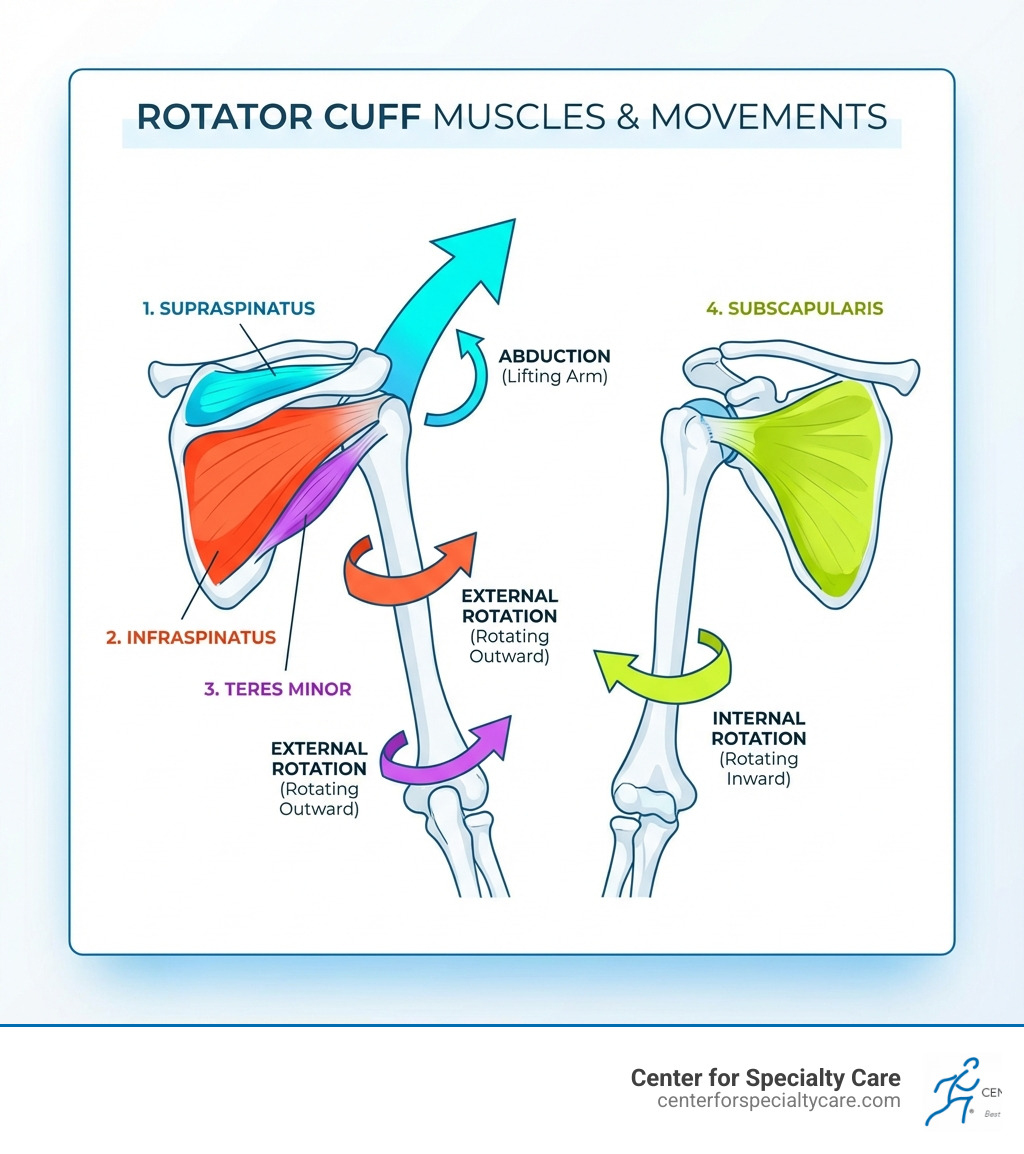
The four rotator cuff muscles are:
- Supraspinatus – Helps lift your arm away from your body (abduction)
- Infraspinatus – Rotates your arm outward (external rotation)
- Teres Minor – Also rotates your arm outward and provides stability
- Subscapularis – Rotates your arm inward (internal rotation)
Many people call them the SITS muscles (Supraspinatus, Infraspinatus, Teres minor, Subscapularis) as an easy way to remember them.
Up to 70% of adults will experience shoulder pain at some point in their lifetime, and the rotator cuff is often the culprit. Your shoulder is the most movable joint in your entire body—which also makes it one of the most vulnerable to injury. Whether you’re reaching into a cabinet, throwing a baseball, or sleeping on your side, these four muscles are constantly working to keep your shoulder stable and functional.
Understanding how these muscles work—and why they’re so prone to problems—is the first step toward keeping your shoulders healthy or recovering from an injury.
I’m Dr. Corey Welchlin, a board-certified orthopedic surgeon who has specialized in rotator cuff repair and shoulder surgery for over three decades in southern Minnesota. Throughout my career, I’ve helped countless patients understand and recover from rotator cuff muscle injuries through both conservative and surgical treatments.
Similar topics to rotator cuff muscles:
Anatomy of the Magnificent Four: A Closer Look at the Rotator Cuff Muscles
The shoulder joint, also known as the glenohumeral joint, is a marvel of engineering. It’s a ball-and-socket joint, similar to a golf ball sitting on a golf tee, which allows for an incredible range of motion. However, this mobility comes at a cost: inherent instability. This is where the rotator cuff muscles come into play. They are the dynamic stabilizers, compressing the head of the humerus (your upper arm bone) firmly against the shallow glenoid fossa (the socket on your shoulder blade).
These four muscles originate from various points on your scapula (shoulder blade) and their tendons insert onto the humerus. Together, these tendons form a musculotendinous collar that blends with the joint capsule, creating a cohesive unit vital for both stability and movement. You can learn more about the intricate details of this anatomy through resources like the National Library of Medicine’s Anatomy, Rotator Cuff.
The Supraspinatus: The Top Initiator
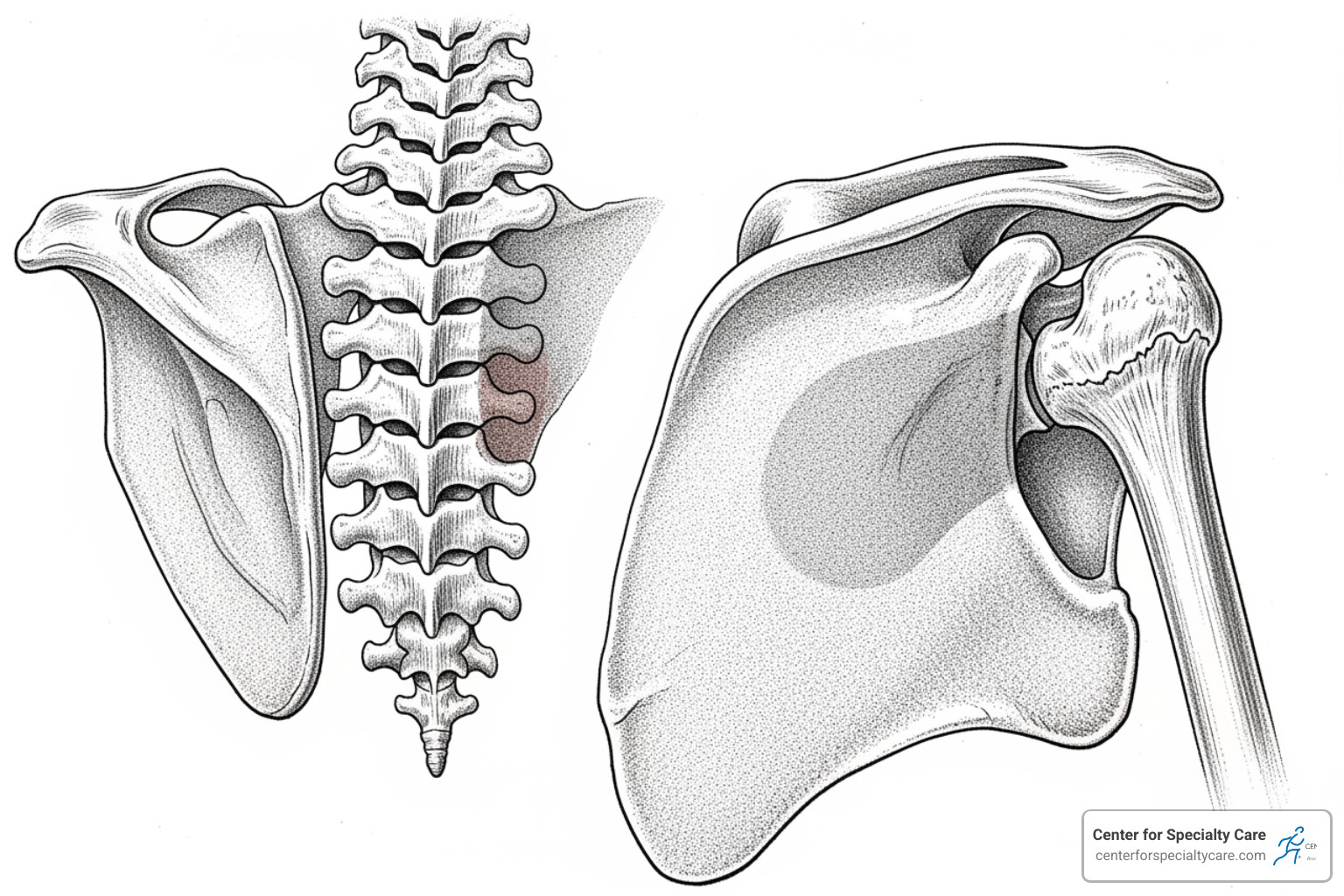
The supraspinatus muscle originates from the supraspinous fossa, a hollow on the posterior (back) aspect of the scapula, and its tendon passes through a narrow space called the subacromial space before inserting onto the top of the humerus.
Its primary role is to initiate abduction—the movement of lifting your arm out to the side, away from your body. It’s particularly active during the first 0 to 15 degrees of this motion. Once your arm is past this initial phase, other muscles like the deltoid take over.
Interestingly, the supraspinatus tendon is the most commonly torn structure in the rotator cuff muscles. Its position within the tight subacromial space makes it vulnerable to impingement and wear, especially during overhead activities.
The Infraspinatus and Teres Minor: The External Rotators
These two muscles are located on the posterior aspect of your shoulder blade. The infraspinatus originates from the infraspinous fossa, below the supraspinatus, while the teres minor originates from the lateral (outer) border of the scapula. Both their tendons insert onto the greater tubercle of the humerus.
Their main function is external rotation of the arm, which means rotating your arm outward, away from your body. Think about turning a doorknob clockwise or reaching for something behind you. They also play a crucial role in stabilizing the humeral head within the glenoid fossa, preventing it from migrating forward or upward during movement. Teres minor tears are the least common and often occur alongside tears of other tendons.
The Subscapularis: The Powerful Internal Rotator
The subscapularis is the largest and strongest of the rotator cuff muscles. It originates from the subscapular fossa, the large concave surface on the anterior (front) aspect of the shoulder blade, and its tendon inserts onto the lesser tubercle of the humerus.
Its primary action is internal rotation of the arm, which is rotating your arm inward, towards your body. This movement is essential for actions like tucking in your shirt or reaching into a back pocket. Like its counterparts, the subscapularis also contributes significantly to the overall stability of the shoulder joint, helping to prevent anterior dislocation of the humerus.
Why the Rotator Cuff is So Prone to Injury
The unique anatomy of the shoulder, designed for maximum mobility, also makes it inherently vulnerable. The “golf ball on a golf tee” analogy highlights this: the shallow glenoid fossa provides little bony stability for the large humeral head. The rotator cuff muscles are the primary dynamic stabilizers, actively keeping the humeral head centered during movement through a mechanism called “concavity compression.”
When these muscles are weakened, fatigued, or injured, this dynamic stabilization is compromised, leading to increased stress on other structures and a higher risk of injury. This anatomical vulnerability, combined with various internal and external factors, explains why the rotator cuff is so frequently affected by pain and injury. Our Sports Medicine services are dedicated to helping athletes and active individuals overcome such challenges.
Common Causes and Conditions
Rotator cuff injuries are incredibly common and can range from mild inflammation to complete tears. Here are some of the conditions we frequently see:
- Tendinitis: Inflammation of the rotator cuff tendons, often due to overuse or repetitive motions.
- Tendinosis: A more chronic condition involving degeneration and microscopic tears within the tendon, without significant inflammation.
- Impingement Syndrome: Occurs when the rotator cuff tendons (especially the supraspinatus) get pinched between the humerus and the acromion (a bony projection of the scapula) during arm movements.
- Bursitis: Inflammation of the bursa, a fluid-filled sac that cushions the tendons and bones, often accompanying tendinitis or impingement.
- Partial Tears: Incomplete tears where some of the tendon fibers are damaged or frayed, but the tendon is not fully separated. These are classified by thickness, with Grade 3 being over 50% thickness.
- Full-Thickness Tears: Complete tears where the tendon is fully separated from the bone or torn through. These are classified by size (small, medium, large, massive).
Rotator cuff tears are the most common upper extremity condition seen by primary and sports medicine doctors and orthopedic surgeons, including our specialists in Fairmont, Estherville, Buffalo Center, and St. James.
Key Symptoms to Watch For
Recognizing the symptoms of a rotator cuff problem early can make a significant difference in treatment and recovery. If you experience any of the following, it might be a sign of an issue with your rotator cuff muscles:
- A dull ache deep within the shoulder.
- Pain that worsens when sleeping on the affected side or at night. We understand how disruptive this can be, and we have tips on How to Relieve Rotator Cuff Pain at Night: Expert Tips for Better Sleep.
- Difficulty or weakness when lifting or rotating your arm, especially overhead.
- Clicking or popping sounds when moving your shoulder.
- Pain when reaching behind your back.
- A burning sensation in the shoulder.
- Inability to lift objects you normally could.
Understanding the Risk Factors
Several factors can increase your likelihood of developing rotator cuff problems:
- Age (over 40): Tendon degeneration often begins around age 40, making older individuals more susceptible to tears from “wear and tear.”
- Repetitive Overhead Movements: Athletes (like baseball pitchers, tennis players, swimmers, and weightlifters) and individuals in occupations requiring frequent overhead arm movements (such as painters or carpenters) are at higher risk due to chronic stress on the tendons.
- Genetics: Rotator cuff issues can run in families, suggesting a genetic predisposition to tendon degeneration.
- Smoking: Negatively impacts tendon health and healing, reducing blood flow and oxygen to tissues.
- Obesity: Can lead to muscle atrophy and increased tendon stress, further contributing to injury risk.
- Poor Posture/Ergonomics: Can alter shoulder biomechanics, placing undue stress on the rotator cuff.
- Acute Trauma: A sudden fall on an outstretched hand, a direct impact to the shoulder, or attempting to lift something too heavy can cause an acute tear, especially if underlying degeneration is already present.
Diagnosis and Treatment Pathways for Rotator Cuff Problems
When you experience shoulder pain, getting an accurate diagnosis is the first and most crucial step towards effective treatment. At Center for Specialty Care, we emphasize personalized care, ensuring that your treatment plan is custom to your specific condition and lifestyle.
How Doctors Diagnose Rotator Cuff Issues
Our diagnostic process typically involves a thorough evaluation:
- Medical History: We’ll discuss your symptoms, when they started, what makes them worse or better, your activity level, and any previous injuries.
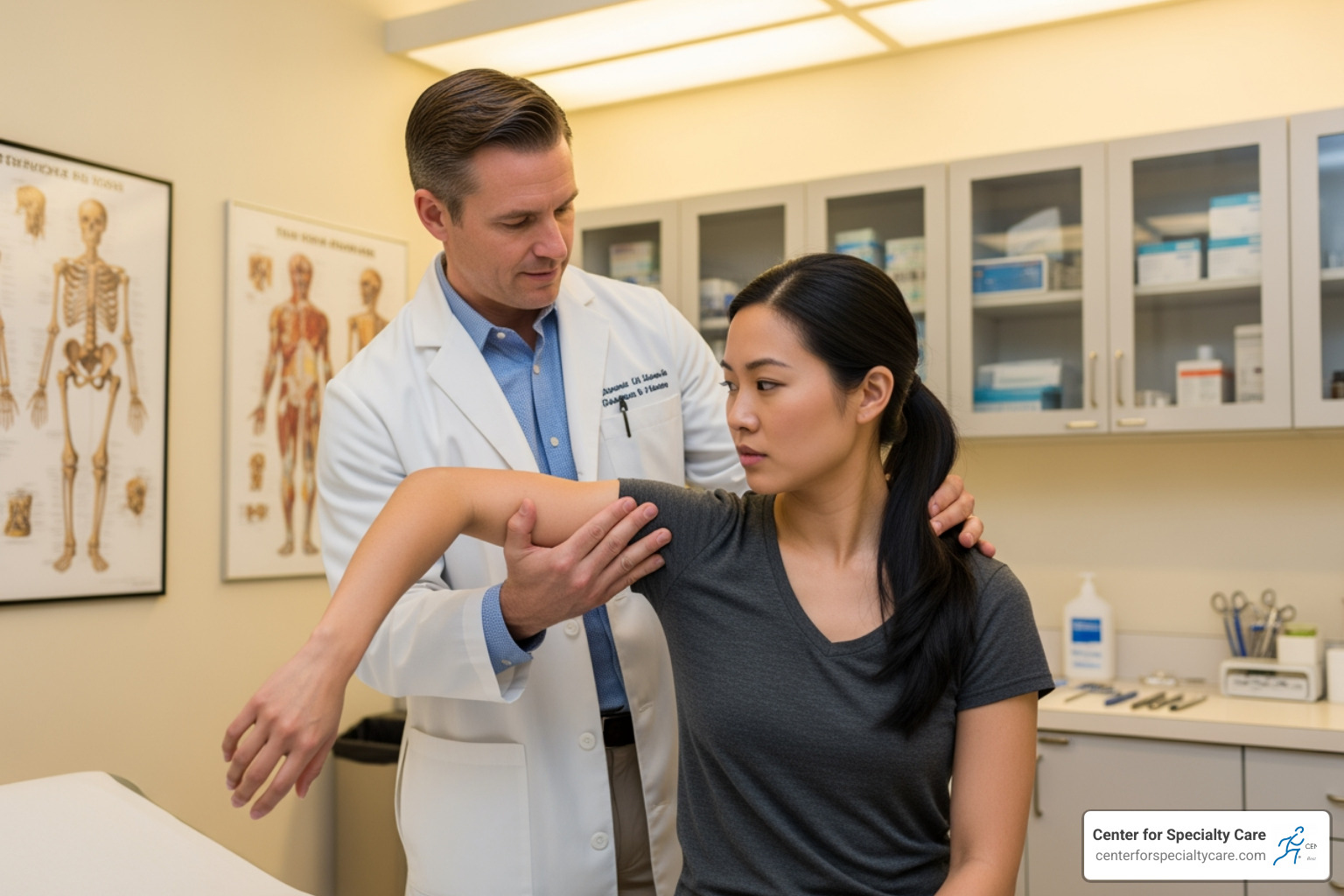
- Physical Examination: This is a hands-on assessment where we check your shoulder’s range of motion, strength, and tenderness. We’ll perform specific tests to identify which rotator cuff muscles might be affected. For instance, the Hawkins-Kennedy test is often used to check for impingement. While physical exams are important, their accuracy for diagnosing rotator cuff impingement syndrome can be low.
- Diagnostic Imaging: To confirm a diagnosis and assess the severity of any injury, we may recommend imaging tests. We offer comprehensive diagnostic imaging services right here in our clinics:
- X-rays: Primarily used to rule out other bone-related issues like fractures or arthritis, though they don’t show soft tissues like tendons.
- MRI (Magnetic Resonance Imaging): Considered the gold standard for visualizing soft tissues. MRI provides detailed images of the rotator cuff tendons, allowing us to see tears, inflammation, and muscle atrophy. It’s crucial for planning rotator cuff repair.
- Ultrasound: A cost-effective and readily available alternative to MRI, ultrasound can also provide good diagnostic accuracy for rotator cuff pathologies.
Non-Surgical Treatment for the rotator cuff muscles
For many rotator cuff problems, especially tendinitis, impingement, or small partial tears, conservative (non-surgical) treatments are often very effective. These may include:
- Rest and Activity Modification: Avoiding activities that aggravate your shoulder, particularly overhead movements, can help reduce inflammation and allow healing.
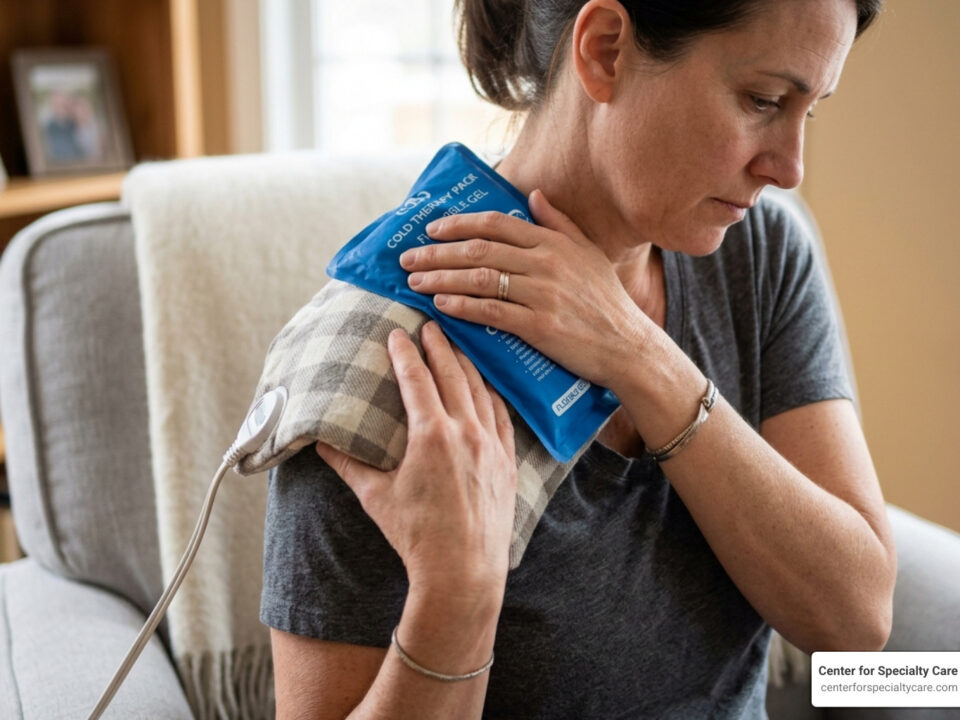
- Ice and Heat Therapy: Applying ice packs can help reduce pain and swelling, while heat can relax muscles.
- Anti-inflammatory Medications (NSAIDs): Over-the-counter or prescription nonsteroidal anti-inflammatory drugs can help manage pain and inflammation.
- Corticosteroid Injections: Injections of cortisone into the subacromial space can provide significant, though often temporary, pain relief by reducing inflammation. We offer various Types of Injections for Shoulder Pain Relief: Treatment Options at our clinics. Studies show that while corticosteroid injections can give small and transient pain relief, they are not a long-term solution.
It’s worth noting that for non-surgical treatment of subacromial impingement syndrome, studies suggest that combining hypothermia (cold therapy) with exercise therapy is more effective than just waiting for surgery.
Surgical Options for the rotator cuff muscles
If conservative treatments don’t provide sufficient relief after several months, or if you have a significant full-thickness tear, surgery might be the best option. Our orthopedic specialists in Fairmont, Estherville, Buffalo Center, and St. James are highly skilled in various surgical techniques:
- Arthroscopic Surgery: This minimally invasive procedure uses small incisions, a tiny camera (arthroscope), and specialized instruments to repair the torn tendon. It’s the most common method for rotator cuff repair.
- Tendon Repair: The torn tendon is reattached to the humerus bone. The success of the repair can be influenced by factors like the tear’s size, the quality of the tendon tissue, and the presence of muscle atrophy.
- Subacromial Decompression: This procedure involves removing bone spurs or inflamed bursa that may be impinging on the rotator cuff tendons. However, a 2019 Cochrane Systematic Review found with a high degree of certainty that subacromial decompression surgery does not improve pain, function, or quality of life compared with a placebo surgery. This highlights the importance of careful patient selection and considering all treatment avenues.
- Reverse Shoulder Replacement: For very large, irreparable tears, especially in older patients with associated arthritis, a reverse total shoulder arthroplasty may be considered. In this procedure, the ball and socket components of the shoulder are switched, allowing the deltoid muscle to lift the arm instead of the non-functional rotator cuff. A recent 2024 review on rotator cuff tears from Nature provides further insights into the latest advancements and treatment strategies.
Choosing the right specialist is key for optimal outcomes. If you’re considering surgical options, we encourage you to explore Finding the Best Orthopedic Shoulder Specialist Near Me to understand how our expert team can help.
The Crucial Role of Physical Therapy in Recovery
Physical therapy is often the cornerstone of both non-surgical management and post-surgical rehabilitation for rotator cuff muscles injuries. It’s not just about managing pain; it’s about restoring function, strength, and preventing future injuries.
Our physical therapists in Fairmont, Estherville, Buffalo Center, and St. James play a vital role in your recovery journey. For non-surgical cases, physical therapy helps to:
- Reduce Pain and Inflammation: Through modalities like ice, heat, and manual techniques.
- Improve Range of Motion: Gentle stretches and mobility exercises help restore flexibility to the shoulder joint.
- Strengthen Rotator Cuff Muscles and Surrounding Muscles: Targeted exercises are prescribed to strengthen the rotator cuff, scapular stabilizers, and other shoulder girdle muscles, improving dynamic stability and reducing stress on injured tissues.
- Correct Biomechanics: Therapists can identify and correct improper movement patterns that might have contributed to the injury.
Following surgery, physical therapy is absolutely critical for successful outcomes. A structured rehabilitation program, often starting with passive movements and gradually progressing to active exercises, is essential to:
- Protect the Repair: Ensuring the healing tendon is not re-injured.
- Regain Range of Motion: Systematically working to restore full movement.
- Rebuild Strength and Endurance: Gradually strengthening the repaired tendon and surrounding muscles.
- Restore Function: Helping you return to daily activities, work, and sports safely.
Effective Shoulder Treatment with Physical Therapy: Recovery & Pain Relief is a collaborative effort between you, your surgeon, and your physical therapist. They will guide you through each phase of recovery, adapting exercises as you heal and progress.
Frequently Asked Questions about the Rotator Cuff
We hear many similar questions from our patients regarding their rotator cuff muscles. Here are some common ones:
What does a rotator cuff injury feel like?
A rotator cuff injury can manifest in various ways, but common sensations include:
- A dull, deep ache in the shoulder, often radiating down the arm.
- Sharp pain with specific movements, especially lifting your arm overhead or reaching behind your back.
- Weakness when trying to lift or rotate your arm.
- Pain that disrupts sleep, particularly if you lie on the affected shoulder.
- Clicking, popping, or grinding sensations in the shoulder during movement.
Will a torn rotator cuff heal on its own?
The answer often depends on the size and type of the tear. Small, partial, or degenerative tears may sometimes be managed non-surgically with rest, physical therapy, and pain management, allowing symptoms to improve without the tear itself fully “healing” in the traditional sense. However, the tendon integrity may not be fully restored.
Larger or acute, full-thickness tears, especially in younger, active individuals, generally do not heal on their own and often require surgical repair to restore full function and prevent the tear from enlarging. Delaying surgical repair for full-thickness tears can lead to significant muscle atrophy and tendon retraction, which can make successful repair more challenging. For more detailed information, check out our article: Will a Torn Rotator Cuff Heal on Its Own? Key Recovery Facts.
When should I see a doctor for shoulder pain?
It’s always wise to seek professional medical advice if your shoulder pain is persistent or significantly impacting your life. We recommend scheduling an appointment with us if you experience:
- Pain that lasts for more than a few weeks, even with rest and home remedies.
- Inability to carry objects or use your arm normally.
- Difficulty raising your arm above shoulder height or reaching behind your back.
- Pain that disrupts your sleep on a regular basis.
- Sudden, intense shoulder pain, especially after an injury like a fall or heavy lift.
- Any signs of a medical emergency, such as sudden, extreme shoulder pain accompanied by dizziness, shortness of breath, or sweating, which could indicate a heart attack. In such cases, seek emergency medical care immediately.
For guidance on when to seek immediate care, our article Should I Go to Urgent Care for Shoulder Pain? Signs, Treatment Options can be a helpful resource.
Take Control of Your Shoulder Health
Your rotator cuff muscles truly are the “Magnificent Four,” working tirelessly to give your shoulder its incredible range of motion and stability. While they are resilient, they are also susceptible to injury, leading to pain and limitations that can significantly impact your daily life.
Understanding their anatomy, function, and common issues is the first step towards maintaining healthy shoulders. If you’re experiencing shoulder pain or suspect a rotator cuff injury, don’t wait. Early diagnosis and a personalized treatment plan are key to a successful recovery.
At Center for Specialty Care in Fairmont, Estherville, Buffalo Center, and St. James, we pride ourselves on providing 100% patient satisfaction with personalized care and quick appointment availability. Our team of orthopedic and pain management specialists is here to offer comprehensive care, from accurate diagnosis using advanced imaging to effective non-surgical and surgical solutions.
Ready to take control of your shoulder health and get back to doing what you love? Learn more about our comprehensive shoulder care options and schedule your appointment today.