The Subluxed Truth: Everything You Need to Know About Joint Instability
December 29, 2025
Say Goodbye to Tendonitis: Effective Treatment Strategies
December 31, 2025
Nerve ablation procedure: Conquer Chronic Pain 2025
Understanding Chronic Pain and How Nerve Ablation Can Help
A nerve ablation procedure is a minimally invasive treatment that uses heat, cold, or chemicals to destroy nerve tissue that transmits pain signals to your brain. It’s designed to provide relief from chronic pain when other treatments haven’t worked, typically lasting six months to over a year before nerves may regenerate.
Quick Facts About Nerve Ablation:
- What it treats: Chronic back pain, neck pain, joint pain (knee, hip, shoulder), and arthritis-related pain
- How it works: Destroys specific nerve fibers to interrupt pain signals
- Duration: Usually takes 60-90 minutes as an outpatient procedure
- Recovery: Most people return to normal activities within 24-72 hours
- Pain relief: Typically lasts 6-12 months, though some experience relief for several years
- Safety: Low risk, performed under local anesthesia with mild sedation
Back pain is one of the most common medical problems in the United States—80% of adults will experience it at some point in their lives, according to the National Institutes of Health. For many, that pain becomes chronic, lasting months or even years despite medication, physical therapy, and other conservative treatments.
When pain persists and interferes with your daily life, it’s time to consider more targeted interventions. That’s where nerve ablation comes in.
Nerve ablation (also called radiofrequency ablation or neurolysis) offers a middle ground between ongoing medication and invasive surgery. Instead of masking pain with pills or undergoing major spinal surgery, this procedure directly targets the nerves sending pain signals from problem areas like arthritic facet joints or damaged discs.
The concept is straightforward: if a specific nerve is transmitting pain signals, destroying or “ablating” that nerve tissue can stop or dramatically reduce the pain. Think of it like cutting a phone line—the message simply can’t get through anymore.
How does this actually work? A physician uses imaging guidance (usually fluoroscopy or ultrasound) to place a specialized needle near the targeted nerve. Then, depending on the technique, they apply heat (radiofrequency energy), extreme cold (cryoablation), or a chemical agent to create a small lesion on the nerve. This lesion interrupts the nerve’s ability to send pain signals to your brain.
Before any ablation, you’ll typically undergo a diagnostic nerve block—a test injection of local anesthetic to confirm that the targeted nerve is actually the source of your pain. If that test provides significant temporary relief, nerve ablation is likely to be effective for you.
The results aren’t permanent because nerves can regenerate over time, but most patients experience meaningful pain relief for six months to a year or longer. Many report reduced reliance on pain medication, improved mobility, and a better quality of life. And if pain does return as nerves regrow, the procedure can often be repeated.
I’m Dr. Corey Welchlin, a board-certified orthopedic surgeon and founder of the Center for Specialty Care in Fairmont, Minnesota, where I’ve specialized in minimally invasive pain management techniques, including the nerve ablation procedure, for over three decades. My team and I have helped countless patients in southern Minnesota and northern Iowa find lasting relief from chronic pain through comprehensive, multidisciplinary care that emphasizes same-day outpatient solutions.
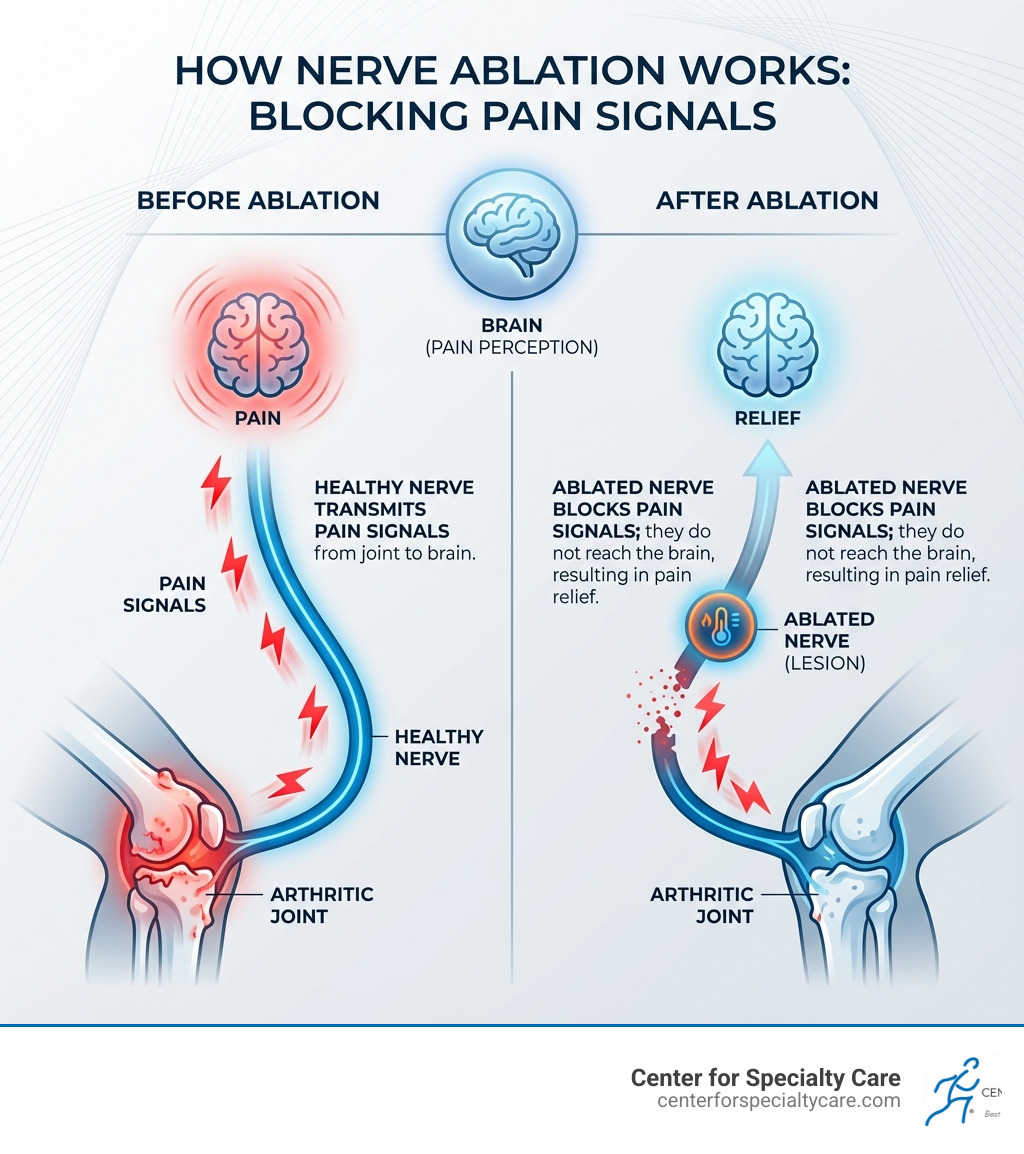
Simple guide to nerve ablation procedure:
Is Nerve Ablation Right for You? Conditions and Candidacy
When chronic pain becomes a constant companion, impacting your daily life and preventing you from enjoying the activities you love, it’s natural to explore all available options. A nerve ablation procedure can be a game-changer for many, offering a chance to significantly reduce or even eliminate persistent pain. But how do you know if it’s the right path for you?
At Center for Specialty Care, we believe in personalized care. Our team of experts in orthopedics and pain management in Fairmont, MN, Estherville, IA, and surrounding areas works closely with each patient to assess their unique situation. For more information on our comprehensive approach to musculoskeletal health, explore our Orthopedics services.
Conditions Treated by Nerve Ablation
A nerve ablation procedure is primarily used to treat chronic pain that originates from specific nerves, often those associated with joints. This means it can be highly effective for conditions such as:
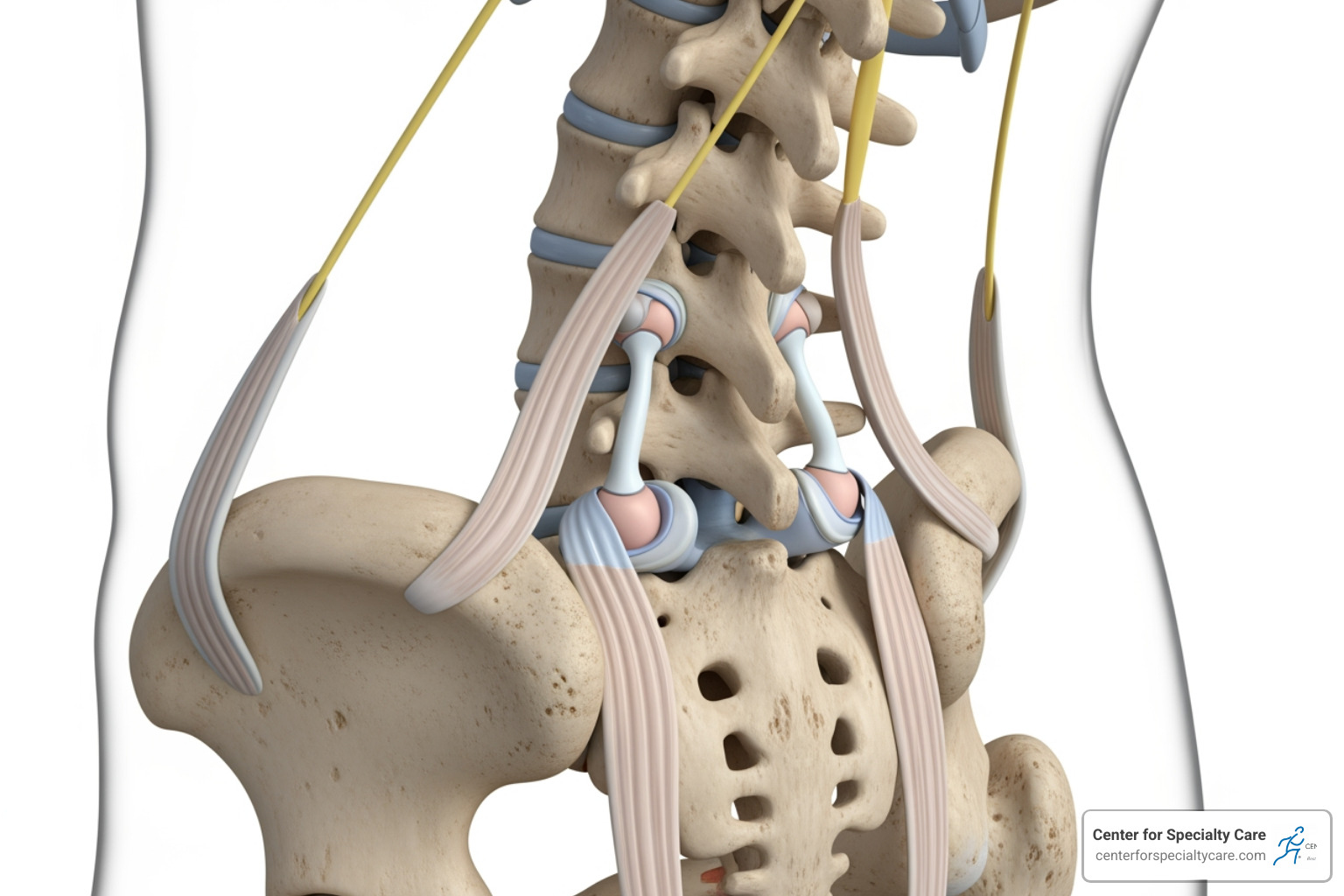
- Arthritis of the Spine (Spondylosis): This common condition involves the degeneration of the spinal joints, leading to persistent back or neck pain. Nerve ablation can target the small nerves that transmit pain signals from these arthritic facet joints.
- Chronic Back Pain: Whether it’s in your Back Spine or neck, chronic back pain that hasn’t responded to other treatments can often be managed with nerve ablation. It’s particularly useful for pain stemming from facet joints, which are small joints between your vertebrae that provide flexibility.
- Knee Arthritis: For those struggling with painful Knee osteoarthritis, genicular nerve ablation can provide significant relief by targeting the nerves around the knee joint. Studies show that genicular RFA can provide pain relief lasting from several months to two years for knee pain.
- Shoulder and Hip Pain: Just like the knee, larger joints such as the Shoulder and Hip can experience chronic pain due to arthritis or other joint issues. Nerve ablation can be used to interrupt the pain signals from the nerves supplying these joints.
- Sacroiliac Joint Dysfunction: The sacroiliac (SI) joints, located near the bottom of your spine, can be a significant source of lower back and buttock pain. Nerve ablation can effectively target the lateral branch nerves associated with these joints to alleviate discomfort. You can learn more about these joints here: sacroiliac joints.
- Failed Back Surgery Syndrome: For some individuals who continue to experience pain after spinal surgery, nerve ablation can be a viable option to manage persistent discomfort.
While nerve ablation is highly effective for these pain conditions, it’s generally considered when conservative treatments, such as medication, physical therapy, and steroid injections, have not provided lasting relief.
Who is a Good Candidate?
Determining if you’re a good candidate for a nerve ablation procedure involves a thorough evaluation by our pain management specialists. Generally, we look for several key indicators:
- Chronic Pain Lasting More Than Six Months: If you’ve been experiencing persistent pain for an extended period, despite trying other therapies, nerve ablation might be suitable.
- Poor Response to Conservative Treatments: You’ve tried various non-surgical approaches, including medications, chiropractic care, and Physical Therapy, without significant or lasting improvement.
- Significant Relief from a Diagnostic Nerve Block: This is a crucial step! Before we proceed with ablation, we perform a diagnostic nerve block. If injecting a local anesthetic near the suspected pain-transmitting nerve provides you with significant, temporary pain relief, it strongly indicates that the nerve ablation will be successful. As the saying goes, “If the test drive feels good, the full ride will too!”
- Desire to Avoid or Delay Surgery: Many of our patients prefer to explore minimally invasive options before considering major surgery. Nerve ablation can be an excellent alternative or a bridge to surgery.
- No Active Infection or Bleeding Problems: For your safety, we ensure there are no active infections at the procedure site or underlying bleeding disorders that could complicate the procedure.
- Not Pregnant: As a precaution, nerve ablation is generally not recommended for pregnant individuals.
Our goal is always to provide you with the most effective and safest treatment plan, custom to your specific needs.
Types of Nerve Ablation: Heat, Cold, and Beyond
When we talk about a nerve ablation procedure, we’re referring to a technique that intentionally disrupts nerve function to alleviate pain. The “how” of this disruption can vary, leading to different types of ablation. At Center for Specialty Care, we use advanced techniques to ensure optimal outcomes for our patients. To learn more about our comprehensive approach to pain management, visit our Pain Management page.
Radiofrequency Ablation (RFA): The Most Common Method
Radiofrequency Ablation (RFA), also known as radiofrequency neurotomy, is the most widely used and well-understood nerve ablation procedure for chronic pain. This method uses heat to create a small lesion on the targeted nerve, effectively “turning off” its ability to send pain signals.
Here’s how it generally works:
- Heat Lesion: A specialized needle, guided by fluoroscopy (a type of X-ray), is placed near the nerve. A small radiofrequency current is then passed through the needle, generating heat. This heat creates a tiny burn, or lesion, on the nerve tissue. This lesion disrupts the nerve’s ability to transmit pain signals to your brain.
- Targeted Nerves: For back and neck pain, RFA often targets the medial branch nerves, which carry pain signals from the facet joints of the spine. For knee pain, we might target the genicular nerves around the knee joint.
- Outpatient Procedure: One of the great advantages of RFA is that it’s typically performed on an outpatient basis. This means you can go home the same day, often within an hour or two of the procedure itself. The procedure usually takes an hour or less, though it may take longer depending on the number and location of nerves being treated.
- Precision and Safety: The use of imaging guidance (like fluoroscopy) allows us to precisely target the nerves while minimizing damage to surrounding healthy tissue. Patients remain awake during the procedure and receive a local anesthetic and relaxation medication to ensure comfort.
You can find a detailed overview of radiofrequency neurotomy here: Radiofrequency neurotomy overview.
While RFA is common, other methods exist, including:
- Cryoablation: This technique uses extreme cold to create an “ice ball” that freezes and disables the pain-transmitting nerve. It’s similar in principle to RFA but uses cold instead of heat.
- Chemical Neurolysis: Less common for musculoskeletal pain, this involves injecting a chemical agent (like alcohol or phenol) to destroy nerve tissue.
A Closer Look at Basivertebral Nerve (BVN) Ablation
A more specialized and newer approach to nerve ablation, particularly for a specific type of chronic low back pain, is Basivertebral Nerve (BVN) ablation.
- Vertebrogenic Pain: This procedure targets chronic low back pain that originates from the vertebral endplates, which are the top and bottom surfaces of the vertebrae. This type of pain, known as vertebrogenic pain, is often diagnosed when other sources of back pain have been ruled out.
- Targeting Vertebral Endplates: The basivertebral nerve carries pain signals specifically from these endplates. By ablating this nerve, we can interrupt these signals and provide relief for patients suffering from this particular type of back pain.
- Newer, Specialized Approach: BVN ablation represents a significant advancement in treating chronic low back pain, offering an option for patients who haven’t found relief through traditional RFA or other treatments. The effectiveness of BVN ablation has been demonstrated in various studies. You can read more about it here: Effectiveness of BVN Ablation.
The Nerve Ablation Procedure: A Step-by-Step Guide
Understanding what to expect during a nerve ablation procedure can help alleviate any anxieties you might have. Our team at Center for Specialty Care is committed to ensuring your comfort and providing clear communication every step of the way, from your initial consultation to your recovery.
The Crucial First Step: Diagnostic Nerve Blocks
Think of a diagnostic nerve block as a “test drive” for your pain relief. This is arguably the most critical step before a full nerve ablation procedure.
- Pinpointing the Pain Source: Chronic pain can be tricky, sometimes radiating from one area to another. A diagnostic nerve block helps us confirm which specific nerve or set of nerves is responsible for your pain. We inject a local anesthetic directly near the suspected nerve.
- Predicting Success: If the diagnostic block provides you with significant, albeit temporary, pain relief, it’s a strong indicator that the subsequent nerve ablation will also be effective. If the block doesn’t help, we know that nerve isn’t the primary culprit, and we’ll explore other avenues. It saves you from undergoing a procedure that might not yield the desired results.
- Local Anesthetic Injection: This is a quick injection that numbs the area around the nerve. While it’s not the ablation itself, it mimics the effect of the ablation by temporarily blocking pain signals.
- Temporary Pain Relief: The relief you feel from a diagnostic block usually lasts for a few hours. We’ll ask you to keep a pain diary during this time to accurately assess the level of relief you experience.
This diagnostic step is a cornerstone of our personalized approach, ensuring that any subsequent nerve ablation procedure is precisely targeted. While not directly a nerve block, you might find our guide on Understanding Epidural Steroid Injections: What You Need to Know insightful for other injection-based pain management strategies.
What to Expect on Procedure Day
When you arrive for your nerve ablation procedure, our team will ensure you’re comfortable and well-informed.
- Outpatient Setting: The procedure is performed in an outpatient setting, meaning you won’t need an overnight hospital stay. This allows for greater convenience and a quicker return home.
- Mild Sedation: To help you relax during the procedure, we’ll provide mild or moderate sedation. You’ll remain awake and able to communicate with us, but you’ll feel calm and comfortable.
- Local Anesthetic: The area where the needle will be inserted will be thoroughly numbed with a local anesthetic. This ensures that you feel minimal discomfort during the needle placement.
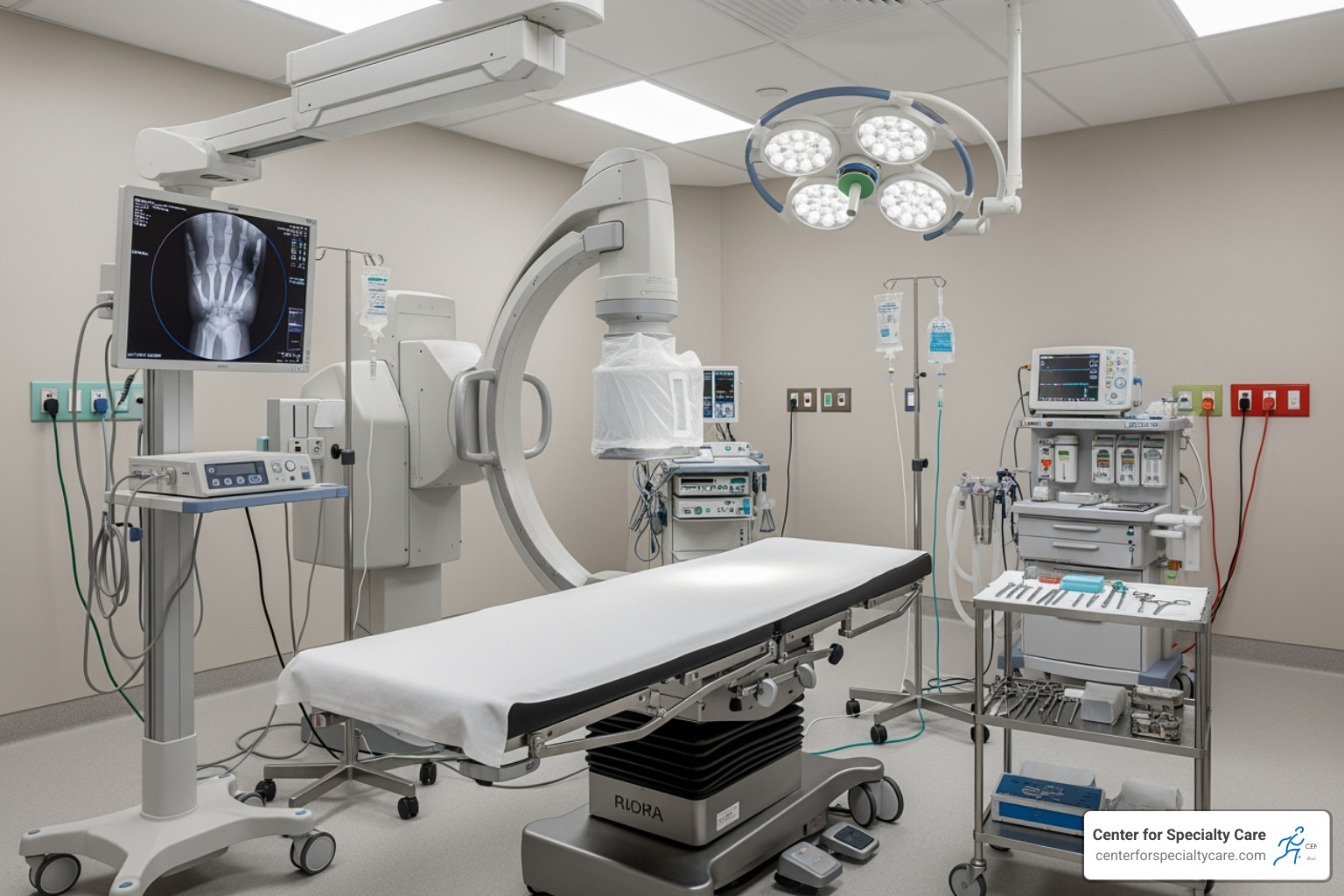
- Fluoroscopy Guidance: Precision is key! We use a special type of X-ray called fluoroscopy to guide the needle to the exact location of the targeted nerve. This real-time imaging ensures accurate placement and improves safety.
- Needle Placement: Once the area is numb, a thin, hollow needle is carefully inserted. You might feel some pressure, but generally no sharp pain.
- Nerve Stimulation Test: Before the ablation begins, we often perform a nerve stimulation test. A small electrical current is sent through the needle. You might feel a tingling sensation or a muscle twitch, which helps us confirm that the needle is precisely positioned near the pain-transmitting nerve and not too close to any motor nerves.
- Ablation Process: Once confirmed, the ablation begins. For radiofrequency ablation, heat is generated at the tip of the needle, creating a small lesion on the nerve. This typically lasts for 60-90 seconds per nerve, though the entire procedure usually takes an hour or less, depending on how many nerves are being treated.
Recovery and Post-Procedure Care
After your nerve ablation procedure, your journey to pain relief continues with careful recovery and follow-up.
- Post-Procedure Monitoring: You’ll be moved to a recovery area where our nursing staff will monitor you for a short period, typically an hour or two, to ensure you’re feeling well and any sedation has worn off.
- Soreness at Injection Site: It’s common to experience some temporary soreness, bruising, or a “sunburn-like” sensation at the injection sites. This is normal and usually resolves within a few days.
- Ice Application: We recommend applying an ice pack to the treated area for 20 minutes at a time, several times a day, during the first 24-48 hours to help reduce any discomfort or swelling. Avoid using heating pads on the treated area.
- Activity Restrictions: Most patients can return to their normal daily activities within 24-72 hours. However, we advise against strenuous activities, heavy lifting, or taking baths for a couple of days. Warm showers are generally fine after 24 hours.
- Follow-Up Appointments: Follow-up care is a key part of your treatment and safety. We’ll schedule follow-up appointments to monitor your progress, assess your pain relief, and discuss any further steps. It’s also a good idea to keep a list of the medicines you take and know your test results. We are dedicated to your long-term well-being and ensuring 100% patient satisfaction.
Weighing the Options: Efficacy, Risks, and Long-Term Outlook
Deciding on a nerve ablation procedure involves understanding not just how it works, but also what to expect in terms of pain relief, potential risks, and its role in your long-term pain management strategy. At Center for Specialty Care, we believe in empowering you with all the information to make the best decision for your health.
How Effective is the nerve ablation procedure?
The effectiveness of a nerve ablation procedure is a primary concern for anyone considering it. For many patients, it offers significant and lasting relief.
- Pain Relief Duration: While not a permanent cure, nerve ablation provides substantial pain relief that typically lasts from six months to a year. For specific areas like knee pain treated with genicular RFA, relief can last even longer, from several months to two years.
- Nerve Regeneration: Nerves can regenerate over time, which may cause pain to return. The good news is that if the initial procedure was successful, it can often be repeated to provide ongoing relief.
- Long-term Success Rates: Studies have shown encouraging long-term outcomes. For instance, research indicates that a significant number of patients report a 50% reduction in pain after RFA, even when measured over several years (including repeat procedures). You can explore more about long-term success rates here: Long-term success rates.
- Improved Function and Reduced Medication Use: Successful nerve ablation often leads to improved physical function and a reduced reliance on pain medication, which has its own set of benefits.
Potential Risks and Side Effects
Like any medical procedure, a nerve ablation procedure carries some potential risks, though serious complications are rare. Our team prioritizes your safety and will discuss these thoroughly with you.
Common and usually temporary side effects include:
- Temporary Soreness: It’s normal to experience some discomfort, bruising, or a “sunburn-like” sensation at the injection site for a few days.
- Numbness or Tingling: You might notice temporary numbness or altered sensation in the treated area.
- Bleeding and Infection: As with any injection, there’s a small risk of bleeding or infection. We follow strict sterile protocols to minimize this risk.
- Rare Complications: In rare cases, a painful nerve growth (neuroma) can form, or the nerve can become inflamed, leading to temporary increased pain. Unintended nerve damage is also a very rare risk that is minimized by using imaging guidance.
Our experienced pain management physicians take every precaution to minimize these risks and ensure your safety and comfort.
Long-Term Considerations for the nerve ablation procedure
When considering a nerve ablation procedure, it’s helpful to weigh the comprehensive pros and cons.
Pros of Nerve Ablation:
- Minimally Invasive: It’s a low-risk procedure that avoids the complexities and recovery time of open surgery.
- Quick Recovery: Most patients return to normal activities within 24-72 hours.
- Effective Pain Relief: It can provide significant, long-lasting relief for many types of chronic pain.
- Reduced Medication Dependence: Patients often find they need less pain medication.
- Improved Quality of Life: Reduced pain can lead to better sleep, increased mobility, and a greater ability to participate in daily activities.
- Repeatable: If pain returns, the procedure can often be safely repeated.
Cons of Nerve Ablation:
- Temporary Relief: Because nerves regenerate, the pain relief is not permanent.
- Not a Cure: It manages pain symptoms but doesn’t address the underlying cause of the pain (e.g., arthritis).
- Not for Everyone: The procedure is unlikely to work if diagnostic nerve blocks do not provide temporary relief.
- Potential Muscle Impact: For lumbar (lower back) RFA, some research suggests a potential long-term impact on the small stabilizing muscles of the spine, like the multifidus. A 2024 study noted that RFA may lead to muscle changes on the treated side. This is an important factor to discuss with your doctor when weighing the long-term benefits and risks for your specific condition. You can read more about this research here: Research on RFA and multifidus muscle.
Understanding all aspects of the procedure is key to making an informed decision that will lead to an improved quality of life.
Conclusion: Taking the Next Step Towards Pain Relief
Living with chronic pain is a challenge, but you don’t have to face it alone. At Center for Specialty Care, we understand the impact persistent pain has on your life, and we are dedicated to offering advanced, minimally invasive solutions like the nerve ablation procedure to help you find lasting relief.
Our approach is built on accurate diagnosis and personalized care. We use diagnostic tools like nerve blocks to pinpoint the source of your pain, ensuring that any treatment we recommend is custom to your needs for the best possible outcome.
If you’re in Fairmont, MN, Estherville, IA, or the surrounding communities in Minnesota and Iowa, and you’re ready to explore how a nerve ablation procedure can help, we invite you to take the next step. Our commitment to patient satisfaction, personalized care, and quick appointment availability means you’ll receive the attention you deserve without delay.
Don’t let chronic pain dictate your life. Reach out to us to schedule a consultation and discuss your options. Start your journey to a more comfortable life by learning about our pain management specialists or finding how to take control of your chronic pain today. We are here to help you get back to doing what you love.