
Move Better, Pop Less: Physical Therapy for Shoulder Sounds
September 15, 2025
Is Heat Good for Jumper’s Knee? Understanding Its Benefits
September 17, 2025
Pain under scapula: 10 Causes, Ultimate Relief
Understanding the Mystery Behind Your Shoulder Blade Discomfort
Pain under the scapula, or interscapular pain, affects millions. It can range from a dull ache to sharp, burning sensations that disrupt daily life, leaving many searching for causes and relief.
The challenge is that the shoulder blade connects many body systems. Pain can originate from muscles, joints, nerves, or even internal organs. What seems like a simple muscle issue could stem from your neck, upper back, or a more serious condition requiring immediate attention.
Common causes include muscle strain, poor posture, and issues with the cervical or thoracic spine. The pain can also be referred from internal organs like the heart or lungs.
With over three decades of experience as an orthopedic surgeon in southern Minnesota and northern Iowa, I’ve seen how crucial an accurate diagnosis is for effective treatment and lasting relief from pain under scapula.
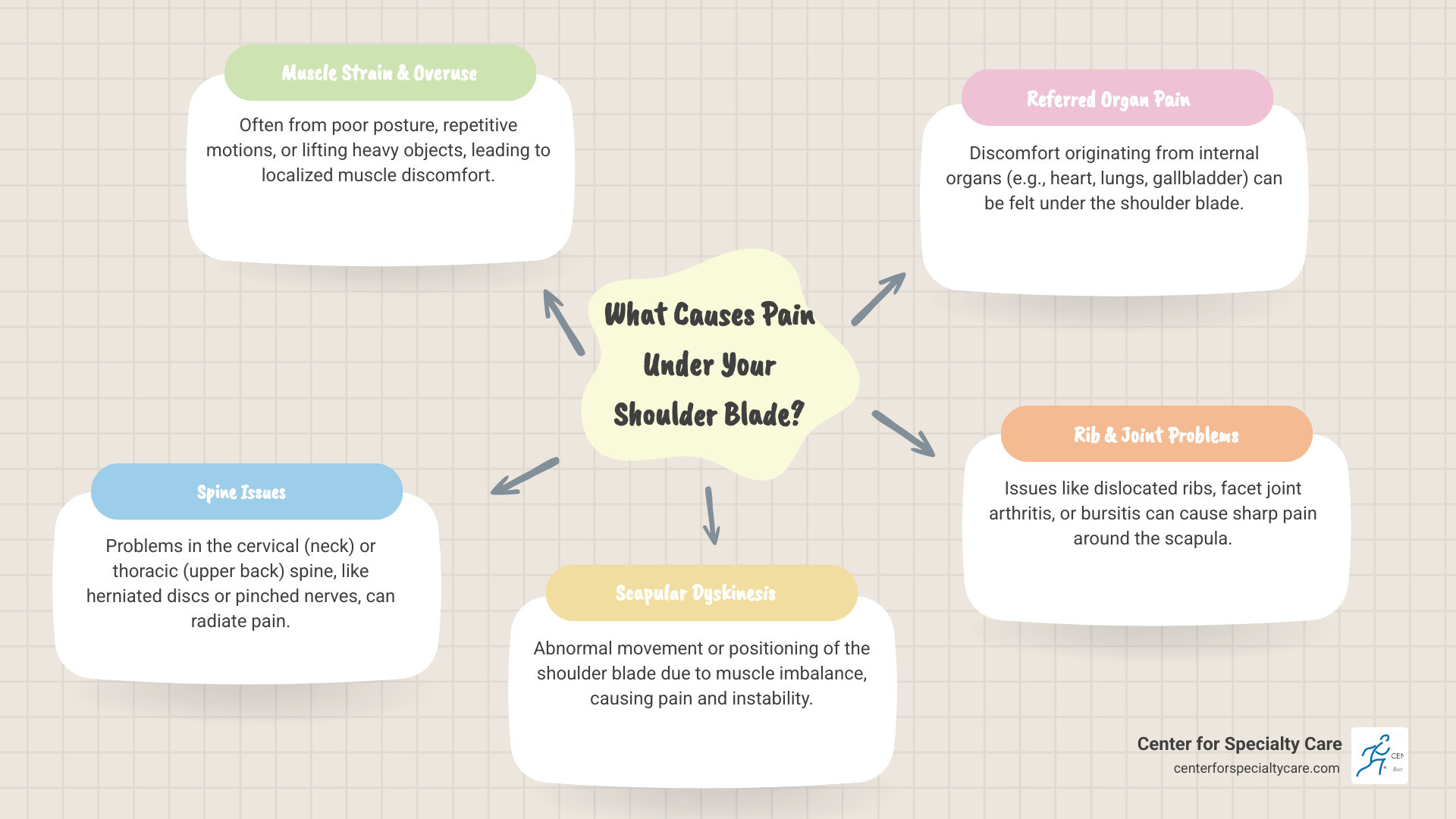
Simple guide to pain under scapula terms:
10 Common Causes for Pain Under the Scapula
When you feel that nagging ache beneath your shoulder blade, it can have many different sources. After treating thousands of patients with shoulder blade pain, I’ve learned that getting to the root cause is essential. Let’s walk through the ten most common culprits.
1. Muscle Strain and Overuse
Activities like moving furniture, painting, or a new workout can overload the rhomboids and trapezius muscles around your shoulder blade, causing strain. This often results in a sharp or burning sensation or a deep ache, especially when reaching overhead. Overuse can also lead to snapping scapula syndrome, causing grinding or popping sounds with movement.
For detailed guidance, see our articles on Muscle Kink in Shoulder Blade: Causes, Effective Relief and How to Get Rid of Shoulder Pain From Lifting Weights: Tips, Exercises.
2. Poor Posture
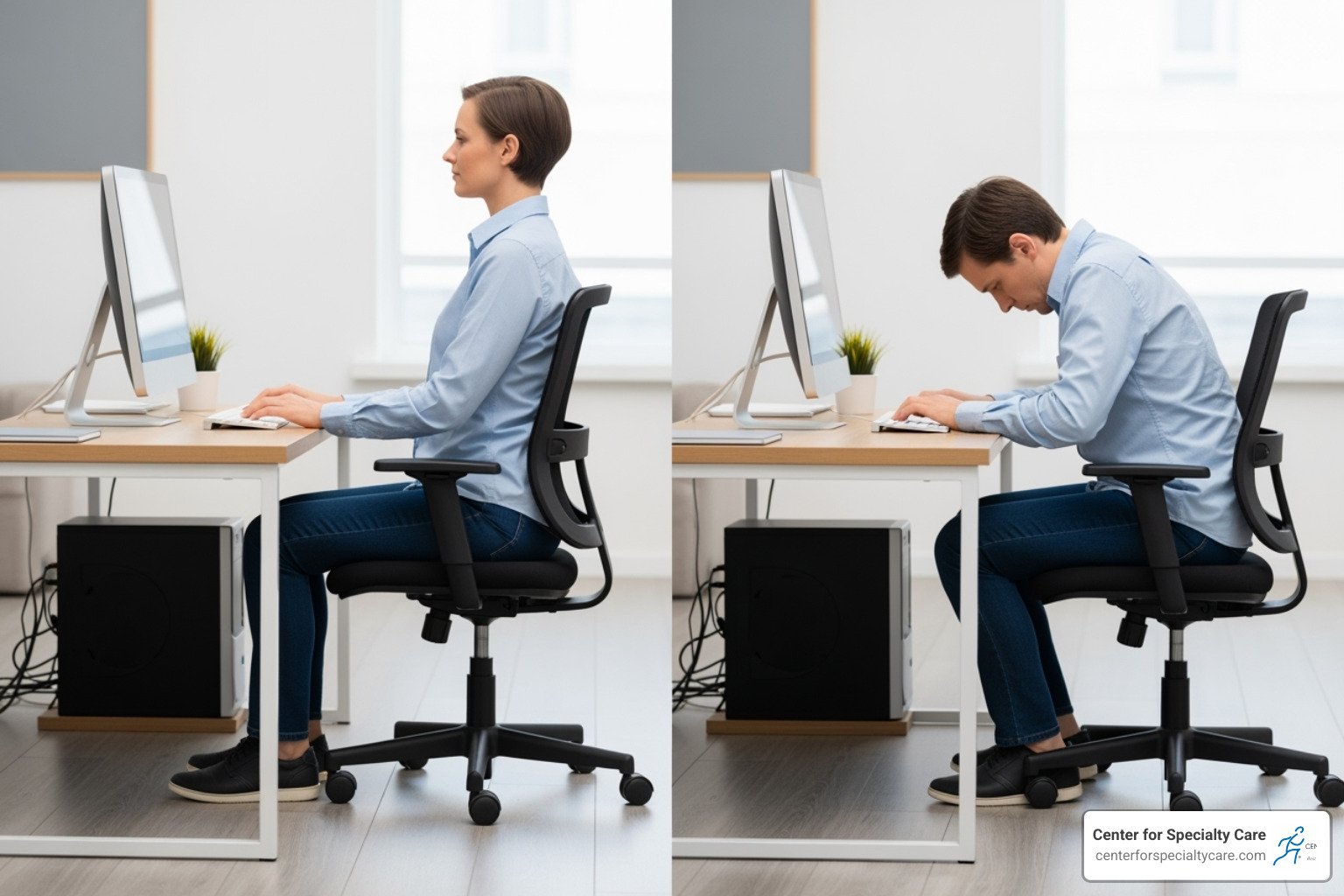
Our modern lifestyle contributes to “tech neck” and rounded shoulders, straining upper back muscles. Slouching over desks and phones stretches and weakens the muscles between your shoulder blades while tightening chest muscles. This imbalance creates a persistent, dull ache that can worsen throughout the day. Fortunately, posture-related pain under scapula often improves with simple ergonomic and habit changes. Learn more at Is Poor Posture Causing Your Back Pain?.
3. Scapular Dyskinesis
Scapular dyskinesis means your shoulder blade moves abnormally. Muscle imbalances can cause one shoulder blade to “wing” (stick out) or create popping and snapping sounds during arm movement. This altered motion can cause shoulder joint instability and pain under scapula as the body compensates. This issue is common in people with shoulder pain, as noted in a systematic review on scapular dyskinesis.
If you hear clicking, our guide on Shoulder Clicking and Pain: Causes, Effective Relief can help.
4. Cervical Spine Issues (Neck Problems)
Problems in your cervical spine (neck) can cause referred pain under your scapula. A cervical herniated disc can press on a nerve (a “pinched nerve”), causing sharp, electric-like pain between the shoulder blades, often with numbness or tingling. Even issues in the upper neck vertebrae can trigger pain under scapula due to shared nerve pathways.
Read more in our guide on Common Spinal Conditions: Causes, Symptoms, and Treatment Options and this resource on Cervical Disc Herniation explained.
5. Thoracic Spine Issues (Upper/Mid-Back Problems)
Your thoracic spine (upper/mid-back) can also be a source of pain under scapula. While often painless, thoracic herniated discs can cause pain around the shoulder blade, usually on one side. More serious conditions like compression fractures, especially if you have osteoporosis, can cause sudden, severe pain. Spinal stenosis (a narrowing of the spinal canal) can also contribute by pressuring nerves.
Learn more from How a Herniated Disc in Your Upper Back Causes Pain and our Back Spine page.
6. Rib and Joint Problems
Dislocated ribs can cause sharp pain under scapula that worsens with deep breaths or reaching. Facet joint arthritis in the lower neck often refers pain directly to the shoulder blade area. Scapulothoracic bursitis, inflammation of the bursa between your shoulder blade and rib cage, can lead to snapping scapula syndrome, where you feel grinding or popping during movement.
For more on joint-related pain, see Shoulder Joint Pain Popping: Causes, Effective Relief.
7. Direct Trauma or Injury

Sometimes the cause is clear: an accident or injury. Falls, car accidents, and sports collisions can cause trauma. While shoulder blade fractures are uncommon, they cause severe pain. More often, trauma leads to muscle tears, sprains, or rib injuries that cause pain under the shoulder blade.
If you’ve been in an accident, our resource on Shoulder Pain After Car Accident: Causes, Recovery Tips can help.
8. Referred Pain from Internal Organs
Never ignore pain under scapula, as it can be referred from internal organs. Heart problems are a major concern, especially for pain under the left shoulder blade, which can be a sign of a heart attack (particularly in women), angina, or aortic dissection. Lung conditions like a pulmonary embolism may cause sharp pain and difficulty breathing. Gallbladder disease often refers pain to the right shoulder blade, while acid reflux, liver cancer, or shingles can also be culprits.
If your pain is sudden, severe, or comes with chest pain or shortness of breath, seek medical attention immediately. Learn more in Managing Radiating Pain: Tips for Relief.
9. Nerve Compression Syndromes
Pinched or compressed nerves can cause a distinct burning or tingling pain. Dorsal scapular nerve entrapment occurs when a nerve from the neck is compressed, causing pain along the inner border of the shoulder blade. Myofascial pain syndrome involves chronic pain from persistent muscle “knots.” Thoracic outlet syndrome can also compress nerves and blood vessels, leading to pain in the shoulder and upper back.
For more on different pain types, explore Understanding Different Types of Shoulder Pain.
10. Arthritis
Arthritis in the spine or shoulder can cause pain under scapula. Osteoarthritis in the neck’s facet joints often refers pain to the shoulder blade, typically worse in the morning. Rheumatoid arthritis, an autoimmune condition, can cause widespread joint inflammation and stiffness, leading to chronic pain under the scapula during flare-ups. The pain is often worse with activity and may come with a grinding sensation.
Physical therapy is vital for managing arthritis. Learn more in The Role of Physical Therapy in Rheumatoid Arthritis Management.
Getting a Diagnosis: When to See a Doctor
When pain under scapula persists, an accurate diagnosis is essential. Given the wide range of causes, professional evaluation is the key to finding the right treatment.
How Specialists Diagnose Pain Under the Scapula
An accurate diagnosis begins with a detailed medical history review. We’ll discuss when your pain started, what affects it, and any patterns you’ve noticed, as this provides crucial clues.
The physical examination is next. We observe your posture for signs like a winged scapula, test your range of motion and muscle strength, and use palpation (touch) to locate tender spots or inflammation. Specific provocative tests can help pinpoint the exact structures causing pain.
If needed, diagnostic imaging can confirm a diagnosis. X-rays show bones and alignment, an MRI provides detailed images of soft tissues like discs and nerves, CT scans are useful for complex bone issues, and an EMG can evaluate nerve and muscle function.
Our article Doctor for Shoulder Problems: Your Guide to Specialized Care explains our comprehensive approach.
Red Flag Symptoms: When to Seek Immediate Help
While most cases are musculoskeletal, some “red flag” symptoms indicate a life-threatening emergency and require immediate medical attention.

Seek emergency care if you experience:
- Sudden, severe chest pain spreading to the shoulder blade, arm, or jaw (potential heart attack).
- Shortness of breath with sharp shoulder blade pain (potential pulmonary embolism).
- Lightheadedness, excessive sweating, or fainting.
- Pain that worsens with activity and improves with rest (potential angina).
- Sudden, severe, tearing pain in your upper back moving to the shoulder blade (potential aortic dissection).
- Leg pain or swelling, which could indicate a blood clot.
- Fever, chills, or unexplained weight loss.
- Pain that started after significant trauma.
Trust your instincts. If something feels seriously wrong, seek emergency care. For more guidance, read Should I Go to Urgent Care for Shoulder Pain? Signs, Treatment Options.
Your Path to Relief: Treatment and Prevention
Once we’ve pinpointed the cause of your pain under scapula, we can create a customized treatment plan. At Center for Specialty Care, we start with conservative approaches before moving to more advanced options if needed.
At-Home and Conservative Care
For pain from muscle strain or poor posture, simple home remedies are an effective first line of defense.
- Rest and Activity Modification: Avoid activities that aggravate your pain for a few days to allow the area to heal.
- Ice and Heat Therapy: Use ice for the first 48-72 hours to reduce swelling, then switch to heat to relax tight muscles.
- Over-the-Counter Medications: Ibuprofen or naproxen can reduce pain and inflammation. Follow package directions.
- Gentle Stretching and Posture Correction: Upper back stretches and mindful posture can release tension and prevent recurrence.
- Self-Massage: A foam roller or tennis ball can help release stubborn muscle knots.
These early treatments are often highly effective. For more tips, see Early Treatments for Upper Back Pain.
Professional Medical Treatments for Pain Under the Scapula
If home care isn’t enough, or for more complex issues, professional medical treatments can provide relief, often without surgery.
| Treatment Option | What It Involves | When We Use It |
|---|---|---|
| Physical Therapy | Custom exercises, manual therapy, posture training, and specialized techniques like dry needling | Most musculoskeletal causes – muscle strains, poor posture, scapular dyskinesis, and many spinal issues |
| Prescription Medications | Stronger anti-inflammatories, muscle relaxers, or specialized pain medications | When over-the-counter options aren’t providing adequate relief |
| Corticosteroid Injections | Anti-inflammatory medication injected directly into the problem area | Localized inflammation that hasn’t responded to other treatments |
| Manual Manipulation | Hands-on techniques to restore proper joint alignment and movement | Rib dysfunction, facet joint issues, and spinal stiffness |
| Surgery | Various procedures from minimally invasive to more extensive repairs | Severe structural problems that haven’t responded to conservative care |
Physical therapy is a powerful tool. Therapists design custom programs to strengthen weak muscles, improve flexibility, and correct imbalances. Prescription medications like stronger anti-inflammatories or muscle relaxers may be used if OTC options fail. Corticosteroid injections deliver potent anti-inflammatory medicine directly to the source of pain. Manual manipulation can restore proper joint movement, and surgery is reserved for severe cases that don’t respond to conservative care.
At our clinics in Fairmont, MN, Estherville, IA, Buffalo Center, IA, and St James, MN, our goal is to eliminate your pain and prevent its return.
Learn more about Shoulder Treatment with Physical Therapy: Recovery, Pain Relief and Types of Injections for Shoulder Pain Relief: Treatment Options.
Frequently Asked Questions About Under-Scapula Pain
Here are answers to the most common questions about pain under scapula.
Can stress cause pain under the shoulder blade?
Yes, stress is a common cause. When stressed, people often tense their neck and upper back muscles. This sustained contraction can lead to painful knots and trigger points right under your shoulder blade. Stress also contributes to poor posture, which compounds the problem. Relaxation techniques like deep breathing and gentle stretching can provide significant relief.
How long does it take for shoulder blade pain to go away?
Recovery time depends on the underlying cause. Acute pain from a minor muscle strain may resolve in a few days to two weeks with proper care. Chronic pain from issues like a herniated disc or nerve compression can take several months to resolve. The importance of treatment is critical; the sooner you address the underlying cause, the faster you’ll heal, as untreated pain often worsens.
Can pain under the left shoulder blade be related to your heart?
Yes, and this is critical. Pain under the left shoulder blade can be a sign of a heart attack, especially in women, whose heart attack symptoms often include referred pain to the upper back, jaw, or arm rather than classic chest pain. Conditions like angina or a life-threatening aortic dissection can also cause this pain.
When to seek emergency care is clear: if your left shoulder blade pain is sudden, severe, or accompanied by chest discomfort, shortness of breath, sweating, nausea, or lightheadedness, call 911 immediately. While most pain under scapula isn’t heart-related, it’s crucial not to risk it. For more information, the National Heart, Lung, and Blood Institute explains What is a heart attack?.
Find Lasting Relief from Shoulder Blade Pain
Pain under scapula has many potential causes, from simple muscle strain to complex nerve issues. The path to relief begins with a correct diagnosis, as the complexity of the condition makes self-diagnosis difficult and professional evaluation essential.
Untreated pain can significantly impact your quality of life, limiting sleep, work, and daily activities. Avoiding movement can lead to further weakness and stiffness, worsening the problem. An accurate diagnosis is crucial to avoid wasting time on ineffective treatments while the root cause persists.
At Center for Specialty Care, we provide personalized care to find the root of your problem. Our orthopedic and pain management specialists in Fairmont, MN, Estherville, IA, Buffalo Center, IA, and St James, MN, combine careful listening with advanced diagnostics to create a treatment plan that fits your life and goals.
Your pain doesn’t have to define your days. With our commitment to 100% patient satisfaction and quick appointment availability, relief is closer than you think.
Ready to take the first step toward lasting relief? Contact us for expert shoulder care today and let’s solve this puzzle together.