
Healing Your Rotator Cuff: From Diagnosis to Relief
November 11, 2025
Heal & Compete: Discovering Sports Medicine in Fairmont
November 13, 2025
Heat Pad for Tendonitis: Top 4 for Fast Relief
Understanding Heat Therapy for Tendon Pain
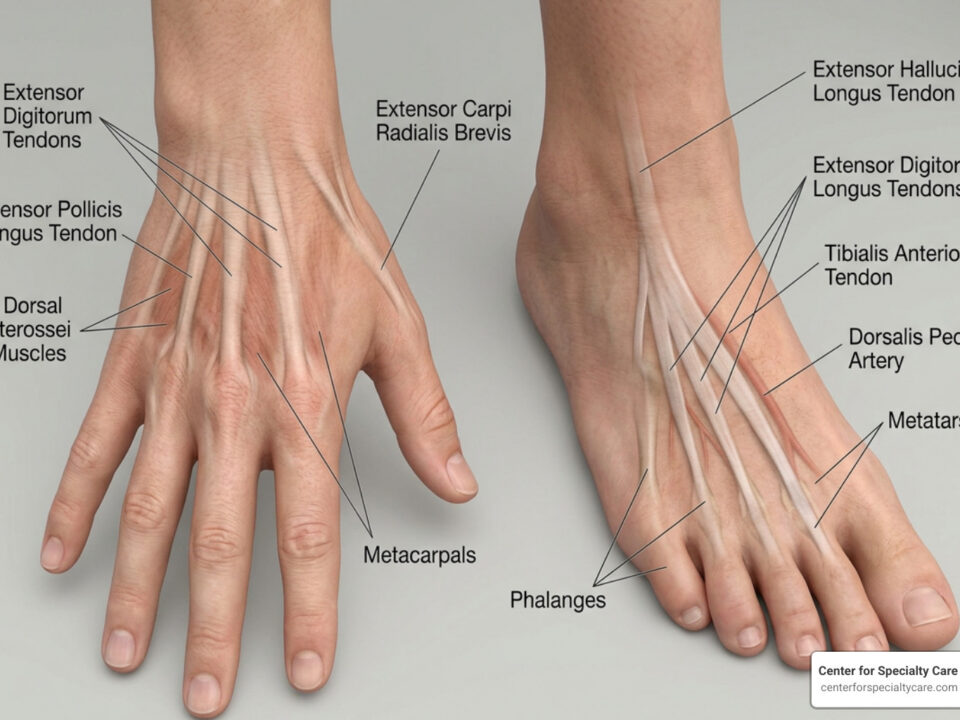
A heat pad for tendonitis can provide significant relief when used correctly. Tendonitis is the inflammation or irritation of the tissue connecting muscle to bone, often caused by repetitive motion or overuse. It leads to dull pain, stiffness, and tenderness near a joint.
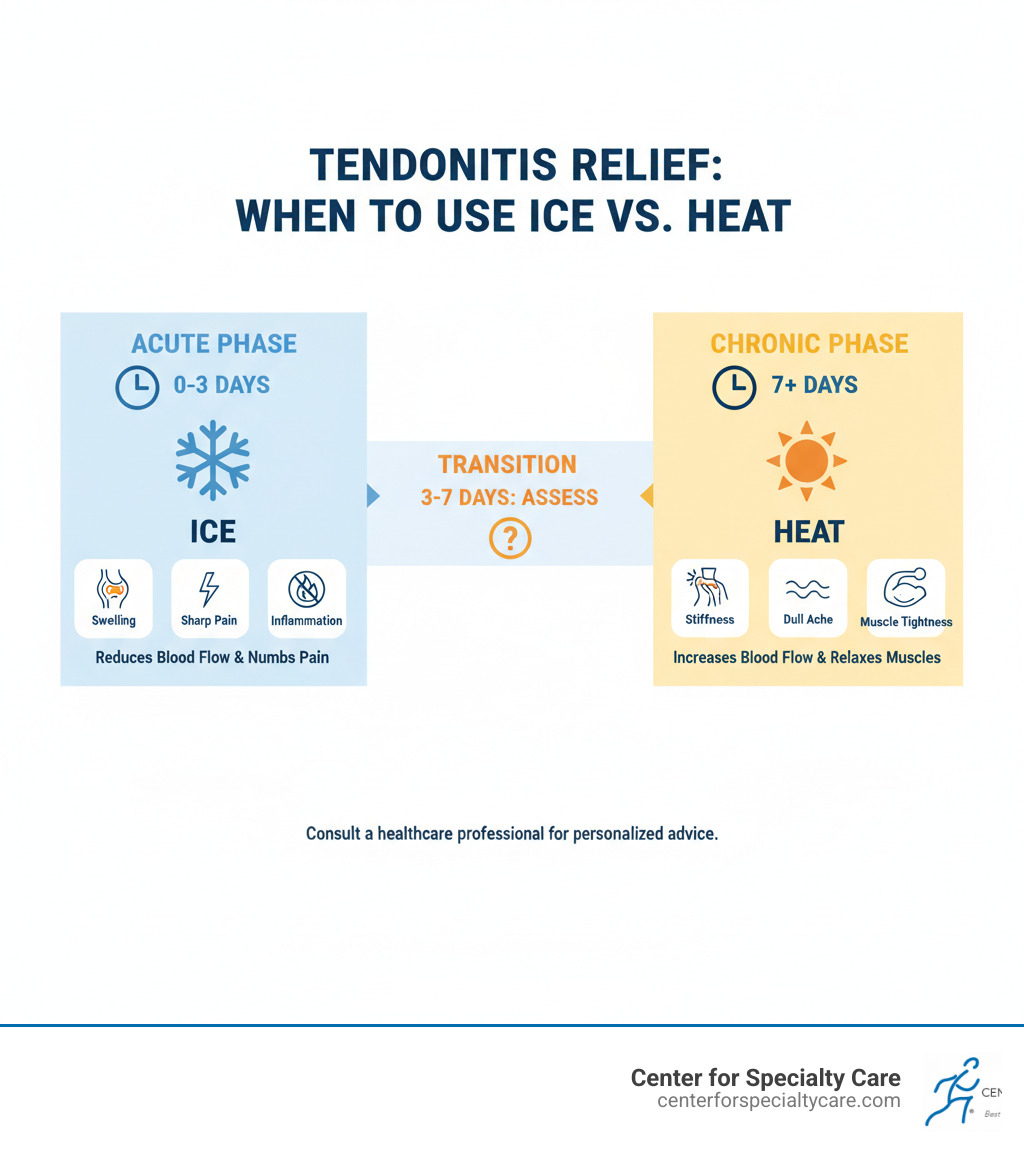
Many people wonder: Should I use ice or heat? The answer depends on timing. Ice is best for acute injuries (the first 48-72 hours) to reduce swelling and sharp pain. Heat therapy is for the chronic phase, once initial inflammation subsides, to increase blood flow, relax muscles, and ease stiffness.
Best Heat Pads for Tendonitis:
- Electric: Adjustable temperature, great for shoulders and elbows.
- Microwavable: Moist heat, portable, ideal for knees and wrists.
- Infrared: Deeper tissue heating for chronic conditions.
- Disposable: Convenient for on-the-go relief.
Key Guidelines:
- Use heat for chronic tendonitis (after 48-72 hours).
- Apply for 15-20 minutes, 2-3 times daily.
- Use a barrier between the pad and your skin.
I’m Dr. Corey Welchlin, a board-certified orthopedic surgeon at the Center for Specialty Care. With over 30 years of experience, I’ve helped many patients use heat pads as part of a comprehensive recovery plan. This guide will cover the science of heat therapy, how to choose the right pad, and safe usage instructions. We’ll also discuss when it’s time to seek professional medical evaluation.
Basic heat pad for tendonitis vocab:
- ice or heat for strained tendon
- ice pack for tendonitis
- is heat or ice better for patellar tendonitis
The Science Behind Using a Heat Pad for Tendonitis
When you apply a heat pad for tendonitis, you trigger a physiological response called vasodilation. The blood vessels in the treated area expand, allowing more blood to flow through the affected tendon and surrounding tissues. This increased blood flow is crucial for healing, as it delivers the oxygen and nutrients injured tissues need to repair themselves. It also helps flush away metabolic waste products that contribute to persistent aching.
Beyond circulation, heat soothes the muscles surrounding an irritated tendon. Your body often tightens these muscles as a protective response, which can worsen pain and limit movement. Heat therapy encourages these tense muscles to relax, reducing discomfort and stiffness.
Stiffness is a frustrating symptom of chronic tendonitis, especially in the morning. Heat therapy helps loosen tight joints and connective tissues, making movement smoother and more comfortable. This is particularly helpful before gentle stretching or daily activities.
Heat vs. Ice: Knowing When to Apply Which
The key to effective treatment is understanding which phase of injury you’re in. Applying the wrong temperature at the wrong time can set back your recovery.
In the acute phase (the first 48-72 hours after injury or during a flare-up), ice is your best friend. If you have sharp pain, visible swelling, or redness, your body is in an inflammatory response. Applying heat now can worsen inflammation. Ice constricts blood vessels, which reduces swelling and numbs pain. Apply an ice pack with a cloth barrier for 15-20 minutes every 4-6 hours.
In the chronic phase (typically after 72 hours), your symptoms shift to a persistent ache and stiffness. This is when a heat pad for tendonitis is most effective. Heat increases blood flow to promote healing, relaxes tight muscles, and reduces the stiffness that makes movement uncomfortable.
The timing is critical. Heat therapy should only be used after the acute inflammatory phase has passed. This guideline applies to all forms of tendonitis, from shoulder to Achilles pain.
If you’re unsure, the Mayo Clinic offers guidance on when to use ice or heat for tendinitis. You can also read our guide on Does Heat Help Tendonitis? Answers & Tips for Effective Relief for more details.
Choosing the Right Type of Heat Pad
Now that we understand the “why” behind using a heat pad for tendonitis, let’s explore the different types available. Choosing the right one depends on the location of your tendonitis, your lifestyle, and your personal preference.
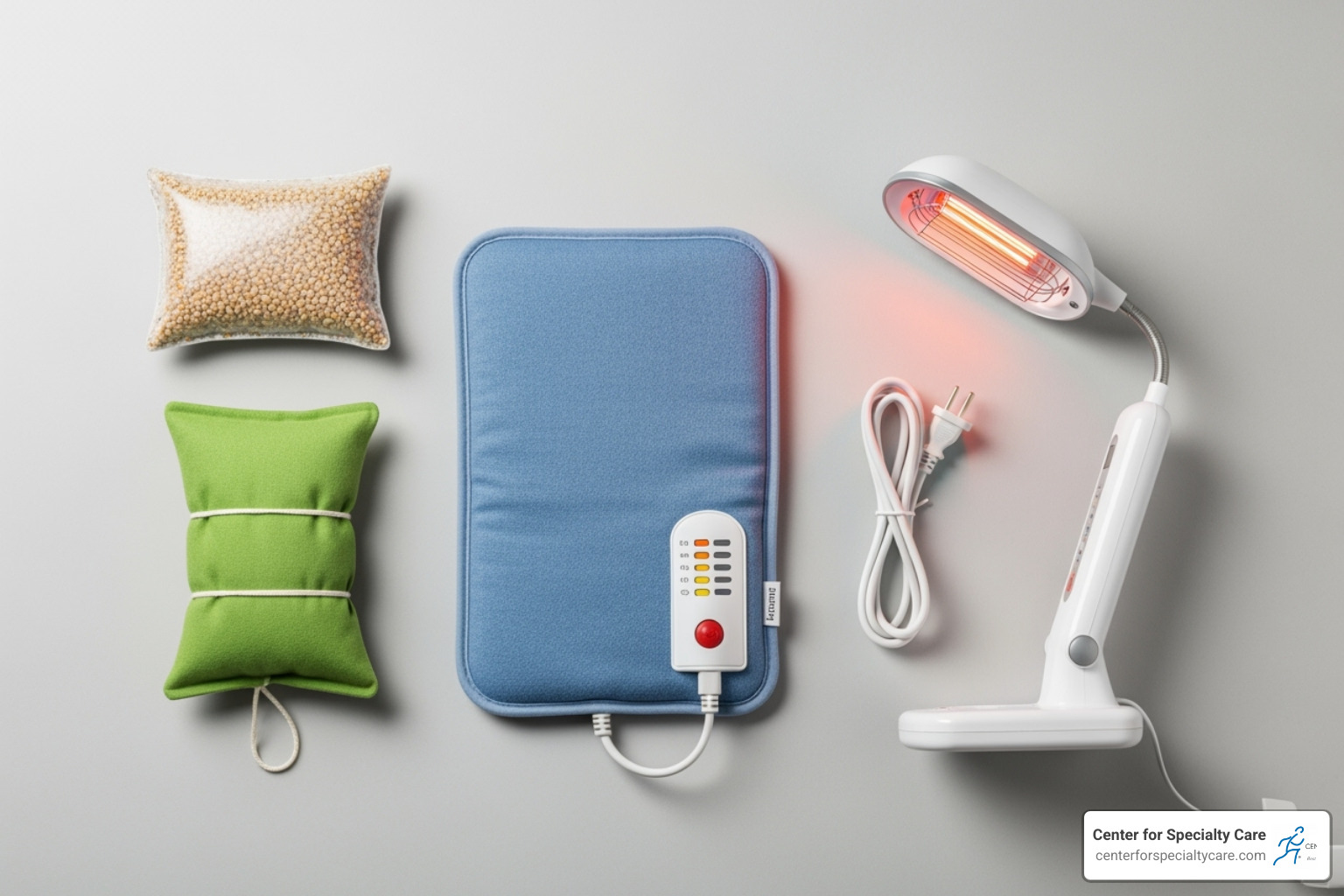
This section will review various types of pads to help you make an informed decision.
Electric Heating Pads
Electric heating pads offer reliable, consistent warmth. Their main advantage is maintaining a consistent temperature throughout your session. Most come with adjustable settings for customized comfort and auto-shutoff timers for safety, preventing overheating if you doze off.
Their larger size makes them ideal for broad areas like the back or for shoulder tendonitis. Specialized wraparound styles are excellent for tennis or golfer’s elbow, as they conform snugly to the joint and keep the heat targeted where it’s needed most.
Microwavable Moist Heat Pads
Filled with materials like rice or clay beads, these pads provide moist heat, which many find more penetrating and comforting than dry heat. The moisture helps heat transfer more effectively into the affected tendon.
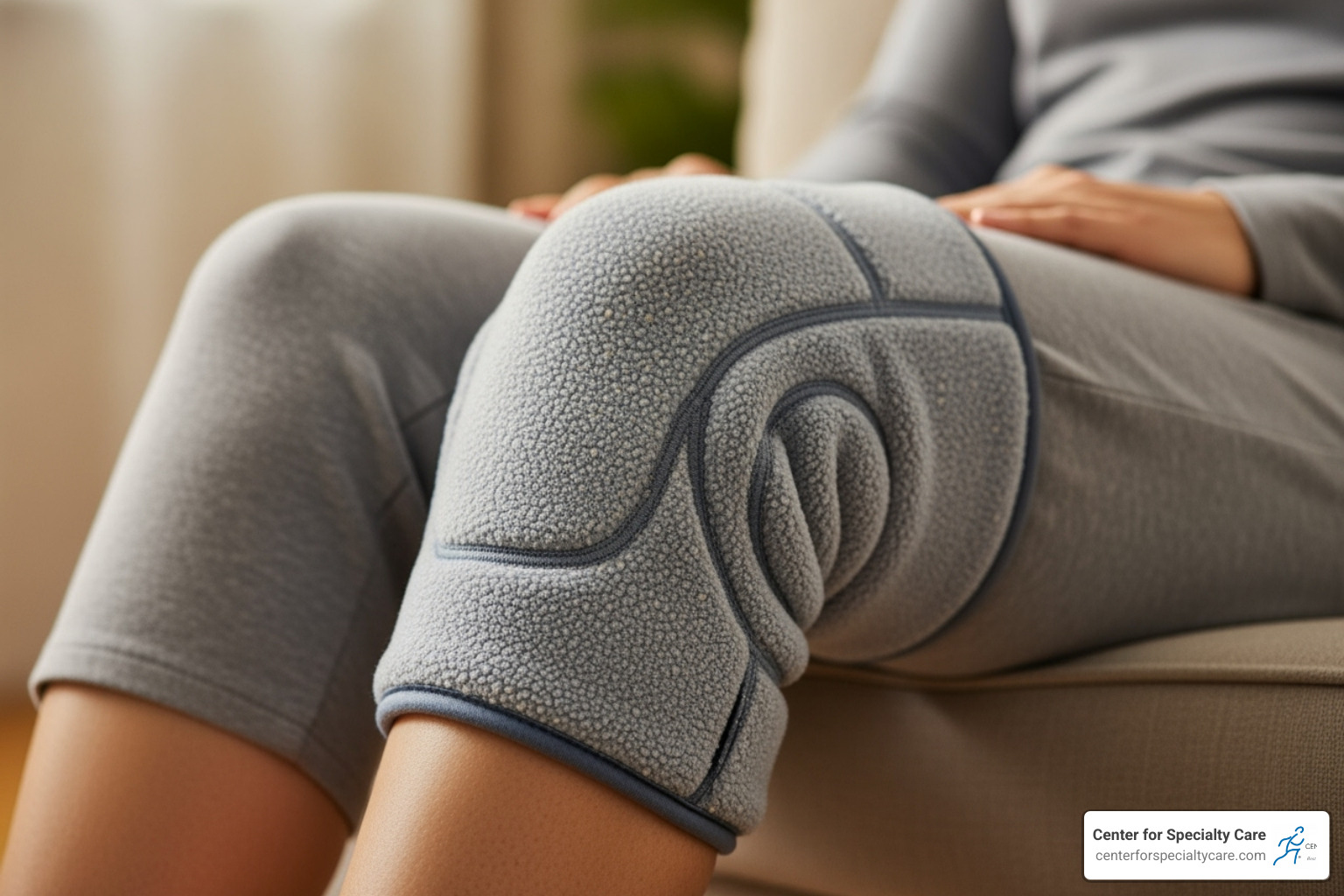
These pads are flexible and conform to joints like the wrist, knee, or ankle. Their portability is a major plus, as you aren’t tethered to an outlet. This is practical for treating Achilles tendonitis or other lower extremity issues. For more on foot-related tendon pain, see our article on Extensor Tendonitis: Navigating Through Recovery and Maintaining Foot Health.
Infrared Heat Pad for Tendonitis
For stubborn, deep-seated pain, an infrared heat pad for tendonitis is an advanced option. Unlike traditional pads that warm the skin’s surface, far-infrared technology uses rays that penetrate several centimeters to reach deep muscles, joints, and tendons directly. Research suggests this deeper tissue heating can lead to more effective pain relief.
The benefits of infrared heat include improved circulation at a cellular level, greater relief from soreness and stiffness, and a calming effect that can support relaxation and sleep.
Disposable Heat Wraps
For relief on the go, disposable heat wraps are a convenient solution. They contain iron powder that oxidizes when exposed to air, generating a low-level consistent warmth for several hours. Their key benefit is convenience—no electricity or microwave is needed.
These are perfect for managing chronic, low-level pain while at work or traveling. Because they are thin, you can wear them discreetly under clothing for continuous, gentle therapy throughout your day.
How to Use Your Heat Pad Safely and Effectively
Using a heat pad for tendonitis correctly is key to getting relief without risking injury. Following a few straightforward guidelines will help you harness the healing power of heat therapy safely.
How Long and How Often to Apply Heat
The ideal duration for heat therapy is 15-20 minutes per session. This is long enough for blood vessels to dilate and muscles to relax without irritating the skin. You can apply heat 2-3 times daily for chronic tendonitis, spacing sessions throughout the day.
A great tip is to use your heat pad for tendonitis as a warm-up before gentle stretching or rehab exercises. The heat makes muscles and tendons more pliable, reducing the risk of further irritation during movement. Most importantly, listen to your body. If the heat feels too intense or increases pain, remove the pad immediately.
Critical Safety Precautions for Your Heat Pad for Tendonitis
These safety rules are essential to prevent complications.
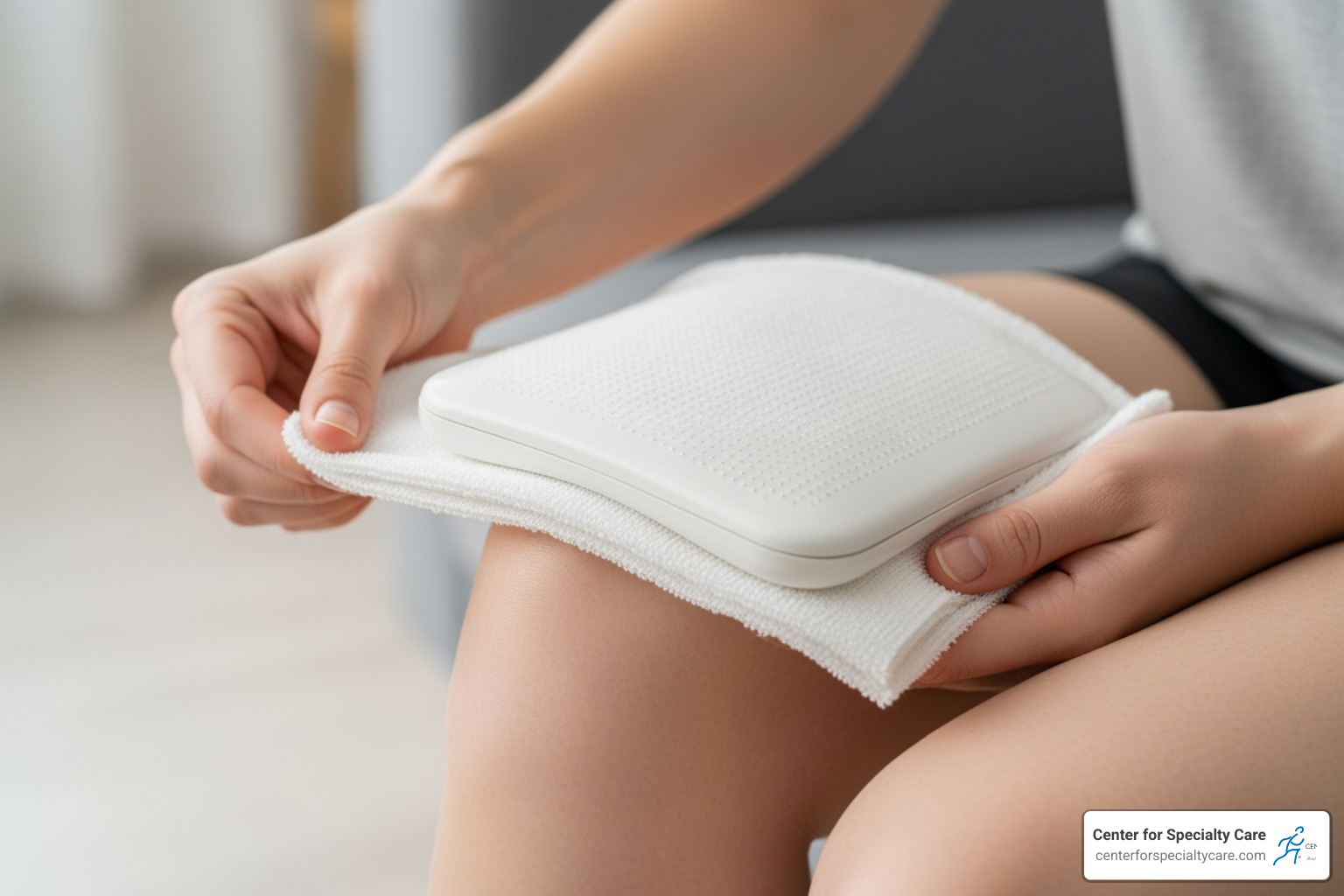
Always use a barrier, like a towel or the pad’s cover, between your skin and the heat source. Never apply heat directly to bare skin to prevent burns. Check your skin frequently during use for excessive redness or blistering, and start with a lower temperature setting.
Never fall asleep with a heating pad, even if it has an auto-shutoff timer. The risk of a serious burn is too high. Set an alarm as a reminder to remove the pad before you doze off.
Avoid heat therapy on open wounds, cuts, or damaged skin, as it can worsen inflammation and delay healing.
If you have certain medical conditions like diabetes, poor circulation, or neuropathy, consult your doctor before using a heat pad for tendonitis. These conditions can impair your ability to feel heat properly, increasing the risk of burns. You should also avoid heat during the acute inflammatory phase of an injury or if you have deep vein thrombosis.
For more safety guidance, refer to the Mayo Clinic’s advice on when to use ice or heat for tendinitis and our guide on Does Heat Help Tendonitis? Answers & Tips for Effective Relief.
Beyond the Heat Pad: Complementary Treatments
While a heat pad for tendonitis provides significant relief, it works best as part of a comprehensive treatment plan. Combining heat with other strategies addresses the underlying causes of your pain for a more complete recovery.
Rest and elevation are foundational. Give your tendon time to repair by avoiding activities that caused the pain. Elevating the affected limb can also help manage any lingering swelling.
Gentle stretching is highly valuable once the initial pain subsides. Applying heat before you stretch makes muscles and tendons more pliable, enhancing flexibility and range of motion safely.
Strengthening exercises, guided by a professional, help build resilience in the muscles surrounding the tendon. Stronger muscles reduce the stress on the tendon, protecting against future flare-ups.
Ergonomic adjustments can be transformative. Since many cases of tendonitis stem from repetitive motions, small changes to your workstation, tools, or technique can prevent re-injury.
Physical Therapy is often the cornerstone of recovery. A physical therapist can identify biomechanical issues and create a custom treatment plan with exercises and manual therapies. Our Physical Therapy services focus on restoring full function and preventing recurrence.
For athletes, our Sports Medicine team offers specialized expertise to optimize training and recovery strategies.
Over-the-counter anti-inflammatory medications (NSAIDs) like ibuprofen can help manage pain. Additionally, gentle massage therapy around the affected area can improve blood flow and reduce muscle tension, complementing the effects of your heat pad.
When to See a Doctor for Tendon Pain
While a heat pad for tendonitis and home care are effective, it’s important to know when to seek professional medical help. Ignoring persistent pain can lead to chronic issues like tendonosis, a more stubborn degenerative condition.
Schedule an appointment if:
- Your pain hasn’t improved after 2-3 weeks of consistent home care.
- You experience severe symptoms like intense pain, significant swelling, warmth, or redness.
- You can’t move the affected joint or bear weight on the limb without severe pain.
- You notice a visible deformity, a gap, or a lump along the tendon.
- Your symptoms are getting worse despite home treatment.
- You have recurrent flare-ups in the same area, which may indicate an underlying biomechanical issue.
Proper Diagnosis: Tendonitis vs. Tendonosis
An accurate diagnosis is critical because treatment differs for tendonitis and tendonosis.
Tendonitis is an acute condition characterized by inflammation of the tendon, often from a sudden injury or overuse. Symptoms include soreness, swelling, and stiffness. Ice is used initially, followed by heat.
Tendonosis is a chronic, degenerative condition where the tendon’s collagen breaks down over time, often from untreated tendonitis. It involves pain and stiffness but typically has little to no inflammation. For tendonosis, heat therapy is generally more beneficial than ice for promoting blood flow and relieving stiffness.
Distinguishing between these two conditions ensures you’re using the right approach. If you have acute tendonitis with inflammation, ice is your first step. If you have chronic tendonosis, a heat pad for tendonitis is often the better choice. A professional diagnosis from the orthopedic specialists at Center for Specialty Care will ensure you receive the most effective treatment plan.
For more information, explore our guide on Pain Management: Dr. Near Me – A Comprehensive Guide.
Conclusion: Your Next Step Towards Pain-Free Movement
A heat pad for tendonitis is a powerful therapeutic tool when used correctly. By increasing blood flow, relaxing tight muscles, and easing stiffness, it can significantly aid your recovery. Remember the rule: ice for new injuries with swelling, and heat for chronic aches and stiffness.
Choosing the right pad—whether electric, microwavable, infrared, or disposable—depends on your specific needs. Safe usage is paramount: stick to 15-20 minute sessions, always use a protective barrier, and never fall asleep with a heating pad. For those with certain medical conditions, consulting a doctor first is essential.
A heat pad is most effective as part of a comprehensive plan that includes gentle stretching, strengthening exercises, and ergonomic adjustments. Our Physical Therapy and Sports Medicine teams specialize in creating these personalized recovery programs.
If your pain persists for more than a few weeks, worsens, or is severe, it’s time for a professional evaluation. An accurate diagnosis—distinguishing between tendonitis and tendonosis—is key to effective treatment and a successful recovery.
At Center for Specialty Care, serving communities in Fairmont MN, Estherville IA, Buffalo Center IA, and St James MN, we are committed to your recovery. We offer personalized care, quick appointment availability, and an expert team ready to help you get back to the activities you love.
Don’t let tendon pain control your life. Whether you need guidance on home care or a comprehensive treatment plan, we are here to help you move forward.
Ready to take the next step? Find expert orthopedic care with us today.