
Ice Therapy for Tendonitis: Reducing Swelling and Speeding Recovery
February 20, 2026
Pain Management Clinics: Your Roadmap to a Life with Less Pain
February 23, 2026
Ingrown Toenail Fix: 1 Permanent Relief
Why Quick Treatment Matters for Ingrown Toenails
An ingrown toenail fix is often the difference between a few days of discomfort and weeks of pain. If you’re dealing with a red, swollen, painful toe right now, here’s what you need to know:
Quick Home Treatment Steps:
- Soak your foot in warm, soapy water for 15-20 minutes, 2-3 times daily
- Gently lift the nail edge with clean cotton or dental floss after soaking
- Apply antibiotic ointment and a clean bandage
- Wear open-toed shoes or sandals until healing
- Take over-the-counter pain relievers like ibuprofen if needed
See a doctor immediately if you notice:
- Pus or yellow drainage from the toe
- Spreading redness or red streaks
- Severe pain that won’t improve
- Fever or feeling hot and shivery
- You have diabetes or poor circulation
It’s no fun taking your shoes off after a long day only to find that your toe—often your big toe—keeps hurting. Two out of every 10 people who see their healthcare provider for a foot problem are dealing with an ingrown toenail. The good news? Most cases can be treated effectively with the right approach.
The pain you’re feeling comes from the corner or edge of your toenail cutting into the surrounding skin. This creates an open wound that’s vulnerable to infection. Without proper treatment, what starts as minor discomfort can escalate into a serious problem—especially if you have diabetes, nerve damage, or poor blood circulation.
I’m Dr. Corey Welchlin, a board-certified orthopedic surgeon who has treated countless foot and ankle conditions over three decades in southern Minnesota and northern Iowa. My experience with comprehensive musculoskeletal care includes helping patients find the most effective ingrown toenail fix for their specific situation, from conservative home care to surgical solutions.
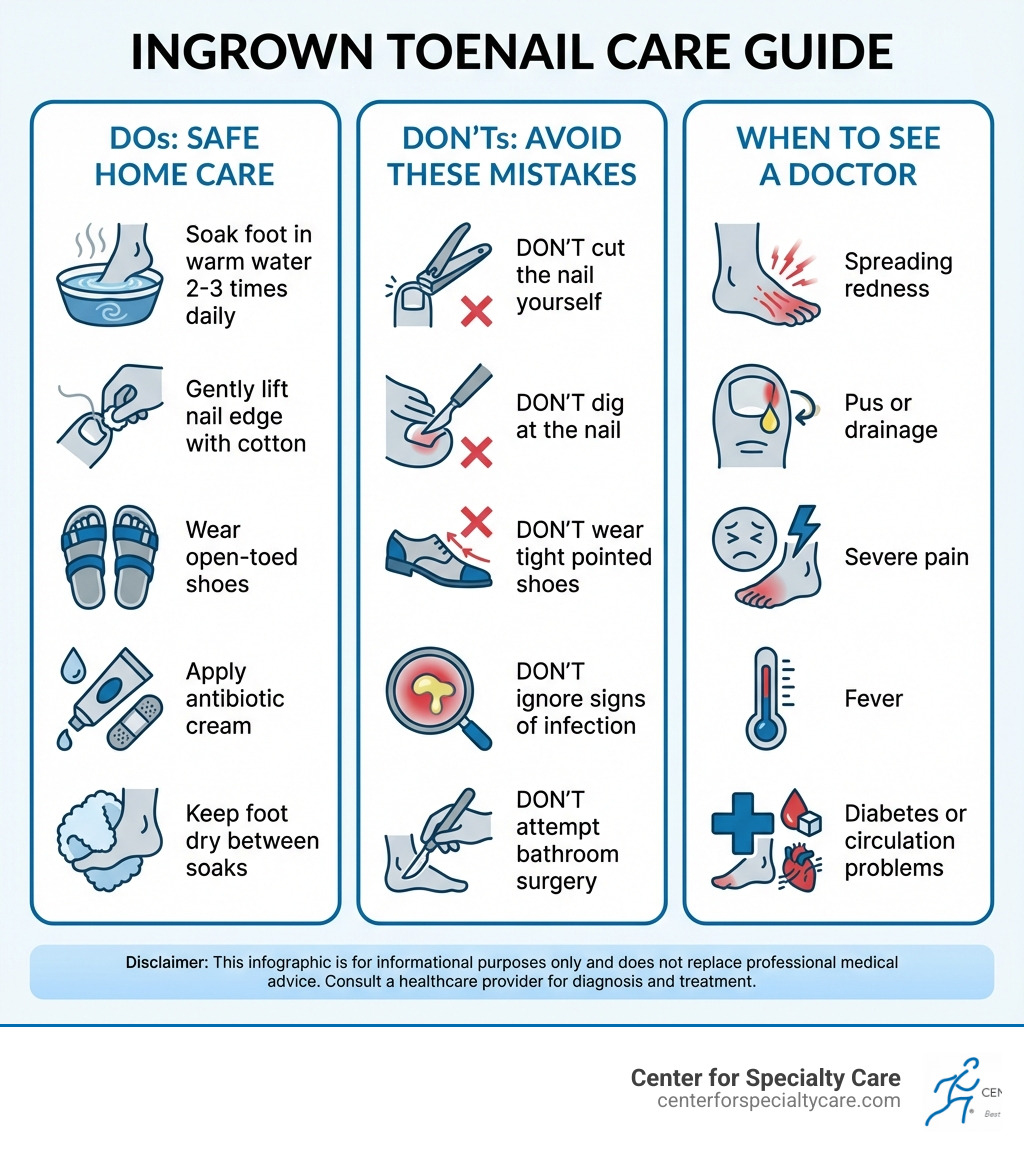
Simple ingrown toenail fix word guide:
Understanding Ingrown Toenails: Causes and Symptoms
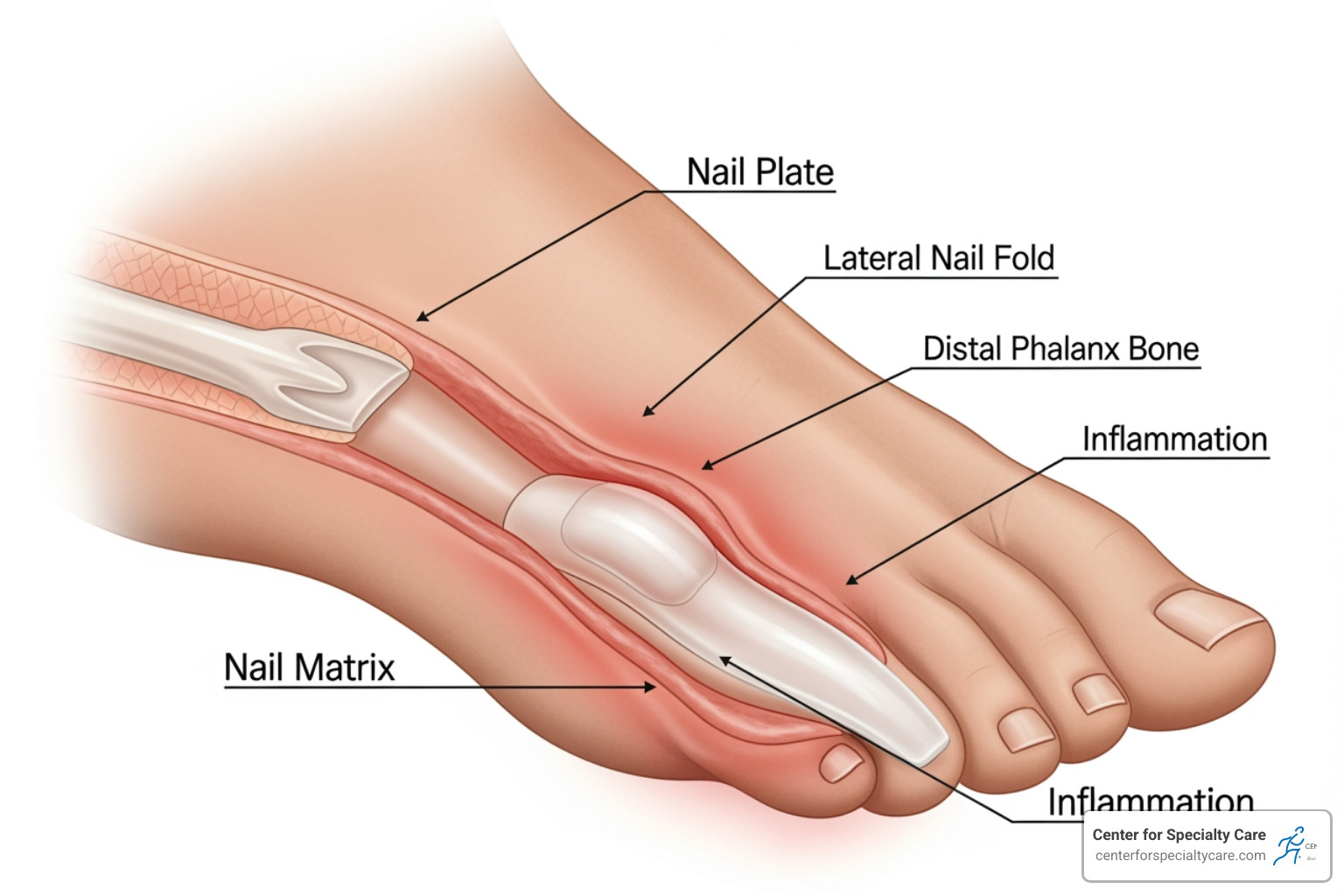
An ingrown toenail, medically known as onychocryptosis, is a common and often painful condition where the edge of your toenail grows into the surrounding skin. This can happen when the nail itself cuts into the flesh, or when the skin around the nail grows over the nail plate. The nail continues to grow and dig into the skin, creating what’s often referred to as a “nail spicule” that causes persistent irritation. This constant digging can leave an open wound, making your toe susceptible to infection. It most commonly affects the big toe, but any toe can develop this issue.
We see many patients in Fairmont, Estherville, Buffalo Center, and St. James who are suffering from this very common foot problem. Understanding what causes ingrown toenails is the first step toward finding an effective ingrown toenail fix and preventing future occurrences.
Here are the most common culprits:
- Improper Nail Trimming: This is arguably the leading cause. Cutting your toenails too short, especially rounding the corners instead of trimming straight across, encourages the nail to grow into the skin. We often advise our patients to cut their toenails straight across, even with the curve of the toe, to prevent this.
- Tight Shoes and Ill-Fitting Footwear: Shoes that crowd your toes, such as those with narrow toe boxes or high heels, put excessive pressure on your toenails. This pressure can force the nail to grow into the surrounding skin. We recommend wearing comfortable footwear that allows your toes ample room to move.
- Toe Trauma: A direct injury to the toe, like stubbing it, dropping something heavy on it, or even repetitive pressure from certain sports activities, can damage the nail or nail bed, leading to an ingrown toenail.
- Genetics: Sometimes, ingrown toenails run in families. If your parents or close relatives frequently experience ingrown toenails, you might have a genetic predisposition to having toenails that are naturally more curved or larger than the toe itself, making you more vulnerable.
- Poor Foot Hygiene: While not a direct cause, poor foot hygiene can exacerbate the problem by increasing the risk of infection once the nail has broken the skin. Keeping your feet clean and dry is a simple yet crucial preventative measure.
- Nail Infections or Medical Conditions: Certain nail infections, like fungal infections, can cause the nail to thicken or change shape, making it more prone to becoming ingrown. Medical conditions like psoriasis can also affect nail growth. For individuals with diabetes or nerve damage from circulatory diseases, the risk is even higher, and healing can be slower.
Recognizing the symptoms of an ingrown toenail is crucial for timely intervention. The signs usually progress from mild irritation to significant pain and potential infection.
Common symptoms include:
- Redness: The skin around the affected nail becomes visibly red.
- Swelling: The toe, particularly around the ingrown nail, will appear swollen.
- Pain and Tenderness: This is often the first and most noticeable symptom. The toe will be painful to touch, and even light pressure from shoes or socks can cause discomfort.
- Pus or Drainage: If the area becomes infected, you might notice pus or a yellowish fluid draining from the side of the nail.
- Signs of Infection: Beyond pus, an infected ingrown toenail can present with increased pain, warmth to the touch, and sometimes, if the infection spreads, you might experience a fever or chills.
Early detection and appropriate care can prevent these symptoms from escalating.
At-Home Care: What You Can Do Now
For many mild cases, an effective ingrown toenail fix can begin right at home. These steps are designed to reduce pain, inflammation, and prevent infection. However, know when to escalate care to a professional, which we’ll discuss in the next section.

The Best At-Home Ingrown Toenail Fix
If you’re experiencing mild discomfort and there are no signs of infection (like pus or spreading redness), try these actionable steps:
- Warm Water Soaks: Soak your foot in warm, soapy water for 15-20 minutes, two to four times a day. Adding Epsom salts to the water can further help reduce inflammation and soften the skin. This simple practice can ease pain and make the nail and surrounding skin more pliable.
- Gently Lifting the Nail: After soaking and drying your foot thoroughly, try to gently lift the ingrown edge of the toenail.
- Dental Floss or Cotton Wedge: Once the nail is slightly lifted, carefully place a small piece of clean dental floss or a tiny cotton wedge (from a cotton ball) underneath the ingrown edge. This helps to lift the nail so it can grow over the skin rather than into it. Change this material daily, especially after soaks.
- Antibiotic Ointment: Apply an over-the-counter antibacterial cream (like Polysporin) to the affected area after each soak and before bandaging. This helps prevent infection.
- Bandaging the Toe: Cover the toe with a clean bandage to protect it from further irritation and keep the ointment in place.
- Wearing Open-Toed Shoes: Whenever possible, wear sandals or open-toed shoes to relieve pressure on the affected toe. If you must wear closed-toe shoes, ensure they are roomy and have a wide toe box.
- Pain Relievers: Over-the-counter pain medications like acetaminophen (Tylenol) or ibuprofen (Advil) can help manage pain and reduce inflammation.
With consistent home treatment, pus should be gone in about 48 hours, pain should subside within a week, and the area should be healed within two weeks.
Common Myths to Avoid
Many myths surround ingrown toenails, and following bad advice can actually make the problem worse or delay proper healing. We want to debunk some common misconceptions we’ve heard from patients in our Minnesota and Iowa clinics:
- Myth 1: You can fix an ingrown toenail by cutting a “V” shape into the nail. This is a widespread myth. Cutting a “V” shape into the center of your nail does not encourage the nail to grow inward towards the “V” to relieve pressure. In fact, it can weaken the nail and contribute to further issues. Nail cells only grow outward from the nail matrix, so this method is ineffective and potentially harmful.
- Myth 2: “Bathroom surgery” with clippers and tools will fix it. Attempting to dig out the ingrown portion of your nail with nail clippers, tweezers, or other sharp objects is a big no-no. This can lead to deeper cuts, severe infection, and greater pain. Leave nail trimming to professionals, especially if the nail is already ingrown.
- Myth 3: Ingrown toenails will get better on their own. Unfortunately, ingrown toenails rarely resolve on their own because the nail remains connected to the nail bed and continues to grow. This means the nail spicule will keep digging into the skin, creating a persistent open wound and a high risk of infection. Ignoring the problem will likely lead to worsening pain and complications.
- Myth 4: Antibiotics alone will fix an ingrown toenail. While antibiotics are crucial for treating an infection that results from an ingrown toenail, they cannot fix the underlying mechanical problem of the nail growing into the skin. For complete healing, the embedded nail spicule must be addressed, either through home care or professional intervention.
For more information on common foot ailments and how to manage them, check out our guide on More info about common foot problems.
When to See a Podiatrist: Recognizing the Warning Signs
While home care can be effective for mild cases, it’s crucial to know when to seek professional medical attention for an ingrown toenail fix. Delaying treatment can lead to more severe pain, widespread infection, and potential complications.
You should contact us at Center for Specialty Care if you experience any of the following:
- Worsening Pain: If the pain in your toe becomes severe, doesn’t improve with home remedies, or interferes with your daily activities, it’s time to see a specialist.
- Signs of Infection: This is a critical indicator that professional help is needed. Look out for:
- Pus or Fluid: Any discharge, pus, or liquid coming from the toe.
- Spreading Redness: Redness that extends beyond the immediate area around the nail, or red streaks traveling up your foot.
- Fever: If you develop a fever or feel generally unwell, hot, or shivery, it suggests the infection is spreading.
- At-Home Treatments Fail: If you’ve diligently followed home care steps for a few days (typically 2-3 days for infection signs, or up to a week for pain relief) and haven’t seen improvement, it’s time for a professional assessment.
- High-Risk Conditions: Certain medical conditions significantly increase the risk of complications from an ingrown toenail. If you have any of these, you should seek prompt medical attention at the first sign of an ingrown toenail, even if symptoms seem mild:
- Diabetes: People with diabetes are particularly vulnerable to foot problems due to nerve damage (neuropathy) and poor circulation. An ingrown toenail can quickly turn into a serious infection or foot ulcer. We offer specialized Diabetic Foot Care: A Tailored Approach to Keeping Your Feet Healthy to help manage these risks.
- Poor Circulation: Conditions that impair blood flow to your feet and legs mean your body struggles to heal wounds and fight off infections effectively.
- Nerve Damage: Neuropathy can reduce sensation in your feet, meaning you might not feel the pain of an ingrown toenail or developing infection until it’s quite advanced.
Untreated Complications
Leaving an ingrown toenail untreated, especially in high-risk individuals, can lead to serious complications:
- Cellulitis: This is a bacterial skin infection that can spread rapidly, causing widespread redness, swelling, and pain.
- Bone Infection (Osteomyelitis): In rare but severe cases, an infection from an ingrown toenail can spread deeper into the toe bone, leading to osteomyelitis, which is much harder to treat and can have long-term consequences.
- Foot Ulcers and Amputation: For individuals with diabetes or severe circulatory issues, even a minor infection from an ingrown toenail can lead to non-healing wounds (ulcers) and, in extreme cases, may necessitate amputation.
Our team at Center for Specialty Care in Minnesota and Iowa is here to provide quick appointments and personalized care to address your concerns and prevent these serious outcomes.
Professional Ingrown Toenail Fix: Medical and Surgical Options
When home remedies aren’t enough, or if infection sets in, a professional ingrown toenail fix from a podiatrist or orthopedic specialist becomes necessary. We offer a range of treatments custom to the severity of your condition and your individual health needs.
Conservative Treatments
For less severe or recurring ingrown toenails, we might start with non-surgical options:
- Nail Lifting: For a slightly ingrown nail, we can carefully lift the nail edge and place a small piece of cotton, dental floss, or a splint (a small plastic tube) underneath. This helps the nail grow above the skin edge. This method usually takes 2 to 12 weeks to be effective.
- Gutter Splint: After numbing the toe, a tiny slit tube (gutter splint) can be placed under the embedded nail. This device protects the skin and guides the nail to grow outward, away from the flesh.
- Taping Method: Sometimes, we can use tape to gently pull the skin away from the ingrown nail, reducing pressure and allowing the nail to grow freely.
Minor Surgical Procedures
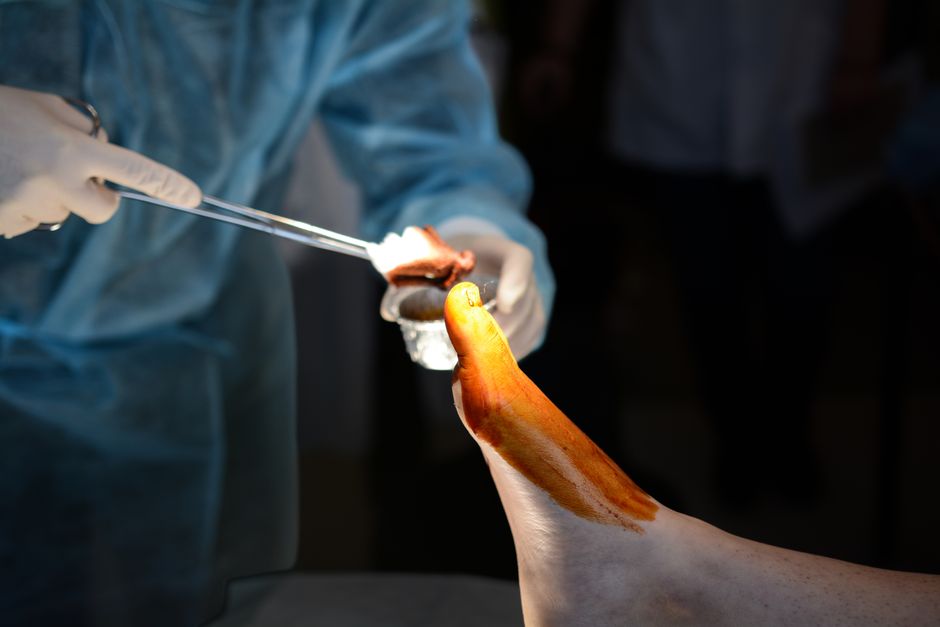
If the ingrown toenail is severe, infected, or doesn’t respond to conservative treatments, a minor surgical procedure might be the best ingrown toenail fix. These procedures are typically performed in our office under local anesthesia.
- Partial Nail Avulsion (Wedge Resection): This is the most common surgical ingrown toenail fix. After numbing your toe, we carefully trim or remove only the ingrown portion of the nail. We might also treat the nail bed with a chemical to prevent that specific section of the nail from growing back, which is particularly useful for recurrent issues. This procedure provides immediate relief, allowing the inflamed tissue to heal. Recovery typically involves minimal downtime, with most patients resuming normal activities within 1-3 days, though complete healing can take up to two weeks.
- For more detailed information on various treatment options, you can refer to resources like the Mayo Clinic’s guide on Information on ingrown toenail treatment.
Healing and Recovery Time
After a partial nail removal procedure, it can take 2 to 4 months for the removed portion of your toenail to fully grow back. Post-procedure care is vital for proper healing:
- Pain Management: Take over-the-counter pain relievers as needed.
- Wet Compresses: Apply a wet compress to the toe for a few minutes a day for several days until swelling subsides.
- Rest and Elevation: Keep your foot liftd and rest for 12 to 24 hours after the procedure.
- Activity Restrictions: Avoid activities that hurt your toe. Refrain from swimming or using hot tubs until cleared by your healthcare provider to prevent infection. You can usually shower the day after surgery.
A Permanent Ingrown Toenail Fix: Matrixectomy
For patients with chronic, recurrent ingrown toenails, a more permanent ingrown toenail fix might be recommended: a matrixectomy. Surgical approaches are generally more effective at preventing recurrence than non-surgical methods.
- What it is: A matrixectomy involves permanently removing a small portion of the nail matrix (the tissue at the base of the nail that produces nail cells) that is responsible for the ingrown section. This prevents that specific part of the nail from growing back.
- Methods: This can be done either chemically (chemical matrixectomy, often using a chemical like phenol) or surgically (surgical matrixectomy), where the problematic part of the nail root is physically removed.
- Long-Term Solution: A matrixectomy is considered a definitive ingrown toenail fix for preventing regrowth in the affected area, offering a long-term solution to recurring pain and infection.
- Ankle health information is related to overall foot care, and you can learn more about it here: Ankle health information.
Prevention is Key: How to Avoid Future Ingrown Toenails
The best ingrown toenail fix is often preventing them from happening in the first place! Simple changes in your foot care routine and footwear choices can significantly reduce your risk.
- Proper Nail Trimming: This is the golden rule.
- Cut Straight Across: Always trim your toenails straight across the top.
- Avoid Rounding Corners: Do not round the corners of your toenails, as this encourages the nail to grow into the skin.
- Don’t Cut Too Short: Leave the nail long enough so that the corners are visible and slightly extend past the skin. Avoid cutting them too short. It’s often easier to trim nails after a shower or bath when they are softer.
- Proper Footwear:
- Wide Toe Box: Choose shoes that fit correctly and have plenty of room in the toe box. Your toes should be able to wiggle freely without feeling cramped.
- Avoid Tight Shoes: Stay away from shoes that are too tight, narrow, or pointed, as these put undue pressure on your toenails.
- Good Foot Hygiene:
- Keeping Feet Clean and Dry: Wash your feet daily and dry them thoroughly, especially between the toes. This helps prevent fungal infections and keeps the skin healthy.
- Change Socks Daily: Wear clean socks every day to maintain a hygienic environment for your feet.
- Avoid Tearing or Ripping Nails: Resist the urge to pick or tear at your toenails, as this can create jagged edges that are more likely to become ingrown.
By following these best practices, you can significantly reduce your chances of experiencing a painful ingrown toenail. For more comprehensive advice on prevention, check out these Tips to prevent an ingrown toenail.
Frequently Asked Questions about Ingrown Toenail Treatment
We understand you likely have many questions when dealing with an ingrown toenail. Here are answers to some of the most common inquiries we receive at our clinics in Fairmont, Estherville, Buffalo Center, and St. James.
Is ingrown toenail surgery painful?
This is a common concern, and we’re happy to reassure you. Ingrown toenail procedures, even minor surgical ones like partial nail avulsion or matrixectomy, are performed under local anesthesia. This means your toe will be completely numb during the treatment, so you’ll feel minimal to no discomfort during the procedure itself.
After the anesthetic wears off, it’s normal to experience some mild soreness or throbbing. We will provide you with clear aftercare instructions, including recommendations for over-the-counter pain relievers like ibuprofen or acetaminophen to manage any post-procedure discomfort. Most patients find that any soreness is manageable and quickly subsides, allowing them to resume normal activities within a few days.
How long does it take for an ingrown toenail to heal?
The healing time for an ingrown toenail varies depending on the severity of the condition and the type of ingrown toenail fix applied.
- Home Treatment: For mild cases treated at home, you might see significant improvement within a few days. Pus should typically be gone in 48 hours, pain should subside within a week, and the area should be mostly healed in about two weeks.
- Nail Lifting: If we lift the nail edge and place cotton or a splint underneath, it generally takes 2 to 12 weeks for the nail to grow sufficiently above the skin edge.
- Partial Nail Removal: After a partial nail avulsion, the immediate pain relief is usually felt within 1-3 days. However, for the removed portion of your toenail to fully grow back, it can take 2 to 4 months. Complete healing of the soft tissue usually occurs within 1-2 weeks.
- Factors Affecting Healing: Individual healing times can vary based on your overall health, adherence to post-treatment care, and the presence of underlying conditions like diabetes or poor circulation. We will provide you with a personalized healing timeline and care plan.
Can an ingrown toenail go away on its own?
It’s a common hope, but unfortunately, ingrown toenails rarely go away on their own. The nature of the problem is that the nail continues to grow and dig into the surrounding skin. This creates a persistent source of irritation and an open wound, which makes it highly susceptible to infection.
If left untreated, the condition is likely to worsen, leading to increased pain, swelling, and a higher risk of developing a serious infection. Ignoring an ingrown toenail can also lead to complications like cellulitis or, in severe cases, a bone infection, especially for individuals with diabetes or compromised immune systems. So, while you might wish it would disappear, it’s almost always best to address it proactively, either with careful home care or professional intervention.
Don’t Let Foot Pain Hold You Back
Living with the constant pain and discomfort of an ingrown toenail can significantly impact your daily life, making simple activities like walking or wearing shoes a challenge. But you don’t have to suffer in silence. An effective ingrown toenail fix is within reach, whether it’s through careful home management or professional medical intervention.
At Center for Specialty Care, we believe in providing comprehensive, personalized care to get you back on your feet comfortably. Our approach focuses on understanding your unique situation and offering the most appropriate treatment, from conservative options to advanced surgical procedures. We pride ourselves on 100% patient satisfaction, personalized care, and quick appointment availability, ensuring you receive the attention you need without unnecessary delays.
Don’t let foot pain hold you back any longer. Our team of foot health experts in Fairmont, Estherville, Buffalo Center, and St. James is ready to help you find relief and prevent future issues.
Schedule an appointment with our Podiatry specialists today and take the first step towards healthier, pain-free feet.