
The Shoulder Shocker: Unraveling Nerve Pain Mysteries
December 8, 2025
Your Guide to Radiofrequency Ablation for Spine Pain
December 10, 2025
Shoulder Popping and Stiffness: 2025 Expert Relief
Understanding What Your Shoulder Is Trying to Tell You
Shoulder popping and stiffness is a common concern. While a clicking or grinding sound in your shoulder can be alarming, it’s not always a sign of something serious. The key difference often comes down to one thing: pain.
Quick Answer: What Causes Shoulder Popping and Stiffness?
- Harmless popping often comes from gas bubbles releasing in the joint (cavitation) or tendons moving over bones.
- Concerning popping is usually accompanied by pain, weakness, swelling, or stiffness.
- Common causes of painful popping include rotator cuff tears, labral tears, bursitis, and osteoarthritis.
- Worry when popping is paired with pain that disrupts sleep, visible deformity, inability to lift your arm, or occurs after an injury.
Painless clicking is often just your body’s normal mechanics. But when popping comes with discomfort, your shoulder is signaling that something needs attention.
I’m Dr. Corey Welchlin, a board-certified orthopedic surgeon specializing in shoulder conditions for over 30 years in southern Minnesota and northern Iowa. I’ve helped countless patients overcome shoulder popping and stiffness with both conservative and surgical treatments.
This guide will help you understand the causes, know when to be concerned, and learn about available treatment options.
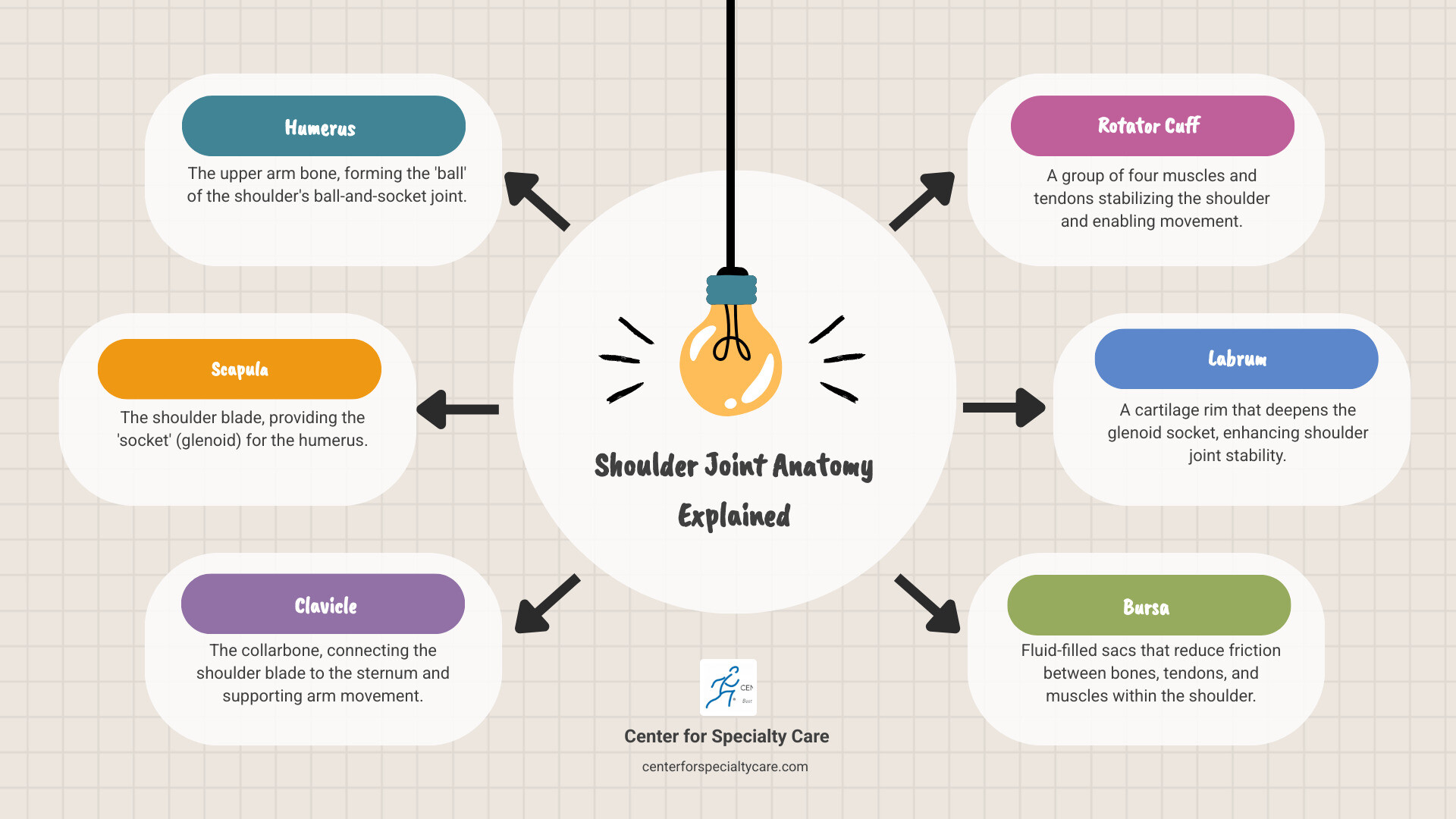
Shoulder popping and stiffness terms to remember:
What is Shoulder Crepitus? Unpacking the Pops and Clicks
Your shoulder’s incredible range of motion is thanks to its complex glenohumeral joint, a ball-and-socket structure where the humerus (upper arm bone) meets the scapula (shoulder blade). This design allows for great flexibility but also makes it vulnerable.
When you move your arm, you might hear or feel a pop, click, or grinding sensation. The medical term for this is crepitus. The good news is that crepitus doesn’t always mean something’s wrong. In fact, painless popping is extremely common and usually harmless.
One of the most frequent causes is cavitation. Your joints contain synovial fluid with tiny gas bubbles. Changes in joint pressure can cause these bubbles to collapse, creating a popping sound, similar to cracking your knuckles. As we age, our joints can also become noisier, which is a normal part of the aging process if there is no associated pain.
If you’re curious about the broader mechanics of your arm and shoulder, you can explore more at More info about Arm conditions.
Common Causes of Harmless Shoulder Popping
Understanding why your shoulder makes noise can put your mind at ease.
- Cavitation: The release of nitrogen gas bubbles in your joint fluid is the most common cause of painless popping. It’s a normal process and doesn’t indicate damage.
- Tendons or Ligaments Snapping Over Bone: As you move, soft tissues glide over bony structures. Sometimes, they can momentarily catch and snap back, creating a click. As long as it’s painless, it’s just your anatomy at work.
- Normal Joint Movement: The natural friction of healthy joint surfaces can create sounds, especially after being still for a while.
The most important indicator that popping is harmless is the lack of pain or swelling. If you’re not experiencing discomfort, redness, or warmth, you’re generally in the clear.
When not to worry: If your shoulder pops occasionally without pain, weakness, or limited motion, there’s usually no cause for concern. However, when shoulder popping and stiffness occur together or with pain, it’s time to pay closer attention.
Common Causes of Painful Shoulder Popping and Stiffness
When shoulder popping and stiffness are accompanied by pain, it’s your shoulder’s way of signaling a problem. Discomfort, weakness, inflammation, or loss of function suggest an injury or condition that needs medical attention. Understanding the cause is the first step toward relief. Our team at Center for Specialty Care specializes in diagnosing and treating these issues. Learn more about our comprehensive approach to More info about Orthopedics.
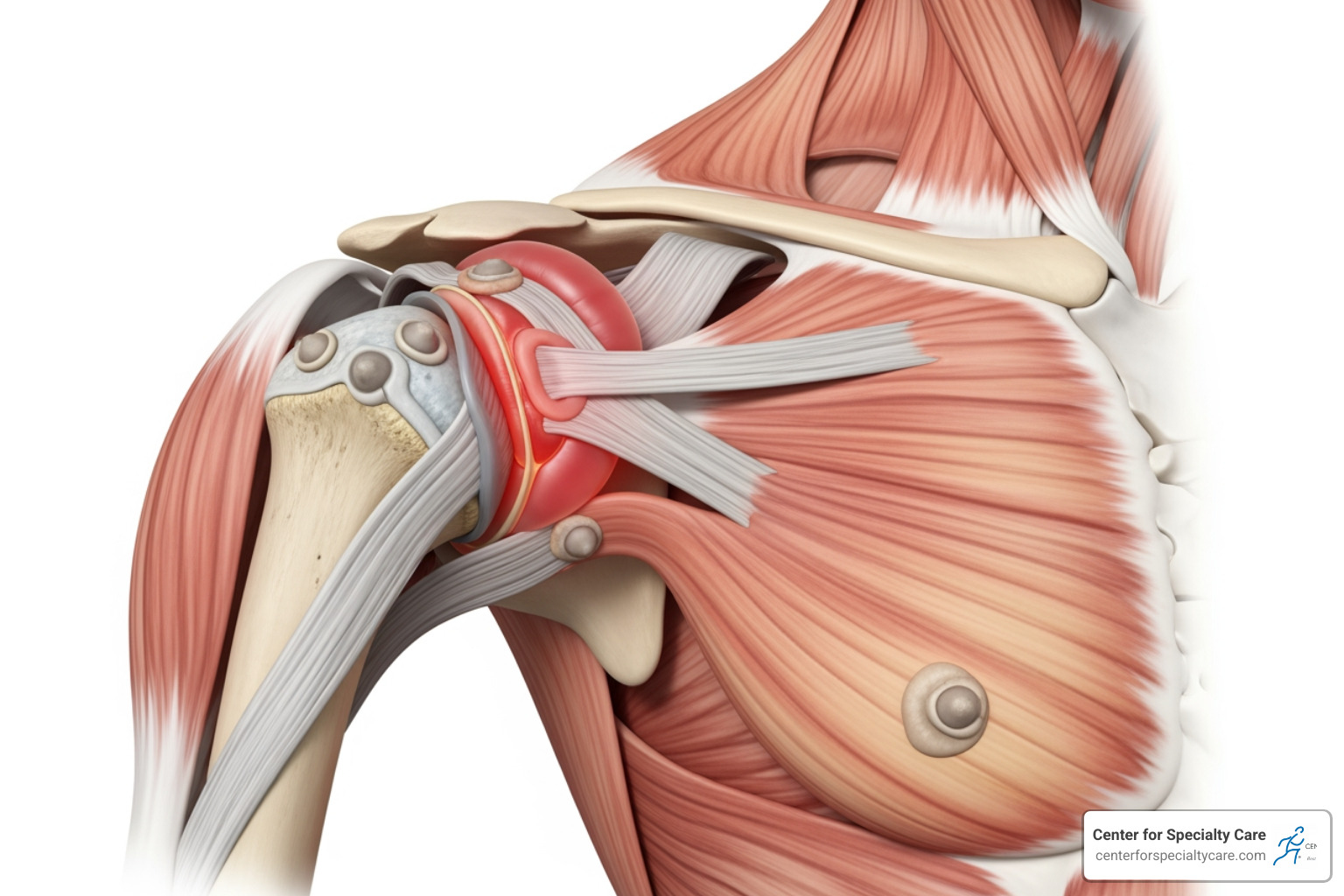
Here are the most common culprits behind painful shoulder popping.
Labral Tears
The labrum is a ring of cartilage that deepens the shoulder socket, acting like a gasket to keep the joint stable. A tear, often from a fall, direct blow, or repetitive overhead motion, can cause problems. Symptoms include a grinding or popping sensation, pain with overhead activities, and a feeling that the shoulder might slip out of place. The joint may also catch, click, or lock up. For more details, see this Detailed information on labral tears. Our More info about Rotator Cuff Surgeons can provide expert care for complex shoulder issues.
Bursitis and Impingement
Bursae are small, fluid-filled sacs that reduce friction in the shoulder. When they become inflamed (bursitis), movement becomes painful. You might feel a sharp pain, warmth, swelling, and hear a pop when moving your arm. This is often part of shoulder impingement syndrome, where tendons or bursae get pinched by bone when you lift your arm, causing irritation and popping. A specific type called snapping scapula syndrome involves the shoulder blade popping against the rib cage. You can explore Scientific research on snapping scapula syndrome for more information.
Osteoarthritis: A Major Cause of Shoulder Popping and Stiffness
Osteoarthritis, or wear-and-tear arthritis, is a leading cause of painful shoulder popping and stiffness. It occurs as the protective cartilage in the joint wears away, leading to bone-on-bone friction. Hallmarks include grating, grinding, and cracking noises. Pain often worsens with activity, and stiffness is common, especially in the morning. Over time, range of motion decreases. While most common in people over 50, it can affect younger individuals after trauma. Learn more about Information on shoulder osteoarthritis and get context from our guide on More info about Shoulder Joint Pain.
Rotator Cuff Injuries
Your rotator cuff is a group of four muscles and tendons that stabilize the shoulder. Injuries range from inflammation (tendinitis) from overuse to tears from trauma or degeneration. The classic symptom is a dull, deep ache in the shoulder that often worsens at night. Weakness when lifting your arm or reaching overhead is also common. While popping is less frequent, it can occur if a tear causes instability.
[TABLE] Comparing Symptoms of Common Shoulder Conditions
| Condition | Key Symptoms | Type of Sound | Common Causes |
|---|---|---|---|
| Labral Tears | Pain (especially overhead), instability, weakness, decreased range of motion, locking/catching. | Grinding, popping, clicking, locking | Hard falls, direct blows, sudden pulls on the joint, repetitive overhead motions, wear and tear. |
| Bursitis/Impingement | Pain (stabbing/warmth), stiffness, swelling, tenderness, pain when lifting arm, limited range of motion. | Popping, snapping, grinding | Overuse, repetitive motions, trauma, inflammation of bursae, tendons rubbing against bone. |
| Osteoarthritis | Pain (worsens with activity), stiffness (especially morning), decreased range of motion, swelling. | Grating, grinding, cracking, popping | Wear and tear of cartilage over time, age (>50), trauma, previous joint injuries. |
| Rotator Cuff Injuries | Dull ache (deep in shoulder), pain at night, arm weakness, difficulty with overhead tasks, limited range of motion, stiffness. | Clicking, popping (less common) | Overuse, repetitive motions, trauma (falls), age-related degeneration. |
When to Seek Medical Attention
While painless shoulder popping and stiffness is usually not a concern, knowing when to seek help is key to preventing more serious complications. Pain is your shoulder’s way of telling you something is wrong. At Center for Specialty Care, we provide prompt, expert care in Fairmont, MN, Estherville, IA, and our other locations.
It’s time to see a medical provider when popping is accompanied by other troubling symptoms. Here are the red flags that warrant a shoulder evaluation:
- Persistent Pain: Pain that disrupts sleep, interferes with daily activities, or lasts more than a few weeks despite rest needs attention.
- Signs of Inflammation: Visible swelling, warmth, or redness around the shoulder joint can signal inflammation or infection.
- Visible Deformity: If your shoulder looks out of place or has a new bump, it could indicate a dislocation or fracture requiring immediate care.
- Weakness or Inability to Lift Your Arm: A sudden loss of strength or the inability to raise your arm suggests a significant injury.
- Popping After an Injury: If popping and pain began after a fall, car accident, or other trauma, get it evaluated promptly. Our guide on More info about Shoulder Pain After a Car Accident offers specific advice.
- Mechanical Symptoms: A shoulder that locks, catches, or feels like it might slip out of its socket points to a structural problem like a labral tear.
- Reduced Range of Motion: If you can’t move your arm fully, especially with stiffness, something is limiting your shoulder’s function.
Trust your instincts. If something feels wrong, it’s better to get it checked early. For more guidance, see our resource on More info about when to see a Doctor for Shoulder Problems.
Finding Relief: Treatment Options for Shoulder Pain and Popping
When shoulder popping and stiffness interfere with your life, it’s time to explore treatment. Most shoulder problems respond well to care, especially when caught early. At Center for Specialty Care, we prioritize a thorough diagnosis to create a personalized care plan that gets you back to what you love.

Treatment typically starts with conservative methods before progressing to more intensive options if needed.
At-Home and Conservative Care
For mild to moderate issues, these simple approaches can provide significant relief:
- Rest and Activity Modification: Avoid movements that cause pain, but keep the shoulder gently mobile to prevent stiffness. Our pain management team can offer strategies.
- Ice Therapy: Apply an ice pack for 15-20 minutes several times a day to reduce swelling and pain.
- Over-the-Counter NSAIDs: Medications like ibuprofen can ease pain and fight inflammation.
- Gentle Stretching: Once acute pain subsides, easy stretches help maintain your range of motion.
Medical and Therapeutic Interventions
If home care isn’t enough, these treatments can make a major difference:
- Physical Therapy: This is often a game-changer. A physical therapist creates a custom program to strengthen stabilizing muscles, improve flexibility, and correct movement patterns. Our guide on physical therapy for shoulder pain has more details.
- Corticosteroid Injections: These shots deliver powerful anti-inflammatory medication directly to the source of pain. The relief can break the pain cycle, allowing you to engage more effectively in physical therapy. We offer several types of injections for shoulder pain.
When is Surgery Necessary?
Surgery is considered when conservative treatments fail (usually after 3-6 months) or when an injury is too severe for non-surgical options. Our sports medicine specialists will only recommend surgery when it’s the best path to lasting relief.
- Arthroscopic Surgery: This minimally invasive technique uses a small camera and instruments to perform repairs like labral or rotator cuff repair, resulting in less pain and faster recovery.
- Shoulder Replacement: For severe arthritis, replacing the damaged joint with an artificial one can eliminate pain and restore function.
The decision is always yours. We ensure you understand all your options before moving forward.
Proactive Protection: How to Prevent Shoulder Injuries
The best way to deal with shoulder popping and stiffness is to prevent it. As one of the most mobile joints in your body, your shoulder works hard every day. Simple, consistent habits can significantly reduce your risk of developing painful shoulder conditions.

The secret to shoulder health is listening to your body and making smart choices. When your shoulder whispers that something feels off, don’t wait for it to shout.
[LIST] of Prevention Strategies
- Maintain good posture: Sit and stand straight with your shoulders back and relaxed to avoid unnecessary stress on the joint.
- Strengthen supporting muscles: A balanced exercise program focusing on the rotator cuff, deltoids, and upper back muscles provides natural stability.
- Warm-up and cool-down: Prepare your body for activity with 5-10 minutes of gentle movement and stretch afterward to maintain flexibility.
- Avoid overtraining: Gradually increase the intensity of new exercises and take breaks from repetitive motions to allow your shoulder time to adapt.
- Use proper lifting techniques: Keep weights close to your body, engage your core, and use proper form. For tips, see our guide on More info about getting rid of shoulder pain from lifting.
- Listen to your body: Pay attention to new aches or discomfort. Rest and modify activities as needed, and seek evaluation if symptoms persist.
Frequently Asked Questions about Shoulder Popping and Stiffness
Here are answers to some of the most common questions we hear from patients experiencing shoulder popping and stiffness.
Why does my shoulder pop without any pain?
Painless popping is usually harmless. It’s typically caused by cavitation (the release of gas bubbles in the joint fluid) or a tendon snapping over bone. Neither of these indicates damage and is just a normal part of your body’s mechanics. If there’s no pain, there’s generally no cause for concern.
Can shoulder popping heal on its own?
This depends on the cause. If the popping is harmless cavitation, there’s nothing to heal. If it’s from a minor strain, rest may be enough. However, if shoulder popping and stiffness are accompanied by pain, weakness, or instability, the underlying condition (like a labral tear, rotator cuff injury, or arthritis) will not heal on its own and requires medical treatment to prevent worsening.
What exercises are good for a popping shoulder?
The right exercises depend entirely on the diagnosis. For general shoulder health, strengthening the rotator cuff and surrounding muscles and performing gentle range-of-motion exercises are beneficial. However, if you have a specific injury, the wrong exercises can cause more harm. It is crucial to get a proper diagnosis from an orthopedic specialist or physical therapist who can create a safe and effective exercise plan for you. Our guide on the More info about the Best Therapy for Shoulder Pain can provide more insight after you have a diagnosis.
Your Next Step Towards a Pain-Free Shoulder
You now understand the difference between harmless shoulder popping and stiffness and when it’s a sign to seek help. Remember: popping without pain is often normal, but popping with pain is your shoulder’s signal that it needs attention. A proper diagnosis is the essential first step to effective treatment.
At Center for Specialty Care, we are committed to 100% patient satisfaction through personalized care. Our orthopedic specialists serve communities across southern Minnesota and northern Iowa, including Fairmont, Estherville, Buffalo Center, and St. James. We create care plans custom to your specific condition and goals, and we prioritize quick appointment availability so you don’t have to wait in pain.
You don’t have to live with shoulder pain that limits your life. Whether you need conservative care or are considering surgery, our team is here to guide you.
Take control of your shoulder health today by scheduling an appointment with us. Let’s work together to get you back to moving freely and living without pain.